.svg)

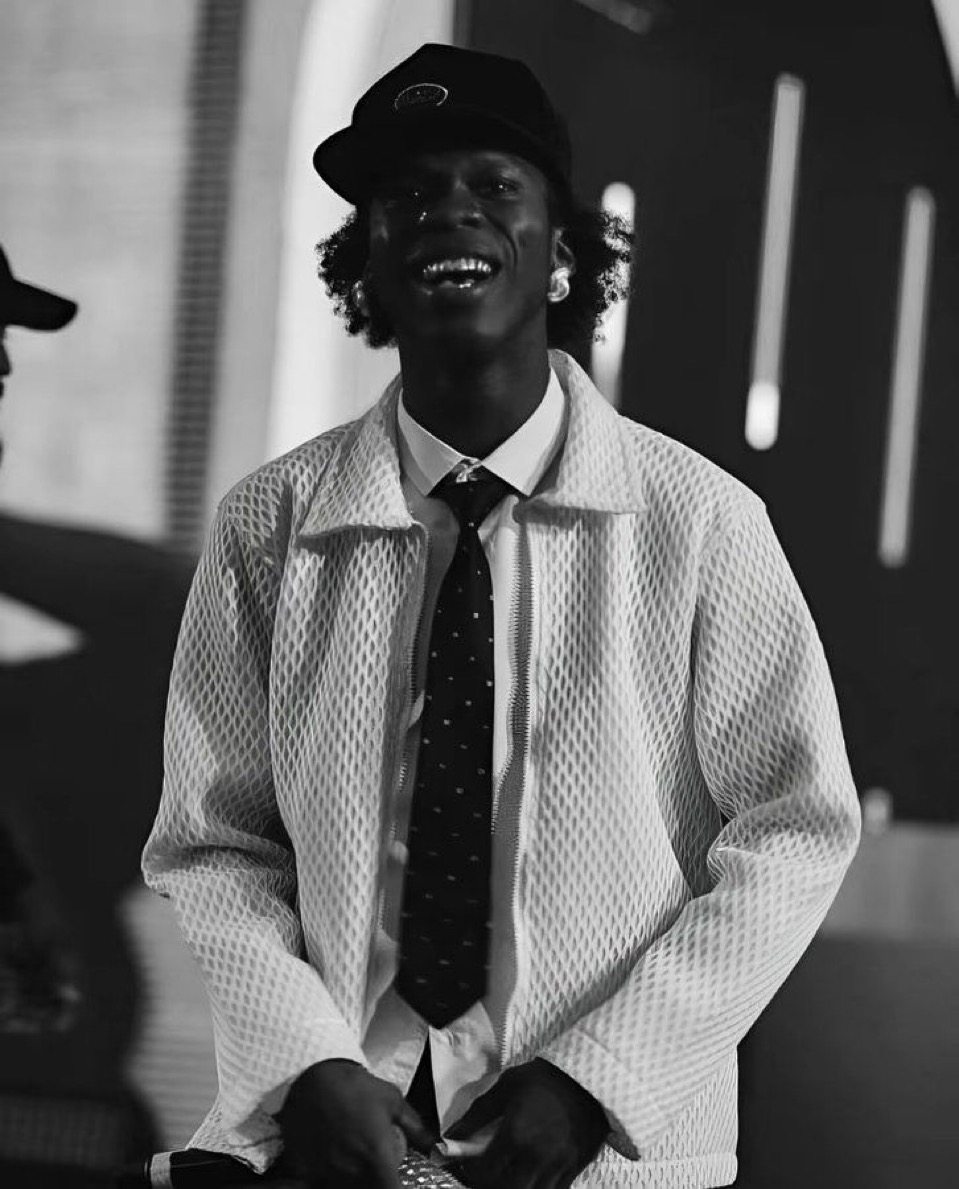
In the fast evolving world of Nigerian street-pop, consistency is rare and evolution is even rarer. Yet over the past few years, Seyi Vibez has become one of the most fascinating cases of sonic evolution in contemporary Nigerian music. What started as raw, street-driven Afrobeats, built on longing, prayer, and survival has grown into a layered, experimental, culturally anchored sound that now feels unmistakably his. The evolution hasn’t been a leap but a continuous reshaping, each phase adding new textures without abandoning the core emotions that first defined him.
The earliest Seyi Vibez era was defined by urgency. Tracks like God Sent, Bad Type, and Catalyst introduced a singer who carried the streets in his voice. His delivery was unpolished, vulnerable and shaky, His lyrics were prayers, confessions, and reflections on hustle and faith. You heard struggle, but you also heard a young artist writing from lived experience. The production was minimal, often stripped back to allow his vocals and storytelling to take center stage. For a while, that raw, unfiltered intensity became his signature, music made for the streets of Lagos, by someone who understood them intimately.
Then the shift began.
The first major shift came on Billion Dollar Baby and Memory Card, where Seyi began bending his sound into richer, fuller shapes. The beats expanded, percussion deepened, and choral layers added richer texture. He blended street rhythms with spiritual undertones and Yoruba influences, creating music that felt deeper without losing the core that made people connect with him. Instead, it widened the audience he could reach while deepening the emotional landscape of his music.
On Thy Kingdom Come and Vibe Till Thy Kingdom Come, Seyi doubled down on his new direction. Tracks such as Chance (Na Ham) showcased a move towards layered vocals, softer sounds, and percussion that added a spiritual feel. His voice became part of a larger emotional scape, carrying echoes of prayer and the raw energy of street narratives. Producers like Modra, TBM, and Dibs helped shape this sound, ensuring every beat carried weight and nuance beyond the danceable rhythm.
Then came NAHAMciaga, the EP demonstrated his ability to balance his Yoruba roots with broader appeal. Hits like Different Pattern and Cana were street-leaning but universally accepted, blending the Yoruba language with production that felt both traditional and contemporary. The EP's commercial success also proved that his evolving sound could maintain relevance while still pushing sonic boundaries. Shortly after, the Loseyi Professor EP pushed his evolution further, a seven-track EP where each song bore the name of a city; Lagos, Doha, Casablanca, Santorini, Abu Dhabi, Manchester, showing his journey from the streets to global stages.
All of these set the stage for Fuji Moto. Here, Seyi Vibez fully embraces Fuji, he has repeatedly credited Ikorodu as the core of his musical identity, the place where Fuji, Islamic chants, and street spirituality naturally blend. That roots-first philosophy is what Pan-African Music described as a "neo-Fuji flame," positioning him not as someone reviving Fuji, but someone extending it into a new emotional soundscape. You can hear it especially in how he stacks vocals; the overlapping chants, the call-and-response murmur, and the sound texture. The percussion patterns lean into classic Fuji phrasing, call-and-response vocals mimic live performance, and his chestier, lived-in vocal delivery reflects the genre's demands. Tracks like Fuji Moto bore evidence of years of evolution, threading Fuji with street-pop, percussive Amapiano, Yoruba folk, and contemporary Afrobeats.
What makes Seyi Vibez’s transformation compelling is how natural it feels. There’s no dramatic pivot or rebrand, just a steady, confident widening of his sound. The street narratives still exist, but they coexist now with more layered arrangements, spiritual undertones, and a broader musical sense. He leans deeper into his Yoruba identity, while expanding the production, texture, and emotional range of his music. Seyi Vibez’s growth feels less like reinvention and more like uncovering, an artist peeling back layers of his sound until he finds the core of what makes his voice resonate. From raw street anthems to textured, chant-filled compositions and now Fuji-rooted explorations, he has crafted a progression that feels lived-in, spiritual, and unmistakably his. The journey is ongoing, but one truth is already clear: Seyi Vibez isn’t just evolving his music; he’s expanding its emotional universe. And in doing so, he’s giving his listeners new ways to feel, remember, and belong.



.png)

