African Music Is Everywhere. But What Does "Global" Really Mean for African Artists?

Authored by

In 2019, you were probably doing what most people in Lagos did, phone in hand, scrolling through music without looking for anything in particular. And then something found you. A kid from Benin City, not yet twenty, releasing an EP that sounded like nothing heard before. You played 'Iron Man' and 'Dumebi' back to back, the way you do when a song feels like a secret you haven't told anyone yet. It felt new. It felt ours.

Somewhere between a gym playlist in Ohio and a Coachella headline slot, Rema's 'Calm Down' stopped being a song and became wallpaper. The oh oh oh oh and the lo lo lo lo -  that looping, hypnotic repetition was everywhere, soundtracking other people's lives, other people's moments, other people's TikToks. By the time the Selena Gomez remix pushed it to number three on the Billboard Hot 100, the track had been used in 1.8 million TikTok videos and powered by the full promotional machinery of Interscope Records. Everyone could sing along. Almost no one knew where it came from.
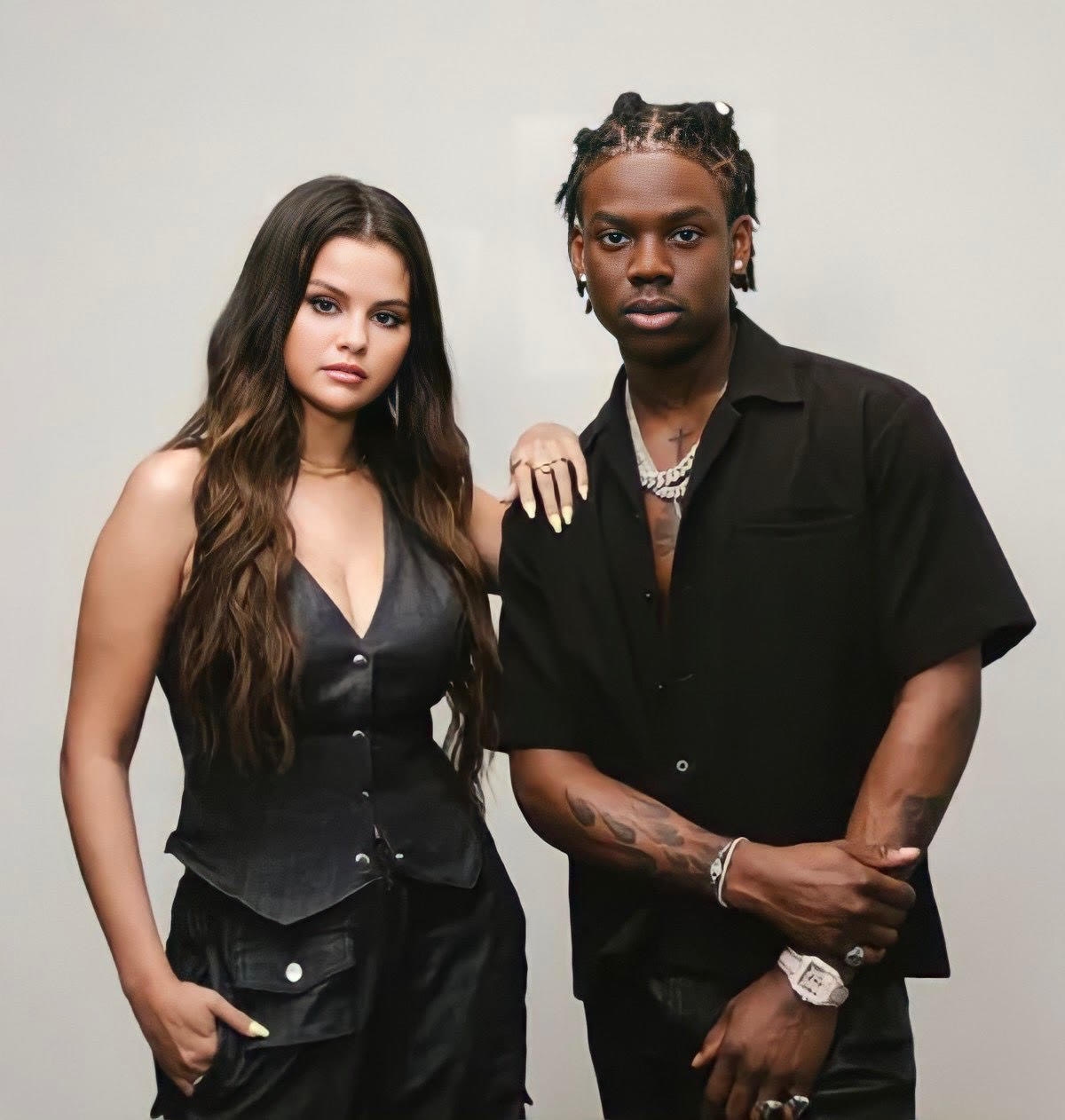
Selena Gomez & Rema via Instagram

That's the moment worth sitting with. Not the triumph of it, though the triumph is real. But the question underneath it: when a song belongs to everyone, does it still belong to us?

The Scoreboard Looks Good
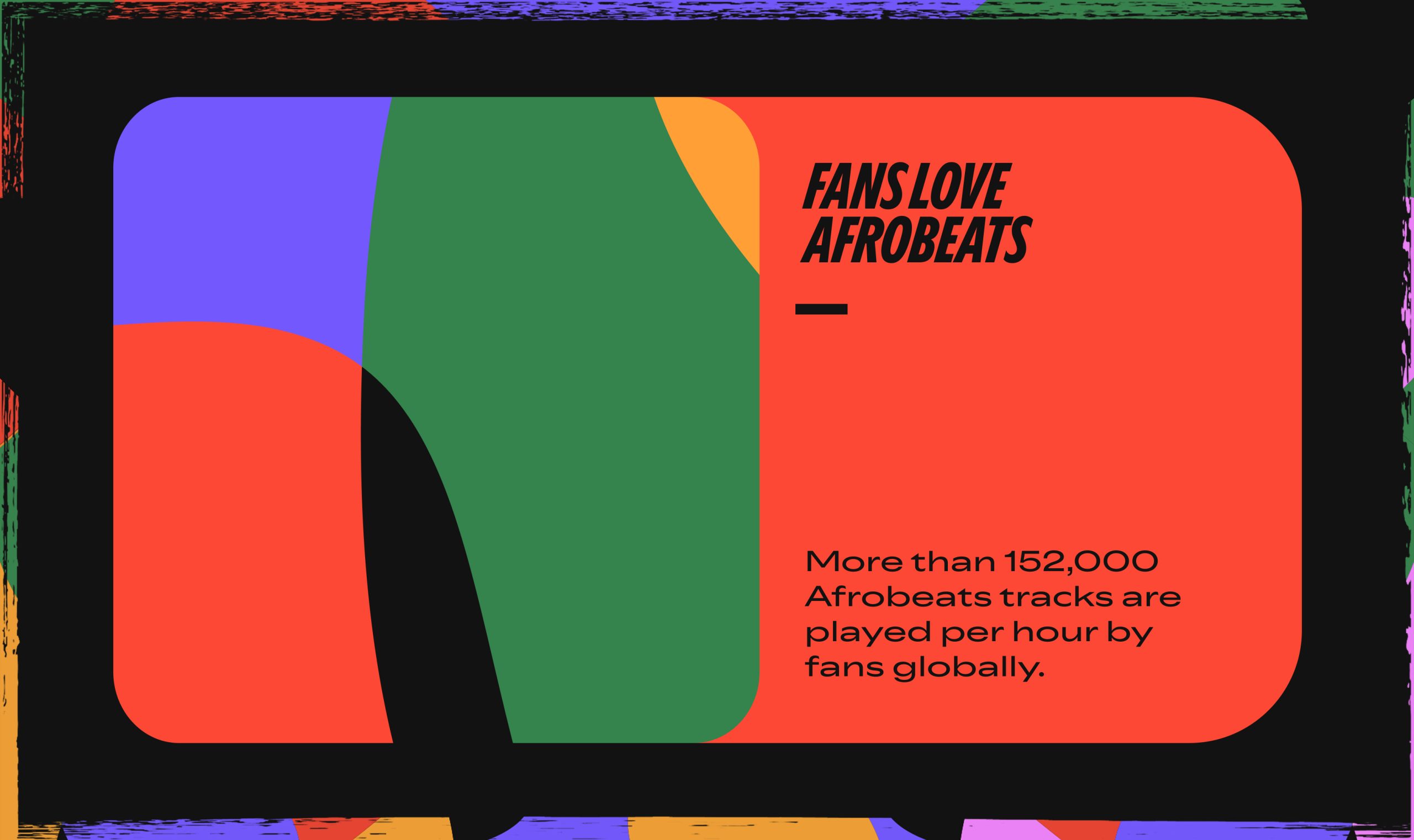
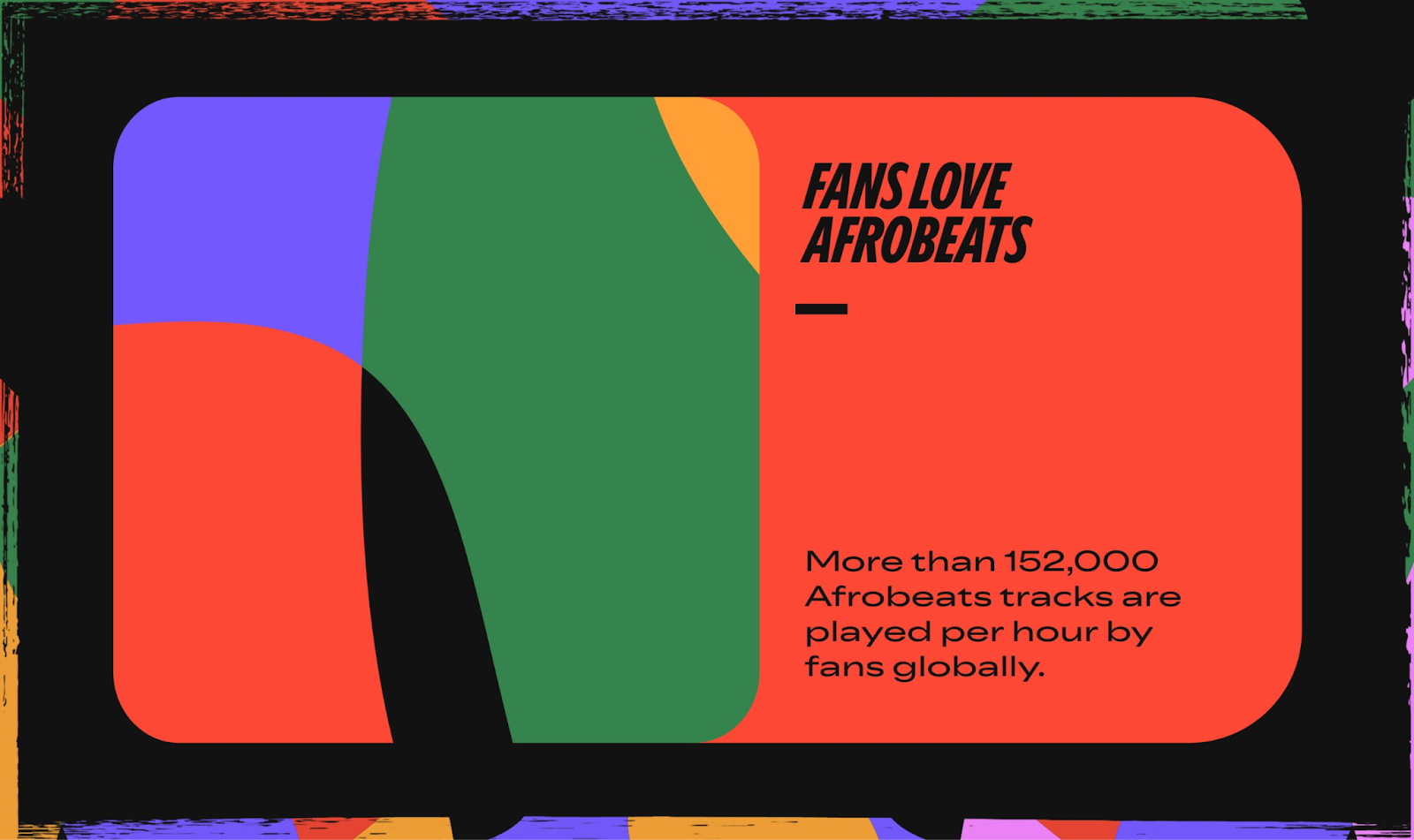
Let's be clear: the wins are real and they matter. African artists selling out the O2 Arena and Madison Square Garden. Tems became the first African female artist to surpass one billion Spotify streams for a single track. Burna Boy headlining his own world tour. Global Afrobeats listenership increased by 22% in 2025 alone, with streams of the genre recording a staggering 5,022 percent growth between 2021 and 2025. These are not small numbers. A generation of African artists fought for visibility that their predecessors were denied, and they are getting it.

But growth toward what, exactly? And on whose terms? The scoreboard tells us African music is winning. It doesn't tell us who's keeping score.

Who Controls the Dial
The infrastructure of global music is still largely Western. Streaming algorithms decide which sounds travel and at what speed. Spotify's own editorial playlists like African Heat and Afrobeats Hits became gateways to global exposure, while algorithmic playlists quietly reshaped how millions encounter African music. And here is the catch: the same algorithms that amplify African music also decide who gets seen and who gets sidelined.

Award shows tell a similar story. When the Grammy Academy introduced the Best African Music Performance category in 2024, it was framed as recognition. But critics were quick to notice the architecture of the gesture. In 2024, all five nominees were Nigerian, with no representation from other African countries, raising immediate questions about whether the category was truly for African music or simply for Afrobeats. As one op-ed in OkayAfrica put it, African artists are welcomed, but only if they perform Africanness in ways that align with Western expectations. There is a difference between being welcomed into a room and being given a separate table at the back of it.

Credit: Album Cover

Consider what made 'Calm Down' travel. The song is emotionally unspecific in the most deliberate way -  a heartbreak song, a daydream, a meditation on someone you haven't met yet. That emotional openness is part of its genius. Selena Gomez's remix undoubtedly gave the song new legs, and her familiarity to pop radio programmers and access to a global audience were ultimately her primary contributions -  something Rema himself acknowledged strategically. The oh oh oh oh requires no translation. Which is beautiful. And which is also the mechanism by which a song from Benin City becomes background music for a Western lifestyle brand.
The question isn't whether Rema made the song deliberately accessible -  of course he did, and that's craft. The question is what happens to the music that doesn't translate as neatly. What happens to the sounds that are too specific, too rooted, too local to be smoothed into a global format? African artists are often categorised under "world music" or "Afrobeats," even when their sound defies those labels. Do they get heard at all?

Two Kinds of Global
There is a version of 'global' that looks like Beyoncé sampling Afrobeats on her album - tribute paid by a Western superstar, the sound validated by proximity to her platform. And then there is the version that looks like Burna Boy headlining arenas on his own name, his own terms, his own audience following him there.
One is being referenced by the mainstream. The other is leading it. Both are called 'global.' They are not the same thing.
African artists continue to dominate charts, shape global soundscapes, and influence pop culture, yet their recognition at the Grammys remains largely confined to Africa-specific categories.

Globalisation and homogenisation travel together. The artists who have managed to resist this; who have insisted on their specificity even as they reached for wider audiences have had to fight for that right. It is not given freely by an industry that rewards what is easiest to package.
Credit: Spotify

What the Fans at Home Feel
When an African artist blows up abroad, something shifts in how they are perceived at home. Sometimes it is pure pride - the chest-swelling kind, the "that's our person up there" feeling. And sometimes, quietly, it is something else. A suspicion. A grief, almost. Did they change the sound? Did they change themselves to get there?

There is something telling in the fact that 'Calm Down' -  a song that began its life on a Nigerian label, produced by a Nigerian producer, written from a very specific experience of Lagos nightlife needed a Selena Gomez remix to fully crack North America. Its ascent began the way so many modern hits do: with fan-made clips and dance challenges that spread faster than any single press campaign could. The Selena Gomez remix widened the aperture, but the groundwork was laid by users who treated the song as a social object first and a chart entry second. The fans at home were there before the algorithm. We are always there before the algorithm.

That proximity matters. Because the fans at home are not just spectators in this story. We are the original audience, the ones who heard it first, who knew what it meant before it had a global context to mean anything within. Our relationship to music changes when music becomes the world's. That change is not always a loss. But it is always worth naming.

Arrival, or Assimilation?
The numbers are undeniable. Afrobeats has generated more than 240 million global discoveries on Spotify in the past year alone. The stages are real. The streams are real. The wins are real.

But the conversation we need to be having is not just about whether African artists are winning. It's about what kind of winning we are working toward. Whether 'global' means African music reaching the world on its own terms or being processed by a Western industry machine until it is recognisable enough to be accepted. Until African platforms can produce their own verified insights, the continent's creative narrative will remain outsourced. There is a version of this story where African artists don't have to choose between authenticity and ambition. Where the infrastructure catches up to the talent. Where 'global' stops being a Western category that African music gets admitted into and starts being a stage that African music builds for itself.

We're not there yet. But we have artists making that argument with every song they release. And we have fans who remember what the music sounded like before the world got hold of it and who are watching, carefully, to see what it becomes.

IG: @ffeistyhuman
African Music Is Everywhere. But What Does "Global" Really Mean for African Artists?

Authored by
This is some text inside of a div block.

In 2019, you were probably doing what most people in Lagos did, phone in hand, scrolling through music without looking for anything in particular. And then something found you. A kid from Benin City, not yet twenty, releasing an EP that sounded like nothing heard before. You played 'Iron Man' and 'Dumebi' back to back, the way you do when a song feels like a secret you haven't told anyone yet. It felt new. It felt ours.

Somewhere between a gym playlist in Ohio and a Coachella headline slot, Rema's 'Calm Down' stopped being a song and became wallpaper. The oh oh oh oh and the lo lo lo lo -  that looping, hypnotic repetition was everywhere, soundtracking other people's lives, other people's moments, other people's TikToks. By the time the Selena Gomez remix pushed it to number three on the Billboard Hot 100, the track had been used in 1.8 million TikTok videos and powered by the full promotional machinery of Interscope Records. Everyone could sing along. Almost no one knew where it came from.

Selena Gomez & Rema via Instagram

That's the moment worth sitting with. Not the triumph of it, though the triumph is real. But the question underneath it: when a song belongs to everyone, does it still belong to us?

The Scoreboard Looks Good
Let's be clear: the wins are real and they matter. African artists selling out the O2 Arena and Madison Square Garden. Tems became the first African female artist to surpass one billion Spotify streams for a single track. Burna Boy headlining his own world tour. Global Afrobeats listenership increased by 22% in 2025 alone, with streams of the genre recording a staggering 5,022 percent growth between 2021 and 2025. These are not small numbers. A generation of African artists fought for visibility that their predecessors were denied, and they are getting it.

But growth toward what, exactly? And on whose terms? The scoreboard tells us African music is winning. It doesn't tell us who's keeping score.

Who Controls the Dial
The infrastructure of global music is still largely Western. Streaming algorithms decide which sounds travel and at what speed. Spotify's own editorial playlists like African Heat and Afrobeats Hits became gateways to global exposure, while algorithmic playlists quietly reshaped how millions encounter African music. And here is the catch: the same algorithms that amplify African music also decide who gets seen and who gets sidelined.

Award shows tell a similar story. When the Grammy Academy introduced the Best African Music Performance category in 2024, it was framed as recognition. But critics were quick to notice the architecture of the gesture. In 2024, all five nominees were Nigerian, with no representation from other African countries, raising immediate questions about whether the category was truly for African music or simply for Afrobeats. As one op-ed in OkayAfrica put it, African artists are welcomed, but only if they perform Africanness in ways that align with Western expectations. There is a difference between being welcomed into a room and being given a separate table at the back of it.

Credit: Album Cover

Consider what made 'Calm Down' travel. The song is emotionally unspecific in the most deliberate way -  a heartbreak song, a daydream, a meditation on someone you haven't met yet. That emotional openness is part of its genius. Selena Gomez's remix undoubtedly gave the song new legs, and her familiarity to pop radio programmers and access to a global audience were ultimately her primary contributions -  something Rema himself acknowledged strategically. The oh oh oh oh requires no translation. Which is beautiful. And which is also the mechanism by which a song from Benin City becomes background music for a Western lifestyle brand.
The question isn't whether Rema made the song deliberately accessible -  of course he did, and that's craft. The question is what happens to the music that doesn't translate as neatly. What happens to the sounds that are too specific, too rooted, too local to be smoothed into a global format? African artists are often categorised under "world music" or "Afrobeats," even when their sound defies those labels. Do they get heard at all?

Two Kinds of Global
There is a version of 'global' that looks like Beyoncé sampling Afrobeats on her album - tribute paid by a Western superstar, the sound validated by proximity to her platform. And then there is the version that looks like Burna Boy headlining arenas on his own name, his own terms, his own audience following him there.
One is being referenced by the mainstream. The other is leading it. Both are called 'global.' They are not the same thing.
African artists continue to dominate charts, shape global soundscapes, and influence pop culture, yet their recognition at the Grammys remains largely confined to Africa-specific categories.

Globalisation and homogenisation travel together. The artists who have managed to resist this; who have insisted on their specificity even as they reached for wider audiences have had to fight for that right. It is not given freely by an industry that rewards what is easiest to package.

Credit: Spotify

What the Fans at Home Feel
When an African artist blows up abroad, something shifts in how they are perceived at home. Sometimes it is pure pride - the chest-swelling kind, the "that's our person up there" feeling. And sometimes, quietly, it is something else. A suspicion. A grief, almost. Did they change the sound? Did they change themselves to get there?

There is something telling in the fact that 'Calm Down' -  a song that began its life on a Nigerian label, produced by a Nigerian producer, written from a very specific experience of Lagos nightlife needed a Selena Gomez remix to fully crack North America. Its ascent began the way so many modern hits do: with fan-made clips and dance challenges that spread faster than any single press campaign could. The Selena Gomez remix widened the aperture, but the groundwork was laid by users who treated the song as a social object first and a chart entry second. The fans at home were there before the algorithm. We are always there before the algorithm.

That proximity matters. Because the fans at home are not just spectators in this story. We are the original audience, the ones who heard it first, who knew what it meant before it had a global context to mean anything within. Our relationship to music changes when music becomes the world's. That change is not always a loss. But it is always worth naming.

Arrival, or Assimilation?
The numbers are undeniable. Afrobeats has generated more than 240 million global discoveries on Spotify in the past year alone. The stages are real. The streams are real. The wins are real.

But the conversation we need to be having is not just about whether African artists are winning. It's about what kind of winning we are working toward. Whether 'global' means African music reaching the world on its own terms or being processed by a Western industry machine until it is recognisable enough to be accepted. Until African platforms can produce their own verified insights, the continent's creative narrative will remain outsourced. There is a version of this story where African artists don't have to choose between authenticity and ambition. Where the infrastructure catches up to the talent. Where 'global' stops being a Western category that African music gets admitted into and starts being a stage that African music builds for itself.

We're not there yet. But we have artists making that argument with every song they release. And we have fans who remember what the music sounded like before the world got hold of it and who are watching, carefully, to see what it becomes.

IG: @ffeistyhuman
This is some text inside of a div block.

African Music Is Everywhere. But What Does "Global" Really Mean for African Artists?

Authored by

In 2019, you were probably doing what most people in Lagos did, phone in hand, scrolling through music without looking for anything in particular. And then something found you. A kid from Benin City, not yet twenty, releasing an EP that sounded like nothing heard before. You played 'Iron Man' and 'Dumebi' back to back, the way you do when a song feels like a secret you haven't told anyone yet. It felt new. It felt ours.

Somewhere between a gym playlist in Ohio and a Coachella headline slot, Rema's 'Calm Down' stopped being a song and became wallpaper. The oh oh oh oh and the lo lo lo lo -  that looping, hypnotic repetition was everywhere, soundtracking other people's lives, other people's moments, other people's TikToks. By the time the Selena Gomez remix pushed it to number three on the Billboard Hot 100, the track had been used in 1.8 million TikTok videos and powered by the full promotional machinery of Interscope Records. Everyone could sing along. Almost no one knew where it came from.

Selena Gomez & Rema via Instagram

That's the moment worth sitting with. Not the triumph of it, though the triumph is real. But the question underneath it: when a song belongs to everyone, does it still belong to us?

The Scoreboard Looks Good
Let's be clear: the wins are real and they matter. African artists selling out the O2 Arena and Madison Square Garden. Tems became the first African female artist to surpass one billion Spotify streams for a single track. Burna Boy headlining his own world tour. Global Afrobeats listenership increased by 22% in 2025 alone, with streams of the genre recording a staggering 5,022 percent growth between 2021 and 2025. These are not small numbers. A generation of African artists fought for visibility that their predecessors were denied, and they are getting it.

But growth toward what, exactly? And on whose terms? The scoreboard tells us African music is winning. It doesn't tell us who's keeping score.

Who Controls the Dial
The infrastructure of global music is still largely Western. Streaming algorithms decide which sounds travel and at what speed. Spotify's own editorial playlists like African Heat and Afrobeats Hits became gateways to global exposure, while algorithmic playlists quietly reshaped how millions encounter African music. And here is the catch: the same algorithms that amplify African music also decide who gets seen and who gets sidelined.

Award shows tell a similar story. When the Grammy Academy introduced the Best African Music Performance category in 2024, it was framed as recognition. But critics were quick to notice the architecture of the gesture. In 2024, all five nominees were Nigerian, with no representation from other African countries, raising immediate questions about whether the category was truly for African music or simply for Afrobeats. As one op-ed in OkayAfrica put it, African artists are welcomed, but only if they perform Africanness in ways that align with Western expectations. There is a difference between being welcomed into a room and being given a separate table at the back of it.

Credit: Album Cover

Consider what made 'Calm Down' travel. The song is emotionally unspecific in the most deliberate way -  a heartbreak song, a daydream, a meditation on someone you haven't met yet. That emotional openness is part of its genius. Selena Gomez's remix undoubtedly gave the song new legs, and her familiarity to pop radio programmers and access to a global audience were ultimately her primary contributions -  something Rema himself acknowledged strategically. The oh oh oh oh requires no translation. Which is beautiful. And which is also the mechanism by which a song from Benin City becomes background music for a Western lifestyle brand.
The question isn't whether Rema made the song deliberately accessible -  of course he did, and that's craft. The question is what happens to the music that doesn't translate as neatly. What happens to the sounds that are too specific, too rooted, too local to be smoothed into a global format? African artists are often categorised under "world music" or "Afrobeats," even when their sound defies those labels. Do they get heard at all?

Two Kinds of Global
There is a version of 'global' that looks like Beyoncé sampling Afrobeats on her album - tribute paid by a Western superstar, the sound validated by proximity to her platform. And then there is the version that looks like Burna Boy headlining arenas on his own name, his own terms, his own audience following him there.
One is being referenced by the mainstream. The other is leading it. Both are called 'global.' They are not the same thing.
African artists continue to dominate charts, shape global soundscapes, and influence pop culture, yet their recognition at the Grammys remains largely confined to Africa-specific categories.

Globalisation and homogenisation travel together. The artists who have managed to resist this; who have insisted on their specificity even as they reached for wider audiences have had to fight for that right. It is not given freely by an industry that rewards what is easiest to package.

Credit: Spotify

What the Fans at Home Feel
When an African artist blows up abroad, something shifts in how they are perceived at home. Sometimes it is pure pride - the chest-swelling kind, the "that's our person up there" feeling. And sometimes, quietly, it is something else. A suspicion. A grief, almost. Did they change the sound? Did they change themselves to get there?

There is something telling in the fact that 'Calm Down' -  a song that began its life on a Nigerian label, produced by a Nigerian producer, written from a very specific experience of Lagos nightlife needed a Selena Gomez remix to fully crack North America. Its ascent began the way so many modern hits do: with fan-made clips and dance challenges that spread faster than any single press campaign could. The Selena Gomez remix widened the aperture, but the groundwork was laid by users who treated the song as a social object first and a chart entry second. The fans at home were there before the algorithm. We are always there before the algorithm.

That proximity matters. Because the fans at home are not just spectators in this story. We are the original audience, the ones who heard it first, who knew what it meant before it had a global context to mean anything within. Our relationship to music changes when music becomes the world's. That change is not always a loss. But it is always worth naming.

Arrival, or Assimilation?
The numbers are undeniable. Afrobeats has generated more than 240 million global discoveries on Spotify in the past year alone. The stages are real. The streams are real. The wins are real.

But the conversation we need to be having is not just about whether African artists are winning. It's about what kind of winning we are working toward. Whether 'global' means African music reaching the world on its own terms or being processed by a Western industry machine until it is recognisable enough to be accepted. Until African platforms can produce their own verified insights, the continent's creative narrative will remain outsourced. There is a version of this story where African artists don't have to choose between authenticity and ambition. Where the infrastructure catches up to the talent. Where 'global' stops being a Western category that African music gets admitted into and starts being a stage that African music builds for itself.

We're not there yet. But we have artists making that argument with every song they release. And we have fans who remember what the music sounded like before the world got hold of it and who are watching, carefully, to see what it becomes.

IG: @ffeistyhuman
Other Stories
London
London
Lagos
London
Newyork
London
Shop
Join the community.
You are now subscribed to receive updates.
Oops! Something went wrong while submitting the form.