.svg)


The international reach of Afrobeats is undeniable. Over the last five years, the likes of Rema, Tems, and Ayra Starr have become household names, marking the ushering in of a new guard. Even with its global expansion, Afrobeats has mostly appealed to Africans and their diaspora, only slowly making its way to the Caribbean and the Western world.
Through social media and the genre’s continued growth, its music and its artists have now reached the East, where new life has been breathed into the music, the events, and the sound - offering a surge of stardom that’s ripe for the taking.
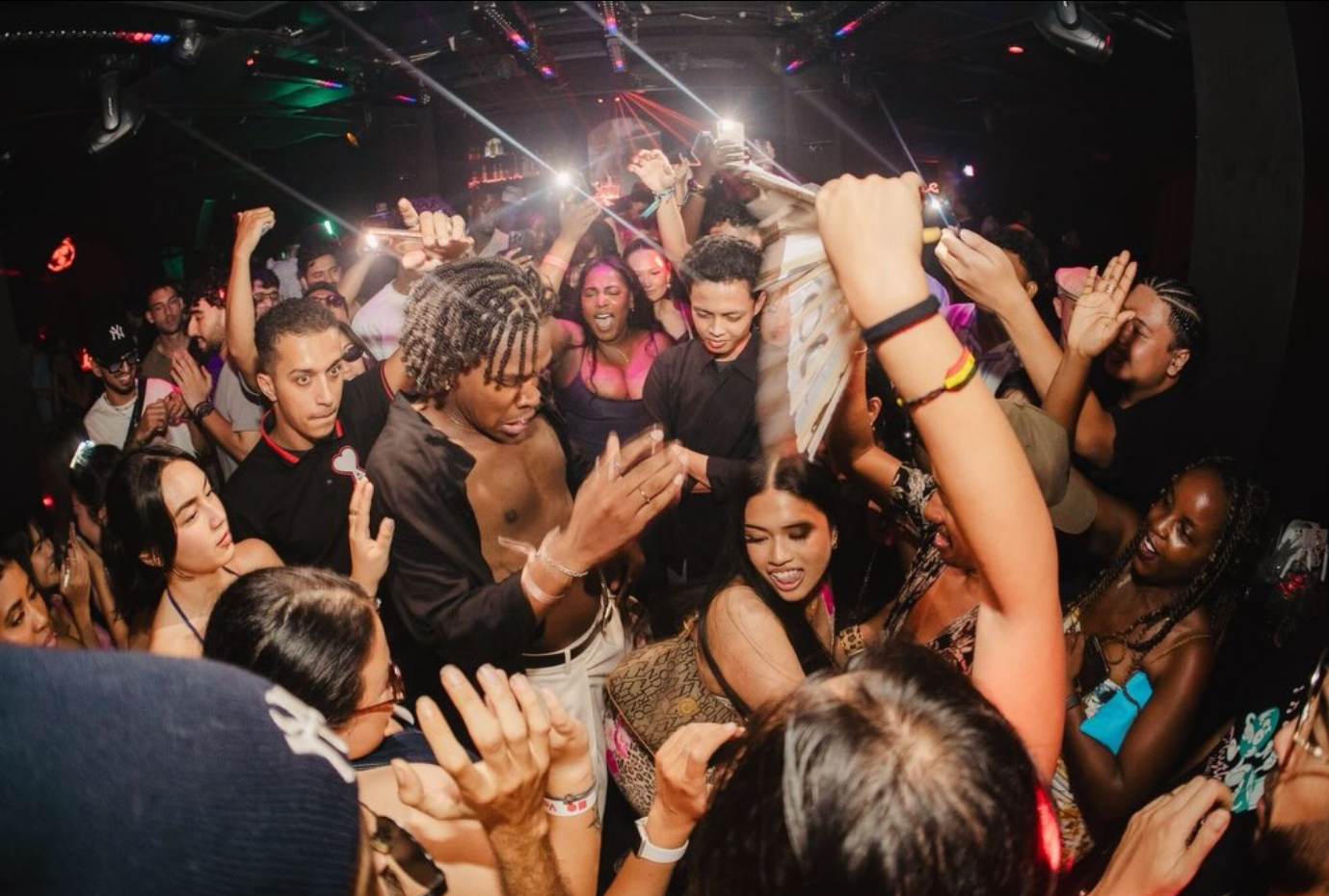
First coined in the 1970’s, Fela Kuti and drummer Tony Allen’s original ‘Afrobeat’ sound took highlife tunes, American jazz, funk, and traditional Yoruba music and merged them into what became a score for many protests against corruption and human rights abuse. As the years went on Kuti’s band maintained the sound as new artists created different fusions.
Upon Kuti’s death in 1997, Afrobeats—with the s, a genre more synonymous with Nigerian Pop— was planted in the 2000s, only sprouting and blossoming into what we now know in the 2010s. With young artists mixing original sounds with global hip hop, R&B, and dancehall in shorter, studio-produced beats, the use of digital technology brought connections around the world. It’s these same techniques that have led to expansion today, as well as the new flavours of Asian influence.
Today’s sounds, though distinct, have changed from Kuti’s smoother fusion. Kuti’s original mixes were featured in legendary Chinese rockstar Wu Bai’s 2016 album Ding Zi Hua (《钉子花》), making him the first mainstream Chinese artist to use the sounds overtly. As the pop and rap scenes have grown across the continent, Bai’s ingenuity spread to wider Asia, alongside the solidification of Asia’s own rap and hip-hop sounds.
While the pop phenomenon is no stranger to Asia. Afrobeats, Hip-hop, and Rap symbolise a different shift in the culture's taste and, perhaps, its acceptance of outside norms. The current industries, while somewhat established, are still new to Western influence, as major record labels like Def Jam Records have begun to expand their reach globally. African labels, like Sony Music Africa (South Africa), Universal Music Africa, and other independent artists and collectives, like the Hong Kong-based AfroSeas, have made headway on the continent as well, signifying the noticeable gap.
Like Afrobeat, much of the Rap and Hip-hop throughout Asian countries has lent itself to political commentary and national unity amongst the youth in the continent, advocating against gender inequality, corruption, and more. In the same ethos, the combination of Afrobeats unique sounds and the current identity of Asian hip-hop music play off each other - creating an understanding that’s building its home in the Asian market.
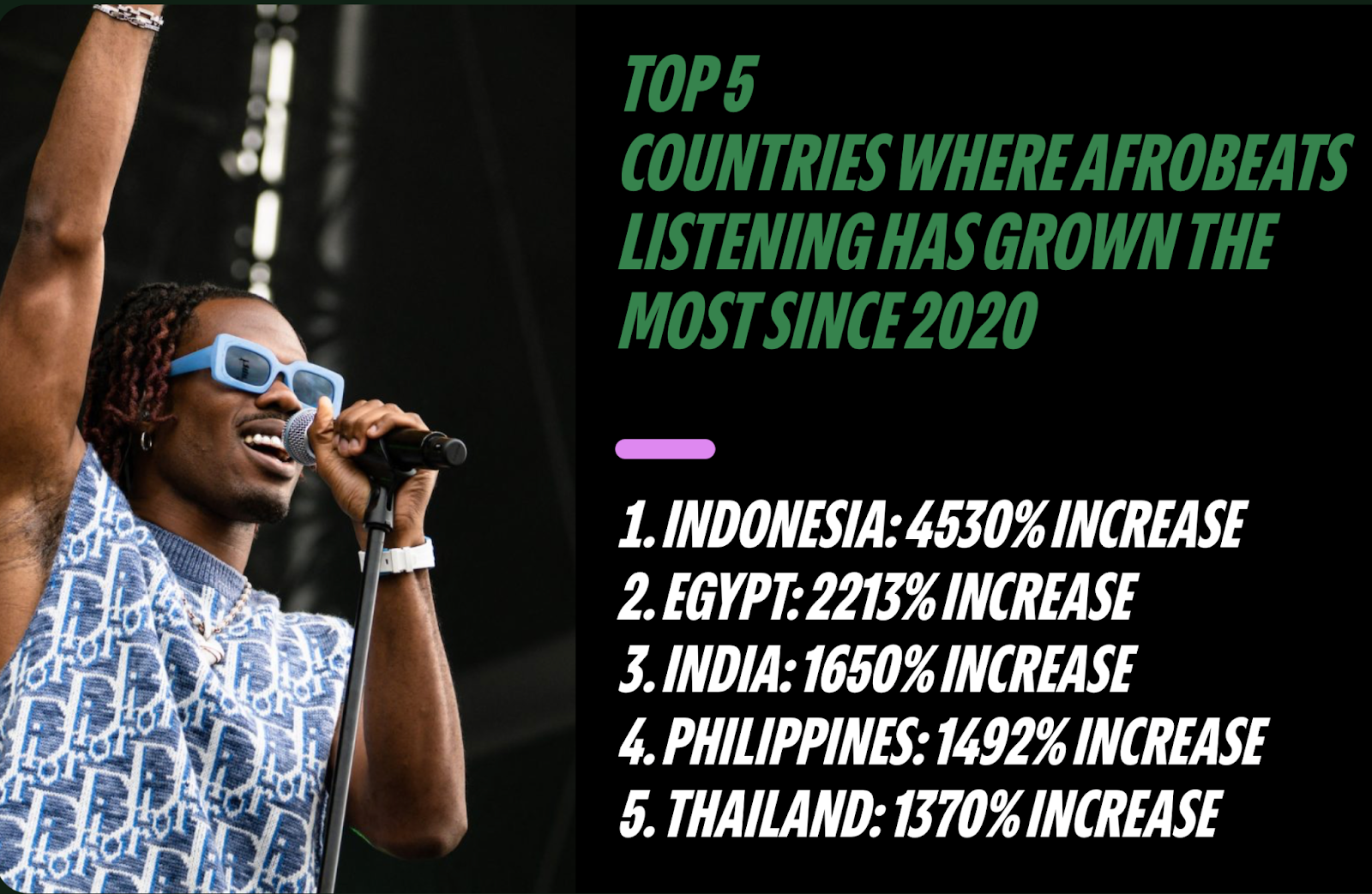
Since 2020, Indonesia, India, the Philippines, and Thailand have seen the highest growth in Afrobeats listening, according to Spotify.
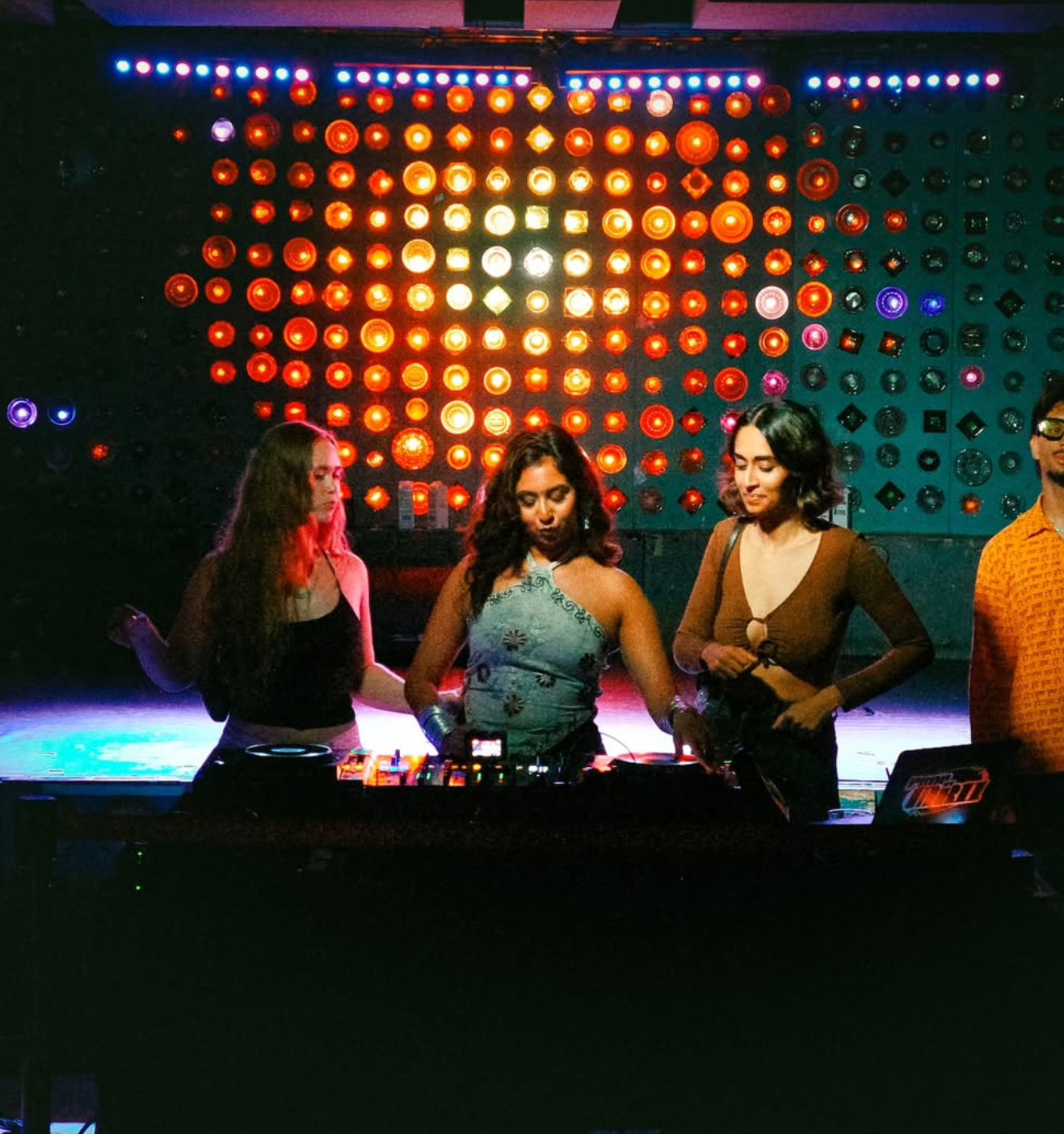
Afrobeats Asia, a Bali-based Afrobeats and Amapiano event planner, organises and promotes weekly events across South East Asia, welcoming artists and DJs from Nigeria, South Africa, France and more. Accelerating the engagement and societal investment in the genre’s rise.
Similarly, AfroDesi is a movement centred around Amapiano, Afrobeats, and Bollywood rhythms performed by South Asian and South East Asian artists and DJ’s, on the continent and in major metropolitan cities like London - welcoming a new demographic and its sounds to the conversation.

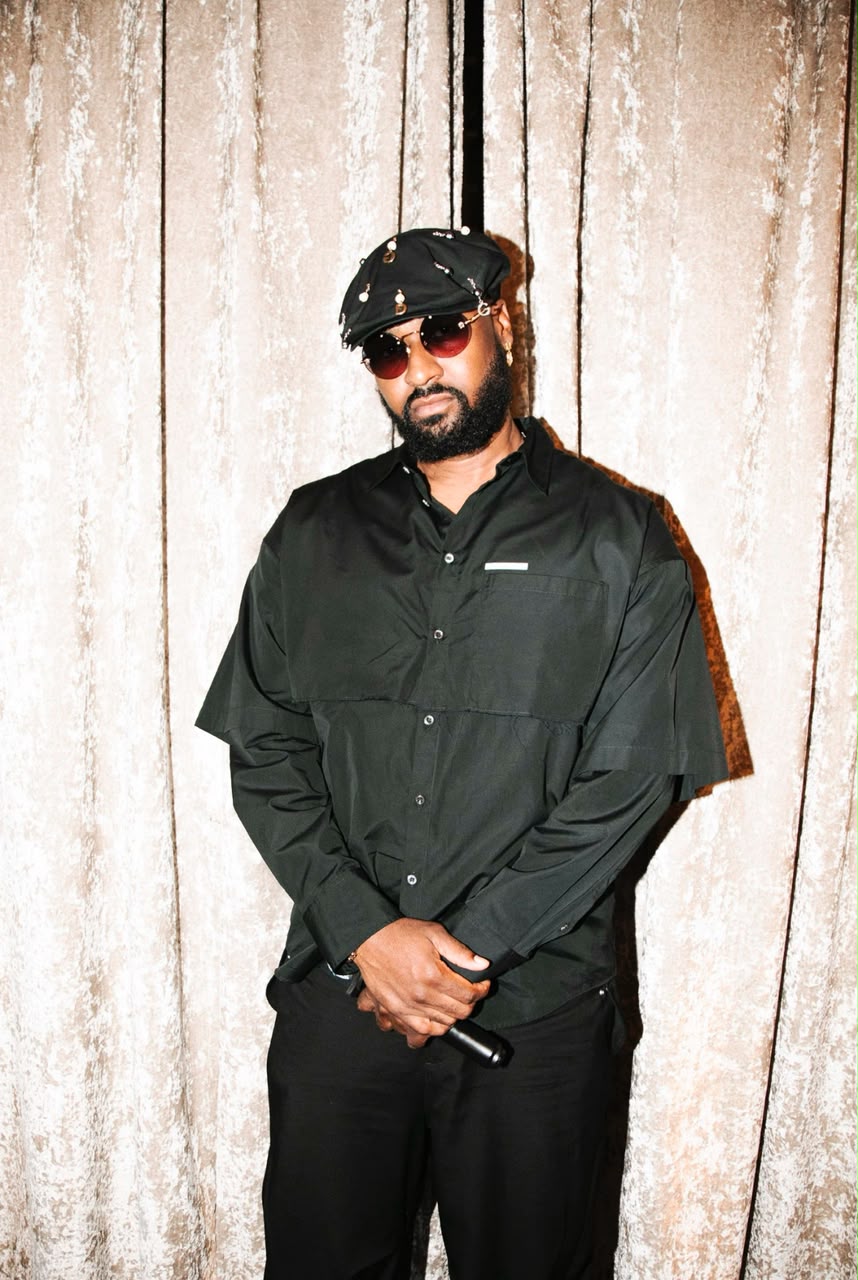
South Eastern and Eastern nations have also leveraged the trend bringing Chrisway, Salin in Thailand, Filipino J-Tajor, Sudanese-Japanese group Makki, and Singapore’s Yung Raja to the stage, domestically and worldwide.
And while the youth’s wish has been the industry’s command, an element of exploitation and cultural appropriation could be noted in the nature of the genre’s sudden and exponential acceptance. In a continent where racism and colourism hold deep roots, capitalising on the rise of Afrobeats should not be misunderstood as an acceptance of its artists, culture, or core beliefs. Basic business principles, like supply and demand, have often been the core of strategic moves that appear inclusive and multicultural, while lacking any true reverence for the craft or its creators.
In another light, in Asia and abroad, social media has exposed Africa and its music to artists, events, media, and style in keeping with the global connectivity made possible through increased exposure, media networking, and rich diasporic communities in the Western world. The opportunity for representation and new narratives is the core of the movement for some, as well as the prelude to many deeper societal investigations - domestically and abroad..
Where mainstream Asian media in the West has often featured one facet of the continent’s creative, professional, or even fashion profiles, new wave artists throughout the nations offer multilingual and multicultural, social commentary that have created ties to the original Afrobeat movement, capitalised on the current trend, and created a global symbiosis through sound.
Just enough to, perhaps, add Asia to Afrobeats shining crown.
Cover Credit: @themesabali on Instagram
IG: clungaho




.png)

