.svg)

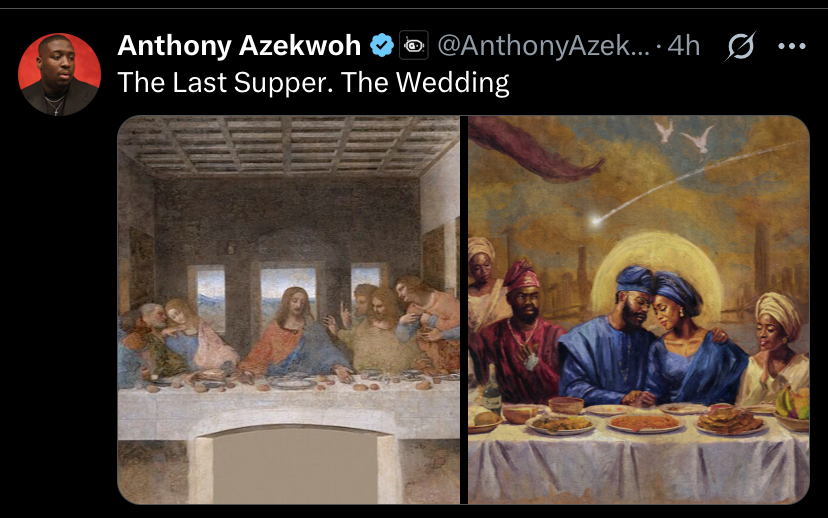
Anthony Azekwoh’s The Wedding is a meditation on one of the most important ceremonies in African society. Through surreal figures and well chosen emotional colour palettes, he turns the wedding ceremony into a narrative space where love, tradition, pressure, and performance coexist. In his recent post on twitter, he placed side-by-side, a visual biblical representation of “The Last Supper” with his largest piece painted on the “The wedding” collection. This makes viewers question whether religion was a participating factor in his inspirational process.
Anthony Azekwoh is a 25-year old Nigerian contemporary artist based in Lagos, Nigeria. and author known for his distinctive narrative-driven style. His work primarily focuses on African folklore and mythology, using these themes and figures to tell stories of his country, transformation, and change. Coupled with being covered by publications across Africa, Europe, and North America, Azekwoh’s career doesn't end there. It includes global exhibitions, digital art collections, and collaborations that place him among a new generation of African artists using technology and storytelling to expand cultural expression beyond traditional gallery spaces.
Weddings are a big deal in African societies. In Africa, Nigeria to be precise, weddings are hardly about the couple getting married. It is believed to be a communal event for families, and their guests. In “The Wedding”, Azekwoh introduces the viewers to his body of work with a narrative style. He attends the wedding as a commissioned artist called to paint a wedding portrait. His figures appear elongated, theatrical, and slightly removed from realism, suggesting that what we are seeing is not one wedding but the idea of a wedding—filtered through memory, imagination, and cultural symbolism.
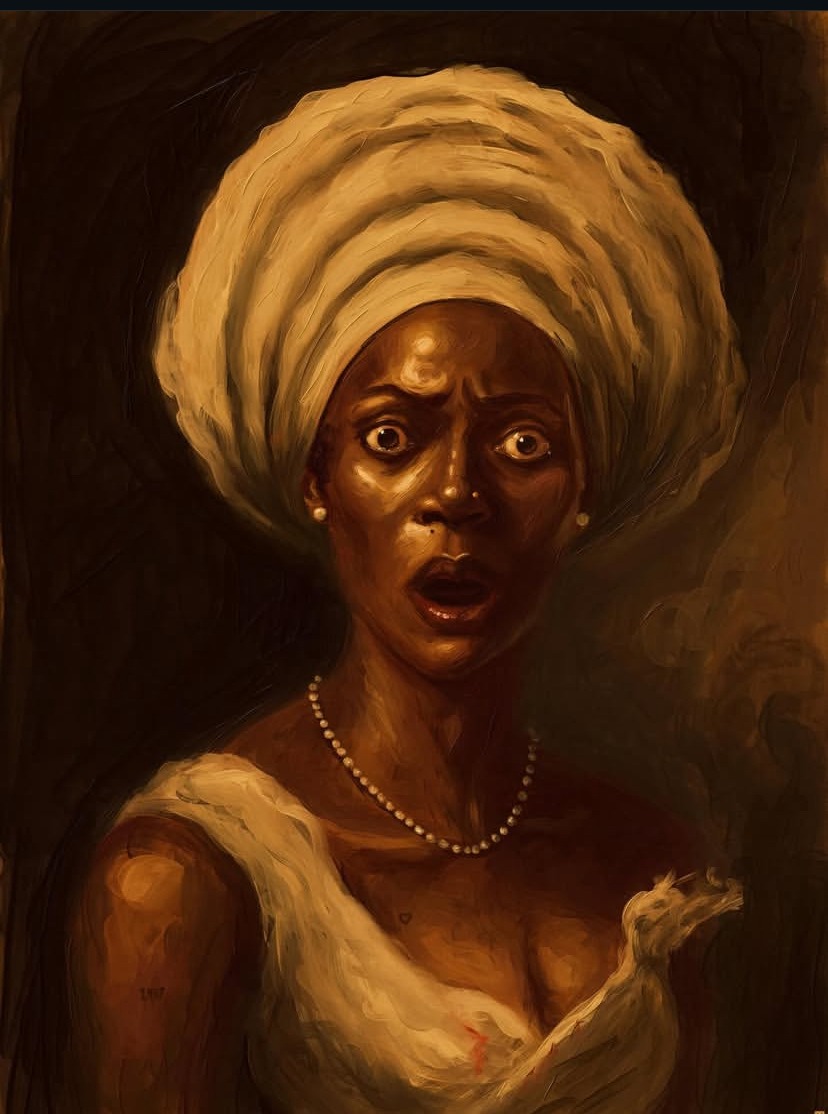
Azekwoh’s visual language has always leaned toward narrative. His characters are portrayed to be in a world of their own. In The Wedding, this approach allows the ceremony to become a stage. The bride and groom are not only central figures of romance but also performers in a cultural script shaped by family, religion, and tradition. Their posture, expressions, and surrounding environment imply that they are conscious of being watched, echoing how weddings function in real life as public displays of unity and success.
One of the most exciting part of the collection is how it balances celebration with introspection. Bright colours and elaborate compositions reflect the joy and vibrancy of African wedding culture, yet there is a quiet emotional tension beneath the surface. For many, marriage is not only about love but about meeting expectations, honoring lineage, and stepping into predefined roles. Azekwoh’s paintings silently questions these roles without rejecting them. Instead, they create allowance for both beauty and uncertainty to exist.
His work thrives in vagueness, allowing viewers to introspect and narrate their own experiences and definitions through the works. A viewer might see joy; another might see pressure; another might recognize nostalgia. This openness is what transforms the collection into cultural commentary rather than simple representation.
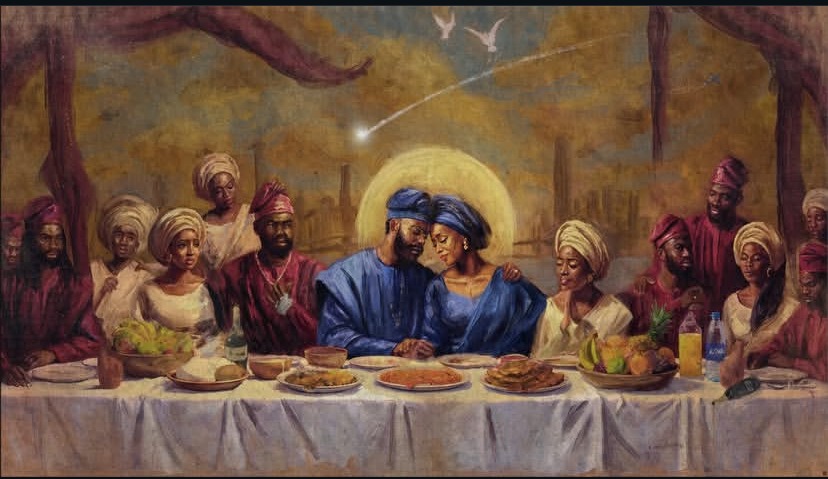
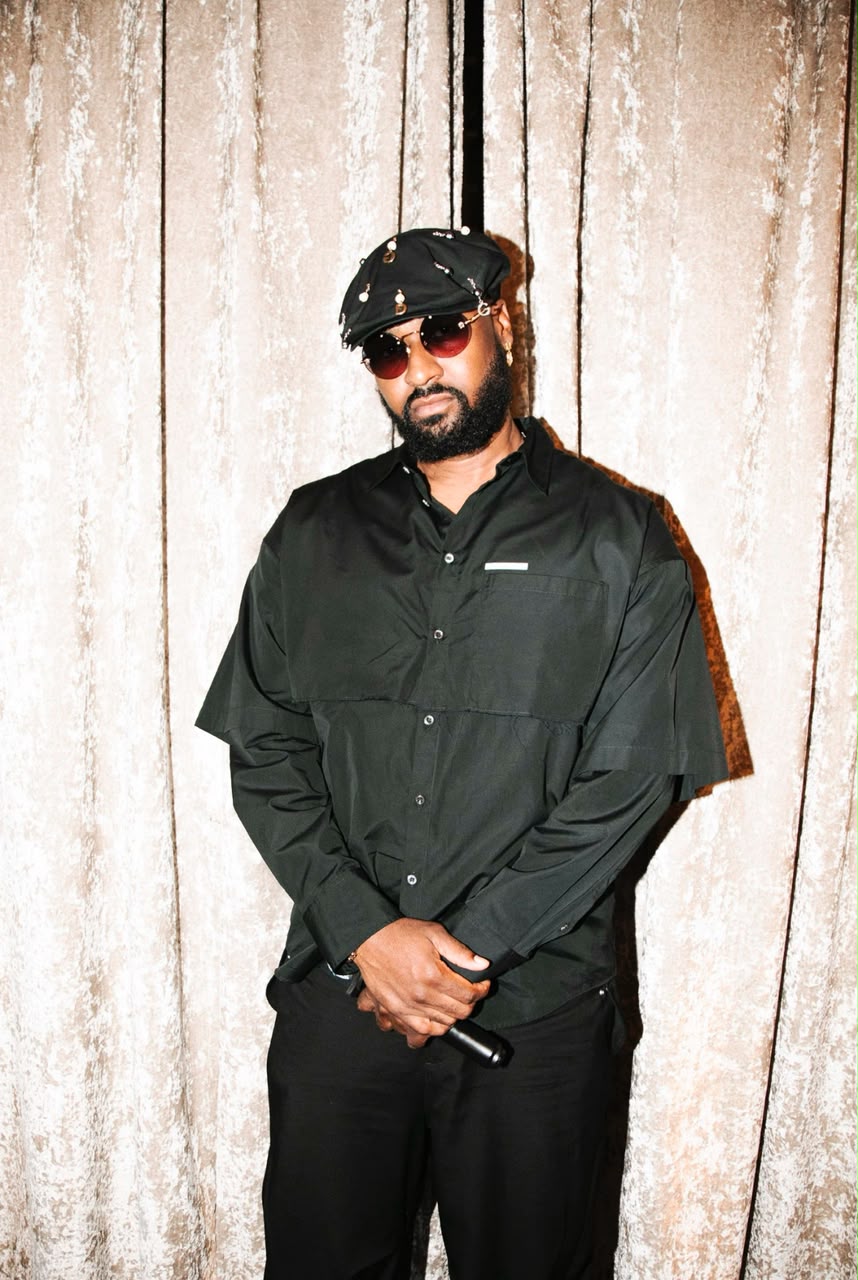
Just recently, the largest piece in the collection was acquired by Tunji Balogun, CEO of Def Jam Recordings. This moment is not significant because it introduces Azekwoh to the global stage—his work has long circulated internationally—but because it represents a meeting of African narrative art with global cultural influence. The acquisition becomes part of the artwork’s ongoing story, showing how a piece rooted in African ritual can travel into new spaces of interpretation and dialogue.
The Wedding is highly esteemed because of it's openess to person who are not even art inclined. The collection does not require specialized knowledge of art history and techniques to be understood or related with. It draws its power from shared experience. Almost everyone has attended a wedding or felt its cultural weight. Azekwoh taps into this collective memory and reshapes it into something poetic and contemplative. His work suggests that everyday rituals contain layers of meaning often overlooked in the rush of celebration.
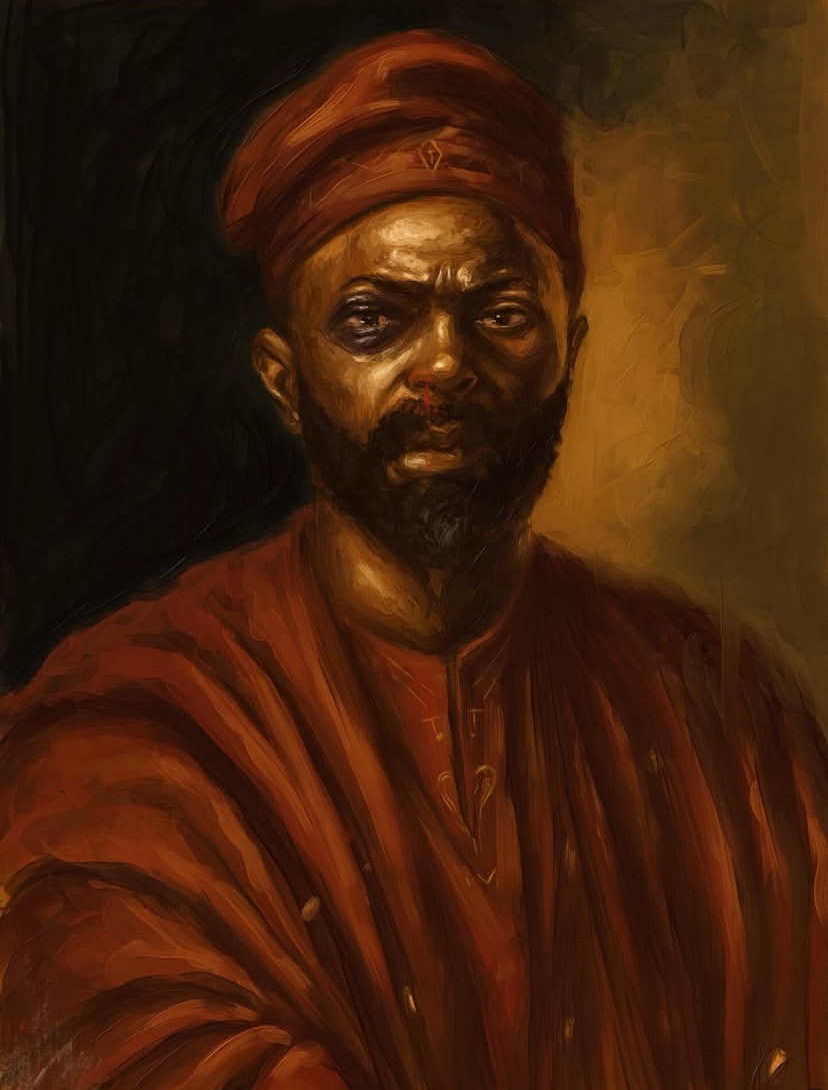
Through The Wedding, Anthony Azekwoh presents marriage not simply as an institution but as a living performance shaped by culture, emotion, and time. His paintings act as mirrors, reflecting both the joy and the complexity of a ceremony that defines so much of social life. With each character, he tells a story leaving the viewers to ponder on a befitting narrative.
Anthony Azekwoh’s transforms from being a “The Wedding” familiar cultural ceremony into a symbolic narrative space, he reveals how tradition and individuality coexist within celebration. The is a way Azekwoh uses imagination to question and preserve cultural meaning. The Wedding is not only about marriage; it is about how communities express love, expectation, and memory through ritual, making the ordinary ceremony a profound artistic conversation.
Image: Twitter-Anthony Azekwoh
Image: Instagram-Anthony Azekwoh


.png)

