.svg)

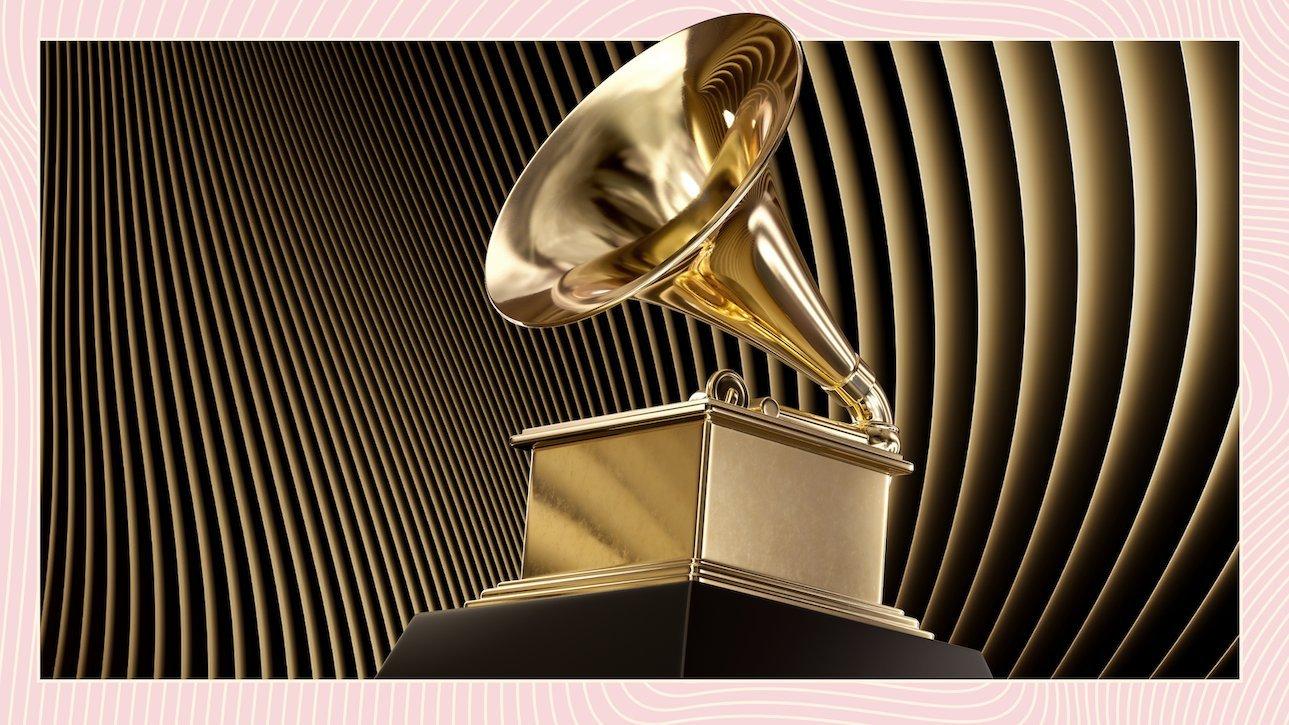
While last time, we were flabbergasted by Tems’ speech as she accepted a Grammy for Best African Music Performance, this year has us… Scratching our heads? I mean, it is hard to come back from nominations of Yemi Alade, Burna Boy, Asake, Wizkid, Davido and even Lojay all at once. But now, since the Grammy announcement in late 2025, as we truly get to dissect the nominations before us, have they put their best foot forward or are we as disconnected as ever?
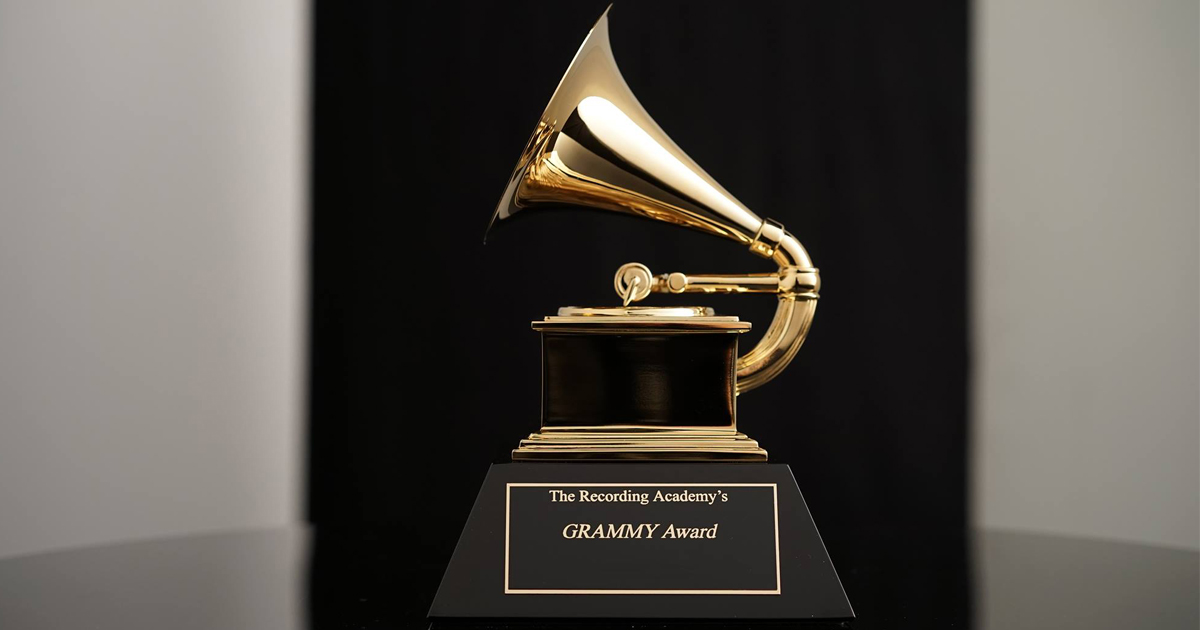
Let’s have a quick reminder, shall we? 2026 nominations include ‘Love’ by Burna Boy, ‘With You’ by Davido featuring Omah Lay, ‘Gimme Dat’ by Ayra Starr featuring Wizkid, ‘Push 2 Start’ by Tyla, and ‘Hope & Love’ by Eddy Kenzo & Mehran Matin. We also have separate nominations for Best Global Music Album, namely ‘No Sign of Weakness’ by Burna Boy, ‘Éclairer le Monde’ by Youssou N'Dour and ‘Jerusalema’ by Angélique Kidjo. No disrespect to the nominees, but it is like they weren’t even trying.
To really understand the pathway it took, we must return to 2024, when the newly-formed category Best African Music Performance debuted and Tyla won the first round. As it was emphasized by the South African starlet herself during her speech, the continental music scene is far more than just a single bubble and while Aforbeats sits at the forefront, other genres such as Amapiano and French Afropop recently, have followed and taken a seat at the table, even reaching as far as the black diaspora in the United States. However, why is the phenomenon not being recognized and why are we seemingly taking one step forward just to take ten steps back?
What Happened Prior
We all witnessed Afrobeats rising into its global momentum. We all know that the movement really began in the early 2010s in the UK, as the black diaspora over there had its biggest ears and influence outside of the continent. We all understand that Afrobeat (not to be mistaken with Afrobeats) came first from Fela Kuti, before a newer version was introduced and taken shape by Ghanaians and then, recoined in Nigeria later on. What we didn’t foresee; however, is its pioneers and those who got to the fruits from their labour seemingly discontent to categorize themselves under the term Afrobeats and that’s when the confusion began.
Whether it is Afrorave, Afroswings, Afro-fusion or Afro-depression, the movement appeared not to be unified behind the scenes and it really took a shot in the foot when Burna Boy denounced Aforbeats altogether, claiming that it “lacks substance.” Clearly, there’s nothing wrong with having an opinion but take it from the best example of black music that we have out there; Hip-Hop whether it was beatboxing, rap, street dance, etc… Came as a one package in its earliest days, before it could disperse into separate branches and that was a BIG mistake amongst Nigerian artists at the forefront.
That being said, some artists got the memo such as Rema rekindling with the term in public because he understood that to push music outside of the continent to international heights, it needed first to form into a solid ground. However, this attempt did not come without setbacks when recently in a HBO documentary, Wizkid did not recognize Afrobeats as his sound, without giving any subgenre or categorization aside from this to go with. You see where I’m going here? Everyone wants to build their own movement, some defined and others in a vacuum, but how can we have branches without the foot of its tree?
What Occurred Afterwards
You can’t create a single category for a single artist, it is just not going to happen. One could say that Odeal understood the lesson perfectly well, as he completely pivoted to R&B, although there was a time not too far ago, he wanted to be known as the pioneer of Alté. So artists are subminimally demanding more categorization, whilst neglecting the one categorization that the world has recognized them for, and as a result, thus genres of other regions such as Amapiano can not fully co-exist and must be placed with the rest of confused, one-bes, semi-existing sub-genres that a new one seems to come out every other day.
Why is this relevant to the Grammys, you must ask yourself? Such awards bring eyes and legitimacy to the music we adore. It offers a pathway for future artists to follow and most importantly, celebrates our artists for their contribution in the music industry. Well, as a result, the movement that began to take shape plummeted. We can already see a fall in relevancy when it comes to new singles, none of which can really capture every listener around the world like a ‘Calm Down’ in the past. Some may say it is a natural shift, others might say perhaps an afro-fatigue. But we have evidently past its peak and this lousy selection is a proof of it.
All eyes are no longer on African music altogether and therefore, less and less care is placed on its perseverance. Surely a Temz and a Tyla will be alright and have wonderful careers, but can the same be said to emerging Afrobeats artists? To the newer generations that are falling on more deaf ears as we speak?
If the only way to success for African artists is to jump on existing sounds or be early enough when we’re trending to qualify for a long-term career, then we have a problem here and such stages as the Grammys speak volume to the state of Afrobeats right now. Only time will tell whether we may regain our momentum, allowing other continental genres to take their place and join their Nigerian brothers and sisters in international recognition.


.png)

