.svg)

For years, Northern Nigerian music existed outside the national spotlight. It lived on local radio stations, in wedding halls that stretched into the early hours, and in Kannywood films that were household staples across the region. It was embedded in everyday life, yet largely absent from mainstream music conversations in Nigeria.
This absence was never about a lack of talent. The North has always produced artists with skill, originality, and cultural depth. What it lacked was consistent industry attention. While music scenes in Lagos and the East benefited from infrastructure, media coverage, and institutional support, Northern music circulated mostly within its own ecosystem, respected locally but overlooked nationally.
That dynamic is now shifting.
In recent years, and particularly in 2025, Arewa music began breaking through long-standing barriers. Streaming numbers climbed, collaborations expanded, and songs from Northern artists started travelling beyond regional borders. What once felt peripheral has moved closer to the centre, not by imitation, but by confidence in its own sound.
This moment did not arrive overnight. It was built by artists who continued to refine their craft when recognition felt distant, laying a foundation for the current wave. Below are ten artists whose work illustrates the depth, range, and ambition of Northern Nigeria’s music scene today.
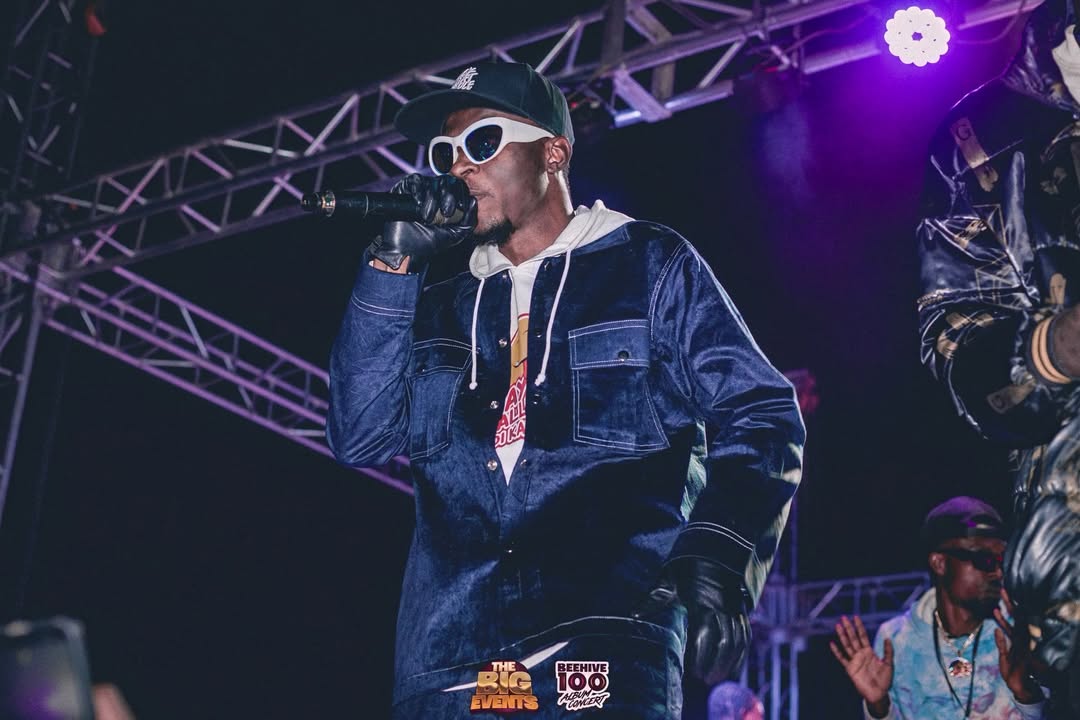
1. ClassiQ (Arewa Mafia)
Often referred to as the Arewa Mafia, ClassiQ is widely recognised as one of the pioneers of Hausa-inflected rap in Nigeria. Born in Bauchi State, he carved out space for Northern hip-hop in an industry long dominated by Southern cities.
Tracks like “King Kong” display his technical precision and command, while “Gargajiya” leans into heritage and cultural storytelling. ClassiQ’s influence is foundational; many younger artists reference his work as proof that Arewa narratives can thrive within Nigeria’s mainstream music landscape.
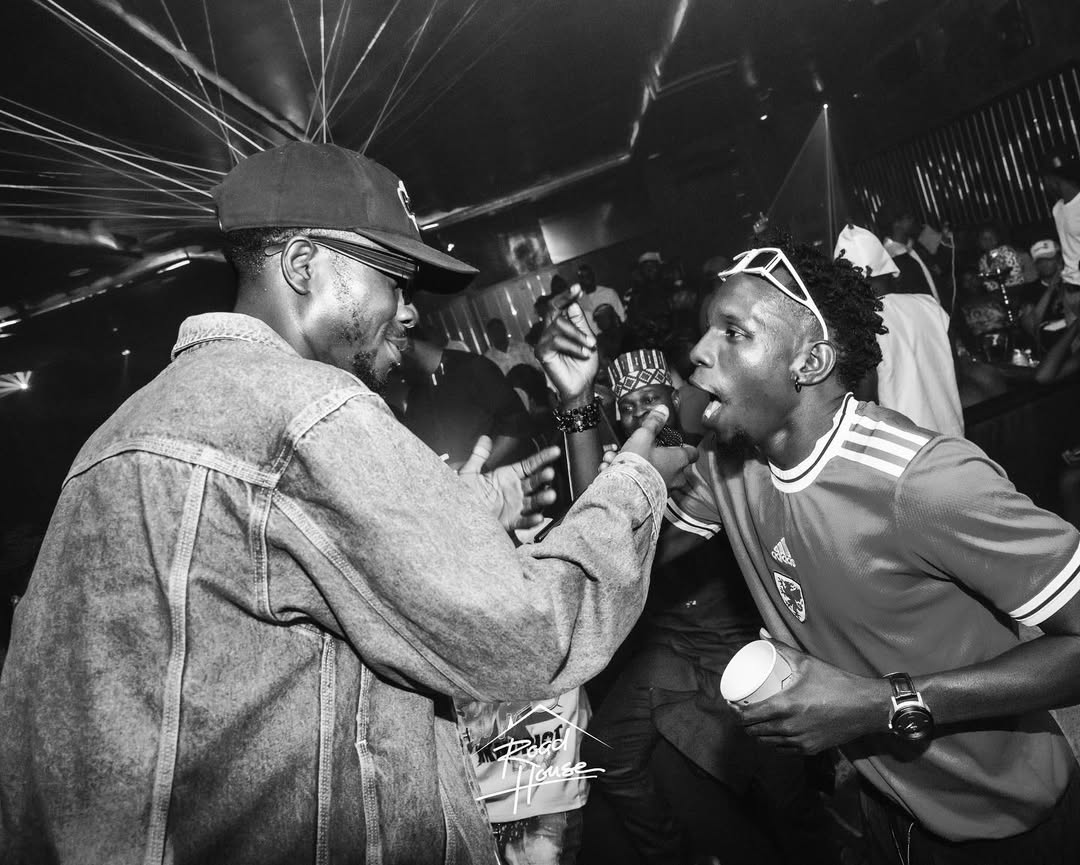
2. B.O.C. Madaki
Also from Bauchi State, B.O.C. Madaki brings reflection and social awareness into Northern rap. Transitioning from gospel to secular music, he demonstrates both versatility and depth.
Rapping in Hausa and English, his songs engage themes of identity, struggle, and everyday realities. Tracks such as “Dan Gaye,” “Ka Huta,” and “Harara” balance thoughtful commentary with rhythm, offering Northern youth music that is both culturally grounded and socially conscious.
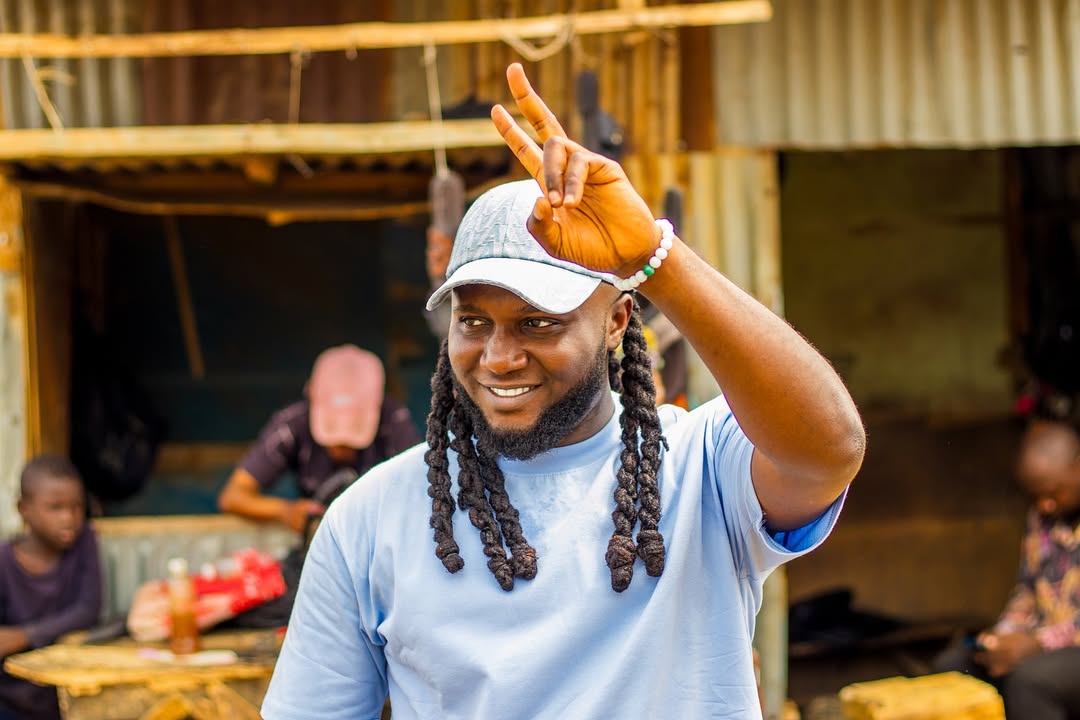
3. Morell
Hailing from Borno State, Musa Akilah expands the scope of Arewa music beyond rap. He fuses Afro-pop and RnB with Northern sensibilities, proving that the region’s sound can also be melodic, romantic, and emotionally driven.Songs like “Ganga Da Garaya” and “Aure” blend heartfelt lyrics with modern production, appealing to audiences drawn to groove and feeling rather than bravado. Morell’s work shows that Northern identity can move fluidly across genres while remaining rooted in culture.
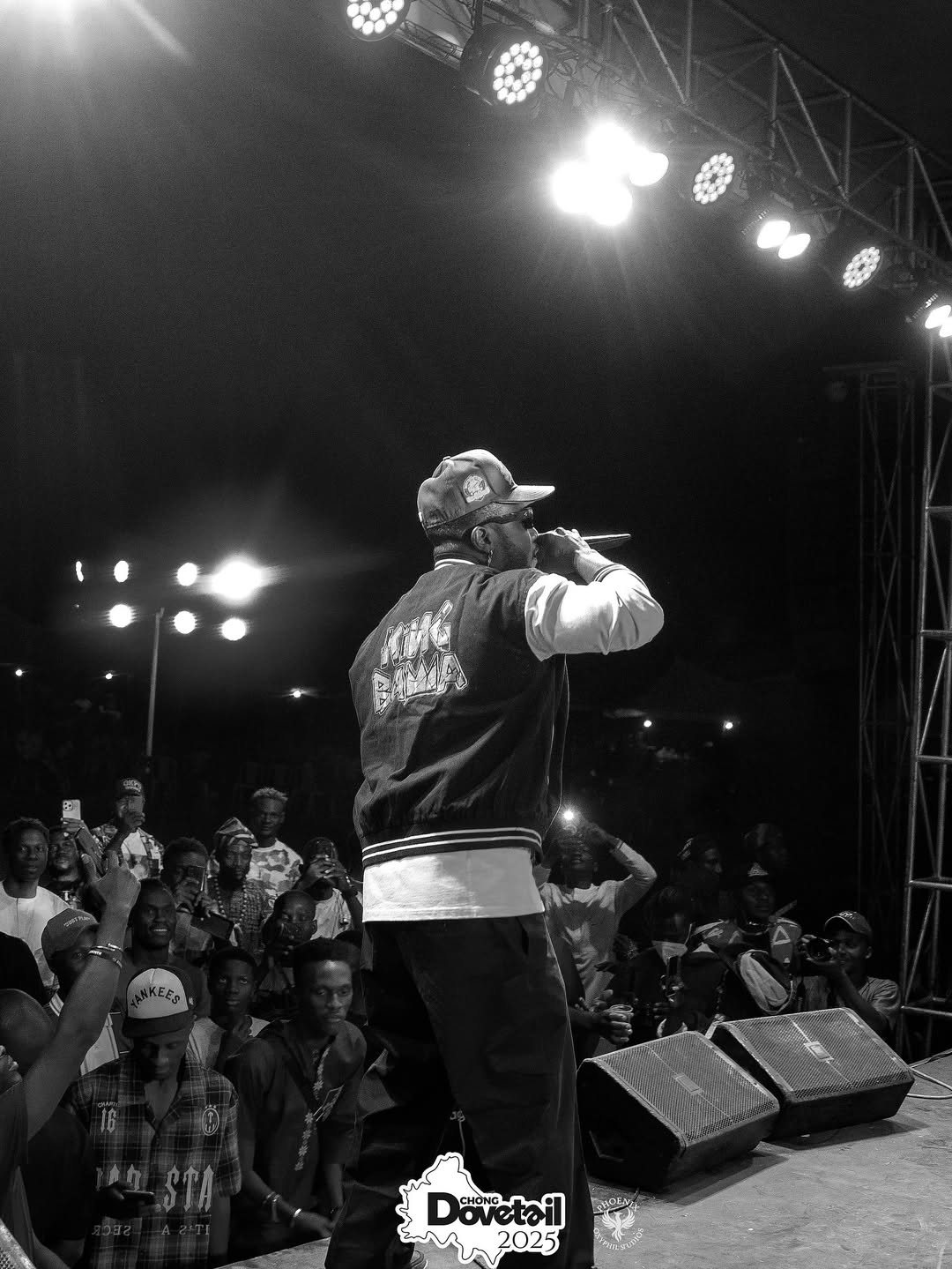
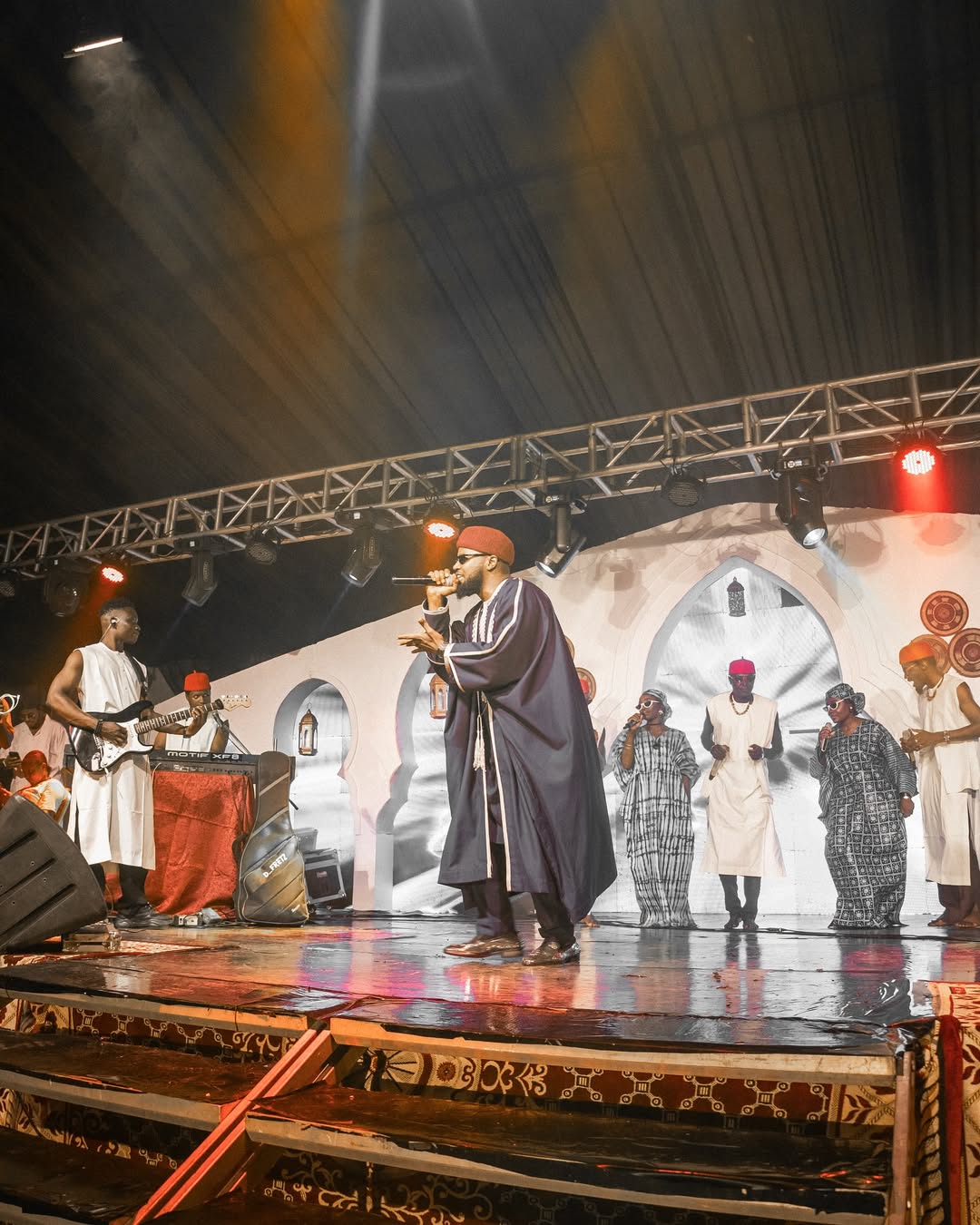
4. Yung Kheengz
Born in Zaria and raised in Bida, King Bawa, YFK, brings intellect and pride into his artistry. A civil engineering graduate, his personal story challenges narrow stereotypes often associated with Northern artists.
His album “Voice of Arewa” positions Northern identity as something to be claimed, not defended, particularly on tracks like “I Am North.” Collaborative projects such as the “Four Horsemen” EP, alongside DJ AB, B.O.C. Madaki, and Deezell, highlight the collective strength of the scene.
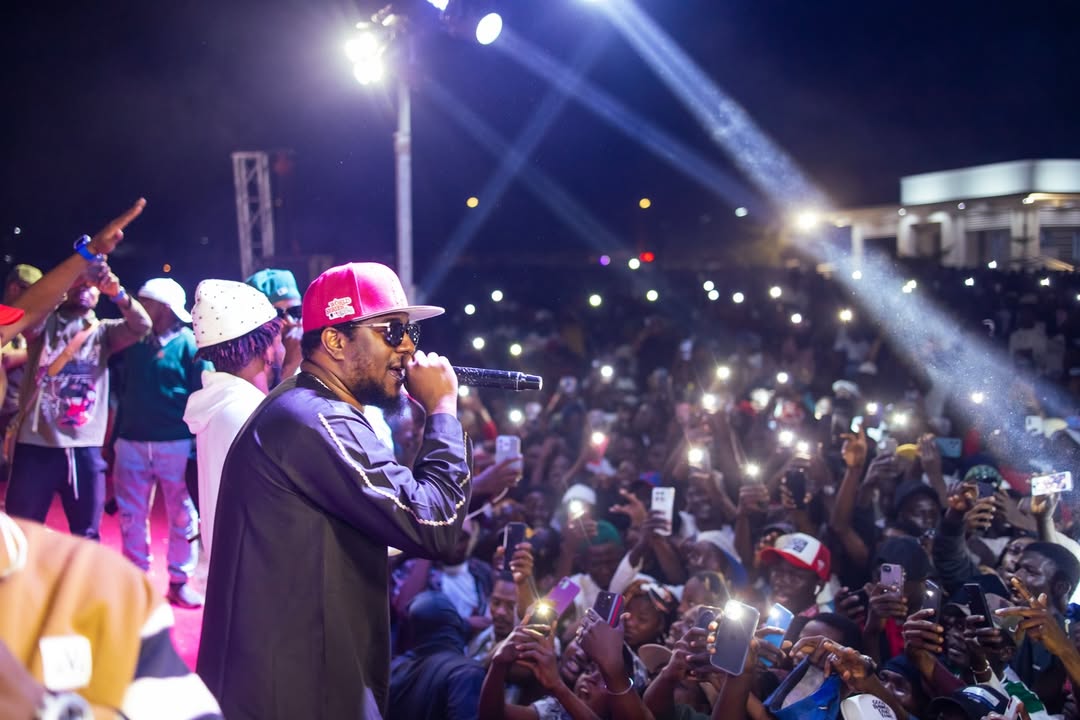
5. DJ AB
From Kaduna State, DJ AB, born Haruna Abdullahi, blends Afrobeat, hip-hop, and pop into a sound that is accessible while remaining distinctly Northern. His breakout track “Da So Samu Ne” brought national recognition, and his collaborations continue to bridge regional sounds with wider audiences. DJ AB demonstrates that Arewa music can sit comfortably within Nigeria’s mainstream without losing its cultural identity.
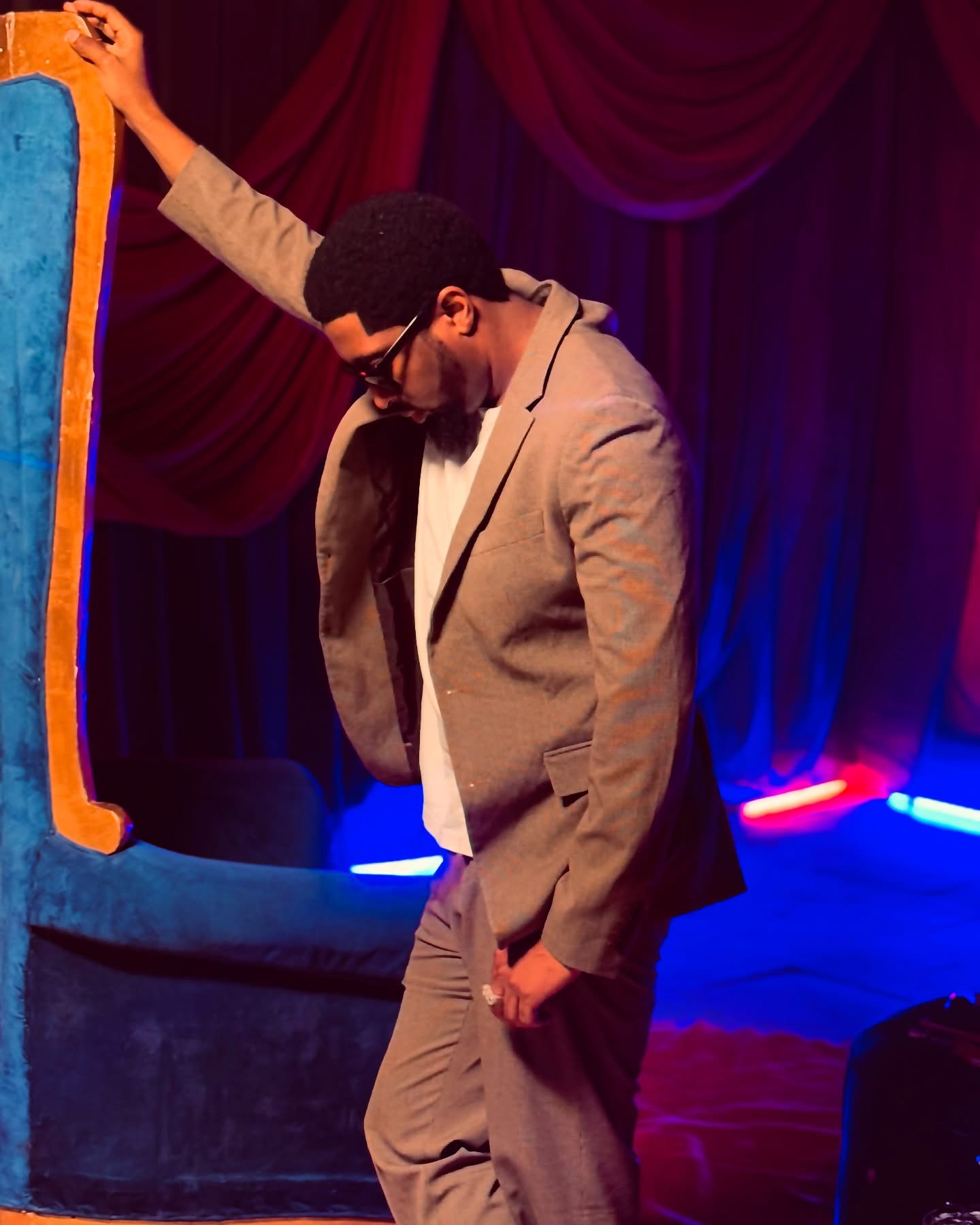
6. Deezell
Deezell represents ambition and cross-regional collaboration. Recently, his track “Amina” featuring Tekno symbolised a deliberate uniting of North and South. Beyond his own music, he runs Arewa Cartel, a label dedicated to amplifying Northern talent. Songs like “Girma,” featuring ClassiQ and DJ AB, underscore his commitment to building not just songs, but a sustainable ecosystem for Arewa music.
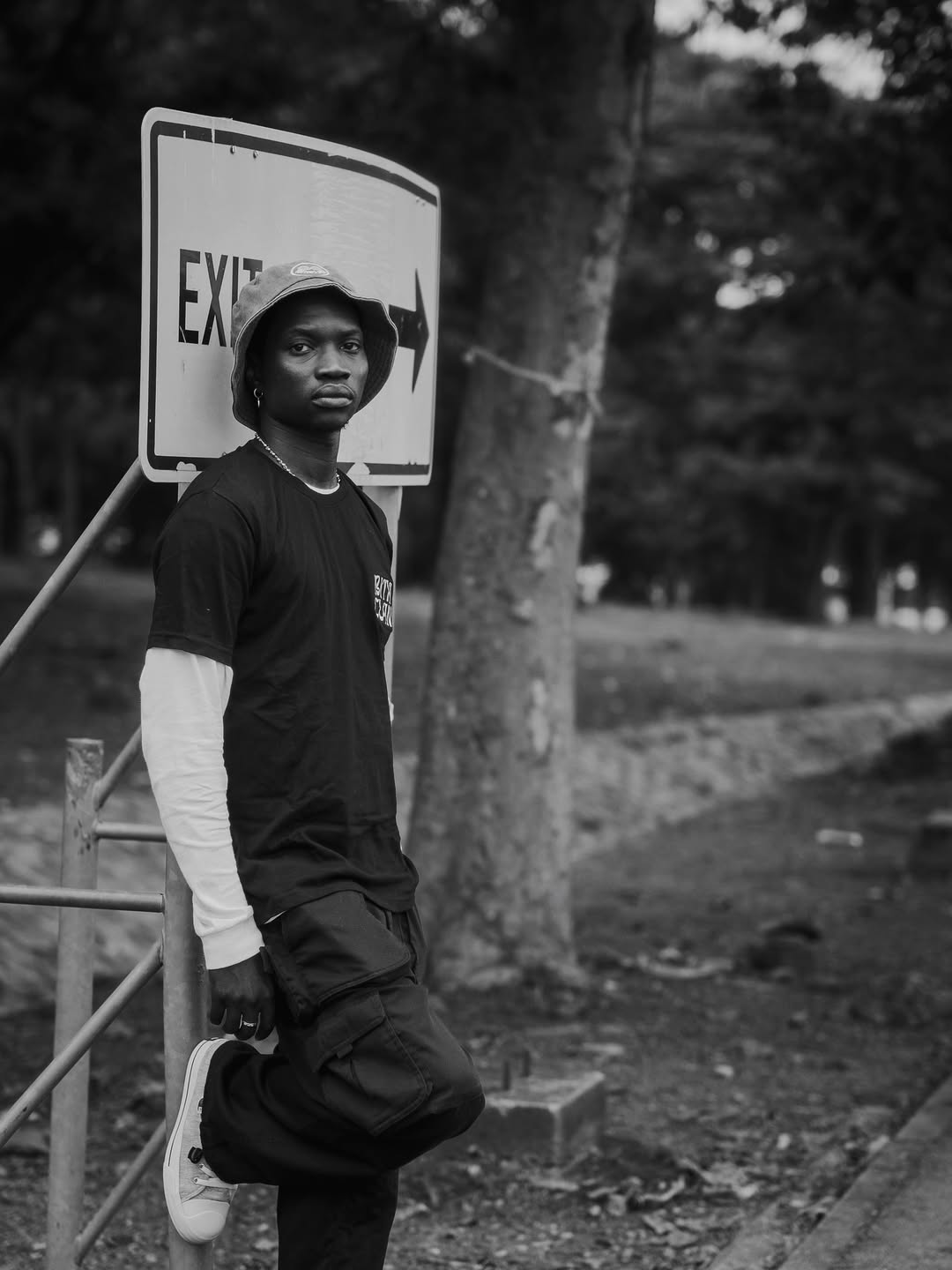
7. President Zik
Born Zachary Kwaga and raised in Zaria, Kaduna State, President Zik blends hip-hop, Afro-fusion, and melodic RnB. As co-founder of Big Headphones (BHP), he has been instrumental in shaping projects like “Tree House Vol. 1” and “Dreamatorium.”
His solo EPs “No Dayz Off” and “See You Soon” reflect energetic rap and introspective lyricism, while his Urban Lifestyle Fest provides platforms for emerging Northern artists. Zik represents a generation that is both culturally grounded and industry-aware.
8. Rumerh
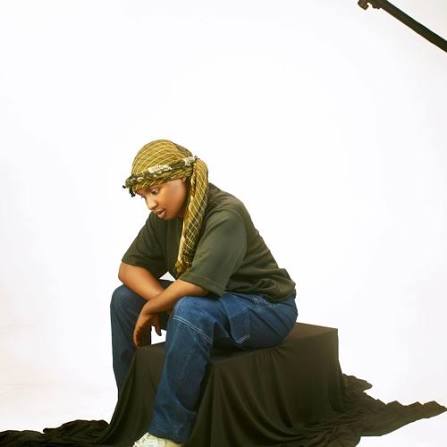
Rumerh is an emerging female rapper blending Hausa, Afrobeat, Amapiano, and hip-hop. In a male-dominated Northern scene, she asserts her presence through sharp lyricism and confident delivery. Her work challenges expectations around gender and sound, positioning her not just as a rising Northern artist, but as a defining voice for women within the broader Nigerian music industry.
.jpg)
9. Bamihan
Born Azi Bamison Ishaku in Bauchi State, Bamihan balances his music career with studying medicine at the University of Jos. His sound, which he describes as Afro-Sharholiya, blends Hausa influences with Afrobeat and contemporary styles.
His breakout single “Wayyo (Dadi Kasheni)” gained viral traction and was later remixed with Ice Prince. Bamihan’s versatility, moving between introspective storytelling and feel-good tracks, reflects a generation that refuses to choose between identity and accessibility.
10. Magnito
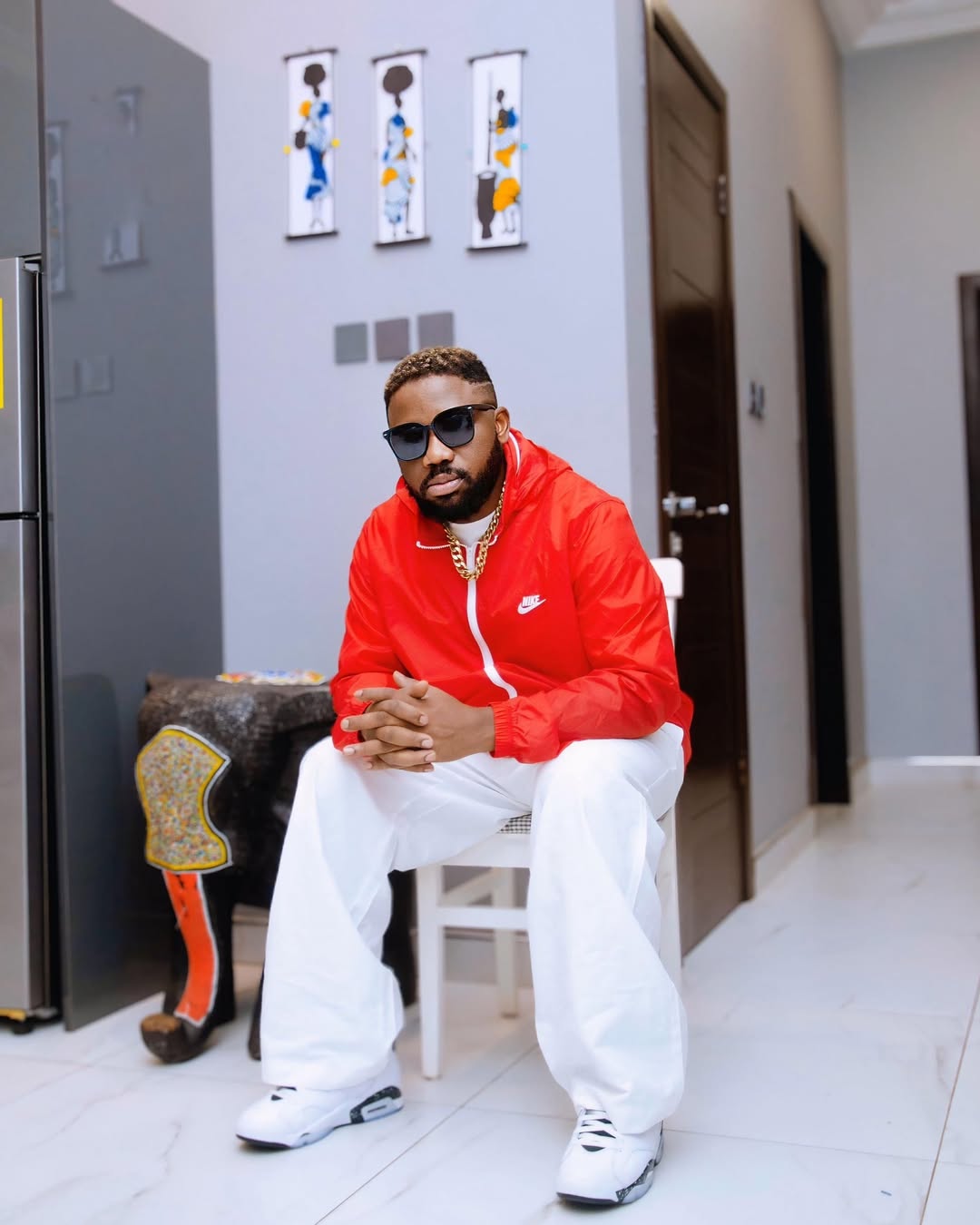
Born Mohammed Usman, Magnito is a veteran voice bridging older and newer eras of Northern rap. Known for his witty lyrics and narrative approach, he has maintained relevance across years of industry shifts.
Tracks like “If I Get Money Ehn” and “Medicine Girl” blend humour with cultural commentary, underscoring the depth and continuity of Northern music culture. What is unfolding now is not a trend, but a reckoning. These artists, whether veterans or emerging voices, demonstrate a clear truth: Northern identity is not a constraint, it is a foundation.
They are expanding what Nigerian music can sound like and where it can come from. Arewa music is no longer waiting for recognition. It is building its own future, loudly and deliberately. The only question left is simple. Is the rest of the industry ready to listen?


.png)

