Ayra Starr’s New Single and the Ongoing Policing of Women’s Style in Pop

Authored by

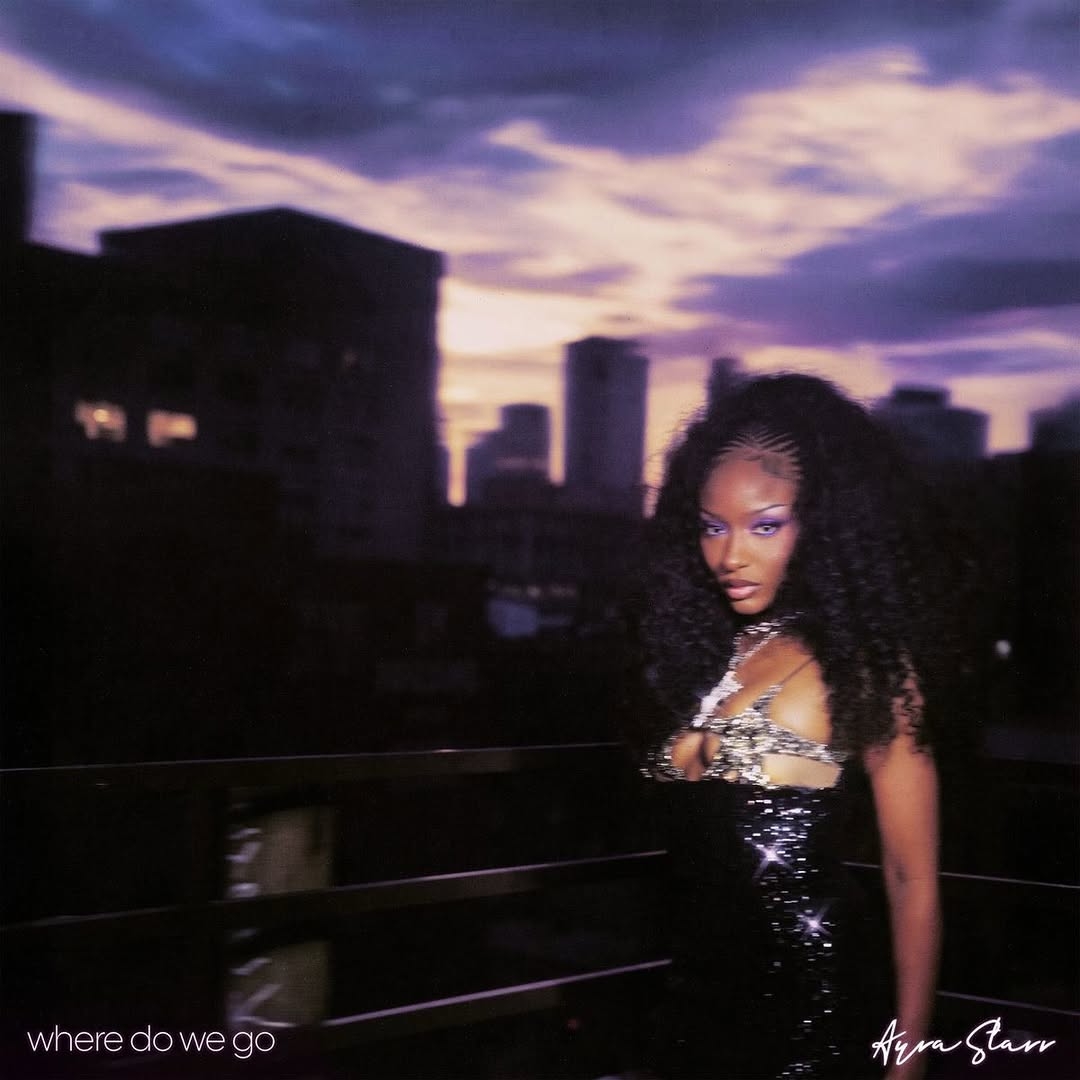
Ayra Starr recently dropped a new song, ‘Where Do We Go?’, that speaks to the confusion that comes with an undefined love. Unlike her usual Afropop sound, the track is submerged with electronic undertones, a new sonic direction that hints at a new era for the pop star. Some welcomed ‘Where Do We Go?’ with anticipation for how this sonic direction would unfold in her upcoming projects; a majority were consumed with something else entirely: her outfit. The Grammy nominee dons a mini black sequined dress paired with purple tights in the visualizer and the song cover art. This style has since angered many fans, who are now not so quietly questioning the direction of her career.

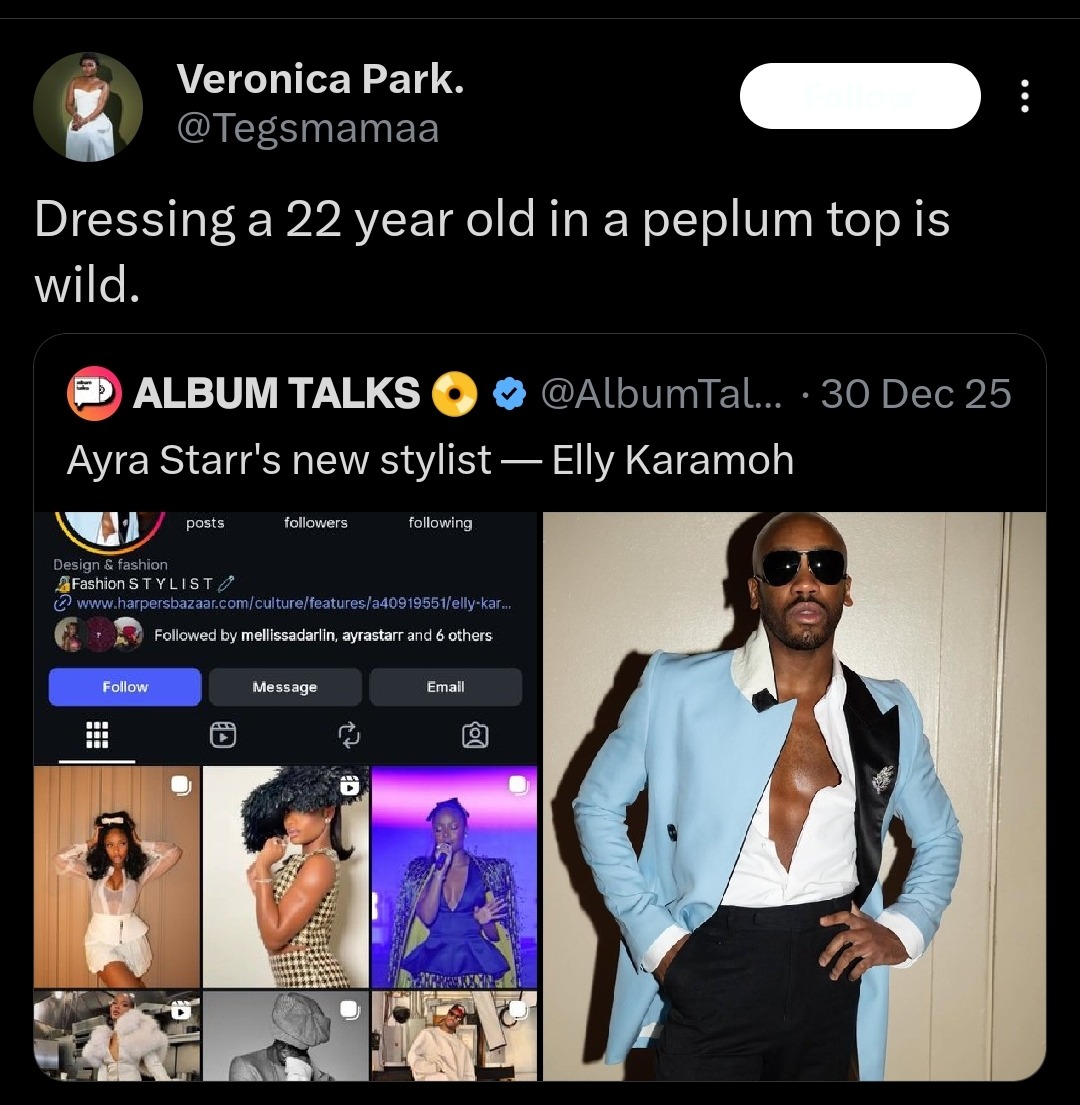
This reaction has long been brewing. Ayra’s fanbase began criticizing her style since the yellow and black cape and peplum three-piece from Luar she wore for a performance in Ghana. Most reactions that followed that look were a mix of displeasure or concern, and sometimes both. As with most fandoms, Ayra’s fanbase turned their criticisms towards the person behind the change, her new stylist, Elly Karamoh.

Karamoh, who only began working with Ayra a few months ago, has so far leaned into a more opulent, high-glam direction with playful twists. Fur, structured pieces, and heavier styling choices take center stage with occasional pulls from 2010s trends; think peplums and pumps. In many ways, his interpretation of Ayra’s image feels bolder in contrast to the look Ayra had been known for.
(Photo Credit: X)

This change has not landed well for fans. Among hundreds of comments, the most echoed has been that Ayra looks older. For an artist whose style repertoire has been placed at the center of Gen Z fashion, and curated a following from this base, fur coats and peplums, to some fans, felt prematurely aged and out of place for her image as an African pop star. 

This displeasure feels familiar. It’s the same reaction that reverberates when teen stars transition into adulthood and move away from the image that made them popular. Culturally, as Ayra is one of the newest teen-to-adult star transitions Nigeria has witnessed, the reaction may be subconscious; still, it mirrors the same patterns of scrutiny young female stars elsewhere have long faced.

Fans nonetheless express their thoughts as concern for her pop star status. Some worry she will lose her pop star appeal with this new style change, while others interpret the new look as a lack of direction.

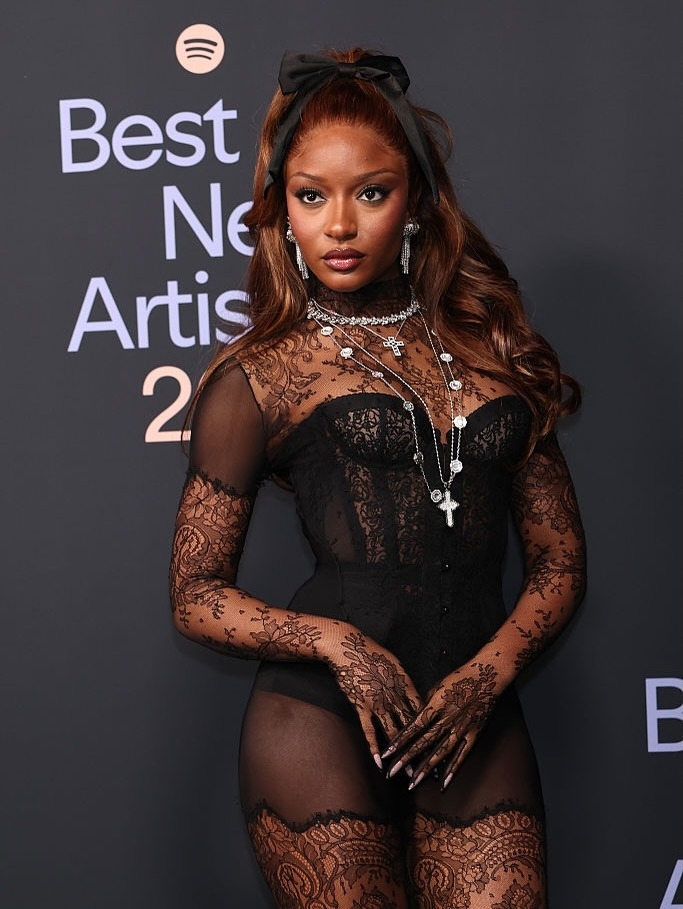
But with the changes in Ayra’s personal life, her style choices like wearing fur feels natural. The artist recently moved to New York, and in a Substack post from December, she briefly reflected on the city’s climate and how it has influenced her mood. While she didn’t directly link this to her style, she included a photo of herself in fur. In the “Where Do We Go?” visualizer, she is also framed against skyscrapers, a setting that mirrors her current surroundings and also subtly positions her within a more American landscape.

It's unclear whether this style is simply personal or signalling a new era. One thing is certain: ‘Where Do We Go’ is sonically different, and speculations that she’s trying her hand at American pop have followed. When viewed through this lens, her recent looks make sense.
(Photo Credit: Ayra Starr/Instagram) 

Still, fans' attachment to Ayra’s earlier image remains strong. Early visual framing of her identity through style, cover art, and music videos has set a precedent for how they read her as an artist. This type of fan attachment is often a result of great branding and building eras. Thanks to the modern pop economy, rollouts are elaborate and tease hidden meanings. Now audiences have been conditioned to read styling, hair, and overall presentation as a signal of what the music might sound or feel like. So when the visual language changes, it can create uncertainty around the music itself for some.

Within that context, the reaction to Ayra Starr’s evolving style begins to make more sense. To understand why this shift feels so jarring to fans, it helps to look at how Ayra Starr’s image was first constructed and how closely it became tied to her sound.

Ayra Starr was introduced to audiences in 2021 through her self-title EP, which wasn’t much of an era in the grand pop sense as it was an introduction phase and a testing ground. The sound was fun and fierce, and that, in conjunction with colorful graphic liner, playful makeup, and cropped shirts, positioned Ayra as the girl next door. Even without a defined era, this first introduction set her up as a girl’s pop star, and that image continued.

Much of that image was later sharpened under the direction of stylist Pat Ada Eze, whose approach to fashion was rooted in reflecting the core audience. “To truly be a star and inspire that level of adoration, you need to excite people, and one of the best ways to do that is through fashion,” she explained in an interview.

With 19 & Dangerous, the girl-next-door image was “baddified”: soft and youthful, but sharper and more self-assured. Through elements like graphic liners, cropped silhouettes, and Y2K references, Ayra sat at the intersection of trendy and alternative, becoming both reflective of and influential within her audience. Mini skirts, cropped shirts, and high boots became the Ayra look, a familiar image that audiences grew attached to. Through color, textures, or overall styling, there was always a thread of softness and youthfulness tying it all together as she experimented across different releases.

But outside of the machinery of branding and rollout strategies, Ayra’s style has never been a fixed image entirely dictated by her sound. She has said in interviews that she dresses for fun, moving between looks and refusing to be boxed into one version of herself. 

So while her previous style has become iconic, it was also distinctly tied to Nigerian youth culture, rooted in a Gen Z-coded style that shaped how audiences first understood her. There is, however, another layer to this reaction—one that doesn’t apply equally across pop

The misogyny of it all

When male artists experiment with their image, the conversation rarely extends to their music in the same way. Criticisms of male artists’ styles are rarely tied to how their music is received.

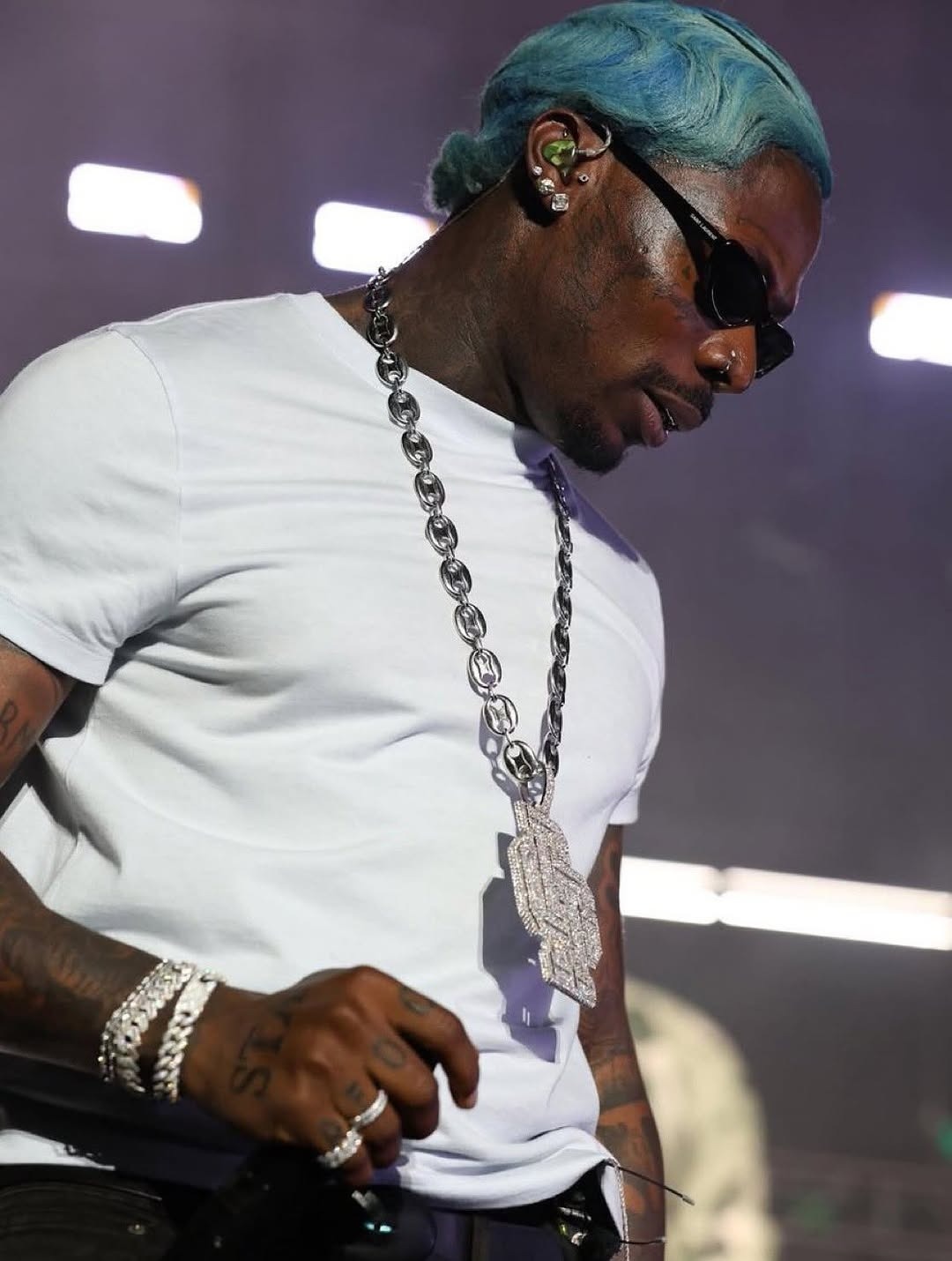
For example, Rema’s backpack, high tops, and wife-beater combo in the 'FUN' video was critiqued for looking Black-American, with some arguing saying it didn’t fit with his act as an Afrobeats artist. Despite the backlash, the criticism of his clothes barely crossed into how people perceived the music itself or whether they would listen to it.
(Photo Credit: Pie radio UK)

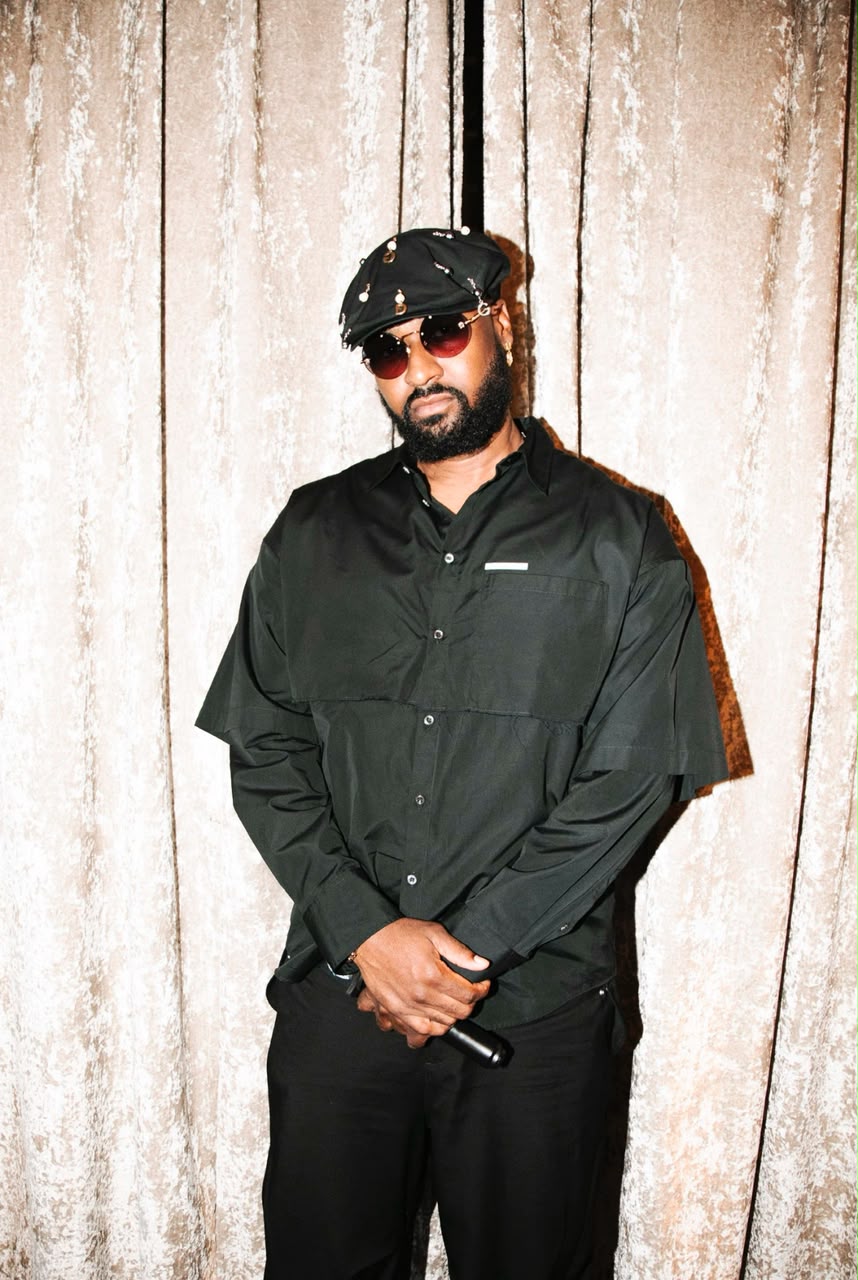
Asake, in the last few months, has appeared with a different look almost every market day, to the point where constant transformation has become part of his identity. The office shirts and pixie cut hair, among many other looks, have at best earned him praise for his nonconformity and at worst been ridiculed, but not once was his artistry questioned. Meanwhile, each outfit change from Ayra Starr feels, to some fans, like a test of her loyalty to the image they first embraced.

Women in pop are judged more harshly for stylistic changes because their image is often treated as their primary currency, while male artists are still allowed to center their music and persona first. In other words, male artists can have style without being defined by it, while female artists are often defined by their style, whether they want to be or not. You can see this in the early conversations around Tems. 

When Tems first arrived on the scene, she played into the Billie Eilish handbook of purposefully wearing oversized shirts and baggy bottoms to avoid being objectified and taking attention from her voice. Still, her body would remain a point of discussion almost as much as her voice. And when she eventually moved away from baggy clothes to the soul singer look, that too became another talking point.
Even when they aren’t seeking attention for their image, female artists often find that their appearance becomes inseparable from the way their music is interpreted.

As Ayra steps into what may be a new era, the question becomes less about whether the image works and more about how much weight fans allow it to carry. In this age where branding is central to a pop star's image, can we judge the merit of their sound outside of the fashion style they present with it? ‘Where Do We Go’ is a chance to engage with Ayra’s art as she chooses to present it, understanding that her image functions as supplementary context or a continuation of the narratives within her music rather than the full picture itself. 

@radgalrabi
Ayra Starr’s New Single and the Ongoing Policing of Women’s Style in Pop

Authored by
This is some text inside of a div block.

Ayra Starr recently dropped a new song, ‘Where Do We Go?’, that speaks to the confusion that comes with an undefined love. Unlike her usual Afropop sound, the track is submerged with electronic undertones, a new sonic direction that hints at a new era for the pop star. Some welcomed ‘Where Do We Go?’ with anticipation for how this sonic direction would unfold in her upcoming projects; a majority were consumed with something else entirely: her outfit. The Grammy nominee dons a mini black sequined dress paired with purple tights in the visualizer and the song cover art. This style has since angered many fans, who are now not so quietly questioning the direction of her career.

This reaction has long been brewing. Ayra’s fanbase began criticizing her style since the yellow and black cape and peplum three-piece from Luar she wore for a performance in Ghana. Most reactions that followed that look were a mix of displeasure or concern, and sometimes both. As with most fandoms, Ayra’s fanbase turned their criticisms towards the person behind the change, her new stylist, Elly Karamoh.

Karamoh, who only began working with Ayra a few months ago, has so far leaned into a more opulent, high-glam direction with playful twists. Fur, structured pieces, and heavier styling choices take center stage with occasional pulls from 2010s trends; think peplums and pumps. In many ways, his interpretation of Ayra’s image feels bolder in contrast to the look Ayra had been known for.

(Photo Credit: X)

This change has not landed well for fans. Among hundreds of comments, the most echoed has been that Ayra looks older. For an artist whose style repertoire has been placed at the center of Gen Z fashion, and curated a following from this base, fur coats and peplums, to some fans, felt prematurely aged and out of place for her image as an African pop star. 

This displeasure feels familiar. It’s the same reaction that reverberates when teen stars transition into adulthood and move away from the image that made them popular. Culturally, as Ayra is one of the newest teen-to-adult star transitions Nigeria has witnessed, the reaction may be subconscious; still, it mirrors the same patterns of scrutiny young female stars elsewhere have long faced.

Fans nonetheless express their thoughts as concern for her pop star status. Some worry she will lose her pop star appeal with this new style change, while others interpret the new look as a lack of direction.

But with the changes in Ayra’s personal life, her style choices like wearing fur feels natural. The artist recently moved to New York, and in a Substack post from December, she briefly reflected on the city’s climate and how it has influenced her mood. While she didn’t directly link this to her style, she included a photo of herself in fur. In the “Where Do We Go?” visualizer, she is also framed against skyscrapers, a setting that mirrors her current surroundings and also subtly positions her within a more American landscape.

It's unclear whether this style is simply personal or signalling a new era. One thing is certain: ‘Where Do We Go’ is sonically different, and speculations that she’s trying her hand at American pop have followed. When viewed through this lens, her recent looks make sense.

(Photo Credit: Ayra Starr/Instagram) 

Still, fans' attachment to Ayra’s earlier image remains strong. Early visual framing of her identity through style, cover art, and music videos has set a precedent for how they read her as an artist. This type of fan attachment is often a result of great branding and building eras. Thanks to the modern pop economy, rollouts are elaborate and tease hidden meanings. Now audiences have been conditioned to read styling, hair, and overall presentation as a signal of what the music might sound or feel like. So when the visual language changes, it can create uncertainty around the music itself for some.

Within that context, the reaction to Ayra Starr’s evolving style begins to make more sense. To understand why this shift feels so jarring to fans, it helps to look at how Ayra Starr’s image was first constructed and how closely it became tied to her sound.

Ayra Starr was introduced to audiences in 2021 through her self-title EP, which wasn’t much of an era in the grand pop sense as it was an introduction phase and a testing ground. The sound was fun and fierce, and that, in conjunction with colorful graphic liner, playful makeup, and cropped shirts, positioned Ayra as the girl next door. Even without a defined era, this first introduction set her up as a girl’s pop star, and that image continued.

Much of that image was later sharpened under the direction of stylist Pat Ada Eze, whose approach to fashion was rooted in reflecting the core audience. “To truly be a star and inspire that level of adoration, you need to excite people, and one of the best ways to do that is through fashion,” she explained in an interview.

With 19 & Dangerous, the girl-next-door image was “baddified”: soft and youthful, but sharper and more self-assured. Through elements like graphic liners, cropped silhouettes, and Y2K references, Ayra sat at the intersection of trendy and alternative, becoming both reflective of and influential within her audience. Mini skirts, cropped shirts, and high boots became the Ayra look, a familiar image that audiences grew attached to. Through color, textures, or overall styling, there was always a thread of softness and youthfulness tying it all together as she experimented across different releases.

But outside of the machinery of branding and rollout strategies, Ayra’s style has never been a fixed image entirely dictated by her sound. She has said in interviews that she dresses for fun, moving between looks and refusing to be boxed into one version of herself. 

So while her previous style has become iconic, it was also distinctly tied to Nigerian youth culture, rooted in a Gen Z-coded style that shaped how audiences first understood her. There is, however, another layer to this reaction—one that doesn’t apply equally across pop

The misogyny of it all

When male artists experiment with their image, the conversation rarely extends to their music in the same way. Criticisms of male artists’ styles are rarely tied to how their music is received.

For example, Rema’s backpack, high tops, and wife-beater combo in the 'FUN' video was critiqued for looking Black-American, with some arguing saying it didn’t fit with his act as an Afrobeats artist. Despite the backlash, the criticism of his clothes barely crossed into how people perceived the music itself or whether they would listen to it.

(Photo Credit: Pie radio UK)

Asake, in the last few months, has appeared with a different look almost every market day, to the point where constant transformation has become part of his identity. The office shirts and pixie cut hair, among many other looks, have at best earned him praise for his nonconformity and at worst been ridiculed, but not once was his artistry questioned. Meanwhile, each outfit change from Ayra Starr feels, to some fans, like a test of her loyalty to the image they first embraced.

Women in pop are judged more harshly for stylistic changes because their image is often treated as their primary currency, while male artists are still allowed to center their music and persona first. In other words, male artists can have style without being defined by it, while female artists are often defined by their style, whether they want to be or not. You can see this in the early conversations around Tems. 

When Tems first arrived on the scene, she played into the Billie Eilish handbook of purposefully wearing oversized shirts and baggy bottoms to avoid being objectified and taking attention from her voice. Still, her body would remain a point of discussion almost as much as her voice. And when she eventually moved away from baggy clothes to the soul singer look, that too became another talking point.
Even when they aren’t seeking attention for their image, female artists often find that their appearance becomes inseparable from the way their music is interpreted.

As Ayra steps into what may be a new era, the question becomes less about whether the image works and more about how much weight fans allow it to carry. In this age where branding is central to a pop star's image, can we judge the merit of their sound outside of the fashion style they present with it? ‘Where Do We Go’ is a chance to engage with Ayra’s art as she chooses to present it, understanding that her image functions as supplementary context or a continuation of the narratives within her music rather than the full picture itself. 

@radgalrabi
This is some text inside of a div block.

Ayra Starr’s New Single and the Ongoing Policing of Women’s Style in Pop

Authored by

Ayra Starr recently dropped a new song, ‘Where Do We Go?’, that speaks to the confusion that comes with an undefined love. Unlike her usual Afropop sound, the track is submerged with electronic undertones, a new sonic direction that hints at a new era for the pop star. Some welcomed ‘Where Do We Go?’ with anticipation for how this sonic direction would unfold in her upcoming projects; a majority were consumed with something else entirely: her outfit. The Grammy nominee dons a mini black sequined dress paired with purple tights in the visualizer and the song cover art. This style has since angered many fans, who are now not so quietly questioning the direction of her career.

This reaction has long been brewing. Ayra’s fanbase began criticizing her style since the yellow and black cape and peplum three-piece from Luar she wore for a performance in Ghana. Most reactions that followed that look were a mix of displeasure or concern, and sometimes both. As with most fandoms, Ayra’s fanbase turned their criticisms towards the person behind the change, her new stylist, Elly Karamoh.

Karamoh, who only began working with Ayra a few months ago, has so far leaned into a more opulent, high-glam direction with playful twists. Fur, structured pieces, and heavier styling choices take center stage with occasional pulls from 2010s trends; think peplums and pumps. In many ways, his interpretation of Ayra’s image feels bolder in contrast to the look Ayra had been known for.

(Photo Credit: X)

This change has not landed well for fans. Among hundreds of comments, the most echoed has been that Ayra looks older. For an artist whose style repertoire has been placed at the center of Gen Z fashion, and curated a following from this base, fur coats and peplums, to some fans, felt prematurely aged and out of place for her image as an African pop star. 

This displeasure feels familiar. It’s the same reaction that reverberates when teen stars transition into adulthood and move away from the image that made them popular. Culturally, as Ayra is one of the newest teen-to-adult star transitions Nigeria has witnessed, the reaction may be subconscious; still, it mirrors the same patterns of scrutiny young female stars elsewhere have long faced.

Fans nonetheless express their thoughts as concern for her pop star status. Some worry she will lose her pop star appeal with this new style change, while others interpret the new look as a lack of direction.

But with the changes in Ayra’s personal life, her style choices like wearing fur feels natural. The artist recently moved to New York, and in a Substack post from December, she briefly reflected on the city’s climate and how it has influenced her mood. While she didn’t directly link this to her style, she included a photo of herself in fur. In the “Where Do We Go?” visualizer, she is also framed against skyscrapers, a setting that mirrors her current surroundings and also subtly positions her within a more American landscape.

It's unclear whether this style is simply personal or signalling a new era. One thing is certain: ‘Where Do We Go’ is sonically different, and speculations that she’s trying her hand at American pop have followed. When viewed through this lens, her recent looks make sense.

(Photo Credit: Ayra Starr/Instagram) 

Still, fans' attachment to Ayra’s earlier image remains strong. Early visual framing of her identity through style, cover art, and music videos has set a precedent for how they read her as an artist. This type of fan attachment is often a result of great branding and building eras. Thanks to the modern pop economy, rollouts are elaborate and tease hidden meanings. Now audiences have been conditioned to read styling, hair, and overall presentation as a signal of what the music might sound or feel like. So when the visual language changes, it can create uncertainty around the music itself for some.

Within that context, the reaction to Ayra Starr’s evolving style begins to make more sense. To understand why this shift feels so jarring to fans, it helps to look at how Ayra Starr’s image was first constructed and how closely it became tied to her sound.

Ayra Starr was introduced to audiences in 2021 through her self-title EP, which wasn’t much of an era in the grand pop sense as it was an introduction phase and a testing ground. The sound was fun and fierce, and that, in conjunction with colorful graphic liner, playful makeup, and cropped shirts, positioned Ayra as the girl next door. Even without a defined era, this first introduction set her up as a girl’s pop star, and that image continued.

Much of that image was later sharpened under the direction of stylist Pat Ada Eze, whose approach to fashion was rooted in reflecting the core audience. “To truly be a star and inspire that level of adoration, you need to excite people, and one of the best ways to do that is through fashion,” she explained in an interview.

With 19 & Dangerous, the girl-next-door image was “baddified”: soft and youthful, but sharper and more self-assured. Through elements like graphic liners, cropped silhouettes, and Y2K references, Ayra sat at the intersection of trendy and alternative, becoming both reflective of and influential within her audience. Mini skirts, cropped shirts, and high boots became the Ayra look, a familiar image that audiences grew attached to. Through color, textures, or overall styling, there was always a thread of softness and youthfulness tying it all together as she experimented across different releases.

But outside of the machinery of branding and rollout strategies, Ayra’s style has never been a fixed image entirely dictated by her sound. She has said in interviews that she dresses for fun, moving between looks and refusing to be boxed into one version of herself. 

So while her previous style has become iconic, it was also distinctly tied to Nigerian youth culture, rooted in a Gen Z-coded style that shaped how audiences first understood her. There is, however, another layer to this reaction—one that doesn’t apply equally across pop

The misogyny of it all

When male artists experiment with their image, the conversation rarely extends to their music in the same way. Criticisms of male artists’ styles are rarely tied to how their music is received.

For example, Rema’s backpack, high tops, and wife-beater combo in the 'FUN' video was critiqued for looking Black-American, with some arguing saying it didn’t fit with his act as an Afrobeats artist. Despite the backlash, the criticism of his clothes barely crossed into how people perceived the music itself or whether they would listen to it.

(Photo Credit: Pie radio UK)

Asake, in the last few months, has appeared with a different look almost every market day, to the point where constant transformation has become part of his identity. The office shirts and pixie cut hair, among many other looks, have at best earned him praise for his nonconformity and at worst been ridiculed, but not once was his artistry questioned. Meanwhile, each outfit change from Ayra Starr feels, to some fans, like a test of her loyalty to the image they first embraced.

Women in pop are judged more harshly for stylistic changes because their image is often treated as their primary currency, while male artists are still allowed to center their music and persona first. In other words, male artists can have style without being defined by it, while female artists are often defined by their style, whether they want to be or not. You can see this in the early conversations around Tems. 

When Tems first arrived on the scene, she played into the Billie Eilish handbook of purposefully wearing oversized shirts and baggy bottoms to avoid being objectified and taking attention from her voice. Still, her body would remain a point of discussion almost as much as her voice. And when she eventually moved away from baggy clothes to the soul singer look, that too became another talking point.
Even when they aren’t seeking attention for their image, female artists often find that their appearance becomes inseparable from the way their music is interpreted.

As Ayra steps into what may be a new era, the question becomes less about whether the image works and more about how much weight fans allow it to carry. In this age where branding is central to a pop star's image, can we judge the merit of their sound outside of the fashion style they present with it? ‘Where Do We Go’ is a chance to engage with Ayra’s art as she chooses to present it, understanding that her image functions as supplementary context or a continuation of the narratives within her music rather than the full picture itself. 

@radgalrabi

Other Stories
London
London
Lagos
London
Newyork
London
Shop
Join the community.
You are now subscribed to receive updates.
Oops! Something went wrong while submitting the form.