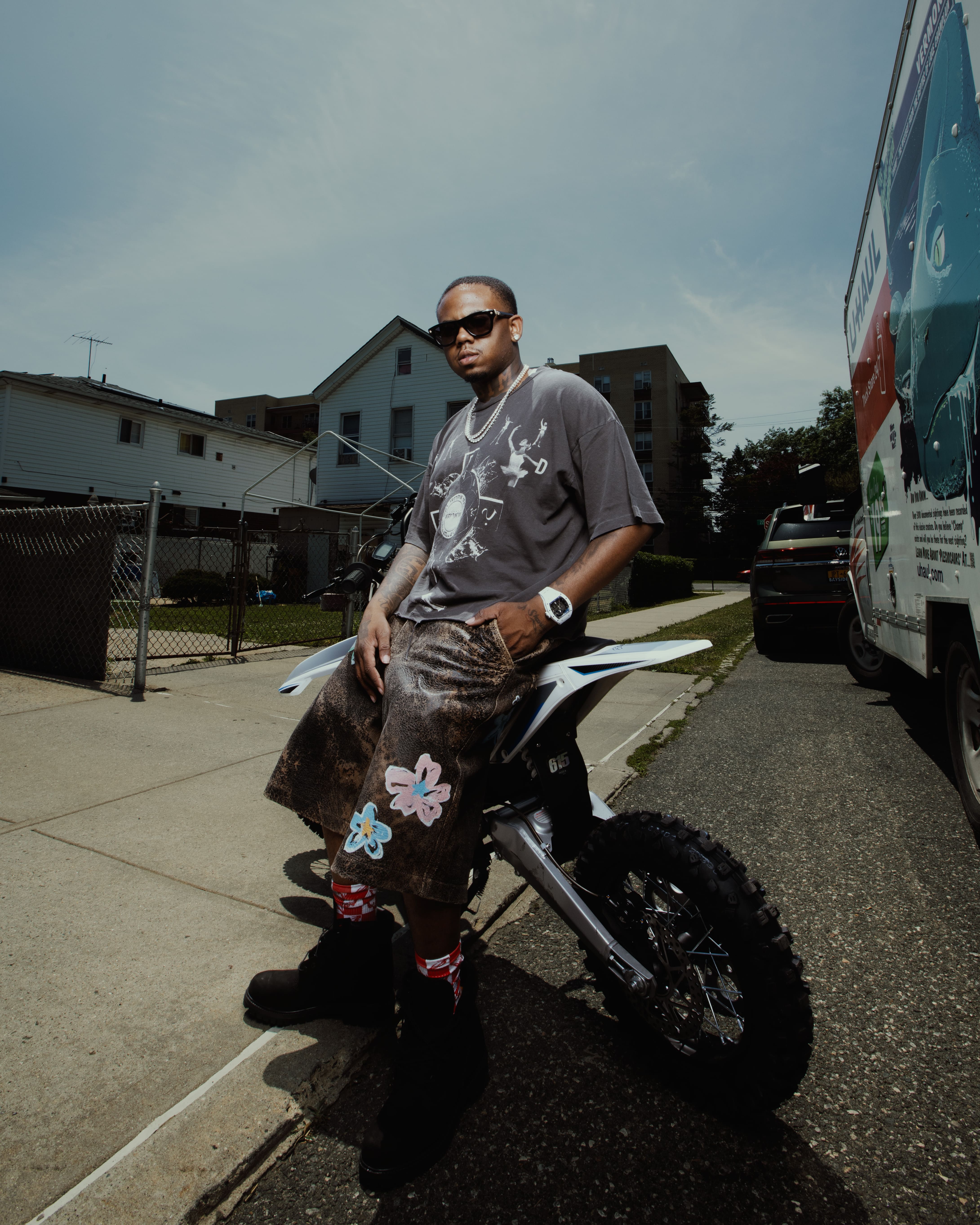
Bay Swag on Pain, Champagne, and the Art of Staying Unapologetically Yourself

Authored by

There is a distinctive, unmistakable energy that belongs strictly to New York City. It is an effortless transition between high-fashion luxury and raw pavement that balances immense swagger with unyielding grit. But in an industry that constantly copies and capitalizes on this cultural footprint, true authenticity is rare. Most chase the wave; very few actually create it. Queens-born artist Lloyd McKenzie Jr., known globally as Bay Swag, is one of those rare creators. Coinciding with the highly anticipated premiere of his new documentary, Nothing Bout Us Regular Presents Bay Swag: The Story - The Sound A Culture Is Currency Film, it bypasses the typical, over-polished industry talk to show exactly where his movement’s currency is defined.

Through his pioneering role in the high-energy, infectious "Sexy Drill" wave, Bay Swag has flipped the traditional, dark drill formula on its head, proving you can float over hard-hitting New York beats with feel-good energy rather than standard, aggressive themes. Yet beneath this vibrant sound lies a heavy personal reality including his mother’s battle with breast cancer and his father’s 85-year prison sentence. Refusing to let trauma break him, Bay Swag uses his latest album, Damaged Thoughts, to turn "pain into champagne". He leans directly into the vulnerability of his journey, showing fans that raw honesty is the only real path to longevity. Below, the artist breaks down the blueprints of his grind, his brotherhoods, and his refusal to ever have a Plan B.

The title of the film is Nothing Bout Us Regular Presents Bay Swag: The Story - The Sound A Culture Is Currency Film. In a music industry that constantly tries to copy and capitalize on New York’s style, how does this film show your audience that you and your crew are the ones actually defining the currency, rather than just chasing it?

It takes people behind the music so they can see where the sound actually comes from, the people around me, the city, and the process. Once you see that, you see we’re not following a wave, we created it. It's a blessing, of course. You know, you gotta thank God first and foremost. Actually, it’s a good thing. There's nothing wrong with it. Some people don't like that, and they’ll start, saying stuff or try to diss people about it. Like ‘I don't know why you sound like me’ or this and that, but we actually appreciate it and really acknowledge it because that means you're doing something good. You know, you started a whole new sound, and now everybody's messing with it and liking it and now everybody’s doing it. It's a good thing. I feel really good about it. It actually makes me happy.

Your latest album Damaged Thoughts was a massive turning point because you were willing to show the trauma and stress that a lot of artists hide behind a confident exterior. What was the hardest part about letting the documentary cameras into those exact same dark spaces, and why did your fans need to see that side of you?

It's actually crazy because it's not hard for me. I'm not scared to speak about the truth and my life. A lot of people are scared to speak the truth and talk about things that they're actually going through in their lives. It’s hard for them to talk. To talk about things that they go through, their trauma, or things that hurt them or things that broke their hearts. I'm not really afraid to. I guess that's just me. But I actually feel a lot of artists should do that because it'll make things way easier. It’ll make the music way easier. It’ll make life just way easier. Just be honest and speak your truth. That's why it's so easy for me to go in the studio and record, because I'm always speaking the truth.

There’s a heavy quote from you where you mention that "being an artist is the most dangerous s**t in the world" because you always have to be seen and posted. How does this documentary give fans an inside look at the anxiety and paranoia that comes with that lifestyle and things the average listener never gets to see?

It can be dangerous. You have to post where you’re at, you gotta post the time, you gotta post the location. You gotta post literally everything. Imagine you have problems with some people and they literally know exactly who you are and where you are. If somebody's hating on you and you don't even know, they could just be jealous of you, come up to you acting like a fan and you and you’re just being supportive thinking they're fan and then they could just be on some whole other type of time. It's crazy. Really imagine that.
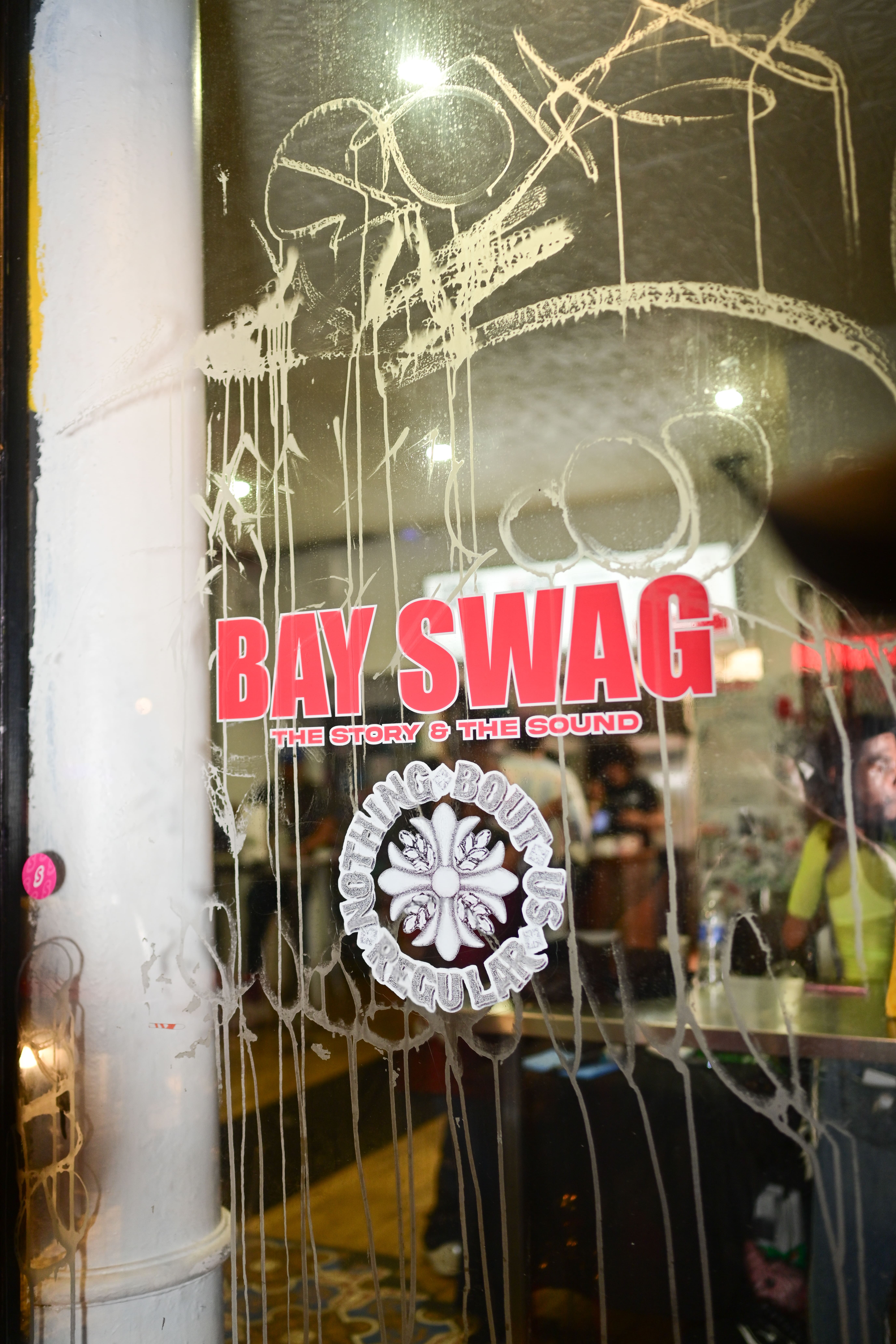
Photo Credit: shotbyjm_

You’re known for driving the "Sexy Drill" wave music that is purely about good energy, dancing, and having fun without the violence. Yet, your reality includes heavy personal chapters like your father’s 85-year sentence and your mother beating cancer. How does the film explain that intentional balance using high-energy music to heal and escape deep personal pain?

I'm trying to show that you can turn the pain into champagne. No matter what you’re going through, you can't let it stop your motion or let it stop you from doing the things that you're supposed to do. A lot of people, when things happen like that, like something crazy - they get crazy news or bad news or somebody passes away or like me, my mom got diagnosed with breast cancer, my dad got sentenced to 85 years in jail. Some would take that and have a whole totally different way in life and just cry about it or just be sad about it. Nah, you gotta turn that pain into champagne.

You’ve openly stated that you don’t believe in using life's tragedies as an excuse to stop elevating, saying "that’s supposed to motivate you". How does this film capture your growth as a man who chose to carry the weight of his family on his back, rather than letting it break him?

Looking back, we really created something that changed the world. We created a whole new genre. I dropped a great album, performed on big stages, got a gold RIAA plaque. Everything in that way has helped me.

A massive lesson in your journey has been pure, unadulterated patience. You’ve said, "I don’t have a plan B, I'mma make sure that plan A work." Looking back at the footage of your early grind, what do you think that relentless mindset says to the kid watching this documentary who feels like their own dreams are taking too long to happen?

As you can see, patience is key. Just keep grinding, keep working as much as possible. I'm not a loser, you gotta have that winning mentality. Tell yourself like this 'I gotta make this work. This has to happen' Once you actually put that into your regular life, every day, it'll work. Not necessarily everything will work out, but I would rather try my hardest and fail rather than just sitting back and not doing anything. At least try. At least you'll know you put your all, you tried your hardest. Its better to know you put your all into it rather than going halfway with it.

Most music documentaries are made twenty years after an artist hits their peak. Why was it vital for you to give your audience an inside look at the blueprint right now, when your career is taking off and your future is still being written?

Photo Credit: shotbyjm_

I feel like now is the time to give people that motivation. My documentary is obviously not the end. I'm not done. To be continued. It's just my journey from then to now, and showing what's possible.

On the album Damaged Thoughts, you collaborated with heavyweights like Young Thug, Meek Mill, and Quavo. Beyond just making hits, those are men who have stood by you, with Thug even offering to pay for your father’s lawyer. How does the documentary pull back the curtain on those genuine, behind-the-scenes brotherhoods that go way deeper than a studio session?

Honestly, I have a second part to the documentary and I got Cash Cobain in it. He talked a bit, but I want to do a part three to really dive into the artist side and get their look on everything. But I feel like those are my big brothers and I'm blessed to be able to call them that. I'm blessed to get calls from them. Blessed that they answer whenever I call. I can call every one of the guys that's on my album. It's deeper than music, you know, and they guide me. They give me their thoughts on what I should do, or they used to do this or they should do. I can call Young Thug and talk about life, talk about things I'm going through. Shout out to Future because Future is also a guy that I get a lot of game from, and he teaches me a lot and we have talks. He actually called yesterday. There's a song on the way. I can't say when, but it's on the way.

You’ve pointed out that when a new wave starts, everyone tries to sound like someone else, but your superpower is just being yourself. How does The Story - The Sound prove to your audience that honesty is the only way to build longevity in this game?

I feel like it's written, literally. If you go back through the history of rap and hip-hop, you can tell that when people are talking about their life and the things they're going through, people relate to it more. You never know what somebody else is dealing with. Music heals people. That's a fact.

When the credits roll on this film, I think people’s perception of Bay Swag is going to be completely different. As you step into this next era of your life and career, what do you want this chapter to say about Bay Swag, and what legacy do you hope it leaves behind?

Answer: I want people to know that no matter what you're going through, and no matter what you went through, keep going. The devil will always try to come and stop you when things are going good, man, but you got to overcome that, and keep God first, man. Just keep God first and just keep grinding no matter what. When you're going through those hard times and when you get out of it, you'll be like, wow. God is real, man. I did what I had to do. I kept grinding. I kept putting my foot on the gas.

Looking Forward

Ultimately, Bay Swag’s journey is a masterclass in holding onto your identity when the world demands you dilute it. As his story unfolds in real-time, Nothing Bout Us Regular Presents Bay Swag: The Story - The Sound leaves us with a sharp, undeniable truth: longevity is earned through honesty, and there is no substitute for standing firmly in your own lane.

Cover Credit: cozzylens

Bay Swag on Pain, Champagne, and the Art of Staying Unapologetically Yourself

Authored by
This is some text inside of a div block.

There is a distinctive, unmistakable energy that belongs strictly to New York City. It is an effortless transition between high-fashion luxury and raw pavement that balances immense swagger with unyielding grit. But in an industry that constantly copies and capitalizes on this cultural footprint, true authenticity is rare. Most chase the wave; very few actually create it. Queens-born artist Lloyd McKenzie Jr., known globally as Bay Swag, is one of those rare creators. Coinciding with the highly anticipated premiere of his new documentary, Nothing Bout Us Regular Presents Bay Swag: The Story - The Sound A Culture Is Currency Film, it bypasses the typical, over-polished industry talk to show exactly where his movement’s currency is defined.

Through his pioneering role in the high-energy, infectious "Sexy Drill" wave, Bay Swag has flipped the traditional, dark drill formula on its head, proving you can float over hard-hitting New York beats with feel-good energy rather than standard, aggressive themes. Yet beneath this vibrant sound lies a heavy personal reality including his mother’s battle with breast cancer and his father’s 85-year prison sentence. Refusing to let trauma break him, Bay Swag uses his latest album, Damaged Thoughts, to turn "pain into champagne". He leans directly into the vulnerability of his journey, showing fans that raw honesty is the only real path to longevity. Below, the artist breaks down the blueprints of his grind, his brotherhoods, and his refusal to ever have a Plan B.

The title of the film is Nothing Bout Us Regular Presents Bay Swag: The Story - The Sound A Culture Is Currency Film. In a music industry that constantly tries to copy and capitalize on New York’s style, how does this film show your audience that you and your crew are the ones actually defining the currency, rather than just chasing it?

It takes people behind the music so they can see where the sound actually comes from, the people around me, the city, and the process. Once you see that, you see we’re not following a wave, we created it. It's a blessing, of course. You know, you gotta thank God first and foremost. Actually, it’s a good thing. There's nothing wrong with it. Some people don't like that, and they’ll start, saying stuff or try to diss people about it. Like ‘I don't know why you sound like me’ or this and that, but we actually appreciate it and really acknowledge it because that means you're doing something good. You know, you started a whole new sound, and now everybody's messing with it and liking it and now everybody’s doing it. It's a good thing. I feel really good about it. It actually makes me happy.

Your latest album Damaged Thoughts was a massive turning point because you were willing to show the trauma and stress that a lot of artists hide behind a confident exterior. What was the hardest part about letting the documentary cameras into those exact same dark spaces, and why did your fans need to see that side of you?

It's actually crazy because it's not hard for me. I'm not scared to speak about the truth and my life. A lot of people are scared to speak the truth and talk about things that they're actually going through in their lives. It’s hard for them to talk. To talk about things that they go through, their trauma, or things that hurt them or things that broke their hearts. I'm not really afraid to. I guess that's just me. But I actually feel a lot of artists should do that because it'll make things way easier. It’ll make the music way easier. It’ll make life just way easier. Just be honest and speak your truth. That's why it's so easy for me to go in the studio and record, because I'm always speaking the truth.

There’s a heavy quote from you where you mention that "being an artist is the most dangerous s**t in the world" because you always have to be seen and posted. How does this documentary give fans an inside look at the anxiety and paranoia that comes with that lifestyle and things the average listener never gets to see?

It can be dangerous. You have to post where you’re at, you gotta post the time, you gotta post the location. You gotta post literally everything. Imagine you have problems with some people and they literally know exactly who you are and where you are. If somebody's hating on you and you don't even know, they could just be jealous of you, come up to you acting like a fan and you and you’re just being supportive thinking they're fan and then they could just be on some whole other type of time. It's crazy. Really imagine that.

Photo Credit: shotbyjm_

You’re known for driving the "Sexy Drill" wave music that is purely about good energy, dancing, and having fun without the violence. Yet, your reality includes heavy personal chapters like your father’s 85-year sentence and your mother beating cancer. How does the film explain that intentional balance using high-energy music to heal and escape deep personal pain?

I'm trying to show that you can turn the pain into champagne. No matter what you’re going through, you can't let it stop your motion or let it stop you from doing the things that you're supposed to do. A lot of people, when things happen like that, like something crazy - they get crazy news or bad news or somebody passes away or like me, my mom got diagnosed with breast cancer, my dad got sentenced to 85 years in jail. Some would take that and have a whole totally different way in life and just cry about it or just be sad about it. Nah, you gotta turn that pain into champagne.

You’ve openly stated that you don’t believe in using life's tragedies as an excuse to stop elevating, saying "that’s supposed to motivate you". How does this film capture your growth as a man who chose to carry the weight of his family on his back, rather than letting it break him?

Looking back, we really created something that changed the world. We created a whole new genre. I dropped a great album, performed on big stages, got a gold RIAA plaque. Everything in that way has helped me.

A massive lesson in your journey has been pure, unadulterated patience. You’ve said, "I don’t have a plan B, I'mma make sure that plan A work." Looking back at the footage of your early grind, what do you think that relentless mindset says to the kid watching this documentary who feels like their own dreams are taking too long to happen?

As you can see, patience is key. Just keep grinding, keep working as much as possible. I'm not a loser, you gotta have that winning mentality. Tell yourself like this 'I gotta make this work. This has to happen' Once you actually put that into your regular life, every day, it'll work. Not necessarily everything will work out, but I would rather try my hardest and fail rather than just sitting back and not doing anything. At least try. At least you'll know you put your all, you tried your hardest. Its better to know you put your all into it rather than going halfway with it.

Most music documentaries are made twenty years after an artist hits their peak. Why was it vital for you to give your audience an inside look at the blueprint right now, when your career is taking off and your future is still being written?

Photo Credit: shotbyjm_

I feel like now is the time to give people that motivation. My documentary is obviously not the end. I'm not done. To be continued. It's just my journey from then to now, and showing what's possible.

On the album Damaged Thoughts, you collaborated with heavyweights like Young Thug, Meek Mill, and Quavo. Beyond just making hits, those are men who have stood by you, with Thug even offering to pay for your father’s lawyer. How does the documentary pull back the curtain on those genuine, behind-the-scenes brotherhoods that go way deeper than a studio session?

Honestly, I have a second part to the documentary and I got Cash Cobain in it. He talked a bit, but I want to do a part three to really dive into the artist side and get their look on everything. But I feel like those are my big brothers and I'm blessed to be able to call them that. I'm blessed to get calls from them. Blessed that they answer whenever I call. I can call every one of the guys that's on my album. It's deeper than music, you know, and they guide me. They give me their thoughts on what I should do, or they used to do this or they should do. I can call Young Thug and talk about life, talk about things I'm going through. Shout out to Future because Future is also a guy that I get a lot of game from, and he teaches me a lot and we have talks. He actually called yesterday. There's a song on the way. I can't say when, but it's on the way.

You’ve pointed out that when a new wave starts, everyone tries to sound like someone else, but your superpower is just being yourself. How does The Story - The Sound prove to your audience that honesty is the only way to build longevity in this game?

I feel like it's written, literally. If you go back through the history of rap and hip-hop, you can tell that when people are talking about their life and the things they're going through, people relate to it more. You never know what somebody else is dealing with. Music heals people. That's a fact.

When the credits roll on this film, I think people’s perception of Bay Swag is going to be completely different. As you step into this next era of your life and career, what do you want this chapter to say about Bay Swag, and what legacy do you hope it leaves behind?

Answer: I want people to know that no matter what you're going through, and no matter what you went through, keep going. The devil will always try to come and stop you when things are going good, man, but you got to overcome that, and keep God first, man. Just keep God first and just keep grinding no matter what. When you're going through those hard times and when you get out of it, you'll be like, wow. God is real, man. I did what I had to do. I kept grinding. I kept putting my foot on the gas.

Looking Forward

Ultimately, Bay Swag’s journey is a masterclass in holding onto your identity when the world demands you dilute it. As his story unfolds in real-time, Nothing Bout Us Regular Presents Bay Swag: The Story - The Sound leaves us with a sharp, undeniable truth: longevity is earned through honesty, and there is no substitute for standing firmly in your own lane.

Cover Credit: cozzylens

This is some text inside of a div block.

Bay Swag on Pain, Champagne, and the Art of Staying Unapologetically Yourself

Authored by

There is a distinctive, unmistakable energy that belongs strictly to New York City. It is an effortless transition between high-fashion luxury and raw pavement that balances immense swagger with unyielding grit. But in an industry that constantly copies and capitalizes on this cultural footprint, true authenticity is rare. Most chase the wave; very few actually create it. Queens-born artist Lloyd McKenzie Jr., known globally as Bay Swag, is one of those rare creators. Coinciding with the highly anticipated premiere of his new documentary, Nothing Bout Us Regular Presents Bay Swag: The Story - The Sound A Culture Is Currency Film, it bypasses the typical, over-polished industry talk to show exactly where his movement’s currency is defined.

Through his pioneering role in the high-energy, infectious "Sexy Drill" wave, Bay Swag has flipped the traditional, dark drill formula on its head, proving you can float over hard-hitting New York beats with feel-good energy rather than standard, aggressive themes. Yet beneath this vibrant sound lies a heavy personal reality including his mother’s battle with breast cancer and his father’s 85-year prison sentence. Refusing to let trauma break him, Bay Swag uses his latest album, Damaged Thoughts, to turn "pain into champagne". He leans directly into the vulnerability of his journey, showing fans that raw honesty is the only real path to longevity. Below, the artist breaks down the blueprints of his grind, his brotherhoods, and his refusal to ever have a Plan B.

The title of the film is Nothing Bout Us Regular Presents Bay Swag: The Story - The Sound A Culture Is Currency Film. In a music industry that constantly tries to copy and capitalize on New York’s style, how does this film show your audience that you and your crew are the ones actually defining the currency, rather than just chasing it?

It takes people behind the music so they can see where the sound actually comes from, the people around me, the city, and the process. Once you see that, you see we’re not following a wave, we created it. It's a blessing, of course. You know, you gotta thank God first and foremost. Actually, it’s a good thing. There's nothing wrong with it. Some people don't like that, and they’ll start, saying stuff or try to diss people about it. Like ‘I don't know why you sound like me’ or this and that, but we actually appreciate it and really acknowledge it because that means you're doing something good. You know, you started a whole new sound, and now everybody's messing with it and liking it and now everybody’s doing it. It's a good thing. I feel really good about it. It actually makes me happy.

Your latest album Damaged Thoughts was a massive turning point because you were willing to show the trauma and stress that a lot of artists hide behind a confident exterior. What was the hardest part about letting the documentary cameras into those exact same dark spaces, and why did your fans need to see that side of you?

It's actually crazy because it's not hard for me. I'm not scared to speak about the truth and my life. A lot of people are scared to speak the truth and talk about things that they're actually going through in their lives. It’s hard for them to talk. To talk about things that they go through, their trauma, or things that hurt them or things that broke their hearts. I'm not really afraid to. I guess that's just me. But I actually feel a lot of artists should do that because it'll make things way easier. It’ll make the music way easier. It’ll make life just way easier. Just be honest and speak your truth. That's why it's so easy for me to go in the studio and record, because I'm always speaking the truth.

There’s a heavy quote from you where you mention that "being an artist is the most dangerous s**t in the world" because you always have to be seen and posted. How does this documentary give fans an inside look at the anxiety and paranoia that comes with that lifestyle and things the average listener never gets to see?

It can be dangerous. You have to post where you’re at, you gotta post the time, you gotta post the location. You gotta post literally everything. Imagine you have problems with some people and they literally know exactly who you are and where you are. If somebody's hating on you and you don't even know, they could just be jealous of you, come up to you acting like a fan and you and you’re just being supportive thinking they're fan and then they could just be on some whole other type of time. It's crazy. Really imagine that.

Photo Credit: shotbyjm_

You’re known for driving the "Sexy Drill" wave music that is purely about good energy, dancing, and having fun without the violence. Yet, your reality includes heavy personal chapters like your father’s 85-year sentence and your mother beating cancer. How does the film explain that intentional balance using high-energy music to heal and escape deep personal pain?

I'm trying to show that you can turn the pain into champagne. No matter what you’re going through, you can't let it stop your motion or let it stop you from doing the things that you're supposed to do. A lot of people, when things happen like that, like something crazy - they get crazy news or bad news or somebody passes away or like me, my mom got diagnosed with breast cancer, my dad got sentenced to 85 years in jail. Some would take that and have a whole totally different way in life and just cry about it or just be sad about it. Nah, you gotta turn that pain into champagne.

You’ve openly stated that you don’t believe in using life's tragedies as an excuse to stop elevating, saying "that’s supposed to motivate you". How does this film capture your growth as a man who chose to carry the weight of his family on his back, rather than letting it break him?

Looking back, we really created something that changed the world. We created a whole new genre. I dropped a great album, performed on big stages, got a gold RIAA plaque. Everything in that way has helped me.

A massive lesson in your journey has been pure, unadulterated patience. You’ve said, "I don’t have a plan B, I'mma make sure that plan A work." Looking back at the footage of your early grind, what do you think that relentless mindset says to the kid watching this documentary who feels like their own dreams are taking too long to happen?

As you can see, patience is key. Just keep grinding, keep working as much as possible. I'm not a loser, you gotta have that winning mentality. Tell yourself like this 'I gotta make this work. This has to happen' Once you actually put that into your regular life, every day, it'll work. Not necessarily everything will work out, but I would rather try my hardest and fail rather than just sitting back and not doing anything. At least try. At least you'll know you put your all, you tried your hardest. Its better to know you put your all into it rather than going halfway with it.

Most music documentaries are made twenty years after an artist hits their peak. Why was it vital for you to give your audience an inside look at the blueprint right now, when your career is taking off and your future is still being written?

Photo Credit: shotbyjm_

I feel like now is the time to give people that motivation. My documentary is obviously not the end. I'm not done. To be continued. It's just my journey from then to now, and showing what's possible.

On the album Damaged Thoughts, you collaborated with heavyweights like Young Thug, Meek Mill, and Quavo. Beyond just making hits, those are men who have stood by you, with Thug even offering to pay for your father’s lawyer. How does the documentary pull back the curtain on those genuine, behind-the-scenes brotherhoods that go way deeper than a studio session?

Honestly, I have a second part to the documentary and I got Cash Cobain in it. He talked a bit, but I want to do a part three to really dive into the artist side and get their look on everything. But I feel like those are my big brothers and I'm blessed to be able to call them that. I'm blessed to get calls from them. Blessed that they answer whenever I call. I can call every one of the guys that's on my album. It's deeper than music, you know, and they guide me. They give me their thoughts on what I should do, or they used to do this or they should do. I can call Young Thug and talk about life, talk about things I'm going through. Shout out to Future because Future is also a guy that I get a lot of game from, and he teaches me a lot and we have talks. He actually called yesterday. There's a song on the way. I can't say when, but it's on the way.

You’ve pointed out that when a new wave starts, everyone tries to sound like someone else, but your superpower is just being yourself. How does The Story - The Sound prove to your audience that honesty is the only way to build longevity in this game?

I feel like it's written, literally. If you go back through the history of rap and hip-hop, you can tell that when people are talking about their life and the things they're going through, people relate to it more. You never know what somebody else is dealing with. Music heals people. That's a fact.

When the credits roll on this film, I think people’s perception of Bay Swag is going to be completely different. As you step into this next era of your life and career, what do you want this chapter to say about Bay Swag, and what legacy do you hope it leaves behind?

Answer: I want people to know that no matter what you're going through, and no matter what you went through, keep going. The devil will always try to come and stop you when things are going good, man, but you got to overcome that, and keep God first, man. Just keep God first and just keep grinding no matter what. When you're going through those hard times and when you get out of it, you'll be like, wow. God is real, man. I did what I had to do. I kept grinding. I kept putting my foot on the gas.

Looking Forward

Ultimately, Bay Swag’s journey is a masterclass in holding onto your identity when the world demands you dilute it. As his story unfolds in real-time, Nothing Bout Us Regular Presents Bay Swag: The Story - The Sound leaves us with a sharp, undeniable truth: longevity is earned through honesty, and there is no substitute for standing firmly in your own lane.

Cover Credit: cozzylens

Other Stories
London
London
Lagos
London
Newyork
London
Shop
Join the community.
You are now subscribed to receive updates.
Oops! Something went wrong while submitting the form.