Beauty Hut Africa: The New Business of Beauty

Authored by

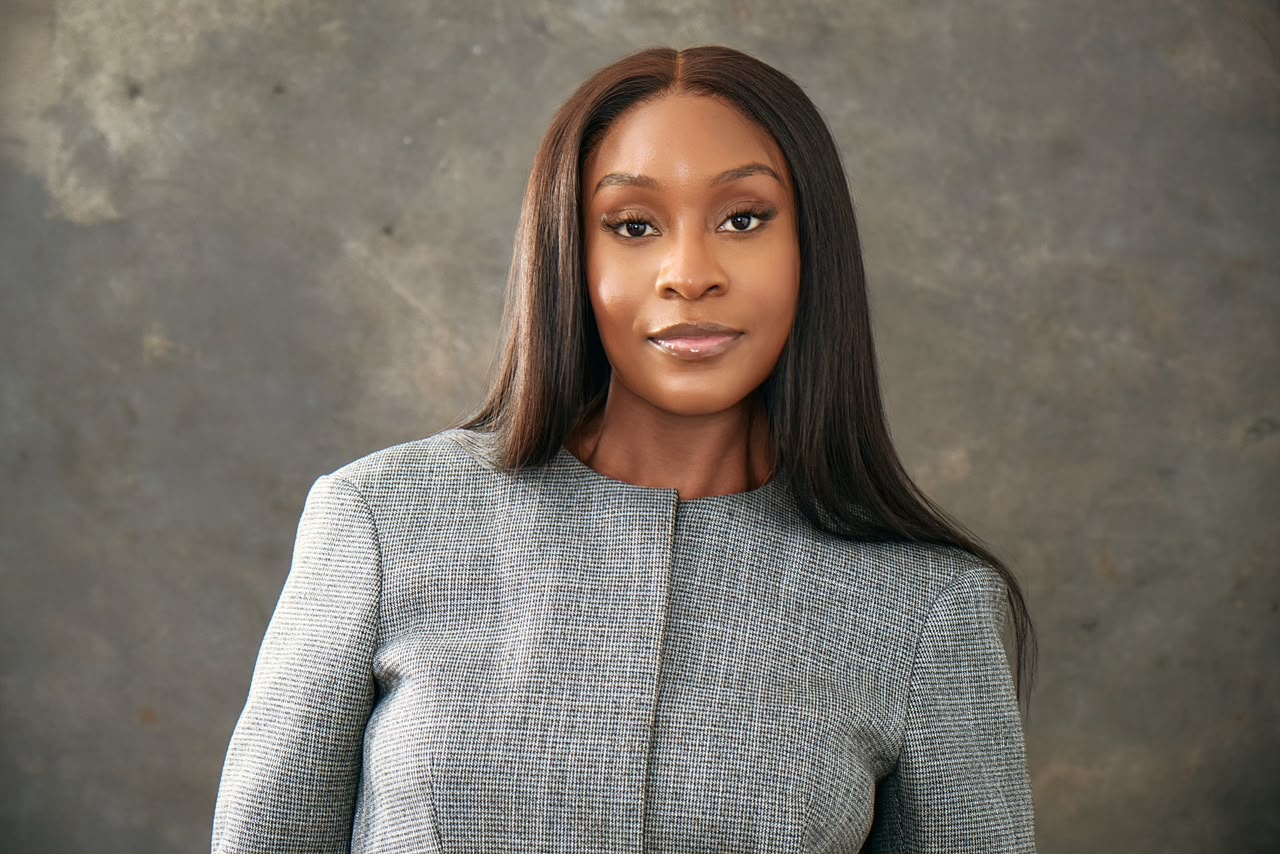
Beauty Hut Africa is a beauty retailer. Founded by Subuola Oyeleye in Lagos in 2023, the company has since built an ecosystem around selling skincare, makeup, fragrance and wellness products. This week, the company announced that Made By Mitchell, the British makeup brand founded by beauty creator Mitchell Halliday, is launching in Nigeria through a direct partnership with Beauty Hut Africa.

For Nigerian beauty consumers who have spent years discovering Mitchell’s colourful makeup tutorials, Blursh products and other launches online, the announcement brings a brand that has largely existed through screens into the physical retail experience. It is also the latest development in a campaign Beauty Hut has been running for the past two years. The company has taken influencers to Lakowe Lakes, organised a Mother’s Day wellness retreat at Isimi Lagos, partnered with brands outside traditional beauty spaces, organised fitness and sporting experiences, and collaborated with names in food, fashion and music. Its first brand trip in 2025 brought creators and personalities together for a weekend of golf, yoga, fishing and dinners, with products from brands on Beauty Hut’s platform woven throughout the experience.

None of these things changes what Beauty Hut sells, but they show what selling beauty can look like beyond the shelf. It happens in salons and bathrooms, in makeup chairs before weddings, in WhatsApp groups where someone is asking whether a particular serum is worth buying, and on TikTok where a product can go from unfamiliar to impossible to ignore within a few days. The Nigerian beauty consumer is already part of a much larger culture around products, routines, appearance and self-expression. What Beauty Hut has done is give some of that culture a physical and commercial space to gather. Beauty Hut’s reach extends beyond its stores, with the retailer also available on delivery platforms like Chowdeck and Glovo, bringing beauty products into the same everyday ordering habits that have made food, groceries and other essentials increasingly accessible on demand. At the same time, its physical presence has expanded from its Lekki store to Ikeja and, most recently, Abuja, giving the retailer a growing footprint beyond Lagos. 

The company’s first brand trip in February 2025 brought together influencers and personalities for a weekend where beauty products existed alongside leisure, fashion, wellness and hospitality. Guests found products from brands including Uncover and Topicals in their rooms, while the wider trip involved partnerships with JBottoms, Cape & Coco and others. The products were still part of the experience, but they were no longer the whole experience.

Beauty retail has traditionally been built around a simple transaction: you find a product, buy it and leave. Beauty Hut’s activities suggest a different understanding of how people relate to beauty brands now, especially in a market where discovery is heavily driven by social media and communities. A product can be part of a weekend away. It can sit inside a wellness experience. It can appear at a run club, a padel match or a food collaboration. It can become part of the way a group of young women spend a Saturday together.
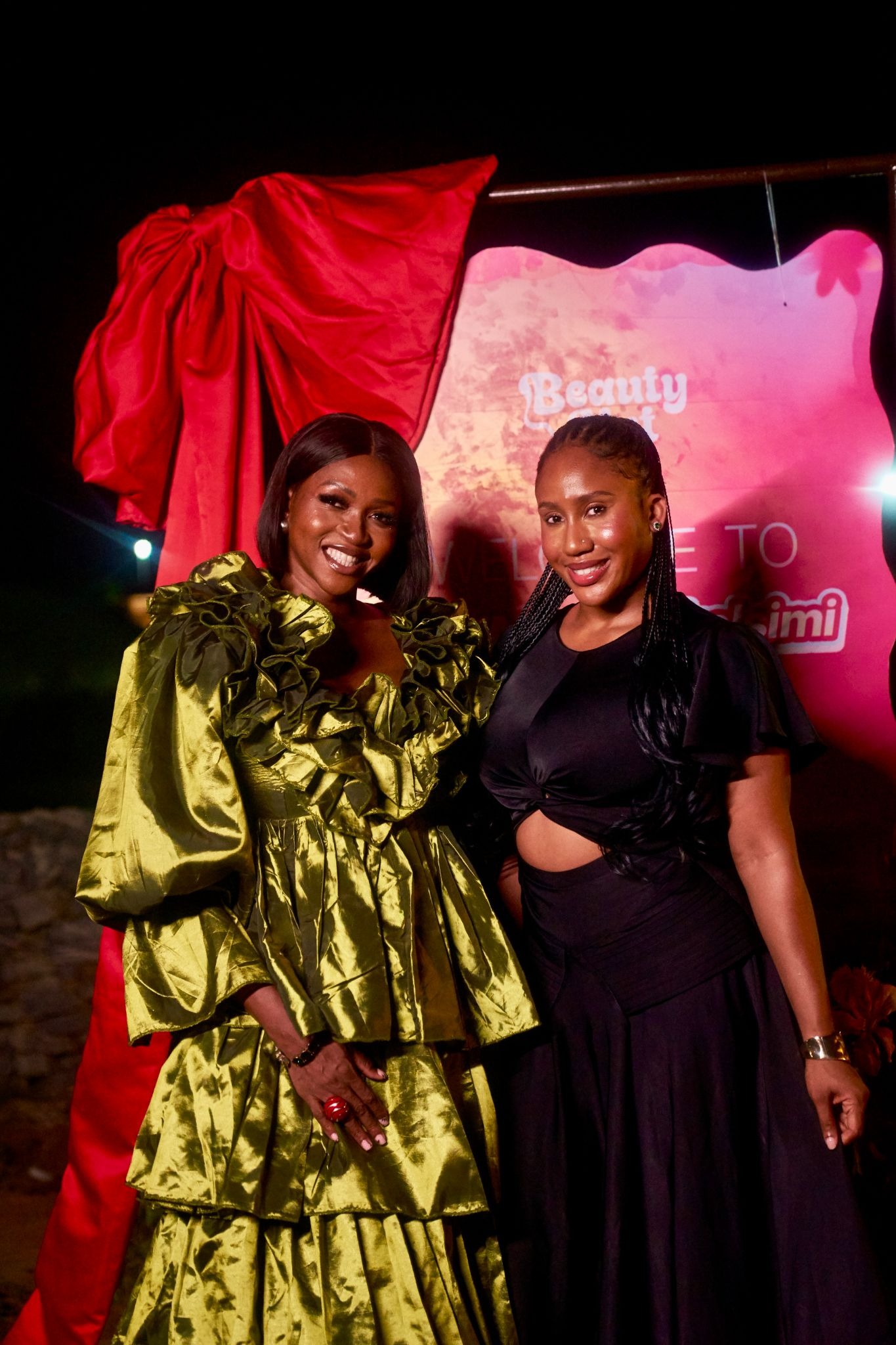
Credit: Beauty Hut x Isimi Lagos (Mother’s day Brand Trip 2026)

Beauty Hut’s Mother’s Day retreat at Isimi Lagos pushed this even further. The 2026 experience brought mothers, daughters, sisters and friends together for a weekend of massages, scalp treatments, food, workouts, movie night and beauty products. The products were present throughout the experience, but the central proposition was connection. This is where beauty begins to resemble the way other parts of Nigerian popular culture have been operating.

Music has long understood the value of creating a world around the thing being sold. A concert is not simply a place to hear an artist perform. Fashion has similarly moved beyond clothing itself, with brands building events, communities and identities around what people wear. Food brands have understood the same thing through pop-ups, collaborations and social experiences. Beauty is increasingly playing in that space too.
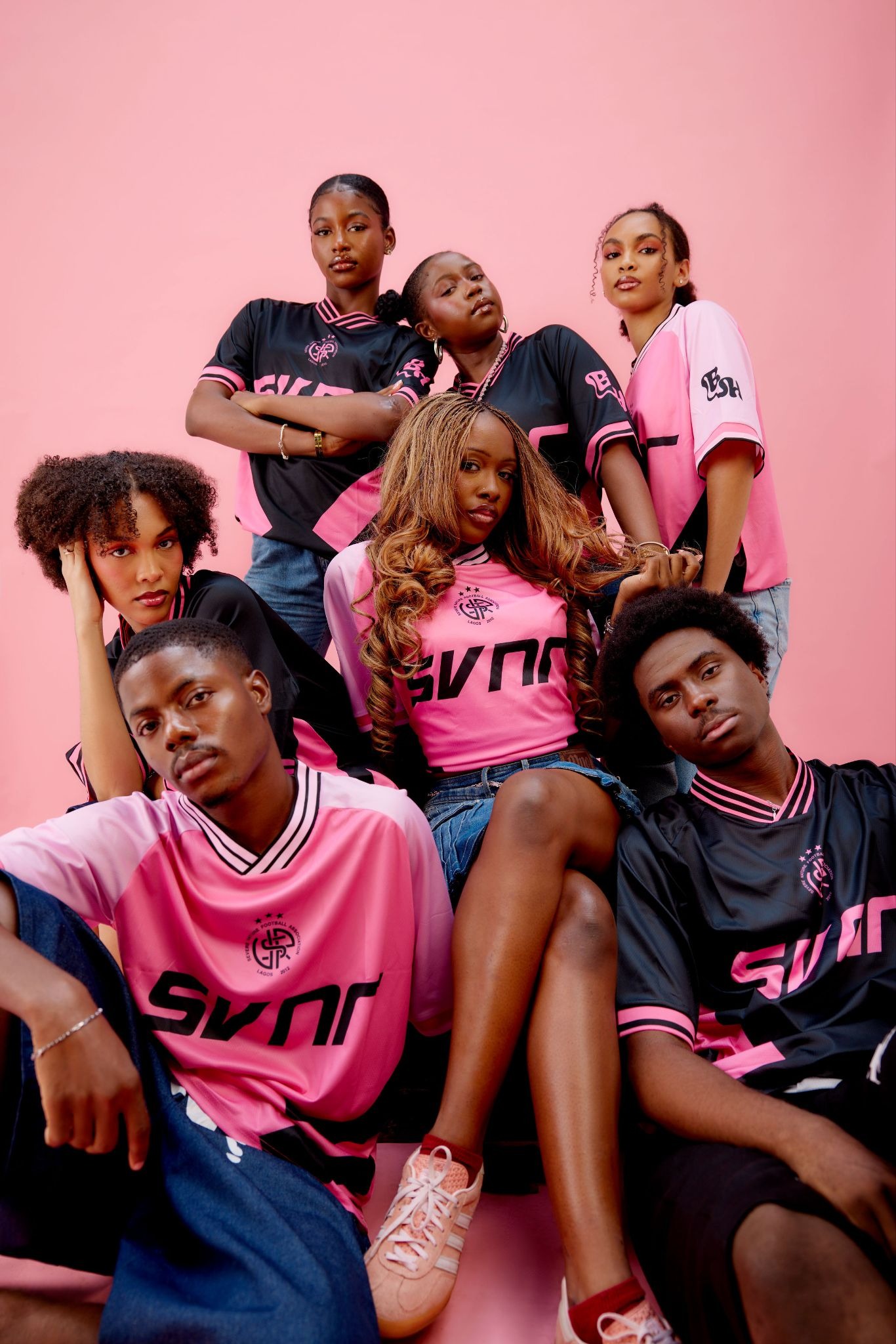
Credit: Beauty Hut x Severenature

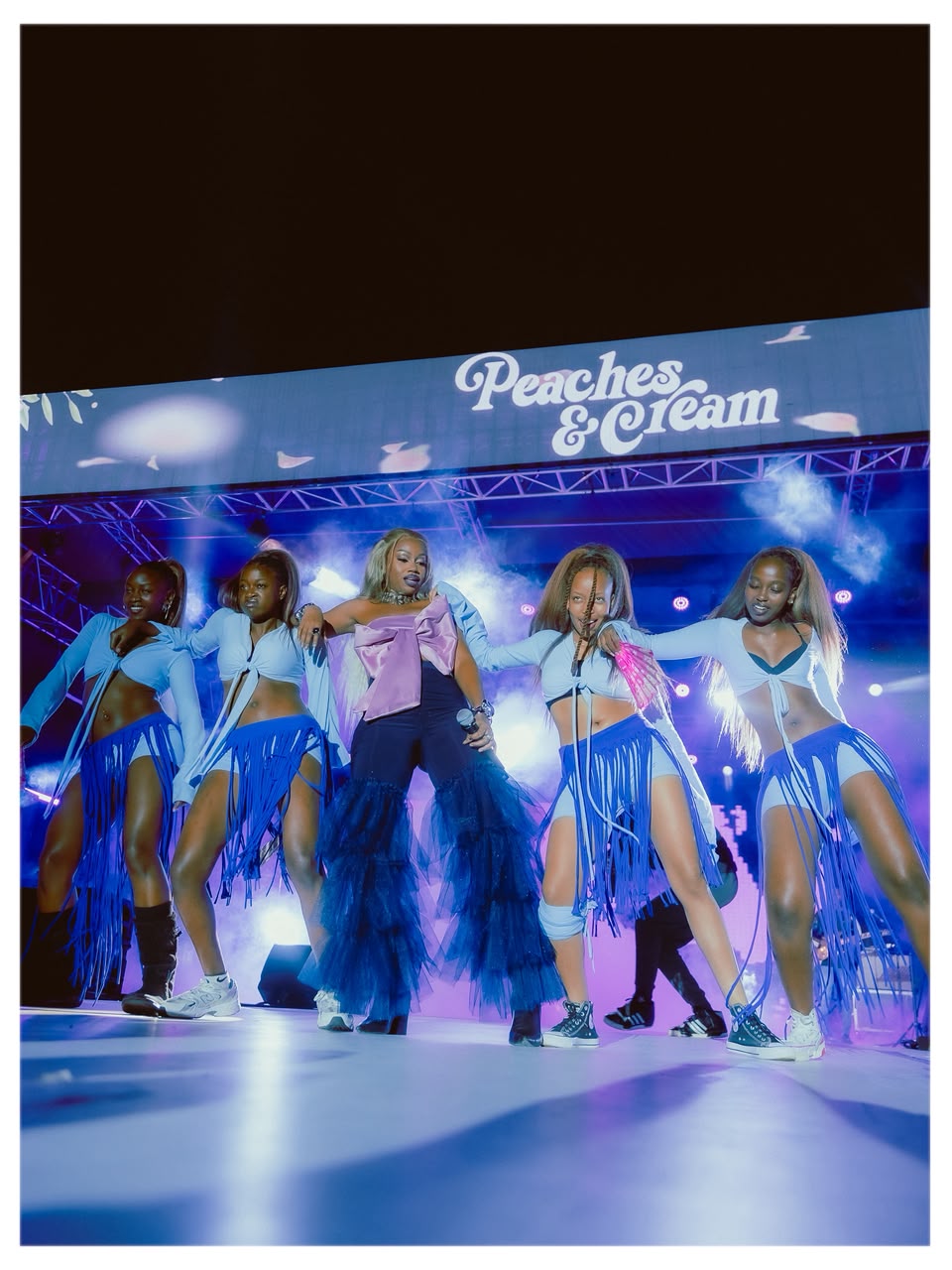
Beauty Hut has appeared in places that do not immediately look like traditional beauty retail. Its partnerships and activities have included collaborations with food, fashion, fitness and entertainment brands, while campaigns such as Hut Body Summer have placed beauty within a wider lifestyle conversation. The campaign brought together Beauty Hut, 818 Tequila and Mavin Records around Ayra Starr’s “Hot Body”, with an activation designed to bring music, beauty and social experiences into the same space. Its collaboration with Severe Nature produced a Beauty Hut-branded jersey, while its partnership with RaRa Ramen resulted in the limited-edition Hut Mama Bowl. The Hut Girl Walk with Eko Runner Club is another example. The Hut Girls Padel experience with The Padel Club Lagos is another. The point of these events is not simply that beauty products are being displayed in different locations. It is that beauty consumers are being treated as a community with interests that extend beyond skincare and makeup.

Building a community around beauty is becoming increasingly important as the industry becomes more social. A person might discover a product because a creator reviewed it on TikTok, decide to buy it because a friend recommended it, attend an event where the brand is present and then post about the experience themselves. The purchase does not end the relationship with the brand. In some cases, the experience around the purchase becomes part of why the brand remains relevant.

Beauty Hut’s own retail proposition reflects this wider ambition. Its website describes the company as “Africa’s Ultimate Beauty Destination,” with a catalogue spanning international and African beauty brands. The brands Beauty Hut brings into the Nigerian market make this positioning even more interesting. The company has an exclusive partnership with Topicals for the brand’s launch into Africa, and its current catalogue includes Topicals alongside brands such as Danessa Myricks Beauty and FORVR Mood. Danessa Myricks officially launched in Nigeria through Beauty Hut in November 2025, with the retailer hosting an exclusive dinner in Lagos around the arrival. The relationship with these brands is part of Beauty Hut’s wider role in making international beauty products accessible to African consumers, while creating the local experiences that accompany their arrival.

Made By Mitchell is the latest example, but the significance is not only in the number of international brands Beauty Hut carries. It is also in the kind of access those brands represent. Nigerian consumers are increasingly familiar with products, ingredients, creators and brands before those brands have any physical presence in the country. Social media has collapsed some of the distance between Lagos and everywhere else. People see what is launching in London, New York or Los Angeles and immediately begin asking when they can get it here.

Access to global beauty brands is only one part of what has changed about Nigerian beauty consumption. Consumers also expect more from the brands bringing those products to them. Beauty retailers are therefore no longer only responding to demand. They are helping determine which parts of global beauty culture become locally accessible, visible and desirable.

Beauty Hut’s expansion into experiences makes that role even more pronounced. The company has also moved into initiatives that extend beyond selling products altogether. Its Women’s Grant, powered by Busha, awarded ₦6 million in equity-free funding across three women-led beauty businesses in 2026. Five founders pitched their businesses at the final event in Lagos, with Inveo Labs, Tulivu Fragrance and SavedSkin Cosmeceuticals taking the three winning places. Beauty now brings together products, consumers, creators, businesses and experiences within the same broader ecosystem. Beauty Hut’s grant programme shows that the ecosystem extends beyond the people buying beauty products to the people building businesses within the industry itself. It would be easy to describe this as Beauty Hut becoming a lifestyle brand, but that misses the more interesting point. Beauty Hut has not stopped being a retailer. Retail is still the foundation of the business. The more useful question is why a retailer needs to build so much around the act of shopping in the first place. Part of the answer is that beauty has become difficult to separate from identity and community. People do not only buy a particular lip product because they need something for their lips. They might buy it because they saw someone they follow use it, because it belongs to a brand they identify with, because they want to participate in a particular beauty conversation or because owning it gives them access to something they have been watching online. The physical store then becomes one part of a much larger relationship.

This is also why the Made By Mitchell announcement matters beyond the arrival of another international makeup brand. For years, Nigerian consumers have participated in global beauty culture largely through their phones. The products, creators and trends arrive on their feeds long before they arrive on local shelves. When a retailer brings one of those brands into the country, it is not simply solving a distribution problem. It is responding to a culture that already exists.

Beauty Hut’s significance is therefore less about any single retreat, collaboration or product launch. It is in the accumulation of these activities and what they reveal about where beauty sits in Nigerian culture now. A beauty retailer can host a wellness retreat. It can organise a run. It can put consumers around a padel court. It can collaborate with a restaurant, work with a fashion brand, bring in a global makeup label, build a campaign around an Afrobeats star and support women building businesses in the same industry. The shelf remains important, but it is no longer the whole story.

Beauty is becoming one of the places where Nigerian consumers meet, discover things, build communities and participate in culture. Beauty Hut is not creating that shift by itself, but its business offers a useful way to see it happening. As Made By Mitchell moves from Nigerian beauty consumers’ screens to their shopping baskets, the boundary between beauty retail and the culture built around it becomes harder to ignore.

Cover Credit: Subuola Oyeleye
‍

Beauty Hut Africa: The New Business of Beauty

Authored by
This is some text inside of a div block.

Beauty Hut Africa is a beauty retailer. Founded by Subuola Oyeleye in Lagos in 2023, the company has since built an ecosystem around selling skincare, makeup, fragrance and wellness products. This week, the company announced that Made By Mitchell, the British makeup brand founded by beauty creator Mitchell Halliday, is launching in Nigeria through a direct partnership with Beauty Hut Africa.

For Nigerian beauty consumers who have spent years discovering Mitchell’s colourful makeup tutorials, Blursh products and other launches online, the announcement brings a brand that has largely existed through screens into the physical retail experience. It is also the latest development in a campaign Beauty Hut has been running for the past two years. The company has taken influencers to Lakowe Lakes, organised a Mother’s Day wellness retreat at Isimi Lagos, partnered with brands outside traditional beauty spaces, organised fitness and sporting experiences, and collaborated with names in food, fashion and music. Its first brand trip in 2025 brought creators and personalities together for a weekend of golf, yoga, fishing and dinners, with products from brands on Beauty Hut’s platform woven throughout the experience.

None of these things changes what Beauty Hut sells, but they show what selling beauty can look like beyond the shelf. It happens in salons and bathrooms, in makeup chairs before weddings, in WhatsApp groups where someone is asking whether a particular serum is worth buying, and on TikTok where a product can go from unfamiliar to impossible to ignore within a few days. The Nigerian beauty consumer is already part of a much larger culture around products, routines, appearance and self-expression. What Beauty Hut has done is give some of that culture a physical and commercial space to gather. Beauty Hut’s reach extends beyond its stores, with the retailer also available on delivery platforms like Chowdeck and Glovo, bringing beauty products into the same everyday ordering habits that have made food, groceries and other essentials increasingly accessible on demand. At the same time, its physical presence has expanded from its Lekki store to Ikeja and, most recently, Abuja, giving the retailer a growing footprint beyond Lagos. 

The company’s first brand trip in February 2025 brought together influencers and personalities for a weekend where beauty products existed alongside leisure, fashion, wellness and hospitality. Guests found products from brands including Uncover and Topicals in their rooms, while the wider trip involved partnerships with JBottoms, Cape & Coco and others. The products were still part of the experience, but they were no longer the whole experience.

Beauty retail has traditionally been built around a simple transaction: you find a product, buy it and leave. Beauty Hut’s activities suggest a different understanding of how people relate to beauty brands now, especially in a market where discovery is heavily driven by social media and communities. A product can be part of a weekend away. It can sit inside a wellness experience. It can appear at a run club, a padel match or a food collaboration. It can become part of the way a group of young women spend a Saturday together.

Credit: Beauty Hut x Isimi Lagos (Mother’s day Brand Trip 2026)

Beauty Hut’s Mother’s Day retreat at Isimi Lagos pushed this even further. The 2026 experience brought mothers, daughters, sisters and friends together for a weekend of massages, scalp treatments, food, workouts, movie night and beauty products. The products were present throughout the experience, but the central proposition was connection. This is where beauty begins to resemble the way other parts of Nigerian popular culture have been operating.

Music has long understood the value of creating a world around the thing being sold. A concert is not simply a place to hear an artist perform. Fashion has similarly moved beyond clothing itself, with brands building events, communities and identities around what people wear. Food brands have understood the same thing through pop-ups, collaborations and social experiences. Beauty is increasingly playing in that space too.

Credit: Beauty Hut x Severenature

Beauty Hut has appeared in places that do not immediately look like traditional beauty retail. Its partnerships and activities have included collaborations with food, fashion, fitness and entertainment brands, while campaigns such as Hut Body Summer have placed beauty within a wider lifestyle conversation. The campaign brought together Beauty Hut, 818 Tequila and Mavin Records around Ayra Starr’s “Hot Body”, with an activation designed to bring music, beauty and social experiences into the same space. Its collaboration with Severe Nature produced a Beauty Hut-branded jersey, while its partnership with RaRa Ramen resulted in the limited-edition Hut Mama Bowl. The Hut Girl Walk with Eko Runner Club is another example. The Hut Girls Padel experience with The Padel Club Lagos is another. The point of these events is not simply that beauty products are being displayed in different locations. It is that beauty consumers are being treated as a community with interests that extend beyond skincare and makeup.

Building a community around beauty is becoming increasingly important as the industry becomes more social. A person might discover a product because a creator reviewed it on TikTok, decide to buy it because a friend recommended it, attend an event where the brand is present and then post about the experience themselves. The purchase does not end the relationship with the brand. In some cases, the experience around the purchase becomes part of why the brand remains relevant.

Beauty Hut’s own retail proposition reflects this wider ambition. Its website describes the company as “Africa’s Ultimate Beauty Destination,” with a catalogue spanning international and African beauty brands. The brands Beauty Hut brings into the Nigerian market make this positioning even more interesting. The company has an exclusive partnership with Topicals for the brand’s launch into Africa, and its current catalogue includes Topicals alongside brands such as Danessa Myricks Beauty and FORVR Mood. Danessa Myricks officially launched in Nigeria through Beauty Hut in November 2025, with the retailer hosting an exclusive dinner in Lagos around the arrival. The relationship with these brands is part of Beauty Hut’s wider role in making international beauty products accessible to African consumers, while creating the local experiences that accompany their arrival.

Made By Mitchell is the latest example, but the significance is not only in the number of international brands Beauty Hut carries. It is also in the kind of access those brands represent. Nigerian consumers are increasingly familiar with products, ingredients, creators and brands before those brands have any physical presence in the country. Social media has collapsed some of the distance between Lagos and everywhere else. People see what is launching in London, New York or Los Angeles and immediately begin asking when they can get it here.

Access to global beauty brands is only one part of what has changed about Nigerian beauty consumption. Consumers also expect more from the brands bringing those products to them. Beauty retailers are therefore no longer only responding to demand. They are helping determine which parts of global beauty culture become locally accessible, visible and desirable.

Beauty Hut’s expansion into experiences makes that role even more pronounced. The company has also moved into initiatives that extend beyond selling products altogether. Its Women’s Grant, powered by Busha, awarded ₦6 million in equity-free funding across three women-led beauty businesses in 2026. Five founders pitched their businesses at the final event in Lagos, with Inveo Labs, Tulivu Fragrance and SavedSkin Cosmeceuticals taking the three winning places. Beauty now brings together products, consumers, creators, businesses and experiences within the same broader ecosystem. Beauty Hut’s grant programme shows that the ecosystem extends beyond the people buying beauty products to the people building businesses within the industry itself. It would be easy to describe this as Beauty Hut becoming a lifestyle brand, but that misses the more interesting point. Beauty Hut has not stopped being a retailer. Retail is still the foundation of the business. The more useful question is why a retailer needs to build so much around the act of shopping in the first place. Part of the answer is that beauty has become difficult to separate from identity and community. People do not only buy a particular lip product because they need something for their lips. They might buy it because they saw someone they follow use it, because it belongs to a brand they identify with, because they want to participate in a particular beauty conversation or because owning it gives them access to something they have been watching online. The physical store then becomes one part of a much larger relationship.

This is also why the Made By Mitchell announcement matters beyond the arrival of another international makeup brand. For years, Nigerian consumers have participated in global beauty culture largely through their phones. The products, creators and trends arrive on their feeds long before they arrive on local shelves. When a retailer brings one of those brands into the country, it is not simply solving a distribution problem. It is responding to a culture that already exists.

Beauty Hut’s significance is therefore less about any single retreat, collaboration or product launch. It is in the accumulation of these activities and what they reveal about where beauty sits in Nigerian culture now. A beauty retailer can host a wellness retreat. It can organise a run. It can put consumers around a padel court. It can collaborate with a restaurant, work with a fashion brand, bring in a global makeup label, build a campaign around an Afrobeats star and support women building businesses in the same industry. The shelf remains important, but it is no longer the whole story.

Beauty is becoming one of the places where Nigerian consumers meet, discover things, build communities and participate in culture. Beauty Hut is not creating that shift by itself, but its business offers a useful way to see it happening. As Made By Mitchell moves from Nigerian beauty consumers’ screens to their shopping baskets, the boundary between beauty retail and the culture built around it becomes harder to ignore.

Cover Credit: Subuola Oyeleye
‍

This is some text inside of a div block.

Beauty Hut Africa: The New Business of Beauty

Authored by

Beauty Hut Africa is a beauty retailer. Founded by Subuola Oyeleye in Lagos in 2023, the company has since built an ecosystem around selling skincare, makeup, fragrance and wellness products. This week, the company announced that Made By Mitchell, the British makeup brand founded by beauty creator Mitchell Halliday, is launching in Nigeria through a direct partnership with Beauty Hut Africa.

For Nigerian beauty consumers who have spent years discovering Mitchell’s colourful makeup tutorials, Blursh products and other launches online, the announcement brings a brand that has largely existed through screens into the physical retail experience. It is also the latest development in a campaign Beauty Hut has been running for the past two years. The company has taken influencers to Lakowe Lakes, organised a Mother’s Day wellness retreat at Isimi Lagos, partnered with brands outside traditional beauty spaces, organised fitness and sporting experiences, and collaborated with names in food, fashion and music. Its first brand trip in 2025 brought creators and personalities together for a weekend of golf, yoga, fishing and dinners, with products from brands on Beauty Hut’s platform woven throughout the experience.

None of these things changes what Beauty Hut sells, but they show what selling beauty can look like beyond the shelf. It happens in salons and bathrooms, in makeup chairs before weddings, in WhatsApp groups where someone is asking whether a particular serum is worth buying, and on TikTok where a product can go from unfamiliar to impossible to ignore within a few days. The Nigerian beauty consumer is already part of a much larger culture around products, routines, appearance and self-expression. What Beauty Hut has done is give some of that culture a physical and commercial space to gather. Beauty Hut’s reach extends beyond its stores, with the retailer also available on delivery platforms like Chowdeck and Glovo, bringing beauty products into the same everyday ordering habits that have made food, groceries and other essentials increasingly accessible on demand. At the same time, its physical presence has expanded from its Lekki store to Ikeja and, most recently, Abuja, giving the retailer a growing footprint beyond Lagos. 

The company’s first brand trip in February 2025 brought together influencers and personalities for a weekend where beauty products existed alongside leisure, fashion, wellness and hospitality. Guests found products from brands including Uncover and Topicals in their rooms, while the wider trip involved partnerships with JBottoms, Cape & Coco and others. The products were still part of the experience, but they were no longer the whole experience.

Beauty retail has traditionally been built around a simple transaction: you find a product, buy it and leave. Beauty Hut’s activities suggest a different understanding of how people relate to beauty brands now, especially in a market where discovery is heavily driven by social media and communities. A product can be part of a weekend away. It can sit inside a wellness experience. It can appear at a run club, a padel match or a food collaboration. It can become part of the way a group of young women spend a Saturday together.

Credit: Beauty Hut x Isimi Lagos (Mother’s day Brand Trip 2026)

Beauty Hut’s Mother’s Day retreat at Isimi Lagos pushed this even further. The 2026 experience brought mothers, daughters, sisters and friends together for a weekend of massages, scalp treatments, food, workouts, movie night and beauty products. The products were present throughout the experience, but the central proposition was connection. This is where beauty begins to resemble the way other parts of Nigerian popular culture have been operating.

Music has long understood the value of creating a world around the thing being sold. A concert is not simply a place to hear an artist perform. Fashion has similarly moved beyond clothing itself, with brands building events, communities and identities around what people wear. Food brands have understood the same thing through pop-ups, collaborations and social experiences. Beauty is increasingly playing in that space too.

Credit: Beauty Hut x Severenature

Beauty Hut has appeared in places that do not immediately look like traditional beauty retail. Its partnerships and activities have included collaborations with food, fashion, fitness and entertainment brands, while campaigns such as Hut Body Summer have placed beauty within a wider lifestyle conversation. The campaign brought together Beauty Hut, 818 Tequila and Mavin Records around Ayra Starr’s “Hot Body”, with an activation designed to bring music, beauty and social experiences into the same space. Its collaboration with Severe Nature produced a Beauty Hut-branded jersey, while its partnership with RaRa Ramen resulted in the limited-edition Hut Mama Bowl. The Hut Girl Walk with Eko Runner Club is another example. The Hut Girls Padel experience with The Padel Club Lagos is another. The point of these events is not simply that beauty products are being displayed in different locations. It is that beauty consumers are being treated as a community with interests that extend beyond skincare and makeup.

Building a community around beauty is becoming increasingly important as the industry becomes more social. A person might discover a product because a creator reviewed it on TikTok, decide to buy it because a friend recommended it, attend an event where the brand is present and then post about the experience themselves. The purchase does not end the relationship with the brand. In some cases, the experience around the purchase becomes part of why the brand remains relevant.

Beauty Hut’s own retail proposition reflects this wider ambition. Its website describes the company as “Africa’s Ultimate Beauty Destination,” with a catalogue spanning international and African beauty brands. The brands Beauty Hut brings into the Nigerian market make this positioning even more interesting. The company has an exclusive partnership with Topicals for the brand’s launch into Africa, and its current catalogue includes Topicals alongside brands such as Danessa Myricks Beauty and FORVR Mood. Danessa Myricks officially launched in Nigeria through Beauty Hut in November 2025, with the retailer hosting an exclusive dinner in Lagos around the arrival. The relationship with these brands is part of Beauty Hut’s wider role in making international beauty products accessible to African consumers, while creating the local experiences that accompany their arrival.

Made By Mitchell is the latest example, but the significance is not only in the number of international brands Beauty Hut carries. It is also in the kind of access those brands represent. Nigerian consumers are increasingly familiar with products, ingredients, creators and brands before those brands have any physical presence in the country. Social media has collapsed some of the distance between Lagos and everywhere else. People see what is launching in London, New York or Los Angeles and immediately begin asking when they can get it here.

Access to global beauty brands is only one part of what has changed about Nigerian beauty consumption. Consumers also expect more from the brands bringing those products to them. Beauty retailers are therefore no longer only responding to demand. They are helping determine which parts of global beauty culture become locally accessible, visible and desirable.

Beauty Hut’s expansion into experiences makes that role even more pronounced. The company has also moved into initiatives that extend beyond selling products altogether. Its Women’s Grant, powered by Busha, awarded ₦6 million in equity-free funding across three women-led beauty businesses in 2026. Five founders pitched their businesses at the final event in Lagos, with Inveo Labs, Tulivu Fragrance and SavedSkin Cosmeceuticals taking the three winning places. Beauty now brings together products, consumers, creators, businesses and experiences within the same broader ecosystem. Beauty Hut’s grant programme shows that the ecosystem extends beyond the people buying beauty products to the people building businesses within the industry itself. It would be easy to describe this as Beauty Hut becoming a lifestyle brand, but that misses the more interesting point. Beauty Hut has not stopped being a retailer. Retail is still the foundation of the business. The more useful question is why a retailer needs to build so much around the act of shopping in the first place. Part of the answer is that beauty has become difficult to separate from identity and community. People do not only buy a particular lip product because they need something for their lips. They might buy it because they saw someone they follow use it, because it belongs to a brand they identify with, because they want to participate in a particular beauty conversation or because owning it gives them access to something they have been watching online. The physical store then becomes one part of a much larger relationship.

This is also why the Made By Mitchell announcement matters beyond the arrival of another international makeup brand. For years, Nigerian consumers have participated in global beauty culture largely through their phones. The products, creators and trends arrive on their feeds long before they arrive on local shelves. When a retailer brings one of those brands into the country, it is not simply solving a distribution problem. It is responding to a culture that already exists.

Beauty Hut’s significance is therefore less about any single retreat, collaboration or product launch. It is in the accumulation of these activities and what they reveal about where beauty sits in Nigerian culture now. A beauty retailer can host a wellness retreat. It can organise a run. It can put consumers around a padel court. It can collaborate with a restaurant, work with a fashion brand, bring in a global makeup label, build a campaign around an Afrobeats star and support women building businesses in the same industry. The shelf remains important, but it is no longer the whole story.

Beauty is becoming one of the places where Nigerian consumers meet, discover things, build communities and participate in culture. Beauty Hut is not creating that shift by itself, but its business offers a useful way to see it happening. As Made By Mitchell moves from Nigerian beauty consumers’ screens to their shopping baskets, the boundary between beauty retail and the culture built around it becomes harder to ignore.

Cover Credit: Subuola Oyeleye
‍

Other Stories
London
London
Lagos
London
Newyork
London
Shop
Join the community.
You are now subscribed to receive updates.
Oops! Something went wrong while submitting the form.
Subscribe