.svg)

.jpg)
The moment African models step onto the runway, they carry with them stories of heritage, identity and an industry that is steadily redefining the continent’s place globally. The South African Fashion Week 2026 arrives at a moment when African fashion is beginning to gain unprecedented international attention. However, beyond the spectacle of lights, cameras and fabrics, the event reflects a deeper transformation within the continent’s most creative industries. Fashion is becoming both a cultural statement and an economic force.
Held in Johannesburg, South African Fashion Week has evolved from being a local runway showcase into one of the continent’s most influential fashion platforms. The stage is now used by designers not only to debut new collections but also to express narratives rooted in African history, identity and modern urban culture. From interpretations of traditional silhouettes to contemporary streetwear inspired by township aesthetics, the runway has become a canvas for storytelling.
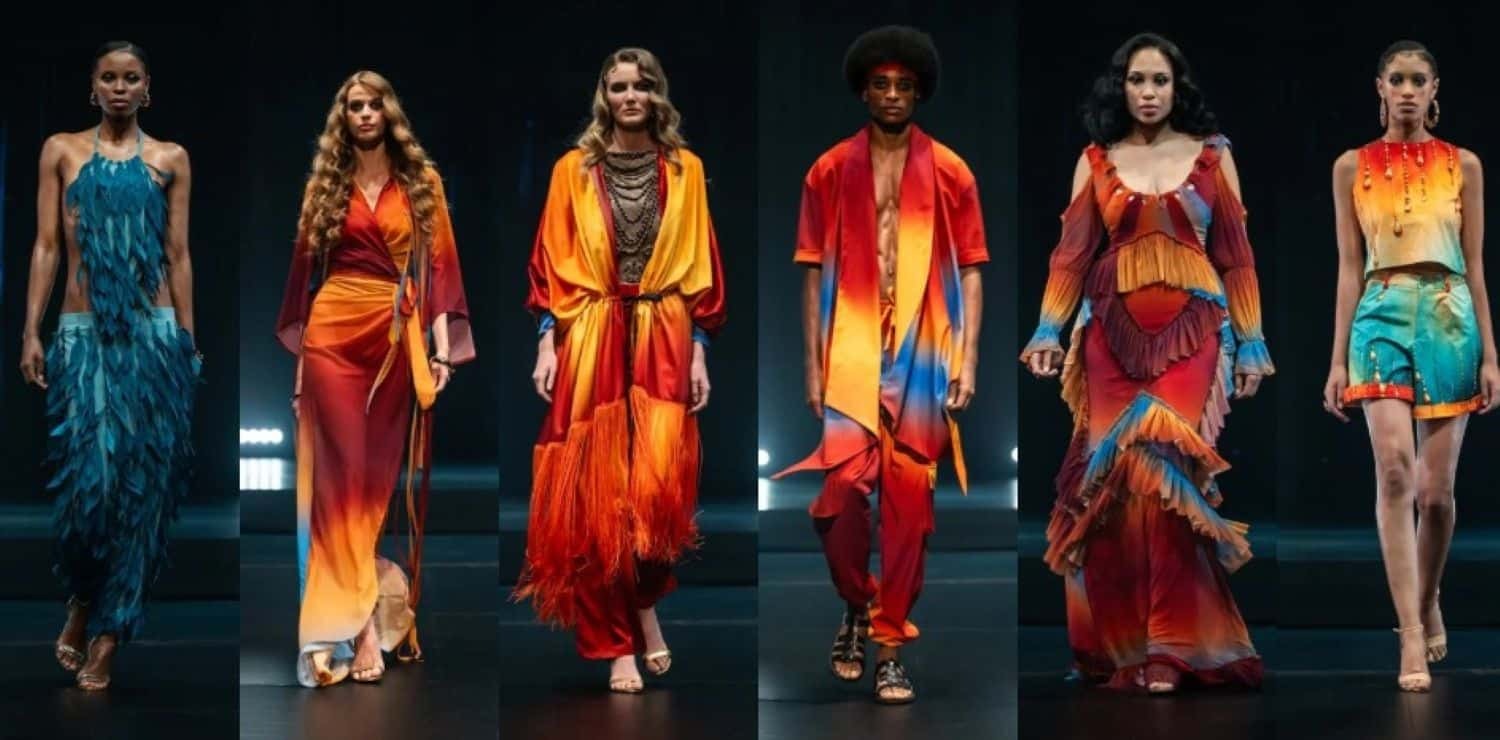
Clothing is a language for many designers. Textiles, colours, and tailoring techniques often reference heritage, sometimes subtly, sometimes boldly. This way, what emerges is the fusion of the past and the present with garments that not only celebrate craftsmanship but speaks to a global audience who are increasingly interested in authenticity and cultural perspectives.
However, the significance of South African Fashion Week goes beyond symbolism. The event serves as a platform for a critical meeting point of buyers, media, retailers and investors. New brands like 560 Rebirth by Lumka Takane, Funch by Kwanele Thusi, The Vision Line by Lucky Masemola, Bravo&Co by Gift Nematei and established brands like Maxhosa Africa, Iamisigo, Meji Meji, Deirée by Iyama, Sibu FDB amongst others were showcased at the South African Fashion Week 2026. However, designers now find opportunities to connect with global fashion networks through the visibility the event provides. This shift reflects a broader reality; Africa’s fashion industry is growing into a viable economic sector.
Across the continent, fashion weeks are evolving to become marketplaces where creativity intersects with commerce. Emerging designers gain exposure, a manufacturing partnership takes shape, and the conversation around fashion moves quietly from aesthetics to industry. South Africa Fashion Week is a prime example of that transition. In recent years, the event has embraced hybrid formats that blend the physical runway presentations with digital showcases. The shift allows collections to reach audiences beyond the traditional front row, therefore giving designers access to global viewers, buyers and press.
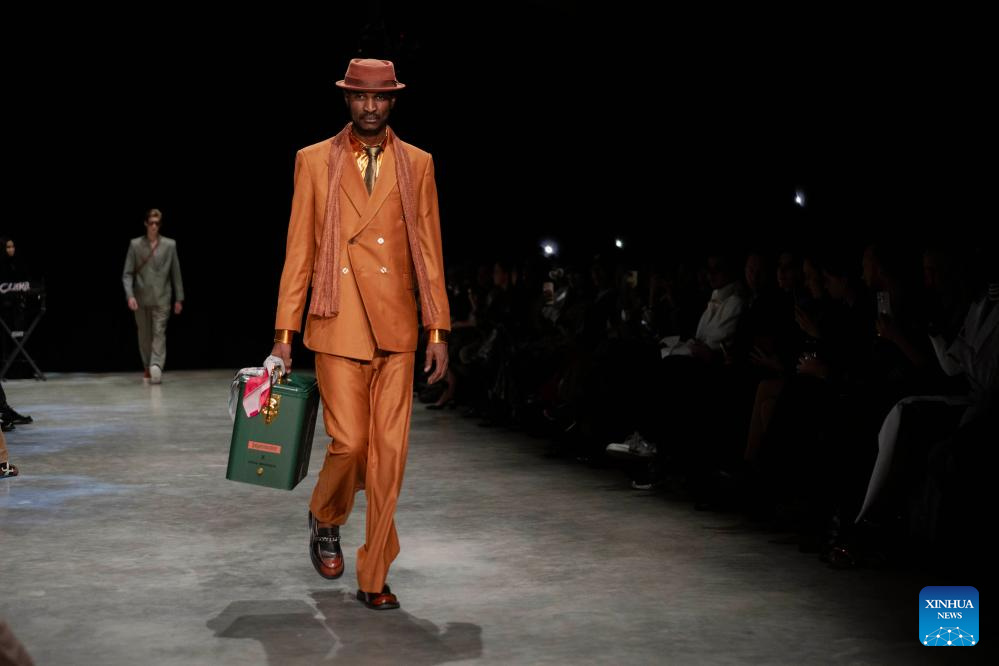
The ripple effects extend beyond South Africa. Across the continent, fashion events such as Lagos Fashion Week are redefining what African Fashion Week represents. Together, they form a growing network of creative platforms positioning Africa not only as the peripheral voice in fashion but as an emerging center of influence. For young designers in particular, visibility matters. Fashion week provides validation, access and the possibility of scaling creative ideas into sustainable businesses.
In an industry where access to markets and funding has historically been limited, the runway becomes more than just a stage; it has become a gateway. At the same time, the aesthetics on display reveal how African designers are reshaping the narrative of global fashion. Instead of replication Westerb trends, many collections deliberately lean into African references through handcrafted fabrics, indigenous motifs, and contemporary interpretations of traditional dress.
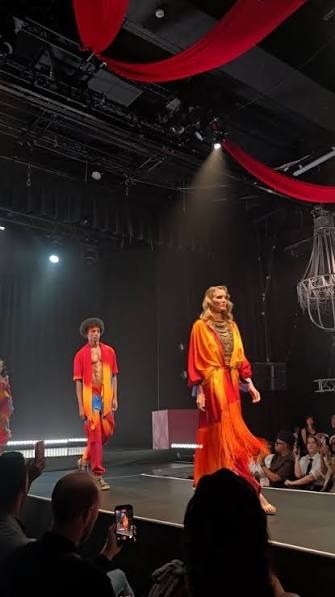
The result is a fashion language that feels both rooted and forward looking which is perhaps the real significance of South African Fashion Week today. It represents a moment where creativity, culture and commerce converge to tell a broader story about Africa’s evolving place in the world’s cultural economy.
As African fashion continues to gain recognition beyond the continent, the question is no longer about whether the industry will attract global attention. The question now is how far the influence of Africa’s runways will travel and who will define the next chapter.




.png)

