.svg)

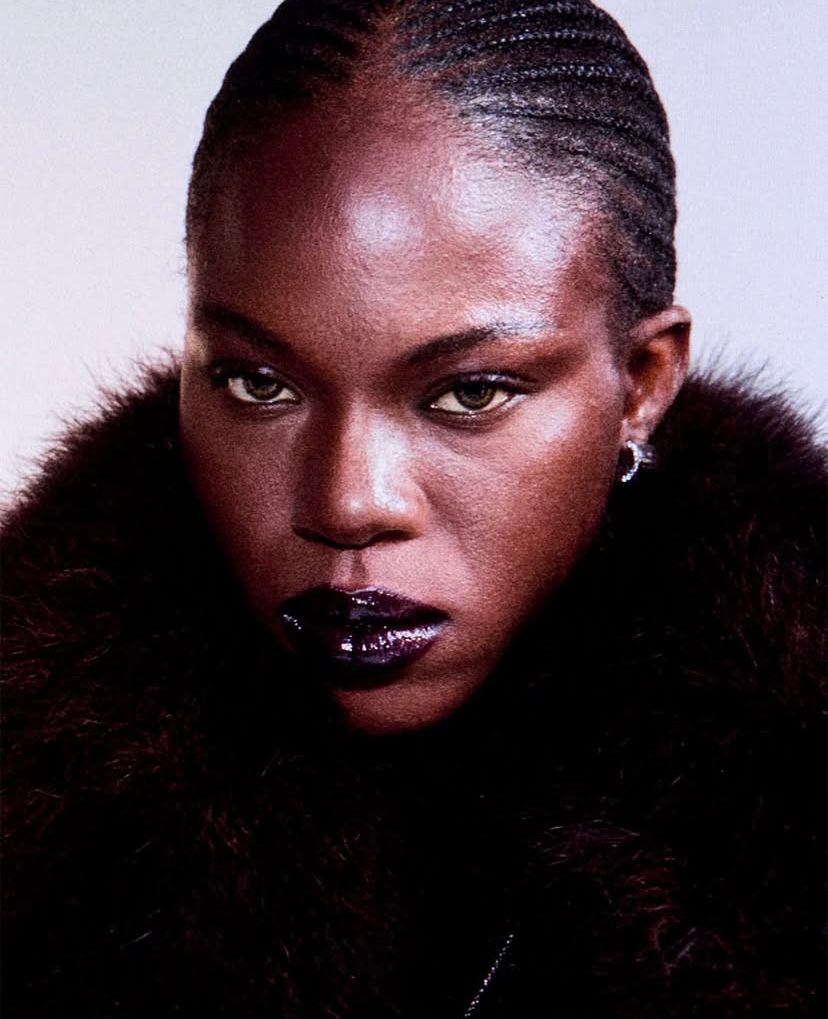
The runway used to tell us who to be. Now, the internet tells the runway what to create, and Demna's Gucci debut was a diagnosis of how internet culture is affecting taste and the definition of fashion. The show felt like a calculated measure of culture, not product. It was like Demna was showing us that culture is the superior tastemaker, not the seasonal runway. Identity, aesthetics and visibility have changed how fashion and culture intersect.
Demna’s Gucci was not merely a runway show but a cultural thesis. Launched February 27th, 2026, the Gucci Primavera took hold of fashion week. It staged a visual language that felt distinctly of the internet age: sheer and erotic fabrics, deliberate references to archival glamour, and styling choices that were designed to move beyond the runway and into the endless scroll of social media, styled for visibility and engagement. In doing so, the collection revealed something larger about contemporary culture. Fashion today not only dresses the body, it also participates in the ongoing performance of identity.
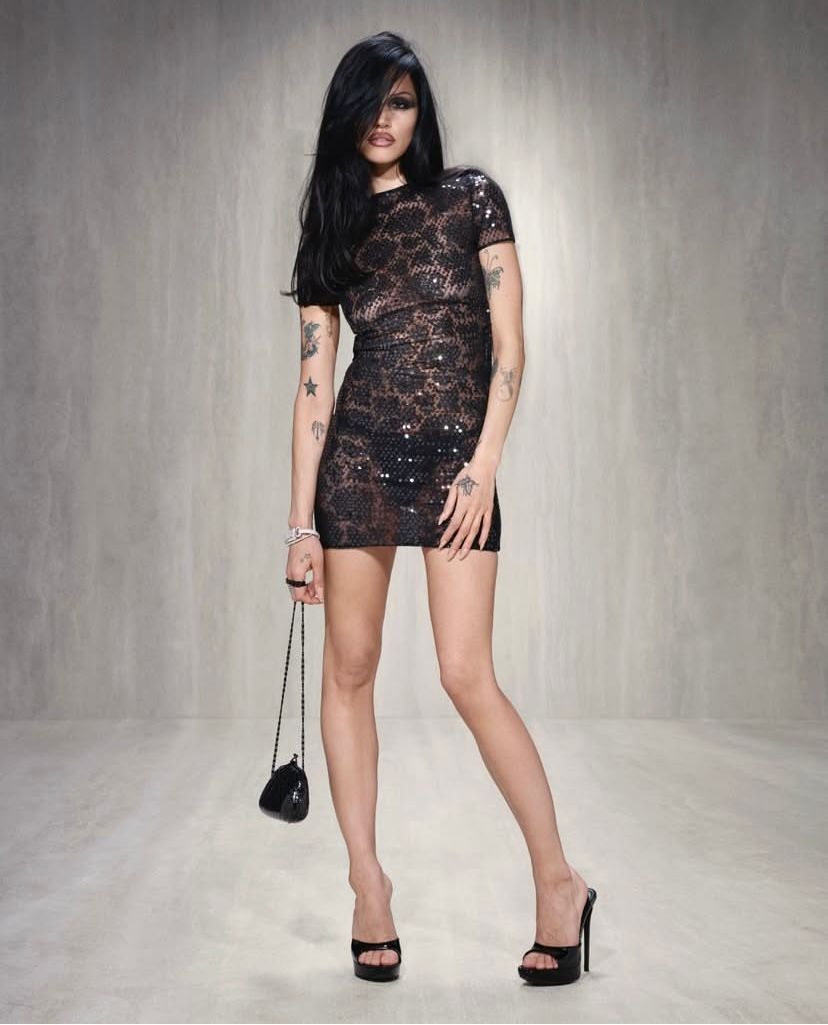
Fashion and culture had always intersected, with Fashion being the tastemaker and culture accepting the taste. Fashion decided what was ‘in’ or what was in ‘season’, now culture curates fashion. In an era dominated by fashion aesthetics and social media, personal style and branding is now undeniable. Self is no longer identified through clothing, but the way of life around it. If it was not the old money aesthetic that required quarter zips and tennis on Saturdays or the sheer and skimpy dress of a Y2K baddie, then it was the pink and blonde hair for a perfect Barbie look, and Demna understood that.
Demna’s debut collection was aware of the cultural shift and leaned into nostalgia, the biggest cultural movement of 2026. Bringing back archival fashion and fusing it with contemporary lifestyle, he created clothing that catered to the office sirens, the macho man, the bratz girls/ boys, the up and coming rapper, the high fashion lovers, the rich aunty energy, the trophy wife and those in their villain era. Culture influenced a new renaissance where digital identity now curates fashion.
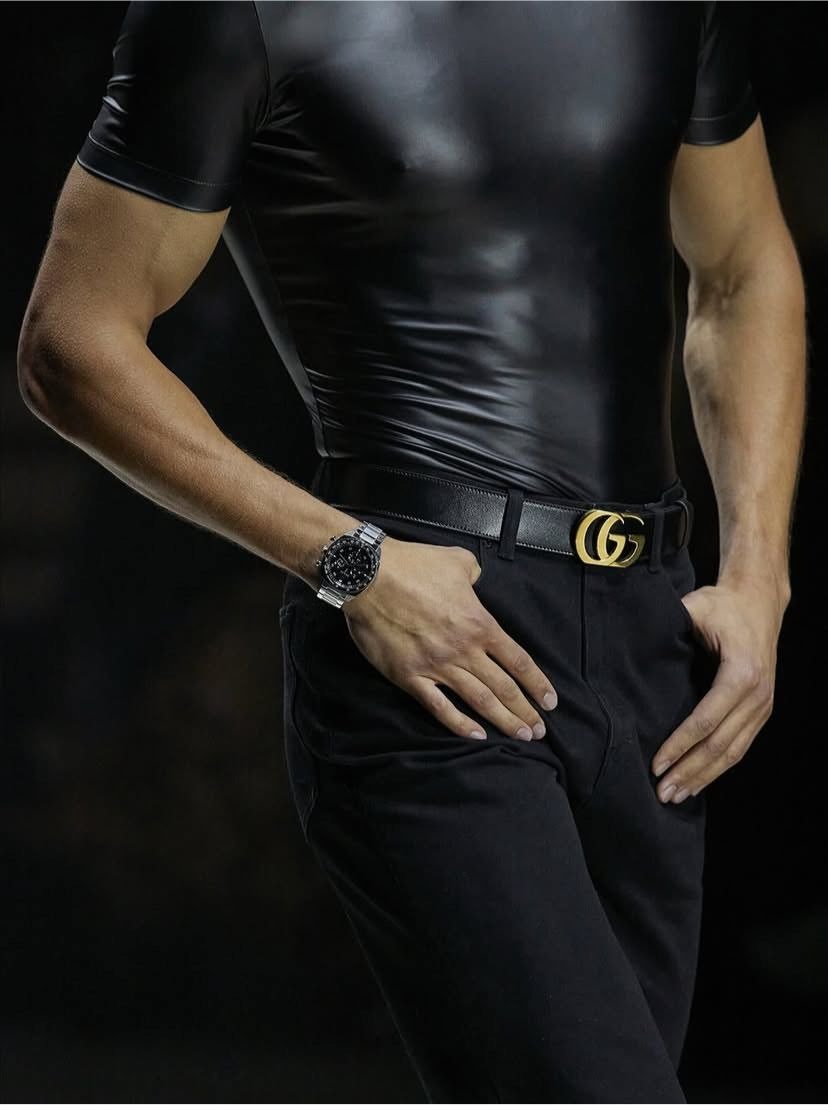
“Above the product, Gucci is culture. It is a way of thinking and a way of being. Gucci needs to become a feeling. Gucci must become an adjective.” - Demna via Instagram post (Feb 2026).
Subculture has always influenced Demna, and during his research for the clothing line, he claimed he became more aware of the culture behind Gucci and claimed he wanted to make Gucci an adjective. His use of internet culture to curate visual identities of how we identify ourselves is evidence that culture is the new tastemaker.
The casting said more than the clothes. Apart from the supermodels that took the runway, Fake Mink and Nettspend didn't walk the Gucci runway because they knew how to stride, they walked it because the internet made them cultural models.. Both artists built their entire identity online, their aesthetics born from the same digital spaces that now dictate what is cool, what is worn, and what gets remembered. Putting them on that runway wasn't a gimmick. It was Demna making his argument in real time: that the internet is the new fashion authority, and the people it creates are its new icons.
The front row confirmed it. Esdee Kid didn't show up as a PR placement, he showed up as proof. He is exactly who Demna was designing for: young, online, and fluent in the language where music, identity and fashion collapse into one. No contract, no costume, just a seat that said everything about who this collection was really for.
It was a renaissance. The body was central, and the clothes followed, statuesque silhouettes and revived floral prints that felt inherited, not invented. The mini dresses were seamless and erotically charged. Compression tees, sculpted denim and fluid tailoring each carried a philosophy: that culture, not the designer, is now the author. Demna understood this. In an era of aesthetics, he used our emotional connection to culture as a strategy, Milanese archetypes grounding the runway, accessories signalling continuity. Loafers and sneakers anchored wearability without apology. The sequinned pyjamas blurred evening and morning, runway and reality. And then there were the jeans. Skinny, fitted, unashamedly early 2000s. This was not designed as an experiment, but as a reflection.
Elements that might once have belonged to niche or internet-born aesthetics appeared elevated within the framework of a historic fashion house. Rather than creating unusual fashion lines, Demna banked on cultural relevance and simply infiltrated the system. Luxury fashion houses had always borrowed from subcultures, but now the digital age makes this process happen faster and more visibly. The niche-versus-mainstream style is starting to fade, and Demna’s Gucci is aware of this intersection and translates the visual languages of contemporary culture.
The most compelling part of this collection lies in the truth that identity is changing and shaped by the internet’s cultural rules. Online spaces have encouraged a version of the self that is intentionally constructed. Profiles, photographs, and visual feeds function almost like personal runways, where individuals present carefully chosen aesthetics to the world. Fashion is simply a tool for that narrative, and Demna carefully slipped into it.
Clothing signals taste, quality, aspirations, affiliations and belonging. A single outfit can state not only the financial status of a person but also the way one sees the world and how they approach it. The curated self is the diagnosis of what culture does and how it affects any man, and Demna acknowledged that through his collection.
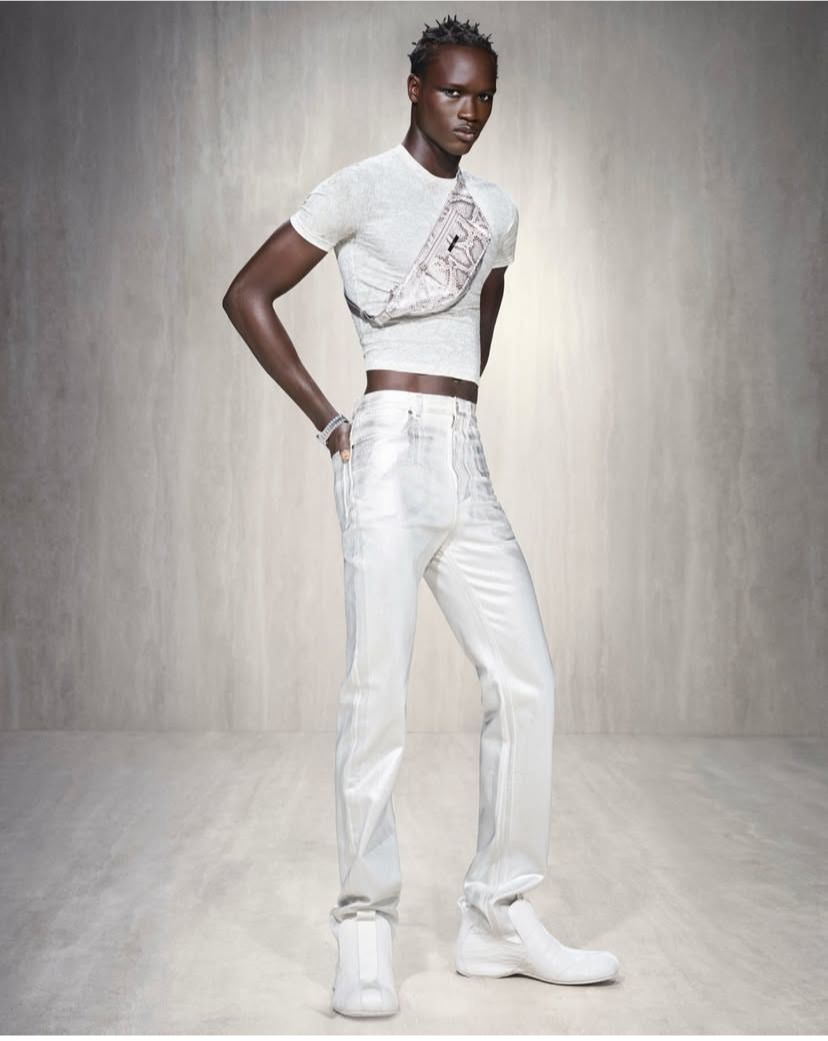
In total, the collection is not just a new direction but evidence of how fashion is responding to the dynamic cultural change of the world. Luxury fashion is visibly intertwined with the digital identity of the internet, and it is curated to appeal to anyone who wants the tools to be a part of that identity.
The runway is no longer itself, but it is a cultural stage reflecting the ways people construct themselves online. Demna’s fashion line is not a curated collection but a participant in culture.


.png)

