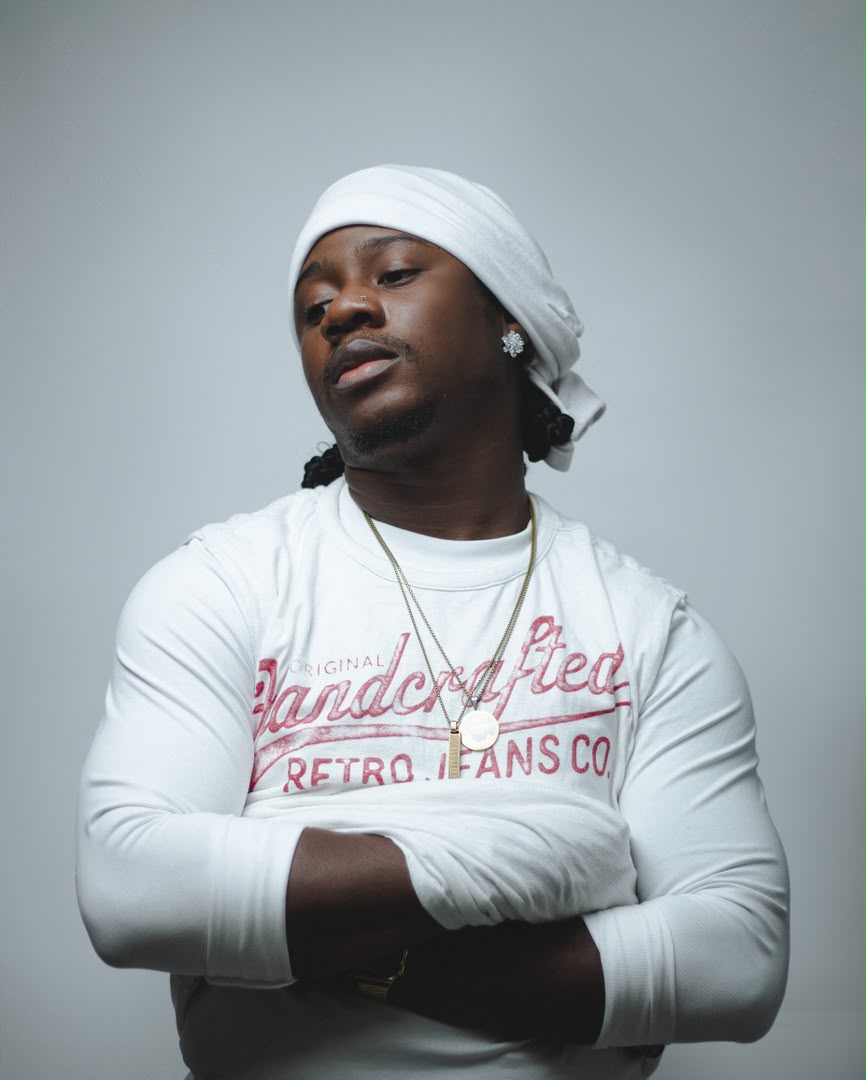
DREH, born Onajobi Damilare, is a Nigerian wardrobe stylist who founded the styling platform Stylingmadeeasy and has worked with Davido, CKay, the late Mohbad, Seyi Vibez, Jeriqthehussla, Shoday, and Young Jonn.
He has built a strong reputation styling artists around their personalities, not just their public facing personas. For him, styling is about “creating an image and making a statement without necessarily saying a word.”
However, becoming a stylist was never part of the plan.
His first ambition was to become a runway model, but he eventually had to be honest with himself about the physical requirements of modelling, particularly height. Rather than leave fashion altogether, he looked for another way to participate in it and found styling circa 2019, learning the industry largely on his own and taking opportunities as they came.
One call from those early years stands out: an opportunity to style Naira Marley, Lil Kesh and the late Mohbad for a project they were working on together. The experience placed him alongside established artists, strengthened his confidence and exposed him to a different level of the industry.
Styling 101
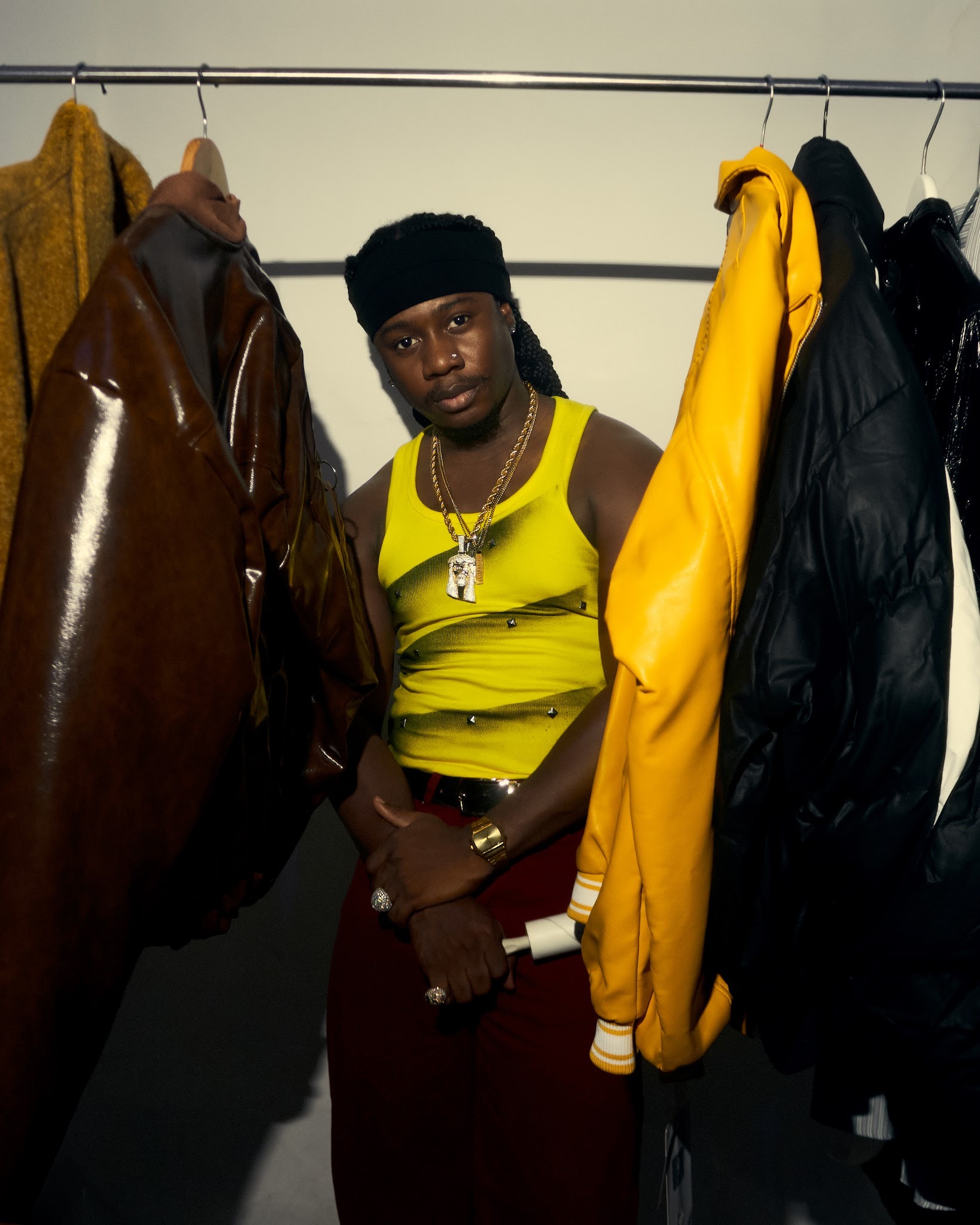
DREH’s aesthetic sits between understated luxury, experimental fashion and streetwear. He describes his creative identity as “clean, intentional and experimental”, paying close attention to details such as colour combinations, finishing and accessories.
He also gravitates towards softer, balanced colours rather than overly bright ones, believing that “there’s a lot of beauty in knowing when to stop.” For him, nothing should feel “tacky, excessive or like it’s trying too hard.”
DREH is also wary of chasing every new wave in youth fashion. Rather, he wants his work to feel current without being dependent on trends, maintaining a classic sensibility while incorporating elements of urban culture. His references come from everyday life, old-school music videos, vintage fashion and international fashion culture. He believes a statement does not always have to be loud, and that fashion should be able to “exist without the pressure of constantly trying to prove a point.”
Creative Process
DREH’s process always begins with the music. He listens to what an artist is making because the sound often offers clues about what they are trying to communicate. He then studies their existing image, believing that a wardrobe direction should not feel disconnected from who they already are.
Even when introducing a new look, he tells Deeds, there needs to be some continuity. From there, he develops his own style guides and references, usually forming a picture of the finished look before sourcing pieces, while remaining open to additions or combinations that might improve the idea.
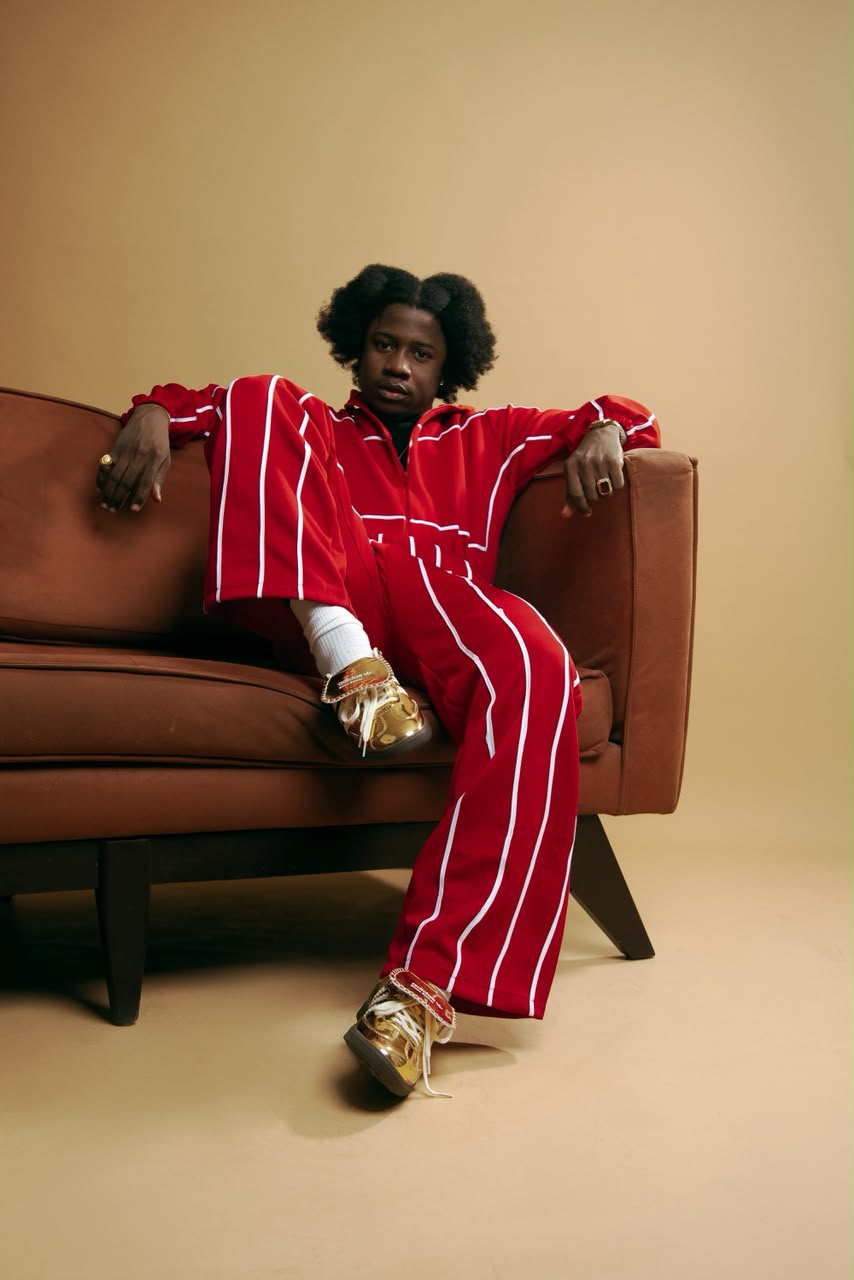
Collaboration is equally important to his process because it helps him understand what an artist is comfortable wearing. He also values having the creative freedom to do the job properly. An artist may come with an idea, but part of a stylist's responsibility, he explained, is to offer a professional perspective and sometimes introduce possibilities the artist has not considered.
When disagreements arise, he relies on communication, calmly explaining his vision. He says the occasions when he has stood his ground have turned out well.
However, he does not believe in forcing an idea on a client and keeps extra looks in his car in case plans change. He admits to feeling disappointed when a look he has spent time putting together is dropped, but believes respecting the client's decision is important. After all, nobody wants “bad energy” on set before the camera rolls.
The project that taught him the most about preparation was styling Davido for the Nakupenda music video. The 2025 single, by South African duo TxC, features Davido, Zlatan and Shoday, according to NotJustOk. DREH was contacted just a day before the shoot, leaving little time to prepare. Conscious that he was working with “one of the biggest Afrobeats exports”, he wanted everything to go smoothly.
His shopper had sent the trousers for the biker look, and in the rush to get to set, he picked them up without carrying out his usual checks. It was only when Davido was about to put them on that he discovered the manufacturer had not properly fixed the zip.
He had also brought very few alternatives that would work for the scene. Fortunately, Davido remained calm, giving him room to think. With a needle, thread and three buttons from his styling toolbox, he improvised buttonholes and fixed the zip area.
He can laugh about the experience now, but “in that moment nothing was funny,” he said. The incident taught him that no matter how tight the timeline, double-checking every detail is essential. His sharpest criticism is reserved for how the industry treats stylists. While some artists understand the value of having a stylist, he believes only a few fully appreciate the role. Styling is increasingly recognised as part of the creative process, he said, but is not always treated as such.
Stylists are often contacted at the last minute because artists know they are passionate about their work and unlikely to turn down an opportunity. This leaves little time for research, planning and sourcing. He also believes payments should be made “when they’re due” and that stylists deserve proper credits for their contributions, pointing out that even some of the biggest international artists openly acknowledge their stylists.
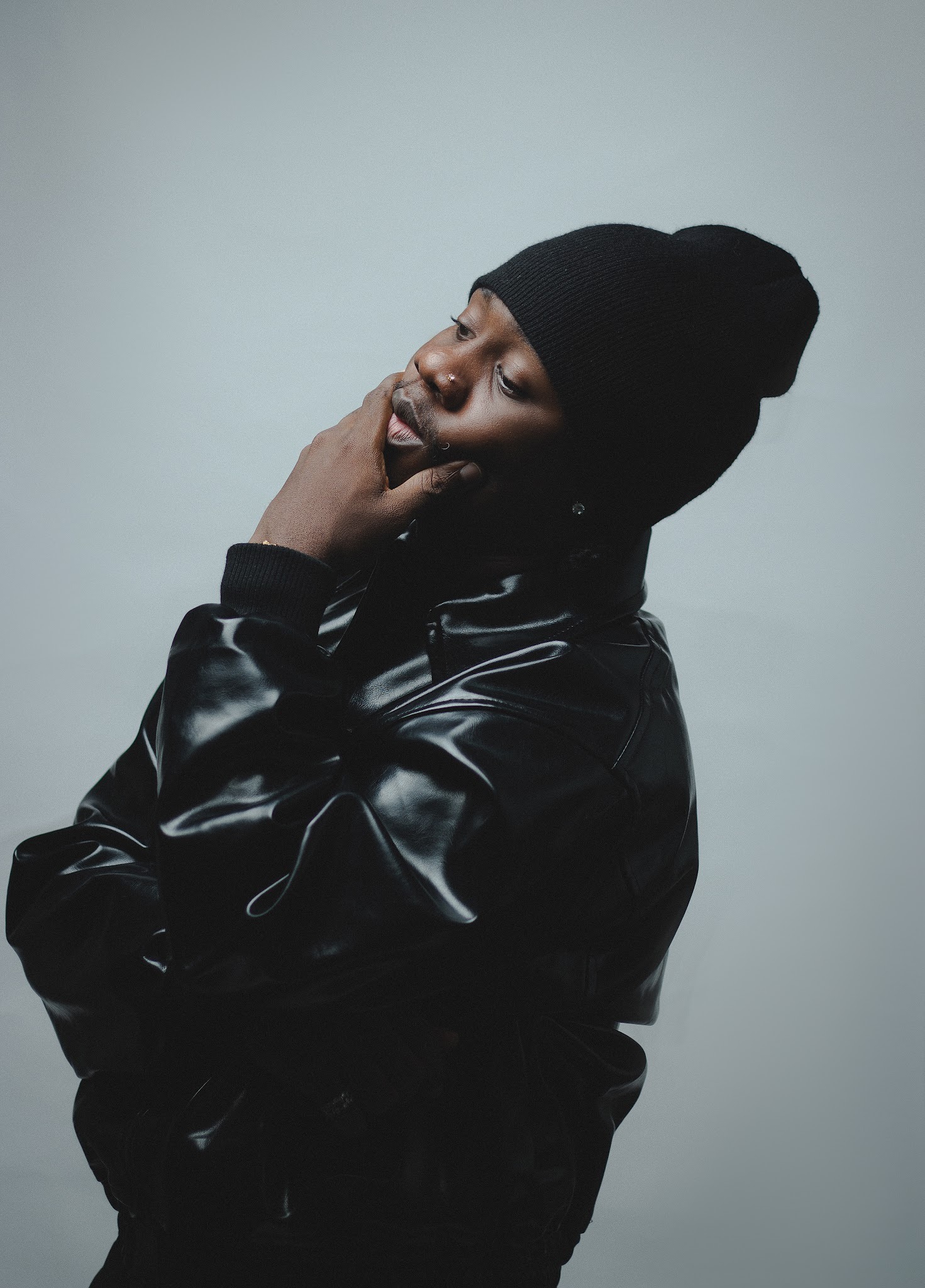
Beyond recognition, DREH wants greater creative authority, arguing that “there’s a reason why artists hire professional stylists and that should be respected.”
Ambition, however, comes with its own pressures. He has had moments of questioning whether he was doing enough and where his career was heading. Describing himself as someone who “naturally wants more”, he says he is constantly thinking about the next phase.
Faith also shapes how he understands his journey, and he credits God for how far he has come. Although his work has improved since he started in 2019, the nerves have not disappeared. “I’m still that Dreh who gets nervous whenever a new project comes in,” he said. He continues to worry through the creative process, even when he trusts himself to deliver. He attributes this to how invested he is in getting things right and says he dislikes becoming too comfortable.
His next ambition is to establish a styling agency or company with a long-term focus on connecting with international talent and securing bigger projects. He wants styling to be its sole focus. His goal is to become an internationally recognised stylist whose work extends beyond Afrobeats and any single industry.
Among the people he hopes to work with are Future, Wizkid, Luka Sabbat and Pharrell Williams, as well as platforms such as the Grammys and the Met Gala.
Ultimately, he wants his work to be recognised for how confident his clients looked and felt, rather than for its proximity to passing trends. “I want my styling to be seen as intentional,” he said.
Cover Credit: Onajobi kazeem Damilare