.svg)

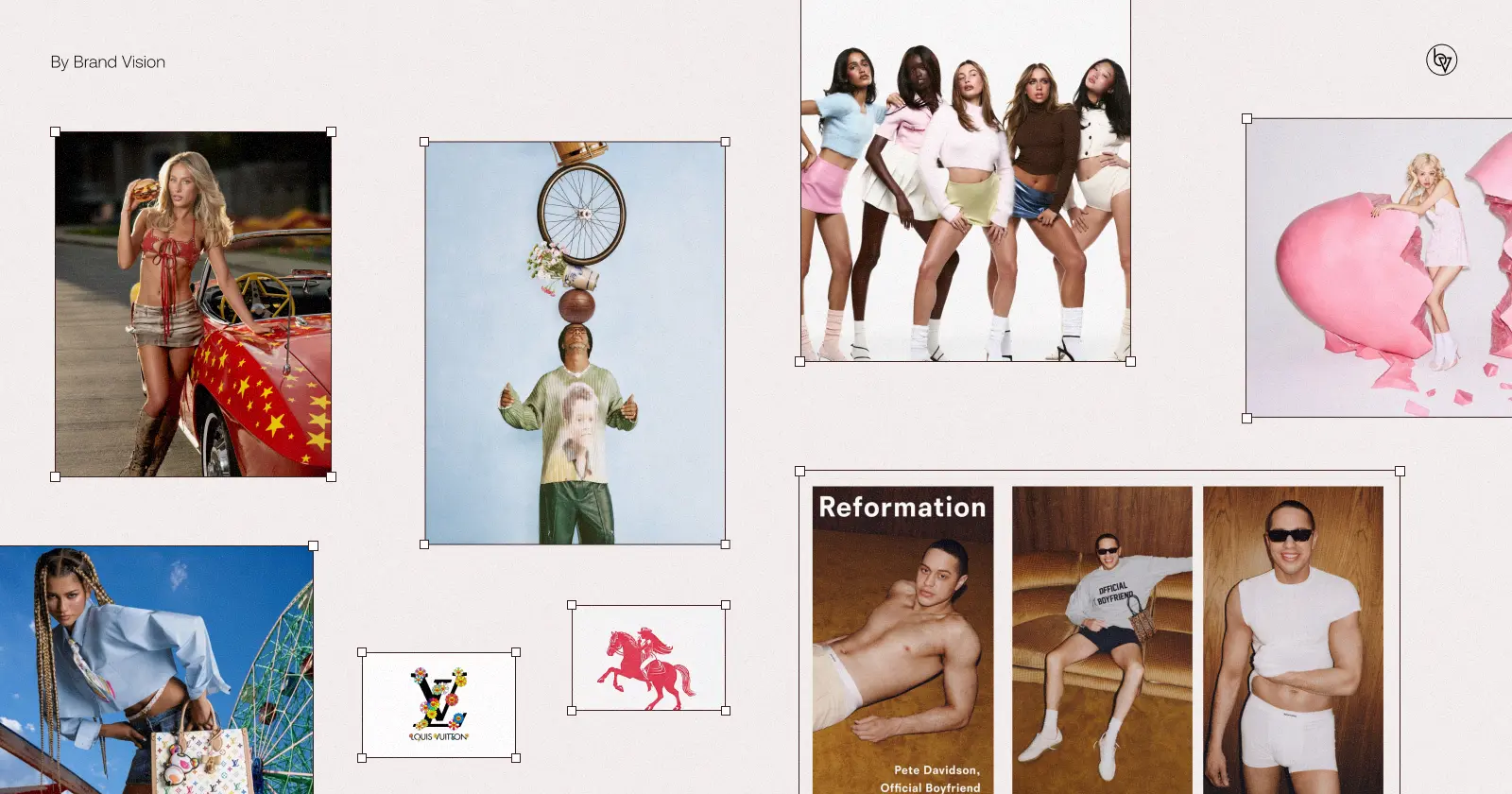
When we think about brand campaigns, we think of innovation, intrigue, and psychology, as well as other pragmatic strategies that enthuse customers to think and feel a certain way. The competitive nature of branding and the unpredictability of customer proclivities often force brands to create strategic and innovative ways to attract and sustain customer loyalty. These strategies don’t always work, but when they do, they bring unparalleled results that emphatically justify the time and resources invested. Below, we look at some of the various episodes of marketing ingenuity that propelled brand images to global reach and cultural relevance. We look at the brand campaigns that actually worked.
1. Spotify Wrapped:
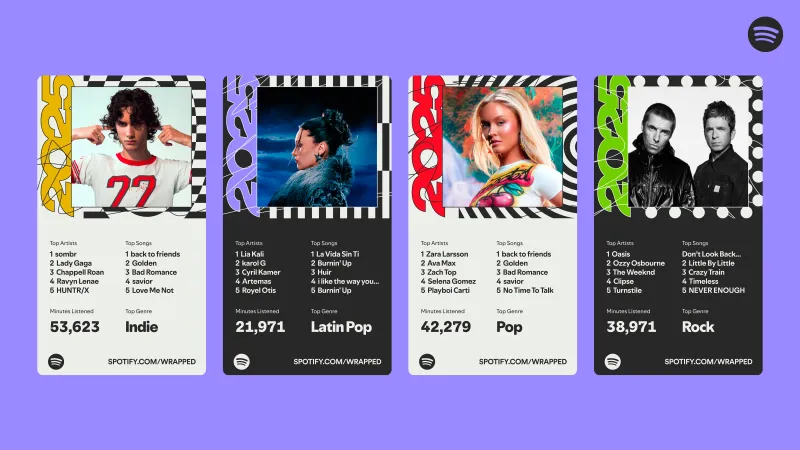
Spotify had an idea that eventually became a requisite annual activity for music lovers around the world. By compiling and curating user data into distinct, alluring categories such as “You’re in the top 0.5% of listeners” or “Your music personality is…”, Spotify found a way to effectively harness the interplay between identity, culture, and user data. Essentially, the brand found a way to compel listeners to actively engage with the app through massive organic channels, requiring little to no ad spend. The rationale behind this campaign is simple but effective—prospective and passive users are nudged through social online pressure: a compulsion to follow the crowd or be part of a distinctive, provisional social trend.
The ingenuity behind this campaign goes beyond branding theory and behavioural psychology; it also cuts across user-friendly interfaces and engineering predicated on making distribution channels seamless and carefully optimised for sharing across multiple social media platforms. The Spotify Wrapped campaign has managed to empathetically embed Spotify as an annual highlight in pop culture, making it an intricate part of our digital ethos. For the brand, this provides a buffer to keep conversations going and a foundation on which to layer future innovations.
2. Apple – Shot on iPhone:
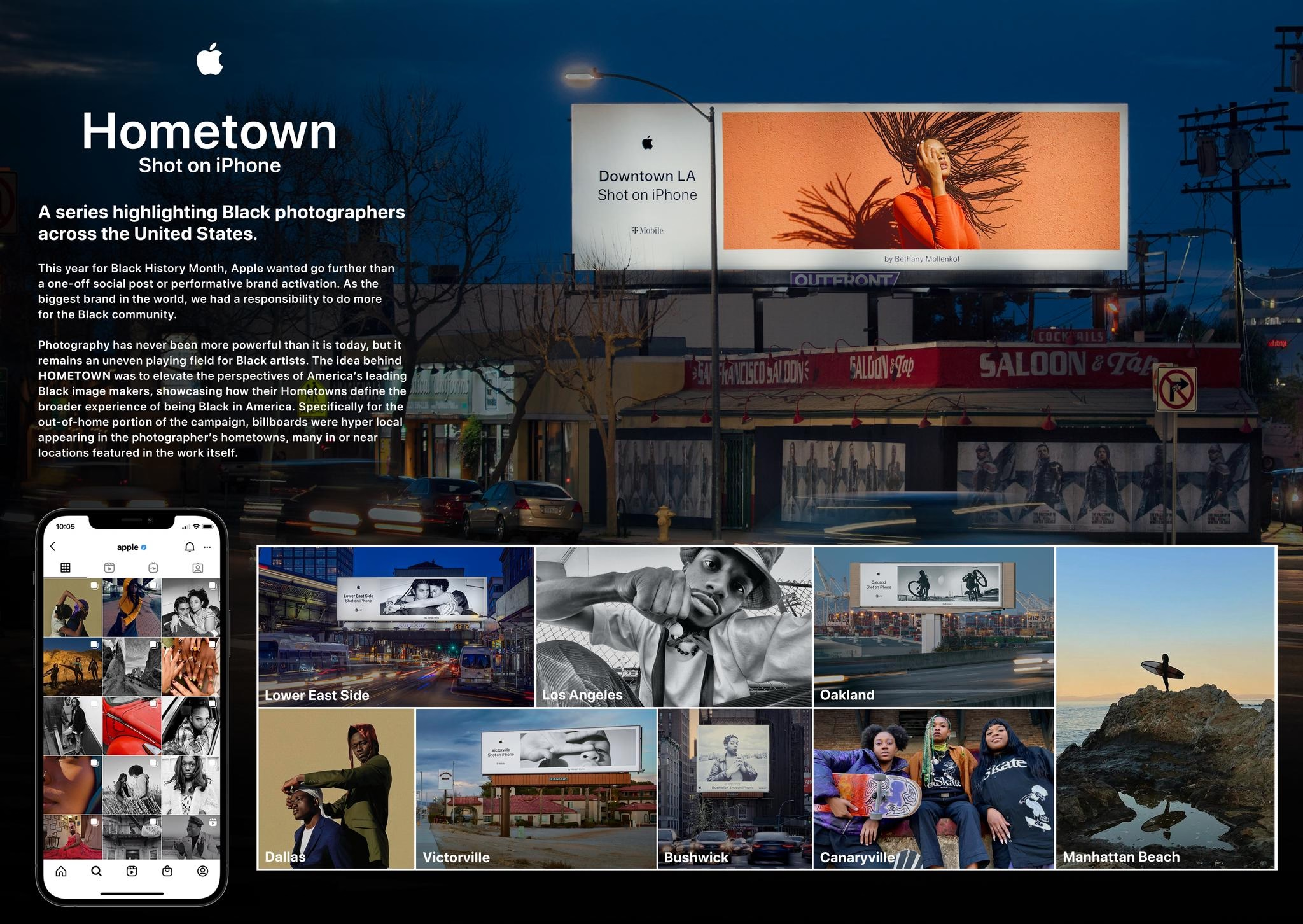
Shot on iPhone is a simple but effective, long-running global brand campaign that showcases videos and photos taken on iPhone devices, usually by everyday users. The campaign began over a decade ago and is predicated on highlighting and emphasising the iPhone’s camera quality. By centring the customer, Apple has managed to sustain and revitalise the campaign by letting the images speak for themselves.
This minimalist approach has expanded to include competitions, social media galleries, and professional creatives. The strategy earned Apple the Grand Prix for Creative Effectiveness at Cannes Lions, one of the advertising industry’s highest honours. By making customers an active part of the campaign, Apple effectively created a sense of belonging, expanding its product appeal into a symbol of creative identity.
3. McDonald’s – “Taste the Future” AR Experience:
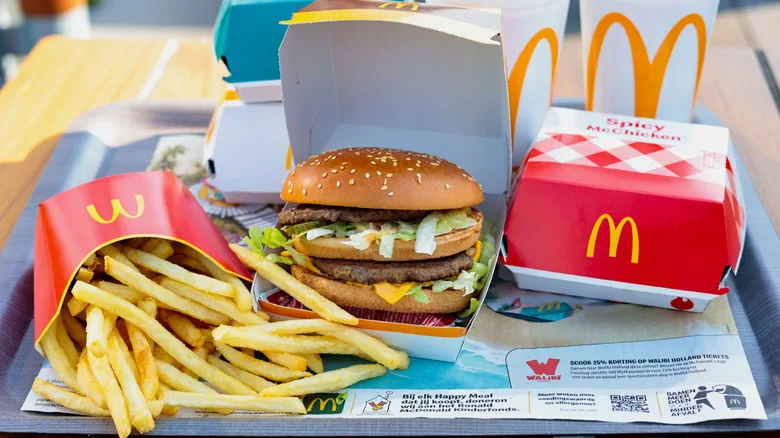
This campaign reframed McDonald’s as something more futuristic, fun, and participatory. It did not require downloading a game or visiting a designated location; instead, it was embedded within packaging and in-restaurant touchpoints. With the product as the entry point, the experience felt additive and interactive rather than disruptive.
The campaign was simple: consumers scanned QR codes or AR markers that transported them into a digital world of gamified interaction. Designed to reach younger, digitally driven audiences, the experience encouraged organic social sharing through striking visuals and easy-to-share media. With this campaign, McDonald’s aligned itself with contemporary digital behaviour, subtly modernising the brand without altering what people already love.
4. Nike × SKIMS – “Bodies at Work”:
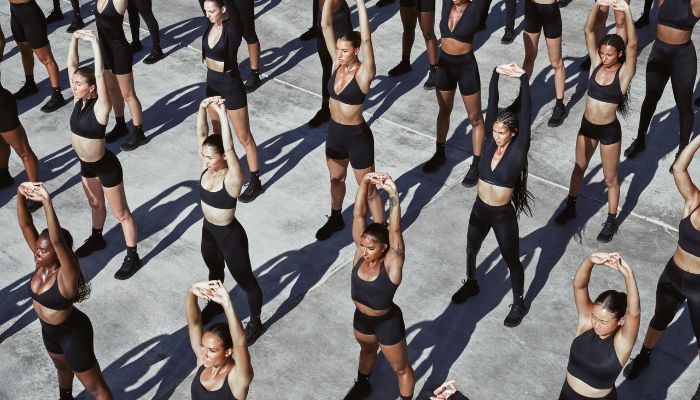
Nike consistently seeks collaborative experiences that further its goals of expansion, relevance, and cultural impact. In September, the brand partnered with Kim Kardashian’s SKIMS for the Bodies at Work campaign. This collaboration positioned NikeSKIMS as a chic new activewear line that blended Nike’s performance engineering with SKIMS’ aesthetic sensibility.
The appeal of the collaboration extended beyond the brand names themselves. Featuring athletes such as tennis legend Serena Williams and Olympic gymnast Jordan Chiles, the campaign made a bold cultural statement about strength, bodies, and women’s active lifestyles. By prioritising both performance and style, NikeSKIMS became a brand athletes did not just want to wear but also wanted to align with.
5. Pinterest × Emma Chamberlain – Sea Salt Toffee Coffee:
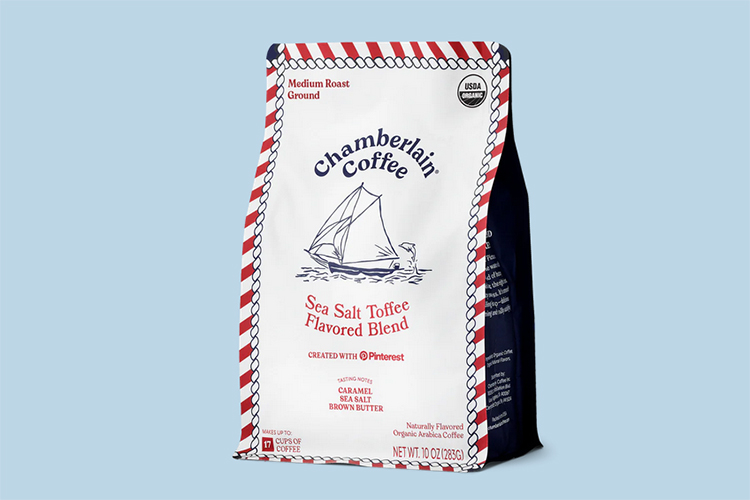
This campaign marked a partnership between Pinterest and Emma Chamberlain’s coffee brand, Chamberlain Coffee. It was Pinterest’s first-ever co-branded product in its 15-year history, and it proved highly successful. The flavour profile and aesthetic were inspired by the “Fisherman Aesthetic,” a visual trend combining rustic textures, coastal elements, and maritime imagery that brought the sea salt toffee concept to life.
The campaign was further amplified by Emma Chamberlain herself, who shaped much of the creative direction directly on Pinterest. By creating mood boards and visual inspiration on the platform, the campaign felt authentic and naturally aligned with Pinterest’s culture of discovery.
6. Dunkin’ × Sabrina Carpenter – Strawberry Daydream Refresher:
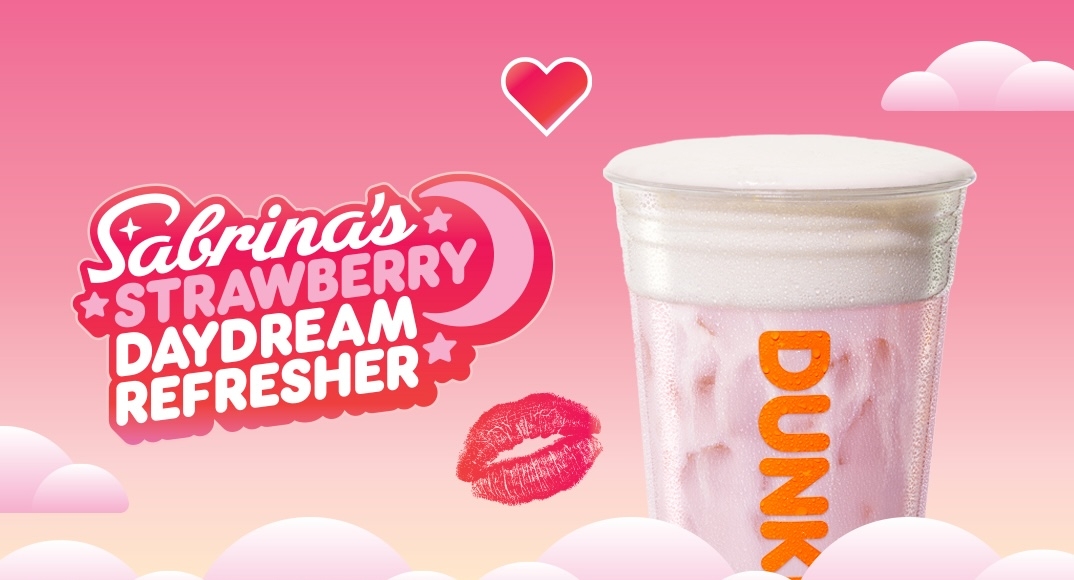
This campaign was one of Dunkin’s standout promotional highlights of 2025. Dunkin’ partnered with singer-actress Sabrina Carpenter to create a limited-time summer beverage called Sabrina’s Strawberry Daydream Refresher.
The accompanying commercial took a different aesthetic approach. Rather than a straightforward, typical advertisement, it was a quirky, retro-style piece starring Carpenter as a “Daydream Matchmaker.” Dunkin’ leveraged Carpenter’s substantial Gen Z and millennial fan base, fuelling ongoing brand buzz and affinity. The experience was made participatory through the “Daydream Hotline,” where fans could call a number to hear a message from Sabrina and receive an exclusive promo code.
By embedding additional elements such as merchandise, reward perks, and interactive experiences, the campaign became a compelling intersection of creative advertising and consumer engagement.
7. Louis Vuitton × Takashi Murakami Revival:
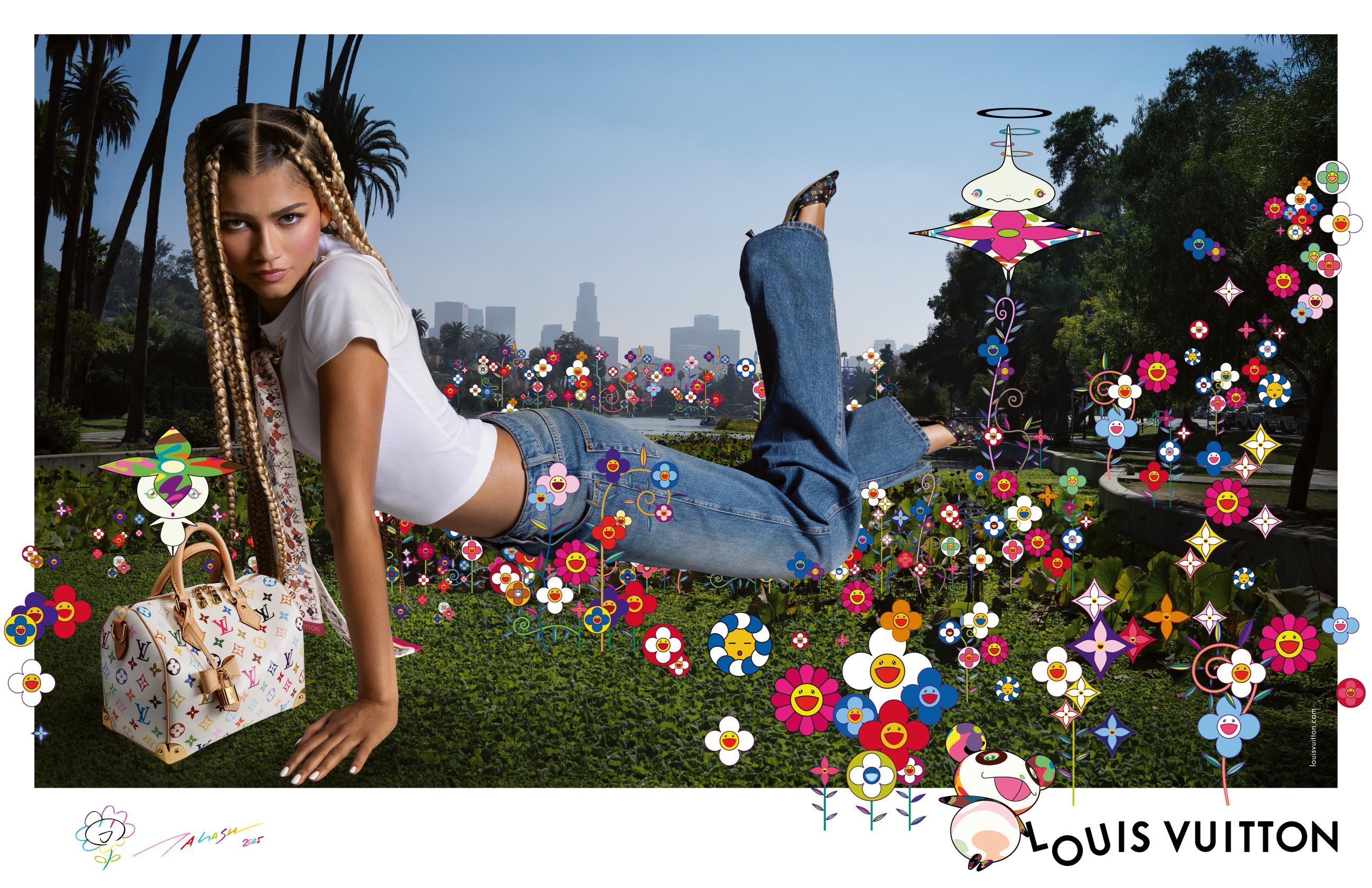
Louis Vuitton revived its illustrious partnership with Japanese artist Takashi Murakami to mark the 20th anniversary of their collaboration. The revival blended early-2000s fashion nostalgia with contemporary, next-generation aesthetics, extending its cultural relevance far beyond a typical seasonal release.
Zendaya’s involvement significantly amplified the campaign’s reach and appeal. Her presence helped position the revival as youthful and aspirational, embodying the brand’s values of boldness and global resonance. Beyond advertising, the campaign extended into immersive pop-ups featuring cafés, cinematic experiences, and collectable items, transforming the collaboration into a full cultural event.
8. Gap – Better in Denim ft. Katseye:
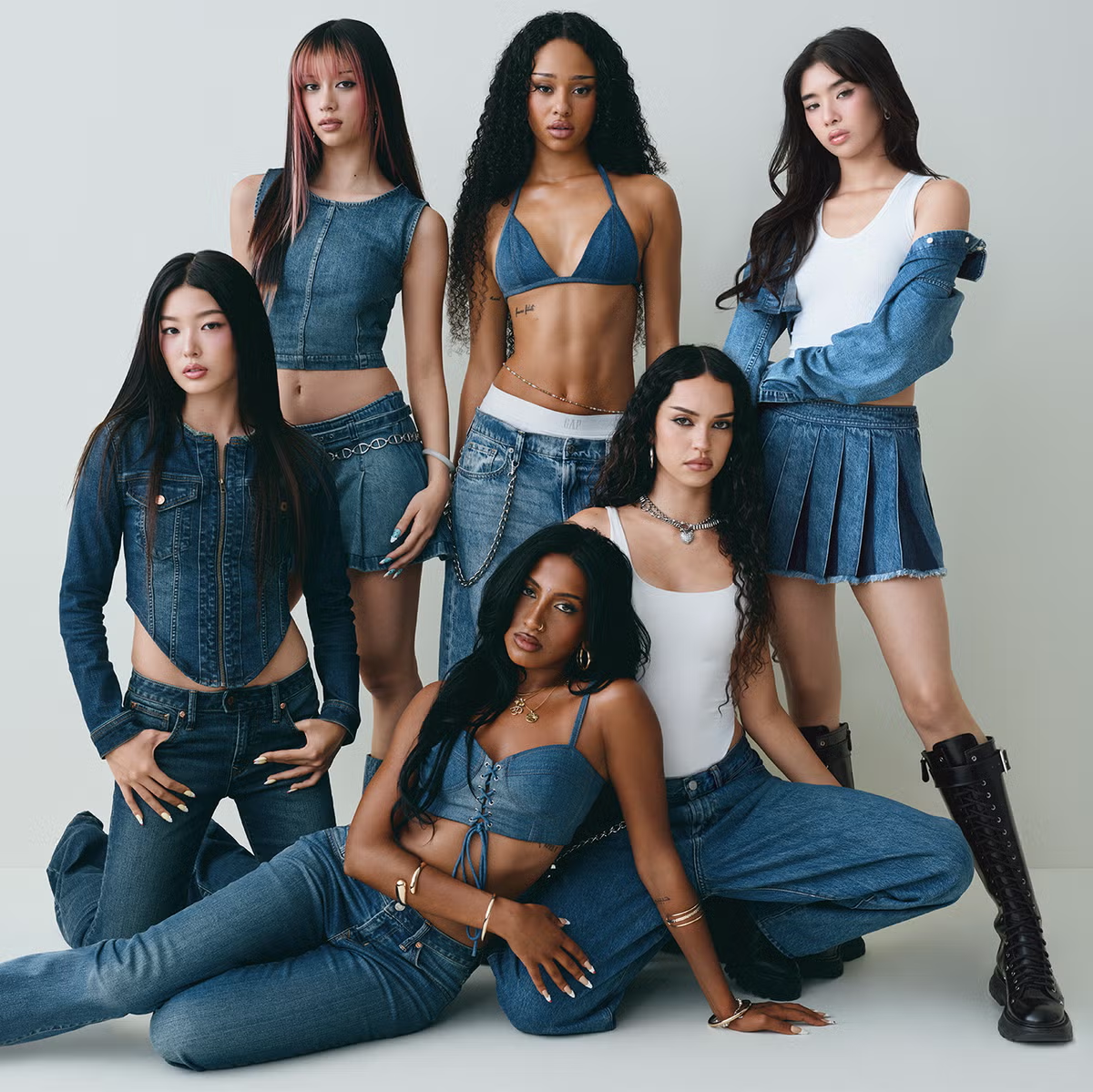
This campaign became one of the most successful fashion campaigns of 2025 by making denim culturally relevant again. Through a thoughtful mix of cultural timing, creative direction, and execution, the campaign reintroduced vintage denim styles, such as low-rise jeans, in a way that felt modern and desirable.
By leveraging Katseye’s growing cultural presence and social following, Gap infused the campaign with energy and credibility. The result was a cultural takeover, with viewership and engagement skyrocketing across multiple platforms.
These campaigns ultimately prove that effective branding is a composite of multiple factors, including strategic partnerships, cultural awareness, market insight, and an understanding of social dynamics. For the brands that succeeded in 2025, it is clear that they did not rely on gimmicks; instead, they built experiences rooted in the genuine interests and behaviours of their audiences.
The strongest campaigns do not attempt to do everything. They do enough—turning products into experiences, audiences into collaborators, and marketing into culture. These campaigns resonated with people, and that resonance is what made them work.


.png)

