.svg)

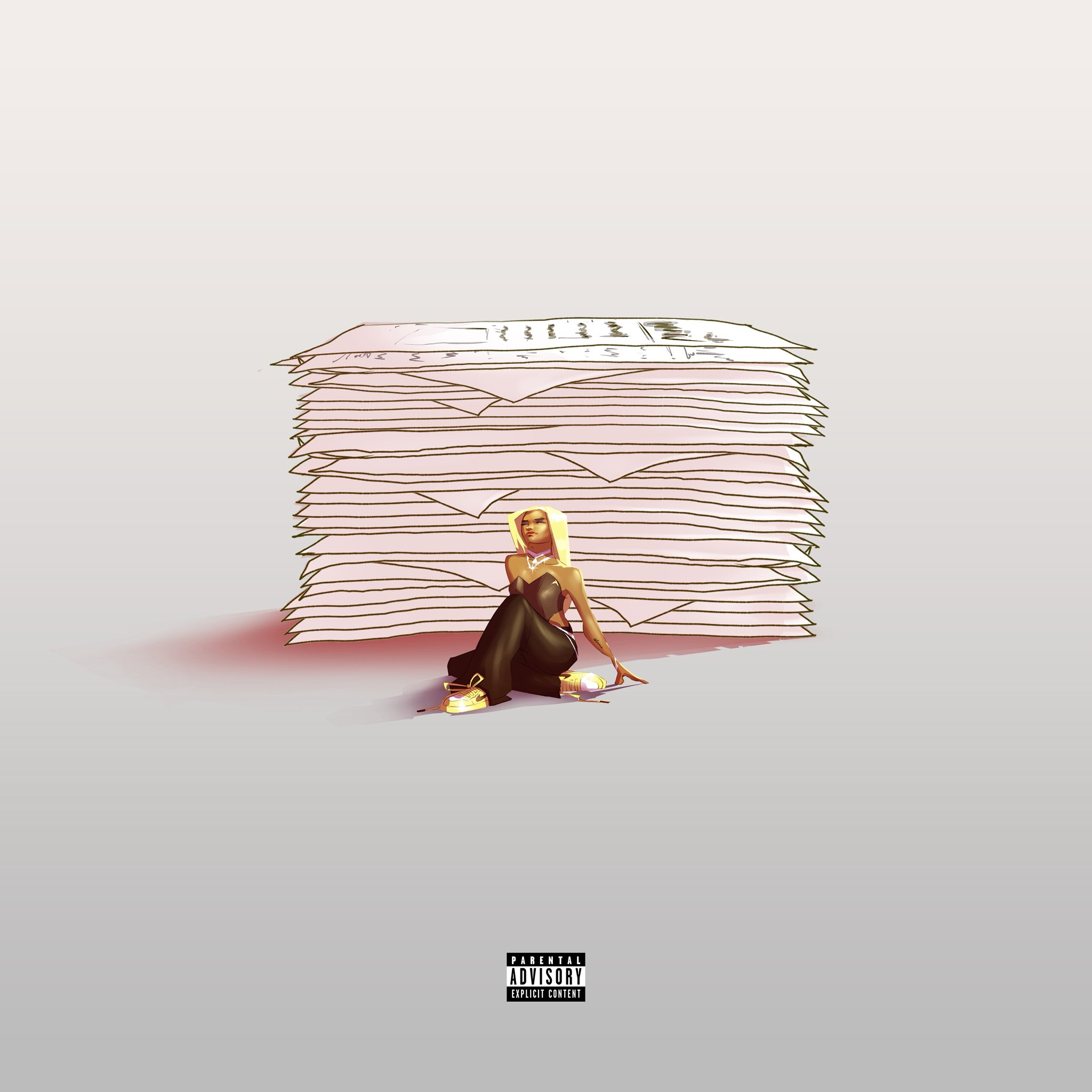
What does it take to turn heartbreak into art? For Cosamote, it requires thirteen songs, eleven voices, and an accompanying novel. With their debut album "Files '26," the Nigerian collective delivers thirteen tracks that feel like a mission statement wrapped in nostalgia. Executive produced by Oke “Emaxee” Emmanuel and Oluwatobi Gabriel Baruwa, the project brings together eleven artists including Caleb Clay, Fimi, Musta4a, Creen Caesar, Adebaby, and Tiwi, to craft something that feels both communal and deeply personal.
Cosamote is a Nigerian creative collective and marketing agency that has become a hub for emerging talent, bridging Afrofusion, R&B, into a unified sound. Oke “Emaxee” Emmanuel serves as the collective’s creative director, bringing his expertise in marketing and artist development to shape the group’s vision and projects. "Files '26" released via ONErpm last Friday, marks the collective's first major statement, positioning them within Nigeria's growing community of artist collectives focused on collaborative projects, connecting diverse talents and redefining how stories are told through sounds and words.
From the start, “Files ’26” feels like an introspective project, uninterested in chasing radio hits. Rather, it exists within its own creative world, lush, nostalgic, and textured, drawing inspiration from early 2000s R&B warmth while blending modern Afrofusion production rooted in present-day Lagos.
Conceptually, the album unfolds like a relationship timeline, from attraction to desire, conflict, confusion, and eventual reflection. The album artwork, designed by Kay the Animator, introduces Uloma, the protagonist of “A Portrait of A Typical People,” a follow-up novel by Michelle Ejiro. It’s a bold framework that could have easily been overreached, but Cosamote executes it with remarkable cohesion.
“Consistency,” featuring Caleb Clay and Jamz FR, opens the album on a note of devotion and longing. Their voices intertwine over Aykbeats’ minimal arrangement, setting the emotional template, vulnerability expressed through restraint. The title itself signals what the opening phase of relationships demands: showing up, being present, maintaining effort. “One + One” follows, pairing Musta4a, and Fimi over Trijay’s bright production, a breezy meditation on new love and shared rhythm. The chemistry between the two vocalists feels genuine. It's the kind of track that makes relationship optimism feel justified.
Things heat up on “Set The Fire,” with Musta4a, Suurshi, and Fimi trading harmonies over Zyrx’s layered instrumentation. It’s sensual, immersive, and a reminder of how quickly passion can blur clarity. The tension shifts on “Company,” where Creen Caesar and Caleb Clay explore nostalgia and rebirth. Caesar’s textured tone contrasts Clay’s smooth delivery, a sonic metaphor for lovers learning to move forward without losing what once was.
“Sweetest Taboo,” with Adebaby and Jamz FR, strips things down to near-intimacy. Over Optimist’s sparse production, both vocalists sound like they’re whispering confessions in real time. It's one of the album’s strongest moments.
The mid-section turns darker with “It’s Not My Fault (Me vs My Ex),” where Tiwi and Suurshi unpack anger and nostalgia over Noah Airé’s moody backdrop. It’s emotionally honest, matching the breakup tension with space for catharsis. The production gives them space to express that frustration without drowning them out. “Take It (Interlude)” lets Suurshi process solitude, her delivery raw and human, the calm between storms. The interlude offers a breather while still maintaining the emotional momentum.
Joy returns with “Pamukutu,” Musta4a and Adebaby’s euphoric rebound moment. Trijay’s upbeat percussion invites freedom, that feeling of remembering joy after heartbreak. “Not Enough,” with Musta4a and Creen Caesar, explores the tug-of-war between satisfaction and desire. The production carries a quiet tension that mirrors the song’s internal conflict.
“IJGB,” featuring Tiwi and Amakah, brings levity and Lagos humor, celebrating and poking fun at the “I Just Got Back” experience. It’s playful and self-aware, one of the project’s cultural high points. “Omo Mummy,” pairing Creen Caesar and Fimi, dives into temptation and longing over Yusuf Akaani’s lush textures, keeping things sultry yet grounded.
“In Your Dreams,” with Reespect and Rozzz, raises the emotional temperature. Zyrx’s brooding production complements the lyrics about obsession and rage without tipping into melodrama. The project closes with “Ololufe,” Adebaby and Amakah’s subdued reflection on grief and nostalgia. It’s not a tidy closure, just emotional honesty, and that feels right.
Despite featuring multiple producers, Files ’26 maintains impressive sonic cohesion. The early-2000s R&B touch is there space, melody, warmth but used as inspiration rather than imitation. Each track breathes, allowing emotion to take center stage.
The early 2000s R&B influence is clear throughout but never feels like a simple nostalgia. The production team understands what made that era special, space in arrangements, melody prioritization, commanding yet minimal rhythm sections, and uses those principles to build something contemporary.
Ultimately, Cosamote’s debut works because it balances concept, craft, and chemistry. Executive producers Oke “Emaxee” Emmanuel and Oluwatobi Gabriel Baruwa curate a unified vision from multiple voices, a rare feat for any collective. Files ’26 proves that collaboration can be both expansive and intimate, nostalgic yet new.



.png)

