HOW AFROBEATS IS FINDING ITS SOUL IN 2026

It’s 2026 and the average tune booming in the playlists that define Lagos’ nightlife circuits is no longer the usual pop-frenzy. Nowadays, it’s a lot of sounds, including soul.

After nearly a decade of chasing raspier beats and hypermelodic grooves, Nigerian artists are now making room for sounds that favor mood, storytelling and experimentation, creating alternatives to the familiar formulas that have defined the country’s global pop moment.

This means only one thing: listeners have more ways to discover music, and artists have more ways to reach them. 

Part of that consumer behaviour shift is technological. TikTok has become a discovery tool for music, while Spotify and Apple Music allow artists to reach listeners directly without relying entirely on radio or major-label machinery. 

In fact, since Spotify launched in Nigeria in 2021, the number of Nigerian artists on the platform has more than doubled, while R&B streams have grown more than twenty-sevenfold. Nigerian listeners have also created over 25 million playlists.

Now, it’s glaring that with more accessible production and distribution tools, emerging artists can create, package and release music with fewer traditional gatekeepers. Basically, they no longer have to make a club hit first to find an audience.

Withloveru._ is one example of the sound taking shape in that space. Her music centres on love, uncertainty and the messier parts of relationships, with songs that leave room for her vocals and songwriting to carry the weight. Her just-released debut Silk EP offers a glimpse into that approach, while her other earlier releases this year, including “Woman” and “I Think I Love You 2” featuring Magixx, have continued to build on it.

Another artist working with a similarly soulful pace is Demi Mulla. His 2026 releases,  “Distance” and “Pretty Girl Summer (Birthday),” lean into atmosphere and emotion rather than chasing a formula built around immediate impact. His music fits into a growing space for Nigerian artists whose appeal comes as much from the world they create around a song as from its potential to become a hit.
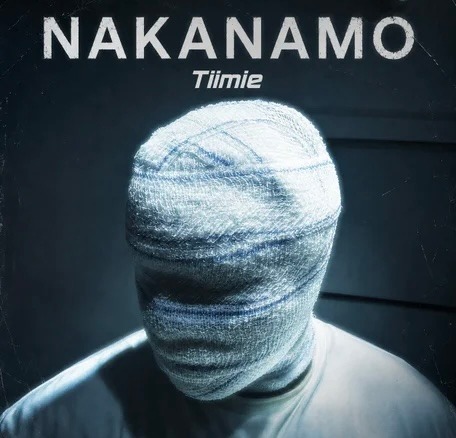
  Photo credit: Audiomack

The soulful troubadour Tiimie takes another route, blending contemporary Nigerian rhythms with softer songwriting and alternative influences. His  2.5g EP arrived in March 2026, followed by “Iworiwo”, Nakanamo ft Niphkeys” and “Fish Pond” in April. His  growing catalogue shows how artists can remain connected to the sounds around them while making space for vulnerability, restraint and experimentation.

However, the new wave is not defined by quiet music alone. Ema Onigah represents a more expansive approach, moving through different influences while placing musicianship and storytelling at the centre of her work. His 2026 project ITEM VII and releases such as “Many People” demonstrate an artist more interested in building his  own musical vocabulary than staying within one established formula.

Another force majeure in this new shift is Strei. The young bard pushes that experimentation into darker territory. His seven-track NIGHT EP, released in May, includes “Anxiety,” “Sugar,” “Surplus” and “Obobe,” while “Catapult” adds to his 2026 output. His music brings a sharper edge to the conversation, showing that the alternative space can accommodate rap, darker production and emotionally charged writing without needing to sound like mainstream Afrobeats.
 Photo credit: The iMullar 

Meanwhile, the softer-toned Taves shows that experimentation does not always have to happen outside Afrobeats. His music brings together familiar Nigerian rhythms with guitars, percussion and more direct songwriting. His 2026 releases, including “Simone,” “Bad & Boujee” featuring Shoday and “Pressure” with Show Dem Camp, demonstrate how organic textures and contemporary Nigerian pop can exist in the same space.

Elsewhere, NELLO MXL and Serøtonin are taking the idea of genre fluidity even further. NELLO MXL’s 2026 releases, including “Melodian” and CURRENTS, continue his movement between melodic songwriting and Nigerian-influenced sounds. 

Lastly, Serøtonin, on the other hand, has built a more unconventional musical identity around Afrofusion, folk influences, ambient textures and elements of Nigerian oral tradition. His work resists easy categorisation, making him another example of how far outside conventional pop structures some emerging artists are willing to go.

Overall, what connects these artists is not a single genre, tempo or aesthetic. It is the willingness to experiment with what Afrobeat can feel like.

As Afrobeat continues to dominate globally, Nigerian artists are increasingly treating genre as a starting point rather than a boundary. As a result, there’s a boom in Afro-fusion, where genres like R&B can borrow from Afrobeat, Rap leaning into soul, and pop can make room for experimentation. The quieter wave may not always command the loudest conversation, but it is becoming increasingly difficult to ignore. And for all the right reasons. 

HOW AFROBEATS IS FINDING ITS SOUL IN 2026

This is some text inside of a div block.

It’s 2026 and the average tune booming in the playlists that define Lagos’ nightlife circuits is no longer the usual pop-frenzy. Nowadays, it’s a lot of sounds, including soul.

After nearly a decade of chasing raspier beats and hypermelodic grooves, Nigerian artists are now making room for sounds that favor mood, storytelling and experimentation, creating alternatives to the familiar formulas that have defined the country’s global pop moment.

This means only one thing: listeners have more ways to discover music, and artists have more ways to reach them. 

Part of that consumer behaviour shift is technological. TikTok has become a discovery tool for music, while Spotify and Apple Music allow artists to reach listeners directly without relying entirely on radio or major-label machinery. 

In fact, since Spotify launched in Nigeria in 2021, the number of Nigerian artists on the platform has more than doubled, while R&B streams have grown more than twenty-sevenfold. Nigerian listeners have also created over 25 million playlists.

Now, it’s glaring that with more accessible production and distribution tools, emerging artists can create, package and release music with fewer traditional gatekeepers. Basically, they no longer have to make a club hit first to find an audience.

Withloveru._ is one example of the sound taking shape in that space. Her music centres on love, uncertainty and the messier parts of relationships, with songs that leave room for her vocals and songwriting to carry the weight. Her just-released debut Silk EP offers a glimpse into that approach, while her other earlier releases this year, including “Woman” and “I Think I Love You 2” featuring Magixx, have continued to build on it.

Another artist working with a similarly soulful pace is Demi Mulla. His 2026 releases,  “Distance” and “Pretty Girl Summer (Birthday),” lean into atmosphere and emotion rather than chasing a formula built around immediate impact. His music fits into a growing space for Nigerian artists whose appeal comes as much from the world they create around a song as from its potential to become a hit.

  Photo credit: Audiomack

The soulful troubadour Tiimie takes another route, blending contemporary Nigerian rhythms with softer songwriting and alternative influences. His  2.5g EP arrived in March 2026, followed by “Iworiwo”, Nakanamo ft Niphkeys” and “Fish Pond” in April. His  growing catalogue shows how artists can remain connected to the sounds around them while making space for vulnerability, restraint and experimentation.

However, the new wave is not defined by quiet music alone. Ema Onigah represents a more expansive approach, moving through different influences while placing musicianship and storytelling at the centre of her work. His 2026 project ITEM VII and releases such as “Many People” demonstrate an artist more interested in building his  own musical vocabulary than staying within one established formula.

Another force majeure in this new shift is Strei. The young bard pushes that experimentation into darker territory. His seven-track NIGHT EP, released in May, includes “Anxiety,” “Sugar,” “Surplus” and “Obobe,” while “Catapult” adds to his 2026 output. His music brings a sharper edge to the conversation, showing that the alternative space can accommodate rap, darker production and emotionally charged writing without needing to sound like mainstream Afrobeats.

 Photo credit: The iMullar 

Meanwhile, the softer-toned Taves shows that experimentation does not always have to happen outside Afrobeats. His music brings together familiar Nigerian rhythms with guitars, percussion and more direct songwriting. His 2026 releases, including “Simone,” “Bad & Boujee” featuring Shoday and “Pressure” with Show Dem Camp, demonstrate how organic textures and contemporary Nigerian pop can exist in the same space.

Elsewhere, NELLO MXL and Serøtonin are taking the idea of genre fluidity even further. NELLO MXL’s 2026 releases, including “Melodian” and CURRENTS, continue his movement between melodic songwriting and Nigerian-influenced sounds. 

Lastly, Serøtonin, on the other hand, has built a more unconventional musical identity around Afrofusion, folk influences, ambient textures and elements of Nigerian oral tradition. His work resists easy categorisation, making him another example of how far outside conventional pop structures some emerging artists are willing to go.

Overall, what connects these artists is not a single genre, tempo or aesthetic. It is the willingness to experiment with what Afrobeat can feel like.

As Afrobeat continues to dominate globally, Nigerian artists are increasingly treating genre as a starting point rather than a boundary. As a result, there’s a boom in Afro-fusion, where genres like R&B can borrow from Afrobeat, Rap leaning into soul, and pop can make room for experimentation. The quieter wave may not always command the loudest conversation, but it is becoming increasingly difficult to ignore. And for all the right reasons. 
This is some text inside of a div block.

HOW AFROBEATS IS FINDING ITS SOUL IN 2026

It’s 2026 and the average tune booming in the playlists that define Lagos’ nightlife circuits is no longer the usual pop-frenzy. Nowadays, it’s a lot of sounds, including soul.

After nearly a decade of chasing raspier beats and hypermelodic grooves, Nigerian artists are now making room for sounds that favor mood, storytelling and experimentation, creating alternatives to the familiar formulas that have defined the country’s global pop moment.

This means only one thing: listeners have more ways to discover music, and artists have more ways to reach them. 

Part of that consumer behaviour shift is technological. TikTok has become a discovery tool for music, while Spotify and Apple Music allow artists to reach listeners directly without relying entirely on radio or major-label machinery. 

In fact, since Spotify launched in Nigeria in 2021, the number of Nigerian artists on the platform has more than doubled, while R&B streams have grown more than twenty-sevenfold. Nigerian listeners have also created over 25 million playlists.

Now, it’s glaring that with more accessible production and distribution tools, emerging artists can create, package and release music with fewer traditional gatekeepers. Basically, they no longer have to make a club hit first to find an audience.

Withloveru._ is one example of the sound taking shape in that space. Her music centres on love, uncertainty and the messier parts of relationships, with songs that leave room for her vocals and songwriting to carry the weight. Her just-released debut Silk EP offers a glimpse into that approach, while her other earlier releases this year, including “Woman” and “I Think I Love You 2” featuring Magixx, have continued to build on it.

Another artist working with a similarly soulful pace is Demi Mulla. His 2026 releases,  “Distance” and “Pretty Girl Summer (Birthday),” lean into atmosphere and emotion rather than chasing a formula built around immediate impact. His music fits into a growing space for Nigerian artists whose appeal comes as much from the world they create around a song as from its potential to become a hit.

  Photo credit: Audiomack

The soulful troubadour Tiimie takes another route, blending contemporary Nigerian rhythms with softer songwriting and alternative influences. His  2.5g EP arrived in March 2026, followed by “Iworiwo”, Nakanamo ft Niphkeys” and “Fish Pond” in April. His  growing catalogue shows how artists can remain connected to the sounds around them while making space for vulnerability, restraint and experimentation.

However, the new wave is not defined by quiet music alone. Ema Onigah represents a more expansive approach, moving through different influences while placing musicianship and storytelling at the centre of her work. His 2026 project ITEM VII and releases such as “Many People” demonstrate an artist more interested in building his  own musical vocabulary than staying within one established formula.

Another force majeure in this new shift is Strei. The young bard pushes that experimentation into darker territory. His seven-track NIGHT EP, released in May, includes “Anxiety,” “Sugar,” “Surplus” and “Obobe,” while “Catapult” adds to his 2026 output. His music brings a sharper edge to the conversation, showing that the alternative space can accommodate rap, darker production and emotionally charged writing without needing to sound like mainstream Afrobeats.

 Photo credit: The iMullar 

Meanwhile, the softer-toned Taves shows that experimentation does not always have to happen outside Afrobeats. His music brings together familiar Nigerian rhythms with guitars, percussion and more direct songwriting. His 2026 releases, including “Simone,” “Bad & Boujee” featuring Shoday and “Pressure” with Show Dem Camp, demonstrate how organic textures and contemporary Nigerian pop can exist in the same space.

Elsewhere, NELLO MXL and Serøtonin are taking the idea of genre fluidity even further. NELLO MXL’s 2026 releases, including “Melodian” and CURRENTS, continue his movement between melodic songwriting and Nigerian-influenced sounds. 

Lastly, Serøtonin, on the other hand, has built a more unconventional musical identity around Afrofusion, folk influences, ambient textures and elements of Nigerian oral tradition. His work resists easy categorisation, making him another example of how far outside conventional pop structures some emerging artists are willing to go.

Overall, what connects these artists is not a single genre, tempo or aesthetic. It is the willingness to experiment with what Afrobeat can feel like.

As Afrobeat continues to dominate globally, Nigerian artists are increasingly treating genre as a starting point rather than a boundary. As a result, there’s a boom in Afro-fusion, where genres like R&B can borrow from Afrobeat, Rap leaning into soul, and pop can make room for experimentation. The quieter wave may not always command the loudest conversation, but it is becoming increasingly difficult to ignore. And for all the right reasons. 
Other Stories
London
London
Lagos
London
Newyork
London
Shop
Join the community.
You are now subscribed to receive updates.
Oops! Something went wrong while submitting the form.