.svg)

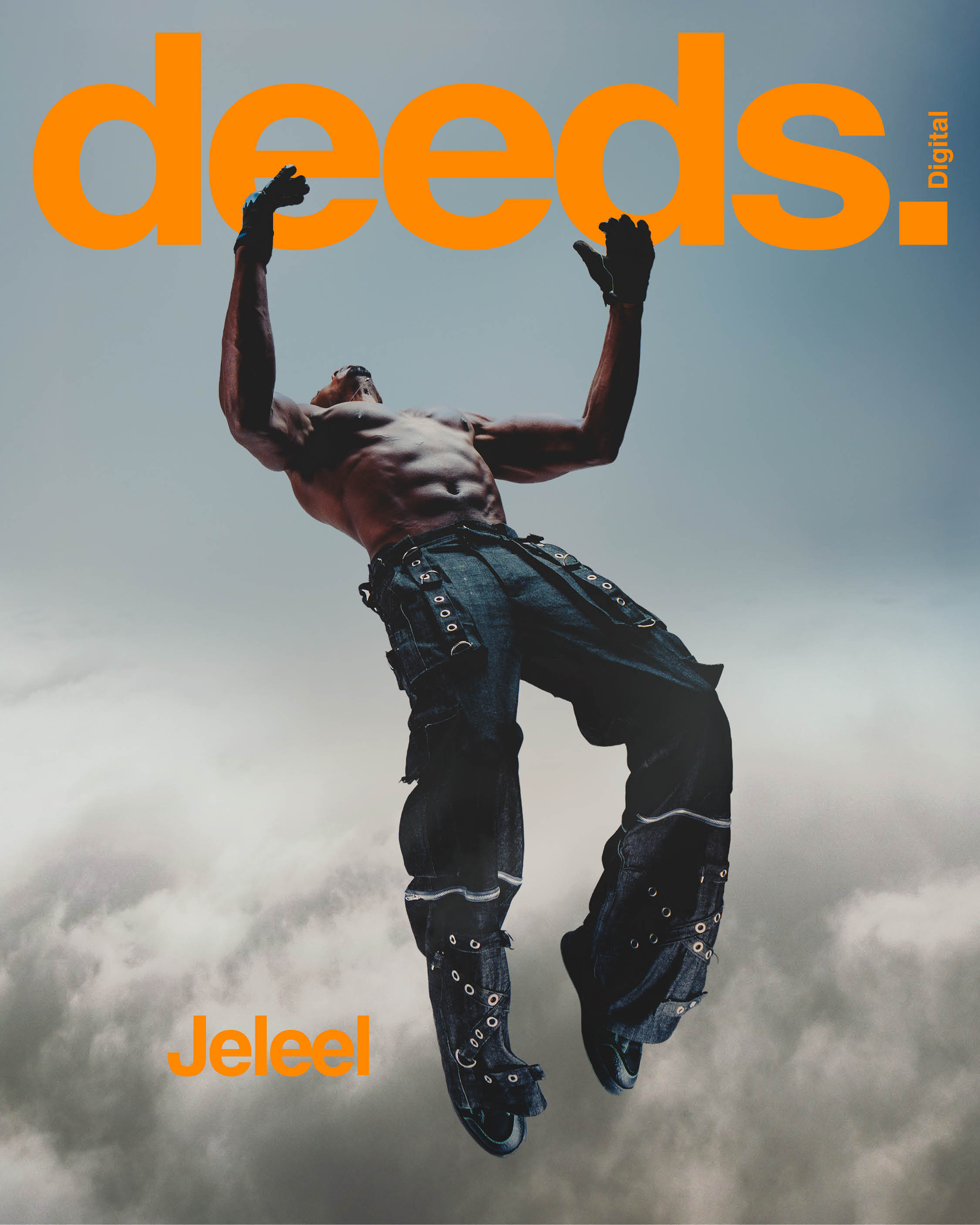
Jeleel’s name may ring a bell if you’ve heard his signature tag, Jeleel, yeaaah!, repeating in his tracks. Since his 2021 TikTok hit “DIVE IN,” he’s pursued a musical journey beyond viral trends.
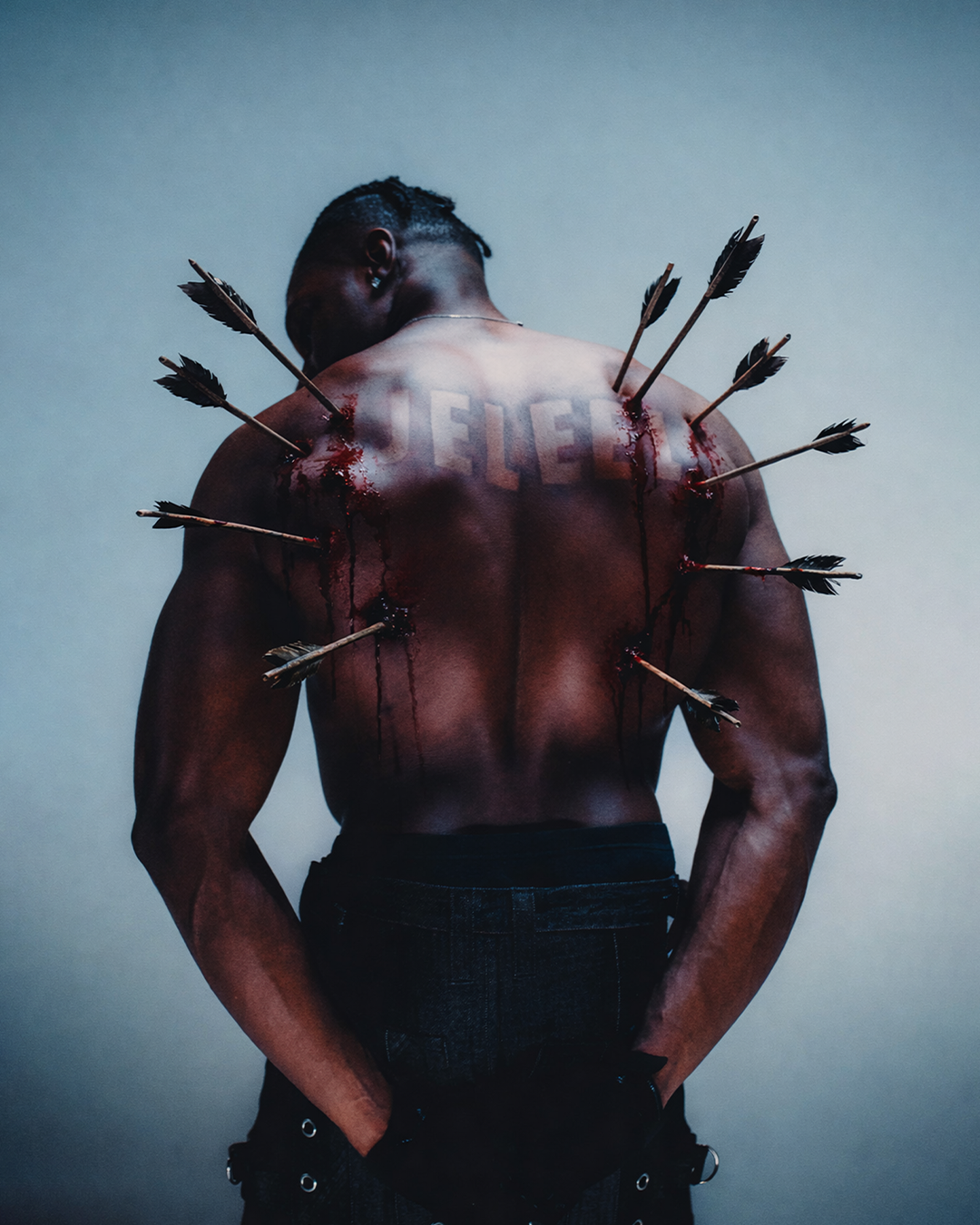
For the Nigerian-American artist, music has always been a part of his life. After shifting from dreams of being an athlete, his music path allowed him to fulfil his calling. His introduction to the scene took him from fiery, Playboi Carti-esque sounds to something that has grown and developed over the years. Meeting Jeleel in 2026 feels like meeting a new artist, especially if you’re new to his music. After his 2025 album NYASH WORLDWIDE!, his latest single HELLCAT! fuses Malian sounds with his style. This new music marks a fresh direction and shows he no longer wants to limit his sound.
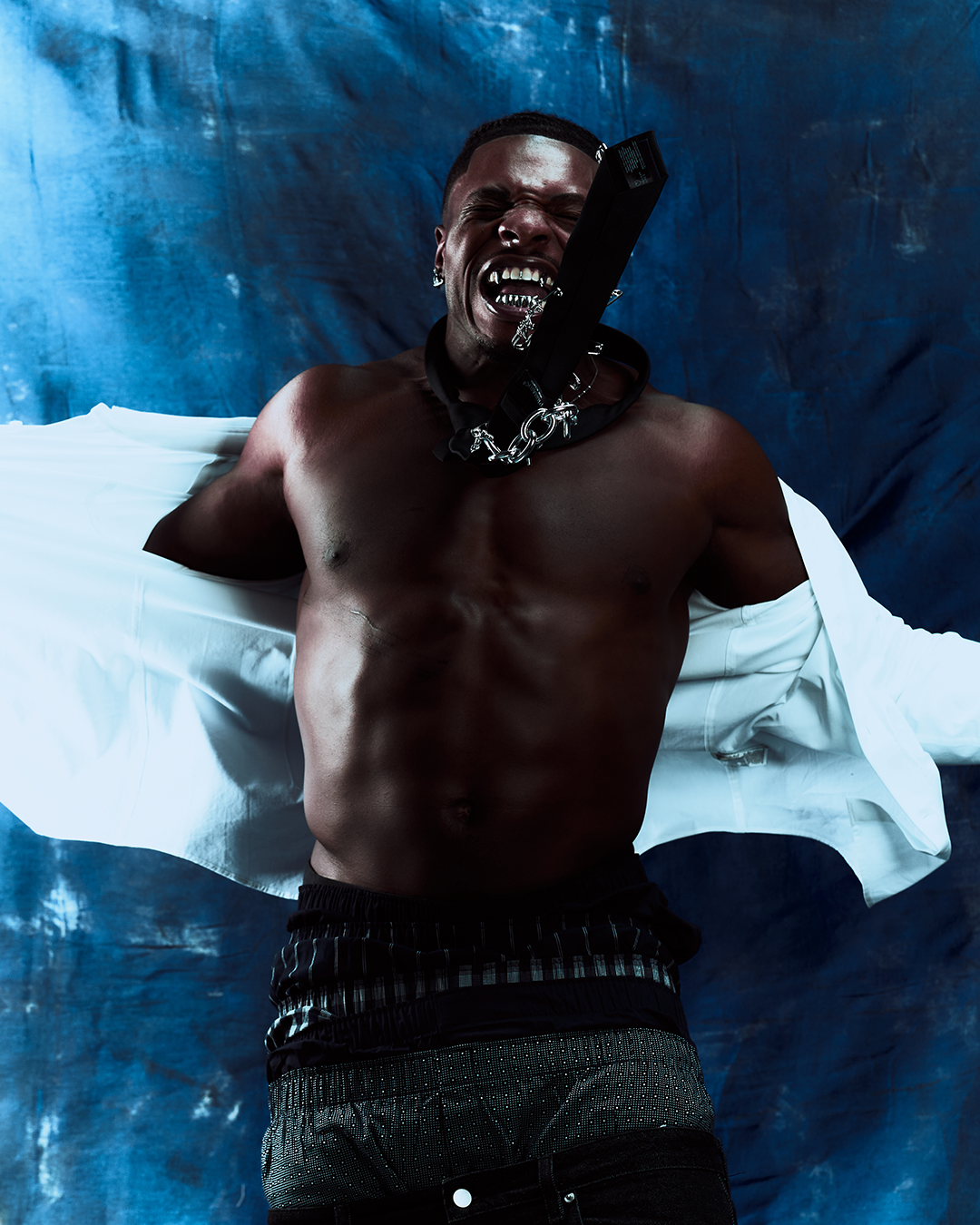
As a creative, his talents reach beyond music. In recent years, we have seen him embrace fashion and take a distinct stance in his expression. Inspired by his love for the world and his varied experiences during this period, this next chapter in Jeleel’s journey looks to be his most promising yet.
To start with your background, can you share how music first became part of your life, and what prompted you to make it your career?
I've always listened to music differently from most people, even in commercials and other places. Whenever I would hear music, I would remember the melodies. It was just something I always hung on to. At first, I thought my path was athletics. I'm very athletic and strong, so I assumed that's what God wanted for me. But every time I tried, it just wouldn't work out. It wasn’t until my friend heard me singing a song. He said, 'I have a beautiful voice, and you should try making a song.' The moment I tried, it just felt like I found my purpose. My heart opened up. This was the fulfilment of what I'm here to do.
Building on that, was there a specific moment where you realised music was your path?
I was trying to pursue athletics, but every time I did, it didn't work out. But as soon as I started pursuing music, things began to happen. Making music wasn't difficult. My friend owned a studio, so I could just go there and make music. Even though I was moving to LA homeless, not knowing anybody, and still figuring things out, people let me record. Why is it easy for me to make music but not to play sports? I think God was giving me a sign to focus here.
Continuing on your journey, how did you discover your unique sound and the type of music you wanted to make?
I've always felt worldly. As a Nigerian growing up in the US. I visited the UK since I was very young I and so I was exposed to a lot of music. When I was growing up, I listened to early Afro like D’Banj, Terry G, and 2Baba. At 10, I went to the UK and heard Skepta for the first time. Watching Disney Channel and Nickelodeon, and hearing punk bands like Sum 41 on TV, influenced me. Even as a Muslim, when we recite the Quran or surahs, we use melodies. Hearing others recite and me reciting as well, like Sura, may have helped my musical ear. It’s a bunch of influences, all mixed together. That’s Jeleel.
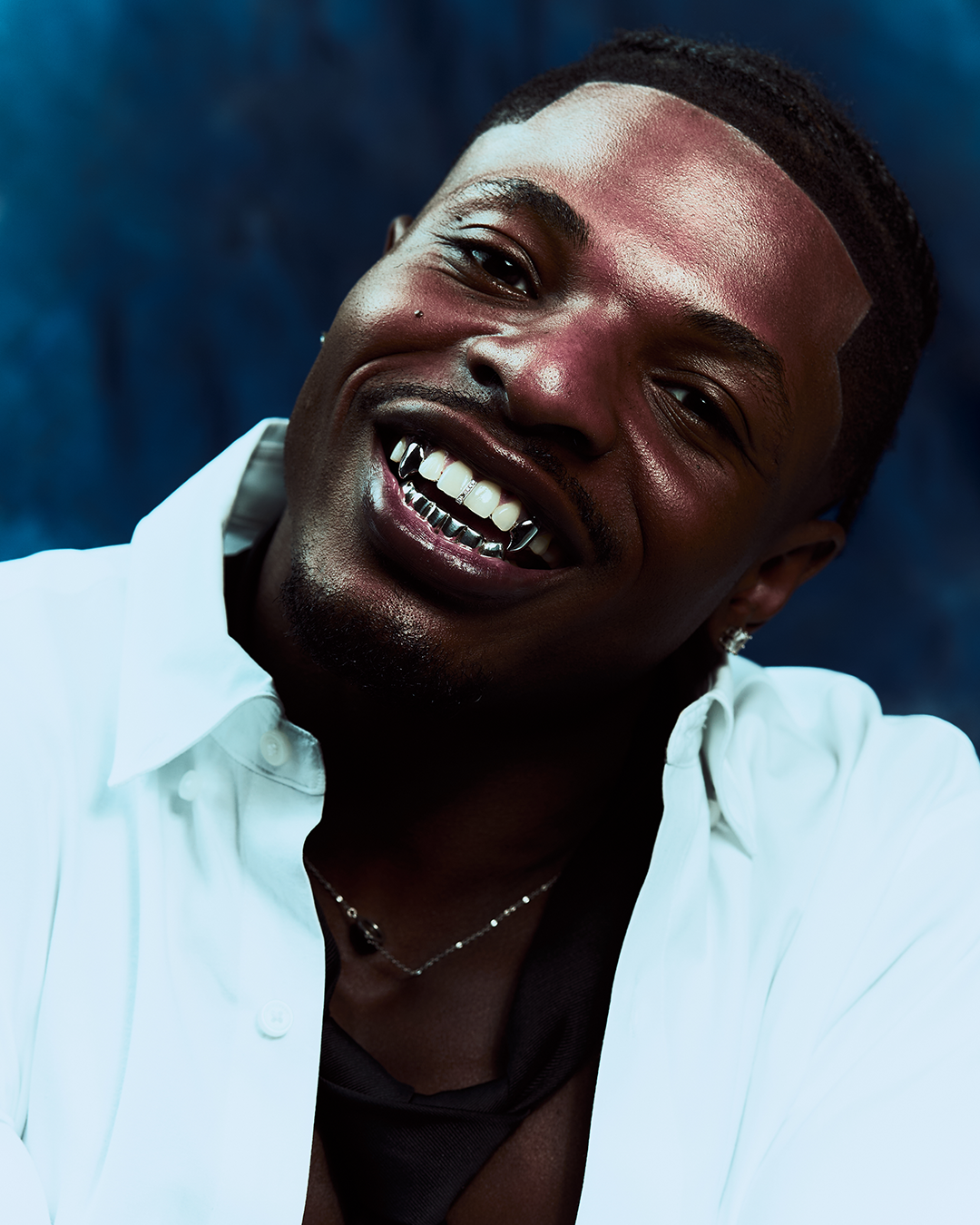
Reflecting on your influences and evolution since you started, how would you describe your current sound to someone now? How does it compare to your early material?
Now my music is worldly, for anyone in the world. People of all ages can dance to it. People in America, Nigeria, Mali, India, and Brazil can listen. You can't put it in a box. The music I first blew up with, like ‘Dive In’ and ‘Jeleel Juice,’ was focused on a specific niche. That was more like a Playboy Carti, Trippie Redd type of vibe.
As your sound has evolved and with new music on the horizon, how do you continue developing your process while staying true to yourself?
Each day, as I put everything together, I feel ready to break the sound barrier and create something new. In the studio, I experiment, putting an electric guitar on an afrobeat or adding a flute over distortion. I push the sound as far as I can, mixing genres to make something truly new.
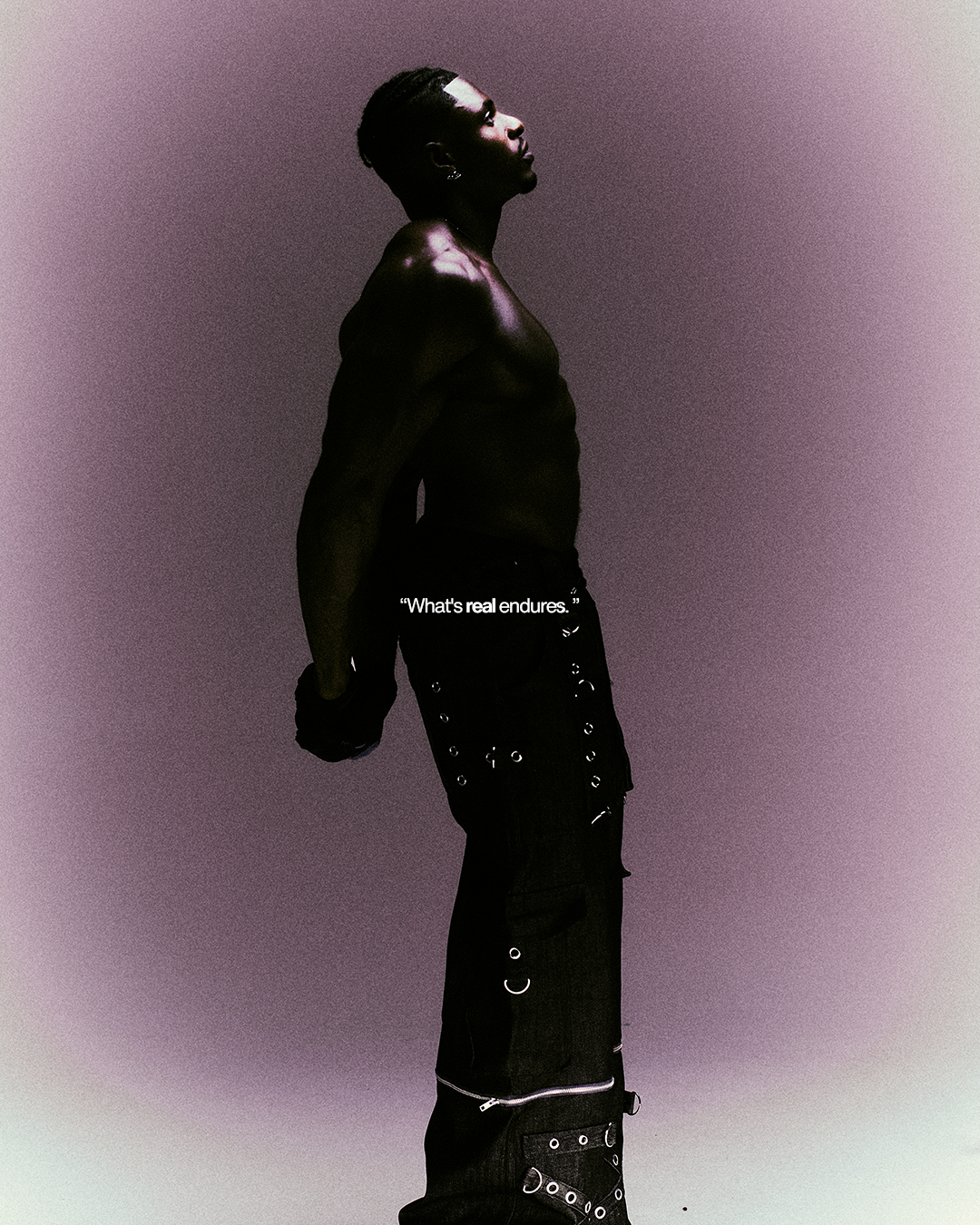
Your artistic expression stands out as bold and visual. How does this willingness to experiment translate into areas beyond music, such as fashion?
Fashion-wise, I’ve always loved the early 2000s. As a '90s baby, I liked Y2K era style and creative direction, and I want to show that in my world, too.
Speaking of fashion, who are some of your favourite fashion brands?
I love Diesel, DSquared, and Chanel. There's this brand called Blue Marine. I like their stuff too. I love all these brands. Gucci is hard, too.

When it comes to fashion, what excites you about expressing yourself through style, and how do you stay inspired to continue?
I know what I like despite trends, I always make sure I look good in what I wear, since I work out a lot. I don't follow every fashion change or trend. I stick to what works for me. I check my Pinterest boards to see what might fit me well.
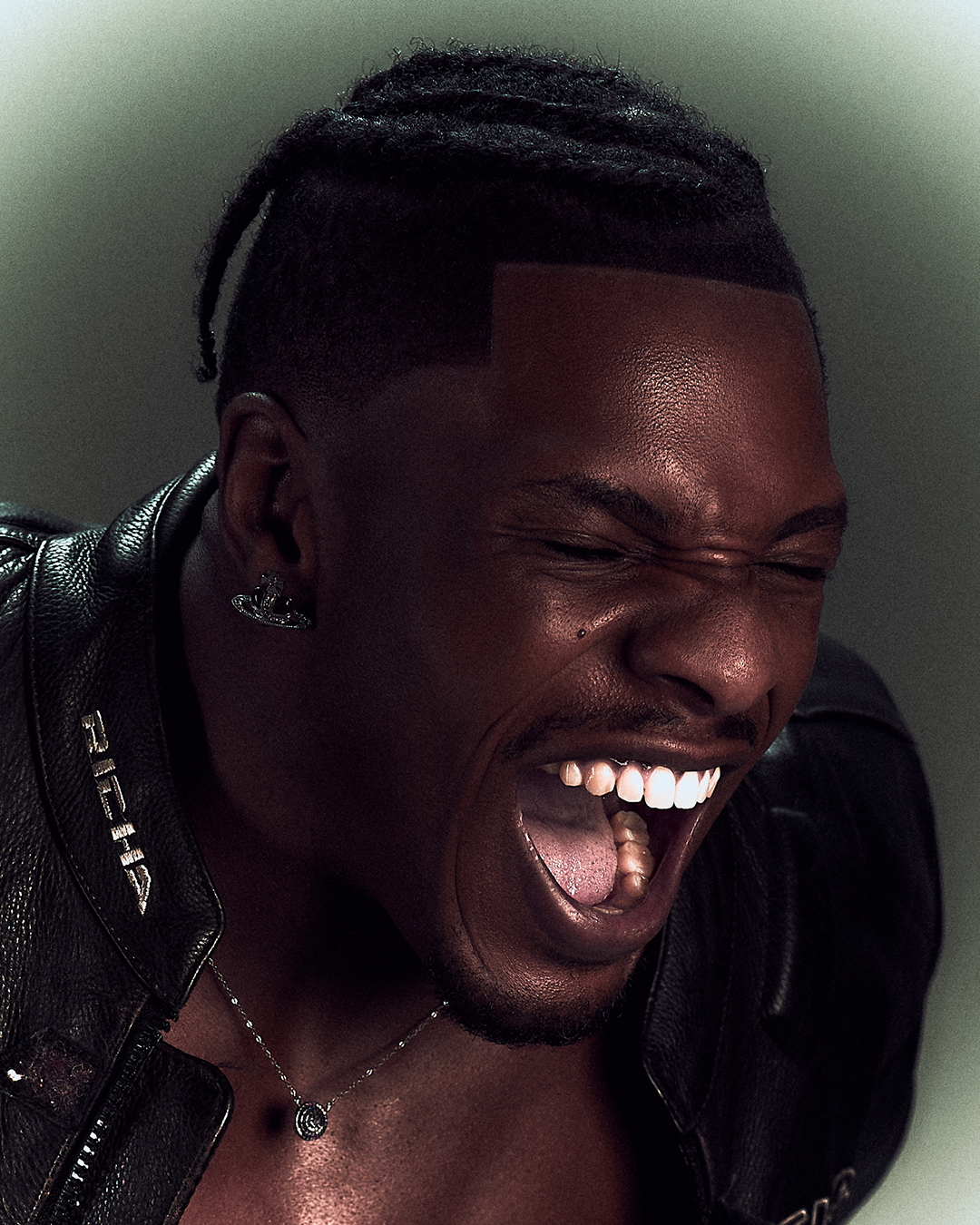
Turning to your music, your latest single HELLCAT! differs from previous work. Can you tell us about this release?
I love Malian and global music and want to add those influences to my music. I'm experimenting with new ideas. This year, I want to push boundaries by mixing first-rage sound with my current style. I believe I can do it and want to combine the two.
With this new era in your music, how do you feel about your career and what's ahead for you with these new directions?
I'm an independent artist. I'm not signed to a label. I don't have a budget behind me. For me, I'm super happy and super blessed. But sometimes I'm like, because I blew my music up on TikTok from all the posts, it's finally happening. Damn, it took that long, but I'm super blessed. I'm happy people are listening. I want the whole world to listen. I want the whole world to know who Jeleel is.
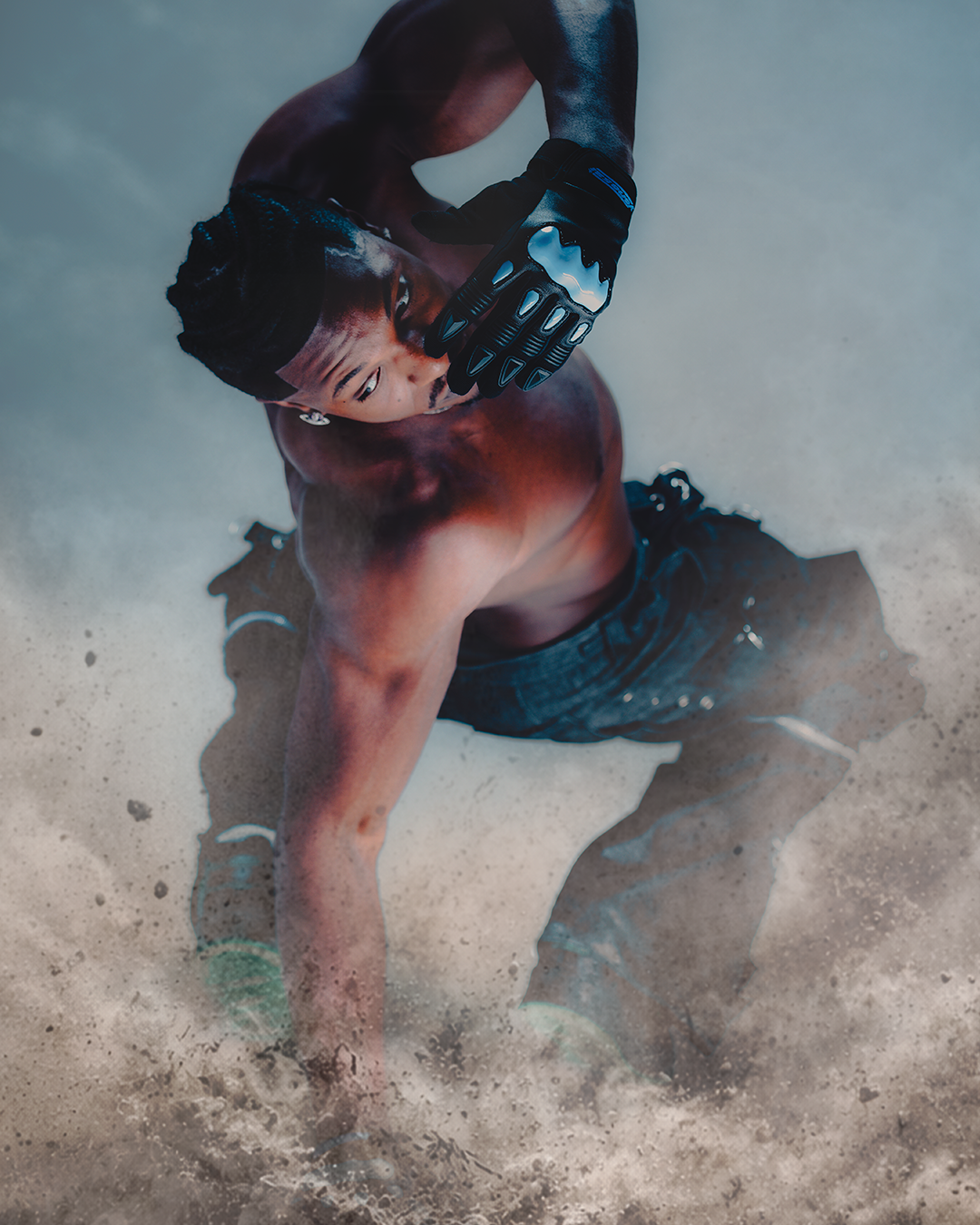
Looking back at how you started on social media, what has helped you build on that early momentum and continue growing your career?
It comes down to the music. If it's good and touches hearts, it lasts. What's real endures. The music has to connect, be good, and evolve. A lot of current music makes people realise that some sounds' time is coming to an end, so they want something new. Music is becoming more global. Not everyone listens to hip hop now. Instagram allows people in India and Thailand to connect with Nigerian artists. People listen to Amapiano and other genres and mix styles. As an artist, you have to find your identity and realise the music clock is short. You have to know when to evolve.
Given your genre-blending ability and the shifts in music, how have these changes influenced your career and musical direction?
At one point, hip hop was the biggest genre in the world. Right now, there hasn't been a hip hop song on Billboard Top 100 in the past year. Hip hop is starting to fade, unless someone revives it. Most artists blowing up in hip-hop now are outside the US. Enough. Hip hop is one of the greatest genres ever. I grew up on hip hop. The world isn't becoming one thing. I made rage music and drew that crowd, then moved to make music for a more worldly crowd that includes more women. That's not easy. A lot of artists can't do that. But that's what the world is becoming.
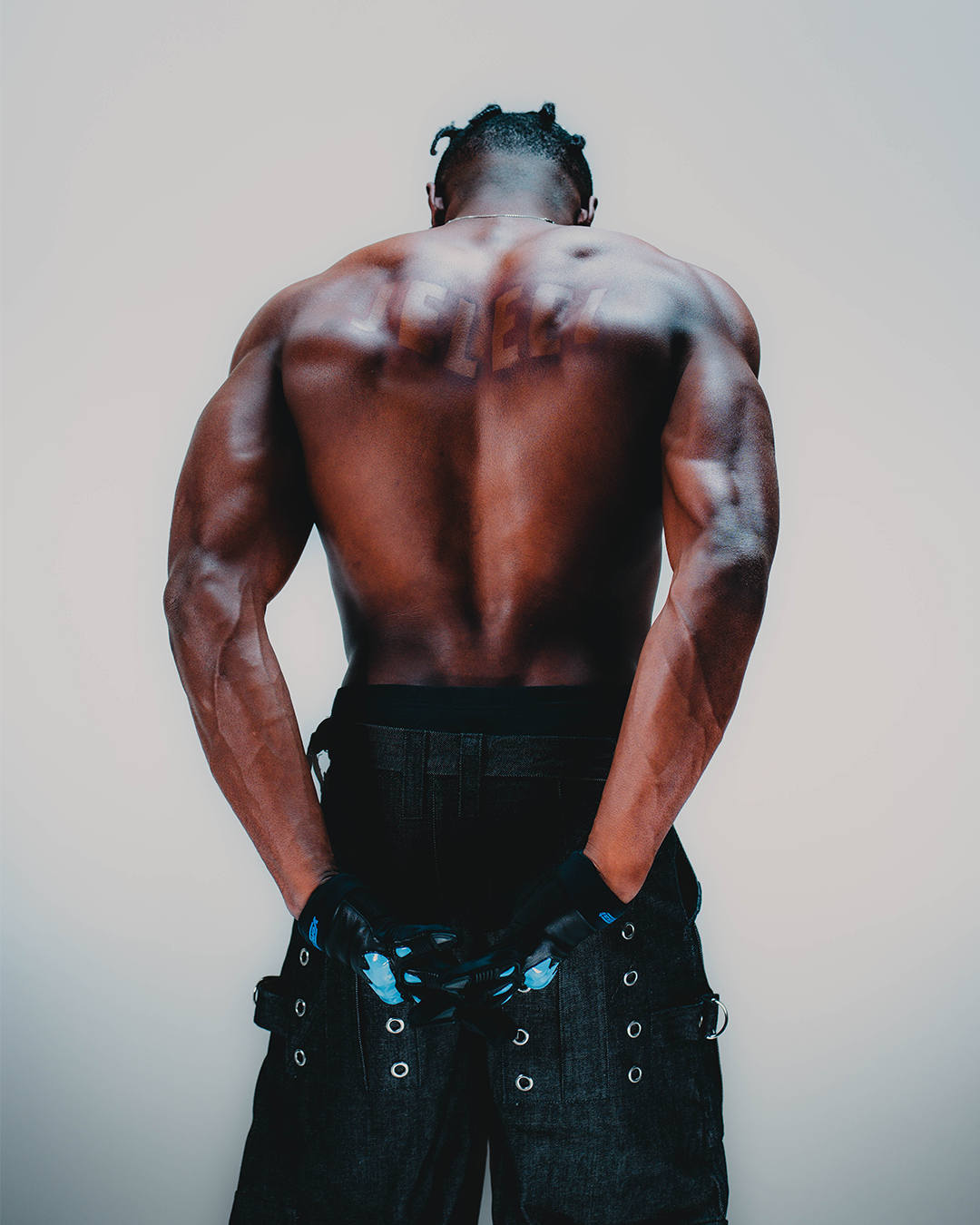
As the new year begins, how do you feel about your current projects and your music more broadly?
I'm happy, I'm happy that people are starting to wake up, that I'm doing what I can, and that people are enjoying my music, so it feels good. The album is on the way, so I’m excited for people to hear everything I am working on.


.png)

