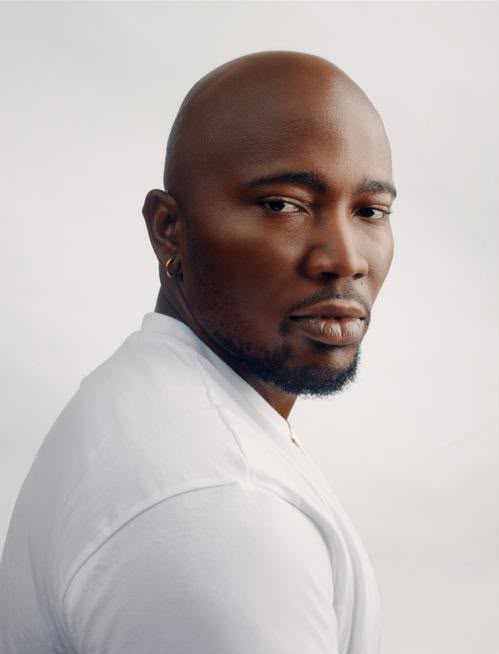
Joey Akan: The Business of Brokering Culture

Authored by

Joey Akan did not become a celebrity podcaster or culture journalist overnight. In fact, his feats are a result of more than a decade’s worth of pure grit, passion and disruptive journalism. Today, his Afrobeats Intelligence brand houses one of Nigeria’s most prominent music podcasts, alongside a live recording experience dubbed Afrobeats Intelligence Live. The brand has become a household name in Nigeria’s media and culture scene.

Born in Nigeria’s Garden City, Port Harcourt, Joey sprung from a rather restive childhood, which involved experiencing temporary homelessness and other hardships, into an ambitious biochemistry undergraduate knocking on the doors of the media as a campus editor. His resilience and consistency eventually earned him his first professional stint with Pulse Nigeria in 2012, an experience that would last several years and see him rise from a music journo to the network’s music editor. Along the way, he’s also worked at institutional spaces, including Universal Music Nigeria, News Central and The Conversation Africa.

If there is one thing that sticks out about Joey is his confidence in his ideas, and it’s part of why his voice remains crucial to contemporary pop culture as both a translator and a critic. As an amplifier, he’s also worked with several superstar artists to help advance their career objectives, especially in branding and positioning.

Catching up with DEEDS, Joey reflects on his journey, the evolution of Afrobeats Intelligence, the current state of the Nigerian music industry and his ambitions to build institutions that preserve the country’s musical heritage.
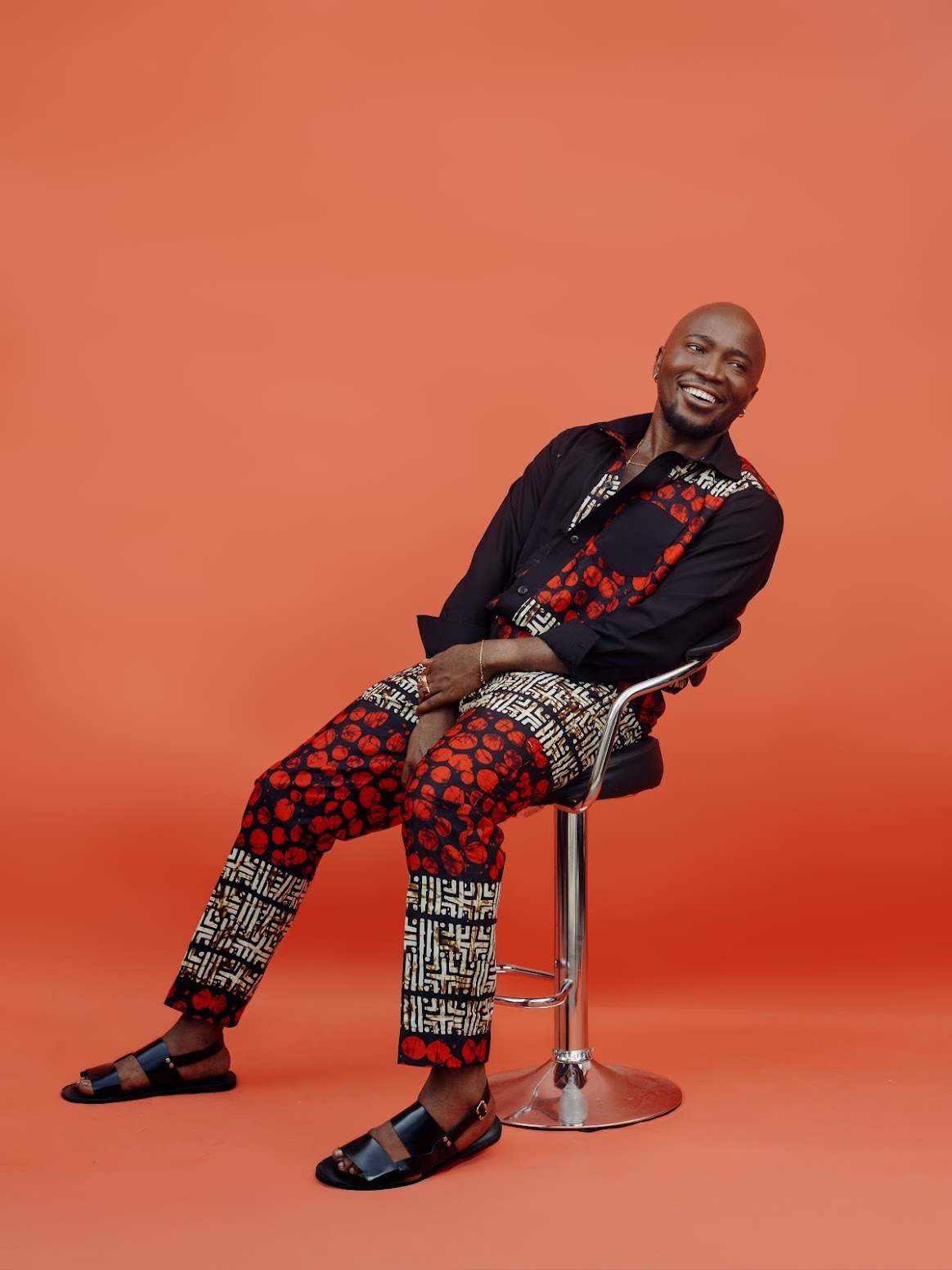
CHINONSO for DEEDS: Afrobeats Intelligence is now in its fifth season, and so far, it has evolved and platformed several influential figures. How has your ambition for the show shifted since you started?

My ambition for the show has always been the same. Let’s go back to when I started. I didn’t start with the show. I started with the newsletter, and the podcast became an extension of that. The newsletter is now a website.

For me, the ambition has always been to find the best stories in this market, find the best learning opportunities and speak to people who have impacted pop culture and possess a bit of our music history within them.

Everything else that has happened has been to elevate that and increase its reach. As long as I can serve this vision better, do more research and find new ways to impact this space, that’s what matters. Everything fits into that. If it doesn’t, I don’t do it.

What would you say was your most intense interview last season?

Intensity shows up in two ways. There’s intensity in the conversational topic, and there’s intensity in the interview itself, where you realise you don’t have a lot to work with and have to dig deeper.

My interview with Wale was one of the most intense in terms of the conversation. We spoke a lot about building and finding connections. Sarz was also a beautiful interview. We had a conversation about ownership and how his relationship with ownership has improved his art.

But in terms of having to dig deep to make an interview work, my conversation with Shallipopi was intense.

What happened with Shallipopi?

Sometimes, my interview style doesn’t tally with what people are used to. My style of interviewing can be at odds with theirs.

Not to take anything away from Shallipopi, but I think we struggled to translate between each other. Look at me with my grammar, English and interesting words, and then there’s Shallipopi on the other side. A lot of things were on the table, but they were lost in translation.

I knew what it was, and I had to dig deep to make that happen.

As someone I would describe as a cultural archivist, at what point did you decide this was something you wanted to do full-time?

I’ve always wanted to be a writer. I spent many years working, taking assignments and understanding what media means. I wrote for so long, and then at some point, there was podcasting.

Podcasting was never about saying, “Hey, I want to do this full-time.” It was more about building a media project and thinking it could benefit from multimedia as an extension.

For a long time, it wasn’t full-time. I worked in academia while running Afrobeats Intelligence. I worked at News Central, building the entertainment desk and programming for the TV station. I was also writing for The New York Times and The New Yorker. Even while I was at Universal, I was still doing this.

When I knew the podcast was going to take a significant part of my life was when I lost my Substack grant and my job within about two weeks of starting it.

For a lot of people, that would have been a moment to question whether they had made the right decision. But for me, I saw it as a sign that the universe wanted me to crack something bigger than myself.

I think I knew I was fully committed when I ran out of my savings for the first time while making the podcast. The podcast impoverished me.

I had money for rent, but that same money could record a couple of episodes. And I asked myself, “I’ve paid rent before, but have I interviewed Don Jazzy before? Have I had Tekno on a podcast before?”

So I paid for the episodes and dodged my landlord for a bit.

That was when I knew this was for life. I was locked in.
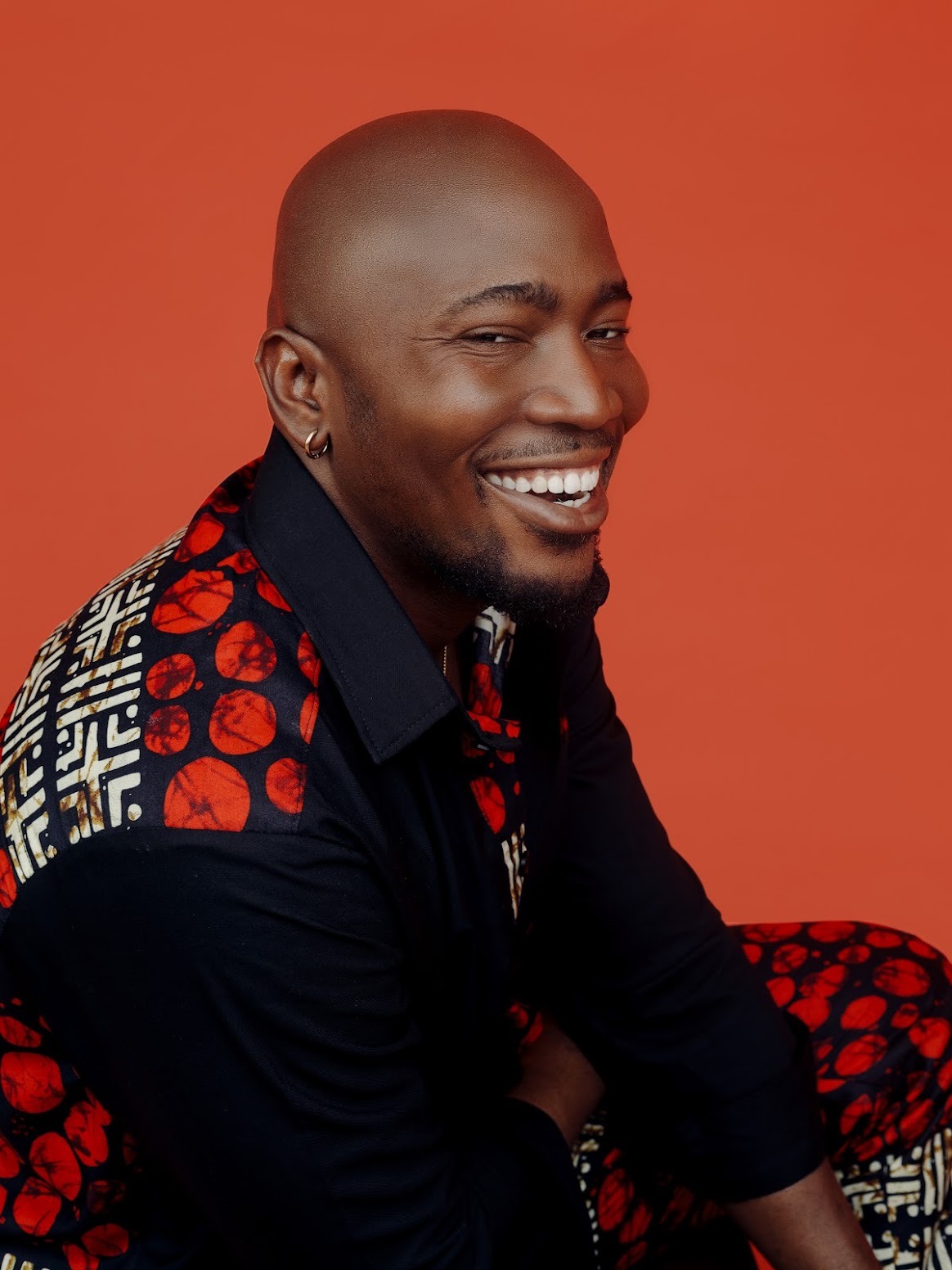
You’ve been quite vocal about the perceived decline of Afrobeats. Some people believe there’s a decline, while others disagree. Where do you stand at this moment?

The industry has always been cyclical. Every five years, we go through what I call a rebirth or molting of sorts.

Three years ago, I looked at the entire space and saw what was going to happen. We were in a period of tremendous growth. Streaming services had grown significantly, and a lot of what we were doing didn’t match our return on investment in the music industry.

We had taken a lot of money using foreign attention as collateral. When that attention began to disappear, there was a sharp cutoff.

That’s when all my alarm bells went off. All the indices and mental models I’ve used to track this industry were telling me something was wrong.

I started speaking about it immediately. Everyone called me a naysayer, the guy who cried wolf, or someone who didn’t appreciate what Afrobeats had become.

Three years down the line, what do we have? People are complaining that the cheques aren’t coming as much anymore. Offices are closing. Teams are being collapsed. This market is being deprioritised.

Major labels are leaving their distributors here. Nigeria is becoming a distributor play.

At the same time, you’re seeing investment in adjacent cultures, including South Africa, but that money is very measured. There are austerity measures everywhere.

We haven’t been able to make a business case for making and selling music in Nigeria. That’s something we all need to come together to address.

The industry is reeling at the business level and the professional level. Creatively, we’re still trying to redefine the next stage of our sound.

We’re seeing new power centres rise. You have the UG guys trying to figure out their identity. You have the rave community and its inclusivity taking over live music spaces while concerts are struggling. You also have women making pop music with a lot of our local elements.

Hopefully, we figure out how to make money from this market.

I think the best thing is collectivism. We need to figure out how to come together and focus on the health of the group, rather than everybody focusing on their own pockets.

Looking at the emerging UG scene, do you think it has the potential to produce major breakouts and establish a sustainable niche, especially considering what happened with the alte movement?

I’ve been studying the UG guys, and I’m trying to avoid the risk of punching down. I’ve been attending their shows, hanging with the protagonists of the space and observing what’s happening.

What I’ve seen is very simple. They’re a reaction.

These are the kids who listened to alte music. These are the kids who wanted to be different and wanted to be special. Think of them as the sons of alte, the progeny of alte.

They don’t necessarily claim alte, but alte claims them. They’re a natural progression.

Do I think they have a chance? Yes, I do.

When I begin to fully speak about UG, I’m going to focus on finding a path to the mainstream. It’s great to have lofty ideals. It’s great to have a specific expression and find a community that engages with it. But the music industry is an unforgiving place.

The mainstream is important. Finding a path to the mainstream would help them avoid alte’s mistakes. Alte didn’t embrace the mainstream. They wanted to grow within a niche market. But things move too fast, and new people can take your ideas and expand on them.

I don’t want that to happen to these guys.

We’re seeing them sample songs and interact with mainstream artists, which is good. But they need to move quickly because it takes just a year or two before everyone starts talking about how they inspired innovation without necessarily benefiting from it.

They’re also coming up at a time when investment in the music industry is difficult to access. They need to win more hearts and connect with more people.

In terms of the music, I see what they’re doing. I understand it. It’s very hypermasculine, very reflective, with hip-hop as their canvas. I like it, and I talk with them.
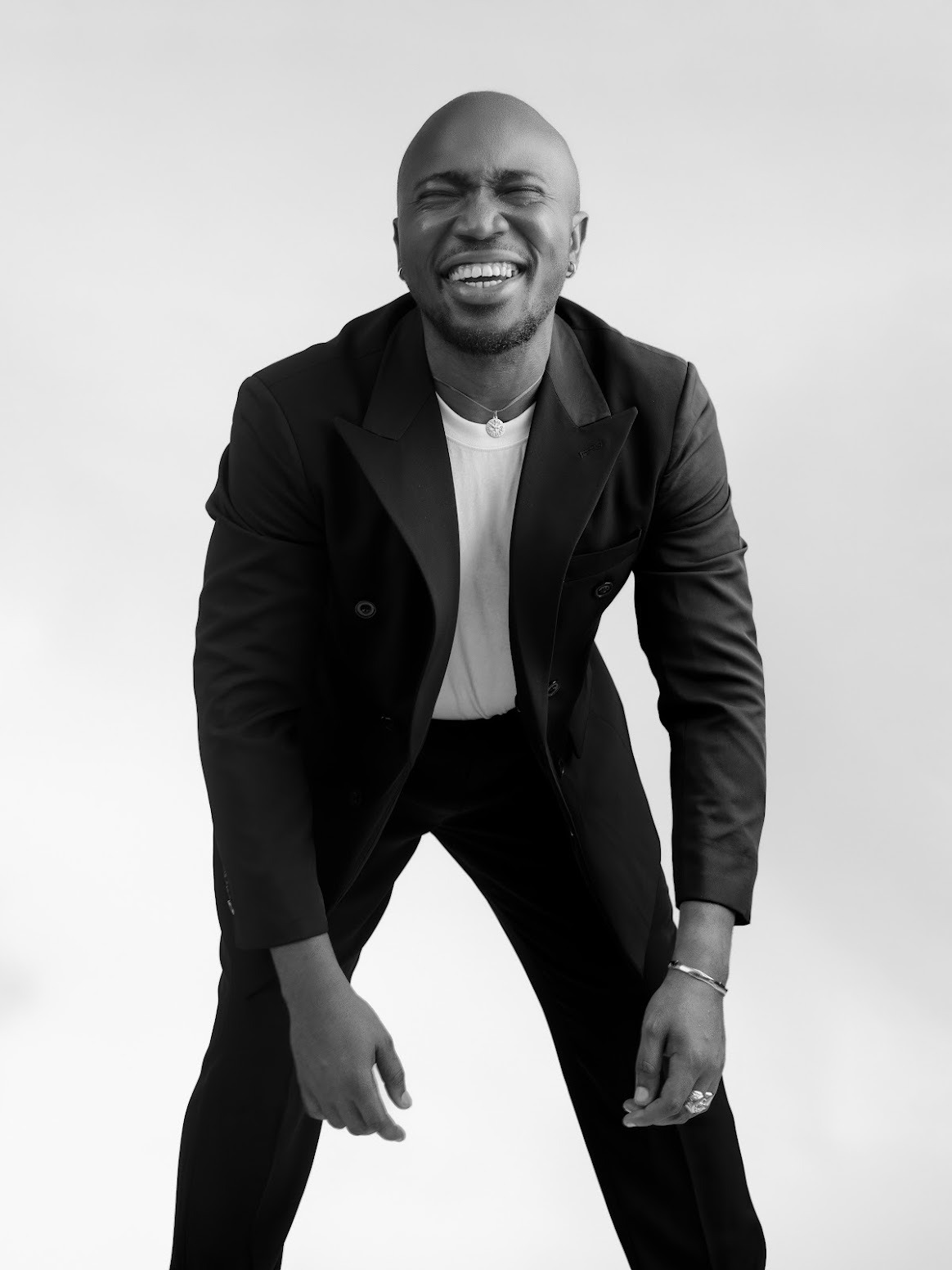
How would you explain the responsibility you carry as someone documenting culture to someone who doesn’t necessarily understand the importance of that work?

I like to call myself a culture broker.

I broker culture, and you can broker culture by selling it. I sell culture through all the platforms I have, the platforms I create, my partnerships and everything I put into the world.

It’s a job I gave myself. It’s a job I chose before my balls dropped.

Now that I’m advanced in it and have achieved a few things, I still think there’s a lot more to be done because culture is always moving.

I’ve made Afrobeats Intelligence and taking Afrobeats to the world my focus for the last several years.

Now that Afrobeats has had its first go around the sun, it’s gearing up for the next one.

My role, as I choose to interpret it, is to help us understand what happened, how we won in the first round, what needs to happen and how we can get another opportunity.

I like the responsibility.

I love that there are more people coming up now because, at some point, I thought we didn’t have music journalists in this market.

I love that I’ve been able to inspire people to come forward.

I also think there’s a responsibility to do more training. I recently did some in Nairobi, and I want to do a lot more.

It won’t just be journalism. It’ll involve all the different ways to broker culture.

Looking ahead, what would you say is your vision for the Joey Akan brand and the experiences you want people to associate with your work?

I’ve always held on to my pride in intellectualism. One of the things that makes my work interesting is that intellectualism is tied to pop culture. Pop culture is the vehicle.

A lot of things have changed, but I’ve always taken a bet on the better parts of us, the ethical parts and the moral parts, and being a voice in that sense.

For next year, I have a lot up my sleeve.

I’m exploring other ways and formats to tell these stories better and in a more expansive way.

For Afrobeats Intelligence, and this is the first time I’m saying this, we’re working on a lot of new formats for next year. I’m excited about that.

Next year is an expansion. I’ve used this year to do the groundwork.

I’m also building a museum, the Museum of Nigerian Music. That’s the biggest project I have on my hands right now.

We’re checking buildings, meeting with bankers and investors, signing up people to support the project, and we’re making significant headway.

Hopefully, within the next year, I can announce the museum officially, with a piece of land or a building from the federal government.

We’re also working towards creating the Nigerian Recording Academy.

Those are the projects I have on my hands. Next year, a lot more things will become clearer, and more official announcements will be made.

Photo Credit: Ramsey Ariguzor
‍

Joey Akan: The Business of Brokering Culture

Authored by
This is some text inside of a div block.

Joey Akan did not become a celebrity podcaster or culture journalist overnight. In fact, his feats are a result of more than a decade’s worth of pure grit, passion and disruptive journalism. Today, his Afrobeats Intelligence brand houses one of Nigeria’s most prominent music podcasts, alongside a live recording experience dubbed Afrobeats Intelligence Live. The brand has become a household name in Nigeria’s media and culture scene.

Born in Nigeria’s Garden City, Port Harcourt, Joey sprung from a rather restive childhood, which involved experiencing temporary homelessness and other hardships, into an ambitious biochemistry undergraduate knocking on the doors of the media as a campus editor. His resilience and consistency eventually earned him his first professional stint with Pulse Nigeria in 2012, an experience that would last several years and see him rise from a music journo to the network’s music editor. Along the way, he’s also worked at institutional spaces, including Universal Music Nigeria, News Central and The Conversation Africa.

If there is one thing that sticks out about Joey is his confidence in his ideas, and it’s part of why his voice remains crucial to contemporary pop culture as both a translator and a critic. As an amplifier, he’s also worked with several superstar artists to help advance their career objectives, especially in branding and positioning.

Catching up with DEEDS, Joey reflects on his journey, the evolution of Afrobeats Intelligence, the current state of the Nigerian music industry and his ambitions to build institutions that preserve the country’s musical heritage.

CHINONSO for DEEDS: Afrobeats Intelligence is now in its fifth season, and so far, it has evolved and platformed several influential figures. How has your ambition for the show shifted since you started?

My ambition for the show has always been the same. Let’s go back to when I started. I didn’t start with the show. I started with the newsletter, and the podcast became an extension of that. The newsletter is now a website.

For me, the ambition has always been to find the best stories in this market, find the best learning opportunities and speak to people who have impacted pop culture and possess a bit of our music history within them.

Everything else that has happened has been to elevate that and increase its reach. As long as I can serve this vision better, do more research and find new ways to impact this space, that’s what matters. Everything fits into that. If it doesn’t, I don’t do it.

What would you say was your most intense interview last season?

Intensity shows up in two ways. There’s intensity in the conversational topic, and there’s intensity in the interview itself, where you realise you don’t have a lot to work with and have to dig deeper.

My interview with Wale was one of the most intense in terms of the conversation. We spoke a lot about building and finding connections. Sarz was also a beautiful interview. We had a conversation about ownership and how his relationship with ownership has improved his art.

But in terms of having to dig deep to make an interview work, my conversation with Shallipopi was intense.

What happened with Shallipopi?

Sometimes, my interview style doesn’t tally with what people are used to. My style of interviewing can be at odds with theirs.

Not to take anything away from Shallipopi, but I think we struggled to translate between each other. Look at me with my grammar, English and interesting words, and then there’s Shallipopi on the other side. A lot of things were on the table, but they were lost in translation.

I knew what it was, and I had to dig deep to make that happen.

As someone I would describe as a cultural archivist, at what point did you decide this was something you wanted to do full-time?

I’ve always wanted to be a writer. I spent many years working, taking assignments and understanding what media means. I wrote for so long, and then at some point, there was podcasting.

Podcasting was never about saying, “Hey, I want to do this full-time.” It was more about building a media project and thinking it could benefit from multimedia as an extension.

For a long time, it wasn’t full-time. I worked in academia while running Afrobeats Intelligence. I worked at News Central, building the entertainment desk and programming for the TV station. I was also writing for The New York Times and The New Yorker. Even while I was at Universal, I was still doing this.

When I knew the podcast was going to take a significant part of my life was when I lost my Substack grant and my job within about two weeks of starting it.

For a lot of people, that would have been a moment to question whether they had made the right decision. But for me, I saw it as a sign that the universe wanted me to crack something bigger than myself.

I think I knew I was fully committed when I ran out of my savings for the first time while making the podcast. The podcast impoverished me.

I had money for rent, but that same money could record a couple of episodes. And I asked myself, “I’ve paid rent before, but have I interviewed Don Jazzy before? Have I had Tekno on a podcast before?”

So I paid for the episodes and dodged my landlord for a bit.

That was when I knew this was for life. I was locked in.

You’ve been quite vocal about the perceived decline of Afrobeats. Some people believe there’s a decline, while others disagree. Where do you stand at this moment?

The industry has always been cyclical. Every five years, we go through what I call a rebirth or molting of sorts.

Three years ago, I looked at the entire space and saw what was going to happen. We were in a period of tremendous growth. Streaming services had grown significantly, and a lot of what we were doing didn’t match our return on investment in the music industry.

We had taken a lot of money using foreign attention as collateral. When that attention began to disappear, there was a sharp cutoff.

That’s when all my alarm bells went off. All the indices and mental models I’ve used to track this industry were telling me something was wrong.

I started speaking about it immediately. Everyone called me a naysayer, the guy who cried wolf, or someone who didn’t appreciate what Afrobeats had become.

Three years down the line, what do we have? People are complaining that the cheques aren’t coming as much anymore. Offices are closing. Teams are being collapsed. This market is being deprioritised.

Major labels are leaving their distributors here. Nigeria is becoming a distributor play.

At the same time, you’re seeing investment in adjacent cultures, including South Africa, but that money is very measured. There are austerity measures everywhere.

We haven’t been able to make a business case for making and selling music in Nigeria. That’s something we all need to come together to address.

The industry is reeling at the business level and the professional level. Creatively, we’re still trying to redefine the next stage of our sound.

We’re seeing new power centres rise. You have the UG guys trying to figure out their identity. You have the rave community and its inclusivity taking over live music spaces while concerts are struggling. You also have women making pop music with a lot of our local elements.

Hopefully, we figure out how to make money from this market.

I think the best thing is collectivism. We need to figure out how to come together and focus on the health of the group, rather than everybody focusing on their own pockets.

Looking at the emerging UG scene, do you think it has the potential to produce major breakouts and establish a sustainable niche, especially considering what happened with the alte movement?

I’ve been studying the UG guys, and I’m trying to avoid the risk of punching down. I’ve been attending their shows, hanging with the protagonists of the space and observing what’s happening.

What I’ve seen is very simple. They’re a reaction.

These are the kids who listened to alte music. These are the kids who wanted to be different and wanted to be special. Think of them as the sons of alte, the progeny of alte.

They don’t necessarily claim alte, but alte claims them. They’re a natural progression.

Do I think they have a chance? Yes, I do.

When I begin to fully speak about UG, I’m going to focus on finding a path to the mainstream. It’s great to have lofty ideals. It’s great to have a specific expression and find a community that engages with it. But the music industry is an unforgiving place.

The mainstream is important. Finding a path to the mainstream would help them avoid alte’s mistakes. Alte didn’t embrace the mainstream. They wanted to grow within a niche market. But things move too fast, and new people can take your ideas and expand on them.

I don’t want that to happen to these guys.

We’re seeing them sample songs and interact with mainstream artists, which is good. But they need to move quickly because it takes just a year or two before everyone starts talking about how they inspired innovation without necessarily benefiting from it.

They’re also coming up at a time when investment in the music industry is difficult to access. They need to win more hearts and connect with more people.

In terms of the music, I see what they’re doing. I understand it. It’s very hypermasculine, very reflective, with hip-hop as their canvas. I like it, and I talk with them.

How would you explain the responsibility you carry as someone documenting culture to someone who doesn’t necessarily understand the importance of that work?

I like to call myself a culture broker.

I broker culture, and you can broker culture by selling it. I sell culture through all the platforms I have, the platforms I create, my partnerships and everything I put into the world.

It’s a job I gave myself. It’s a job I chose before my balls dropped.

Now that I’m advanced in it and have achieved a few things, I still think there’s a lot more to be done because culture is always moving.

I’ve made Afrobeats Intelligence and taking Afrobeats to the world my focus for the last several years.

Now that Afrobeats has had its first go around the sun, it’s gearing up for the next one.

My role, as I choose to interpret it, is to help us understand what happened, how we won in the first round, what needs to happen and how we can get another opportunity.

I like the responsibility.

I love that there are more people coming up now because, at some point, I thought we didn’t have music journalists in this market.

I love that I’ve been able to inspire people to come forward.

I also think there’s a responsibility to do more training. I recently did some in Nairobi, and I want to do a lot more.

It won’t just be journalism. It’ll involve all the different ways to broker culture.

Looking ahead, what would you say is your vision for the Joey Akan brand and the experiences you want people to associate with your work?

I’ve always held on to my pride in intellectualism. One of the things that makes my work interesting is that intellectualism is tied to pop culture. Pop culture is the vehicle.

A lot of things have changed, but I’ve always taken a bet on the better parts of us, the ethical parts and the moral parts, and being a voice in that sense.

For next year, I have a lot up my sleeve.

I’m exploring other ways and formats to tell these stories better and in a more expansive way.

For Afrobeats Intelligence, and this is the first time I’m saying this, we’re working on a lot of new formats for next year. I’m excited about that.

Next year is an expansion. I’ve used this year to do the groundwork.

I’m also building a museum, the Museum of Nigerian Music. That’s the biggest project I have on my hands right now.

We’re checking buildings, meeting with bankers and investors, signing up people to support the project, and we’re making significant headway.

Hopefully, within the next year, I can announce the museum officially, with a piece of land or a building from the federal government.

We’re also working towards creating the Nigerian Recording Academy.

Those are the projects I have on my hands. Next year, a lot more things will become clearer, and more official announcements will be made.

Photo Credit: Ramsey Ariguzor
‍

This is some text inside of a div block.

Joey Akan: The Business of Brokering Culture

Authored by

Joey Akan did not become a celebrity podcaster or culture journalist overnight. In fact, his feats are a result of more than a decade’s worth of pure grit, passion and disruptive journalism. Today, his Afrobeats Intelligence brand houses one of Nigeria’s most prominent music podcasts, alongside a live recording experience dubbed Afrobeats Intelligence Live. The brand has become a household name in Nigeria’s media and culture scene.

Born in Nigeria’s Garden City, Port Harcourt, Joey sprung from a rather restive childhood, which involved experiencing temporary homelessness and other hardships, into an ambitious biochemistry undergraduate knocking on the doors of the media as a campus editor. His resilience and consistency eventually earned him his first professional stint with Pulse Nigeria in 2012, an experience that would last several years and see him rise from a music journo to the network’s music editor. Along the way, he’s also worked at institutional spaces, including Universal Music Nigeria, News Central and The Conversation Africa.

If there is one thing that sticks out about Joey is his confidence in his ideas, and it’s part of why his voice remains crucial to contemporary pop culture as both a translator and a critic. As an amplifier, he’s also worked with several superstar artists to help advance their career objectives, especially in branding and positioning.

Catching up with DEEDS, Joey reflects on his journey, the evolution of Afrobeats Intelligence, the current state of the Nigerian music industry and his ambitions to build institutions that preserve the country’s musical heritage.

CHINONSO for DEEDS: Afrobeats Intelligence is now in its fifth season, and so far, it has evolved and platformed several influential figures. How has your ambition for the show shifted since you started?

My ambition for the show has always been the same. Let’s go back to when I started. I didn’t start with the show. I started with the newsletter, and the podcast became an extension of that. The newsletter is now a website.

For me, the ambition has always been to find the best stories in this market, find the best learning opportunities and speak to people who have impacted pop culture and possess a bit of our music history within them.

Everything else that has happened has been to elevate that and increase its reach. As long as I can serve this vision better, do more research and find new ways to impact this space, that’s what matters. Everything fits into that. If it doesn’t, I don’t do it.

What would you say was your most intense interview last season?

Intensity shows up in two ways. There’s intensity in the conversational topic, and there’s intensity in the interview itself, where you realise you don’t have a lot to work with and have to dig deeper.

My interview with Wale was one of the most intense in terms of the conversation. We spoke a lot about building and finding connections. Sarz was also a beautiful interview. We had a conversation about ownership and how his relationship with ownership has improved his art.

But in terms of having to dig deep to make an interview work, my conversation with Shallipopi was intense.

What happened with Shallipopi?

Sometimes, my interview style doesn’t tally with what people are used to. My style of interviewing can be at odds with theirs.

Not to take anything away from Shallipopi, but I think we struggled to translate between each other. Look at me with my grammar, English and interesting words, and then there’s Shallipopi on the other side. A lot of things were on the table, but they were lost in translation.

I knew what it was, and I had to dig deep to make that happen.

As someone I would describe as a cultural archivist, at what point did you decide this was something you wanted to do full-time?

I’ve always wanted to be a writer. I spent many years working, taking assignments and understanding what media means. I wrote for so long, and then at some point, there was podcasting.

Podcasting was never about saying, “Hey, I want to do this full-time.” It was more about building a media project and thinking it could benefit from multimedia as an extension.

For a long time, it wasn’t full-time. I worked in academia while running Afrobeats Intelligence. I worked at News Central, building the entertainment desk and programming for the TV station. I was also writing for The New York Times and The New Yorker. Even while I was at Universal, I was still doing this.

When I knew the podcast was going to take a significant part of my life was when I lost my Substack grant and my job within about two weeks of starting it.

For a lot of people, that would have been a moment to question whether they had made the right decision. But for me, I saw it as a sign that the universe wanted me to crack something bigger than myself.

I think I knew I was fully committed when I ran out of my savings for the first time while making the podcast. The podcast impoverished me.

I had money for rent, but that same money could record a couple of episodes. And I asked myself, “I’ve paid rent before, but have I interviewed Don Jazzy before? Have I had Tekno on a podcast before?”

So I paid for the episodes and dodged my landlord for a bit.

That was when I knew this was for life. I was locked in.

You’ve been quite vocal about the perceived decline of Afrobeats. Some people believe there’s a decline, while others disagree. Where do you stand at this moment?

The industry has always been cyclical. Every five years, we go through what I call a rebirth or molting of sorts.

Three years ago, I looked at the entire space and saw what was going to happen. We were in a period of tremendous growth. Streaming services had grown significantly, and a lot of what we were doing didn’t match our return on investment in the music industry.

We had taken a lot of money using foreign attention as collateral. When that attention began to disappear, there was a sharp cutoff.

That’s when all my alarm bells went off. All the indices and mental models I’ve used to track this industry were telling me something was wrong.

I started speaking about it immediately. Everyone called me a naysayer, the guy who cried wolf, or someone who didn’t appreciate what Afrobeats had become.

Three years down the line, what do we have? People are complaining that the cheques aren’t coming as much anymore. Offices are closing. Teams are being collapsed. This market is being deprioritised.

Major labels are leaving their distributors here. Nigeria is becoming a distributor play.

At the same time, you’re seeing investment in adjacent cultures, including South Africa, but that money is very measured. There are austerity measures everywhere.

We haven’t been able to make a business case for making and selling music in Nigeria. That’s something we all need to come together to address.

The industry is reeling at the business level and the professional level. Creatively, we’re still trying to redefine the next stage of our sound.

We’re seeing new power centres rise. You have the UG guys trying to figure out their identity. You have the rave community and its inclusivity taking over live music spaces while concerts are struggling. You also have women making pop music with a lot of our local elements.

Hopefully, we figure out how to make money from this market.

I think the best thing is collectivism. We need to figure out how to come together and focus on the health of the group, rather than everybody focusing on their own pockets.

Looking at the emerging UG scene, do you think it has the potential to produce major breakouts and establish a sustainable niche, especially considering what happened with the alte movement?

I’ve been studying the UG guys, and I’m trying to avoid the risk of punching down. I’ve been attending their shows, hanging with the protagonists of the space and observing what’s happening.

What I’ve seen is very simple. They’re a reaction.

These are the kids who listened to alte music. These are the kids who wanted to be different and wanted to be special. Think of them as the sons of alte, the progeny of alte.

They don’t necessarily claim alte, but alte claims them. They’re a natural progression.

Do I think they have a chance? Yes, I do.

When I begin to fully speak about UG, I’m going to focus on finding a path to the mainstream. It’s great to have lofty ideals. It’s great to have a specific expression and find a community that engages with it. But the music industry is an unforgiving place.

The mainstream is important. Finding a path to the mainstream would help them avoid alte’s mistakes. Alte didn’t embrace the mainstream. They wanted to grow within a niche market. But things move too fast, and new people can take your ideas and expand on them.

I don’t want that to happen to these guys.

We’re seeing them sample songs and interact with mainstream artists, which is good. But they need to move quickly because it takes just a year or two before everyone starts talking about how they inspired innovation without necessarily benefiting from it.

They’re also coming up at a time when investment in the music industry is difficult to access. They need to win more hearts and connect with more people.

In terms of the music, I see what they’re doing. I understand it. It’s very hypermasculine, very reflective, with hip-hop as their canvas. I like it, and I talk with them.

How would you explain the responsibility you carry as someone documenting culture to someone who doesn’t necessarily understand the importance of that work?

I like to call myself a culture broker.

I broker culture, and you can broker culture by selling it. I sell culture through all the platforms I have, the platforms I create, my partnerships and everything I put into the world.

It’s a job I gave myself. It’s a job I chose before my balls dropped.

Now that I’m advanced in it and have achieved a few things, I still think there’s a lot more to be done because culture is always moving.

I’ve made Afrobeats Intelligence and taking Afrobeats to the world my focus for the last several years.

Now that Afrobeats has had its first go around the sun, it’s gearing up for the next one.

My role, as I choose to interpret it, is to help us understand what happened, how we won in the first round, what needs to happen and how we can get another opportunity.

I like the responsibility.

I love that there are more people coming up now because, at some point, I thought we didn’t have music journalists in this market.

I love that I’ve been able to inspire people to come forward.

I also think there’s a responsibility to do more training. I recently did some in Nairobi, and I want to do a lot more.

It won’t just be journalism. It’ll involve all the different ways to broker culture.

Looking ahead, what would you say is your vision for the Joey Akan brand and the experiences you want people to associate with your work?

I’ve always held on to my pride in intellectualism. One of the things that makes my work interesting is that intellectualism is tied to pop culture. Pop culture is the vehicle.

A lot of things have changed, but I’ve always taken a bet on the better parts of us, the ethical parts and the moral parts, and being a voice in that sense.

For next year, I have a lot up my sleeve.

I’m exploring other ways and formats to tell these stories better and in a more expansive way.

For Afrobeats Intelligence, and this is the first time I’m saying this, we’re working on a lot of new formats for next year. I’m excited about that.

Next year is an expansion. I’ve used this year to do the groundwork.

I’m also building a museum, the Museum of Nigerian Music. That’s the biggest project I have on my hands right now.

We’re checking buildings, meeting with bankers and investors, signing up people to support the project, and we’re making significant headway.

Hopefully, within the next year, I can announce the museum officially, with a piece of land or a building from the federal government.

We’re also working towards creating the Nigerian Recording Academy.

Those are the projects I have on my hands. Next year, a lot more things will become clearer, and more official announcements will be made.

Photo Credit: Ramsey Ariguzor
‍

Other Stories
London
London
Lagos
London
Newyork
London
Shop
Join the community.
You are now subscribed to receive updates.
Oops! Something went wrong while submitting the form.
Subscribe