.svg)

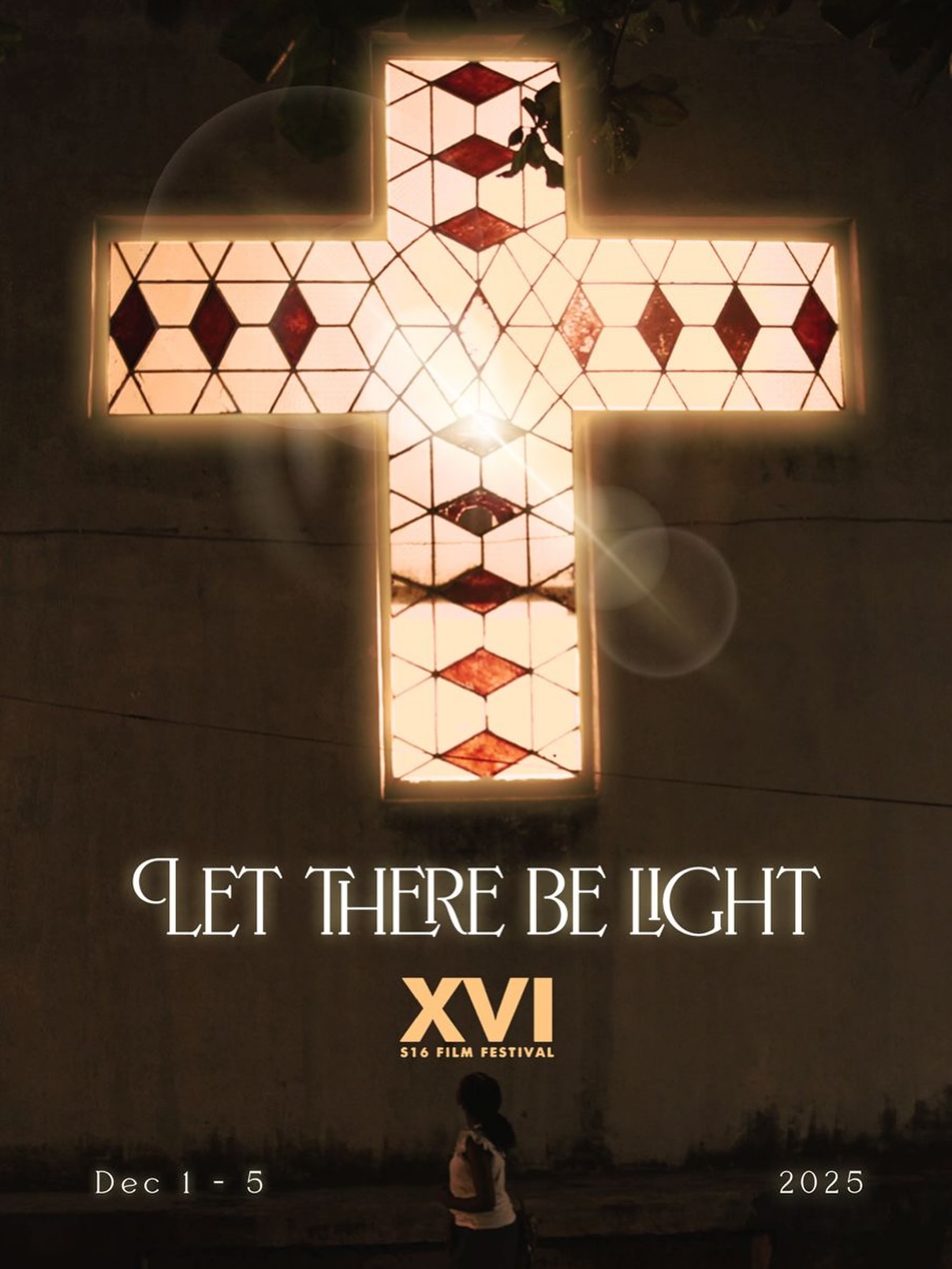
The S16 Film Festival opened in Lagos on December 1 and ran through December 5 with screenings across Alliance Française Lagos, Filmhouse Landmark, and the Nigerian Film Corporation. The festival, organized by the Surreal16 collective, focuses on independent and experimental work. It curates in a way that favours film-based craft and analogue aesthetics. This year, the programme included new feature presentations, a strong selection of short films, and a set of practical industry sessions designed to help filmmakers find distribution and attend festivals.
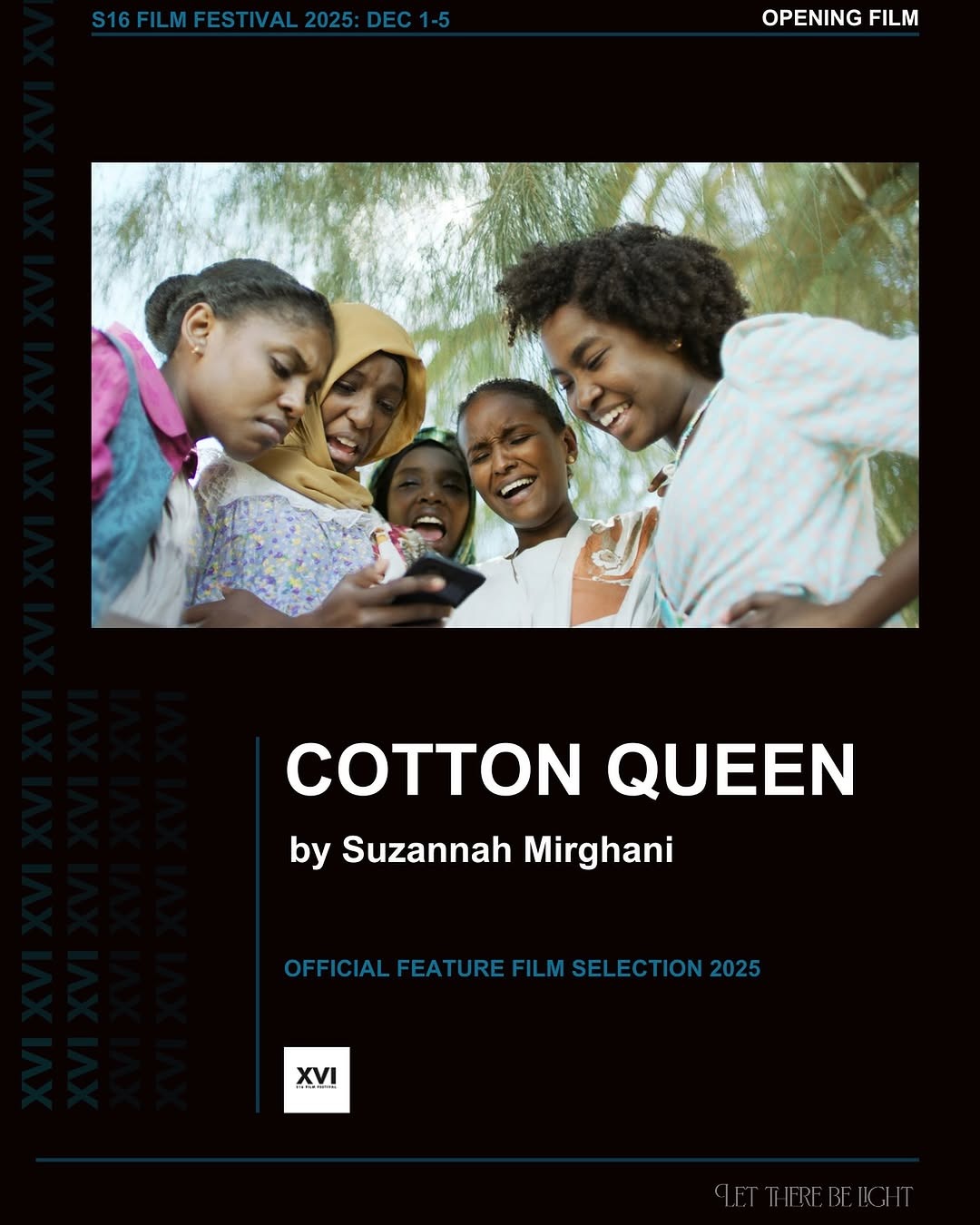
S16 opened with Cotton Queen by Suzannah Mirgani and closed with Memory of Princess Mumbi by Damien Hauser. In between, the festival brought together filmmakers, critics, students, and film lovers who came to see what new voices are shaping African cinema at the moment. One of the major high points was the special presentation of My Father's Shadow, directed by Akinola Davies Jr., which returned to Nigeria after its successful international run and its selection as the United Kingdom's official submission to the Academy Awards. The festival also presented the Nigerian premieres of Minimals in a Titanic World by Mbabazi Sharangabo Philbert Aime and Fantastique by Marjolijn Prins as part of a Dutch collaboration.
S16 is known for its short films, and the 2025 edition reinforced that reputation. The shorts in competition included Obi is a Boy by Dika Ofoma, Wrong Way by Nana Kofi Asihene, Journeys of Singleness by Barnabas Ayo-Ilekhaize, Mother by Olamide Adio and Victor Daniel, Back to the Theatre Vox by Amina Awa Niang, Song of Solomon by Enobong Albert, and Ode! There is No Bus Stop on This Trip by Donald Tombia. Others in the competition lineup were About Sarah by Daniel “S.A.D” Alaka, Morning Morning by Gozirimuu Obinna, Keys by Mooreoluwa Natasha Wright, My Jebba Story by Kagho Idhebor, Traces of the Sun by Rete Poki, Second Wind by Celestina Aleobua and Sochima Nwakaeze, 70 × 7 by Chiemeka Osuagwu, and The Passage by Ntokozo Mlaba. Beyond the competition slate, the festival screened a wide range of shorts in its general programme. Titles included Déjà Nu, Siraam, Dog Shit Food, Rivers of Days, There’d Be Days Like These, Un Deux Trois, and Mango. These films brought a range of tones and textures to the festival. Some were poetic and personal, while some were bold and strange. But all of them fit the festival’s style of pushing filmmakers to explore new forms of expression.
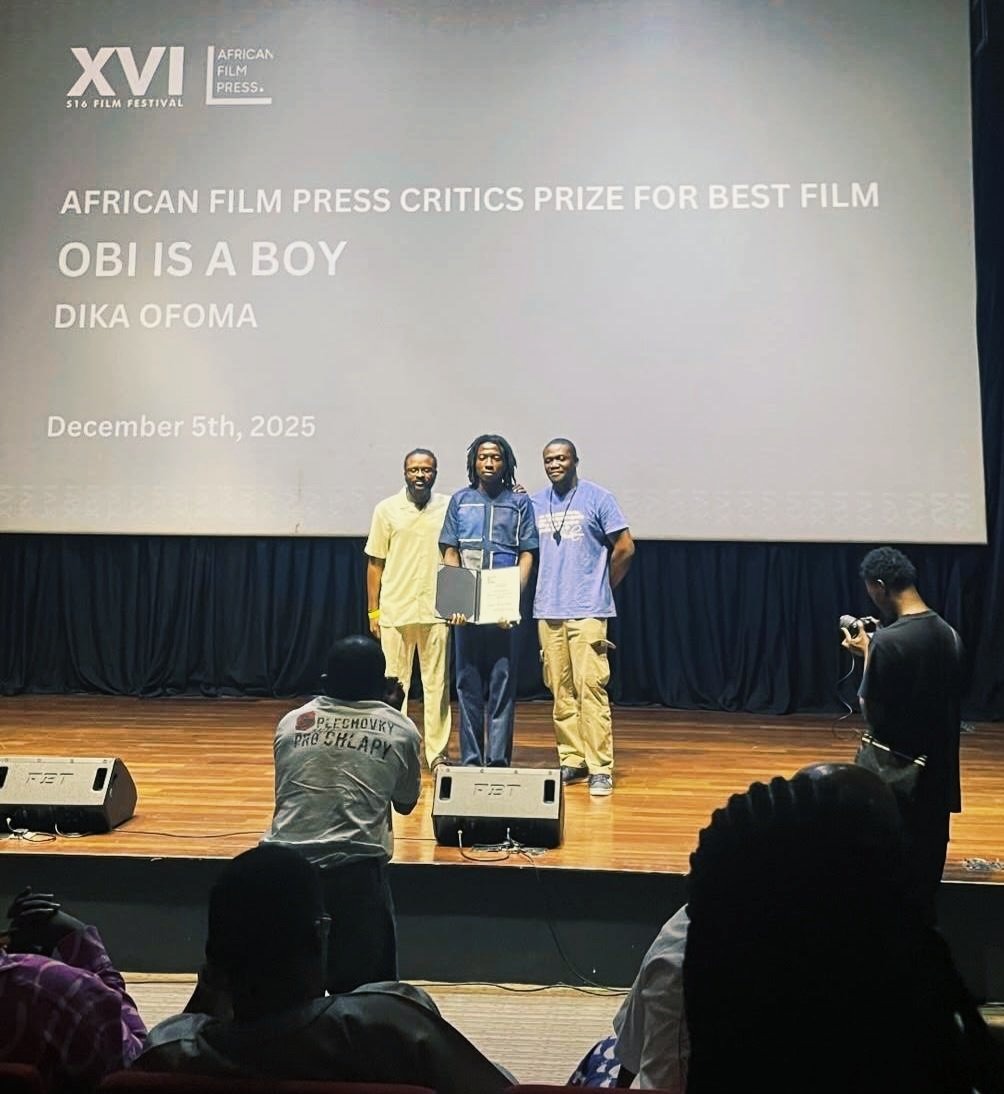
A major addition to this year’s festival was the first-ever AFP Critics Prize. The African Film Press (AFP) selected S16 as the host for its inaugural award, a decision that signalled the growing importance of criticism within the African film ecosystem. The jury was formed by AFP founders Tambay Obenson of Akoroko, Jennifer Ochieng of Sinema Focus, and Ikeade Oriade of What Kept Me Up. The prize came with a cash award, a trophy, and a certificate. It was created to encourage serious film criticism on the continent and to give critics a stronger voice within African festivals. The AFP initiative has backing from development partners and seeks to expand the pool of critics engaged across Africa.
S16 also offered a set of industry sessions. The festival hosted a Road to Cannes panel featuring Funmbi Ogunbanwo and Wale Davies. The conversation focused on how African filmmakers can prepare their projects for major international festivals. S16 also organised a workshop on shorts distribution at the Nigerian Film Corporation. Gbenga Adeoti was listed publicly as a presenter for the session, which aimed to guide new filmmakers towards effective festival strategy, distribution paths, and long-term career development. S16’s curation stresses craft, experimentation, and film heritage. The festival has rules and a manifesto that encourage local languages, discourage formulaic romantic comedies,s and welcome genre and surreal elements. S16 positions itself deliberately as an alternative to mainstream Nollywood. This posture provides independent filmmakers with a platform to showcase their risk-taking work and connect with peers and critics who value craft. The addition of the AFP Critics Prize gives S16 a stronger critical arm and confirms the festival’s role as a space for serious debate.
AFRIFF and S16 sit within the same growing ecosystem. Both festivals speak to where African cinema is heading. Both attract audiences that care about film as an art form and film as a cultural phenomenon. In the end, S16 felt like a reminder that African cinema grows stronger when its storytellers stop waiting for permission and simply make the work that feels true. The festival showcased films that were small and intimate, as well as others that were ambitious and wide in scope, yet all of them carried the same quiet insistence that our stories matter. The theme asked for illumination, and the festival delivered it in the simplest way possible, by letting the work speak for itself.


.png)

