Mayra Andrade: The Sound of an Island the World Can No Longer Ignore

Authored by

Home has always been central to Mayra Andrade's music. Not simply as a place, but as a language, a rhythm and a memory that follows her wherever she goes. Across nearly two decades, the Cape Verdean singer-songwriter has built one of contemporary music's most distinctive catalogues, weaving together Morna, Batuque, Jazz, Afro-pop and Brazilian influences into songs that feel both deeply personal and universally familiar.

As Cape Verde experiences a defining cultural moment on the world stage, Andrade finds herself reflecting on the ideas that have shaped her work from the very beginning: identity, belonging, creativity and the quiet responsibility of representing a nation that has long introduced itself through its artists.

In conversation with Mayra, she speaks about vulnerability, motherhood, language, fashion and why, for her, home has always been something carried in song.

‍

Your music has always felt deeply intimate without becoming confessional. How have you learned to balance vulnerability with privacy in your songwriting?

It took me years to stop writing directly about my own stories. Over time, I realised that when I speak about deeply personal experiences, I want people to be able to project their own lives onto the music. In a way, my songs became a little coded.

It's really been a journey of embracing vulnerability. Instead of hiding behind complicated metaphors, I've learned to simply call things what they are—to call an egg an egg and a giraffe a giraffe. I don't want the writing to become so poetic that people lose sight of what I'm trying to say.

That comes with maturity. It comes with accepting who you are, accepting everything life brings you, and being willing to stand in front of the world with that honesty. I'm still discovering where I want to reveal that vulnerability and where I prefer to keep it for myself.

‍

Cape Verde has captured the world's attention through its remarkable World Cup journey. As someone who has spent decades representing the country through music, what has this moment felt like?

For us, it goes far beyond football.

When we watch our team walk onto the pitch, we don't just see athletes, we see resilience. We see sacrifice. We see generations of people who built something extraordinary without the support or infrastructure that many larger nations take for granted.

That fills me with immense pride.

I'm part of a generation that constantly had to explain where Cape Verde was. I remember people asking me to point to it on a map, and sometimes it wasn't even there. Music helped change that over the years, especially through artists like Cesária Évora, who introduced Cape Verde to so much of the world.

But nothing compares to the visibility the World Cup brings.

This moment allows the world to finally see that we exist—to see our history, our culture, our resilience and our unity.

Cape Verde is an archipelago, yet we've always found remarkable ways to remain connected. We often say that our diaspora is our eleventh island. Cape Verdeans living abroad aren't separated from us—they're part of us. We nourish one another. They carry the islands with them, and the islands continue to carry them.

That's why this moment means so much. It's a pride that's difficult to put into words, and I'm incredibly grateful to be living through it.

"The diaspora is our eleventh island. They are not separate from us, they are part of us."
‍

You recently described the team's success as a reflection of "the greatness of Cape Verde." What does greatness mean to you beyond sport?

For me, greatness has never been measured by awards or numbers.

It's measured by the impact you have on people's lives.

This World Cup is already changing lives. It's changing representation. It's influencing the economy. It's expanding what's possible for young people growing up in Cape Verde and showing them they can dream bigger than they ever imagined.

That's what greatness is.

It's staying true to your values while creating something that genuinely moves people—not only through what you achieve, but through the hope you leave behind.

‍

Music has always been one of Cape Verde's greatest cultural exports. Do you feel this World Cup is allowing the rest of the world to discover another side of Cape Verde?

Absolutely.

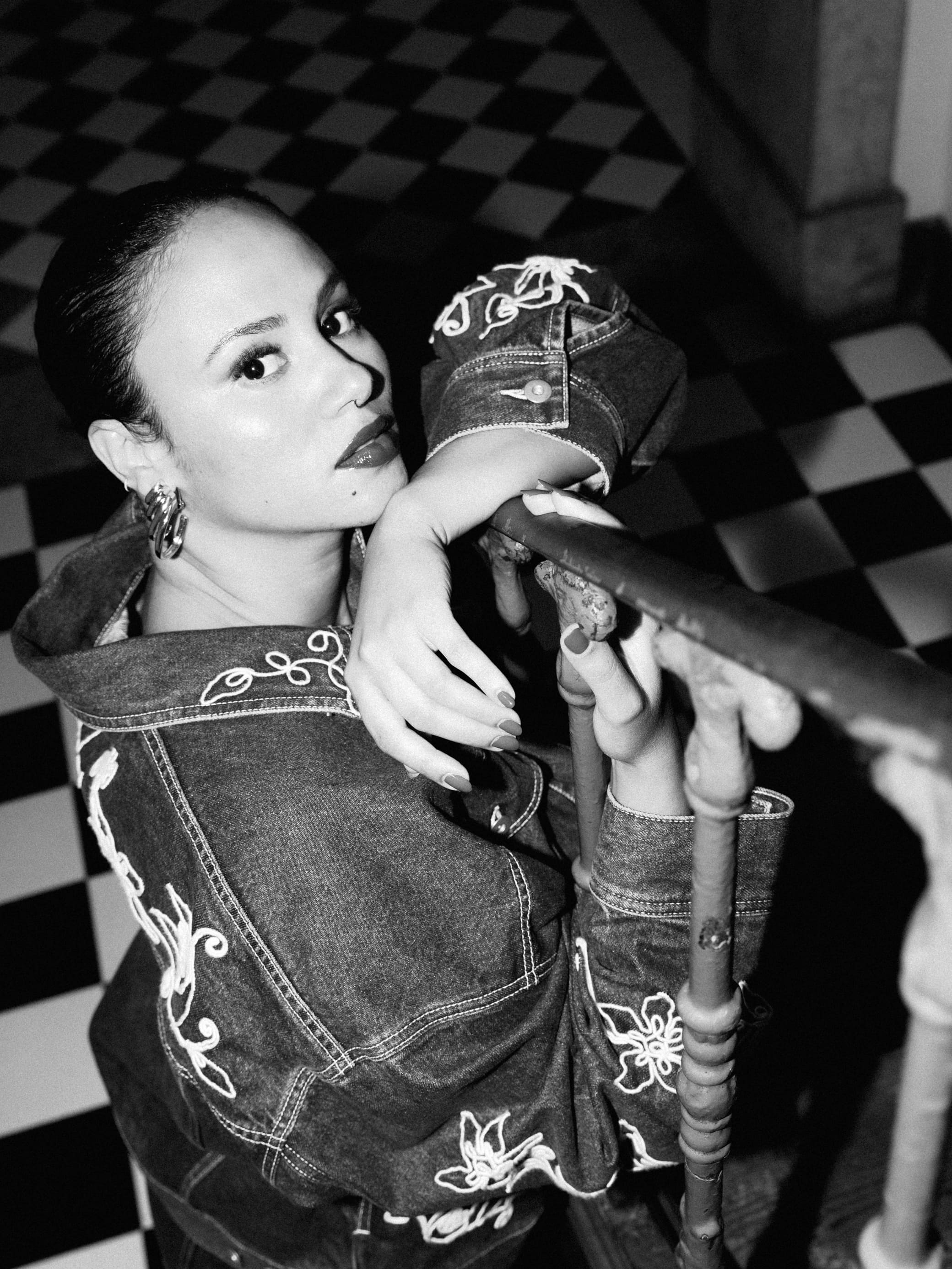
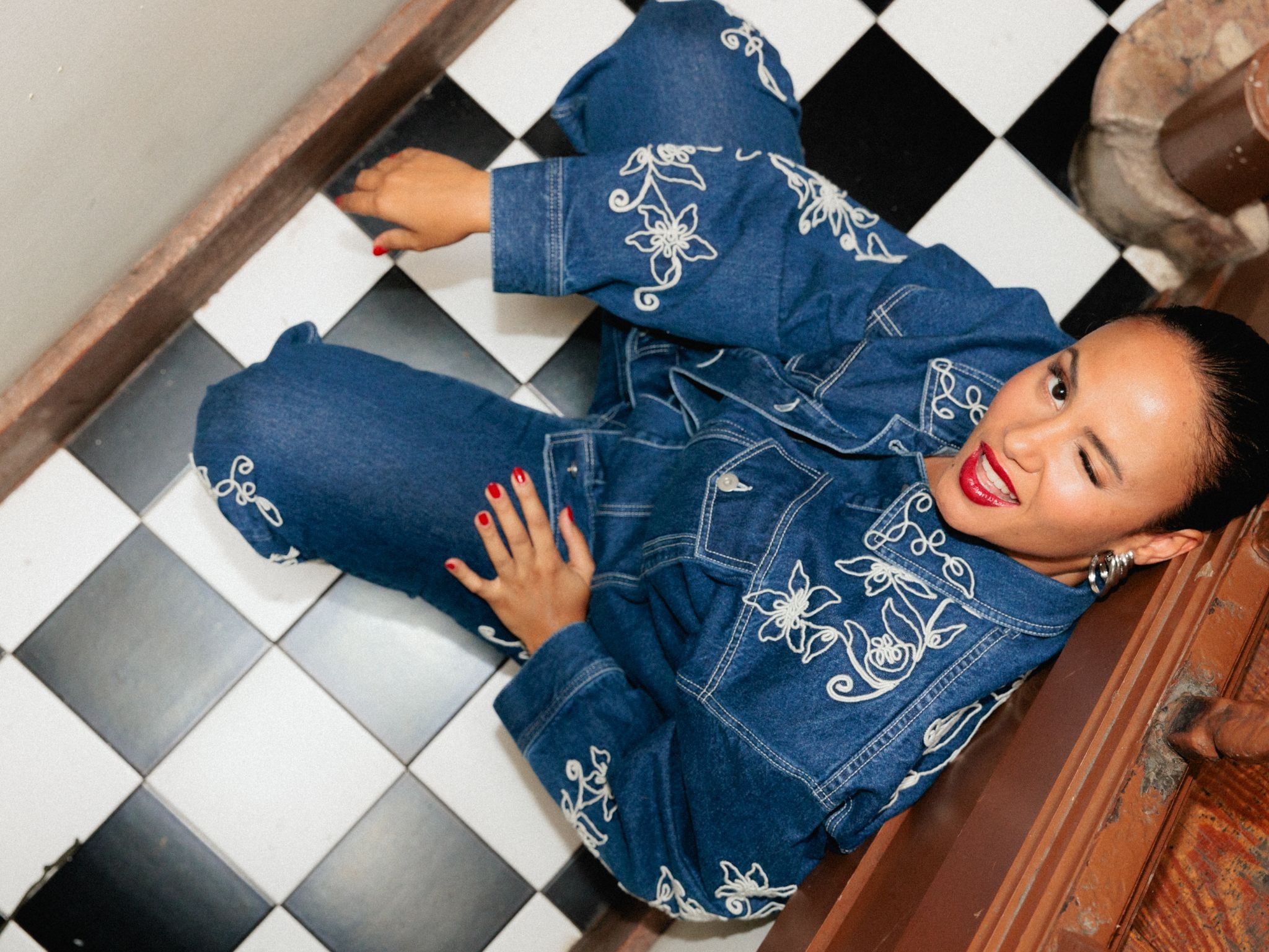
Our weaving traditions and embroidery are incredibly beautiful and deserve much more global recognition. Many of those techniques have roots that connect us to West Africa, particularly Guinea-Bissau, and they're part of a rich cultural heritage that's slowly becoming rarer.

One designer doing remarkable work in preserving that tradition is Angela Brito. She has lived in Brazil for more than two decades and became the first Black female designer to earn a place on the SĂŁo Paulo Fashion Week calendar.

Every year she returns to Cape Verde to draw inspiration from its people, landscapes and traditions, incorporating local craftsmanship into her collections in a way that feels contemporary while remaining deeply respectful of its origins.

She's helping tell another side of Cape Verde's story—one that's rooted in craftsmanship, artistry and cultural memory.

‍

Cape Verde has always existed between continents—African by geography, yet deeply connected to Europe, Latin America and a global diaspora. How has that in-between identity shaped you creatively?

I've lived in several countries since I was six years old. I've experienced Cape Verde as a child, as a teenager and now as an adult looking back on those experiences from different places in the world.

Being able to understand Cape Verde both from within and from afar has shaped everything I create.

It has deepened my appreciation for my own culture while making me open to others. I've always been curious about different sounds, different traditions and different ways of seeing the world.

I've always believed music is a gift from God, and I've known for a long time that I wasn't here simply to repeat what already existed in Cape Verdean music. My journey has been about discovering what my own voice can contribute to that tradition.

Every album, every performance and every stage of my personal growth changes how I understand creativity. It's rooted in where I come from, but it's also a deeply personal journey.
‍

Are there sounds from your childhood that continue to find their way into your music?

Without question.

The rhythm of our Creole language is probably the strongest influence on my music. The way we express emotion, history and identity through Creole has its own musicality. It's a beautiful language, and that naturally shapes how I write and sing.

Then there are traditional instruments like the ferrinho, which is central to funaná. One of the things I'm most proud of is introducing that sound into contexts beyond traditional funaná groups and blending it with other musical worlds.

I also love working with the txabeta, the percussion used in batuque, where women sit together in circles creating rich, polyrhythmic rhythms. That sound has stayed with me since childhood.

The Cape Verdean cavaquinho is another instrument that's deeply connected to my identity. Even if I hear only the guitar for a few seconds, I can recognise whether it's Cape Verdean, Brazilian or Cuban. Our musicians have a very distinct musical fingerprint.

I always try to carry that identity into my music, no matter how experimental the production becomes.

At the same time, I never want my roots to become a limitation. They should be a foundation, not a boundary.

Like so many Cape Verdeans, I feel a responsibility to represent where I come from because, for so long, the world didn't know we existed.

I remember being asked to point to Cape Verde on classroom maps as a child, only to discover it wasn't even printed. Experiences like that stay with you. They shape how you move through the world, and they remind you why representation matters.

"My roots are my foundation, but they should never become my limits."

‍

You've always chosen to sing in Creole. Is preserving the language also a way of preserving Cape Verdean identity?

Absolutely.

Our language is one of the strongest expressions of who we are.

It's also what keeps Cape Verde connected across the world.

Cape Verdeans in the United States might speak English and Creole. Those in Portugal speak Portuguese and Creole. In France, it's French and Creole. In the Netherlands, it's Dutch and Creole.

Creole is the thread that connects us all.

No matter where we live, it reminds us that we're part of the same story.

That's why preserving the language isn't just about communication. It's about preserving identity, memory and belonging.

‍

Over the years, your visual language has become just as distinctive as your music. How intentional has fashion been in shaping your identity as an artist?

It's been a very conscious evolution.

Everything really shifted around the release of Manga. I wanted the visual world to reflect the music and, more importantly, the person I had become.

I've never been interested in following trends simply because they're fashionable. What attracts me is style, elegance and comfort. I want to feel feminine, powerful and completely at ease in what I'm wearing.

Where I come from, fashion wasn't traditionally part of conversations around music. But over the years I've come to appreciate how much clothing can communicate before you even sing a note.

I enjoy discovering pieces that tell stories, celebrate craftsmanship and carry a sense of history. Fashion has become another language for expressing emotion. It amplifies the mood of the music, but it also reveals another layer of who I am.

‍

Is there an aspect of Cape Verdean craftsmanship that you believe deserves greater international recognition?

Absolutely.

Our weaving traditions and embroidery are incredibly beautiful and deserve much more global recognition. Many of those techniques have roots that connect us to West Africa, particularly Guinea-Bissau, and they're part of a rich cultural heritage that's slowly becoming rarer.

One designer doing remarkable work in preserving that tradition is Angela Brito. She has lived in Brazil for more than two decades and became the first Black female designer to earn a place on the SĂŁo Paulo Fashion Week calendar.

Every year she returns to Cape Verde to draw inspiration from its people, landscapes and traditions, incorporating local craftsmanship into her collections in a way that feels contemporary while remaining deeply respectful of its origins.

She's helping tell another side of Cape Verde's story—one that's rooted in craftsmanship, artistry and cultural memory.

‍

Looking back, what do you hope people understand about Mayra Andrade today that they may have misunderstood ten years ago?

I've always been a very private person.

I grew up in the public eye, so learning how to protect parts of myself became necessary. I was fortunate to begin my career before social media completely transformed the relationship between artists and audiences. There was more space to discover yourself without constantly performing your life online.

At the same time, social media has created incredible opportunities to connect directly with people who listen to your music.

One thing that always makes me smile is how surprised people are when they meet me.

They often tell me, "You're much funnier than I expected."

Because I protect my personal life, I think some people imagine I'm distant or reserved. But in reality I'm warm, I love people and I genuinely enjoy connecting with others.

The things that matter most, though, have always come across in my music.

Freedom has always been essential to me. Integrity has always been non-negotiable.

When I look back at my catalogue, what makes me proud isn't success or recognition—it's knowing every song was honest.

I love the fact that music allows complete strangers to feel closer to one another. It's one of the greatest gifts I've ever received, and I never take that for granted.

Whatever people misunderstood about me ten years ago, there's still time for them to understand it. I'm still growing. I'm still changing.

That's part of being human.

"Freedom has always mattered more to me than perfection. Integrity has always mattered more than success."
‍

ReEncanto feels less like a live album and more like a conversation between the artist you were twenty years ago and the woman you've become today. What surprised you most about revisiting those songs?

ReEncanto arrived at one of the most transformative periods of my life.

I conceived the project while I was pregnant, and by the time we recorded it my daughter was just five months old. I was exclusively breastfeeding while touring around the world, so it was both physically demanding and spiritually profound. That project reconnected me with something much deeper inside myself. I realised the songs had grown alongside me.

Motherhood changed my voice, not just physically, but emotionally. Songs I'd written twenty years earlier suddenly carried new meaning because I was singing them through completely different life experiences.That made me incredibly proud.

I've always believed that recording an album is only the beginning. You spend months, sometimes years, performing those songs before you truly understand them. By the end of a tour, the music has evolved. Your relationship with it has changed.

ReEncanto gave me the opportunity to tell those stories again with a new voice. That's really what the title means to me.

A re-enchantment.

A rediscovery.

Not only of the songs, but of myself. It's rediscovering my own voice and rediscovering my own songs and, and feed from them, which was really a beautiful, beautiful experience to do

Your music has always moved effortlessly between Morna, Batuque, Afro-pop, Brazilian influences, Jazz and electronic textures. Do genres still matter to you, or have they simply become different languages for telling stories?

I've always thought of genres as languages.

Just as you can move between different spoken languages in a conversation, music allows you to move between different sonic worlds without losing your identity.

Genres help people organise music, but they don't define how I create.

That said, I still feel a responsibility to honour the traditions of Cape Verdean music. Sometimes I'll consciously say, "This is a funaná," or, "This is a batuque," because our musical heritage is still being discovered by much of the world.

We're still writing new chapters for these genres.

I've never been overly interested in analysing exactly where every influence comes from. I absorb what moves me, it becomes part of me, and something personal comes out the other side.

That's the creative process.

‍

You're entering a new chapter of your career. What can we expect from what's next?

I'm entering this new chapter with much less fear.

Motherhood has changed me. It teaches you how powerful you really are. It also teaches you to trust yourself.

Maturity brings a different kind of freedom. You realise you don't have to explain yourself all the time. You don't have to please everyone. You simply have to create work that feels honest.

That's what I'm chasing now.

I want to experiment more. I want to keep discovering sounds that feel closer to who I am today, while continuing to honour where I come from.

Every project asks the same question: What do I want to leave behind?

Especially in a world that often feels uncertain, I want my music to offer something lasting—something rooted in beauty, curiosity and hope.

This year is about renewal.

It's about writing.

It's about building.

It's about beginning again.

And I genuinely believe the next album will be the best work I've ever made.

‍

Listening to Mayra Andrade speak, it becomes clear that Cape Verde's extraordinary World Cup story is only one chapter in a much longer narrative. Long before football drew the world's attention to the archipelago, artists like Andrade had been carrying its language, traditions and imagination across continents, quietly reshaping how people understood a nation many once struggled to locate on a map.

Today, that story is being told on a much bigger stage.

For Andrade, the moment isn't about proving Cape Verde belongs. It's about celebrating what has always been there: a culture defined by resilience, creativity and an unwavering sense of identity.

If the world has finally arrived at Cape Verde's doorstep, its artists have been preparing the welcome for decades.
‍

Mayra Andrade: The Sound of an Island the World Can No Longer Ignore

Authored by
This is some text inside of a div block.

Home has always been central to Mayra Andrade's music. Not simply as a place, but as a language, a rhythm and a memory that follows her wherever she goes. Across nearly two decades, the Cape Verdean singer-songwriter has built one of contemporary music's most distinctive catalogues, weaving together Morna, Batuque, Jazz, Afro-pop and Brazilian influences into songs that feel both deeply personal and universally familiar.

As Cape Verde experiences a defining cultural moment on the world stage, Andrade finds herself reflecting on the ideas that have shaped her work from the very beginning: identity, belonging, creativity and the quiet responsibility of representing a nation that has long introduced itself through its artists.

In conversation with Mayra, she speaks about vulnerability, motherhood, language, fashion and why, for her, home has always been something carried in song.

‍

Your music has always felt deeply intimate without becoming confessional. How have you learned to balance vulnerability with privacy in your songwriting?

It took me years to stop writing directly about my own stories. Over time, I realised that when I speak about deeply personal experiences, I want people to be able to project their own lives onto the music. In a way, my songs became a little coded.

It's really been a journey of embracing vulnerability. Instead of hiding behind complicated metaphors, I've learned to simply call things what they are—to call an egg an egg and a giraffe a giraffe. I don't want the writing to become so poetic that people lose sight of what I'm trying to say.

That comes with maturity. It comes with accepting who you are, accepting everything life brings you, and being willing to stand in front of the world with that honesty. I'm still discovering where I want to reveal that vulnerability and where I prefer to keep it for myself.

‍

Cape Verde has captured the world's attention through its remarkable World Cup journey. As someone who has spent decades representing the country through music, what has this moment felt like?

For us, it goes far beyond football.

When we watch our team walk onto the pitch, we don't just see athletes, we see resilience. We see sacrifice. We see generations of people who built something extraordinary without the support or infrastructure that many larger nations take for granted.

That fills me with immense pride.

I'm part of a generation that constantly had to explain where Cape Verde was. I remember people asking me to point to it on a map, and sometimes it wasn't even there. Music helped change that over the years, especially through artists like Cesária Évora, who introduced Cape Verde to so much of the world.

But nothing compares to the visibility the World Cup brings.

This moment allows the world to finally see that we exist—to see our history, our culture, our resilience and our unity.

Cape Verde is an archipelago, yet we've always found remarkable ways to remain connected. We often say that our diaspora is our eleventh island. Cape Verdeans living abroad aren't separated from us—they're part of us. We nourish one another. They carry the islands with them, and the islands continue to carry them.

That's why this moment means so much. It's a pride that's difficult to put into words, and I'm incredibly grateful to be living through it.

"The diaspora is our eleventh island. They are not separate from us, they are part of us."

‍

You recently described the team's success as a reflection of "the greatness of Cape Verde." What does greatness mean to you beyond sport?

For me, greatness has never been measured by awards or numbers.

It's measured by the impact you have on people's lives.

This World Cup is already changing lives. It's changing representation. It's influencing the economy. It's expanding what's possible for young people growing up in Cape Verde and showing them they can dream bigger than they ever imagined.

That's what greatness is.

It's staying true to your values while creating something that genuinely moves people—not only through what you achieve, but through the hope you leave behind.

‍

Music has always been one of Cape Verde's greatest cultural exports. Do you feel this World Cup is allowing the rest of the world to discover another side of Cape Verde?

Absolutely.

Our weaving traditions and embroidery are incredibly beautiful and deserve much more global recognition. Many of those techniques have roots that connect us to West Africa, particularly Guinea-Bissau, and they're part of a rich cultural heritage that's slowly becoming rarer.

One designer doing remarkable work in preserving that tradition is Angela Brito. She has lived in Brazil for more than two decades and became the first Black female designer to earn a place on the SĂŁo Paulo Fashion Week calendar.

Every year she returns to Cape Verde to draw inspiration from its people, landscapes and traditions, incorporating local craftsmanship into her collections in a way that feels contemporary while remaining deeply respectful of its origins.

She's helping tell another side of Cape Verde's story—one that's rooted in craftsmanship, artistry and cultural memory.

‍

Cape Verde has always existed between continents—African by geography, yet deeply connected to Europe, Latin America and a global diaspora. How has that in-between identity shaped you creatively?

I've lived in several countries since I was six years old. I've experienced Cape Verde as a child, as a teenager and now as an adult looking back on those experiences from different places in the world.

Being able to understand Cape Verde both from within and from afar has shaped everything I create.

It has deepened my appreciation for my own culture while making me open to others. I've always been curious about different sounds, different traditions and different ways of seeing the world.

I've always believed music is a gift from God, and I've known for a long time that I wasn't here simply to repeat what already existed in Cape Verdean music. My journey has been about discovering what my own voice can contribute to that tradition.

Every album, every performance and every stage of my personal growth changes how I understand creativity. It's rooted in where I come from, but it's also a deeply personal journey.

‍

Are there sounds from your childhood that continue to find their way into your music?

Without question.

The rhythm of our Creole language is probably the strongest influence on my music. The way we express emotion, history and identity through Creole has its own musicality. It's a beautiful language, and that naturally shapes how I write and sing.

Then there are traditional instruments like the ferrinho, which is central to funaná. One of the things I'm most proud of is introducing that sound into contexts beyond traditional funaná groups and blending it with other musical worlds.

I also love working with the txabeta, the percussion used in batuque, where women sit together in circles creating rich, polyrhythmic rhythms. That sound has stayed with me since childhood.

The Cape Verdean cavaquinho is another instrument that's deeply connected to my identity. Even if I hear only the guitar for a few seconds, I can recognise whether it's Cape Verdean, Brazilian or Cuban. Our musicians have a very distinct musical fingerprint.

I always try to carry that identity into my music, no matter how experimental the production becomes.

At the same time, I never want my roots to become a limitation. They should be a foundation, not a boundary.

Like so many Cape Verdeans, I feel a responsibility to represent where I come from because, for so long, the world didn't know we existed.

I remember being asked to point to Cape Verde on classroom maps as a child, only to discover it wasn't even printed. Experiences like that stay with you. They shape how you move through the world, and they remind you why representation matters.

"My roots are my foundation, but they should never become my limits."

‍

You've always chosen to sing in Creole. Is preserving the language also a way of preserving Cape Verdean identity?

Absolutely.

Our language is one of the strongest expressions of who we are.

It's also what keeps Cape Verde connected across the world.

Cape Verdeans in the United States might speak English and Creole. Those in Portugal speak Portuguese and Creole. In France, it's French and Creole. In the Netherlands, it's Dutch and Creole.

Creole is the thread that connects us all.

No matter where we live, it reminds us that we're part of the same story.

That's why preserving the language isn't just about communication. It's about preserving identity, memory and belonging.

‍

Over the years, your visual language has become just as distinctive as your music. How intentional has fashion been in shaping your identity as an artist?

It's been a very conscious evolution.

Everything really shifted around the release of Manga. I wanted the visual world to reflect the music and, more importantly, the person I had become.

I've never been interested in following trends simply because they're fashionable. What attracts me is style, elegance and comfort. I want to feel feminine, powerful and completely at ease in what I'm wearing.

Where I come from, fashion wasn't traditionally part of conversations around music. But over the years I've come to appreciate how much clothing can communicate before you even sing a note.

I enjoy discovering pieces that tell stories, celebrate craftsmanship and carry a sense of history. Fashion has become another language for expressing emotion. It amplifies the mood of the music, but it also reveals another layer of who I am.

‍

Is there an aspect of Cape Verdean craftsmanship that you believe deserves greater international recognition?

Absolutely.

Our weaving traditions and embroidery are incredibly beautiful and deserve much more global recognition. Many of those techniques have roots that connect us to West Africa, particularly Guinea-Bissau, and they're part of a rich cultural heritage that's slowly becoming rarer.

One designer doing remarkable work in preserving that tradition is Angela Brito. She has lived in Brazil for more than two decades and became the first Black female designer to earn a place on the SĂŁo Paulo Fashion Week calendar.

Every year she returns to Cape Verde to draw inspiration from its people, landscapes and traditions, incorporating local craftsmanship into her collections in a way that feels contemporary while remaining deeply respectful of its origins.

She's helping tell another side of Cape Verde's story—one that's rooted in craftsmanship, artistry and cultural memory.

‍

Looking back, what do you hope people understand about Mayra Andrade today that they may have misunderstood ten years ago?

I've always been a very private person.

I grew up in the public eye, so learning how to protect parts of myself became necessary. I was fortunate to begin my career before social media completely transformed the relationship between artists and audiences. There was more space to discover yourself without constantly performing your life online.

At the same time, social media has created incredible opportunities to connect directly with people who listen to your music.

One thing that always makes me smile is how surprised people are when they meet me.

They often tell me, "You're much funnier than I expected."

Because I protect my personal life, I think some people imagine I'm distant or reserved. But in reality I'm warm, I love people and I genuinely enjoy connecting with others.

The things that matter most, though, have always come across in my music.

Freedom has always been essential to me. Integrity has always been non-negotiable.

When I look back at my catalogue, what makes me proud isn't success or recognition—it's knowing every song was honest.

I love the fact that music allows complete strangers to feel closer to one another. It's one of the greatest gifts I've ever received, and I never take that for granted.

Whatever people misunderstood about me ten years ago, there's still time for them to understand it. I'm still growing. I'm still changing.

That's part of being human.

"Freedom has always mattered more to me than perfection. Integrity has always mattered more than success."

‍

ReEncanto feels less like a live album and more like a conversation between the artist you were twenty years ago and the woman you've become today. What surprised you most about revisiting those songs?

ReEncanto arrived at one of the most transformative periods of my life.

I conceived the project while I was pregnant, and by the time we recorded it my daughter was just five months old. I was exclusively breastfeeding while touring around the world, so it was both physically demanding and spiritually profound. That project reconnected me with something much deeper inside myself. I realised the songs had grown alongside me.

Motherhood changed my voice, not just physically, but emotionally. Songs I'd written twenty years earlier suddenly carried new meaning because I was singing them through completely different life experiences.That made me incredibly proud.

I've always believed that recording an album is only the beginning. You spend months, sometimes years, performing those songs before you truly understand them. By the end of a tour, the music has evolved. Your relationship with it has changed.

ReEncanto gave me the opportunity to tell those stories again with a new voice. That's really what the title means to me.

A re-enchantment.

A rediscovery.

Not only of the songs, but of myself. It's rediscovering my own voice and rediscovering my own songs and, and feed from them, which was really a beautiful, beautiful experience to do

Your music has always moved effortlessly between Morna, Batuque, Afro-pop, Brazilian influences, Jazz and electronic textures. Do genres still matter to you, or have they simply become different languages for telling stories?

I've always thought of genres as languages.

Just as you can move between different spoken languages in a conversation, music allows you to move between different sonic worlds without losing your identity.

Genres help people organise music, but they don't define how I create.

That said, I still feel a responsibility to honour the traditions of Cape Verdean music. Sometimes I'll consciously say, "This is a funaná," or, "This is a batuque," because our musical heritage is still being discovered by much of the world.

We're still writing new chapters for these genres.

I've never been overly interested in analysing exactly where every influence comes from. I absorb what moves me, it becomes part of me, and something personal comes out the other side.

That's the creative process.

‍

You're entering a new chapter of your career. What can we expect from what's next?

I'm entering this new chapter with much less fear.

Motherhood has changed me. It teaches you how powerful you really are. It also teaches you to trust yourself.

Maturity brings a different kind of freedom. You realise you don't have to explain yourself all the time. You don't have to please everyone. You simply have to create work that feels honest.

That's what I'm chasing now.

I want to experiment more. I want to keep discovering sounds that feel closer to who I am today, while continuing to honour where I come from.

Every project asks the same question: What do I want to leave behind?

Especially in a world that often feels uncertain, I want my music to offer something lasting—something rooted in beauty, curiosity and hope.

This year is about renewal.

It's about writing.

It's about building.

It's about beginning again.

And I genuinely believe the next album will be the best work I've ever made.

‍

Listening to Mayra Andrade speak, it becomes clear that Cape Verde's extraordinary World Cup story is only one chapter in a much longer narrative. Long before football drew the world's attention to the archipelago, artists like Andrade had been carrying its language, traditions and imagination across continents, quietly reshaping how people understood a nation many once struggled to locate on a map.

Today, that story is being told on a much bigger stage.

For Andrade, the moment isn't about proving Cape Verde belongs. It's about celebrating what has always been there: a culture defined by resilience, creativity and an unwavering sense of identity.

If the world has finally arrived at Cape Verde's doorstep, its artists have been preparing the welcome for decades.
‍

This is some text inside of a div block.

Mayra Andrade: The Sound of an Island the World Can No Longer Ignore

Authored by

Home has always been central to Mayra Andrade's music. Not simply as a place, but as a language, a rhythm and a memory that follows her wherever she goes. Across nearly two decades, the Cape Verdean singer-songwriter has built one of contemporary music's most distinctive catalogues, weaving together Morna, Batuque, Jazz, Afro-pop and Brazilian influences into songs that feel both deeply personal and universally familiar.

As Cape Verde experiences a defining cultural moment on the world stage, Andrade finds herself reflecting on the ideas that have shaped her work from the very beginning: identity, belonging, creativity and the quiet responsibility of representing a nation that has long introduced itself through its artists.

In conversation with Mayra, she speaks about vulnerability, motherhood, language, fashion and why, for her, home has always been something carried in song.

‍

Your music has always felt deeply intimate without becoming confessional. How have you learned to balance vulnerability with privacy in your songwriting?

It took me years to stop writing directly about my own stories. Over time, I realised that when I speak about deeply personal experiences, I want people to be able to project their own lives onto the music. In a way, my songs became a little coded.

It's really been a journey of embracing vulnerability. Instead of hiding behind complicated metaphors, I've learned to simply call things what they are—to call an egg an egg and a giraffe a giraffe. I don't want the writing to become so poetic that people lose sight of what I'm trying to say.

That comes with maturity. It comes with accepting who you are, accepting everything life brings you, and being willing to stand in front of the world with that honesty. I'm still discovering where I want to reveal that vulnerability and where I prefer to keep it for myself.

‍

Cape Verde has captured the world's attention through its remarkable World Cup journey. As someone who has spent decades representing the country through music, what has this moment felt like?

For us, it goes far beyond football.

When we watch our team walk onto the pitch, we don't just see athletes, we see resilience. We see sacrifice. We see generations of people who built something extraordinary without the support or infrastructure that many larger nations take for granted.

That fills me with immense pride.

I'm part of a generation that constantly had to explain where Cape Verde was. I remember people asking me to point to it on a map, and sometimes it wasn't even there. Music helped change that over the years, especially through artists like Cesária Évora, who introduced Cape Verde to so much of the world.

But nothing compares to the visibility the World Cup brings.

This moment allows the world to finally see that we exist—to see our history, our culture, our resilience and our unity.

Cape Verde is an archipelago, yet we've always found remarkable ways to remain connected. We often say that our diaspora is our eleventh island. Cape Verdeans living abroad aren't separated from us—they're part of us. We nourish one another. They carry the islands with them, and the islands continue to carry them.

That's why this moment means so much. It's a pride that's difficult to put into words, and I'm incredibly grateful to be living through it.

"The diaspora is our eleventh island. They are not separate from us, they are part of us."

‍

You recently described the team's success as a reflection of "the greatness of Cape Verde." What does greatness mean to you beyond sport?

For me, greatness has never been measured by awards or numbers.

It's measured by the impact you have on people's lives.

This World Cup is already changing lives. It's changing representation. It's influencing the economy. It's expanding what's possible for young people growing up in Cape Verde and showing them they can dream bigger than they ever imagined.

That's what greatness is.

It's staying true to your values while creating something that genuinely moves people—not only through what you achieve, but through the hope you leave behind.

‍

Music has always been one of Cape Verde's greatest cultural exports. Do you feel this World Cup is allowing the rest of the world to discover another side of Cape Verde?

Absolutely.

Our weaving traditions and embroidery are incredibly beautiful and deserve much more global recognition. Many of those techniques have roots that connect us to West Africa, particularly Guinea-Bissau, and they're part of a rich cultural heritage that's slowly becoming rarer.

One designer doing remarkable work in preserving that tradition is Angela Brito. She has lived in Brazil for more than two decades and became the first Black female designer to earn a place on the SĂŁo Paulo Fashion Week calendar.

Every year she returns to Cape Verde to draw inspiration from its people, landscapes and traditions, incorporating local craftsmanship into her collections in a way that feels contemporary while remaining deeply respectful of its origins.

She's helping tell another side of Cape Verde's story—one that's rooted in craftsmanship, artistry and cultural memory.

‍

Cape Verde has always existed between continents—African by geography, yet deeply connected to Europe, Latin America and a global diaspora. How has that in-between identity shaped you creatively?

I've lived in several countries since I was six years old. I've experienced Cape Verde as a child, as a teenager and now as an adult looking back on those experiences from different places in the world.

Being able to understand Cape Verde both from within and from afar has shaped everything I create.

It has deepened my appreciation for my own culture while making me open to others. I've always been curious about different sounds, different traditions and different ways of seeing the world.

I've always believed music is a gift from God, and I've known for a long time that I wasn't here simply to repeat what already existed in Cape Verdean music. My journey has been about discovering what my own voice can contribute to that tradition.

Every album, every performance and every stage of my personal growth changes how I understand creativity. It's rooted in where I come from, but it's also a deeply personal journey.

‍

Are there sounds from your childhood that continue to find their way into your music?

Without question.

The rhythm of our Creole language is probably the strongest influence on my music. The way we express emotion, history and identity through Creole has its own musicality. It's a beautiful language, and that naturally shapes how I write and sing.

Then there are traditional instruments like the ferrinho, which is central to funaná. One of the things I'm most proud of is introducing that sound into contexts beyond traditional funaná groups and blending it with other musical worlds.

I also love working with the txabeta, the percussion used in batuque, where women sit together in circles creating rich, polyrhythmic rhythms. That sound has stayed with me since childhood.

The Cape Verdean cavaquinho is another instrument that's deeply connected to my identity. Even if I hear only the guitar for a few seconds, I can recognise whether it's Cape Verdean, Brazilian or Cuban. Our musicians have a very distinct musical fingerprint.

I always try to carry that identity into my music, no matter how experimental the production becomes.

At the same time, I never want my roots to become a limitation. They should be a foundation, not a boundary.

Like so many Cape Verdeans, I feel a responsibility to represent where I come from because, for so long, the world didn't know we existed.

I remember being asked to point to Cape Verde on classroom maps as a child, only to discover it wasn't even printed. Experiences like that stay with you. They shape how you move through the world, and they remind you why representation matters.

"My roots are my foundation, but they should never become my limits."

‍

You've always chosen to sing in Creole. Is preserving the language also a way of preserving Cape Verdean identity?

Absolutely.

Our language is one of the strongest expressions of who we are.

It's also what keeps Cape Verde connected across the world.

Cape Verdeans in the United States might speak English and Creole. Those in Portugal speak Portuguese and Creole. In France, it's French and Creole. In the Netherlands, it's Dutch and Creole.

Creole is the thread that connects us all.

No matter where we live, it reminds us that we're part of the same story.

That's why preserving the language isn't just about communication. It's about preserving identity, memory and belonging.

‍

Over the years, your visual language has become just as distinctive as your music. How intentional has fashion been in shaping your identity as an artist?

It's been a very conscious evolution.

Everything really shifted around the release of Manga. I wanted the visual world to reflect the music and, more importantly, the person I had become.

I've never been interested in following trends simply because they're fashionable. What attracts me is style, elegance and comfort. I want to feel feminine, powerful and completely at ease in what I'm wearing.

Where I come from, fashion wasn't traditionally part of conversations around music. But over the years I've come to appreciate how much clothing can communicate before you even sing a note.

I enjoy discovering pieces that tell stories, celebrate craftsmanship and carry a sense of history. Fashion has become another language for expressing emotion. It amplifies the mood of the music, but it also reveals another layer of who I am.

‍

Is there an aspect of Cape Verdean craftsmanship that you believe deserves greater international recognition?

Absolutely.

Our weaving traditions and embroidery are incredibly beautiful and deserve much more global recognition. Many of those techniques have roots that connect us to West Africa, particularly Guinea-Bissau, and they're part of a rich cultural heritage that's slowly becoming rarer.

One designer doing remarkable work in preserving that tradition is Angela Brito. She has lived in Brazil for more than two decades and became the first Black female designer to earn a place on the SĂŁo Paulo Fashion Week calendar.

Every year she returns to Cape Verde to draw inspiration from its people, landscapes and traditions, incorporating local craftsmanship into her collections in a way that feels contemporary while remaining deeply respectful of its origins.

She's helping tell another side of Cape Verde's story—one that's rooted in craftsmanship, artistry and cultural memory.

‍

Looking back, what do you hope people understand about Mayra Andrade today that they may have misunderstood ten years ago?

I've always been a very private person.

I grew up in the public eye, so learning how to protect parts of myself became necessary. I was fortunate to begin my career before social media completely transformed the relationship between artists and audiences. There was more space to discover yourself without constantly performing your life online.

At the same time, social media has created incredible opportunities to connect directly with people who listen to your music.

One thing that always makes me smile is how surprised people are when they meet me.

They often tell me, "You're much funnier than I expected."

Because I protect my personal life, I think some people imagine I'm distant or reserved. But in reality I'm warm, I love people and I genuinely enjoy connecting with others.

The things that matter most, though, have always come across in my music.

Freedom has always been essential to me. Integrity has always been non-negotiable.

When I look back at my catalogue, what makes me proud isn't success or recognition—it's knowing every song was honest.

I love the fact that music allows complete strangers to feel closer to one another. It's one of the greatest gifts I've ever received, and I never take that for granted.

Whatever people misunderstood about me ten years ago, there's still time for them to understand it. I'm still growing. I'm still changing.

That's part of being human.

"Freedom has always mattered more to me than perfection. Integrity has always mattered more than success."

‍

ReEncanto feels less like a live album and more like a conversation between the artist you were twenty years ago and the woman you've become today. What surprised you most about revisiting those songs?

ReEncanto arrived at one of the most transformative periods of my life.

I conceived the project while I was pregnant, and by the time we recorded it my daughter was just five months old. I was exclusively breastfeeding while touring around the world, so it was both physically demanding and spiritually profound. That project reconnected me with something much deeper inside myself. I realised the songs had grown alongside me.

Motherhood changed my voice, not just physically, but emotionally. Songs I'd written twenty years earlier suddenly carried new meaning because I was singing them through completely different life experiences.That made me incredibly proud.

I've always believed that recording an album is only the beginning. You spend months, sometimes years, performing those songs before you truly understand them. By the end of a tour, the music has evolved. Your relationship with it has changed.

ReEncanto gave me the opportunity to tell those stories again with a new voice. That's really what the title means to me.

A re-enchantment.

A rediscovery.

Not only of the songs, but of myself. It's rediscovering my own voice and rediscovering my own songs and, and feed from them, which was really a beautiful, beautiful experience to do

Your music has always moved effortlessly between Morna, Batuque, Afro-pop, Brazilian influences, Jazz and electronic textures. Do genres still matter to you, or have they simply become different languages for telling stories?

I've always thought of genres as languages.

Just as you can move between different spoken languages in a conversation, music allows you to move between different sonic worlds without losing your identity.

Genres help people organise music, but they don't define how I create.

That said, I still feel a responsibility to honour the traditions of Cape Verdean music. Sometimes I'll consciously say, "This is a funaná," or, "This is a batuque," because our musical heritage is still being discovered by much of the world.

We're still writing new chapters for these genres.

I've never been overly interested in analysing exactly where every influence comes from. I absorb what moves me, it becomes part of me, and something personal comes out the other side.

That's the creative process.

‍

You're entering a new chapter of your career. What can we expect from what's next?

I'm entering this new chapter with much less fear.

Motherhood has changed me. It teaches you how powerful you really are. It also teaches you to trust yourself.

Maturity brings a different kind of freedom. You realise you don't have to explain yourself all the time. You don't have to please everyone. You simply have to create work that feels honest.

That's what I'm chasing now.

I want to experiment more. I want to keep discovering sounds that feel closer to who I am today, while continuing to honour where I come from.

Every project asks the same question: What do I want to leave behind?

Especially in a world that often feels uncertain, I want my music to offer something lasting—something rooted in beauty, curiosity and hope.

This year is about renewal.

It's about writing.

It's about building.

It's about beginning again.

And I genuinely believe the next album will be the best work I've ever made.

‍

Listening to Mayra Andrade speak, it becomes clear that Cape Verde's extraordinary World Cup story is only one chapter in a much longer narrative. Long before football drew the world's attention to the archipelago, artists like Andrade had been carrying its language, traditions and imagination across continents, quietly reshaping how people understood a nation many once struggled to locate on a map.

Today, that story is being told on a much bigger stage.

For Andrade, the moment isn't about proving Cape Verde belongs. It's about celebrating what has always been there: a culture defined by resilience, creativity and an unwavering sense of identity.

If the world has finally arrived at Cape Verde's doorstep, its artists have been preparing the welcome for decades.

‍

Other Stories
London
London
Lagos
London
Newyork
London
Shop
Join the community.
You are now subscribed to receive updates.
Oops! Something went wrong while submitting the form.