.svg)

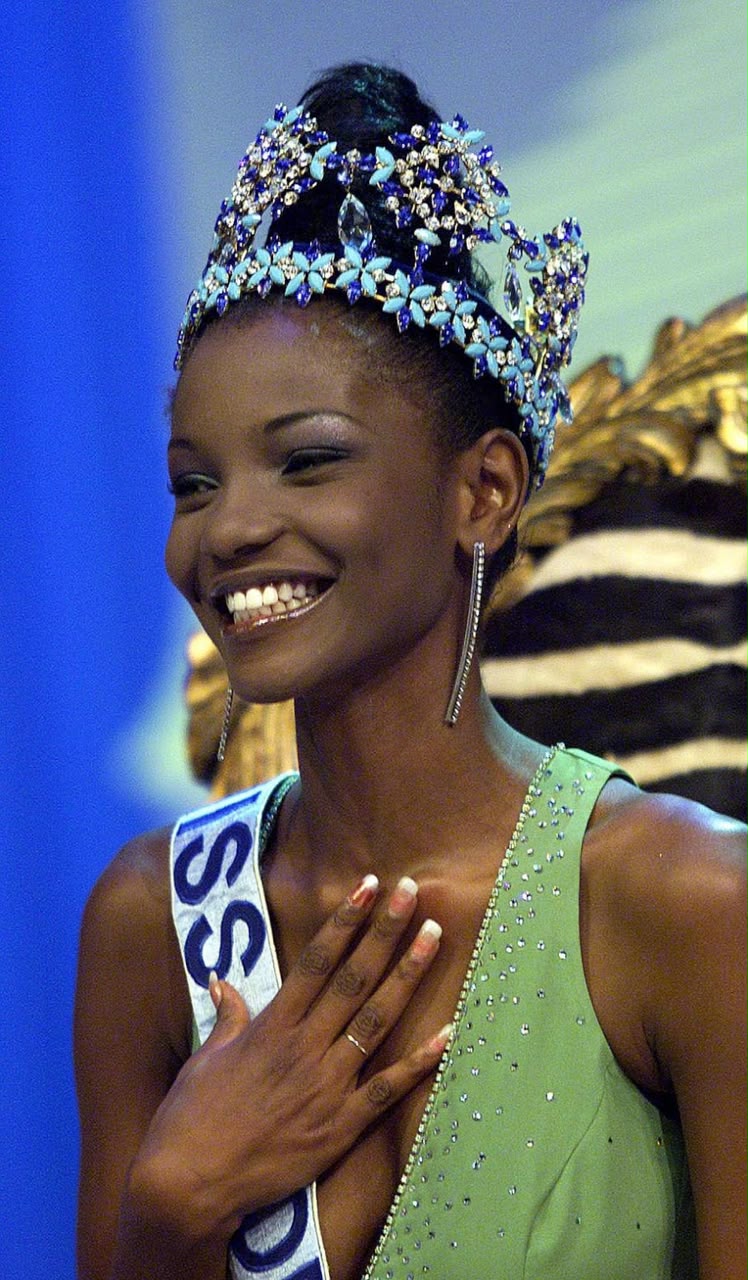
On the night of November 16, 2001, at Sun City in South Africa, an 18-year-old computer science student from Port Harcourt walked out of a Miss World final and directly into Nigerian history.
Agbani Darego was the first Black African to win Miss World in the competition's 51-year history, and the weeks that followed were spent processing what that meant with the kind of sustained attention usually reserved for World Cup victories.
Darego competed in a year when the pageant had introduced a new audience voting system, a structural change that gave her an advantage previous contestants had not had access to. When she was crowned, the announcement ran on loop across Nigerian TV in a way that beauty pageant results simply did not, before or since.
Governor Peter Odili of Rivers State described the win as "an expression of the natural endowment of the people of Rivers State and noble qualities of Nigerian womanhood." The entire country celebrated the way it does when a win feels personal, not just for the woman who won it, but for the country watching.
What that night produced, beyond the headlines, was a standard. Not an official one. Nobody announced that future Nigerian representatives would be measured against Darego's win. It was informal, persistent, culturally embedded, and carried by every woman who has represented Nigeria at Miss World since, whether she knew it or not.
The conditions that produced 2001 were specific: a new voting system, a particular year, a particular contestant. None of those conditions were guaranteed to repeat. The expectation that the result would repeat anyway is what has shaped Nigeria's relationship with the pageant across the 25 years since.
The record of those 25 years is largely one of participation without breakthrough. Nigeria sent representatives consistently across the 2000s and 2010s, collecting occasional Top 20 placements that were noted in the press and then largely forgotten.
The gap between what the country expected, because 2001 had taught it what was possible, and what the pageant delivered was never formally examined. It was simply felt, in the quiet way that unexpressed standards make themselves known, whenever a Nigerian contestant did not place and the conversation turned briefly to why not.
The restructuring of 2024 was the first formal acknowledgment that something in the Nigerian pageant infrastructure needed to change. Silverbird Group separated Miss World Nigeria from Miss Universe Nigeria and the Most Beautiful Girl in Nigeria competition, creating a dedicated pathway for the Miss World title rather than treating it as one output of a larger system.
Joy Raimi became the first representative under the new structure, travelling to Hyderabad for the 72nd Miss World in 2025 and finishing in the Top 20 and Top 5 from Africa, the strongest Nigerian performance in years, produced by a system that had only just been built.
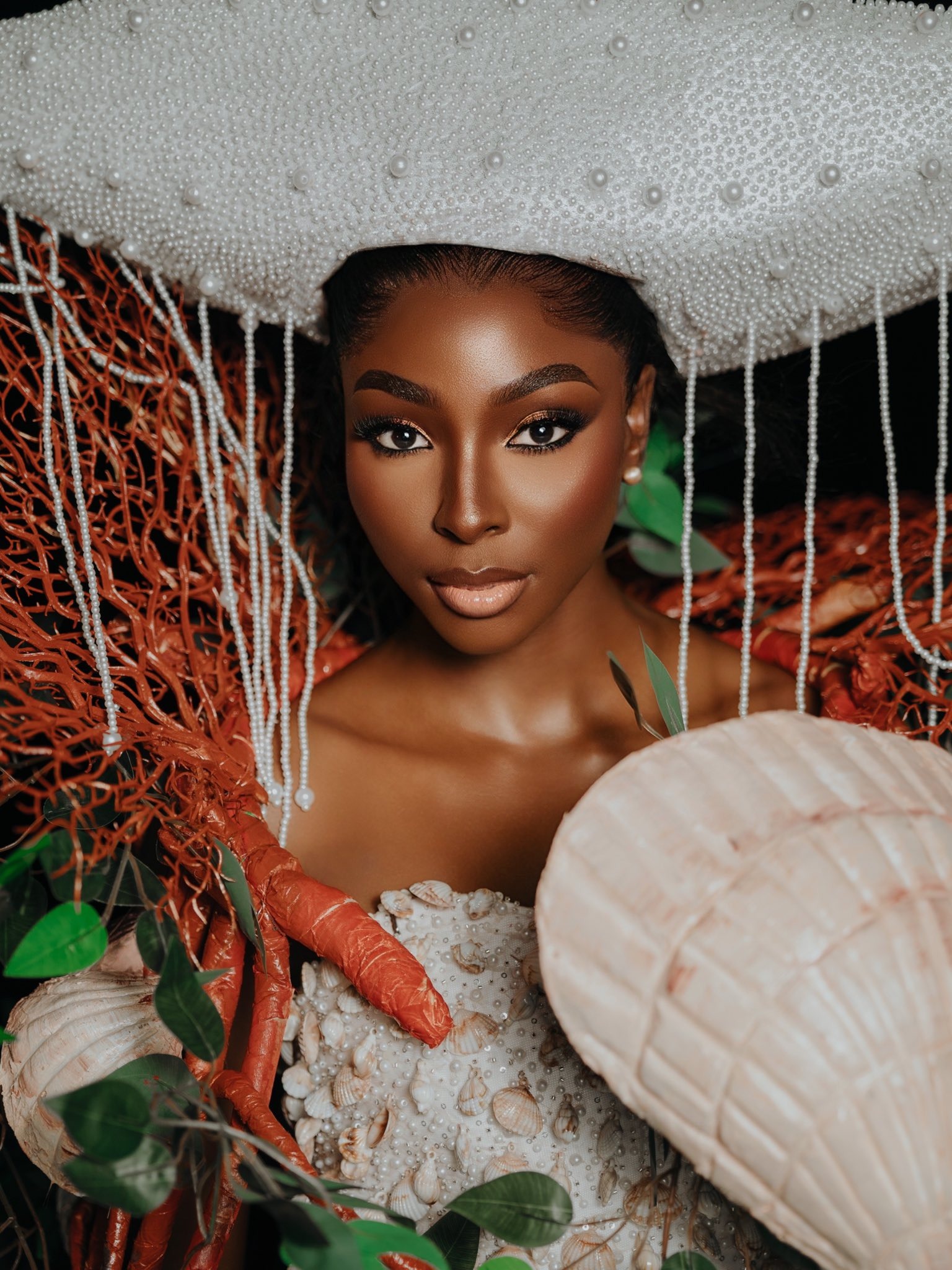
Tamunosoye Karibi-George carried that momentum into Vietnam. The 26-year-old is from Port Harcourt, the same city Darego called home, and she arrived in Nha Trang having already won Miss Africa International 2024 in Accra. Her advocacy platform, Beyond Labels, centres on inclusion and empowerment for children with disabilities, a specific, substantive cause rather than the generalised statements of intent that pageant representatives sometimes offer.
At Miss World 2026, Karibi-George won Africa's Top Model, beating representatives from Equatorial Guinea, Botswana, Kenya and South Africa to secure her place in the Top 40. She then advanced to the Top 12 through the People's Choice vote, finishing among the final twelve contestants out of 111. The Dominican Republic's Joheirry Mola was crowned Miss World 2026, earning the country's second win after 1982.
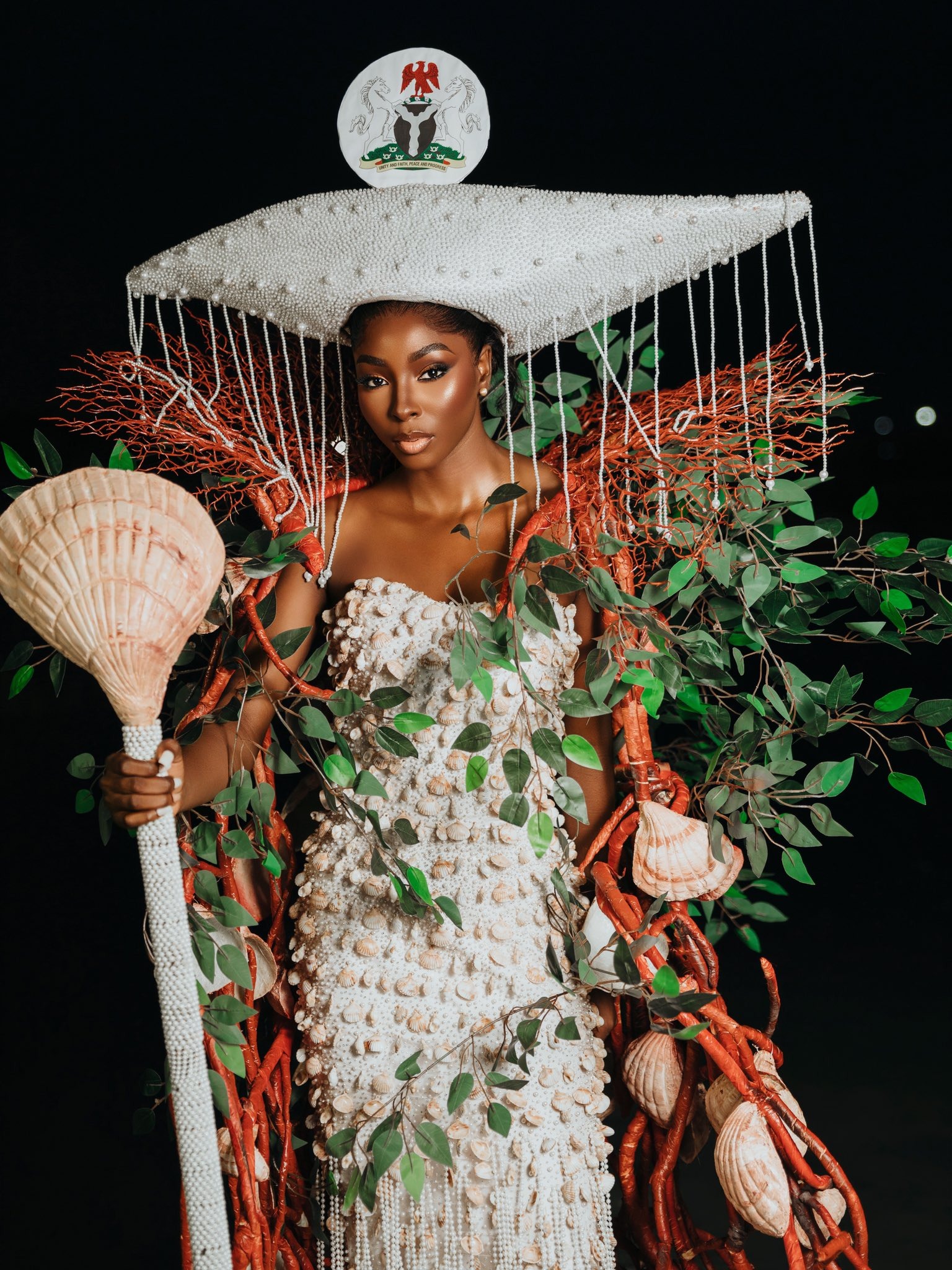
Karibi-George's Top 12 finish, Africa's Top Model title and People's Choice qualification, set alongside Raimi's Top 20 in 2025, constitute the two strongest consecutive Nigerian performances at Miss World since Darego won in 2001.
Still, the result deserves to be read in that context rather than against the unrepeatable standard of 2001. Whether that represents a genuine shift in how Nigeria prepares its representatives, a product of the restructured pathway or simply two good years arriving in sequence is not something the evidence can settle with confidence.
What can be said is that the women Nigeria has sent to Miss World in 2025 and 2026 have arrived at the competition prepared, competitive and visible in ways that the years between 2001 and 2024 did not consistently produce.
A win of that historical weight does not recede simply because time passes, and the shadow of 2001 was never going to lift on its own, but what has changed in the last two years is that the shadow is being navigated with more care. Darego was 18 when she won, from Rivers State, studying at the University of Port Harcourt. Karibi-George is 26, also from Rivers State, also from Port Harcourt. She won Africa's Top Model, advanced to the Top 12 through the People's Choice vote, and left Vietnam with a result that sits more comfortably in the long story of Nigeria at Miss World than most of what came between her and the woman who started it.
The standard set in 2001 has not been met. It has, for the first time in a long time, been seriously attempted.
Cover Credit: Agbani Darego


.png)

