.svg)

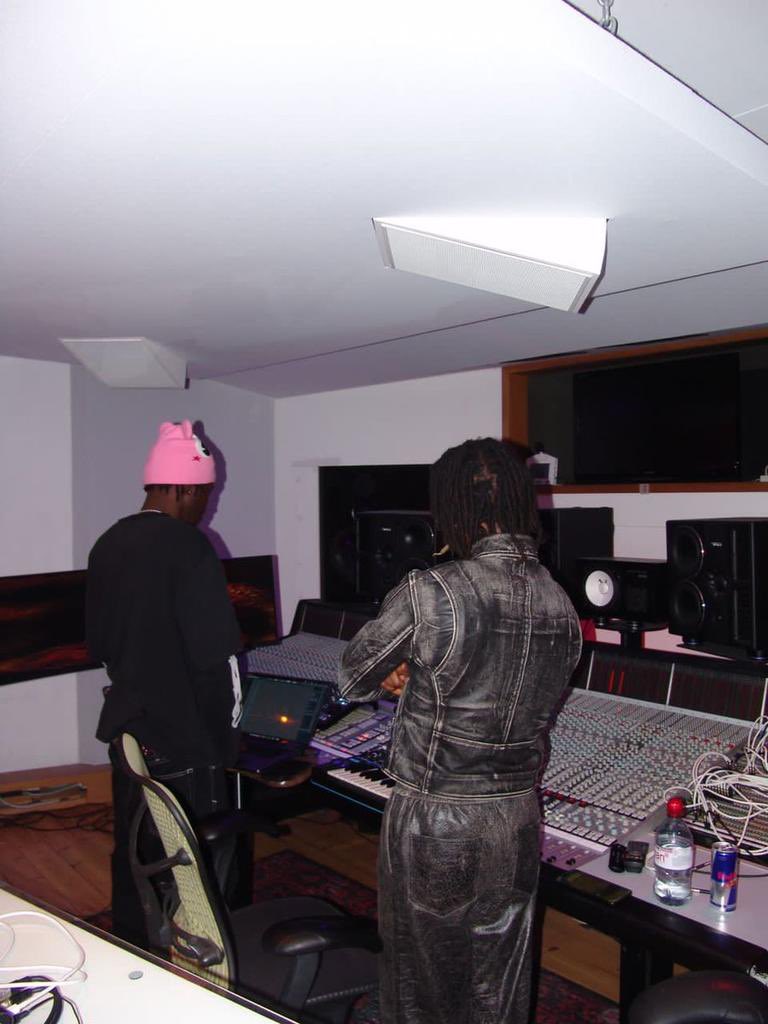
A quiet shift is happening in the Nigerian music industry, more Nigerian Gen Z artists are stepping into a second identity: producer. They’re not just voices on beats anymore, they’re shaping the sound from the ground up. While this might feel like a new wave, Nigeria has seen artist-producers before. The difference now is scale, accessibility, and how deeply self-production is tied to identity. What was once a rare skillset is becoming a generational mindset.
The idea of Nigerian artists producing music isn’t new. In the early 2000s, Paul Play (Paul I.K. Dairo) balanced his R&B career while producing for others, including work on Tony Tetuila’s debut album. Years later, Tekno reminded the industry that artists could be hitmakers behind the scenes when he produced Davido’s smash hit “If.” More recently, Pheelz and Youngjonn transitioned from being sought-after producers to front-facing artists, proving the path could go both ways. These moments showed artists could understand music beyond performance. These moments proved artists could understand music beyond performance.
But those were exceptions. Today, for many Gen Z artists, production isn’t just a side skill, it’s part of the creative foundation.
The difference lies in access and intention. Previous artist-producers often worked within traditional studio systems. Today’s young artists are learning production on laptops in bedrooms, watching YouTube tutorials, trading presets on Discord, and experimenting in real time. Software like FL Studio and Ableton has flattened the learning curve, making beat-making as accessible as writing lyrics.
More importantly, Gen Z artists see production as a way to build identity, not just save money or prove technical ability.
Across Nigeria’s alternative rap, Alte, and experimental pop scenes, artists are shaping their own sonic worlds from the ground up. They start with moody synths, ambient textures, distorted drums, or stripped acoustic loops before lyrics even enter the picture. This creates songs where the emotional tone of the beat and the vulnerability in the vocals feel inseparable, because they come from the same source.
Producer alter egos are becoming part of that process. Danpapa.GTA operates as Lori.oke when crafting beats, Kemuel produces under the name Wondah, Boyspyce becomes Madd Thing behind the boards, while Zaylevelten works as Tenski and Soundz as Funwon. Some artists quietly release beats or experimental soundscapes under different names, freeing themselves from expectations attached to their main brand. It's a creative loophole: if fans expect melodic trap from you, your producer alias can explore ambient sound design or gritty underground textures without confusing your audience.
This shift mirrors global movements where artists like Tyler, The Creator and Travis Scott built careers on self-shaped sonic universes. But in Nigeria, it carries extra weight. The mainstream industry is still heavily structured around producer-artist pipelines, especially in Afrobeats. Gen Z’s hands-on approach challenges that system, pushing music toward more personal, less formulaic directions.
There’s also a speed advantage. Artists who can produce demos, manipulate their vocal chains, or build rough instrumentals don’t have to wait for beat emails or expensive studio sessions. Creativity becomes immediate. Ideas are captured while they’re still raw.
Still, this doesn’t replace professional producers, instead it evolves their role. Instead of arriving empty-handed, artists come to sessions with stronger visions. Producers become collaborators refining textures, not just suppliers of rhythm. The result is music with more depth and intentionality.
And culturally, this matters. Nigerian Gen Z grew up consuming global internet music culture alongside Afrobeats. They’re inspired by SoundCloud scenes, DIY artistry, and genre fluidity. Self-production allows them to translate that influence into something locally grounded, fusing trap drums with Afrobeats bounce, emo melodies with pidgin slang, ambient pads with street pop.
Nigeria has had artist-producers before. But today, it’s no longer a rare skill, it’s becoming a creative philosophy. For Gen Z musicians, stepping behind the boards isn’t just about control; it’s about identity, experimentation, and ownership. As more artists embrace their producer alter egos, Nigerian music isn’t just evolving in sound, it’s evolving in how that sound is being made.
Image: x/heisremanewss


.png)

