.svg)

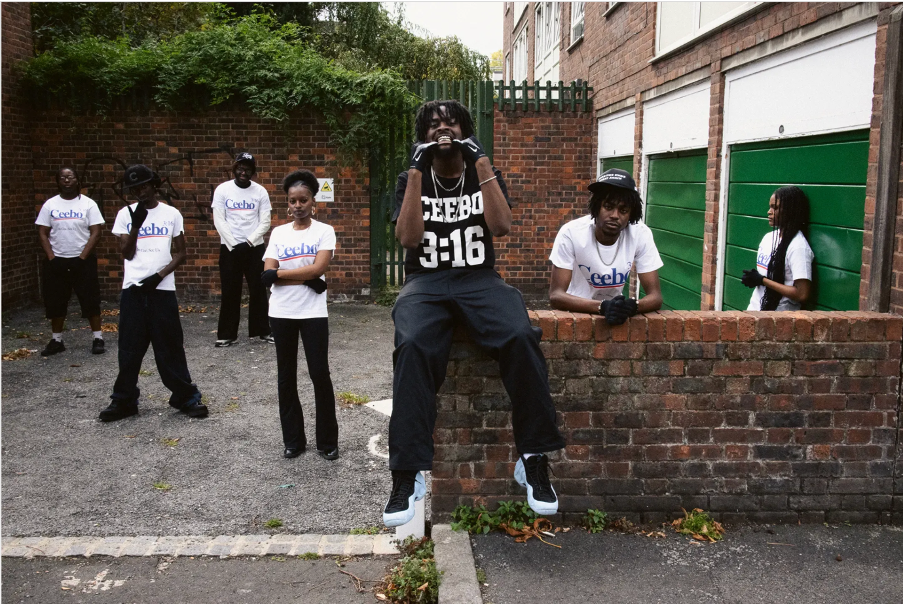
Growing up in an Angolan-Congolese household in South London, it’s hard to say which impacted Ceebo more, but the truth is you can hear the influence of both in his latest release, ‘Blair Babies’. The project covers the political reality of the generation born in the UK between 1997 and 2007, which, for anyone unfamiliar with British politics: the years Tony Blair served as Prime Minister of the UK. Since its invention decades ago, rap has always been a medium for criticising the conventional narrative and resisting against ‘the man,’ and Ceebo carries this torch forward, focusing on postcolonial London and the institutions that continue to stand against the latest generation to come of age.
Ceebo began recording music in 2019 but has been rapping since his playground days in secondary school, rapping cyphers with his friends in between classes. Following school, he attended Warwick University, graduating in 2024 with a degree in politics and sociology. This extended education allowed Ceebo to really develop his artistic voice alongside his academic foundations. This gives him a unique position in UK rap in his ability to address social issues from not only a position of lived experience but also of highly sophisticated education and nuanced understanding, leading to incredibly well-rounded projects. This was shown clearly in his first two major releases, ‘Bluquet’ in 2023 and ‘LAMBETHNOTLA’ the following year. This garnered him a cult following in the UK underground scene, all waiting with bated breath for his next album as hype built and built. Now 23, ‘Blair Babies’ comes at a very important moment in his career.
“Being Gen Z is engendered by a feeling of hopelessness in the face of a world built and shaped before our input.” Ceebo asserts in the spoken word opening track, preluding the album with an explanation of his intent. The decision to set the tone by breaking the barrier between artist and listener plants the narrative seeds of this album and shows his seriousness on the topic, establishing clarity and not just wanting the songs to speak for themselves where a message may have been lost. Following the monologue, we begin to roll through this beautiful sonic environment which is so far removed from the bleak message Ceebo was giving.
This angelic movement quickly slides us into the first proper song of the album ‘captain roscoe with a crossbow’. Instead of his now-familiar voice, we are greeted with another familiar voice, a flip from Dizzee Rascal’s ‘Brand New Day’, the fourth track on 2003’s ‘Boy In Da Corner.’ The choice is not random. ‘Boy In Da Corner’ is a cornerstone album in UK rap history and certainly one most kids from London would have grown up with. Furthermore, the track ‘Brand New Day’ is certainly more on the conscious side of Dizzee’s usual braggadocio, and he uses the track to speak on very similar topics to that of this album, an unfiltered representation of spending your youth in London. By interpolating this track, Ceebo is acknowledging the musical shoulders he is standing on while also highlighting how little has changed in the decades since ‘Boy In Da Corner.’ It is a fantastic way to work both of these things in before even beginning to rap himself and shows how conscious Ceebo is with each track on this album.
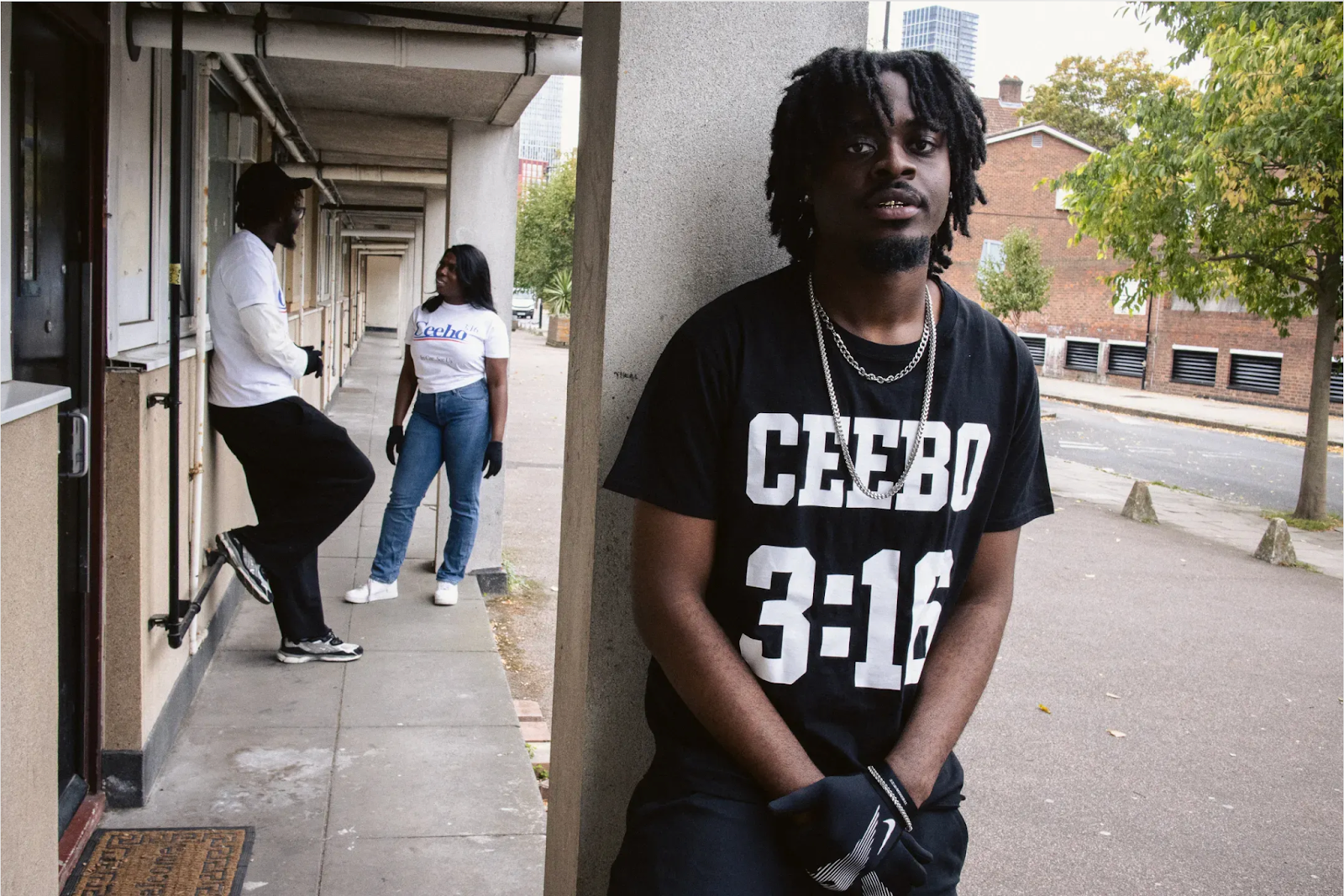
Not every song sits lowly in the problems of London and ‘buzzball summer’ is suited to a South London motive in mid-July, with production reminiscent of past British hits from the likes of Dave and J Hus. Being held in comparison to these megastars is nothing if not a compliment. The next song, ‘Pentecost of Living,’ with its beautiful beat juxtaposing brutally authentic lyrics, draws comparison to a new generation South London starboy, Jim Legxacy, who actually had a hand in the production. This exciting collaboration is so obvious and cohesive, it only generates hope for more from this pair in the future.
The narrative chain holding this album together through various beat switches and vibe changes is true authenticity, and Ceebo is seemingly unphased about the idea of being utterly vulnerable. He uses songs like ‘the gospel (according to Tony Blair)’ and ‘always’ to convey this concept of a “Blair baby” to its fullest extent, with all the hopelessness and wasted potential that comes hand in hand with it. He doesn’t just say it himself; he even uses Blair’s own voice to underline how absurd the whole situation is. Hearing the voice of the man whose policies shaped so much of this landscape echo through an album about generational fallout makes the disconnect hard to ignore. It is almost surreal. The same political era that promised opportunity ended up producing conditions that boxed in so many young black men, and Ceebo does not want to hide this.
Not only defined by his strong political standpoint, Ceebo does prove his rapping ability on this album to great success. Songs like ‘018’ and ‘jook’ both have the feeling of an instant hit, the latter especially. With its smooth beat and punchy hook, it instantly conjures the idea of being performed live to a screaming crowd.
The final track, ‘Ceebo 3:16’ cements his message, with another monologue speaking on the problems faced by those in the UK now: racial tensions, cost of living, and numbing ourselves to what we have to overcome. Ceebo’s eloquent speech in both critical examination and political calls to action works well to undermine the excerpt of Blair we heard midway through the album. It completely resists the often conventional narratives surrounding young black men in London and instead pushes agency over fear. Blair had tried to define that generation during his leadership, and Ceebo aims to finally talk back, reclaiming his own narrative.
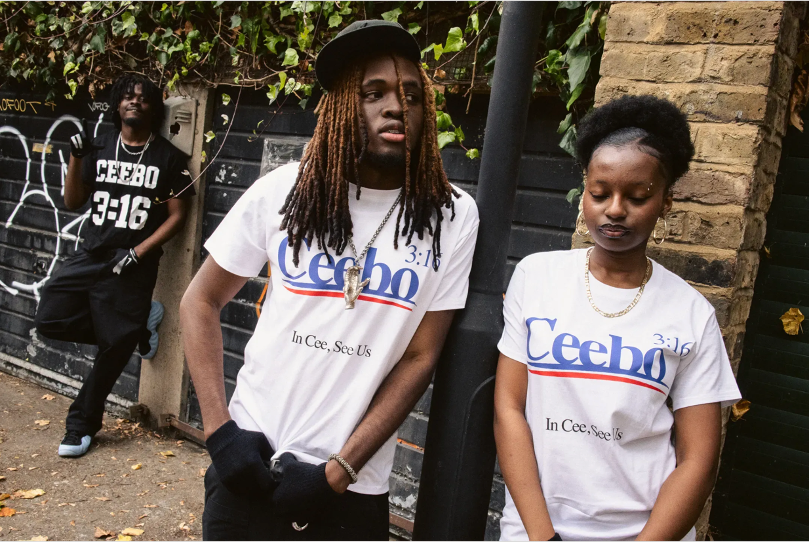
It’s very easy to give an album high acclaim if it holds a socially conscious political viewpoint because of its inherent moral validity. Ceebo goes far beyond this with ‘Blair Babies,’ producing a body of work both entrenched in strong progressive politics and also a richly produced and compelling sound. His authentic voice remains true throughout, and the effect of this is a cohesive and striking message, and all the while you want to move your body or at the very least bop your head slightly. On a first listen of Jim Legxacy’s ‘black british music (2025)’ earlier this year, I was excited at the prospect of a movement in which more artists join his cause of genuine, exciting representation of being British and what it means to feel hopeful in a time of great tension in the country. I asked who would be next, who would follow Jim forward? Ceebo has answered me.


.png)

