Ruth B Has Peace To Make

Authored by

Ruth B has been making intimate music since before the platforms existed to carry it. Born in Edmonton to Ethiopian parents, she built her career on Vine with nothing but a piano and an instinct for honesty that has never quite left her - not through "Lost Boy" going platinum, not through "Dandelions" crossing 6.2 billion streams on TikTok years after its release, not through a surprise appearance at Barclays Center with Rod Wave that reminded an entirely new audience exactly who wrote the song they had been singing. Her new single "Didn't I" is out now. Her album Peace To Make arrives August 21. Ahead of its release, we spoke about writing music that outlives the moment it was made for, what it means to evolve without losing the thread, and what peace actually looks like when you finally find it.

Hello

Hi. How’s it going?

Fine. I’m great. How are you?

For anyone reading this and discovering you for the first time, how would you introduce yourself and what you do?

I would introduce myself as Ruth. I'm a singer, songwriter from Alberta, Canada.

"Dandelions" went viral years after it was released, on a platform that didn't even exist when you wrote it. What does it feel like to watch a song you wrote in one emotional state become the soundtrack to millions of strangers' completely different moments, years later?

It was absolutely incredible. It did kind of happen years after I had released the song, so it was totally crazy to see. I'm so thankful for TikTok for being able to spread it to the masses. I still love watching people's videos making use of the song.

You're Ethiopian, raised in Edmonton, and your sound draws from a very specific kind of intimate, diary-style songwriting. How much of that vulnerability comes from growing up between two cultures, and how much of it is just who you are regardless of where you're from?

I think that's such a priority for me, to make sure that it's all about the lyrics and story. A lot draws from my upbringing and my life in Canada, the simplicity and complexity of that, and the journey that I went on years later to do music. I think all of it plays a part in the vulnerability in my music.

The Barclays Center moment with Rod Wave was a surprise. What did it feel like to stand on a stage built around a song you wrote years ago, now belonging to a completely different audience that found it through someone else?

That was incredible. It was definitely the biggest crowd I'd ever played for. I wrote that song ten years ago about a whole different life I was living at that point, to see it come to life like that years later in such an iconic moment with Rod - it was absolutely unbelievable. It's one of my favourite memories.
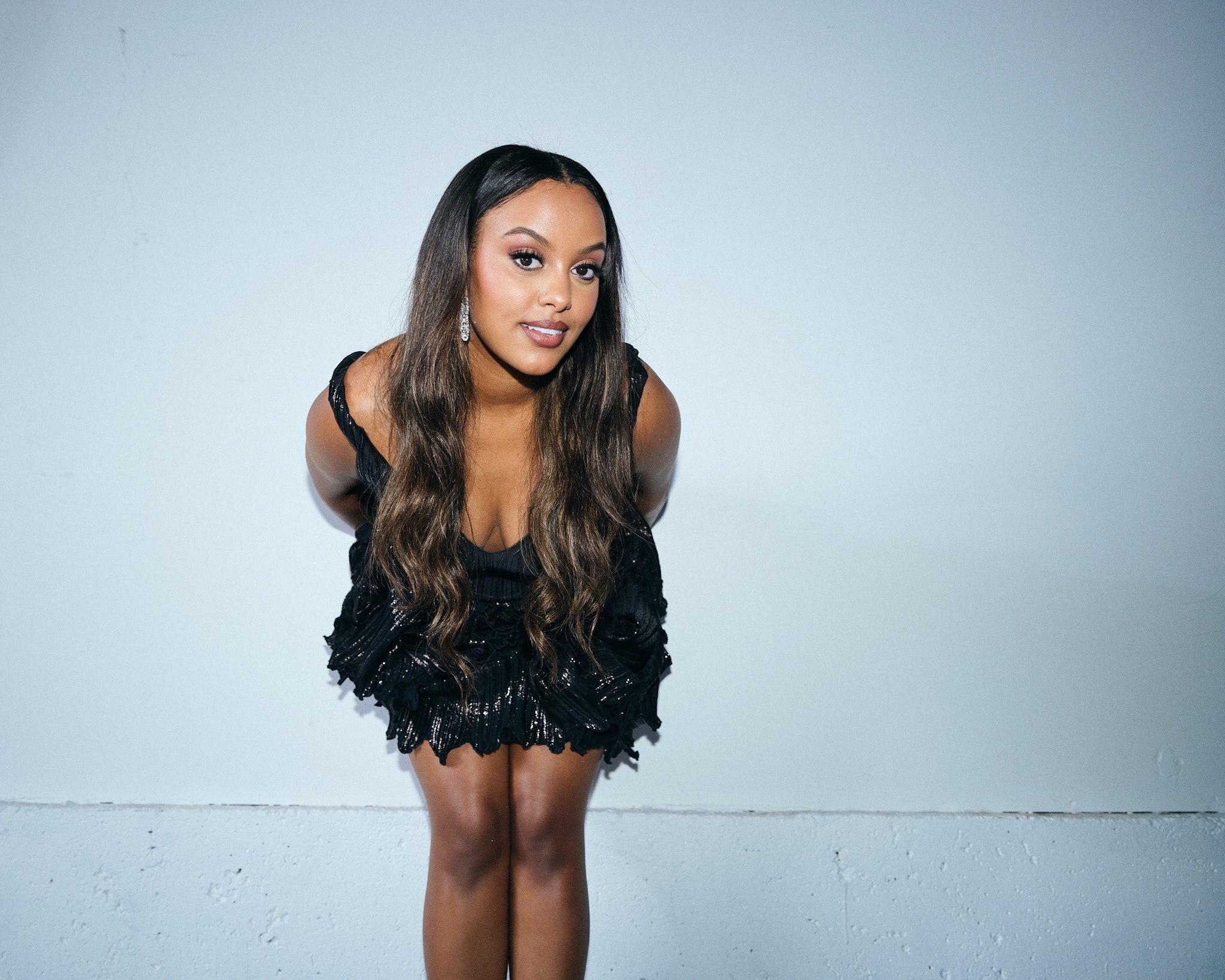
Credit: Dennis Leupold

Peace To Make is a title that suggests resolution, or at least the pursuit of it. What's the actual peace you were trying to make while writing this album?

The common thread between all the songs on the album is that they all kind of have a question mark - they're yearning for peace, or answers, stability, whatever you want to call it. That's the ultimate message of the album: trying to make peace with things. And ultimately, in the end, I do make peace with it.

When people discover you through "Dandelions" on TikTok, then go back and find "Lost Boy" from 2014, what do you hope they hear in the distance between those two songs? What's actually changed in you as a writer?

As a writer, it's kind of the same thing as evolving as a person - we grow, we learn. I have definitely evolved a lot and my writing has become so much better, and you can hear that in the music now. But I think it's similar in the sense that it's still very honest, lyric-driven, piano-driven, vulnerable music. I never want to get lost in the sauce and become overproduced. My goal is to continue to make intimate music.

"Didn't I" is your first single since this resurgence. Did knowing that "Mixed Signals" had just found new life through Rod Wave change how you approached writing for this new chapter, or did you deliberately try to separate the two?

I don't think I deliberately tried to separate the two. I just wanted to make a bridge between my first and second album and this album. I still wanted to keep it piano-focused, like "Mixed Signals" and like my first album, but just kind of evolve the production and evolve the writing as well.
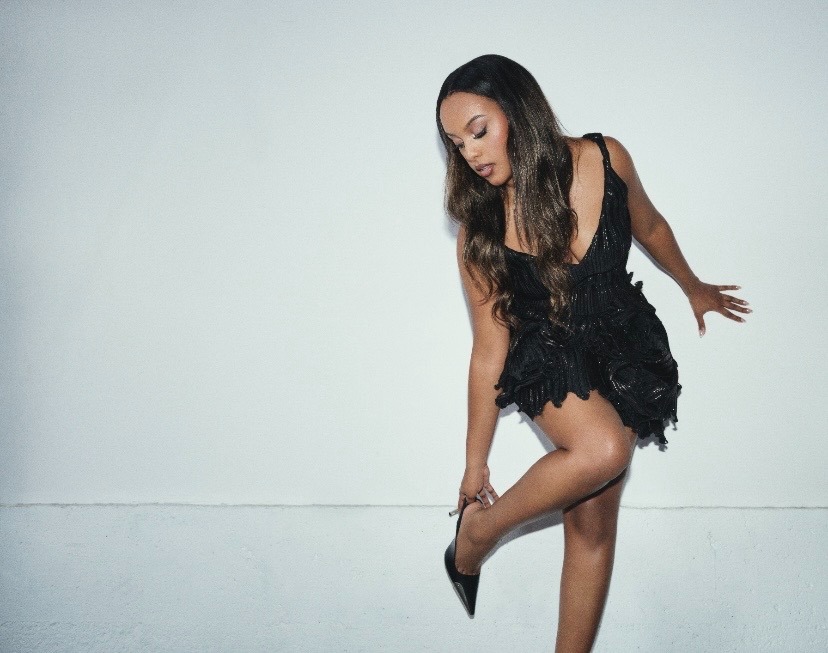
Credit: Dennis Leupold

"Lost Boy" started on Vine, basically the opposite of how artists are taught to build a career today. Looking back, do you think that accidental, unpolished beginning gave you something a more deliberate rollout never could have?

Definitely. The whole process of being on Vine and on the internet kind of taught me how to self-write, produce and create - it built an independence in me. Adding a team was like a major bonus versus a necessity. I think I'm very lucky. My roots definitely push me to be as creative as I can be.

Six JUNO nominations, one win, billions of streams. Is there a specific moment in this entire run where you actually felt like you'd arrived, or does that feeling keep moving further away the more you achieve?

I think it is constantly moving. In those moments, I feel such gratitude and it always blows me away. This was always my wildest dream as a kid, to have certain accolades. It still doesn't feel real, but I think your goals are ever-evolving and ever-changing.

"28" with Dean Lewis crossed 188 million streams. What does a successful collaboration actually require from you as a songwriter, versus what you need when you're writing entirely alone?

I think with collaboration, most importantly, I really want to feel connected with the person I'm working with. Music and songwriting is a personal thing for me - it's kind of hard to open up. If I can work with someone that I feel is like a friend, someone I get to know outside of the studio, that definitely helps me with that process.

As we wrap up, what would you like to say to the people who've stayed with you through all of this, and what should they be excited about next?

I want to say how thankful and how grateful I am for them. I know everyone says it, but I do mean it. I never take for granted the people who give me the opportunity to continue to make music. I just want them to be excited for my album coming out August 21st. I have worked so hard on this music and I hope that they leave it feeling empowered and just a little bit lighter
IG:@sophiannadozie

Ruth B Has Peace To Make

Authored by
This is some text inside of a div block.

Ruth B has been making intimate music since before the platforms existed to carry it. Born in Edmonton to Ethiopian parents, she built her career on Vine with nothing but a piano and an instinct for honesty that has never quite left her - not through "Lost Boy" going platinum, not through "Dandelions" crossing 6.2 billion streams on TikTok years after its release, not through a surprise appearance at Barclays Center with Rod Wave that reminded an entirely new audience exactly who wrote the song they had been singing. Her new single "Didn't I" is out now. Her album Peace To Make arrives August 21. Ahead of its release, we spoke about writing music that outlives the moment it was made for, what it means to evolve without losing the thread, and what peace actually looks like when you finally find it.

Hello

Hi. How’s it going?

Fine. I’m great. How are you?

For anyone reading this and discovering you for the first time, how would you introduce yourself and what you do?

I would introduce myself as Ruth. I'm a singer, songwriter from Alberta, Canada.

"Dandelions" went viral years after it was released, on a platform that didn't even exist when you wrote it. What does it feel like to watch a song you wrote in one emotional state become the soundtrack to millions of strangers' completely different moments, years later?

It was absolutely incredible. It did kind of happen years after I had released the song, so it was totally crazy to see. I'm so thankful for TikTok for being able to spread it to the masses. I still love watching people's videos making use of the song.

You're Ethiopian, raised in Edmonton, and your sound draws from a very specific kind of intimate, diary-style songwriting. How much of that vulnerability comes from growing up between two cultures, and how much of it is just who you are regardless of where you're from?

I think that's such a priority for me, to make sure that it's all about the lyrics and story. A lot draws from my upbringing and my life in Canada, the simplicity and complexity of that, and the journey that I went on years later to do music. I think all of it plays a part in the vulnerability in my music.

The Barclays Center moment with Rod Wave was a surprise. What did it feel like to stand on a stage built around a song you wrote years ago, now belonging to a completely different audience that found it through someone else?

That was incredible. It was definitely the biggest crowd I'd ever played for. I wrote that song ten years ago about a whole different life I was living at that point, to see it come to life like that years later in such an iconic moment with Rod - it was absolutely unbelievable. It's one of my favourite memories.

Credit: Dennis Leupold

Peace To Make is a title that suggests resolution, or at least the pursuit of it. What's the actual peace you were trying to make while writing this album?

The common thread between all the songs on the album is that they all kind of have a question mark - they're yearning for peace, or answers, stability, whatever you want to call it. That's the ultimate message of the album: trying to make peace with things. And ultimately, in the end, I do make peace with it.

When people discover you through "Dandelions" on TikTok, then go back and find "Lost Boy" from 2014, what do you hope they hear in the distance between those two songs? What's actually changed in you as a writer?

As a writer, it's kind of the same thing as evolving as a person - we grow, we learn. I have definitely evolved a lot and my writing has become so much better, and you can hear that in the music now. But I think it's similar in the sense that it's still very honest, lyric-driven, piano-driven, vulnerable music. I never want to get lost in the sauce and become overproduced. My goal is to continue to make intimate music.

"Didn't I" is your first single since this resurgence. Did knowing that "Mixed Signals" had just found new life through Rod Wave change how you approached writing for this new chapter, or did you deliberately try to separate the two?

I don't think I deliberately tried to separate the two. I just wanted to make a bridge between my first and second album and this album. I still wanted to keep it piano-focused, like "Mixed Signals" and like my first album, but just kind of evolve the production and evolve the writing as well.

Credit: Dennis Leupold

"Lost Boy" started on Vine, basically the opposite of how artists are taught to build a career today. Looking back, do you think that accidental, unpolished beginning gave you something a more deliberate rollout never could have?

Definitely. The whole process of being on Vine and on the internet kind of taught me how to self-write, produce and create - it built an independence in me. Adding a team was like a major bonus versus a necessity. I think I'm very lucky. My roots definitely push me to be as creative as I can be.

Six JUNO nominations, one win, billions of streams. Is there a specific moment in this entire run where you actually felt like you'd arrived, or does that feeling keep moving further away the more you achieve?

I think it is constantly moving. In those moments, I feel such gratitude and it always blows me away. This was always my wildest dream as a kid, to have certain accolades. It still doesn't feel real, but I think your goals are ever-evolving and ever-changing.

"28" with Dean Lewis crossed 188 million streams. What does a successful collaboration actually require from you as a songwriter, versus what you need when you're writing entirely alone?

I think with collaboration, most importantly, I really want to feel connected with the person I'm working with. Music and songwriting is a personal thing for me - it's kind of hard to open up. If I can work with someone that I feel is like a friend, someone I get to know outside of the studio, that definitely helps me with that process.

As we wrap up, what would you like to say to the people who've stayed with you through all of this, and what should they be excited about next?

I want to say how thankful and how grateful I am for them. I know everyone says it, but I do mean it. I never take for granted the people who give me the opportunity to continue to make music. I just want them to be excited for my album coming out August 21st. I have worked so hard on this music and I hope that they leave it feeling empowered and just a little bit lighter
IG:@sophiannadozie

This is some text inside of a div block.

Ruth B Has Peace To Make

Authored by

Ruth B has been making intimate music since before the platforms existed to carry it. Born in Edmonton to Ethiopian parents, she built her career on Vine with nothing but a piano and an instinct for honesty that has never quite left her - not through "Lost Boy" going platinum, not through "Dandelions" crossing 6.2 billion streams on TikTok years after its release, not through a surprise appearance at Barclays Center with Rod Wave that reminded an entirely new audience exactly who wrote the song they had been singing. Her new single "Didn't I" is out now. Her album Peace To Make arrives August 21. Ahead of its release, we spoke about writing music that outlives the moment it was made for, what it means to evolve without losing the thread, and what peace actually looks like when you finally find it.

Hello

Hi. How’s it going?

Fine. I’m great. How are you?

For anyone reading this and discovering you for the first time, how would you introduce yourself and what you do?

I would introduce myself as Ruth. I'm a singer, songwriter from Alberta, Canada.

"Dandelions" went viral years after it was released, on a platform that didn't even exist when you wrote it. What does it feel like to watch a song you wrote in one emotional state become the soundtrack to millions of strangers' completely different moments, years later?

It was absolutely incredible. It did kind of happen years after I had released the song, so it was totally crazy to see. I'm so thankful for TikTok for being able to spread it to the masses. I still love watching people's videos making use of the song.

You're Ethiopian, raised in Edmonton, and your sound draws from a very specific kind of intimate, diary-style songwriting. How much of that vulnerability comes from growing up between two cultures, and how much of it is just who you are regardless of where you're from?

I think that's such a priority for me, to make sure that it's all about the lyrics and story. A lot draws from my upbringing and my life in Canada, the simplicity and complexity of that, and the journey that I went on years later to do music. I think all of it plays a part in the vulnerability in my music.

The Barclays Center moment with Rod Wave was a surprise. What did it feel like to stand on a stage built around a song you wrote years ago, now belonging to a completely different audience that found it through someone else?

That was incredible. It was definitely the biggest crowd I'd ever played for. I wrote that song ten years ago about a whole different life I was living at that point, to see it come to life like that years later in such an iconic moment with Rod - it was absolutely unbelievable. It's one of my favourite memories.

Credit: Dennis Leupold

Peace To Make is a title that suggests resolution, or at least the pursuit of it. What's the actual peace you were trying to make while writing this album?

The common thread between all the songs on the album is that they all kind of have a question mark - they're yearning for peace, or answers, stability, whatever you want to call it. That's the ultimate message of the album: trying to make peace with things. And ultimately, in the end, I do make peace with it.

When people discover you through "Dandelions" on TikTok, then go back and find "Lost Boy" from 2014, what do you hope they hear in the distance between those two songs? What's actually changed in you as a writer?

As a writer, it's kind of the same thing as evolving as a person - we grow, we learn. I have definitely evolved a lot and my writing has become so much better, and you can hear that in the music now. But I think it's similar in the sense that it's still very honest, lyric-driven, piano-driven, vulnerable music. I never want to get lost in the sauce and become overproduced. My goal is to continue to make intimate music.

"Didn't I" is your first single since this resurgence. Did knowing that "Mixed Signals" had just found new life through Rod Wave change how you approached writing for this new chapter, or did you deliberately try to separate the two?

I don't think I deliberately tried to separate the two. I just wanted to make a bridge between my first and second album and this album. I still wanted to keep it piano-focused, like "Mixed Signals" and like my first album, but just kind of evolve the production and evolve the writing as well.

Credit: Dennis Leupold

"Lost Boy" started on Vine, basically the opposite of how artists are taught to build a career today. Looking back, do you think that accidental, unpolished beginning gave you something a more deliberate rollout never could have?

Definitely. The whole process of being on Vine and on the internet kind of taught me how to self-write, produce and create - it built an independence in me. Adding a team was like a major bonus versus a necessity. I think I'm very lucky. My roots definitely push me to be as creative as I can be.

Six JUNO nominations, one win, billions of streams. Is there a specific moment in this entire run where you actually felt like you'd arrived, or does that feeling keep moving further away the more you achieve?

I think it is constantly moving. In those moments, I feel such gratitude and it always blows me away. This was always my wildest dream as a kid, to have certain accolades. It still doesn't feel real, but I think your goals are ever-evolving and ever-changing.

"28" with Dean Lewis crossed 188 million streams. What does a successful collaboration actually require from you as a songwriter, versus what you need when you're writing entirely alone?

I think with collaboration, most importantly, I really want to feel connected with the person I'm working with. Music and songwriting is a personal thing for me - it's kind of hard to open up. If I can work with someone that I feel is like a friend, someone I get to know outside of the studio, that definitely helps me with that process.

As we wrap up, what would you like to say to the people who've stayed with you through all of this, and what should they be excited about next?

I want to say how thankful and how grateful I am for them. I know everyone says it, but I do mean it. I never take for granted the people who give me the opportunity to continue to make music. I just want them to be excited for my album coming out August 21st. I have worked so hard on this music and I hope that they leave it feeling empowered and just a little bit lighter

IG:@sophiannadozie

Other Stories
London
London
Lagos
London
Newyork
London
Shop
Join the community.
You are now subscribed to receive updates.
Oops! Something went wrong while submitting the form.