.svg)

.png)
After six years building a career in Australia that earned her four ARIA Awards and international recognition, Zambian-born, Botswana-raised artist, Sampa The Great has relocated her professional base back to Southern Africa. She's bringing the expertise, relationships, and global perspective she gained abroad back to Zambia and Botswana, investing in the creative economies that shaped her in the first place.
At the center of it all is Nu Zamrock, Sampa's expansion of the genre pioneered by her relative George "Groovy Joe" Kunda. Where Zamrock fused rock, funk, and African rhythms in the 1970s, Nu Zamrock adds hip-hop, poetry, and soul to that foundation. Her 2026 album will tell that story fully, positioning her as a genre trailblazer expanding Zamrock into new territories. Ahead of that release, we sat with Sampa. This is that conversation.
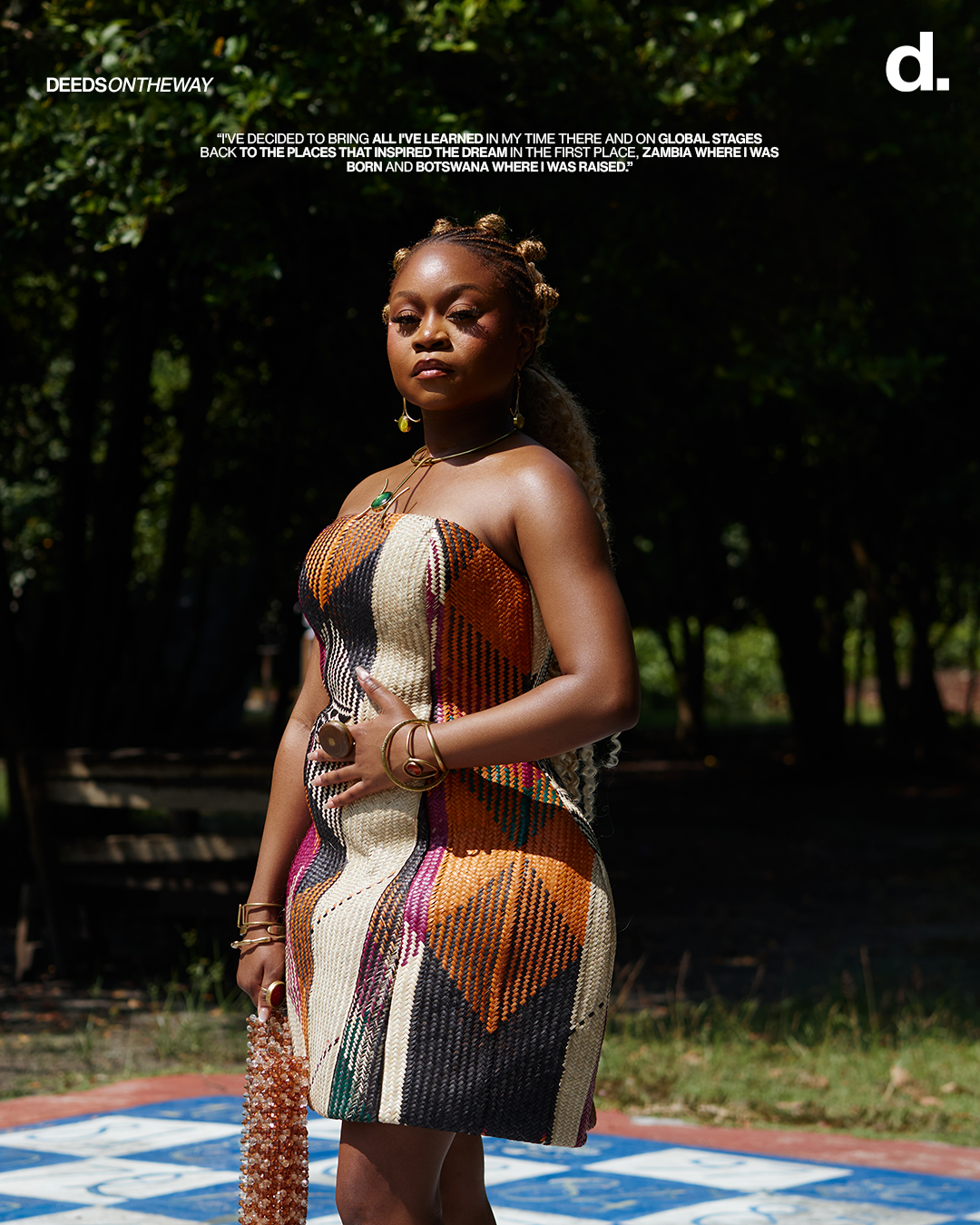
Your "Return to Africa" movement is central to this moment in your career. What does "returning" mean to you when you've carried Zambia and Botswana with you everywhere, from Australia to global stages? How has your relationship with the continent evolved over the years?
I wouldn't say it is a return to Africa movement because I was born and raised in Africa. I would say it's a reclaiming of my professional career in the place that most inspired it. I was based in Australia for six years and started my professional career there after completing university studies, which is the reason I went to Australia in the first place.
After my music career started blowing up, I decided to stay there and grow my career. Now, I've decided to bring all I've learned in my time there and on global stages back to the places that inspired the dream in the first place, Zambia where I was born and Botswana where I was raised.
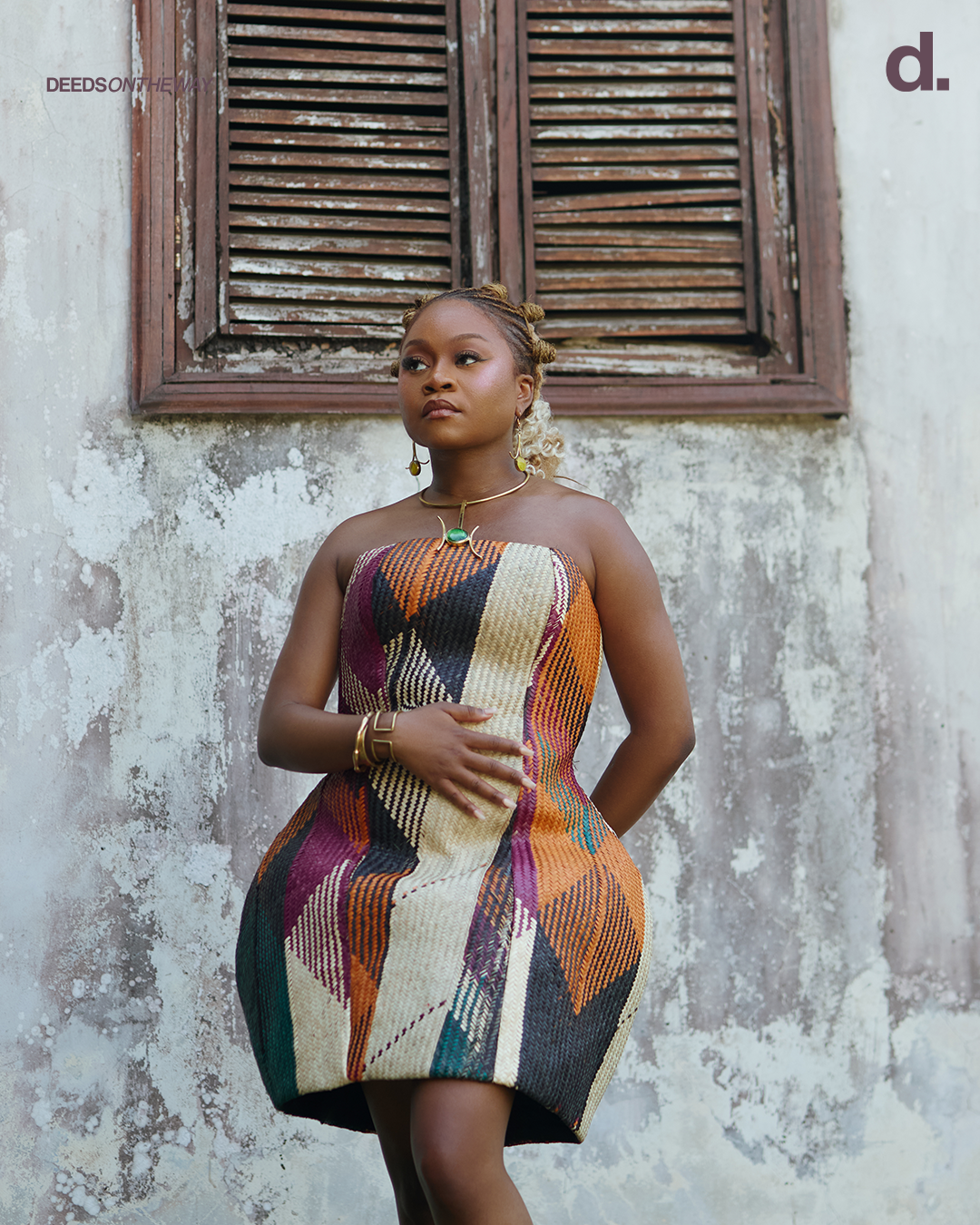
You call yourself Sampa The Great. When did you start using that name, and what does "greatness" mean to you? Has your definition changed over the years?
I started calling myself Sampa The Great as a reminder to be the greatest version of myself always. Over the years it has evolved to doing the best that I can always. That does not mean perfection or being the strongest or greatest person in the room. It's simply pushing to do your best at any given time and constantly working on it, regardless of the situation you're in.
Fashion has become a big part of your cultural presence. How do you see fashion as an extension of your artistry? What conversations do you want your presence in those spaces to spark?
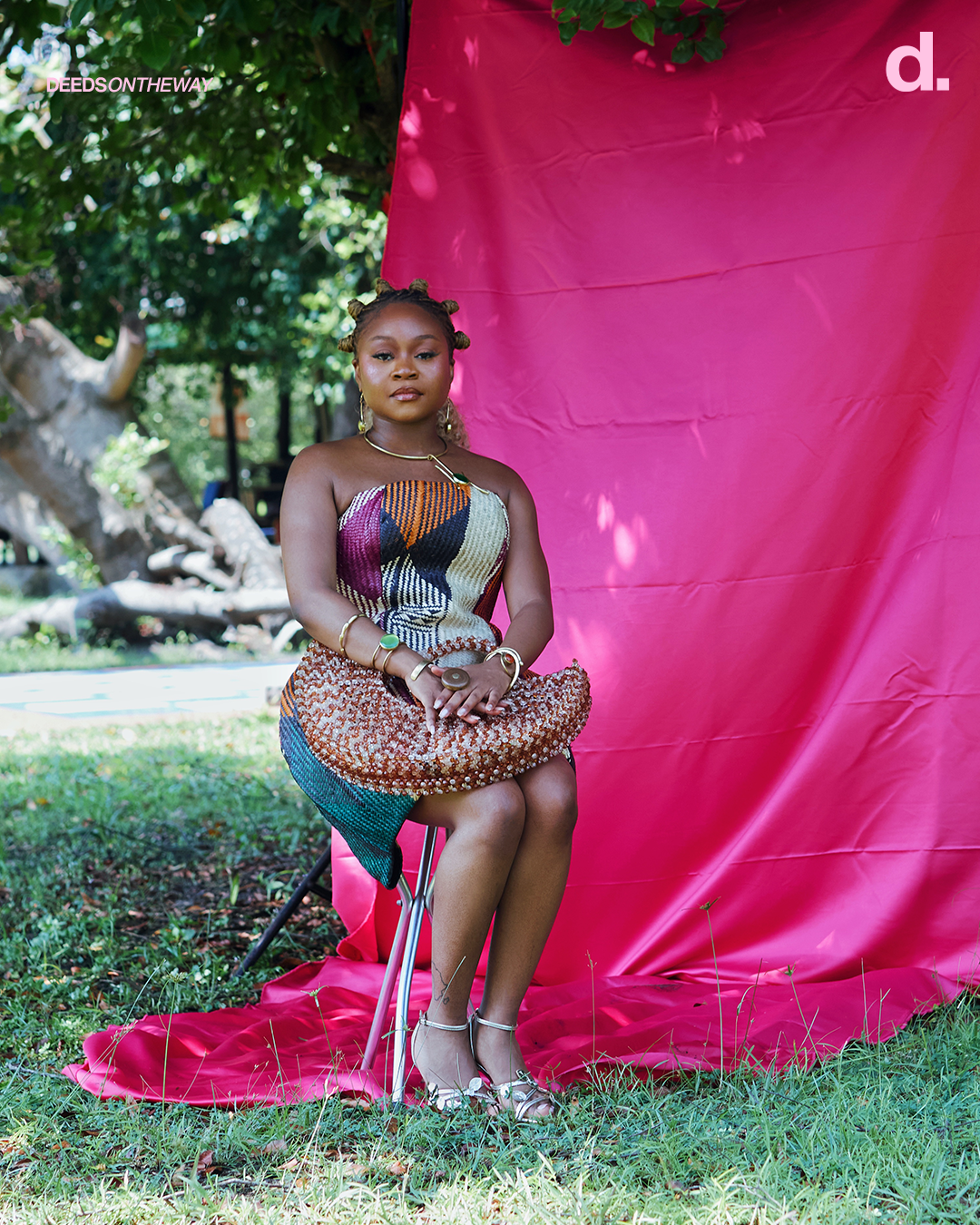
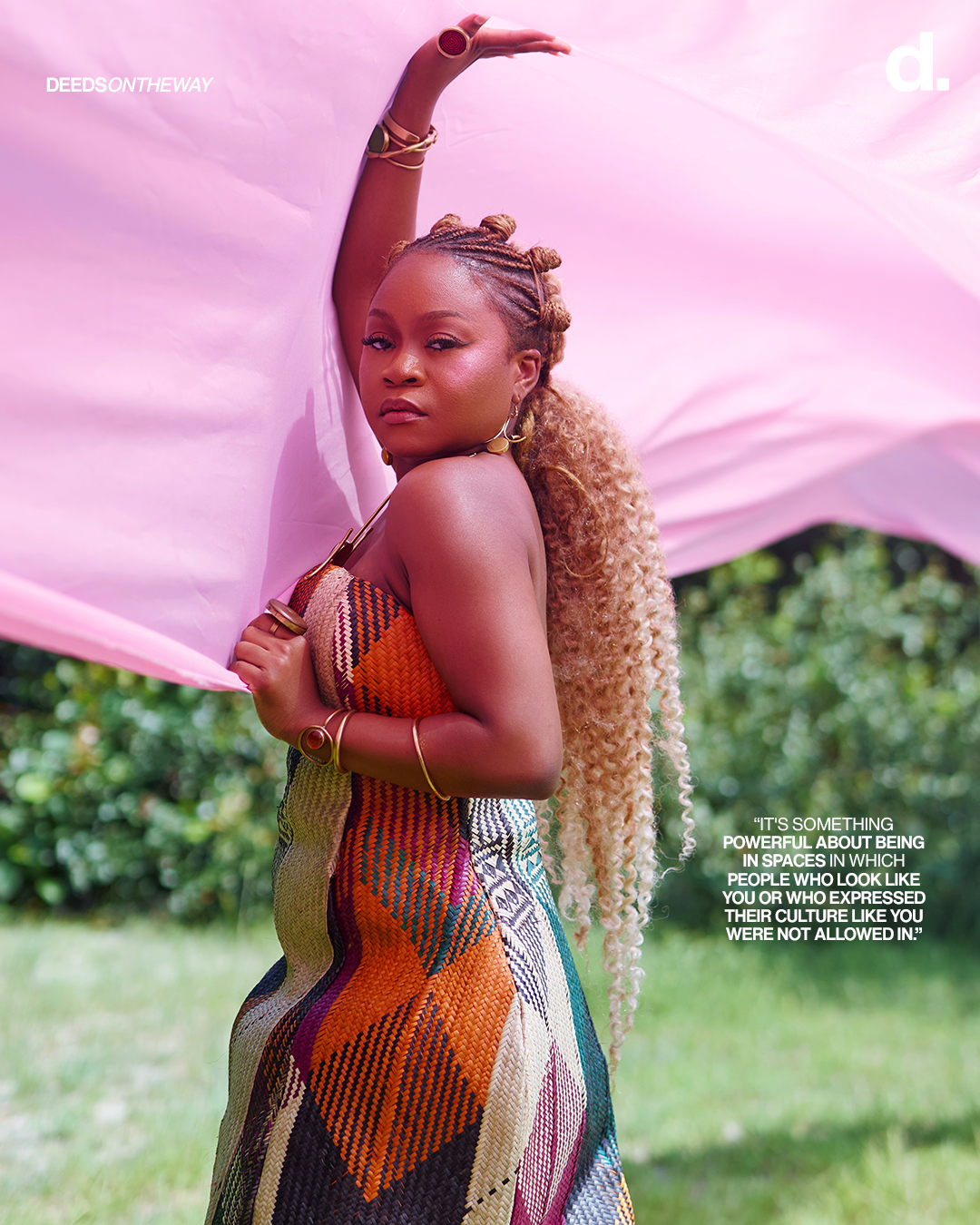
I always say it was the Thandiswa Mazwais, the Angelique Kidjos, and the Angela Nyirendas of the world that made it cool to wear your traditional attire on stage, at awards, and in the mainstream. This was pre-Wakanda, because it definitely was a time where it wasn't the norm or was called corny.
I say that to say, it's something powerful about being in spaces in which people who look like you or who expressed their culture like you were not allowed in. It sparks the movement of African style and fashion belonging everywhere and having as much access to any and all spaces as everyone else. Not only because it's top tier, but also because it is the silent inspiration all fashion draws from.
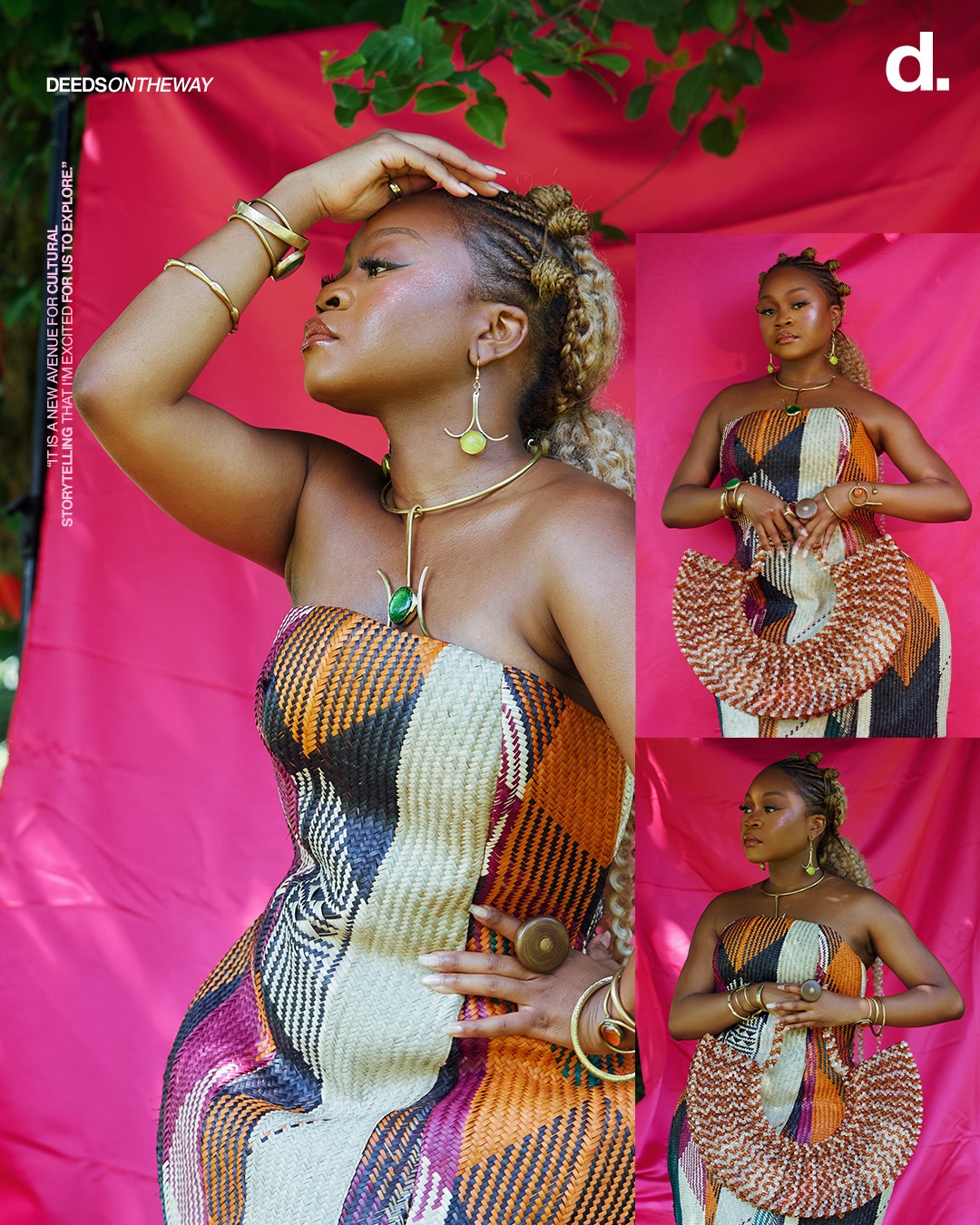
"GOAT" on the HIM soundtrack sits alongside Denzel Curry, Tierra Whack, Gucci Mane. It's a powerful lineup. What was your creative process for contributing to a film soundtrack versus creating for an album? How did you approach it differently?
"GOAT" was a very exciting experience for me because I'm a huge fan of Jordan Peele's movies and Marlon Wayans. So to have my name attached to a project with them was amazing.
My goal was to express what the story of the movie is, the synopsis I was given, and how it relates to my life and industry. "What would it take to be the GOAT to you?" What are you willing to strive for, give up, and sometimes sacrifice? In this very political and dark world, the word sacrifice has more than one meaning. When it comes to the music industry, I really related to the topic of mentorship, fame, sacrifice, and being comfortable enough to be out of the spotlight and have my music touch and influence culture as my own definition of success.
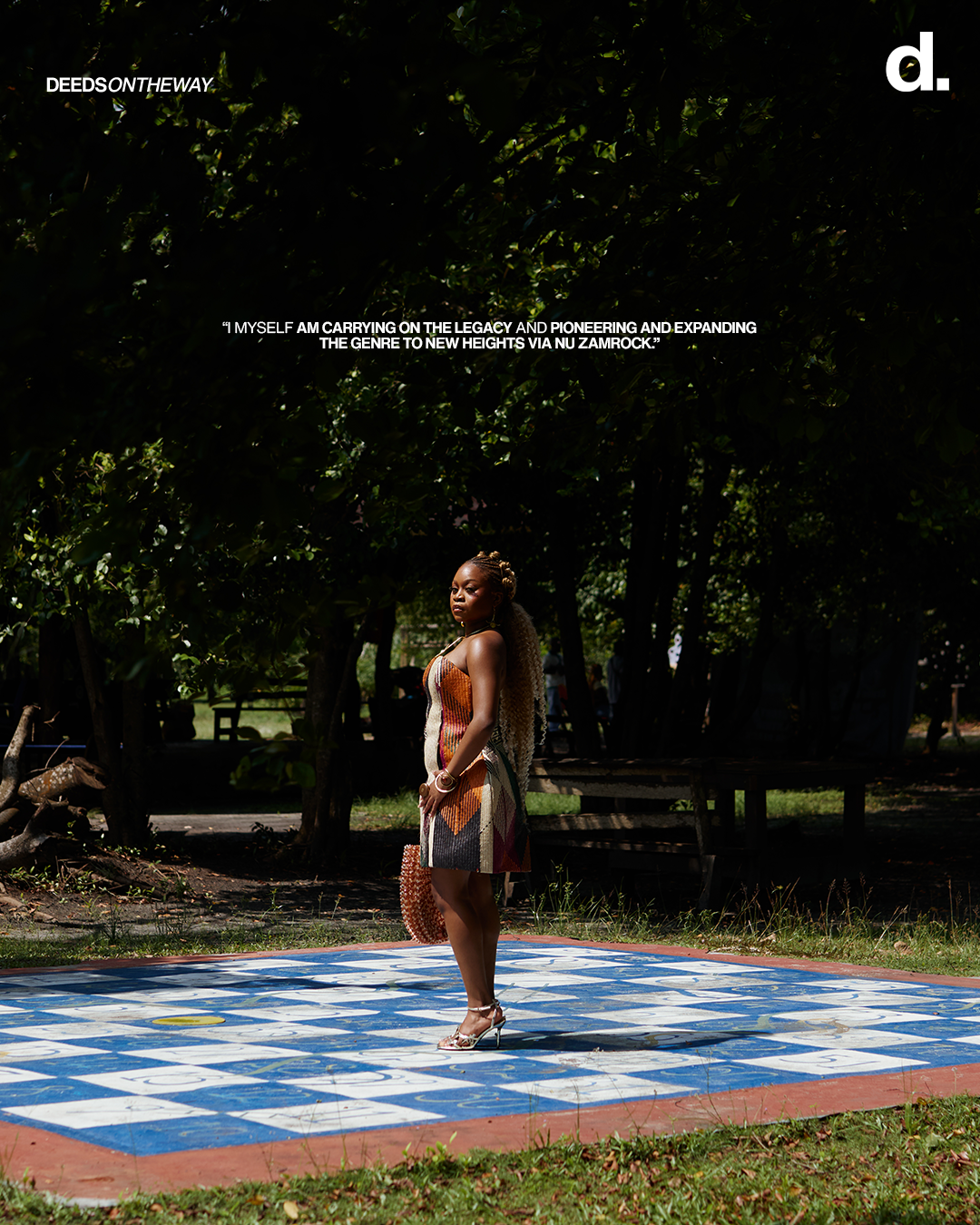
You hosted the Lusaka Homecoming Block Party in November. What did that day need to feel like for you? What were you most excited about?
It needed to feel like the neighborhood kids have come together to celebrate and have a braai. Celebrate the creativity we all love. Celebrate the fact that we get to be creative in a somewhat conservative country and that there are like minded creatives who want to work and be in community with each other.
Gaming culture has embraced your music; you're featured on the EA Sports FC 26 soundtrack. How does seeing your work in a global video game impact your audience reach, and do you see gaming as a new platform for African artists?
I think it's amazing that EA Sports has added "Can't Hold Us" to the game. The reach of the gaming world is incredible and I'm super grateful I get to be a part of it. I feel like African artists definitely have a space in the gaming world and it is a new avenue for cultural storytelling that I'm excited for us to explore.
You're working with a new creative team: Nia Andrews directing, Iggy London on visuals, Abu Dumbuya on photography. What's changed about how you see yourself through their lens? Have they pulled something out of you that wasn't there before?
Collaborating with new and exciting creatives always brings the best out of you that you never saw. Iggy London has an amazing visual eye and a great knack for storytelling, and it's definitely a lane I've been growing myself and was able to expand through working with him.
Nia Andrews is an amazing creative director and, most importantly, what I call a creative interpreter who is able to weave the story and essence of the creative world into our work via world-building. A skill that was sharpened on my end through her in this project. Abu Dumbuya brought the spark and excitement to capturing moments from the visuals and interpreting looks for the single tracks. A very well-needed spark that completes the whole process of the visual story. But also my internal team, from management to label to project manager, have been integral to putting this vision to paper, and all this wouldn't have been possible without them.
With a growing global audience and major corporate campaigns, how do you keep it real on social media and when you're building community online? What's your approach to staying authentic as things get bigger?
I still post the majority of my posts online, so you definitely still hear my voice directly to the people who support and encourage me. It's always been that way, especially because it was social media that brought my music to the limelight.
Initially, in a music industry like Australia where there were not a lot of Black artists in the mainstream spotlight, it was social media that had the Will and Jada Pinkett Smiths, the Rhapsodys, and the Lauryn Hills share and acknowledge my work before the industry did. So I always keep talking directly to my online community close to my chest. At the end of the day, it is my voice.
Your 2026 album is coming, "the next era." What's the story you're dying to tell that you haven't been able to yet? What does this new chapter mean for you?
Not only am I related to a pioneer of one of the coolest genres in the world, George "Groovy Joe" Kunda, who is one of the pioneers of Zamrock, I myself am carrying on the legacy and pioneering and expanding the genre to new heights via Nu Zamrock. A story I'm super excited to tell next year!
Sampa is precise about her language. Not "returning" but "reclaiming." Not "perfection" but "doing your best at any given time." Not revival but evolution. These distinctions reveal an artist who understands that words shape worlds. Sampa The Great is reclaiming a genre, expanding its sonic possibilities while honoring its roots. And in that reclamation, she's building pathways for the next generation of Zambian artists to claim their sound, their stages, their futures.
The album arrives in 2026. Everything, the EA Sports placement, the HIM soundtrack, the Lusaka block parties, has been building toward that moment. Nu Zamrock gets its full statement, and Sampa steps fully into the legacy she's been carrying all along.


.png)

