.svg)

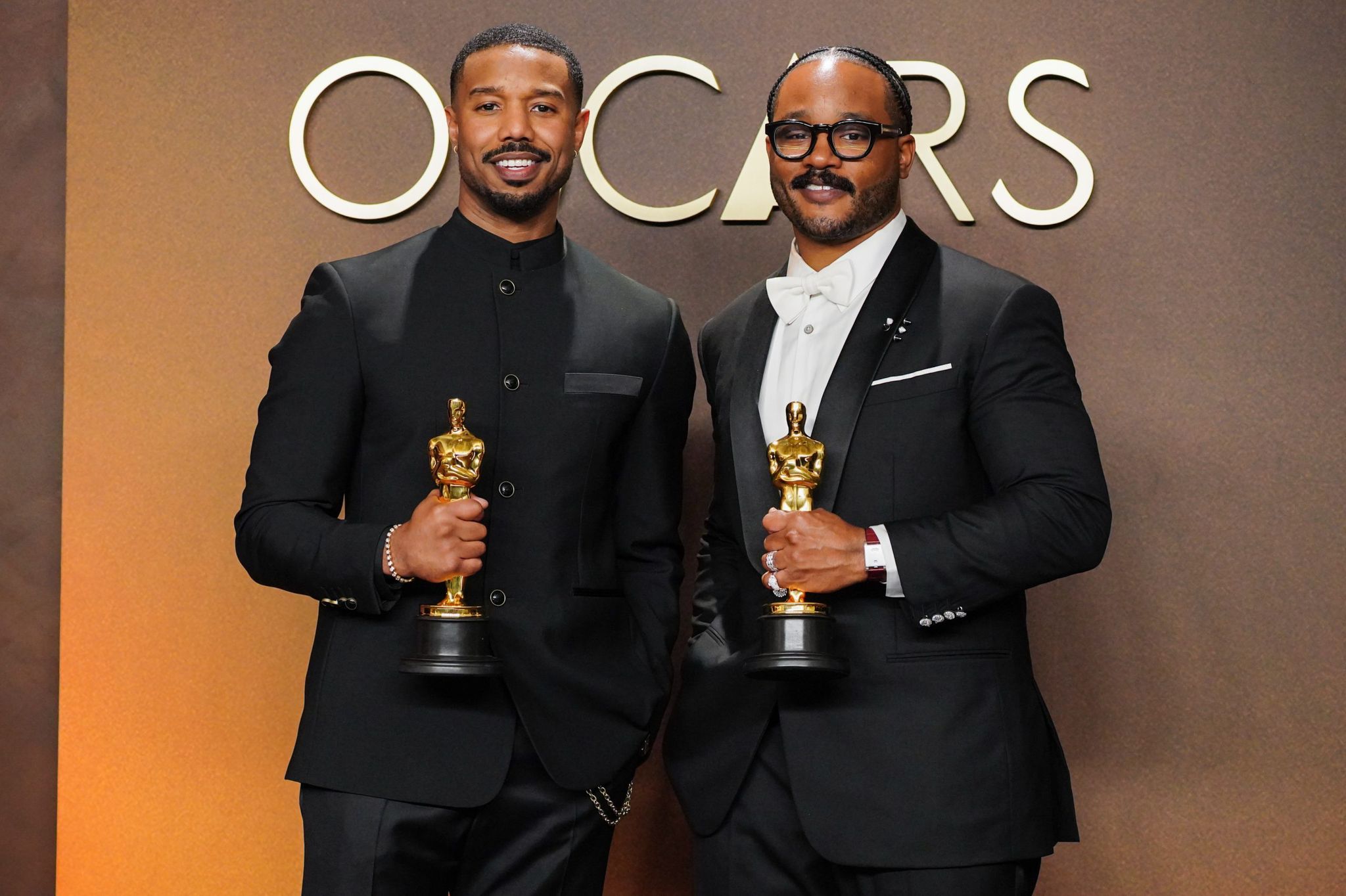
When the nominations for this year’s Academy Awards were announced, one film immediately dominated the conversation: Sinners. It led the race with an unprecedented 16 nominations–the most any film had ever received in the history of the Academy. In most years, that kind of recognition would simply signal a frontrunner. But the discussion surrounding Sinners has since gone beyond that of award momentum. It’s been about expectations.
Films by Black filmmakers have rarely existed in the Oscars race as just films. They have more often than not carried a broader cultural significance, representing progress, recognition and sometimes even the idea of Hollywood evolving. As the industry gathers for its 98th awards ceremony, the attention around the Sinners raises a question that has lingered around the Academy for decades: when Black films succeed at the Oscars, are they being celebrated as achievements in cinema, or as “symbols of Black progress”?
Directed by Ryan Coogler and starring Michael B. Jordan, it arrives with enormous expectations. Coogler’s own career has already shaped Hollywood in important ways. From Fruitvale Station to Creed to the https://www.youtube.com/embed/bKGxHflevukhttps://www.youtube.com/embed/bKGxHflevuk films, he has consistently demonstrated that culturally specific stories can reach global audiences while maintaining artistic depth. Sinners represents another chapter in that trajectory, a film that critics and industry voters alike have embraced.
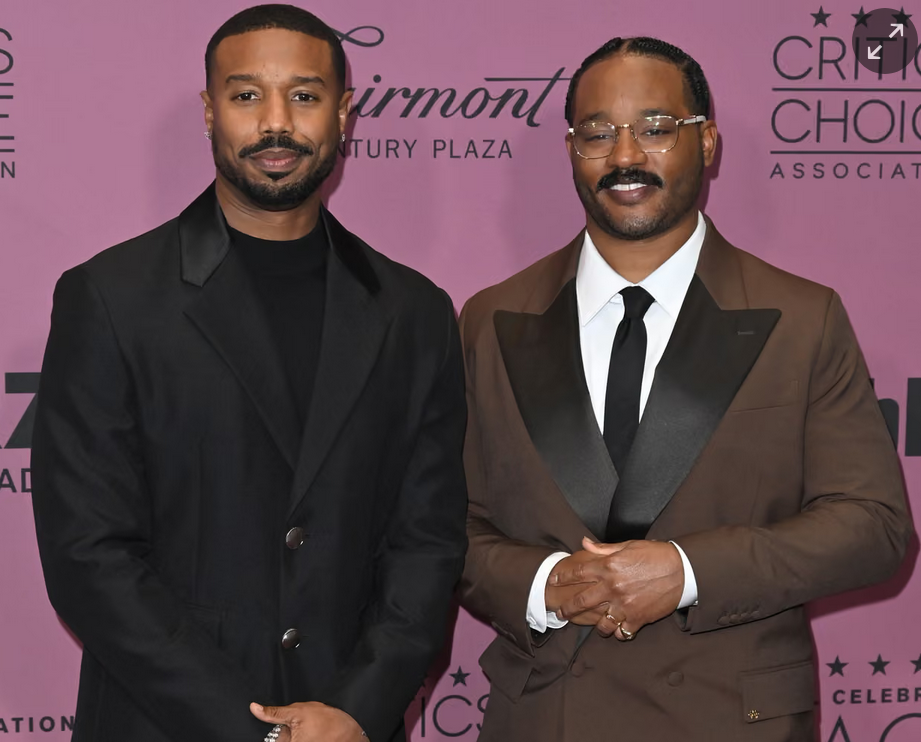
Yet the reaction to the film reveals a familiar pattern in awards season discourse. Black Oscar contenders often carry a cultural weight that few other films are asked to bear. Expected to represent Black progress–not simply artistic excellence.

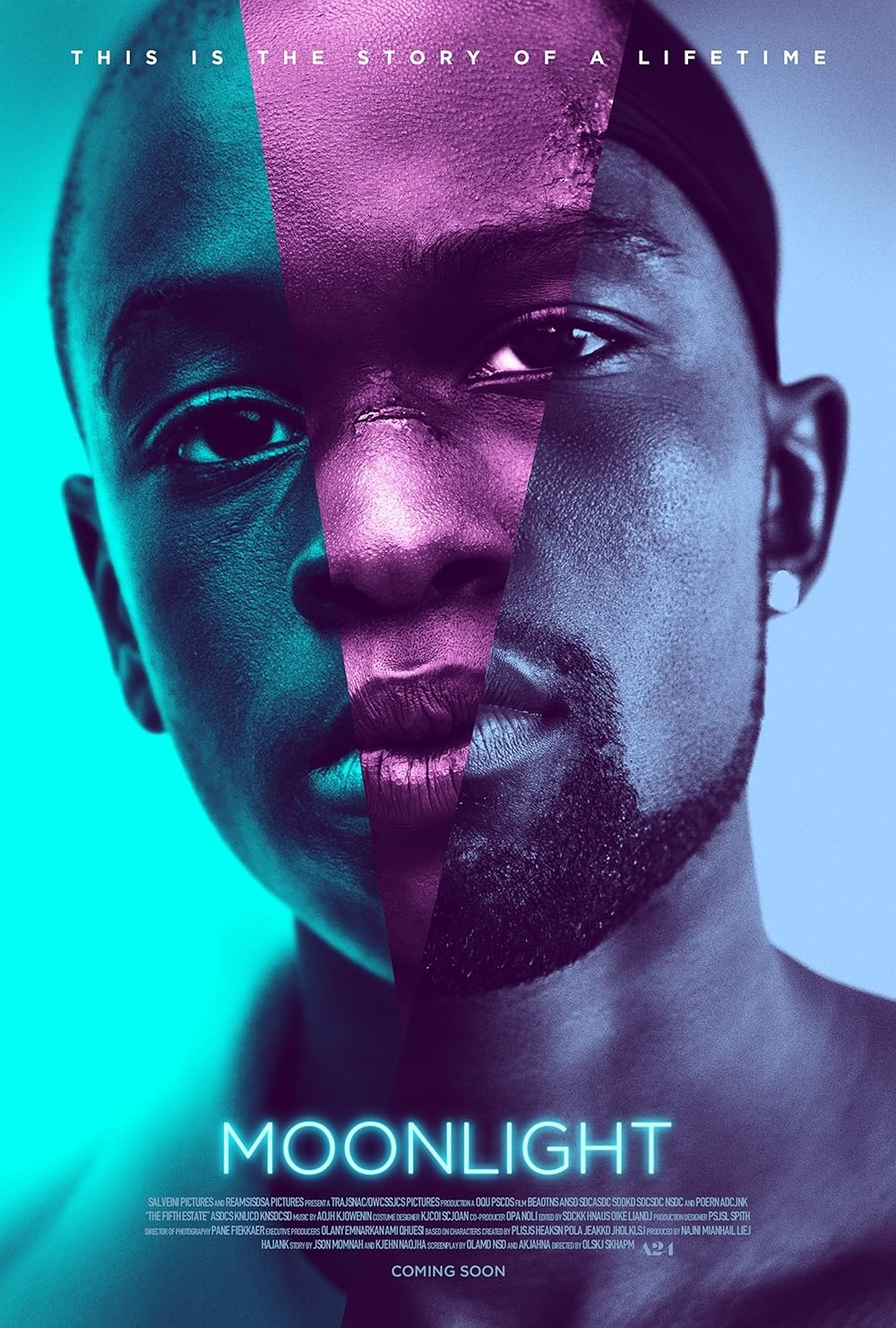
That dynamic has appeared in previous awards seasons. When Moonlight won Best Picture in 2017, the victory was widely framed as a historic moment. The recognition of Get Out marked another turning point for horror genre films and Black filmmakers. And when Black Panther became the first superhero film nominated for Best Picture, the achievement was celebrated as a breakthrough for blockbuster storytelling and a reminder of how overlooked similar films before them were. Each of these moments felt historic. But the word ‘historic’ appears so frequently in conversations about Black cinema.
The broader cultural climate only amplifies that tension. In the United States, political battles over how Black history is taught have intensified recently, with some lawmakers pushing to restrict discussions about race and systemic inequality in schools. In that climate, institutions including Hollywood can begin to feel like stand-ins for larger conversations about whose stories are allowed to be told.
Even the awards season itself has not been immune to those tensions. During the BAFTAs this year, a controversy erupted after a guest used a racial slur when Best Actor and Best Supporting Actor nominees Michael B. Jordan and Delroy Lindo respectively, were on stage presenting an award at the ceremony. The moment quickly sparked outrage, but served as a reminder that the film’s industry relationship with race remains deeply complicated.
All of which brings the focus back to Sinners and its record-breaking sixteen nominations. The Oscars’ enthusiastic embrace of the film invites a complicated question. Is the Academy preparing to reward the film with the same enthusiasm it displayed during the nomination process or are the nominations themselves the reward? Hollywood has a long history of celebrating diversity figuratively while moving cautiously when it comes to the industry’s highest honors.
That possibility creates a strange paradox. If Sinners sweeps the Oscars, it will likely be heralded as another landmark moment for both Coogler and the Academy. But if the film walks away with only a handful of awards–or none of the night’s biggest ones, critics may wonder whether the nominations themselves functioned as a symbolic gesture of progress.
Regardless of the final outcome, the Sinners Oscars race reveals how complicated the relationship between representation and recognition can be. For Black filmmakers, awards season is more than just recognition for craft or performance, rather it is about whether these spaces are truly changing or simply learning new ways to appear as though they are.
IG - @_stanleykilonzo





.png)