The Honest State of Black Feminism in 2026: A History of Being Undermined and Fighting Back.

Authored by

Every March, the world celebrates women. Corporations turn their logos pink/purple. Governments issue statements. Social media is filled with the language of progress -  empowerment, equality, sisterhood. And underneath all of it, a quieter and more urgent story continues: the organised, global rollback of the rights being celebrated. This piece is not about whether progress has happened. It is about why progress, every time it happens, produces a counter-movement determined to reverse it and why the African feminist tradition, more than any other, has understood this dynamic longest and fought it hardest.

The pattern begins in 1848. Women gathered at Seneca Falls to demand the vote and basic civil rights. The backlash began before the convention was over; newspaper editors attacked the Declaration of Sentiments with such vitriol that many attendees withdrew their signatures in embarrassment. The movement was one day old, and the counter-movement had already begun. Women eventually won the vote in most Western countries by the 1920s. What followed was not expansion but erosion: coalitions splintered, anti-communist politics were weaponised against Progressive women, and the social welfare gains fought for alongside suffrage were quietly dismantled. The pattern repeated so consistently through the 1980s that Susan Faludi named and documented it in her 1991 book Backlash: The Undeclared War Against Women - the systematic reaction of patriarchal structures to feminist progress, dressed up as common sense, tradition, or protection. She was writing about the 1980s. She could have been writing about now.
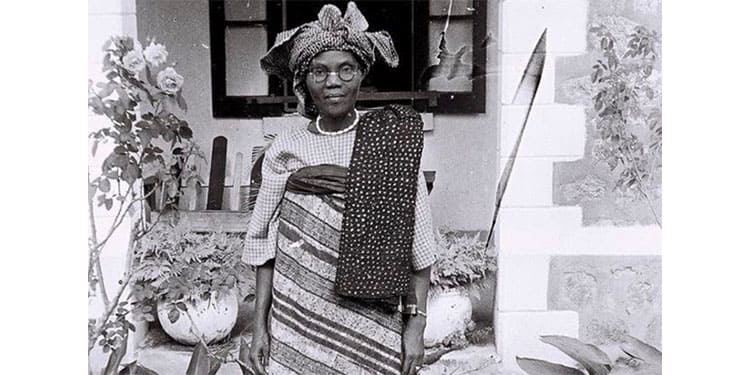
Credit: NCRI Women Committee

African feminism understood this backlash structure long before Faludi named it, because African women were navigating two systems of oppression simultaneously, patriarchy and colonialism, from the very beginning. The movement did not emerge from academic theory. It emerged from the liberation struggle. In Algeria, Mozambique, Guinea, Angola and Kenya, women fought alongside their male counterparts for state autonomy and women's rights at the same time, building a feminism rooted in the specific and the urgent rather than the abstract. Figures like Funmilayo Anikulapo-Kuti, Lilian Ngoyi and Wambui Otieno were not responding to Western feminist frameworks. They were building their own, and they were doing it under conditions of colonial violence that Western feminism has rarely had to reckon with directly. All strands of African feminism are informed not only by patriarchy but by colonisation, imperialism, heteronormativity, ethnicity, race and class, making it one of the most intersectional feminist traditions in the world. 

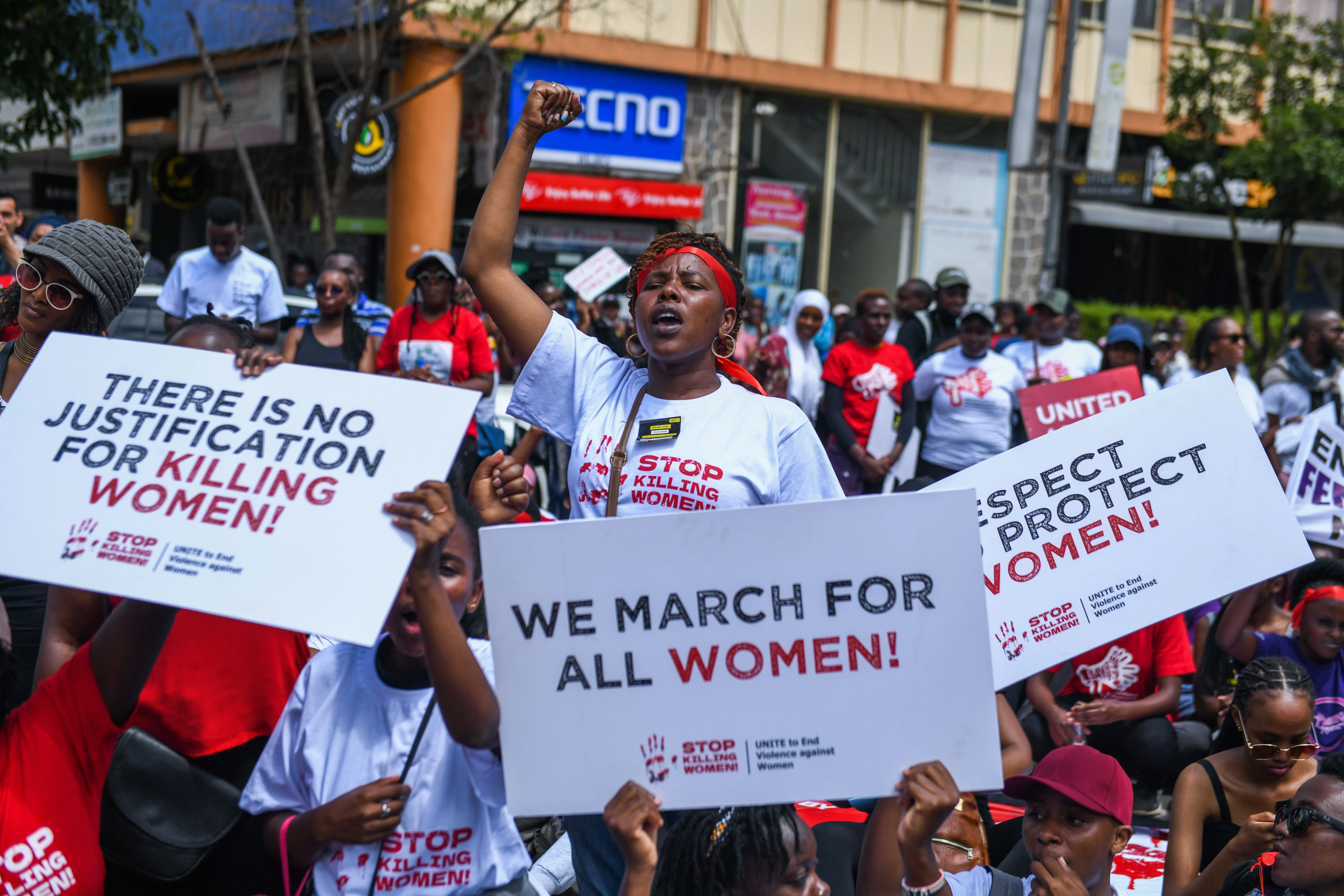
That tradition is alive and urgent in the present. In January 2024, Kenyan women took to the streets in the largest protest against sexual and gender-based violence in the country's history, demanding President Ruto declare femicide a national crisis. In Nigeria, the Feminist Coalition mobilised legal support, food and medical aid during the 2020 EndSARS protests, proving that when women organise, they organise for the whole of society. FemCo opened feminist conversations in a country that had long treated the word as an insult. In Ghana, the Affirmative Action (Gender Equality) Act 2024 was passed after more than a decade of activist lobbying. The African feminist movement does not wait to be included in the global conversation. It has been having it.

What is different in 2026 is not that the backlash exists. It is that it is everywhere at once, operating across vastly different political systems with the same directional logic. In Afghanistan, the Taliban has banned women from reading, speaking in public, or looking directly at men who are not their husbands or blood relatives - a system of female erasure so total that it has largely disappeared from international headlines, absorbed into the background noise of a world that has moved on. The women have not. In the United States, the overturning of Roe v. Wade removed a constitutional right held for nearly fifty years, and the political machinery that achieved it is still moving. In Iraq, a bloc of 25 female MPs tried to stop the child marriage bill from reaching a second vote. They failed. It passed in January 2025.

Backlash does not arrive randomly. It arrives when power feels threatened and reaches for the most available instrument of control, which has always been the bodies, freedoms and labour of women. Economic instability makes traditional gender roles a political argument for order. Authoritarian politics requires hierarchy by design, and women's equality is structurally incompatible with that hierarchy. And in 2026, there is a third accelerant that previous generations of feminists did not face: the digital infrastructure of regression. The manosphere has given misogyny a global distribution network. Algorithms surface anti-feminist content to men who were not looking for it. For some people on the continent, feminism has been successfully mischaracterised as anti-male, anti-culture and anti-religion - a deliberate and documented strategy of discrediting the movement by severing it from the communities it serves. In 2024, women, girls and gender diverse people bore the brunt of the polycrisis armed conflict, climate change, and economic hardship, while anti-gender movements grew bolder and better funded. 

No country in the world has yet reached full legal equality for women and girls. At the current rate of progress, it will take another 131 years. One hundred and thirty-one years. Set that number down and do not rush past it. And yet since 1995 alone, 1,531 legal reforms advancing gender equality have been enacted across 189 countries. Maternal mortality has dropped by a third. Women's representation in parliaments has more than doubled. These two sets of facts are not in contradiction. They are the same story - the story of a movement that advances under fire, that builds even while being dismantled, that has never once had the luxury of believing the work was done.

That is what the African feminist tradition has always known. Progress is not a gift. It is a negotiation that never ends, conducted under conditions that are rarely fair, by women who rarely have the institutional power of the forces they are negotiating against. The fight does not pause for celebrations. It does not recognise the calendar.

Backlash is not proof that progress is failing. It is proof that progress is threatening something. And threatened things fight back. Women's Month gives the world one month to remember that. The fight does not take the other eleven off.

IG- @ffeistyhuman
Cover Credit: Al Jazeera
The Honest State of Black Feminism in 2026: A History of Being Undermined and Fighting Back.

Authored by
This is some text inside of a div block.

Every March, the world celebrates women. Corporations turn their logos pink/purple. Governments issue statements. Social media is filled with the language of progress -  empowerment, equality, sisterhood. And underneath all of it, a quieter and more urgent story continues: the organised, global rollback of the rights being celebrated. This piece is not about whether progress has happened. It is about why progress, every time it happens, produces a counter-movement determined to reverse it and why the African feminist tradition, more than any other, has understood this dynamic longest and fought it hardest.

The pattern begins in 1848. Women gathered at Seneca Falls to demand the vote and basic civil rights. The backlash began before the convention was over; newspaper editors attacked the Declaration of Sentiments with such vitriol that many attendees withdrew their signatures in embarrassment. The movement was one day old, and the counter-movement had already begun. Women eventually won the vote in most Western countries by the 1920s. What followed was not expansion but erosion: coalitions splintered, anti-communist politics were weaponised against Progressive women, and the social welfare gains fought for alongside suffrage were quietly dismantled. The pattern repeated so consistently through the 1980s that Susan Faludi named and documented it in her 1991 book Backlash: The Undeclared War Against Women - the systematic reaction of patriarchal structures to feminist progress, dressed up as common sense, tradition, or protection. She was writing about the 1980s. She could have been writing about now.

Credit: NCRI Women Committee

African feminism understood this backlash structure long before Faludi named it, because African women were navigating two systems of oppression simultaneously, patriarchy and colonialism, from the very beginning. The movement did not emerge from academic theory. It emerged from the liberation struggle. In Algeria, Mozambique, Guinea, Angola and Kenya, women fought alongside their male counterparts for state autonomy and women's rights at the same time, building a feminism rooted in the specific and the urgent rather than the abstract. Figures like Funmilayo Anikulapo-Kuti, Lilian Ngoyi and Wambui Otieno were not responding to Western feminist frameworks. They were building their own, and they were doing it under conditions of colonial violence that Western feminism has rarely had to reckon with directly. All strands of African feminism are informed not only by patriarchy but by colonisation, imperialism, heteronormativity, ethnicity, race and class, making it one of the most intersectional feminist traditions in the world. 

That tradition is alive and urgent in the present. In January 2024, Kenyan women took to the streets in the largest protest against sexual and gender-based violence in the country's history, demanding President Ruto declare femicide a national crisis. In Nigeria, the Feminist Coalition mobilised legal support, food and medical aid during the 2020 EndSARS protests, proving that when women organise, they organise for the whole of society. FemCo opened feminist conversations in a country that had long treated the word as an insult. In Ghana, the Affirmative Action (Gender Equality) Act 2024 was passed after more than a decade of activist lobbying. The African feminist movement does not wait to be included in the global conversation. It has been having it.

What is different in 2026 is not that the backlash exists. It is that it is everywhere at once, operating across vastly different political systems with the same directional logic. In Afghanistan, the Taliban has banned women from reading, speaking in public, or looking directly at men who are not their husbands or blood relatives - a system of female erasure so total that it has largely disappeared from international headlines, absorbed into the background noise of a world that has moved on. The women have not. In the United States, the overturning of Roe v. Wade removed a constitutional right held for nearly fifty years, and the political machinery that achieved it is still moving. In Iraq, a bloc of 25 female MPs tried to stop the child marriage bill from reaching a second vote. They failed. It passed in January 2025.

Backlash does not arrive randomly. It arrives when power feels threatened and reaches for the most available instrument of control, which has always been the bodies, freedoms and labour of women. Economic instability makes traditional gender roles a political argument for order. Authoritarian politics requires hierarchy by design, and women's equality is structurally incompatible with that hierarchy. And in 2026, there is a third accelerant that previous generations of feminists did not face: the digital infrastructure of regression. The manosphere has given misogyny a global distribution network. Algorithms surface anti-feminist content to men who were not looking for it. For some people on the continent, feminism has been successfully mischaracterised as anti-male, anti-culture and anti-religion - a deliberate and documented strategy of discrediting the movement by severing it from the communities it serves. In 2024, women, girls and gender diverse people bore the brunt of the polycrisis armed conflict, climate change, and economic hardship, while anti-gender movements grew bolder and better funded. 

No country in the world has yet reached full legal equality for women and girls. At the current rate of progress, it will take another 131 years. One hundred and thirty-one years. Set that number down and do not rush past it. And yet since 1995 alone, 1,531 legal reforms advancing gender equality have been enacted across 189 countries. Maternal mortality has dropped by a third. Women's representation in parliaments has more than doubled. These two sets of facts are not in contradiction. They are the same story - the story of a movement that advances under fire, that builds even while being dismantled, that has never once had the luxury of believing the work was done.

That is what the African feminist tradition has always known. Progress is not a gift. It is a negotiation that never ends, conducted under conditions that are rarely fair, by women who rarely have the institutional power of the forces they are negotiating against. The fight does not pause for celebrations. It does not recognise the calendar.

Backlash is not proof that progress is failing. It is proof that progress is threatening something. And threatened things fight back. Women's Month gives the world one month to remember that. The fight does not take the other eleven off.

IG- @ffeistyhuman
Cover Credit: Al Jazeera

This is some text inside of a div block.

The Honest State of Black Feminism in 2026: A History of Being Undermined and Fighting Back.

Authored by

Every March, the world celebrates women. Corporations turn their logos pink/purple. Governments issue statements. Social media is filled with the language of progress -  empowerment, equality, sisterhood. And underneath all of it, a quieter and more urgent story continues: the organised, global rollback of the rights being celebrated. This piece is not about whether progress has happened. It is about why progress, every time it happens, produces a counter-movement determined to reverse it and why the African feminist tradition, more than any other, has understood this dynamic longest and fought it hardest.

The pattern begins in 1848. Women gathered at Seneca Falls to demand the vote and basic civil rights. The backlash began before the convention was over; newspaper editors attacked the Declaration of Sentiments with such vitriol that many attendees withdrew their signatures in embarrassment. The movement was one day old, and the counter-movement had already begun. Women eventually won the vote in most Western countries by the 1920s. What followed was not expansion but erosion: coalitions splintered, anti-communist politics were weaponised against Progressive women, and the social welfare gains fought for alongside suffrage were quietly dismantled. The pattern repeated so consistently through the 1980s that Susan Faludi named and documented it in her 1991 book Backlash: The Undeclared War Against Women - the systematic reaction of patriarchal structures to feminist progress, dressed up as common sense, tradition, or protection. She was writing about the 1980s. She could have been writing about now.

Credit: NCRI Women Committee

African feminism understood this backlash structure long before Faludi named it, because African women were navigating two systems of oppression simultaneously, patriarchy and colonialism, from the very beginning. The movement did not emerge from academic theory. It emerged from the liberation struggle. In Algeria, Mozambique, Guinea, Angola and Kenya, women fought alongside their male counterparts for state autonomy and women's rights at the same time, building a feminism rooted in the specific and the urgent rather than the abstract. Figures like Funmilayo Anikulapo-Kuti, Lilian Ngoyi and Wambui Otieno were not responding to Western feminist frameworks. They were building their own, and they were doing it under conditions of colonial violence that Western feminism has rarely had to reckon with directly. All strands of African feminism are informed not only by patriarchy but by colonisation, imperialism, heteronormativity, ethnicity, race and class, making it one of the most intersectional feminist traditions in the world. 

That tradition is alive and urgent in the present. In January 2024, Kenyan women took to the streets in the largest protest against sexual and gender-based violence in the country's history, demanding President Ruto declare femicide a national crisis. In Nigeria, the Feminist Coalition mobilised legal support, food and medical aid during the 2020 EndSARS protests, proving that when women organise, they organise for the whole of society. FemCo opened feminist conversations in a country that had long treated the word as an insult. In Ghana, the Affirmative Action (Gender Equality) Act 2024 was passed after more than a decade of activist lobbying. The African feminist movement does not wait to be included in the global conversation. It has been having it.

What is different in 2026 is not that the backlash exists. It is that it is everywhere at once, operating across vastly different political systems with the same directional logic. In Afghanistan, the Taliban has banned women from reading, speaking in public, or looking directly at men who are not their husbands or blood relatives - a system of female erasure so total that it has largely disappeared from international headlines, absorbed into the background noise of a world that has moved on. The women have not. In the United States, the overturning of Roe v. Wade removed a constitutional right held for nearly fifty years, and the political machinery that achieved it is still moving. In Iraq, a bloc of 25 female MPs tried to stop the child marriage bill from reaching a second vote. They failed. It passed in January 2025.

Backlash does not arrive randomly. It arrives when power feels threatened and reaches for the most available instrument of control, which has always been the bodies, freedoms and labour of women. Economic instability makes traditional gender roles a political argument for order. Authoritarian politics requires hierarchy by design, and women's equality is structurally incompatible with that hierarchy. And in 2026, there is a third accelerant that previous generations of feminists did not face: the digital infrastructure of regression. The manosphere has given misogyny a global distribution network. Algorithms surface anti-feminist content to men who were not looking for it. For some people on the continent, feminism has been successfully mischaracterised as anti-male, anti-culture and anti-religion - a deliberate and documented strategy of discrediting the movement by severing it from the communities it serves. In 2024, women, girls and gender diverse people bore the brunt of the polycrisis armed conflict, climate change, and economic hardship, while anti-gender movements grew bolder and better funded. 

No country in the world has yet reached full legal equality for women and girls. At the current rate of progress, it will take another 131 years. One hundred and thirty-one years. Set that number down and do not rush past it. And yet since 1995 alone, 1,531 legal reforms advancing gender equality have been enacted across 189 countries. Maternal mortality has dropped by a third. Women's representation in parliaments has more than doubled. These two sets of facts are not in contradiction. They are the same story - the story of a movement that advances under fire, that builds even while being dismantled, that has never once had the luxury of believing the work was done.

That is what the African feminist tradition has always known. Progress is not a gift. It is a negotiation that never ends, conducted under conditions that are rarely fair, by women who rarely have the institutional power of the forces they are negotiating against. The fight does not pause for celebrations. It does not recognise the calendar.

Backlash is not proof that progress is failing. It is proof that progress is threatening something. And threatened things fight back. Women's Month gives the world one month to remember that. The fight does not take the other eleven off.

IG- @ffeistyhuman
Cover Credit: Al Jazeera
Other Stories
London
London
Lagos
London
Newyork
London
Shop
Join the community.
You are now subscribed to receive updates.
Oops! Something went wrong while submitting the form.