.svg)

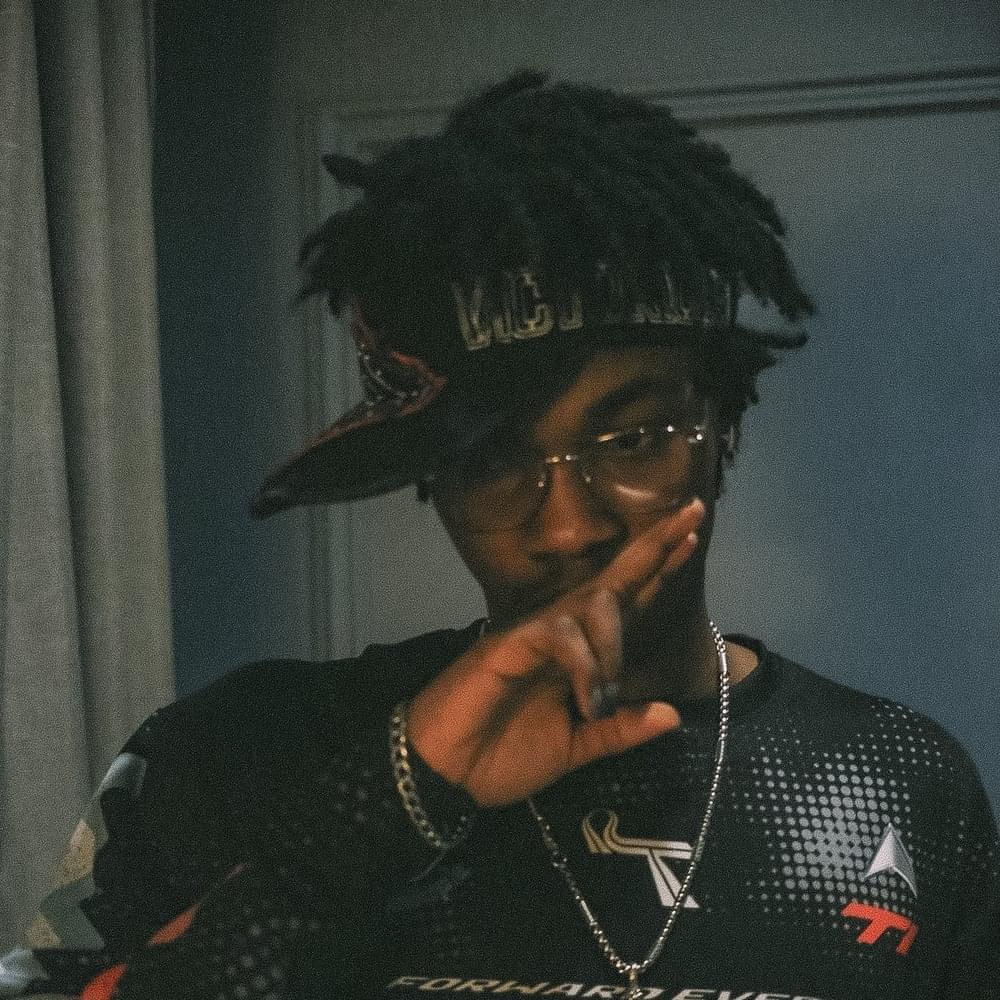
The Nigerian music industry is experiencing a generational shift like never before. While Afrobeats continues its global conquest, a new class of artists is emerging from the shadows of mainstream pop, young stars who speak directly to Nigeria's massive Gen Z demographic with a sound that feels both globally familiar and distinctly local.
The diversity and freshness this new class is introducing is good for the ecosystem. Artists like Mavo, Zaylevelten, Wavestar etc and their contemporaries aren't just making music, they're building a cultural bridge. It was always clear that whoever could add sufficient street identity to the mumble rap aesthetic, blend it with Alte's experimental edge, and infuse the Nigerian version of psychedelic rap would stand a big chance of winning. These artists represent the home-grown version of Juice WRLD, XXXTentacion, Trippie Redd, and NLE Choppa, stars who were already popular among Nigerian youth long before local alternatives emerged.
Nigeria has one of the biggest young populations in the world. This isn't just a demographic statistic, it's a cultural reality that demands representation. Our soft power and pop culture will benefit immensely from Gen Z stars who can add complexity and dynamism to our pop framework and rally young listeners who've felt underserved by the dominance of Afrobeats' more commercial sounds.
Take Mavo, for instance. His approach to melody and song structure borrows from the emo-rap playbook while maintaining Nigerian street credibility. Zaylevelten represents another facet of this movement: the fusion of trap sensibilities with Alte's genre-fluid experimentation. His willingness to switch flows, play with autotune in unconventional ways, and reference both Nigerian street life and global internet culture makes him emblematic of a generation that refuses to be boxed in by traditional genre boundaries.
Yet for all this potential, there's a glaring challenge: the absence of labels willing to take genuine risks on this sound. Nigeria's music industry has become increasingly conservative, with major labels chasing proven Afrobeats formulas and established artists rather than investing in the experimental, harder-to-categorize sounds that Gen Z craves. This new wave needs infrastructure, not just distribution deals, but labels that understand the culture, can provide real artist development, and have the patience to build careers rather than chase viral moments. The artists are ready. The audience is waiting. But the institutional support remains tentative at best.
Compare this to how Quality Control Music in Atlanta nurtured Lil Baby and Migos, or how Top Dawg Entertainment developed Kendrick Lamar labels that understood their artists' cultural context and gave them room to grow. Nigerian music needs similar institutions willing to invest in this emerging sound, even when it doesn't fit neatly into existing commercial categories.
But here's the critical point for both artists and any potential label partners: they need to focus on adding complexity and dynamism. Sharing a single flow isn't sustainable. The artists who will truly break through won't just be Nigerian versions of American rappers, they'll be innovators who take those influences and create something distinctly their own. The early trap wave in Nigeria suffered because too many artists sounded identical. The same risk exists now.
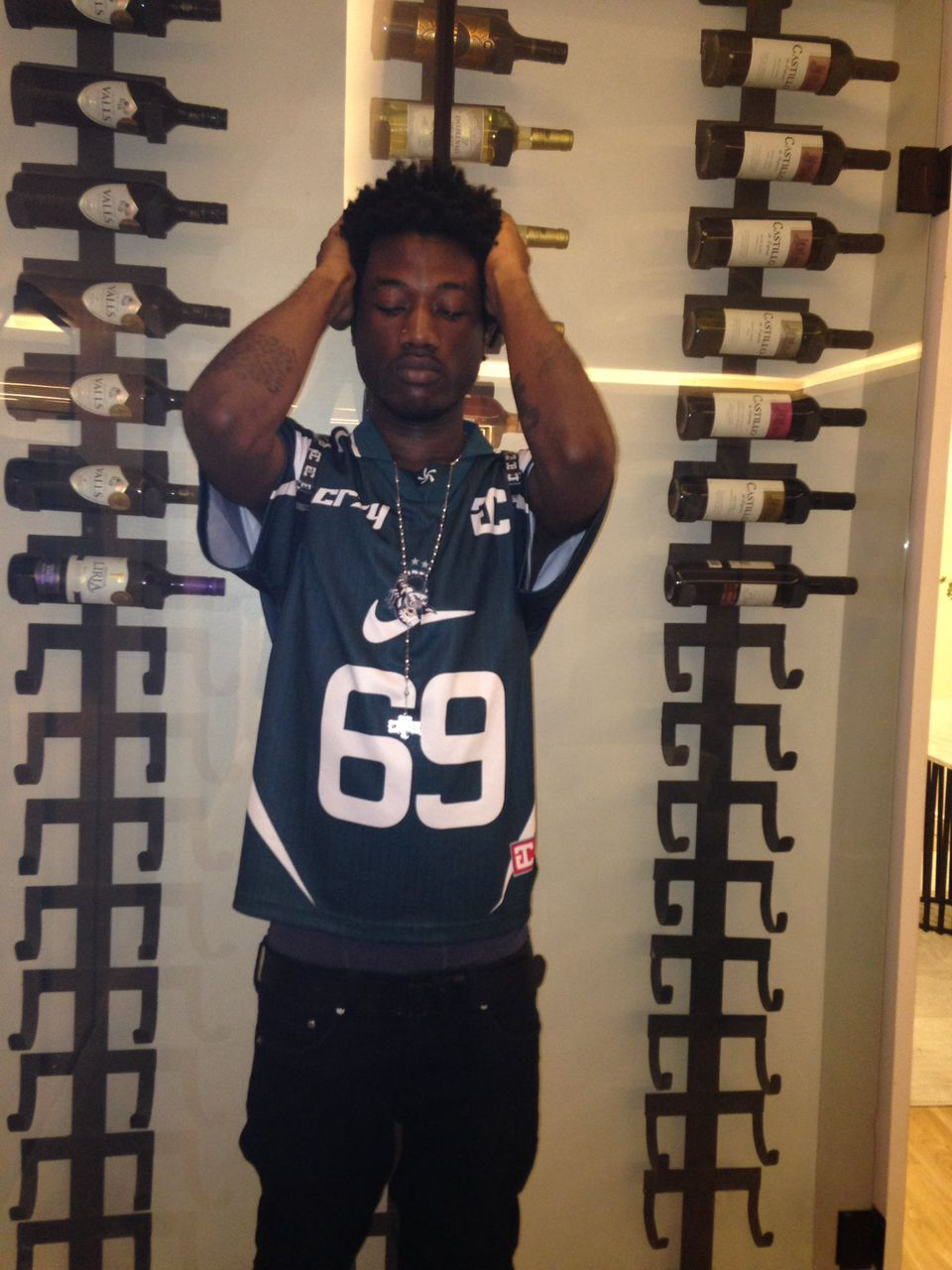
The winners in this new wave will be those who develop distinctive sonic identities rather than copying the SoundCloud rap formula wholesale, who tell authentically Nigerian stories while using global production aesthetics, who experiment with fusion by blending these influences with Afrobeats, Alte, and traditional Nigerian sounds, and who build genuine street credibility without losing the emotional openness that defines this generation's music.
This isn't just about music trends, it's about cultural representation. Nigerian Gen Z grew up bilingual in culture: watching Nollywood and Hollywood, listening to Wizkid and Lil Uzi Vert, navigating Lagos streets while scrolling through global TikTok trends. They deserve artists who reflect that duality. The global music industry has shown its hunger for new sounds from Nigeria. But the domestic audience, particularly young listeners, needs music that speaks to their specific experiences. Artists like Mavo and Zaylevelten are filling that gap, creating a space where young Nigerians don't have to choose between local pride and global aesthetics.
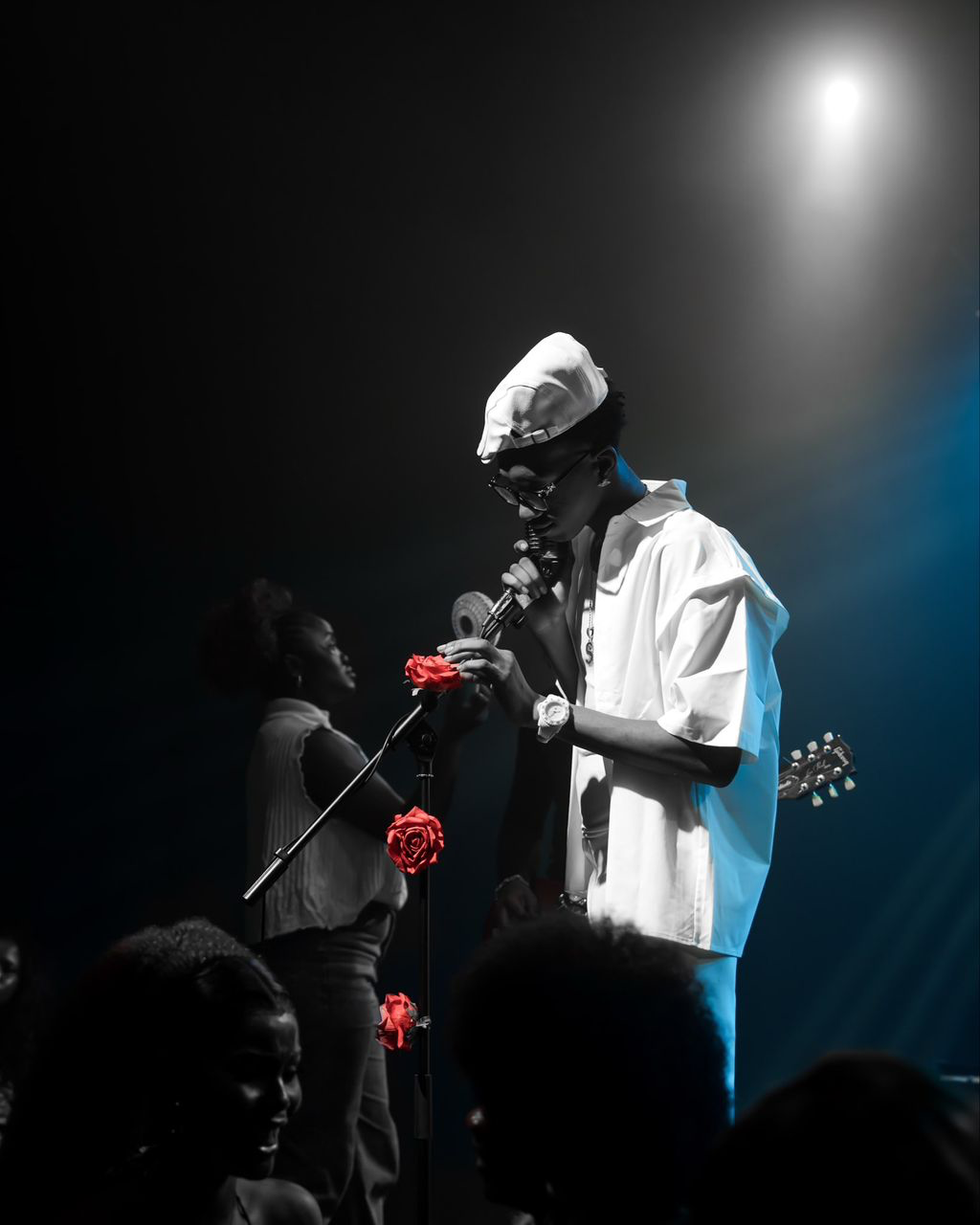
For this movement to sustain itself and contribute meaningfully to Nigeria's cultural ecosystem, it needs two things: artists who resist becoming carbon copies of each other or their international influences, and industry players willing to make long-term investments in this sound. The diversity and freshness being introduced now is valuable precisely because it's expanding the sonic palette of Nigerian music. But without proper institutional support, too many of these artists will remain underground, their potential untapped, their audiences underserved.
Nigeria's soft power on the global stage has been built on innovation, from Fela's Afrobeat to Wizkid and Burna Boy's modern Afrobeats. The next chapter will be written by artists who can speak to the largest young population in Africa with authenticity, complexity, and relentless creativity. But they'll need partners brave enough to bet on the future rather than just replicate the past. The foundation is there. The artists are emerging. Now comes the hard part: will the industry rise to meet the moment?
@femibksn


.png)

