.svg)

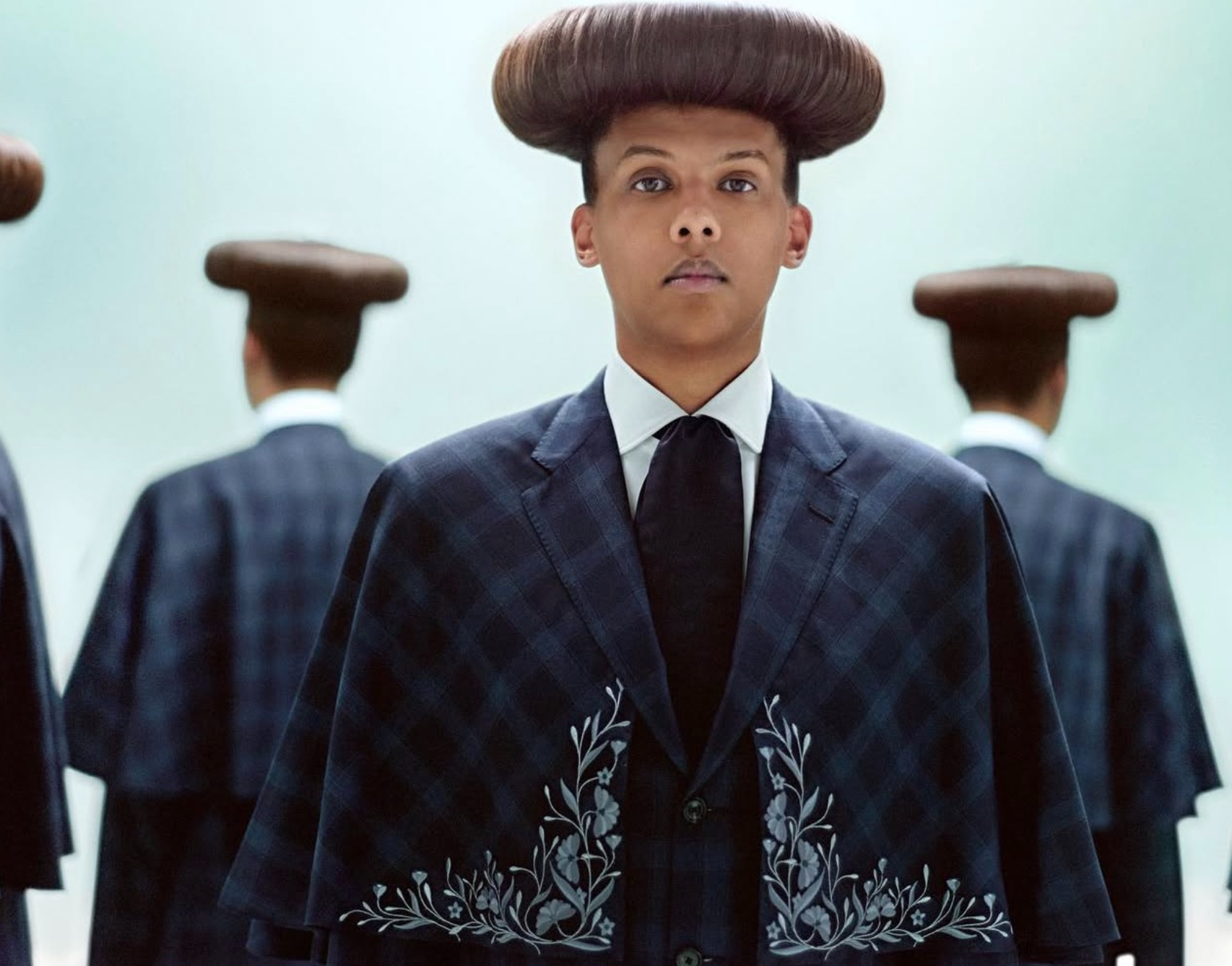
The arrival of 2026 has introduced a profound distortion in our musical reality. A viral, AI-generated "Afro Soul Orchestral" version of Stromae’s "Papaoutai" has surged across global platforms, capturing the public imagination in a way few traditional covers ever could. This is no longer a simple technological experiment. It is a defining cultural pivot that challenges our understanding of creative ownership and the digital simulation of human pain. As this haunting orchestral rendition climbs the charts, it forces us to re-evaluate the line between artistic tribute and algorithmic exploitation.
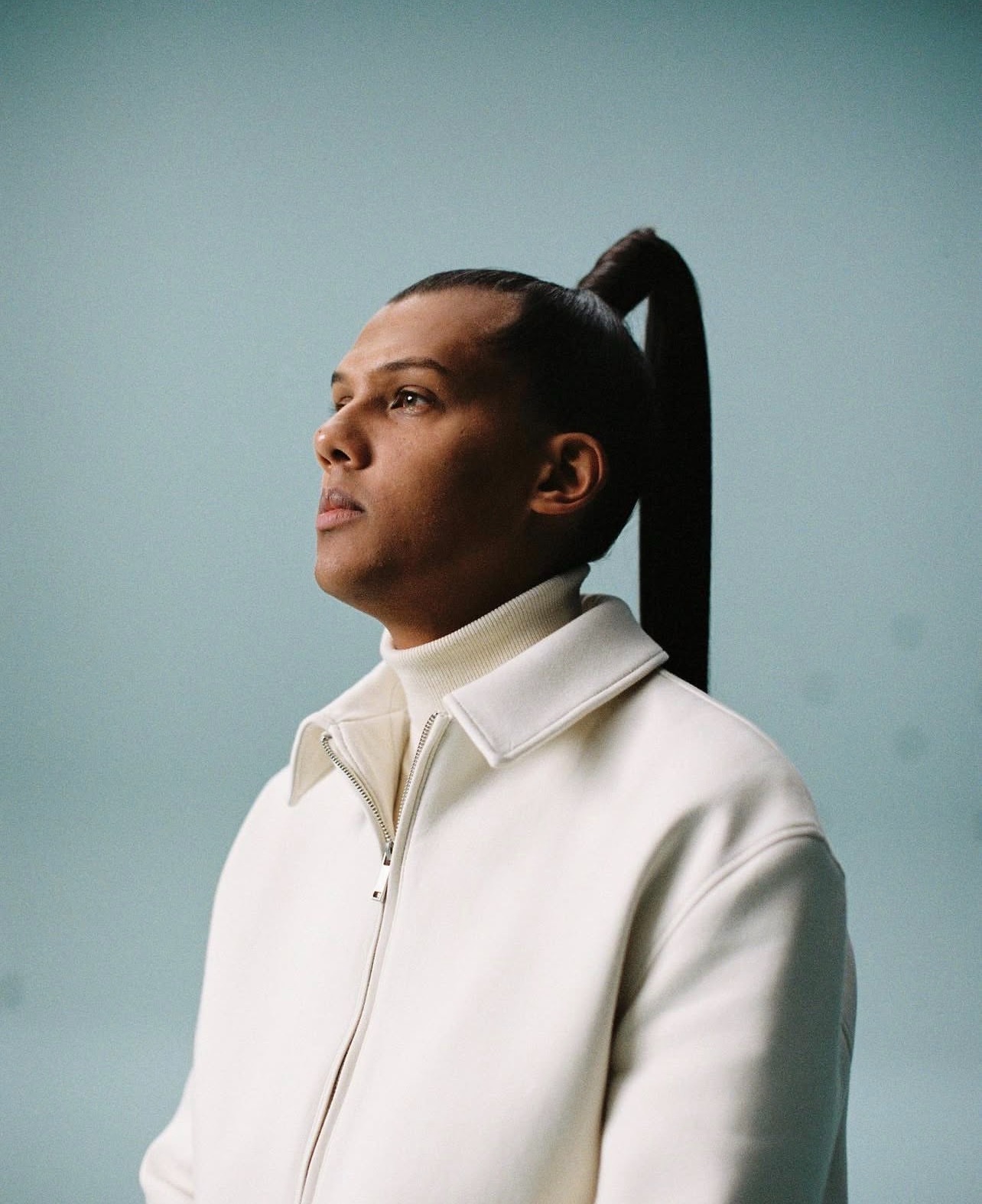
To understand the weight of this reinvention, one must look to the architect of the original. Born Paul Van Haver on March 12, 1985, in Brussels, the Belgian-Rwandan artist known as Stromae became a global phenomenon with his 2013 album, Racine Carrée. "Papaoutai" was its crowning achievement, a track that blended Belgian electronic roots with Congolese soukous while addressing the tragic 1994 Rwandan genocide that claimed his father’s life. The original song stands as a monumental success, boasting over one billion views and solidifying Stromae’s status as a pioneer of the francophone "chanson" revival.
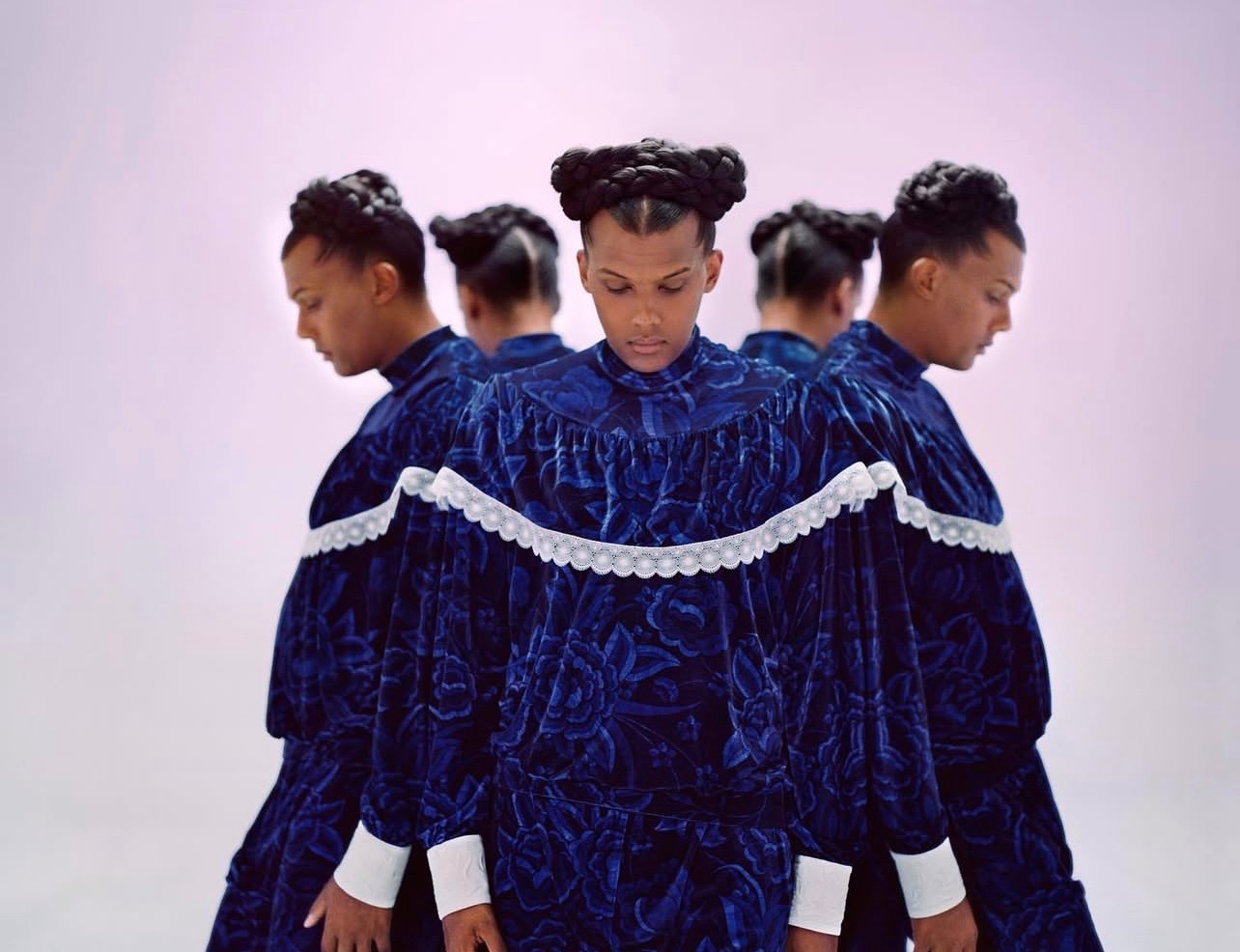
The genius of the 2013 original lay in its masterful use of irony. Stromae crafted a "Trojan horse" of a song, wrapping the devastating lyrics of a child searching for an absent father "Papa où t'es?" inside a vibrant, high-energy production. It was a visual and auditory mask. In the music video, Stromae played a rigid mannequin, a literal representation of a father who is physically present but spiritually hollow. For over a decade, the power of "Papaoutai" was found in this tension: the upbeat tempo acting as a shield against a deep, unresolvable trauma.
The 2026 AI reinvention, credited to creators like Unjaps, chooses to shatter that shield.
This version is an exercise in "Afro-Gothic" cinematic weight. Gone are the syncopated synthesizers and the club-ready four-on-the-floor beat. They have been replaced by a slow, funereal crawl led by earth-shaking war drums and sweeping, melancholic strings that evoke the scale of a grand tragedy. The most jarring shift, however, is in the vocal delivery. The AI model produces a voice that is not polished or "perfect" in the way we expect from machines. Instead, it is weary and gravelly, full of the heavy breathing and vocal cracks that characterize human vulnerability. It is a performance that mimics the sound of a breaking heart with terrifying accuracy.
This leads us to a necessary philosophical inquiry: is this evolution good or bad?
On one level, the track is objectively magnificent. It allows the raw poetry of Stromae’s lyrics to finally breathe without the distraction of a danceable beat. Yet, as it dominates the Spotify Global 200, we must consider the cost. This version does not use Stromae's actual recordings; it is a mathematical simulation of his emotional affect. When a machine successfully mimics the grief of a son whose father was lost to genocide, we enter a moral gray area. Is it a tribute to the songwriting, or is it an "algorithmic parlor trick" that exploits a real human history for viral engagement?
We are currently standing at an existential precipice in the music industry. If an algorithm can learn to predict the frequency of sorrow and reproduce it with such fidelity that it induces real tears in a listener, what happens to the human artist? We should certainly expect more of these AI "remakes" as they prove to be highly profitable and emotionally resonant. However, we must ask if this begins an evolution where the "prompter" eventually replaces the "creator." Does the existence of this cover affect the sanctity of the original work? Some might argue it expands the song's legacy, while others believe it dilutes the specific, lived experience that Stromae poured into his art.
In the world of high-fashion and high-art, we place immense value on provenance: the documented history of the hand that made the object. This AI cover threatens that entire hierarchy. It proves that, for the modern consumer, the "experience" of the art is becoming more important than the "authority" of its source. If the goosebumps are real, the public seems increasingly indifferent to whether the singer has a soul or a processor. This shift marks the definitive end of the "uncanny valley" in music. We are no longer listening to robots; we are listening to machines that reflect our own humanity back to us better than we can ourselves.
The reinvention of "Papaoutai" is more than a viral anomaly. It is a signal that we have entered an era where our deepest emotions can be perfectly simulated. While the orchestral version offers a beautiful, haunting new lens through which to view a classic, it leaves us with a haunting question. If we can no longer distinguish between the cry of a human soul and the output of a sophisticated machine, what truly remains of the artist's voice? The mask has been removed, but we may not like what we see behind it.
Cover Photo credit : Michael Ferire



.png)

