.svg)


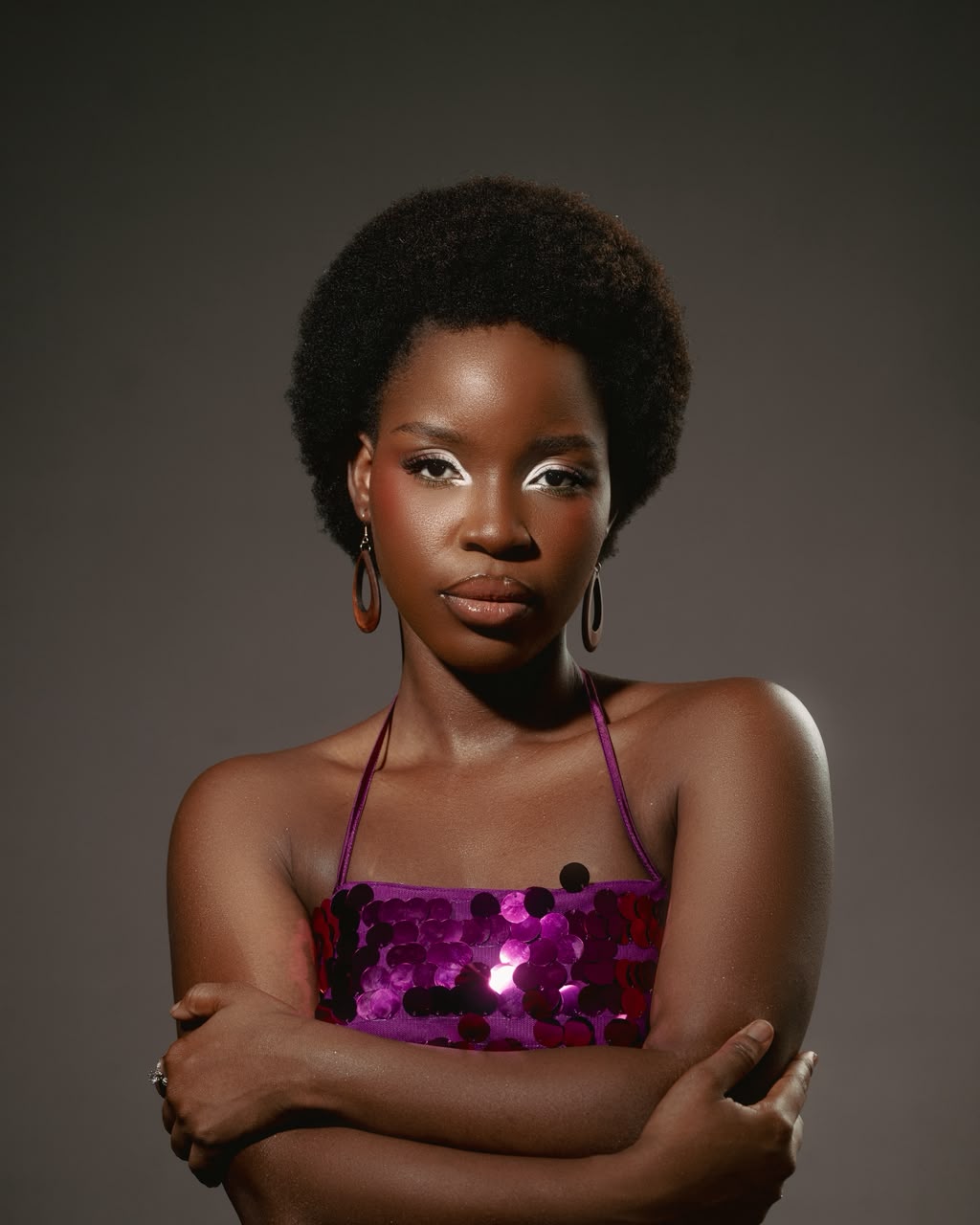
Wanatheplug isn't interested in making you comfortable. Spend a few minutes with the Nigerian poet and actor's work and you quickly realize that you're not stepping into the familiar cadence of spoken word poetry. Instead, you're dropped into something that feels deliberately disorienting–where humour collides with social critique, absurdity gives way to political commentary, and seemingly unrelated ideas eventually reveal themselves as part of the same thread. It's a style that demands your attention, not because it shouts the loudest, but because it refuses to follow the rules.
Born Wana Umoh, the poet is carving out his own lane through what he calls Twisted Poetry–a style that challenges convention, embraces unpredictability and invites audiences to question everything from governance to everyday life. At a time when poetry has found renewed life on social media, he's among a new generation of African storytellers proving that spoken word doesn't have to look or sound the way audiences have come to expect.
His performances rarely offer straightforward answers. Instead, they ask viewers to sit with discomfort, laugh unexpectedly and reconsider what they thought they understood. Whether he's on stage, on screen or online, Wanatheplug approaches storytelling with the same philosophy: surprise first, explanation later.
In conversation with Deeds, he reflects on building Twisted Poetry, balancing art with algorithms, and why he'd rather leave audiences questioning than comfortable.
Stanley for Deeds: For people discovering your work for the first time, who is Wana beyond the Instagram handle? What story are they stepping into when they see/experience your work?
If you like my poems, you are being baptized. Cleansed from the cliche traditional style of poetry Nigerians deliver, with the fake accent and imperialized themes that are not relatable to Nigerians. You are suffocated and drowned into a world of raw, unfiltered mind twisting poetry with your consciousness still intact.
You've described yourself as a poet, an actor, and you're building your own platform, Twisted Poetry. Do those feel like separate identities to you, or are they all different ways of telling the same story?
So initially poetry was an outlet to get my face out there so directors would put me in films, but the films were not coming. I realized my style was different from other Nigerian poets. Every time I performed people questioned if it was even poetry and they were right to question. This is twisted poetry, a bold genre that arrests your attention and seems like it doesn’t make sense, a genre that has the balls to question policy, governance and traditional norms. They are not different identities, in all facets acting and poetry you still get me. Cause my mind is twisted so nothing changes no matter what art form I express my twist in.
When did storytelling first become part of your life? Was there a particular moment when you realized poetry was the language you wanted to speak through?
I started writing poetry 2 years ago, the first poem I wrote I performed it 10 minutes after I wrote it and I realized that I have to be a performance poet, there’s a crack-like high I get when I'm in front of a stage and I know that I can say anything and you must listen actively or passively because I’m the centrepiece at that point. Now the idea is to use mundane topics or items to communicate a bigger picture, an example is writing a piece about a watch but linking it to me “watching the governments’ time run out.”
Your performances often move between humour, discomfort, vulnerability and social commentary. What usually tells you, "This experience deserves to become a poem"?
When the listener can segway between three or 4 emotions, then it deserves to be a poem. When you can’t predict the next line, it deserves to be a poem. When you feel like it doesn’t make sense in the middle and then it eventually makes sense in the end, then you rethink everything you just heard, then it deserves to be a poem.
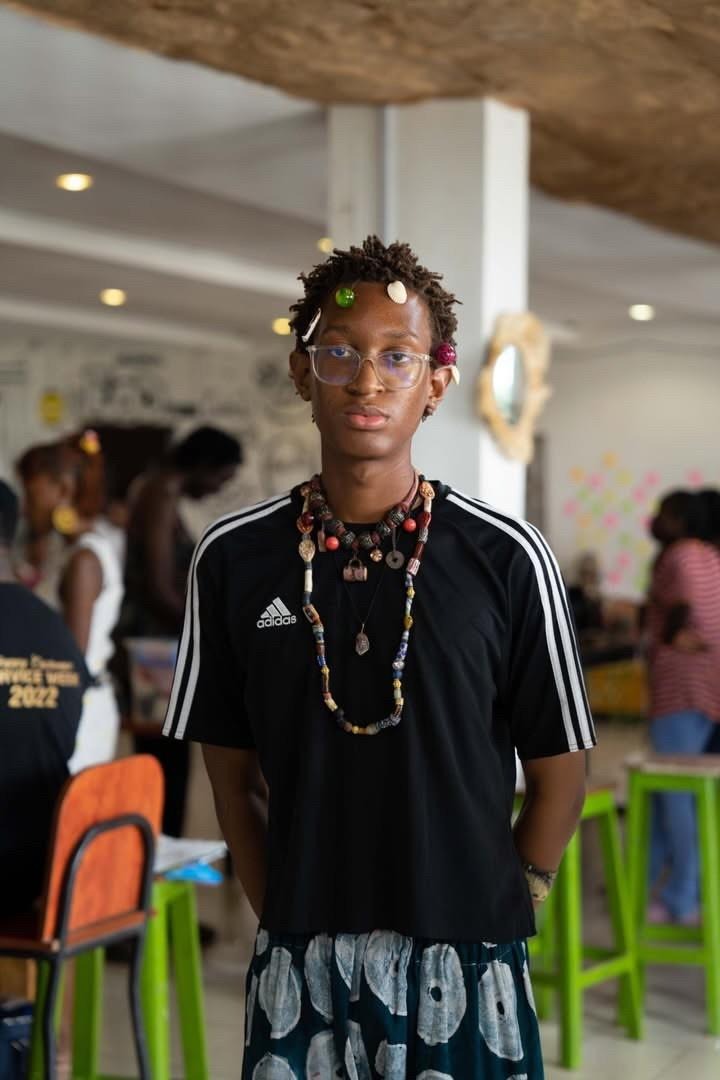
Some of your work feels almost theatrical–you don't just recite a poem, you inhabit it. How much of a performance are audiences seeing, and how much is simply you?
I’ll be honest any time I get on a stage I don’t plan to be theatrical. I'm just being Wana, as cliche as that sounds, I'm just naturally animated so it leaks out when I'm in front of a crowd and I own it.
Social media rewards speed, trends and short attention spans, yet poetry asks people to slow down and listen. Have you ever felt caught between making art and making content?
I make art the priority and would never compromise my style. But let’s be honest if you don’t play the content game no one will ever see your art. Personally I don't like posting on Tiktok, but it’s part of the game, SO I MUST PLAY. if I didn’t play the game you wouldn’t be able to discover me and conduct this interview.
You're building Twisted Poetry at a time when spoken word is finding new audiences across Africa. What kind of creative space are you hoping to create, and what do you think has been missing from the conversation around poetry?
With twisted poetry I envision a battalion of artists that use their free will to lay their voices on issues everyone is too scared or unable to speak on by way of poems. In poetry what has been missing is balls. People are too scared of being perceived badly or being looked at like a fool. Honestly I don't care how foolishly you perceive me, as long as the message is passed, I’m happy.
Your work often reflects everyday life–the absurd, the beautiful and sometimes the painful. How do you stay observant enough to keep finding stories in ordinary moments?
I started content creation by making relatable skits, so I've been used to mimicking things I see in society. I stopped skits because I felt like I wasn't championing change through those videos, so I'm used to observing and putting real life experiences and scenarios into art. The good thing is, now the art has substance. I also stay observant by just being very open minded towards people. That way I can absorb your personality enough to write about it.
Has there ever been a poem that scared you to perform because it felt too honest? What happened after you shared it?
Yes, it’s called ‘Nigeria, it spits in my mouth and I swallow it.’ I lowkey thought I'd disappear. But unluckily for the “powerful” I'm still here. Nothing happened after I posted the poem, it was just very relatable to people because Nigeria has really spat on them and we are forced to drink it because of the flock mentality and we are programmed to not question things which makes our kink adaptation to suffering.
Beyond poetry, you're also an actor. Has acting changed the way you write, or has poetry made you a better performer?
I think it’s the other way around. Poetry is changing the way I act on screen. I have to consciously make an effort to not read a script like it’s a poem, but you wouldn’t notice. Still book me abeg.
There's a generation of young Africans telling stories outside traditional publishing houses, theatres and television–often from their phones. Do you feel part of that movement, or do you think people sometimes overstate the role social media plays in today's creative landscape?
Yes, I'm part of the movement, very proud to be part, cause it just shows that art has no limitation, all you need is your phone and balls to post, sorry for mentioning balls a lot but it’s very very necessary in being able to share your art. The role social media plays is not overstated, it's an artist's bridge to like minded people, why should you downplay your connector.
When you're writing, are you trying to leave people with answers, or are you more interested in asking questions that stay with people long after the performance ends?
I want to leave you 70 percent unsure of what I really mean. The remaining 30 percent is my homework to you, go and interpret my poem as you see fit.
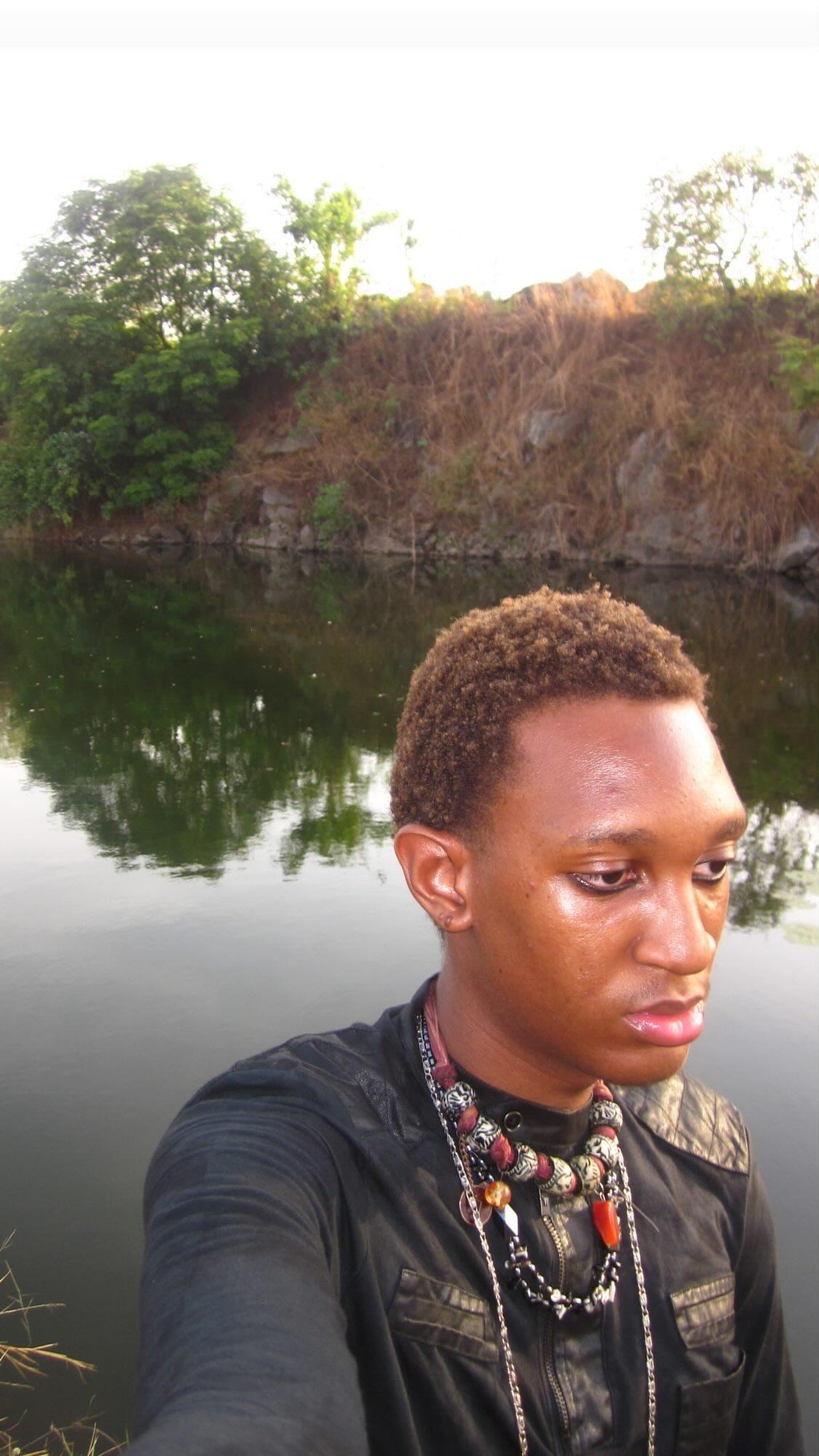
If someone watched every piece you've ever performed back-to-back, what patterns do you think they'd notice about the things that keep you awake at night? And five years from now, what do you hope they'll say you changed–not just as a poet, but as a storyteller?
If you watch every poem the main pattern is you’ll know that I don't care about perception. I would say anything in reason that passes the message no matter how outrageous. Five years from now I pray to deceive young people with my poems. Lure them in with a crazy hook and get them interested in the tribulations the government is putting them through as stated in my poetry. I would confess not all my poems are like that, but that’s the angle I'm going towards and I hope to be well cemented with that style in 5 years. It also goes beyond poetry. Twisted Productions will encompass every form of art, in due time.


.png)

