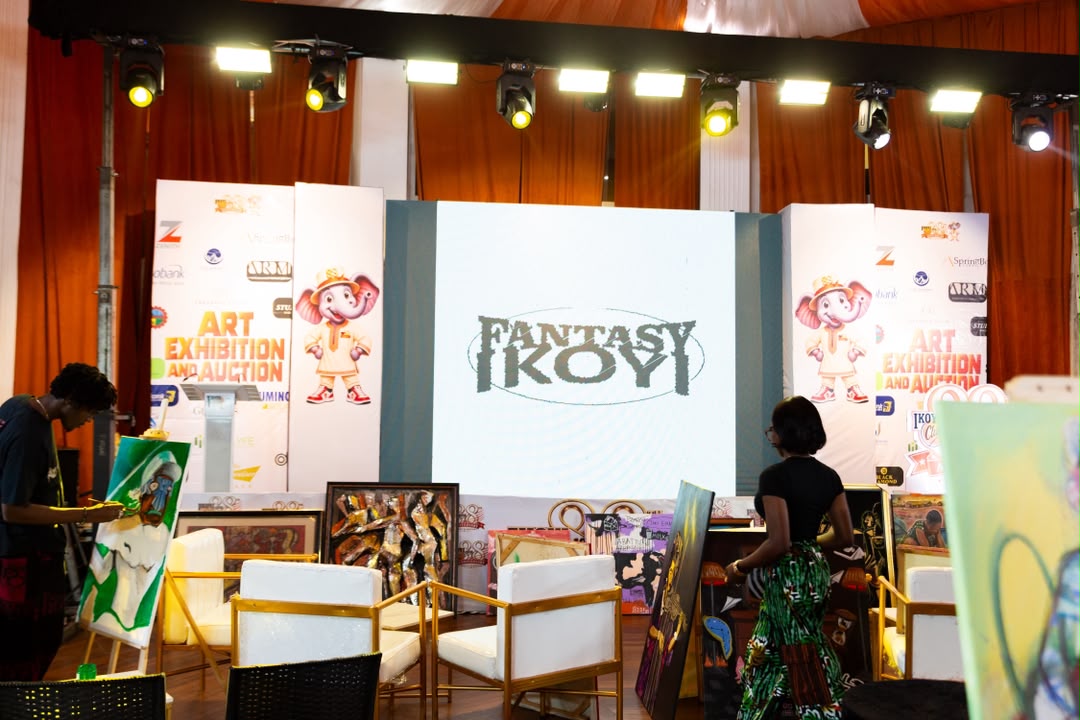
A Fantasy in Ikoyi: Tayo Okoya is Building a Bohemian Nest for Nigerian Mavericks

Authored by

For most of Tayo Okoya’s creative life, independence was simply how he worked. It was the end game for everything he dabbled into —  from fashion to 3D animation. It was just how he was wired. 
After returning home from his studies in Dubai, he opened a World Black Fantasy store in Lekki Phase One and continued running much of the operation independently. Everything was bright-eyed for Tayo. He was sure this was going to be a success. The only thing he lacked, however, was structure. 

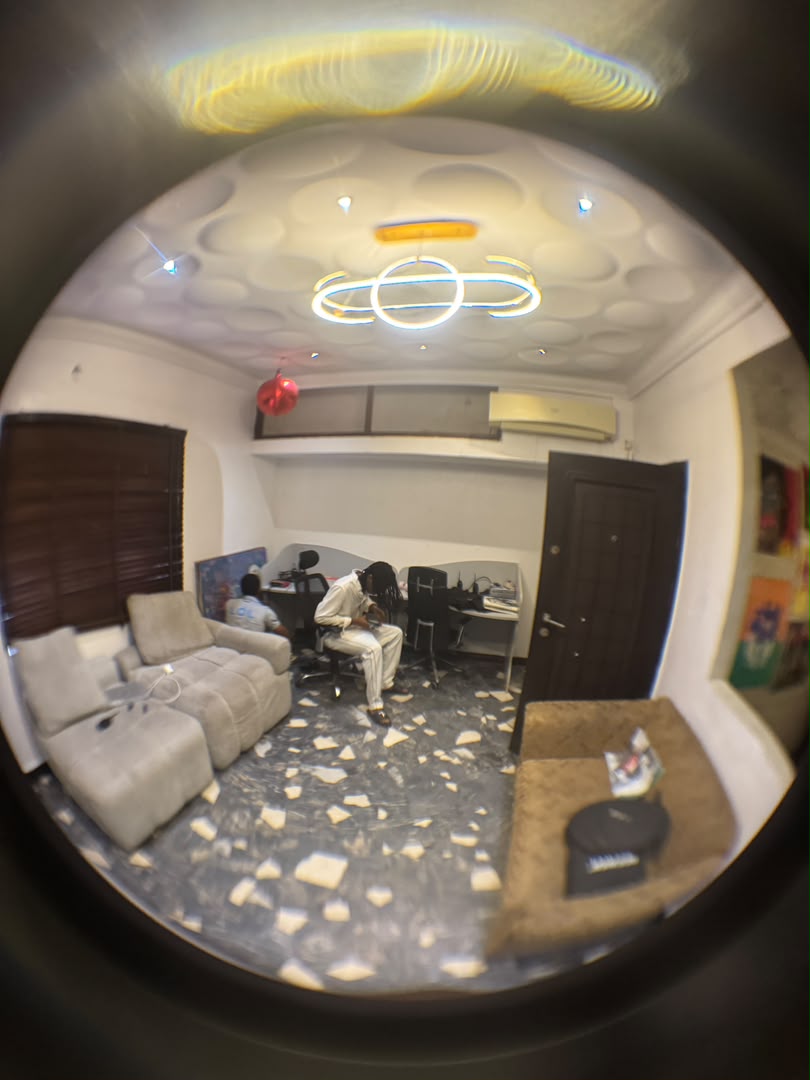
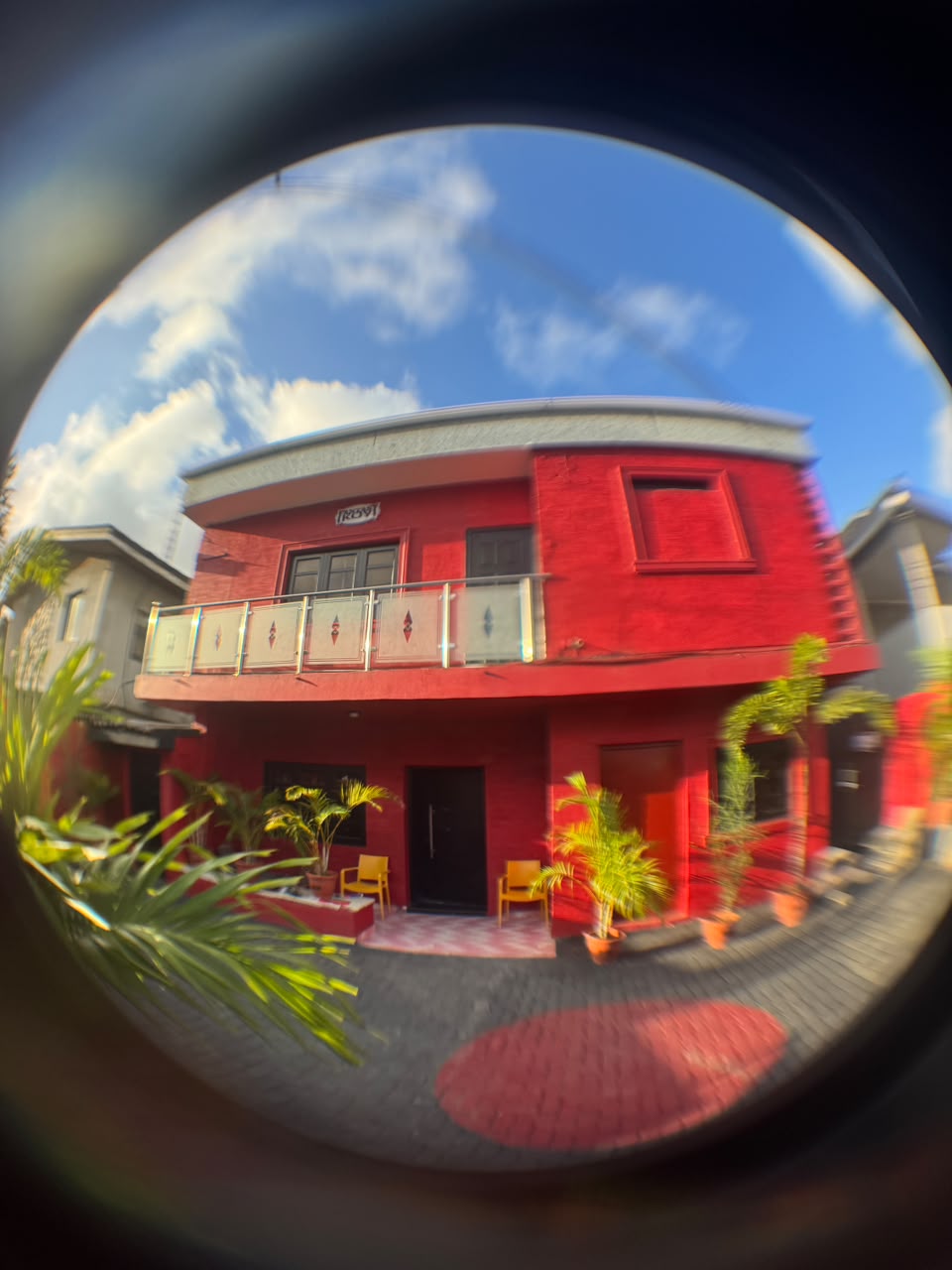
This was the exact reason he birthed Fantasy Ikoyi. The house itself was the same one the young creative mogul grew up in alongside his mother and sister. At first, it started as a workshop before morphing into an office and gradually expanding into something harder to categorise — part gallery, creative studio, social space, workspace and cultural experiment. Today, it’s a complete bohemian affair. 
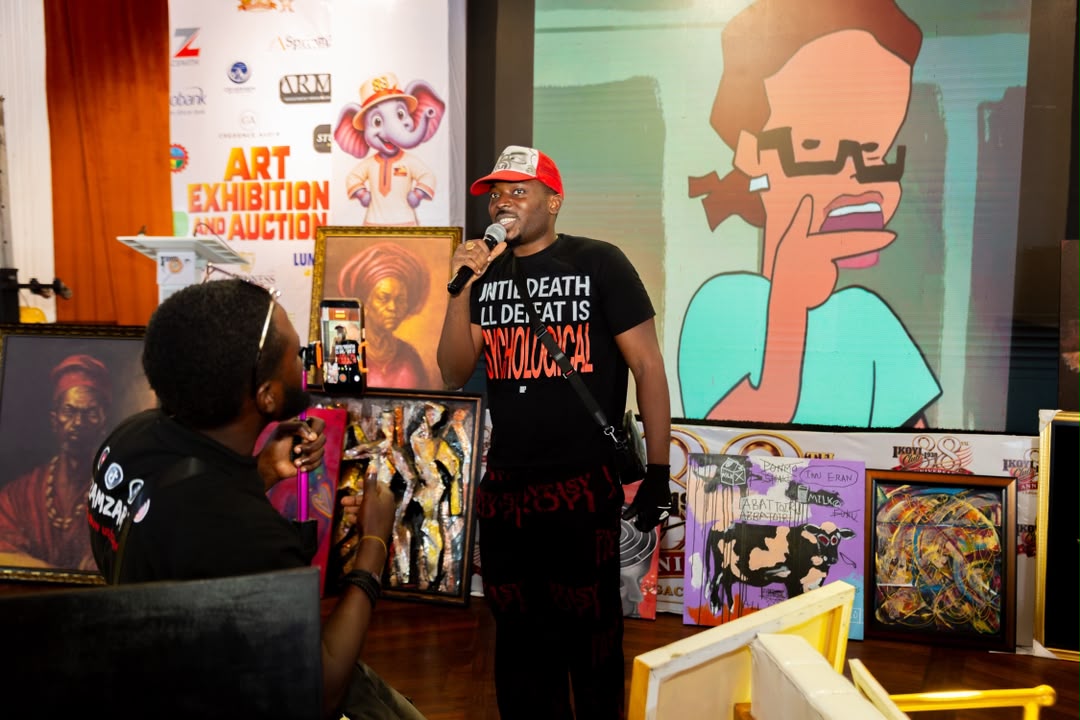
“It’s both a third space and an indie house. It’s the first indie house in Nigeria. It’s for independent developers, artists, creators, and everyone,” Okoya quipped. He describes it as a space for mavericks trying to create without waiting for institutional validation.  

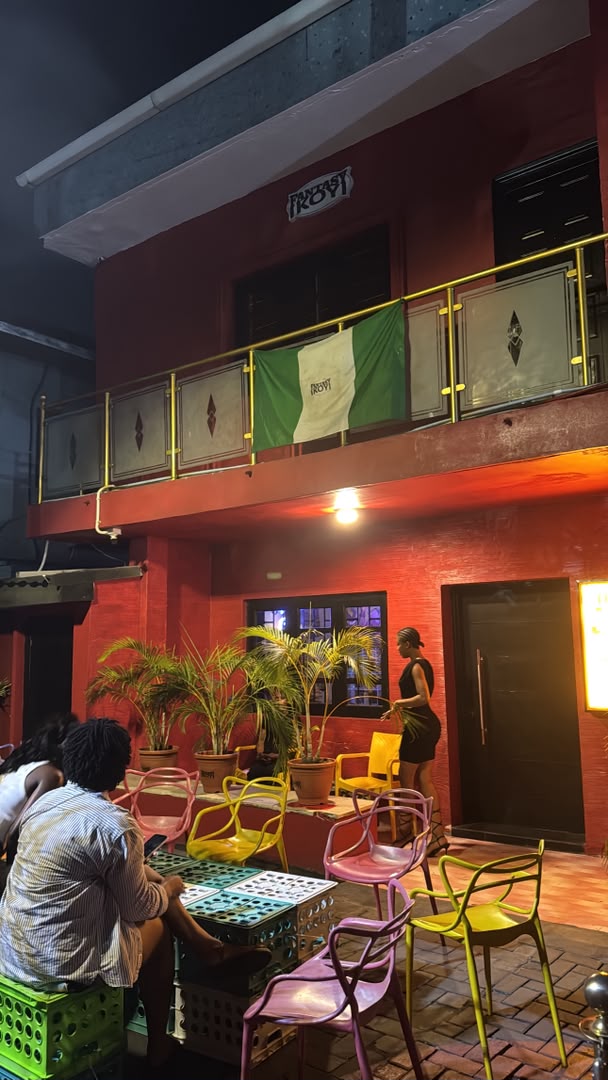
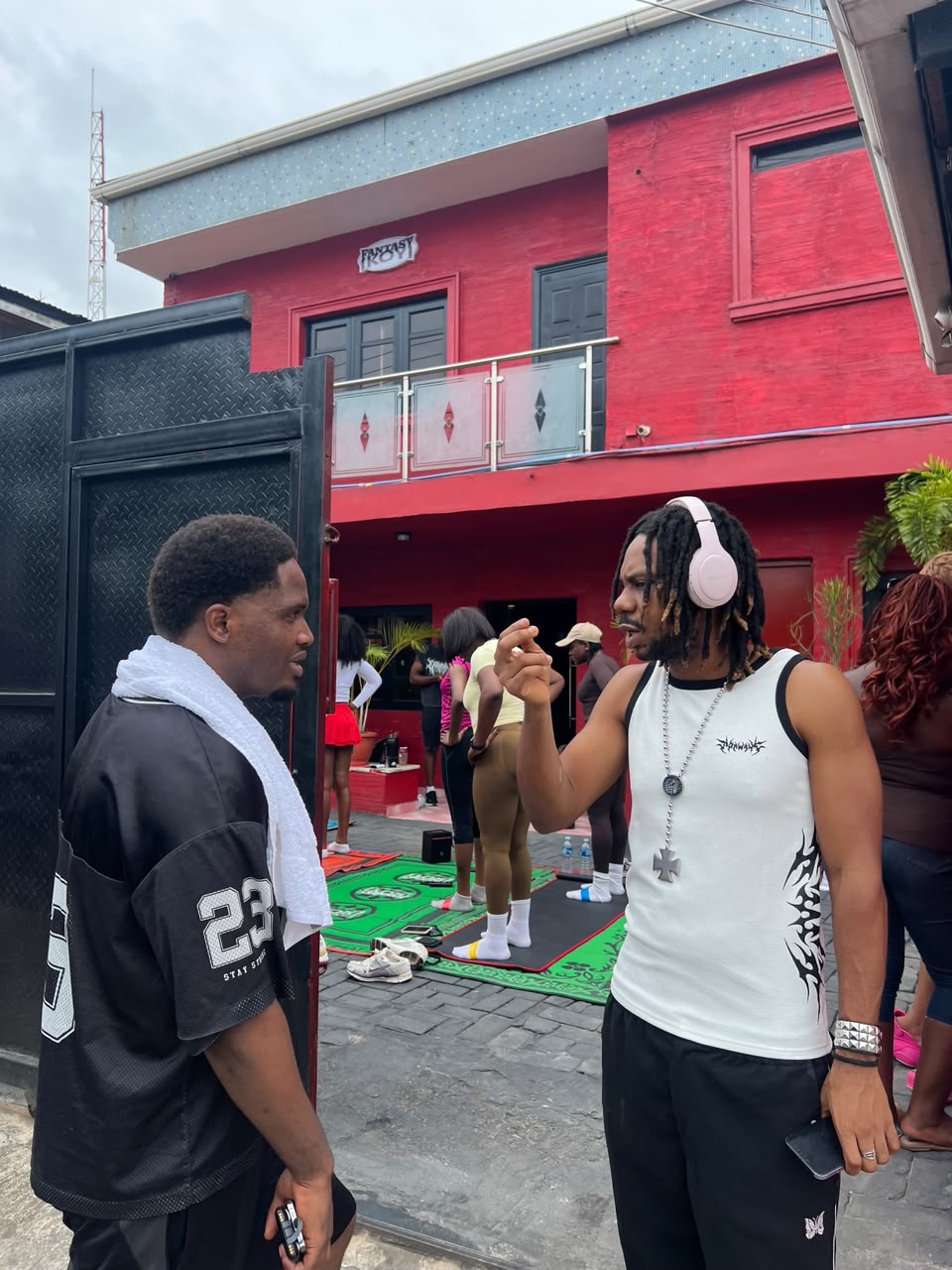
Barely two months into operating, Fantasy Ikoyi had recorded about 1.1 million profile visits and hosted close to 18 events, largely without paid promotion. Inside the large, blush-red, heavily patterned artsy compound there is a lounge, garden, bar, co-working area, animation studio, recording studio and print workshop. 
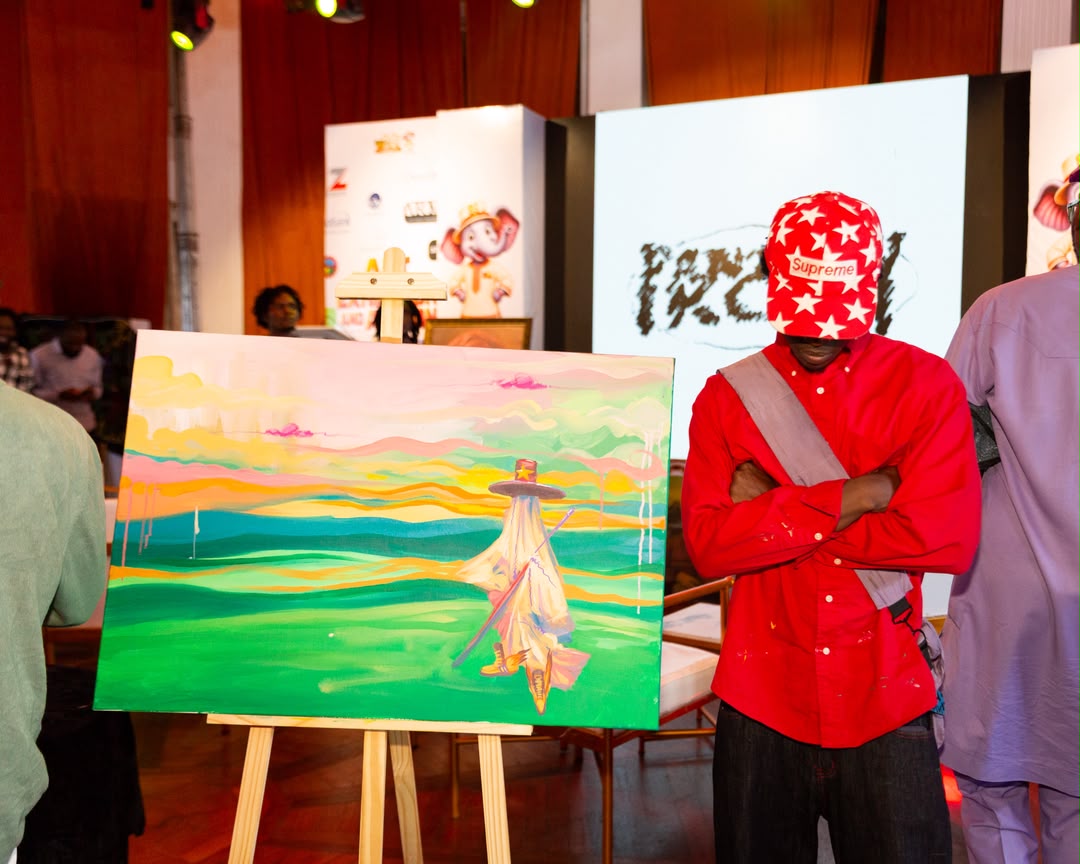
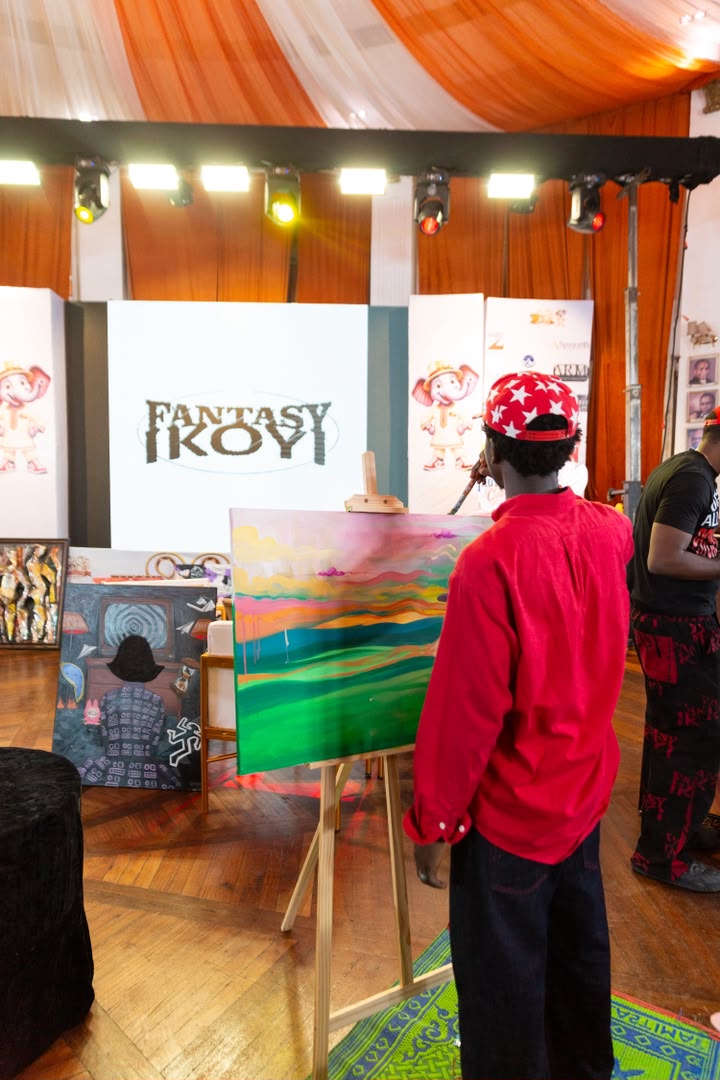
Visual art sits at the centre of the project, with a monthly auction system that Okoya hopes can place more financial value around work by young Nigerian artists. The ambition stretches further than another Lagos members’ club. Okoya wants Fantasy Ikoyi to become infrastructure for a generation of independent creatives, bringing together art, animation, music, technology and community while opening Nigerian work to collectors outside the country. 

Ahead of the house’s official launch and closing auction, Deeds spoke with him about its beginnings, the economics of Nigerian art and why he wants to make Ikoyi feel a little more like Soho.
Chinonso for Deeds: You have been building World Black Fantasy for years. How did that journey eventually lead to Fantasy Ikoyi?

It really roots back to the brand. I started my brand when I was in Dubai. I went there for school and studied 3D animation for about four years. Growing up in Nigeria, I had tried to start things, but I didn’t really get the support I needed from friends, family and people around me.

When I moved to Dubai, people saw my designs and encouraged what I was creating. That gave me the confidence to build. Eventually, the brand started getting recognition back home, and after I returned to Nigeria for NYSC, I saw another opportunity to build something here.

I opened the WBF store in Lekki Phase One, which has been running for about two years. I had been doing almost everything independently for years — building the brand, running the store — but I lacked structure. I didn’t have a proper team. Fantasy Ikoyi became my way of creating that structure differently.  
And the building itself was your family home?

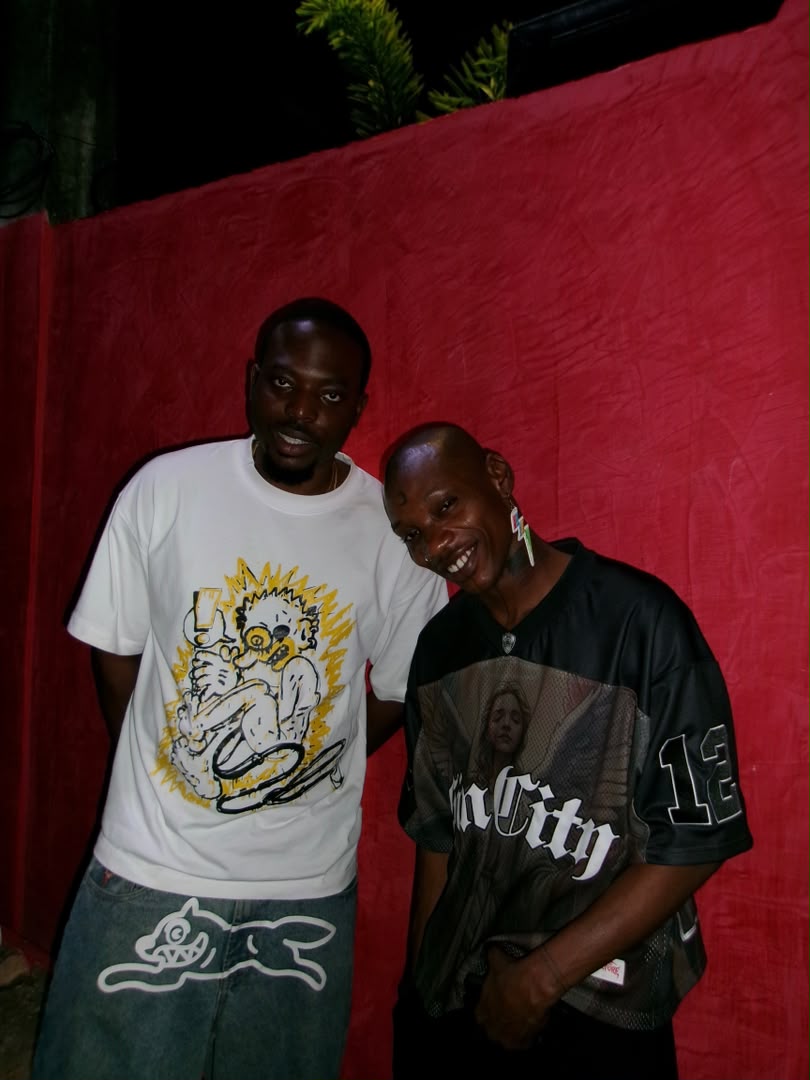
Yes. Fantasy Ikoyi is actually the house I grew up in with my mum and sister. We moved out and my mum wanted to use it as an office, but after some time I started seeing the possibilities of the place.

I began with a workshop at the back. There was also an office where I was working on a video game. Gradually, it became bigger than that. I realised I had this space available to me and I could build a team around it.

I also didn’t want to recreate the normal nine-to-five system. The idea was to bring like-minded creatives together and find ways to monetise whatever we create from the space. Right now, the team is around six to eight people.  
You describe Fantasy Ikoyi as an “indie house.” What exactly does that mean?

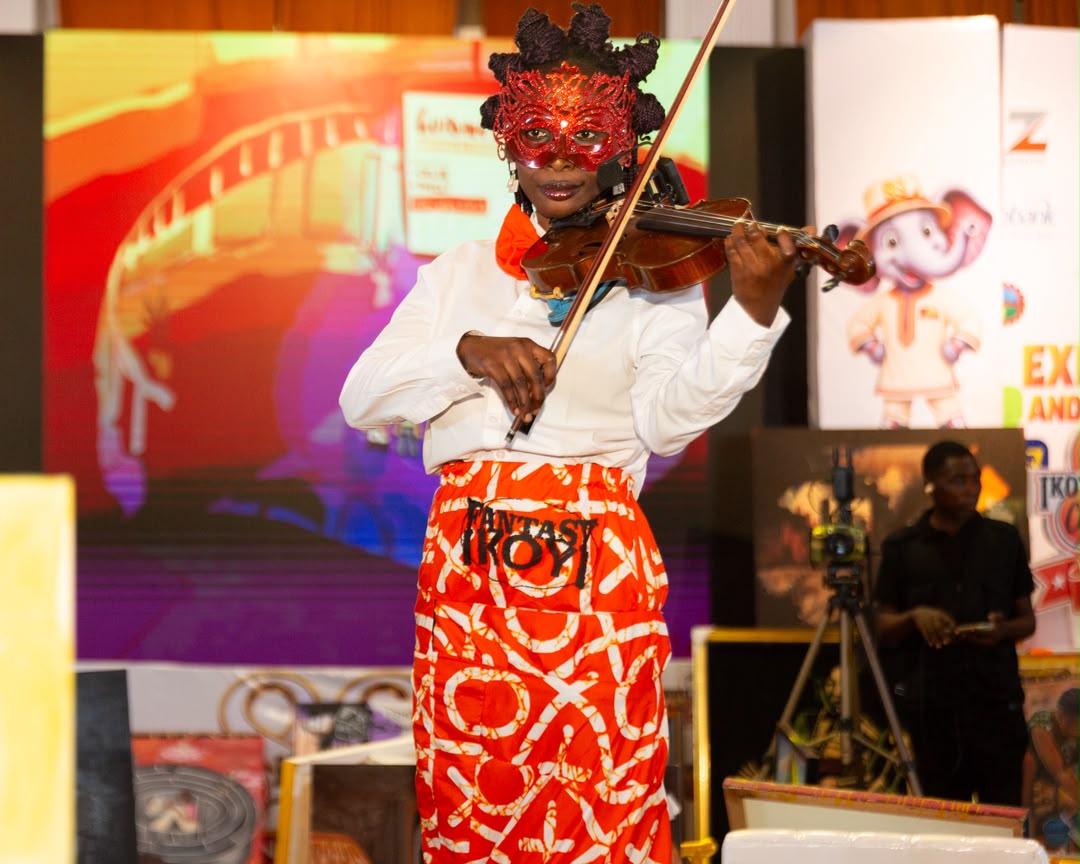
Indie means independent. Independent developers, independent artists, independent builders — people creating their own things without necessarily being under a major organisation.

I feel like when I was younger in Nigeria, I didn’t have that kind of support as a creative. So I want to change that narrative. Someone who has real talent should be able to see that there is a platform where they can build and propel themselves.

That’s what Fantasy Ikoyi is supposed to be. It’s a third space, but it is also an indie house.  
There is quite a lot happening inside the house already. What does Fantasy Ikoyi physically contain?

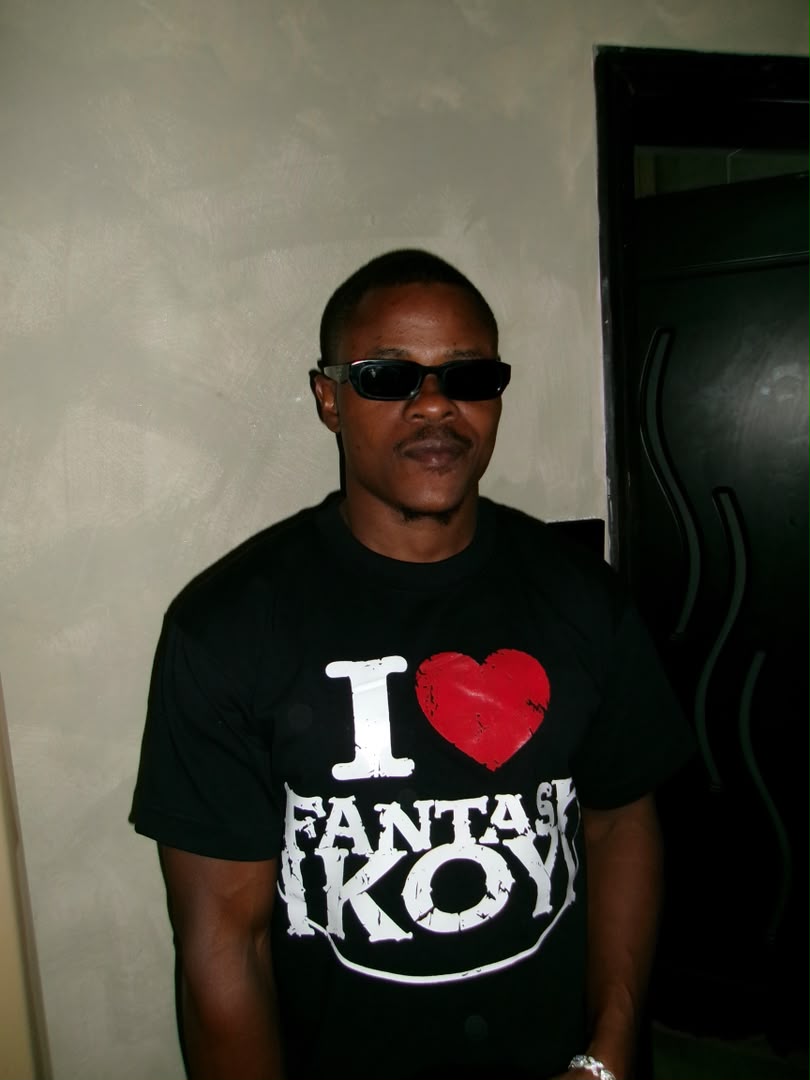
There’s a lounge, a garden, a bar and a co-working space upstairs. We have an animation studio, a music executive office, a recording studio and a print workshop at the back. We’re also looking at bringing in a kitchen.

The space is still developing. Fantasy Ikoyi yesterday isn’t necessarily Fantasy Ikoyi today because we’re constantly adding something. I believe in prototyping. You start, even when everything isn’t perfect, then add one per cent every day.

We haven’t launched the full membership structure yet because I want people to get proper value when they eventually pay for membership.  
Visual art seems to sit at the centre of everything. Why?

I believe visual art is the foundation. I’ve been drawing since I was young. I was in art class in high school, I used to make comics, then I went into 3D animation.

At Fantasy Ikoyi, we collect work from artists and run a monthly auction system. Most of the artists whose work we currently have are young Nigerian artists under 30.

For me, it is also economic. We need to increase the value placed on Nigerian art. I want someone in Saudi Arabia, Dubai, London or America to be able to bid for Nigerian art from here. That’s one of the reasons we’ve built the online auction platform.  
You have already seen strong numbers without really promoting the space. What do you think people are responding to?

We’ve only been running for about two months and we’ve had around 1.1 million profile visits and close to 18 events. We haven’t really done any promotion ourselves. Most of it has been organic.

I think people are responding because there is a need for something like this. Even during our first month, there wasn’t AC in the space and people were still pulling up. That surprised me.

People already loved what the space represented before it was finished.  
What kinds of organisations would you like Fantasy Ikoyi to collaborate with as it grows?

There are brands like Rolling Stone, YouTube, Coca-Cola, Hennessy and organisations within that world that naturally interest me.

For institutions, I think about people like the British Council and organisations that genuinely want to invest in young people and empower creatives. We have also spoken with people in the art ecosystem here.

Adult Swim is another dream because animation is important to what we’re building. Even technology companies, tourism organisations and other institutions can play a role. The important thing is that the collaboration actually empowers creatives. 
What should people expect from the official launch and auction?

I want people to experience Fantasy Ikoyi in its true form.

We’re looking at projection mapping around the artwork, a proper live auction and different curated performances. I want someone walking in to feel the possibilities of what a creative space in Lagos can become.

When you go to Soho in London, there is this energy around art, culture and experimentation. I’m trying to make Ikoyi the Soho of Lagos.

The launch will also close our first monthly auction. There’ll be a red carpet, a curated guest list and a full programme around the space. I want it to feel like an experience people haven’t had here before.  
‍

A Fantasy in Ikoyi: Tayo Okoya is Building a Bohemian Nest for Nigerian Mavericks

Authored by
This is some text inside of a div block.

For most of Tayo Okoya’s creative life, independence was simply how he worked. It was the end game for everything he dabbled into —  from fashion to 3D animation. It was just how he was wired. 

After returning home from his studies in Dubai, he opened a World Black Fantasy store in Lekki Phase One and continued running much of the operation independently. Everything was bright-eyed for Tayo. He was sure this was going to be a success. The only thing he lacked, however, was structure. 

This was the exact reason he birthed Fantasy Ikoyi. The house itself was the same one the young creative mogul grew up in alongside his mother and sister. At first, it started as a workshop before morphing into an office and gradually expanding into something harder to categorise — part gallery, creative studio, social space, workspace and cultural experiment. Today, it’s a complete bohemian affair. 

“It’s both a third space and an indie house. It’s the first indie house in Nigeria. It’s for independent developers, artists, creators, and everyone,” Okoya quipped. He describes it as a space for mavericks trying to create without waiting for institutional validation.  

Barely two months into operating, Fantasy Ikoyi had recorded about 1.1 million profile visits and hosted close to 18 events, largely without paid promotion. Inside the large, blush-red, heavily patterned artsy compound there is a lounge, garden, bar, co-working area, animation studio, recording studio and print workshop. 

Visual art sits at the centre of the project, with a monthly auction system that Okoya hopes can place more financial value around work by young Nigerian artists. The ambition stretches further than another Lagos members’ club. Okoya wants Fantasy Ikoyi to become infrastructure for a generation of independent creatives, bringing together art, animation, music, technology and community while opening Nigerian work to collectors outside the country. 

Ahead of the house’s official launch and closing auction, Deeds spoke with him about its beginnings, the economics of Nigerian art and why he wants to make Ikoyi feel a little more like Soho.

Chinonso for Deeds: You have been building World Black Fantasy for years. How did that journey eventually lead to Fantasy Ikoyi?

It really roots back to the brand. I started my brand when I was in Dubai. I went there for school and studied 3D animation for about four years. Growing up in Nigeria, I had tried to start things, but I didn’t really get the support I needed from friends, family and people around me.

When I moved to Dubai, people saw my designs and encouraged what I was creating. That gave me the confidence to build. Eventually, the brand started getting recognition back home, and after I returned to Nigeria for NYSC, I saw another opportunity to build something here.

I opened the WBF store in Lekki Phase One, which has been running for about two years. I had been doing almost everything independently for years — building the brand, running the store — but I lacked structure. I didn’t have a proper team. Fantasy Ikoyi became my way of creating that structure differently.  

And the building itself was your family home?

Yes. Fantasy Ikoyi is actually the house I grew up in with my mum and sister. We moved out and my mum wanted to use it as an office, but after some time I started seeing the possibilities of the place.

I began with a workshop at the back. There was also an office where I was working on a video game. Gradually, it became bigger than that. I realised I had this space available to me and I could build a team around it.

I also didn’t want to recreate the normal nine-to-five system. The idea was to bring like-minded creatives together and find ways to monetise whatever we create from the space. Right now, the team is around six to eight people.  

You describe Fantasy Ikoyi as an “indie house.” What exactly does that mean?

Indie means independent. Independent developers, independent artists, independent builders — people creating their own things without necessarily being under a major organisation.

I feel like when I was younger in Nigeria, I didn’t have that kind of support as a creative. So I want to change that narrative. Someone who has real talent should be able to see that there is a platform where they can build and propel themselves.

That’s what Fantasy Ikoyi is supposed to be. It’s a third space, but it is also an indie house.  

There is quite a lot happening inside the house already. What does Fantasy Ikoyi physically contain?

There’s a lounge, a garden, a bar and a co-working space upstairs. We have an animation studio, a music executive office, a recording studio and a print workshop at the back. We’re also looking at bringing in a kitchen.

The space is still developing. Fantasy Ikoyi yesterday isn’t necessarily Fantasy Ikoyi today because we’re constantly adding something. I believe in prototyping. You start, even when everything isn’t perfect, then add one per cent every day.

We haven’t launched the full membership structure yet because I want people to get proper value when they eventually pay for membership.  

Visual art seems to sit at the centre of everything. Why?

I believe visual art is the foundation. I’ve been drawing since I was young. I was in art class in high school, I used to make comics, then I went into 3D animation.

At Fantasy Ikoyi, we collect work from artists and run a monthly auction system. Most of the artists whose work we currently have are young Nigerian artists under 30.

For me, it is also economic. We need to increase the value placed on Nigerian art. I want someone in Saudi Arabia, Dubai, London or America to be able to bid for Nigerian art from here. That’s one of the reasons we’ve built the online auction platform.  

You have already seen strong numbers without really promoting the space. What do you think people are responding to?

We’ve only been running for about two months and we’ve had around 1.1 million profile visits and close to 18 events. We haven’t really done any promotion ourselves. Most of it has been organic.

I think people are responding because there is a need for something like this. Even during our first month, there wasn’t AC in the space and people were still pulling up. That surprised me.

People already loved what the space represented before it was finished.  

What kinds of organisations would you like Fantasy Ikoyi to collaborate with as it grows?

There are brands like Rolling Stone, YouTube, Coca-Cola, Hennessy and organisations within that world that naturally interest me.

For institutions, I think about people like the British Council and organisations that genuinely want to invest in young people and empower creatives. We have also spoken with people in the art ecosystem here.

Adult Swim is another dream because animation is important to what we’re building. Even technology companies, tourism organisations and other institutions can play a role. The important thing is that the collaboration actually empowers creatives. 

What should people expect from the official launch and auction?

I want people to experience Fantasy Ikoyi in its true form.

We’re looking at projection mapping around the artwork, a proper live auction and different curated performances. I want someone walking in to feel the possibilities of what a creative space in Lagos can become.

When you go to Soho in London, there is this energy around art, culture and experimentation. I’m trying to make Ikoyi the Soho of Lagos.

The launch will also close our first monthly auction. There’ll be a red carpet, a curated guest list and a full programme around the space. I want it to feel like an experience people haven’t had here before.  
‍

This is some text inside of a div block.

A Fantasy in Ikoyi: Tayo Okoya is Building a Bohemian Nest for Nigerian Mavericks

Authored by

For most of Tayo Okoya’s creative life, independence was simply how he worked. It was the end game for everything he dabbled into —  from fashion to 3D animation. It was just how he was wired. 

After returning home from his studies in Dubai, he opened a World Black Fantasy store in Lekki Phase One and continued running much of the operation independently. Everything was bright-eyed for Tayo. He was sure this was going to be a success. The only thing he lacked, however, was structure. 

This was the exact reason he birthed Fantasy Ikoyi. The house itself was the same one the young creative mogul grew up in alongside his mother and sister. At first, it started as a workshop before morphing into an office and gradually expanding into something harder to categorise — part gallery, creative studio, social space, workspace and cultural experiment. Today, it’s a complete bohemian affair. 

“It’s both a third space and an indie house. It’s the first indie house in Nigeria. It’s for independent developers, artists, creators, and everyone,” Okoya quipped. He describes it as a space for mavericks trying to create without waiting for institutional validation.  

Barely two months into operating, Fantasy Ikoyi had recorded about 1.1 million profile visits and hosted close to 18 events, largely without paid promotion. Inside the large, blush-red, heavily patterned artsy compound there is a lounge, garden, bar, co-working area, animation studio, recording studio and print workshop. 

Visual art sits at the centre of the project, with a monthly auction system that Okoya hopes can place more financial value around work by young Nigerian artists. The ambition stretches further than another Lagos members’ club. Okoya wants Fantasy Ikoyi to become infrastructure for a generation of independent creatives, bringing together art, animation, music, technology and community while opening Nigerian work to collectors outside the country. 

Ahead of the house’s official launch and closing auction, Deeds spoke with him about its beginnings, the economics of Nigerian art and why he wants to make Ikoyi feel a little more like Soho.

Chinonso for Deeds: You have been building World Black Fantasy for years. How did that journey eventually lead to Fantasy Ikoyi?

It really roots back to the brand. I started my brand when I was in Dubai. I went there for school and studied 3D animation for about four years. Growing up in Nigeria, I had tried to start things, but I didn’t really get the support I needed from friends, family and people around me.

When I moved to Dubai, people saw my designs and encouraged what I was creating. That gave me the confidence to build. Eventually, the brand started getting recognition back home, and after I returned to Nigeria for NYSC, I saw another opportunity to build something here.

I opened the WBF store in Lekki Phase One, which has been running for about two years. I had been doing almost everything independently for years — building the brand, running the store — but I lacked structure. I didn’t have a proper team. Fantasy Ikoyi became my way of creating that structure differently.  

And the building itself was your family home?

Yes. Fantasy Ikoyi is actually the house I grew up in with my mum and sister. We moved out and my mum wanted to use it as an office, but after some time I started seeing the possibilities of the place.

I began with a workshop at the back. There was also an office where I was working on a video game. Gradually, it became bigger than that. I realised I had this space available to me and I could build a team around it.

I also didn’t want to recreate the normal nine-to-five system. The idea was to bring like-minded creatives together and find ways to monetise whatever we create from the space. Right now, the team is around six to eight people.  

You describe Fantasy Ikoyi as an “indie house.” What exactly does that mean?

Indie means independent. Independent developers, independent artists, independent builders — people creating their own things without necessarily being under a major organisation.

I feel like when I was younger in Nigeria, I didn’t have that kind of support as a creative. So I want to change that narrative. Someone who has real talent should be able to see that there is a platform where they can build and propel themselves.

That’s what Fantasy Ikoyi is supposed to be. It’s a third space, but it is also an indie house.  

There is quite a lot happening inside the house already. What does Fantasy Ikoyi physically contain?

There’s a lounge, a garden, a bar and a co-working space upstairs. We have an animation studio, a music executive office, a recording studio and a print workshop at the back. We’re also looking at bringing in a kitchen.

The space is still developing. Fantasy Ikoyi yesterday isn’t necessarily Fantasy Ikoyi today because we’re constantly adding something. I believe in prototyping. You start, even when everything isn’t perfect, then add one per cent every day.

We haven’t launched the full membership structure yet because I want people to get proper value when they eventually pay for membership.  

Visual art seems to sit at the centre of everything. Why?

I believe visual art is the foundation. I’ve been drawing since I was young. I was in art class in high school, I used to make comics, then I went into 3D animation.

At Fantasy Ikoyi, we collect work from artists and run a monthly auction system. Most of the artists whose work we currently have are young Nigerian artists under 30.

For me, it is also economic. We need to increase the value placed on Nigerian art. I want someone in Saudi Arabia, Dubai, London or America to be able to bid for Nigerian art from here. That’s one of the reasons we’ve built the online auction platform.  

You have already seen strong numbers without really promoting the space. What do you think people are responding to?

We’ve only been running for about two months and we’ve had around 1.1 million profile visits and close to 18 events. We haven’t really done any promotion ourselves. Most of it has been organic.

I think people are responding because there is a need for something like this. Even during our first month, there wasn’t AC in the space and people were still pulling up. That surprised me.

People already loved what the space represented before it was finished.  

What kinds of organisations would you like Fantasy Ikoyi to collaborate with as it grows?

There are brands like Rolling Stone, YouTube, Coca-Cola, Hennessy and organisations within that world that naturally interest me.

For institutions, I think about people like the British Council and organisations that genuinely want to invest in young people and empower creatives. We have also spoken with people in the art ecosystem here.

Adult Swim is another dream because animation is important to what we’re building. Even technology companies, tourism organisations and other institutions can play a role. The important thing is that the collaboration actually empowers creatives. 

What should people expect from the official launch and auction?

I want people to experience Fantasy Ikoyi in its true form.

We’re looking at projection mapping around the artwork, a proper live auction and different curated performances. I want someone walking in to feel the possibilities of what a creative space in Lagos can become.

When you go to Soho in London, there is this energy around art, culture and experimentation. I’m trying to make Ikoyi the Soho of Lagos.

The launch will also close our first monthly auction. There’ll be a red carpet, a curated guest list and a full programme around the space. I want it to feel like an experience people haven’t had here before.  
‍

Other Stories
London
London
Lagos
London
Newyork
London
Shop
Join the community.
You are now subscribed to receive updates.
Oops! Something went wrong while submitting the form.
Subscribe