.svg)


There’s a particular kind of magic that happens when Afrobeats enter a room.
Picture a club somewhere in East London, 2019. The DJ has been playing the usual — UK drill, some R&B, and the occasional throwback. Then, without announcement, the opening notes of Burna Boy's “Ye” drop into the air. And something shifts. The crowd — Nigerian, British, second-generation everything — starts to move differently. There's a recognition that passes through the room like electricity. By the time Wizkid's “Soco” follows, it’s no longer a matter of who knows the words. Everyone moves.
That feeling of universal arrival is what Afrobeats achieved. It won hearts all over the globe musically, culturally, diplomatically and even commercially. It walked into rooms that had never made space for African sound and made itself at home. Afrobeats won, convincingly, and on its own terms, too.
But the thing about a sound that conquers the world is that it tends to conquer the story too.
The Coronation
Afrobeats didn’t just break through — it reached a magnificent level of global success that is impossible to ignore.
In 2021, Wizkid's “Essence” — a song recorded in Lagos, sung partly in Yoruba, and built on a distinctly West African beat- became a global phenomenon. It peaked at number nine on the Billboard Hot 100. It went platinum in multiple countries and made Tems a household name overnight. A year later, Burna Boy became the first African artist to headline Madison Square Garden — and sold it out. In 2023, Afrobeats became an official Grammy category. The continent not only arrived, but it also restructured the room and expanded the conversation.
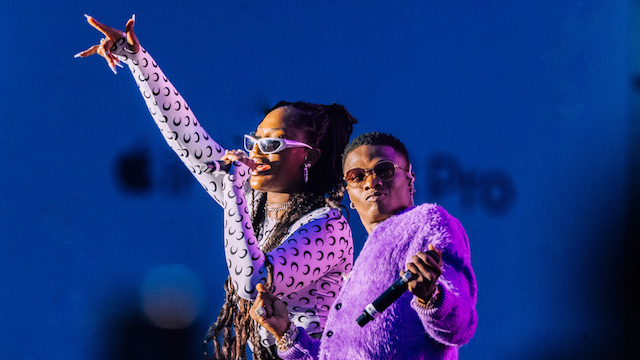
Afrobeats won for several interconnected reasons. The African diaspora — millions of Nigerians, Ghanaians, and other Africans living across the UK, US, and Europe — created a ready-made global audience that already knew the music and carried it into new spaces. The sound itself is architecturally brilliant for export: rhythmic, danceable, and melodically accessible across language barriers.
It doesn’t demand cultural fluency to enjoy; it invites people in through the body first. TikTok's algorithm also rewards sounds that make people move, and combining this with the influence of major label partnerships – that gave artists like Davido and Wizkid global distribution — Afrobeats success was almost inevitable.
This is Afrobeats' genius. It is the most exportable version of African music ever produced. It is clean, danceable, streaming-ready, and culturally resonant without being culturally exclusive.
The problem is not the victory, but what the victory has come to mean.
Somewhere between Burna Boy’s Grammy speech and Tems performing at the Super Bowl halftime show, "African music" quietly became a synonym for “Afrobeats.” It was not in every room and with every listener — but it was enough. Enough that when a Western journalist writes about African music, they mean Afrobeats. Enough that when a global playlist is labelled "African," it is overwhelmingly Afrobeats. Enough that artists making music on the same continent, in the same cities, sometimes in the same studios — but not in that particular sound — find themselves outside the frame of what counts as African music.
A continent of 54 countries, over 2,000 languages, and more distinct ethnic groups than most of the world combined, has been handed a single genre as its cultural passport. The result of this is that a lot of other very African sounds get left at the border for not being Afrobeats.
The Sounds & Culture Left Behind
Alté:
Alté (pronounced ul-tey, reclaimed by Nigerian youth culture to mean something "alternative" or "other") emerged from Lagos in the mid-2010s as a direct response to the dominance of mainstream Afrobeats. This is not simply a music genre; it is an attitude. It is a culture built on deliberately rejecting conventional expectations. Where Afrobeats is polished and globally legible, Alté is deliberately messy, genre-fluid, and stubbornly local. It pulls from jazz, soul, psychedelia, funk, and traditional Yoruba sound. It drapes itself in thrift-store fashion, speaks in code-switched Pidgin and English, and refuses the kind of streamlined production that makes a song easy to market internationally.
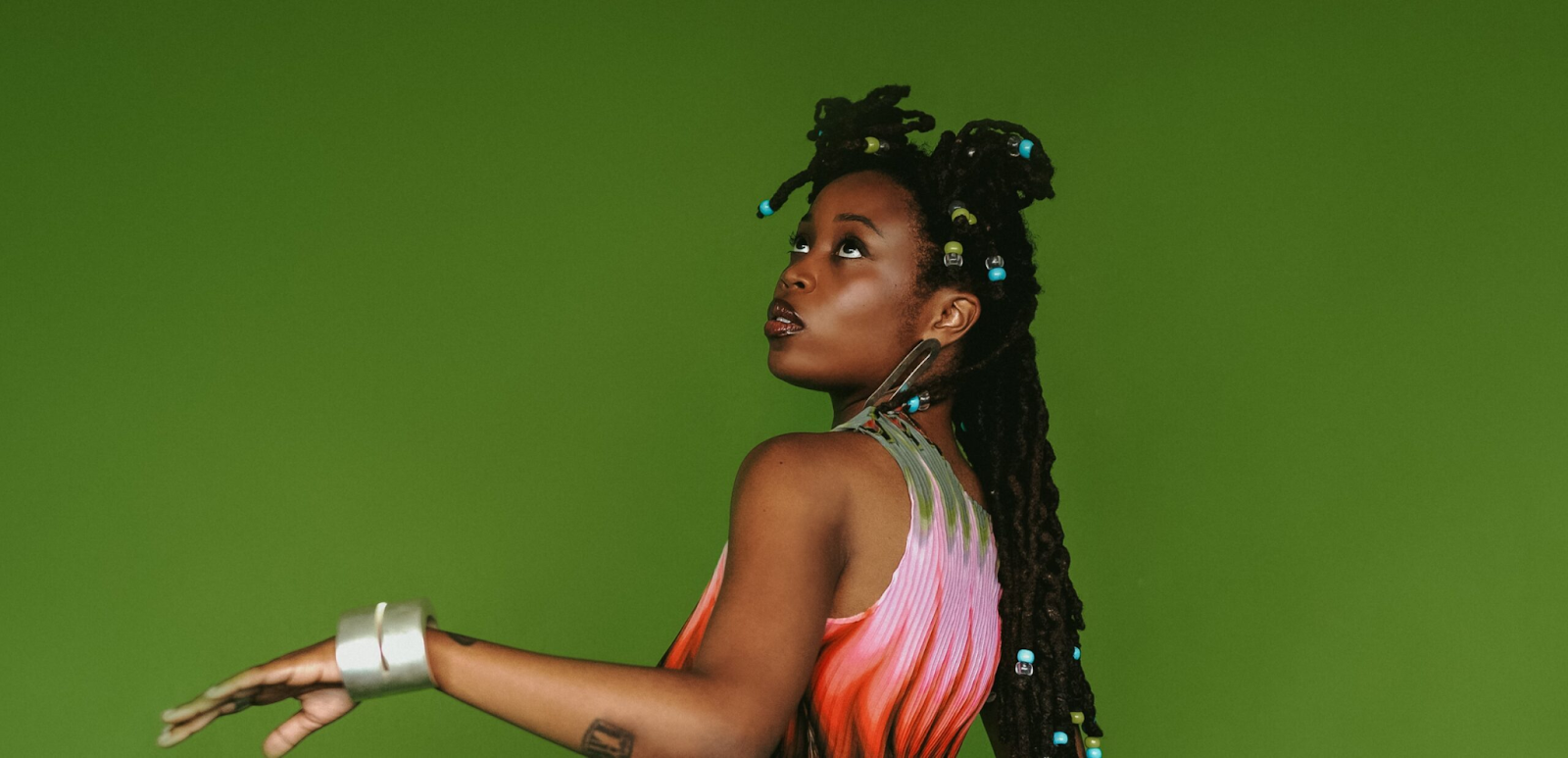
Artists like Cruel Santino, Odunsi The Engine, and Lady Donli built this world almost entirely outside the mainstream industry's attention. Cruel Santino's 2019 project Mandy & The Jungle is perhaps the defining Alté document: a swirling, maximalist, deeply personal record that sounded like nothing else coming out of Lagos at the time. Not only did it receive critical acclaim, but it also did not chart globally. But that gap — between artistic achievement and commercial visibility — is precisely what Alté is.
What makes Alté significant is not just the sound. It is what the sound represents. In a country where success is often defined by how much money you make and how mainstream your taste is, Alté carves out a different definition of cool. ‘Cool’ here is rooted in self-expression, fluidity, and a rejection of the idea that African music must translate easily to be valid. The Alté community listens differently, dresses differently, thinks differently, and occupies public space differently. It is a subculture in the fullest sense — and it has been almost entirely invisible to the global gaze that has been fixed so intently on Afrobeats.
Amapiano
Amapiano is Afrobeats' closest rival for global attention, and its story reveals a different kind of erasure.
Born in the townships of South Africa — particularly in Pretoria and Johannesburg — sometime around 2012, Amapiano is built around a distinctive log drum pattern, soulful piano melodies, and a tempo that is slower and more hypnotic than Afrobeats. It is the sound of South African township life, of Sunday afternoons and late nights, of a specific joy that is inseparable from a specific geography and a specific history.
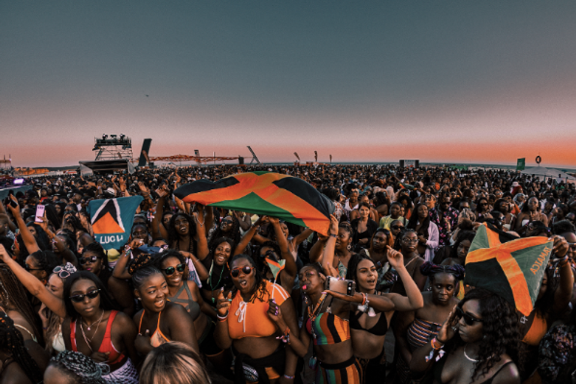
By 2022, it had gone global. Amapiano-influenced tracks were appearing on UK charts. International DJs were also incorporating its elements. The log drum — the calling card of underground South African parties — was showing up in pop productions worldwide. In 2023, Shallipopi's “Cast” brought Amapiano into Nigerian street culture, and the fusion was infectious.
But the world largely received the rhythm. It vibed with the log drum and the danceable surface. What it did not receive — or did not bother to look for — was the context. It did not receive the South African township culture that birthed Amapiano. The language, the references, and the specific social world the music was made to soundtrack. The artists who built the sound from the ground up — DJ Maphorisa, Kabza De Small, Focalistic — have found some international attention, but the genre is increasingly being reproduced by people with no relationship to its origins. It has been stripped of its meaning and retained for its marketability.
Street-Hop and Indigenous Sound
Portable's “Zazoo Zehh” — a chaotic, profane, brilliantly unhinged record — took over Lagos in 2022 in a way that made very little sense to anyone who wasn't living inside that particular moment. The slang was hyper-local, the production was deliberately rough, and the references were invisible to anyone outside a specific Lagos street context. It was, by every measure of the global filter, unexportable. And it was a phenomenon.
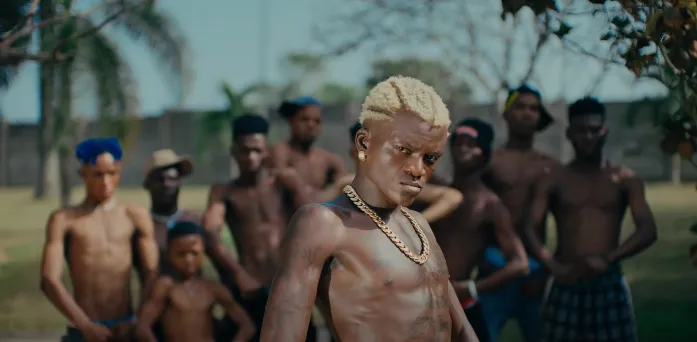
This is the same tradition that runs through Fela Kuti's political Afrobeat and Olamide's early YBNL run, which built an empire on the dignity of the Lagos street voice. It runs through Seun Kuti, who still carries his father's fire, and through a generation of artists making music in indigenous languages — Yoruba, Igbo, Hausa, Twi, Zulu — for audiences who don't need a translation because they are the intended listeners.
This music is the most honest document of African everyday life that exists. It does not flatten itself for palatability or negotiate with the global filter. It asks for nothing except that the listener belongs to the world it was made for. Because of this, the world largely doesn't hear it.
African Indie
Before "Free Mind" made Tems a global name, she was making music for a smaller, more intimate audience. Soft music, searching, and deeply personal in a way that her later work, brilliant as it is, sometimes traded for scale.
That earlier mode — introspective, quiet, and unbothered by marketability — is what African indie represents. It is the Moonchild Sanellys, the Msakis, and the Asa's of the continent. Artists who make music that prioritises feeling over function, storytelling over danceability, and the interior world over the communal floor.
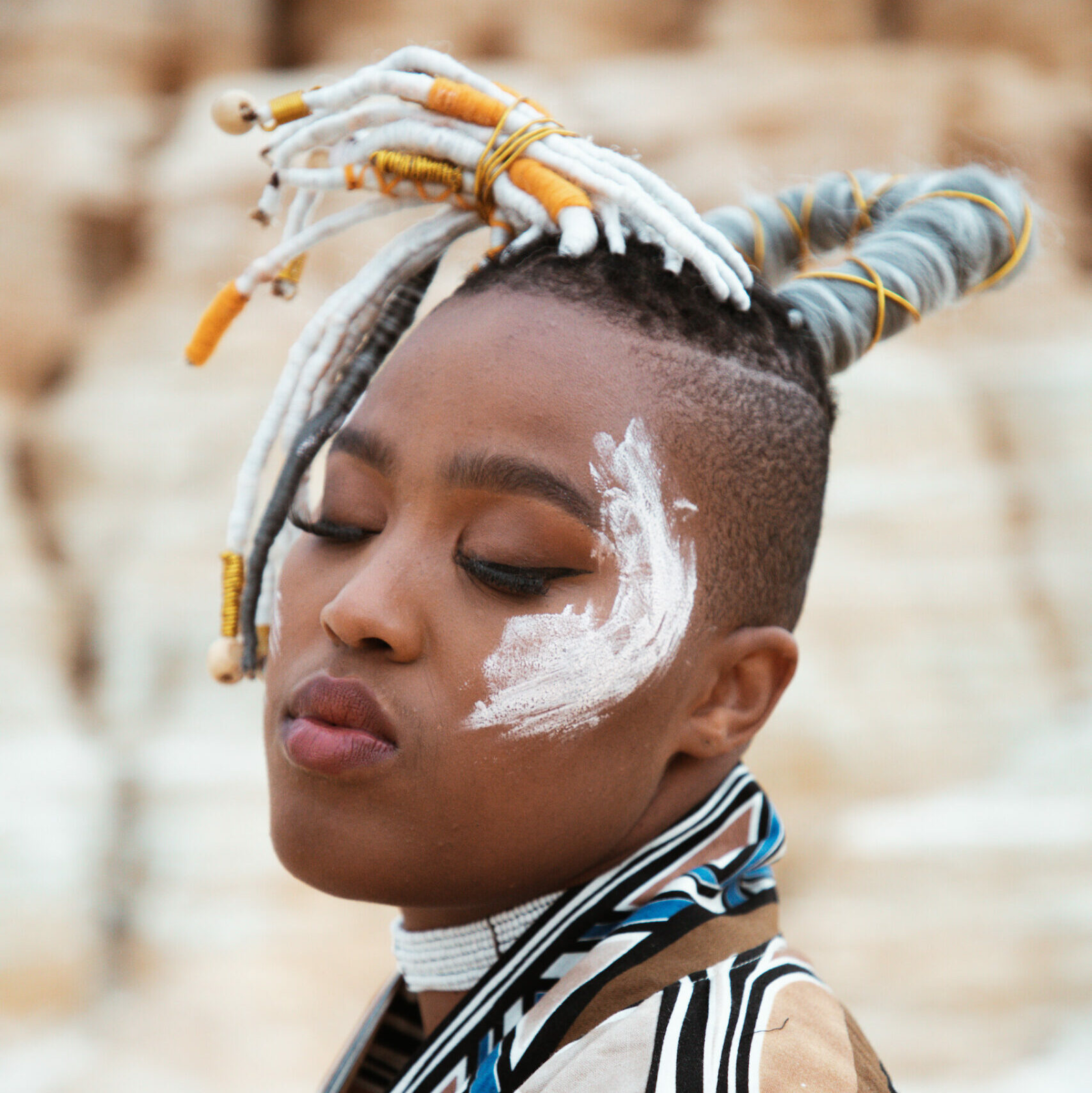
African indie rarely travels. Many times, it is dismissed for not "sounding African enough," — as if Africa is only allowed one emotional register, one volume setting, or one relationship to music. As if the soft, the searching, and the interior are Western inventions that Africans should leave alone. This is the invisible gatekeeping that no one names but is enforced on a global scale.
The Global Filter
None of this happens by accident. There is a filter, and it decides what is palatable for global consumption and what remains local.
Streaming platforms are built on engagement metrics — plays, skips, saves, shares. Afrobeats, with its rhythmic accessibility and high replayability, performs excellently by these measures. Music that is more challenging, more contextual, or more reliant on cultural fluency tends to perform worse. This is not because it is inferior, but because the algorithm was not designed with it in mind. Spotify's African playlist curators have improved significantly, but the structural logic of the platform still rewards the most immediately accessible version of any sound.
Record labels also compound this. When Western labels began signing African artists in earnest — Universal's partnership with Davido, Sony's investment in Afrobeats infrastructure — they were investing in what they already understood would translate. The pipeline that was built moved Afrobeats artists onto global stages. Artists outside that sound found that the pipeline didn't quite reach them.
The diaspora, too, plays a complicated role. African communities abroad have been the greatest ambassadors for their home cultures — but they are also, inevitably, performing those cultures for non-African audiences. In that performance, simplification sometimes happens. The most legible version of home gets amplified. The more complex, the more local, and the more untranslatable parts get set aside for a later time that never arrives.
The filter is not intentionally malicious. It is structural, and is the accumulated result of thousands of small decisions — what to sign, what to playlist, what to promote, and what to stream. Each small decision seems individually reasonable, but are collectively devastating to cultural complexity.
The Cultural Cost - Music is never just Music
When Afrobeats becomes the world's primary reference point for African identity, it carries with it an implied story about who Africans are, how they live, what they feel, what they celebrate, and what they mourn. That story is not false — but it is radically incomplete.
A continent of 1.4 billion people, spread across climates ranging from Saharan desert to equatorial rainforest to Mediterranean coast, speaking more languages than any other landmass on earth, producing art across every conceivable tradition — that continent, in the global imagination, increasingly fits inside a single Spotify playlist.
The psychological cost of this falls on African artists first. When the only viable model for global recognition runs through Afrobeats, artists who make different sounds face a choice: adapt toward the dominant sound and gain access to the global machine, or stay true to their artistic identity and accept relative invisibility. This is not a free choice. It is a subtle, structural and relentless pressure.
The cultural cost falls on audiences everywhere. A world that only knows one version of Africa is a world that makes the worst decisions about Africa — in policy, in investment, in solidarity, and in simple human understanding. Culture is the software that runs our empathy. When the software only has one African reference, the empathy that runs on it is limited accordingly.
This is bigger than music. It is a question about who gets to be complex.
The Shift
But recently, there’s been progress. Though slow and uneven, it is unmistakable. Cruel Santino's Mandy & The Jungle has found a second life in international critical circles. Amapiano has forced global audiences to reckon with the fact that Africa's musical landscape has more than one address. Streaming platforms are beginning to develop more granular African playlists that distinguish between regions, sounds, and traditions. Publications like Pitchfork and The Guardian have begun covering African artists who don't fit the Afrobeats mould with more seriousness and more nuance than they did five years ago.
More importantly, a generation of young African listeners is growing up with a more sophisticated relationship to their own music. They know the difference between Alte and Afrobeats. They know Amapiano's origins. They can tell you who Msaki is and why she matters without needing a Western co-sign to validate the claim. The knowledge is being kept alive, even if the global spotlight hasn't caught up.
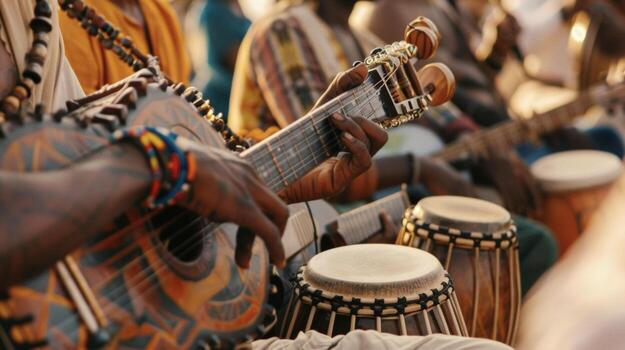
But the shift is fragile. Every time a Western artist samples Afrobeats and wins a Grammy, the global centre of gravity moves slightly further toward the one sound. Every time an African artist softens their edges to fit the global playlist, a little more complexity leaves the building.
The music industry — and the audiences that sustain it — must learn to hold more than one story at a time because Africa does not sound like one thing.
Africa sounds like Cruel Santino building a psychedelic mythology in Lagos. It sounds like Amapiano's log drum echoing through a Soweto living room on a Sunday afternoon. It sounds like Portable's unhinged genius making something out of nothing on a street corner. It sounds like Msaki singing something so quiet and so true that you have to lean in to hear it. It sounds like 2,000 languages finding 2,000 different ways to say: I was here. I felt this. This is what it meant to be alive in this place, at this time.
Afrobeats is Africa's greatest introduction. But an introduction is not the full conversation. And the world — if it is serious about actually knowing this continent, and not just dancing to it — has to be willing to stay in the room long enough to hear the rest of what it has to say.
The continent is not a playlist; it is an archive. Africa is more than Afrobeats.
Social media: Substack


.png)

