
Ants to you gods to who?: A Celebration of Afro-Canadian Creative Ingenuity

Authored by

World Creative and Innovation Day is a date set apart to raise awareness of the pivotal role a creative mind plays in human development. African art, whether music or fine art, has always been sidelined for the more accessible and, most importantly, accepted Western alternative.

When I was 15, I lounged in my brother’s Calgary apartment most weekends and was always fascinated by the drums of Fela and Roy Ayers blaring through his speakers. A sharp contrast to the African-American-dominated Rap Caviar playlist I had previously worshipped. The song, “Africa centre of the world”, repeated with a force and authority it takes to pound yam. But “how could that be?” I’d ask myself “How could Africa be the centre of the world, if African immigrants in Canada were willingly avoiding and chastising African art, because of the blessing and burden of the diaspora? But as we blitz through another decade, the tides seem to be turning up here in North America.

The giants of the 21st century, Burna Boy, Tems, Wizkid, Tyla, Fally Ipupa, and more, through their melodies, have brought back gold to our continent, with international triumphs in the US and UK such as Grammys for “Best African Music Performance” and MOBO Award for “Best African Music Act”. Though the creativity that seeps through African content has been finding its way into the frigid country that is Canada, the African musicians here fight for a different type of accolade; that of assimilation, and to be recognized as a musical fusion of two continents is already a win for them.

GNF Ola

African-Canadian artists like GNF Ola , Biboye Onanuga, and Raphael Ezeano are a few artists  that I’ve come to enjoy while living in Alberta and being surrounded by country music. Gone are the days where you heard African musicians attempting to imitate the flows and accents seen on MTV. Songs like “pay$tack” by GNF invite listeners into, “bur bur”, the stylised genre created by Nigerian artist Mavo, meshed with the trap-infused beats of Canadian rappers. Both Biboye and Raphael retain the melodies and jazz of Fela Kuti while performing in predominantly white spaces. Raphael, who just got off a Canada-wide tour with Avenoir, brings the saxophone of his African youth on stage to show that there is a balance between his two identities within his art. 

Biboye and his band “good information music” have also caught the attention of Africans and non-Africans alike, with a perfect mix of African jazz and contemporary North American blues. Ugandan singer Jerumi has also made recent waves here, with songs like “Talk is cheap” and “Signs of miracles”. Redefining the RNB scene here, whose foundation was laid by figures like Daniel Caesar and Avenoir. 
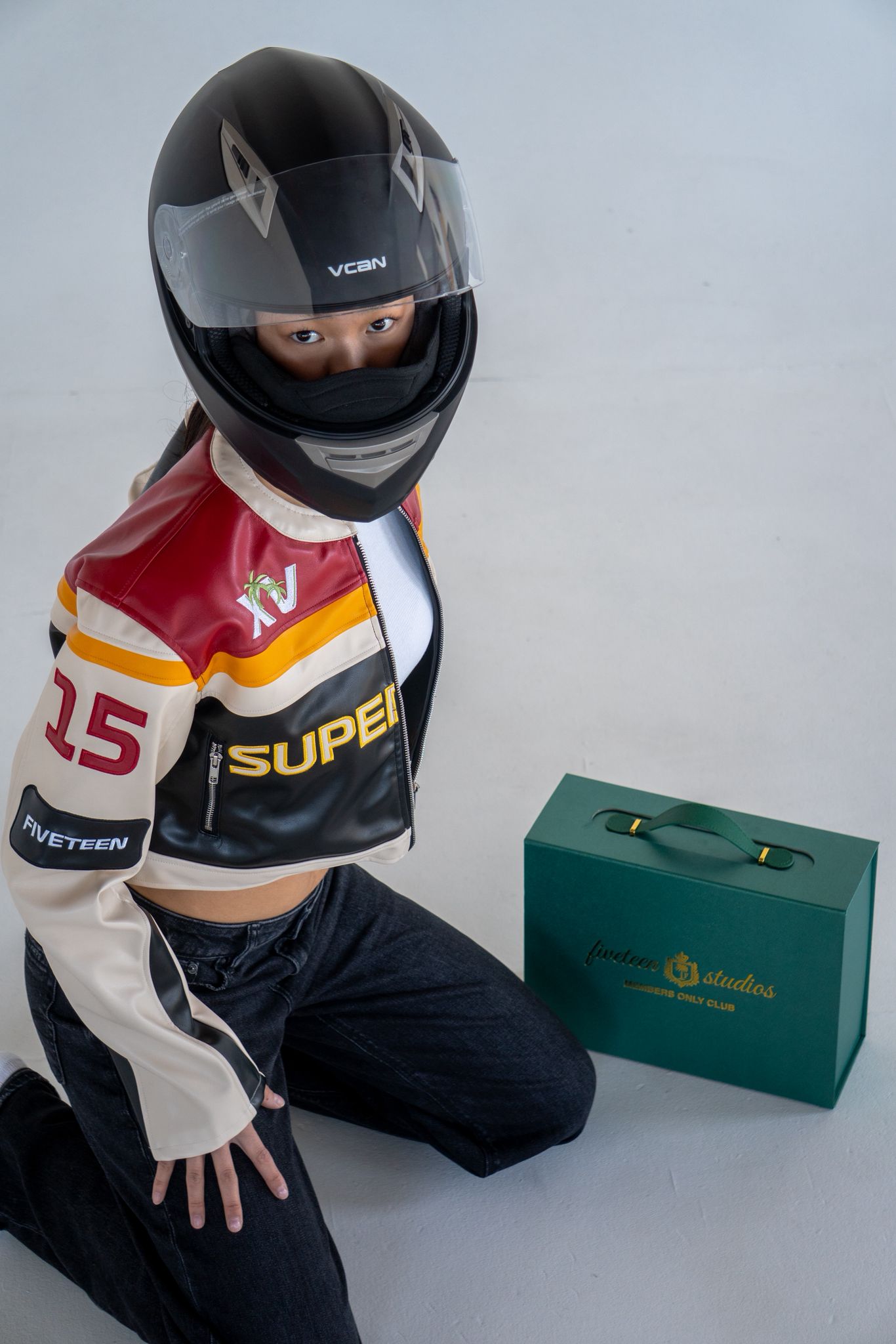
Fiveteen

Canadian creatives in the realm of fashion and visual arts are also not lagging behind, with brands like Cultwest, 100GB Ani , Azach , and Fiveteen Studios putting the diaspora on the map in a manner similar to the likes of Clint 419, founder of Cortiez and fashion and music filmmaker, Gabriel Moses. “We as Africans see the sun always, and the bright colors have not only influenced my composition, but understanding that I myself am the sun, and my work does not revolve around those I meet here,” says photographer, Ani of 100GB. “I can shine in my own light and melt the snow around me.” This self-assured attitude has led Ani into the backdrop of numerous commercials and editorials within the city, and he serves as a testament to the fusion that is Afro-Canadia.

AZACH

Cultwest by Eyilola Ajibola uses satirical humor to criticize the capitalist system worshiped by Canadian-African immigrants upon assimilation. With graphics that read “robbers” instead of “Rogers,” (the telecommunications giant that has its fingers in every Canadian industry) Cultwest shows the other side to a soft landing in Yankee and isn’t afraid to call out a system that has neglected his kind. Last summer, Feyisitan Fakolade and Bashir Mustafa of Fiveteen Studios sprang into the Canadian fashion industry with their collection “The Dreamer’s Journey.” Inspired by their Nigerian roots and current lives in China. The Canadian space full of African creatives attracted them to tell a story of relocation and nostalgia through clothes. And for Azach, a sustainable denim brand, Africa isn’t just a spot to farm nostalgia; they have made a name off recycling and repurposing denim in Nigeria and selling it here in Canada, with the profits flowing right where the inspiration comes from. 

Jerumi Clement

Whether the Africans in Canada view the country as something to critique or one to share African stories and clothes with, the freedom to do either is what is raising the value of their work within a national lens. So for every Shallipopi “with the granola and shit”, there is an equal and greater African creative that is proud of their tongue and will inevitably succeed because of it.

We Africans are an understandably prideful people, whose egos have taken us to great heights. But our worship of success may also be what is holding us back from being the true center of the creative world. We often only support established creatives like the aforementioned who have made a name for themselves, leaving only Instagram likes and “well done”s for the brethren that walk amongst us also trying to make it. So buy that handmade scarf; if it's not your fancy, spread the word. And in a foreign land like Canada, community means everything to the African artist trying to retell stories.

Research and investment into BIPOC creativity here in Canada is at an all-time high and has made it easier for the “fobs” among us to not shy away from the term, but use our heritage as an advantage in the creative world. Africa is a talent hub that has continually broken systemic barriers in creativity, and we’ve come a long way not from where we began, but from when the rest of the world started noticing just how magical we were. So on this day recognizing global creativity, take a minute to appreciate the beautiful work that has come out of Africa and crossed over the Atlantic into Canada. As our mothers would say, “charity begins at home.” And for the bigots of the world that still undermine our works, ask yourselves, we are ants to you, but gods to who?

Cover image: Raphael Ezeano

Ants to you gods to who?: A Celebration of Afro-Canadian Creative Ingenuity

Authored by
This is some text inside of a div block.

World Creative and Innovation Day is a date set apart to raise awareness of the pivotal role a creative mind plays in human development. African art, whether music or fine art, has always been sidelined for the more accessible and, most importantly, accepted Western alternative.

When I was 15, I lounged in my brother’s Calgary apartment most weekends and was always fascinated by the drums of Fela and Roy Ayers blaring through his speakers. A sharp contrast to the African-American-dominated Rap Caviar playlist I had previously worshipped. The song, “Africa centre of the world”, repeated with a force and authority it takes to pound yam. But “how could that be?” I’d ask myself “How could Africa be the centre of the world, if African immigrants in Canada were willingly avoiding and chastising African art, because of the blessing and burden of the diaspora? But as we blitz through another decade, the tides seem to be turning up here in North America.

The giants of the 21st century, Burna Boy, Tems, Wizkid, Tyla, Fally Ipupa, and more, through their melodies, have brought back gold to our continent, with international triumphs in the US and UK such as Grammys for “Best African Music Performance” and MOBO Award for “Best African Music Act”. Though the creativity that seeps through African content has been finding its way into the frigid country that is Canada, the African musicians here fight for a different type of accolade; that of assimilation, and to be recognized as a musical fusion of two continents is already a win for them.

GNF Ola

African-Canadian artists like GNF Ola , Biboye Onanuga, and Raphael Ezeano are a few artists  that I’ve come to enjoy while living in Alberta and being surrounded by country music. Gone are the days where you heard African musicians attempting to imitate the flows and accents seen on MTV. Songs like “pay$tack” by GNF invite listeners into, “bur bur”, the stylised genre created by Nigerian artist Mavo, meshed with the trap-infused beats of Canadian rappers. Both Biboye and Raphael retain the melodies and jazz of Fela Kuti while performing in predominantly white spaces. Raphael, who just got off a Canada-wide tour with Avenoir, brings the saxophone of his African youth on stage to show that there is a balance between his two identities within his art. 

Biboye and his band “good information music” have also caught the attention of Africans and non-Africans alike, with a perfect mix of African jazz and contemporary North American blues. Ugandan singer Jerumi has also made recent waves here, with songs like “Talk is cheap” and “Signs of miracles”. Redefining the RNB scene here, whose foundation was laid by figures like Daniel Caesar and Avenoir. 

Fiveteen

Canadian creatives in the realm of fashion and visual arts are also not lagging behind, with brands like Cultwest, 100GB Ani , Azach , and Fiveteen Studios putting the diaspora on the map in a manner similar to the likes of Clint 419, founder of Cortiez and fashion and music filmmaker, Gabriel Moses. “We as Africans see the sun always, and the bright colors have not only influenced my composition, but understanding that I myself am the sun, and my work does not revolve around those I meet here,” says photographer, Ani of 100GB. “I can shine in my own light and melt the snow around me.” This self-assured attitude has led Ani into the backdrop of numerous commercials and editorials within the city, and he serves as a testament to the fusion that is Afro-Canadia.

AZACH

Cultwest by Eyilola Ajibola uses satirical humor to criticize the capitalist system worshiped by Canadian-African immigrants upon assimilation. With graphics that read “robbers” instead of “Rogers,” (the telecommunications giant that has its fingers in every Canadian industry) Cultwest shows the other side to a soft landing in Yankee and isn’t afraid to call out a system that has neglected his kind. Last summer, Feyisitan Fakolade and Bashir Mustafa of Fiveteen Studios sprang into the Canadian fashion industry with their collection “The Dreamer’s Journey.” Inspired by their Nigerian roots and current lives in China. The Canadian space full of African creatives attracted them to tell a story of relocation and nostalgia through clothes. And for Azach, a sustainable denim brand, Africa isn’t just a spot to farm nostalgia; they have made a name off recycling and repurposing denim in Nigeria and selling it here in Canada, with the profits flowing right where the inspiration comes from. 

Jerumi Clement

Whether the Africans in Canada view the country as something to critique or one to share African stories and clothes with, the freedom to do either is what is raising the value of their work within a national lens. So for every Shallipopi “with the granola and shit”, there is an equal and greater African creative that is proud of their tongue and will inevitably succeed because of it.

We Africans are an understandably prideful people, whose egos have taken us to great heights. But our worship of success may also be what is holding us back from being the true center of the creative world. We often only support established creatives like the aforementioned who have made a name for themselves, leaving only Instagram likes and “well done”s for the brethren that walk amongst us also trying to make it. So buy that handmade scarf; if it's not your fancy, spread the word. And in a foreign land like Canada, community means everything to the African artist trying to retell stories.

Research and investment into BIPOC creativity here in Canada is at an all-time high and has made it easier for the “fobs” among us to not shy away from the term, but use our heritage as an advantage in the creative world. Africa is a talent hub that has continually broken systemic barriers in creativity, and we’ve come a long way not from where we began, but from when the rest of the world started noticing just how magical we were. So on this day recognizing global creativity, take a minute to appreciate the beautiful work that has come out of Africa and crossed over the Atlantic into Canada. As our mothers would say, “charity begins at home.” And for the bigots of the world that still undermine our works, ask yourselves, we are ants to you, but gods to who?

Cover image: Raphael Ezeano
This is some text inside of a div block.

Ants to you gods to who?: A Celebration of Afro-Canadian Creative Ingenuity

Authored by

World Creative and Innovation Day is a date set apart to raise awareness of the pivotal role a creative mind plays in human development. African art, whether music or fine art, has always been sidelined for the more accessible and, most importantly, accepted Western alternative.

When I was 15, I lounged in my brother’s Calgary apartment most weekends and was always fascinated by the drums of Fela and Roy Ayers blaring through his speakers. A sharp contrast to the African-American-dominated Rap Caviar playlist I had previously worshipped. The song, “Africa centre of the world”, repeated with a force and authority it takes to pound yam. But “how could that be?” I’d ask myself “How could Africa be the centre of the world, if African immigrants in Canada were willingly avoiding and chastising African art, because of the blessing and burden of the diaspora? But as we blitz through another decade, the tides seem to be turning up here in North America.

The giants of the 21st century, Burna Boy, Tems, Wizkid, Tyla, Fally Ipupa, and more, through their melodies, have brought back gold to our continent, with international triumphs in the US and UK such as Grammys for “Best African Music Performance” and MOBO Award for “Best African Music Act”. Though the creativity that seeps through African content has been finding its way into the frigid country that is Canada, the African musicians here fight for a different type of accolade; that of assimilation, and to be recognized as a musical fusion of two continents is already a win for them.

GNF Ola

African-Canadian artists like GNF Ola , Biboye Onanuga, and Raphael Ezeano are a few artists  that I’ve come to enjoy while living in Alberta and being surrounded by country music. Gone are the days where you heard African musicians attempting to imitate the flows and accents seen on MTV. Songs like “pay$tack” by GNF invite listeners into, “bur bur”, the stylised genre created by Nigerian artist Mavo, meshed with the trap-infused beats of Canadian rappers. Both Biboye and Raphael retain the melodies and jazz of Fela Kuti while performing in predominantly white spaces. Raphael, who just got off a Canada-wide tour with Avenoir, brings the saxophone of his African youth on stage to show that there is a balance between his two identities within his art. 

Biboye and his band “good information music” have also caught the attention of Africans and non-Africans alike, with a perfect mix of African jazz and contemporary North American blues. Ugandan singer Jerumi has also made recent waves here, with songs like “Talk is cheap” and “Signs of miracles”. Redefining the RNB scene here, whose foundation was laid by figures like Daniel Caesar and Avenoir. 

Fiveteen

Canadian creatives in the realm of fashion and visual arts are also not lagging behind, with brands like Cultwest, 100GB Ani , Azach , and Fiveteen Studios putting the diaspora on the map in a manner similar to the likes of Clint 419, founder of Cortiez and fashion and music filmmaker, Gabriel Moses. “We as Africans see the sun always, and the bright colors have not only influenced my composition, but understanding that I myself am the sun, and my work does not revolve around those I meet here,” says photographer, Ani of 100GB. “I can shine in my own light and melt the snow around me.” This self-assured attitude has led Ani into the backdrop of numerous commercials and editorials within the city, and he serves as a testament to the fusion that is Afro-Canadia.

AZACH

Cultwest by Eyilola Ajibola uses satirical humor to criticize the capitalist system worshiped by Canadian-African immigrants upon assimilation. With graphics that read “robbers” instead of “Rogers,” (the telecommunications giant that has its fingers in every Canadian industry) Cultwest shows the other side to a soft landing in Yankee and isn’t afraid to call out a system that has neglected his kind. Last summer, Feyisitan Fakolade and Bashir Mustafa of Fiveteen Studios sprang into the Canadian fashion industry with their collection “The Dreamer’s Journey.” Inspired by their Nigerian roots and current lives in China. The Canadian space full of African creatives attracted them to tell a story of relocation and nostalgia through clothes. And for Azach, a sustainable denim brand, Africa isn’t just a spot to farm nostalgia; they have made a name off recycling and repurposing denim in Nigeria and selling it here in Canada, with the profits flowing right where the inspiration comes from. 

Jerumi Clement

Whether the Africans in Canada view the country as something to critique or one to share African stories and clothes with, the freedom to do either is what is raising the value of their work within a national lens. So for every Shallipopi “with the granola and shit”, there is an equal and greater African creative that is proud of their tongue and will inevitably succeed because of it.

We Africans are an understandably prideful people, whose egos have taken us to great heights. But our worship of success may also be what is holding us back from being the true center of the creative world. We often only support established creatives like the aforementioned who have made a name for themselves, leaving only Instagram likes and “well done”s for the brethren that walk amongst us also trying to make it. So buy that handmade scarf; if it's not your fancy, spread the word. And in a foreign land like Canada, community means everything to the African artist trying to retell stories.

Research and investment into BIPOC creativity here in Canada is at an all-time high and has made it easier for the “fobs” among us to not shy away from the term, but use our heritage as an advantage in the creative world. Africa is a talent hub that has continually broken systemic barriers in creativity, and we’ve come a long way not from where we began, but from when the rest of the world started noticing just how magical we were. So on this day recognizing global creativity, take a minute to appreciate the beautiful work that has come out of Africa and crossed over the Atlantic into Canada. As our mothers would say, “charity begins at home.” And for the bigots of the world that still undermine our works, ask yourselves, we are ants to you, but gods to who?

Cover image: Raphael Ezeano
Other Stories
London
London
Lagos
London
Newyork
London
Shop
Join the community.
You are now subscribed to receive updates.
Oops! Something went wrong while submitting the form.