Are Nigerians Actually Rave Junkies?

Authored by

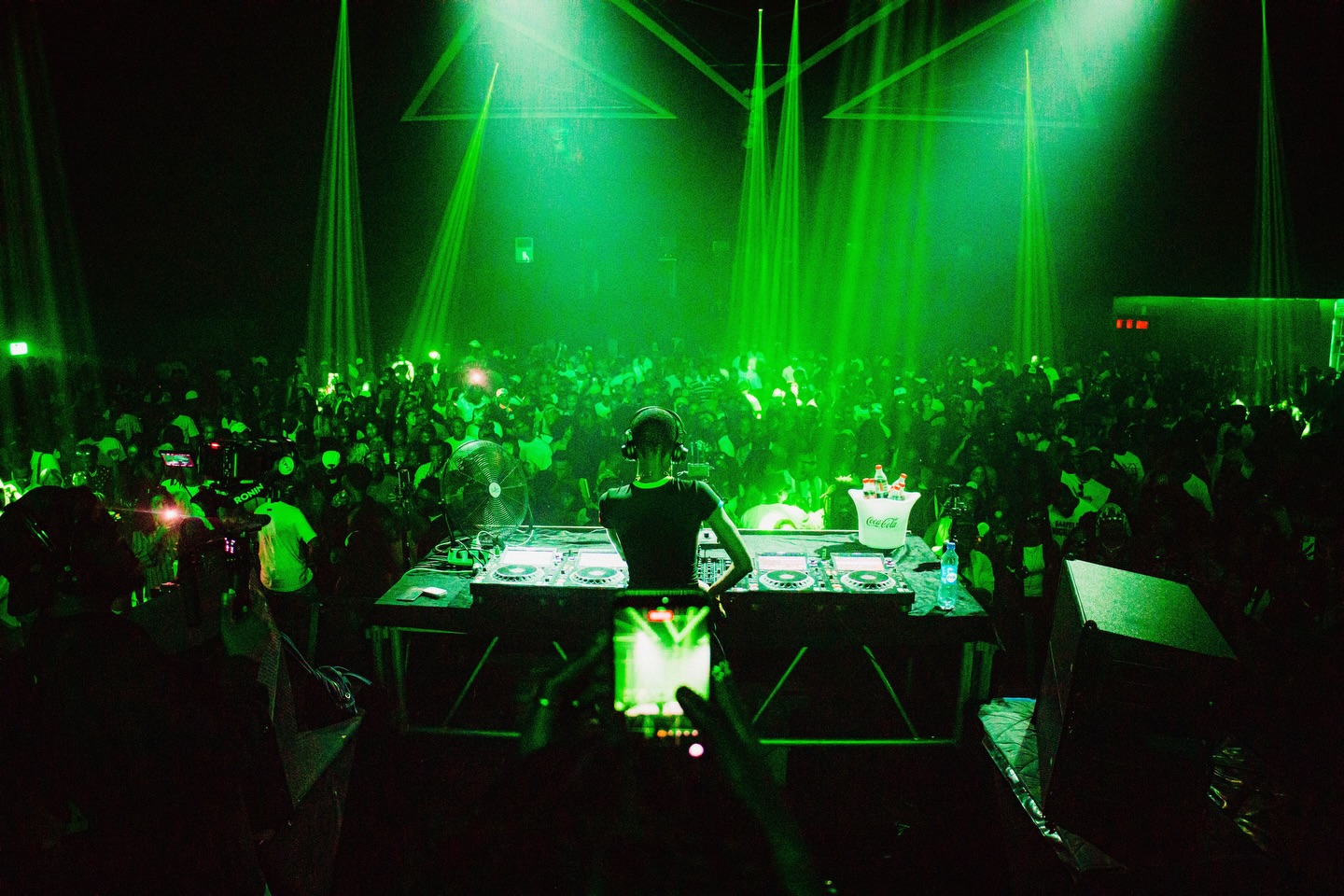
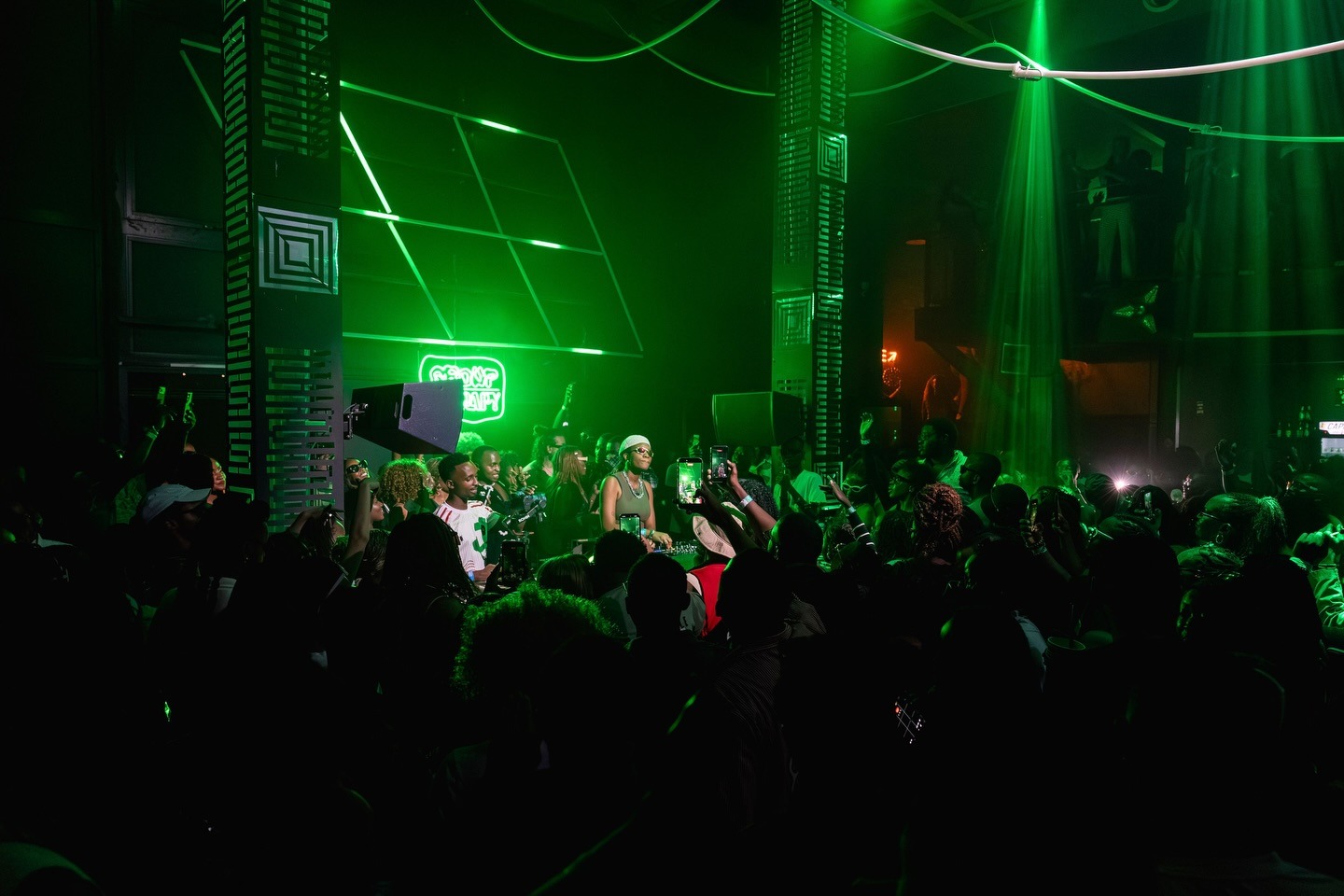
On a Tuesday night in Lekki, thousands of mostly young people waltzed into a large auditorium in the thick of the dark. The only light that pierced the room came from a stack of green strobes dangling above the stage. There were no tables. No bottle service. No LED boards tracking who spent the most. Just a dance floor, and house music. 

This avant-garde monthly rave gathering is called Group Therapy — founded by DJ Aniko, in August 2023. It is modestly priced at ₦21,000 a head every edition, and is currently the clearest evidence that something structural has shifted in how young Nigerians go out.

A new three-year events industry index from ticketing platform Tix puts numbers to what anyone paying attention already sensed. The number of raves listed on Tix more than tripled in 2025, growing faster than any other type of event.

The average rave ticket on Tix costs ₦16,352, compared with ₦28,153 for music and performance events. That makes raves about 42 percent cheaper. Nigerians have not stopped going out; they are simply finding cheaper ways to do it.

The reason is easy to understand. Lagos club culture often revolves around table bookings, where a single bottle can cost anywhere from ₦100,000 to nearly ₦1 million. Even after getting a table, there is often pressure to keep ordering and spending throughout the night.

"At raves, the dance floor is present," DJ Aniko told the Associated Press earlier this year. "You go to a usual Lagos party, and there is no dance floor. We barely have spaces to just dance." Oluwamayowa Idowu, founder of Culture Custodian, put it plainly: "Raves are more democratic. What this says is that people don't have the purchasing power to sustain a club lifestyle. Clubs are still open and busy, but just generally in today's climate, there is more of a focus on enjoying yourself as opposed to you enjoying yourself."
Credit: de.nirangraphy

Group Therapy has become the most visible name in that shift, but it has not been without its complications. The Group Therapy edition in 2025 - one of the most anticipated rave collaborations in Lagos in recent years - generated significant backlash after a statement from the organisers drew criticism online. 

People threatened to boycott. The post was taken down. What followed was a public reckoning that forced the organisers to examine what they had built and how they were managing it - welfare officers were added, security was tightened, house rules were published and enforced. 

At the gate, tickets were checked twice before wristbands were issued, and wristbands were checked again before entry. The controversy revealed the tension inside any format that grows faster than its infrastructure. Group Therapy had become too big to coast on goodwill alone.

The Tix Index report goes beyond raves. Its data also shows when Nigerians actually decide to buy tickets.

Nearly half of all ticket purchases, 47 percent, happen in the final five days before an event. That is more than double any other period, including salary week. People are buying because the event is getting closer, not necessarily because they have just been paid.

Arrival times tell a similar story. Sports fans arrive an average of 27 minutes before kickoff, while people attending music, food and arts events arrive about three hours after the advertised start time. For concerts and raves especially, the time printed on the ticket is rarely the time people expect the event to actually begin.

Odd Climbers 

The report's most counterintuitive finding is about money. The single most expensive average ticket category on Tix is not music. It is school and education, at ₦69,906 — more than double the average concert ticket. 

Investments and spirituality events also outprice most entertainment categories. The most money changing hands on Tix is buying a seat in a classroom. This is not a portrait of a population spending deliberately across multiple categories, with nightlife being one of them and education being the most expensive.

Group Therapy is not the only rave building in this space. The format has expanded beyond house music into Afrobeats, amapiano and hybrid sounds. Community raves with tighter guest lists are proliferating across Lagos and other cities. 

The collaboration with the other rave party  - however complicated its execution - signalled that international electronic music institutions have noticed what is being built here. Culture experts regard the rave explosion as one of the clearest crossovers of South African musical influence in Nigeria, similar to how amapiano arrived and stayed.

December remains the busiest period of the year, accounting for half of all events listed on Tix in the final quarter. 

But Detty December is growing beyond parties and raves. Hiking events grew by 300 percent year over year, while poetry, wellness and podcast-related events also recorded significant growth. 

Raves may have grown the fastest, but the data shows that Nigerians are increasingly looking for different ways to spend their time and money.

Cover Credit: de.nirangraphy
Are Nigerians Actually Rave Junkies?

Authored by
This is some text inside of a div block.

On a Tuesday night in Lekki, thousands of mostly young people waltzed into a large auditorium in the thick of the dark. The only light that pierced the room came from a stack of green strobes dangling above the stage. There were no tables. No bottle service. No LED boards tracking who spent the most. Just a dance floor, and house music. 

This avant-garde monthly rave gathering is called Group Therapy — founded by DJ Aniko, in August 2023. It is modestly priced at ₦21,000 a head every edition, and is currently the clearest evidence that something structural has shifted in how young Nigerians go out.

A new three-year events industry index from ticketing platform Tix puts numbers to what anyone paying attention already sensed. The number of raves listed on Tix more than tripled in 2025, growing faster than any other type of event.

The average rave ticket on Tix costs ₦16,352, compared with ₦28,153 for music and performance events. That makes raves about 42 percent cheaper. Nigerians have not stopped going out; they are simply finding cheaper ways to do it.

The reason is easy to understand. Lagos club culture often revolves around table bookings, where a single bottle can cost anywhere from ₦100,000 to nearly ₦1 million. Even after getting a table, there is often pressure to keep ordering and spending throughout the night.

"At raves, the dance floor is present," DJ Aniko told the Associated Press earlier this year. "You go to a usual Lagos party, and there is no dance floor. We barely have spaces to just dance." Oluwamayowa Idowu, founder of Culture Custodian, put it plainly: "Raves are more democratic. What this says is that people don't have the purchasing power to sustain a club lifestyle. Clubs are still open and busy, but just generally in today's climate, there is more of a focus on enjoying yourself as opposed to you enjoying yourself."

Credit: de.nirangraphy

Group Therapy has become the most visible name in that shift, but it has not been without its complications. The Group Therapy edition in 2025 - one of the most anticipated rave collaborations in Lagos in recent years - generated significant backlash after a statement from the organisers drew criticism online. 

People threatened to boycott. The post was taken down. What followed was a public reckoning that forced the organisers to examine what they had built and how they were managing it - welfare officers were added, security was tightened, house rules were published and enforced. 

At the gate, tickets were checked twice before wristbands were issued, and wristbands were checked again before entry. The controversy revealed the tension inside any format that grows faster than its infrastructure. Group Therapy had become too big to coast on goodwill alone.

The Tix Index report goes beyond raves. Its data also shows when Nigerians actually decide to buy tickets.

Nearly half of all ticket purchases, 47 percent, happen in the final five days before an event. That is more than double any other period, including salary week. People are buying because the event is getting closer, not necessarily because they have just been paid.

Arrival times tell a similar story. Sports fans arrive an average of 27 minutes before kickoff, while people attending music, food and arts events arrive about three hours after the advertised start time. For concerts and raves especially, the time printed on the ticket is rarely the time people expect the event to actually begin.

Odd Climbers 

The report's most counterintuitive finding is about money. The single most expensive average ticket category on Tix is not music. It is school and education, at ₦69,906 — more than double the average concert ticket. 

Investments and spirituality events also outprice most entertainment categories. The most money changing hands on Tix is buying a seat in a classroom. This is not a portrait of a population spending deliberately across multiple categories, with nightlife being one of them and education being the most expensive.

Group Therapy is not the only rave building in this space. The format has expanded beyond house music into Afrobeats, amapiano and hybrid sounds. Community raves with tighter guest lists are proliferating across Lagos and other cities. 

The collaboration with the other rave party  - however complicated its execution - signalled that international electronic music institutions have noticed what is being built here. Culture experts regard the rave explosion as one of the clearest crossovers of South African musical influence in Nigeria, similar to how amapiano arrived and stayed.

December remains the busiest period of the year, accounting for half of all events listed on Tix in the final quarter. 

But Detty December is growing beyond parties and raves. Hiking events grew by 300 percent year over year, while poetry, wellness and podcast-related events also recorded significant growth. 

Raves may have grown the fastest, but the data shows that Nigerians are increasingly looking for different ways to spend their time and money.

Cover Credit: de.nirangraphy
This is some text inside of a div block.

Are Nigerians Actually Rave Junkies?

Authored by

On a Tuesday night in Lekki, thousands of mostly young people waltzed into a large auditorium in the thick of the dark. The only light that pierced the room came from a stack of green strobes dangling above the stage. There were no tables. No bottle service. No LED boards tracking who spent the most. Just a dance floor, and house music. 

This avant-garde monthly rave gathering is called Group Therapy — founded by DJ Aniko, in August 2023. It is modestly priced at ₦21,000 a head every edition, and is currently the clearest evidence that something structural has shifted in how young Nigerians go out.

A new three-year events industry index from ticketing platform Tix puts numbers to what anyone paying attention already sensed. The number of raves listed on Tix more than tripled in 2025, growing faster than any other type of event.

The average rave ticket on Tix costs ₦16,352, compared with ₦28,153 for music and performance events. That makes raves about 42 percent cheaper. Nigerians have not stopped going out; they are simply finding cheaper ways to do it.

The reason is easy to understand. Lagos club culture often revolves around table bookings, where a single bottle can cost anywhere from ₦100,000 to nearly ₦1 million. Even after getting a table, there is often pressure to keep ordering and spending throughout the night.

"At raves, the dance floor is present," DJ Aniko told the Associated Press earlier this year. "You go to a usual Lagos party, and there is no dance floor. We barely have spaces to just dance." Oluwamayowa Idowu, founder of Culture Custodian, put it plainly: "Raves are more democratic. What this says is that people don't have the purchasing power to sustain a club lifestyle. Clubs are still open and busy, but just generally in today's climate, there is more of a focus on enjoying yourself as opposed to you enjoying yourself."

Credit: de.nirangraphy

Group Therapy has become the most visible name in that shift, but it has not been without its complications. The Group Therapy edition in 2025 - one of the most anticipated rave collaborations in Lagos in recent years - generated significant backlash after a statement from the organisers drew criticism online. 

People threatened to boycott. The post was taken down. What followed was a public reckoning that forced the organisers to examine what they had built and how they were managing it - welfare officers were added, security was tightened, house rules were published and enforced. 

At the gate, tickets were checked twice before wristbands were issued, and wristbands were checked again before entry. The controversy revealed the tension inside any format that grows faster than its infrastructure. Group Therapy had become too big to coast on goodwill alone.

The Tix Index report goes beyond raves. Its data also shows when Nigerians actually decide to buy tickets.

Nearly half of all ticket purchases, 47 percent, happen in the final five days before an event. That is more than double any other period, including salary week. People are buying because the event is getting closer, not necessarily because they have just been paid.

Arrival times tell a similar story. Sports fans arrive an average of 27 minutes before kickoff, while people attending music, food and arts events arrive about three hours after the advertised start time. For concerts and raves especially, the time printed on the ticket is rarely the time people expect the event to actually begin.

Odd Climbers 

The report's most counterintuitive finding is about money. The single most expensive average ticket category on Tix is not music. It is school and education, at ₦69,906 — more than double the average concert ticket. 

Investments and spirituality events also outprice most entertainment categories. The most money changing hands on Tix is buying a seat in a classroom. This is not a portrait of a population spending deliberately across multiple categories, with nightlife being one of them and education being the most expensive.

Group Therapy is not the only rave building in this space. The format has expanded beyond house music into Afrobeats, amapiano and hybrid sounds. Community raves with tighter guest lists are proliferating across Lagos and other cities. 

The collaboration with the other rave party  - however complicated its execution - signalled that international electronic music institutions have noticed what is being built here. Culture experts regard the rave explosion as one of the clearest crossovers of South African musical influence in Nigeria, similar to how amapiano arrived and stayed.

December remains the busiest period of the year, accounting for half of all events listed on Tix in the final quarter. 

But Detty December is growing beyond parties and raves. Hiking events grew by 300 percent year over year, while poetry, wellness and podcast-related events also recorded significant growth. 

Raves may have grown the fastest, but the data shows that Nigerians are increasingly looking for different ways to spend their time and money.

Cover Credit: de.nirangraphy

Other Stories
London
London
Lagos
London
Newyork
London
Shop
Join the community.
You are now subscribed to receive updates.
Oops! Something went wrong while submitting the form.