.svg)

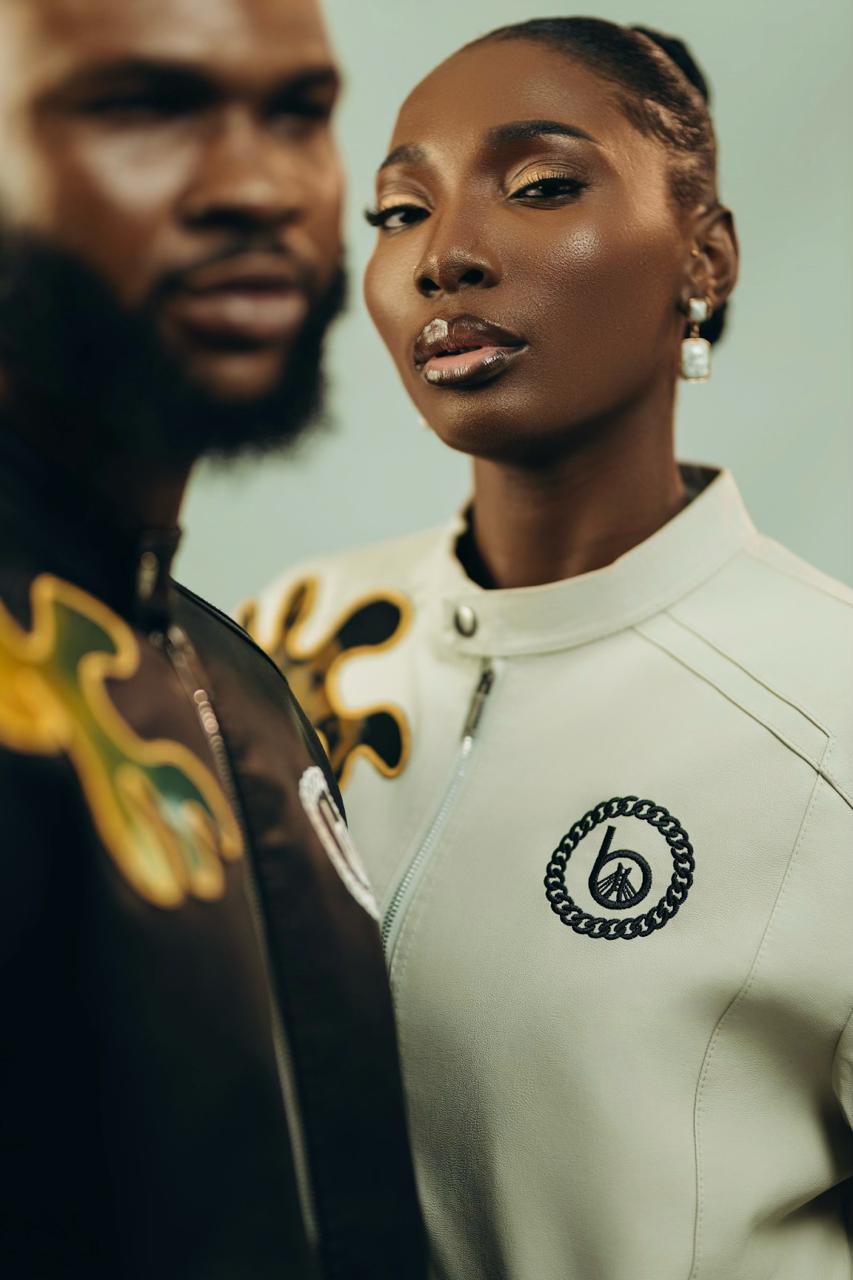
Abdul Basit Ajiboye started BCiti Clothings in 2014 because the Lagos fashion scene was full of clothes and empty of identity. “Every time we stepped out in whatever was on trend, it felt empty and temporary,” he says. “I didn’t want a costume. I wanted pieces that were timeless, clothes that told a story of my culture but were still sharp enough to turn heads.”
He couldn’t find what he wanted, so he made it. Friends noticed. Friends asked for pieces. The demand grew, and what started as a personal wardrobe became a brand built around a specific gap: culturally rooted clothing that worked as hard as the people wearing it.
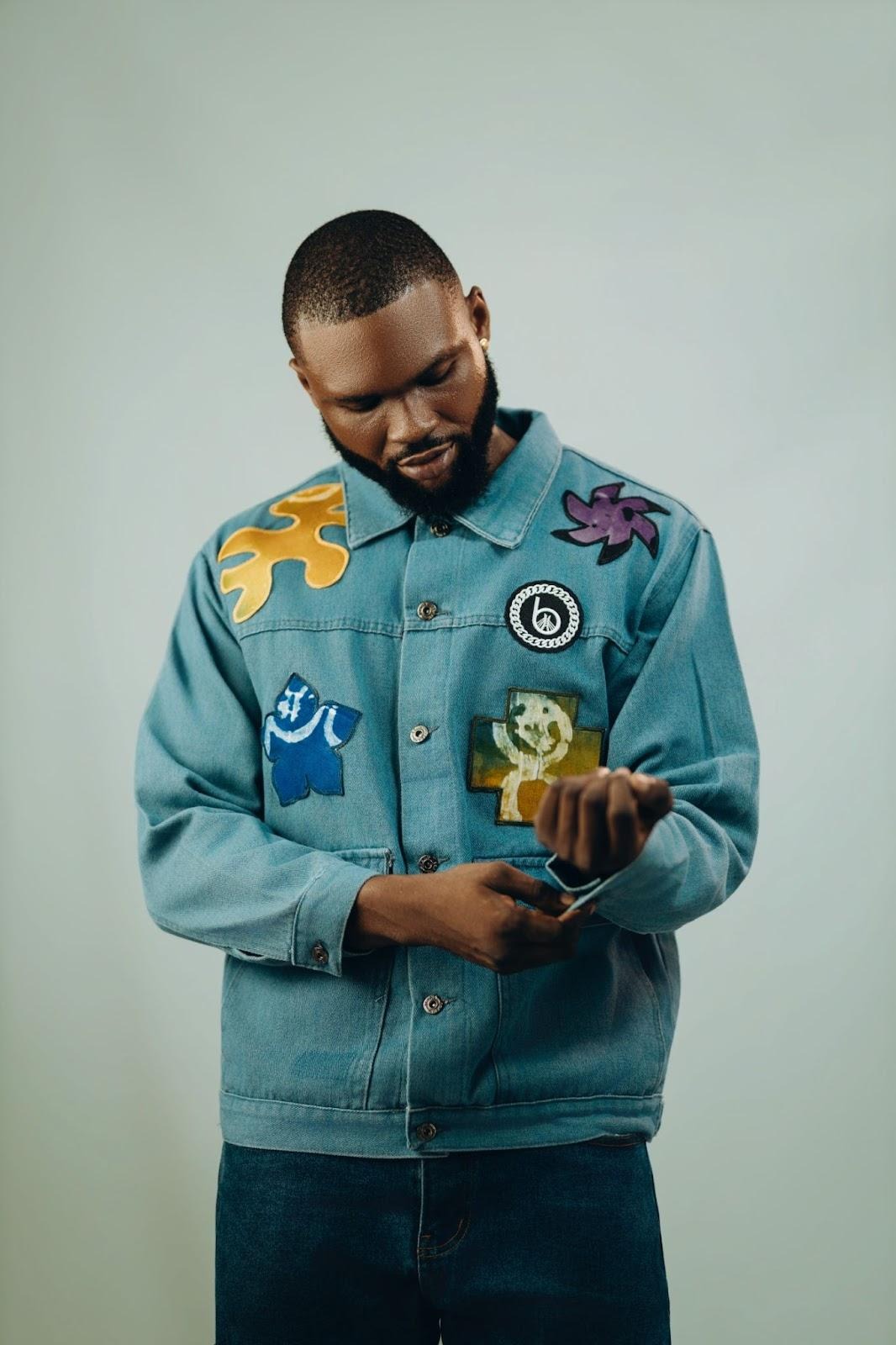
Twelve years later, BCiti’s Culture Clash collection launched at a pop-up in West Norwood, South London on February 28. Designer pieces sold out within the first three hours. The Adire Batik pants were the crowd favourite. The hybrid denim and leather jackets with Adire and Aso Oke patches were the most talked-about items in the room. By 7pm, Ajiboye had done something that a lot of Nigerian brands talk about but few execute: he’d put physical product in a physical space in London and watched people buy it, touch it, and ask questions about every stitch.

But before London, there was Yaba. Ajiboye is clear about what that environment taught him. “If you want to know if your brand has legs, you go to Yaba,” he says. “It’s the ultimate testing ground. There’s an unwritten rule: if you can get validated there, you’re on the right track.” That testing ground shaped BCiti’s DNA. The brand builds clothes that survive a Lagos commute and still look sharp for a Lagos night out. That’s a production requirement when your customer base includes people navigating a city of twenty million where the weather, the traffic, and the hustle can wreck a garment before lunch, durability isn’t optional.
The name BCiti stands for “Big City.” It started as shorthand for urban survival but has evolved into something broader: a global citizen who carries their roots regardless of which city they’re currently in. Ajiboye calls his customers “the Quietly Audacious.” People who don’t need to shout to be heard. “When you see someone in BCiti, they’re sending a message: I know exactly where I come from, and I’m using that heritage to disrupt wherever I am right now.”
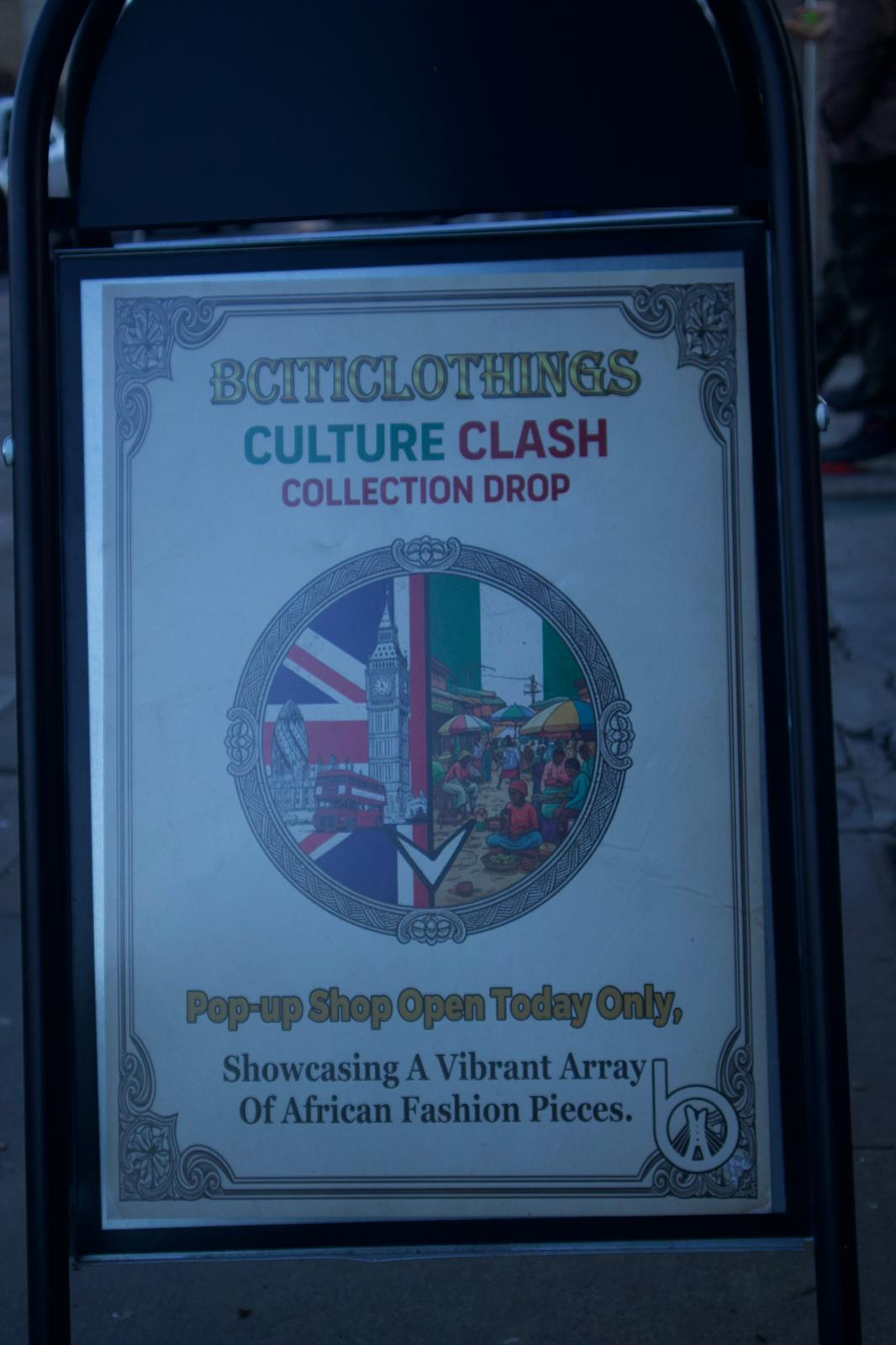
The pop-up location was deliberate. West Norwood, South London. “Shoreditch is what people expect, and Soho is just crowded,” Ajiboye says. “We chose West Norwood because it feels like the real London. It’s diverse, community-driven, and a bit off the beaten path. We didn’t want to be just another window display people walk past on their way to a big chain store. We wanted to be a destination.”
The decision says something about how Ajiboye positions BCiti in the Lagos-to-London landscape. He describes the brand as occupying a space he calls “Functional Heritage”: “We’re the utility brand for the diaspora. The people who need clothes that handle the London chill but still carry the warmth of home.” Not strictly luxury, not strictly streetwear. Something in between that serves a specific person living between two cities.
Culture Clash started as an internal question for Ajiboye: how do you stay fully Nigerian while living a global life? “That tension turned into our design language,” he says. “We don’t try to make the fabrics blend in quietly. We let them clash.”
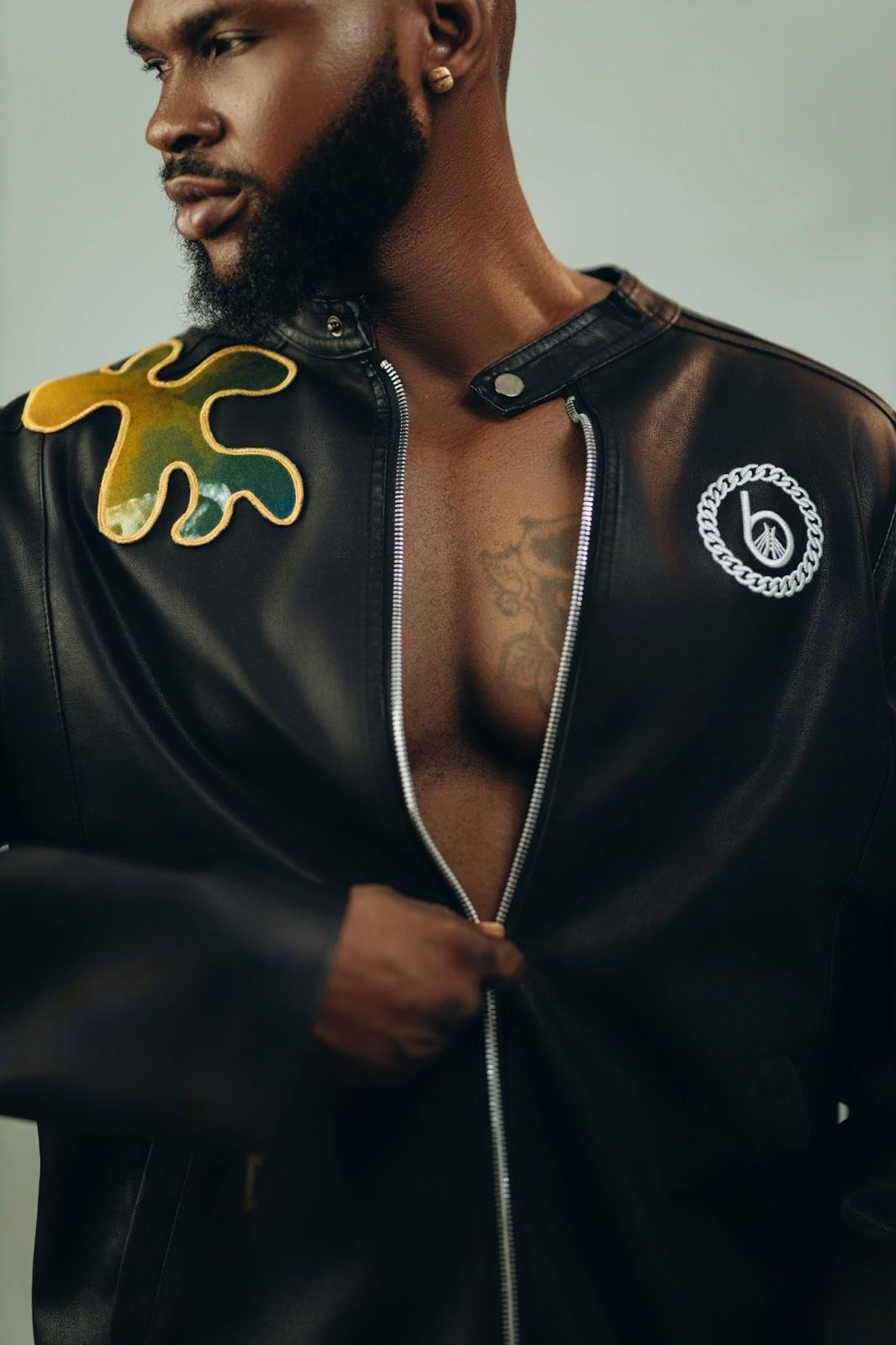
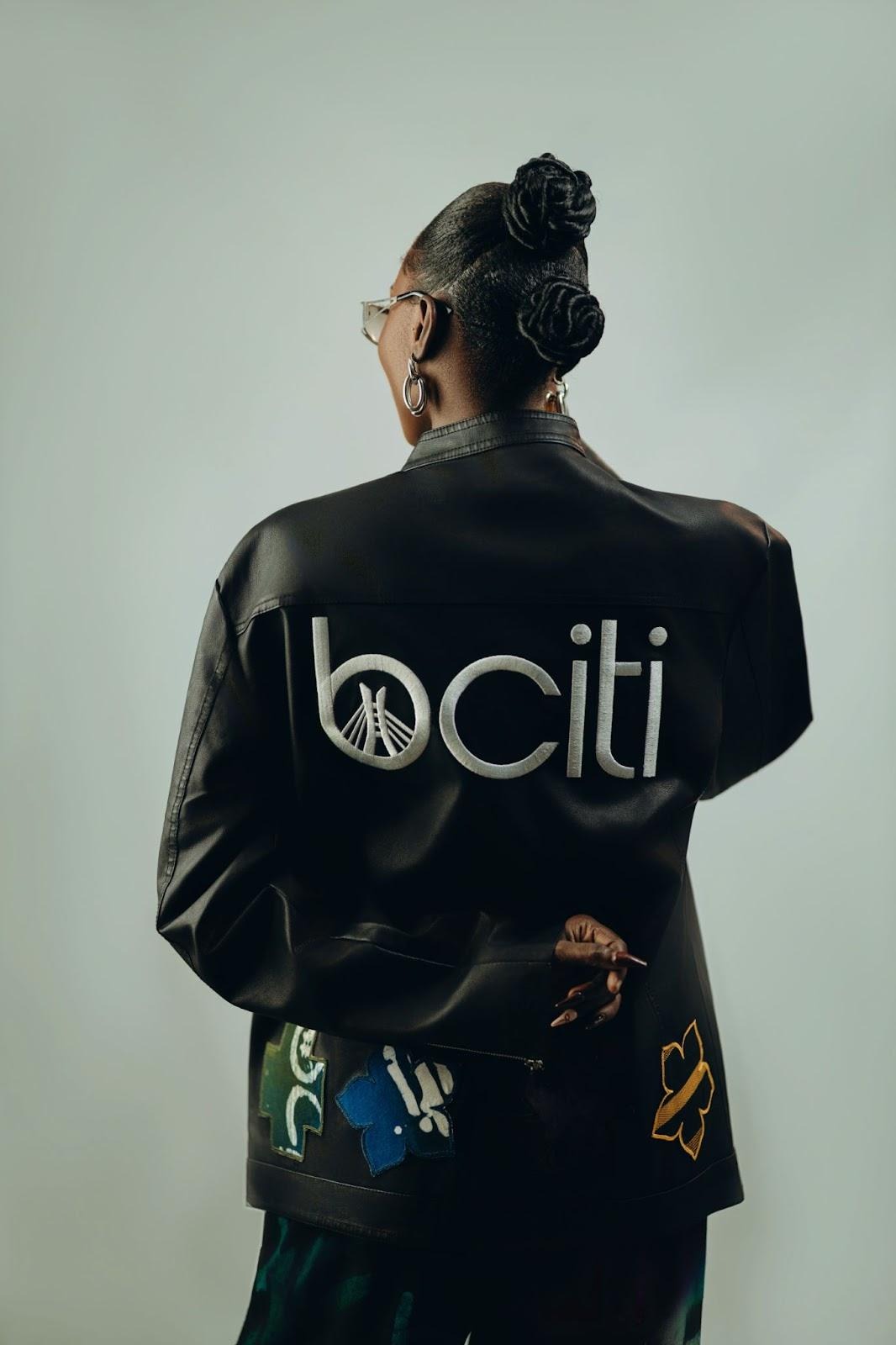
The standout piece is the hybrid jacket, available in black and cream. It takes the structure of a global racer jacket and rebuilds it with Nigerian craft. Leather panels sit next to hand-loomed Aso Oke. Adire Batik patches are hand-cut and placed along the hemline in a mosaic pattern where no two jackets are exactly the same. On the back, the BCiti ‘b’ logo carries the silhouette of the Lekki-Ikoyi Link Bridge, a literal reference point built into the branding. “It’s a bridge between the streets of Lagos and the pavements of London.” Ajiboye says.
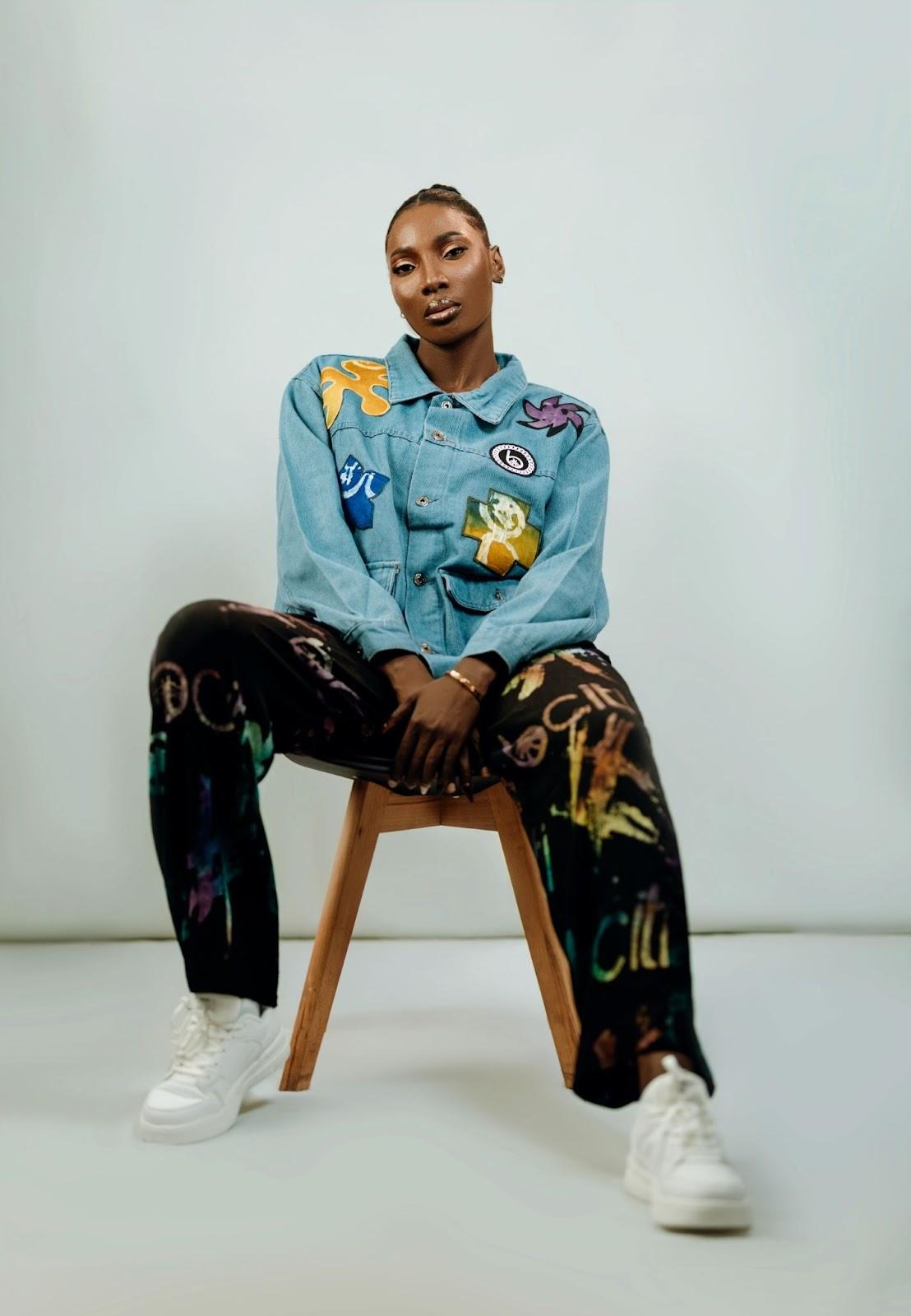
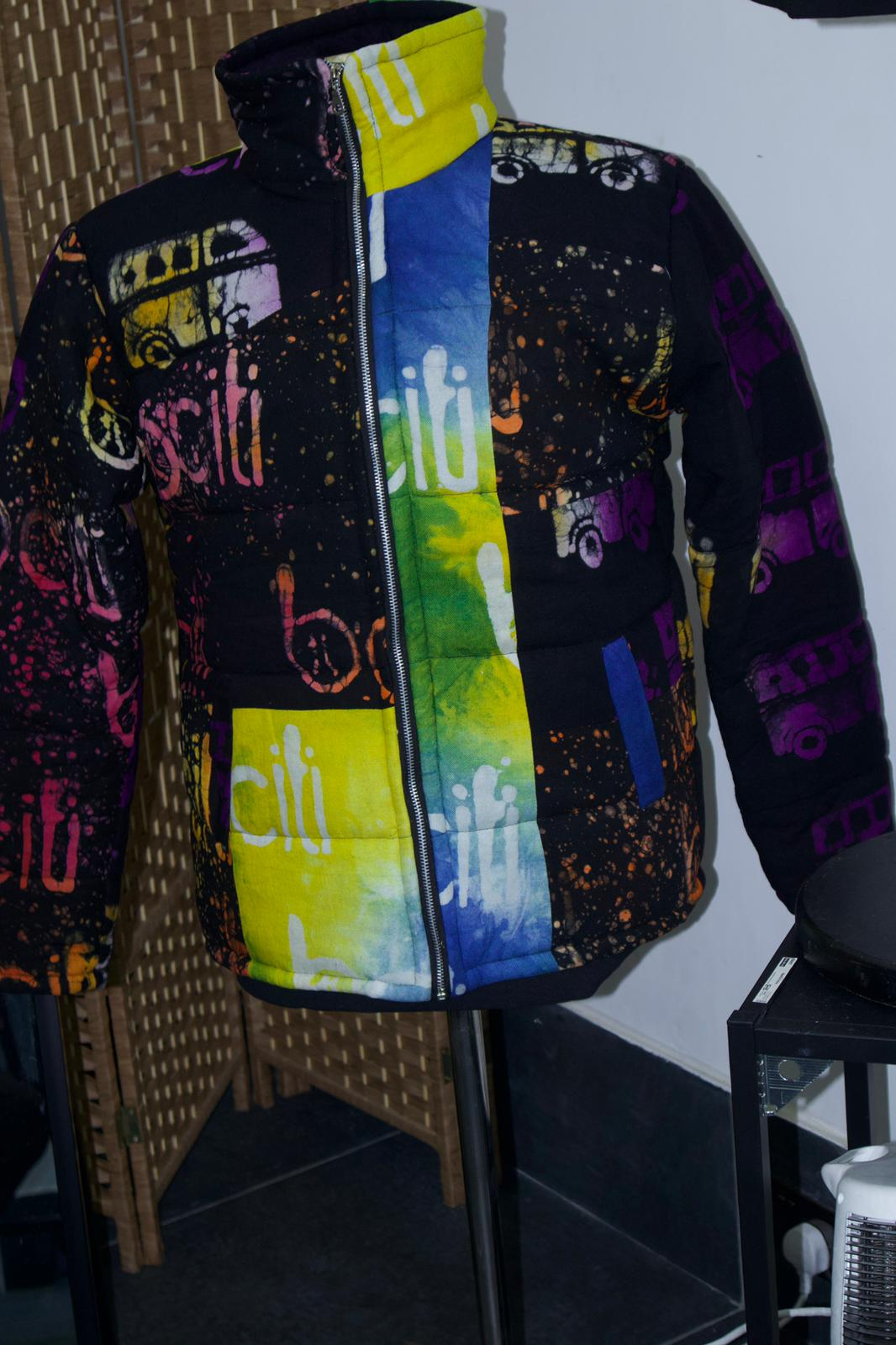
The Adire Batik pants were the collection’s most immediate success at the pop-up, drawing questions from almost everyone who walked in. The puffer jacket, done in batik and adire, takes a cold-weather essential and makes it unmistakably Nigerian. The graphic tees, including the Culture Clash identity tee, the Lagos Life Calling design with its Nigeria-UK flag fusion, and the Music Clash and Global Commerce tees, round out a collection that moves between statement pieces and daily wear.
From the Tactical Tradition line, individual pieces take between 40 and 60 hours of manual labour. Hand-embroidery on modern cargo silhouettes. Ancient stitch techniques applied to contemporary garments. “When you see hand-embroidery on a modern cargo silhouette, that’s not just decoration. It’s us armouring the garment with history.” - Ajiboye mentions.
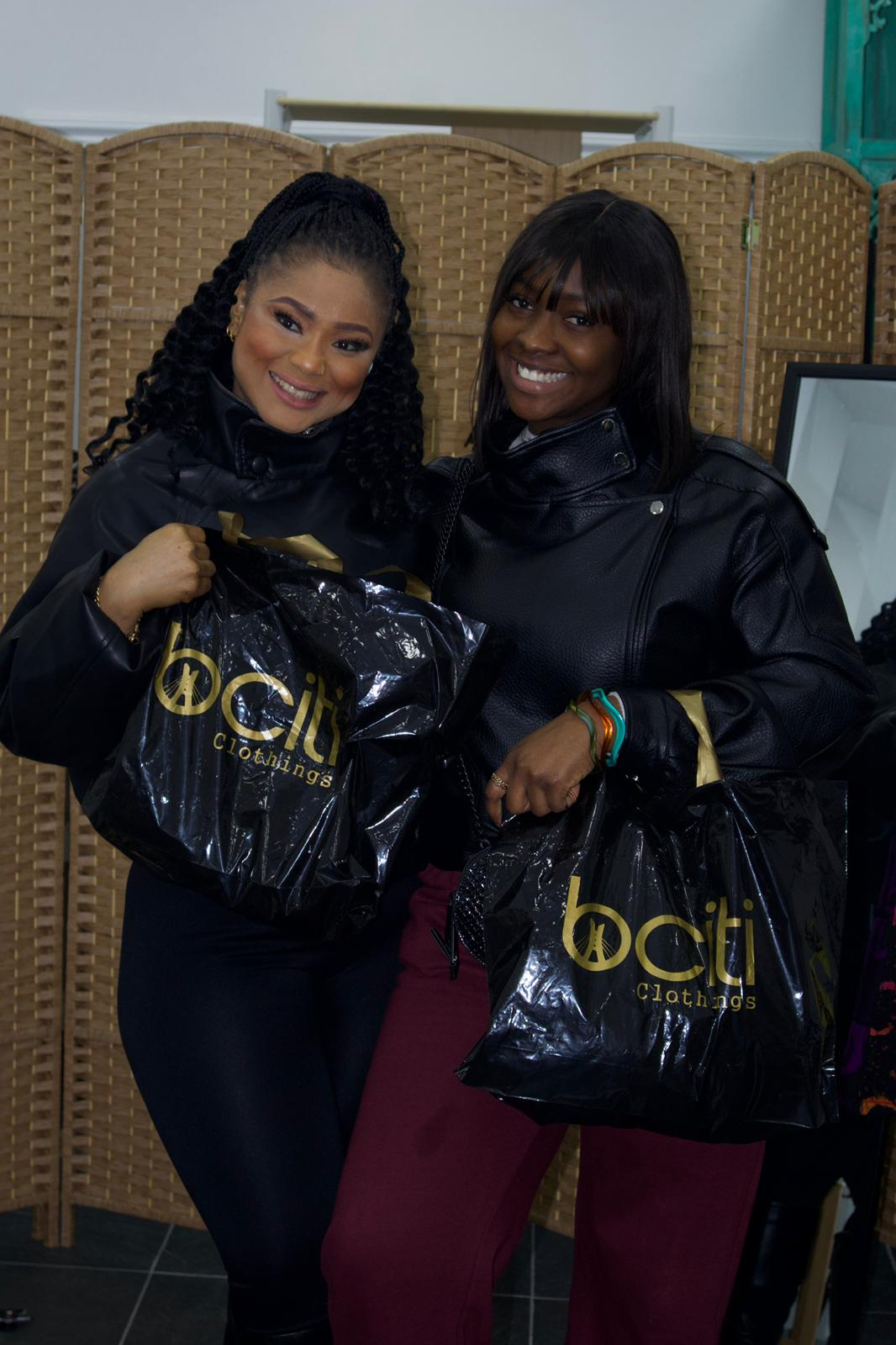
The February 28 event ran from noon to 7pm. It opened with a presentation on the brand’s DNA and the specific inspirations behind the collection. Models moved through the crowd wearing the pieces, showing fit and movement in real time. Music and refreshments kept the energy up all day. Guests asked detailed questions about the design process. Several designer pieces sold out within three hours. People showed up, engaged with the craft, and bought the work. For a brand making its first physical move into the UK market, that’s a very solid proof of concept.
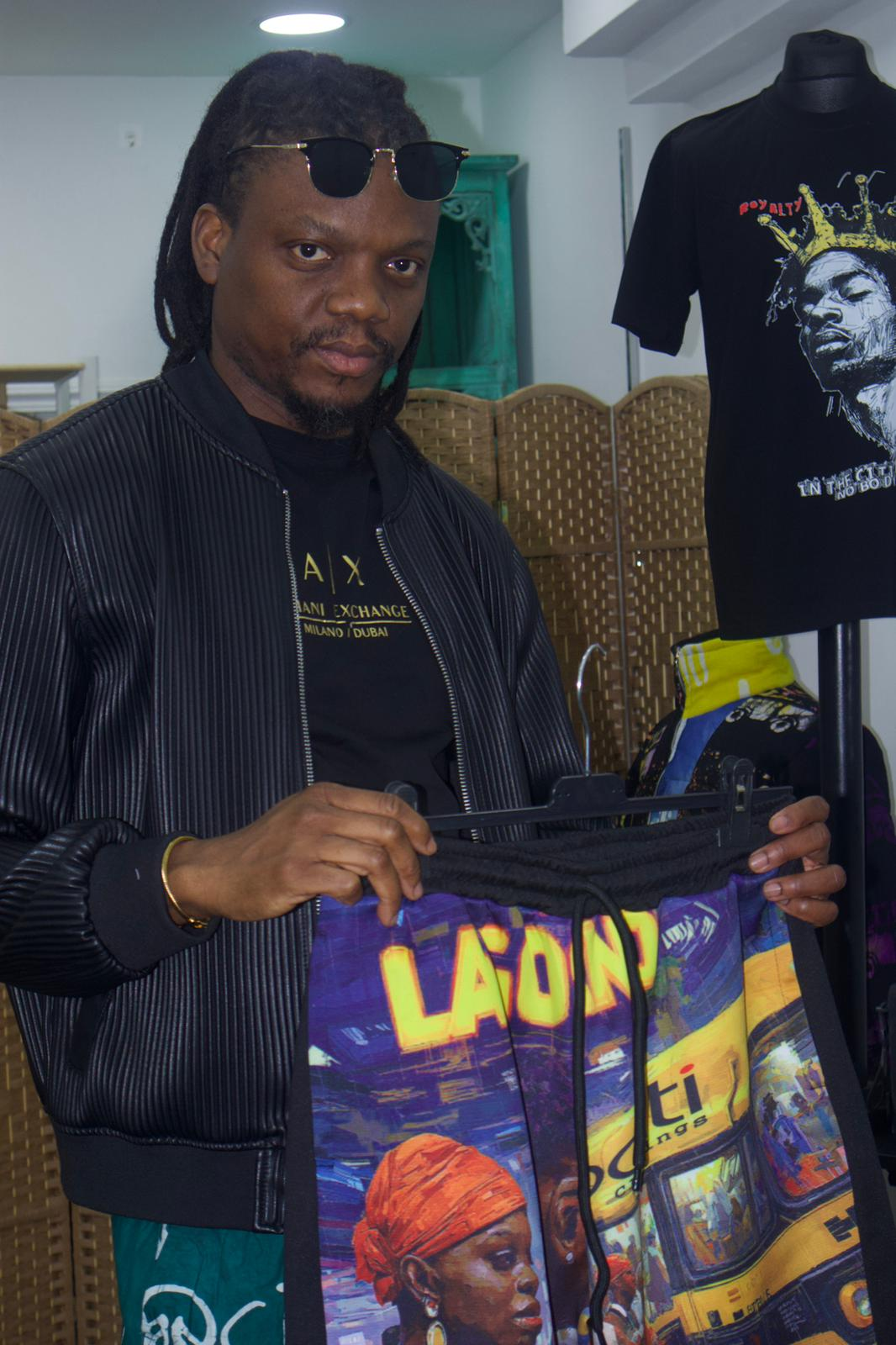
When asked what advice he’d give a young designer starting out in Lagos, Ajiboye’s answer is direct: “Master your own backyard before you try to design for the rest of the world. Understand your local fabrics, your local struggles, and the unique beauty of your environment. If your work is authentic enough to survive and be respected in Yaba, trust me, the rest of the world will eventually come looking for it.”
February 28, West Norwood. Designer pieces are gone in three hours. BCiti didn't cross into the London market quietly, it arrived with twelve years of proof.




.png)

