.svg)

.JPG)
For the past few seasons, South African Fashion Week has drawn industry insiders, buyers, and press to Johannesburg, where the country’s most compelling designers present work that sits at the intersection of craft, culture, and contemporary life. This season unfolded at the Mall of Africa, where the runway space once again became a site of exchange between emerging voices and established names shaping the direction of the industry.
Marking another edition in its ongoing calendar, SAFW SS26 took place over several days and brought together a mix of returning designers, rising labels, and independent brands who are pushing new ideas. The schedule reflected the breadth of South African fashion today, spanning structured tailoring, textile-led experimentation, and softer approaches to luxury.
Here are six of our favourite collections from last week.
HELON MELON
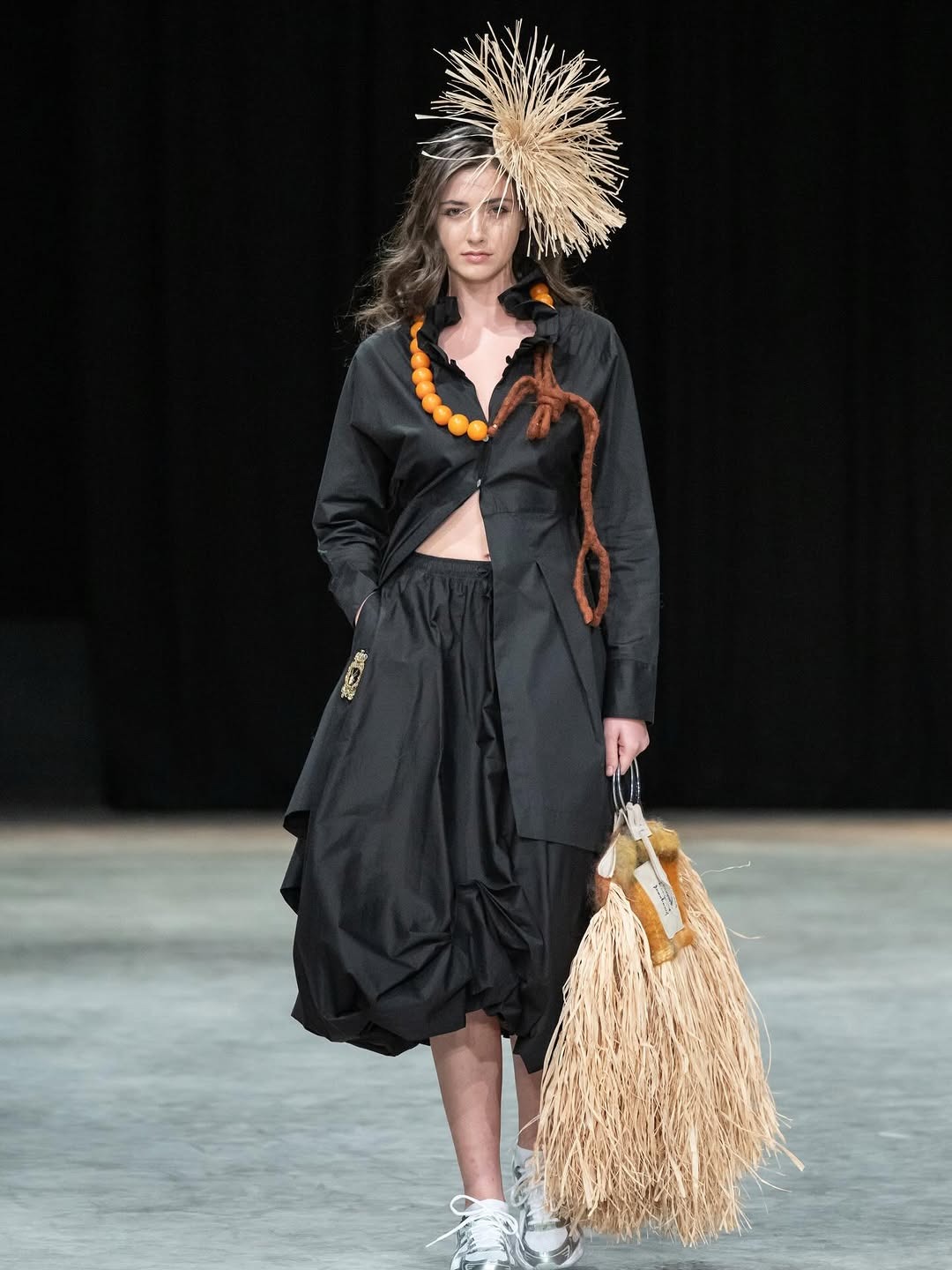
Helon Melon, founded by designer Helen Gibbs, is rooted in textile development and sustainable practice. The brand draws heavily on handcrafted processes, often incorporating natural materials and artisanal techniques into contemporary silhouettes.
At SAFW SS26, raffia accents and textured surfaces became central to the collection. Volume played a key role, with puffed skirts and trousers creating movement and dimension. The material choices added depth, connecting each look back to process and making. There was a balance between playfulness and control, where bold shapes remained grounded in thoughtful construction.
BLACK COFFEE FASHION
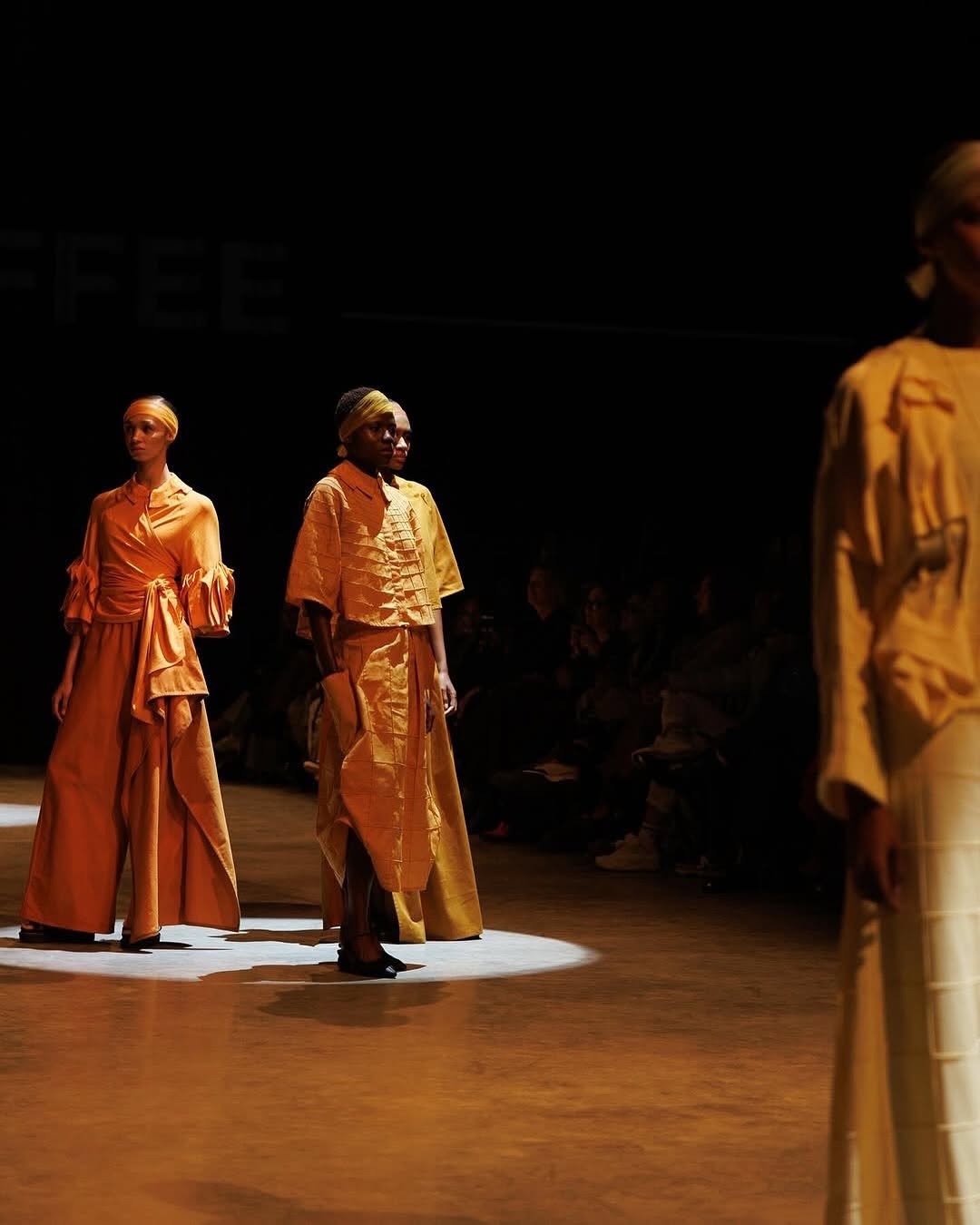
Founded by Jacques van der Watt, Black Coffee remains one of South Africa’s most established fashion voices, known for its architectural approach to design and commitment to local production. The label often explores structure through fabric manipulation and unconventional construction.
This season’s collection worked through an earthy spectrum, grounding the garments in tone and material. Soft utility emerged as a key thread, with pieces that balanced function and form. Shapes were sculptural yet wearable and overall, the collection reflected a mature design language, where experimentation is embedded into the garment rather than presented as spectacle.
HOUSE OF OLÉ
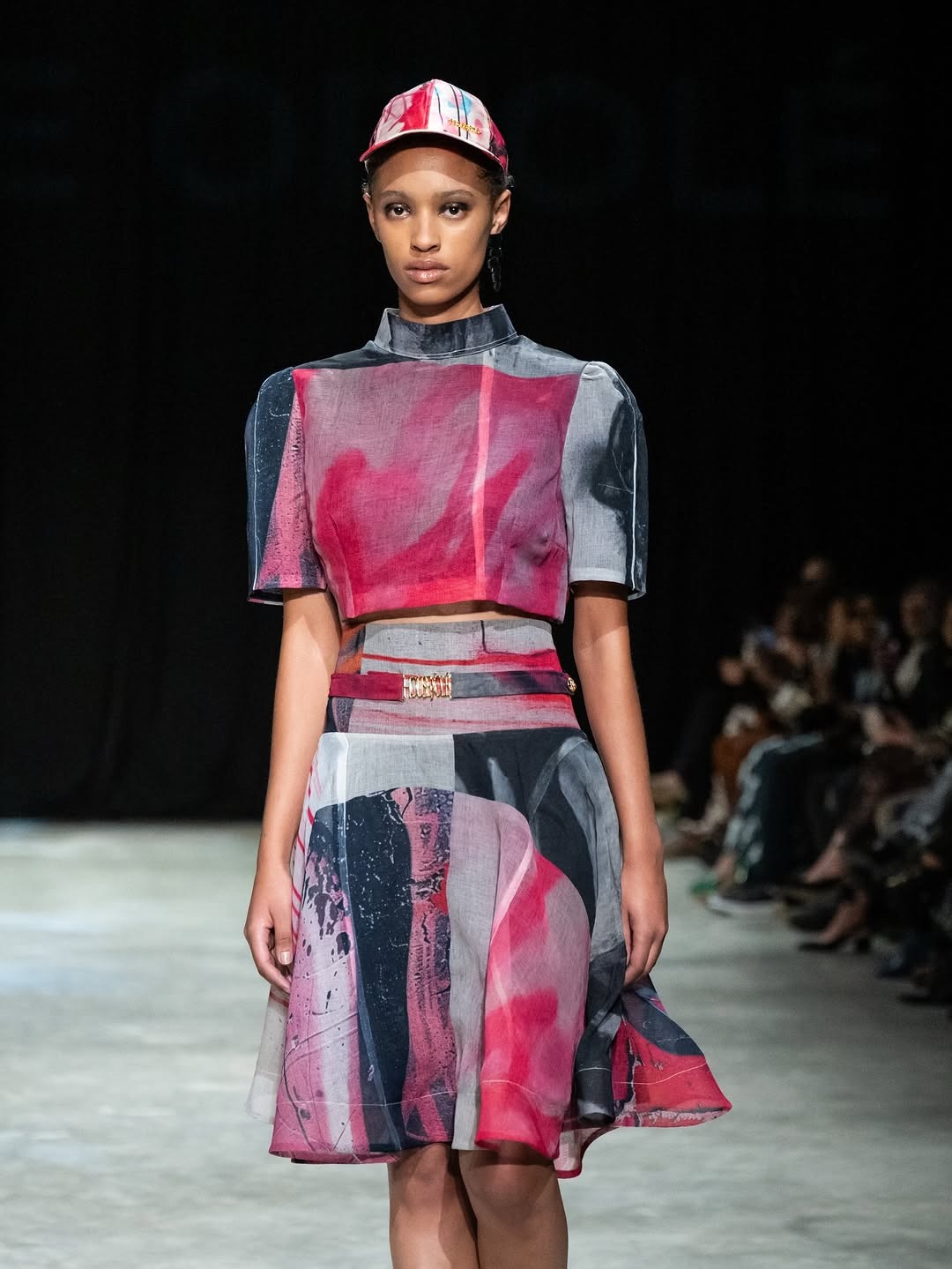
House of Olé operates at the intersection of bespoke tailoring and wearable art, with a practice grounded in craftsmanship and cultural expression. The brand is known for producing made-to-measure garments that can be both technical and narrative.
At SAFW, the brand's language came through in colorful, layered suiting and sculptural forms. Coats, waistcoats, and structured garments built on each other, creating looks that felt intentional and considered.
IRENE MAKHAVHU DESIGNS
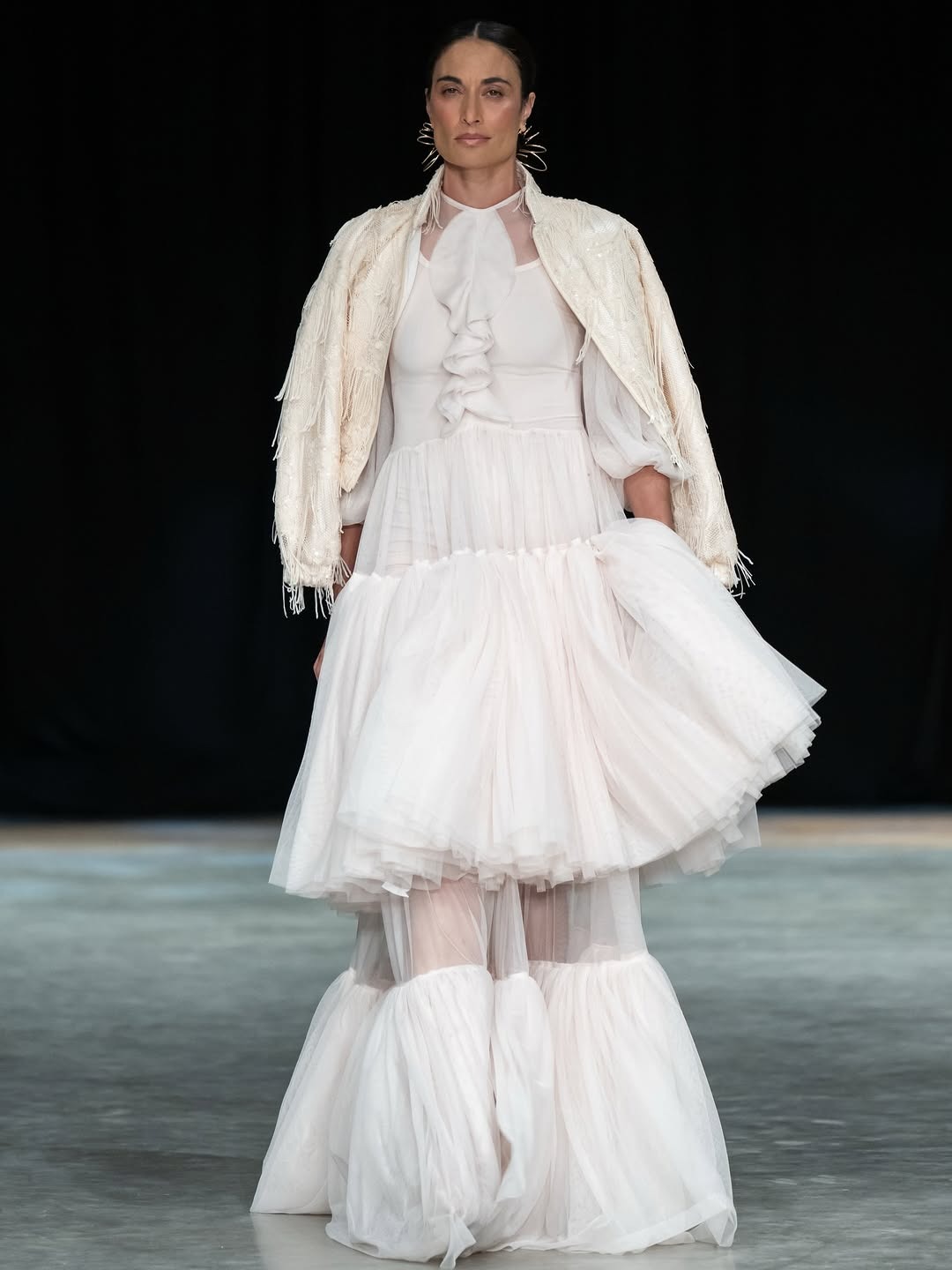
Founded by Irene Makhavhu, the label centres on luxury womenswear defined by softness, fluidity, and attention to detail. The brand’s ethos leans into femininity as something expansive, expressed through fabric, movement, and subtle construction.
For SS26, that translated into a collection of flowing dresses and gently structured pieces in rich, earthy tones. Fabrics skimmed the body, creating silhouettes that felt light and airy. Tailored elements appeared in subtle ways, anchoring the softness without overpowering it. The collection held a steady focus on ease while maintaining a sense of refinement.
ANUNES
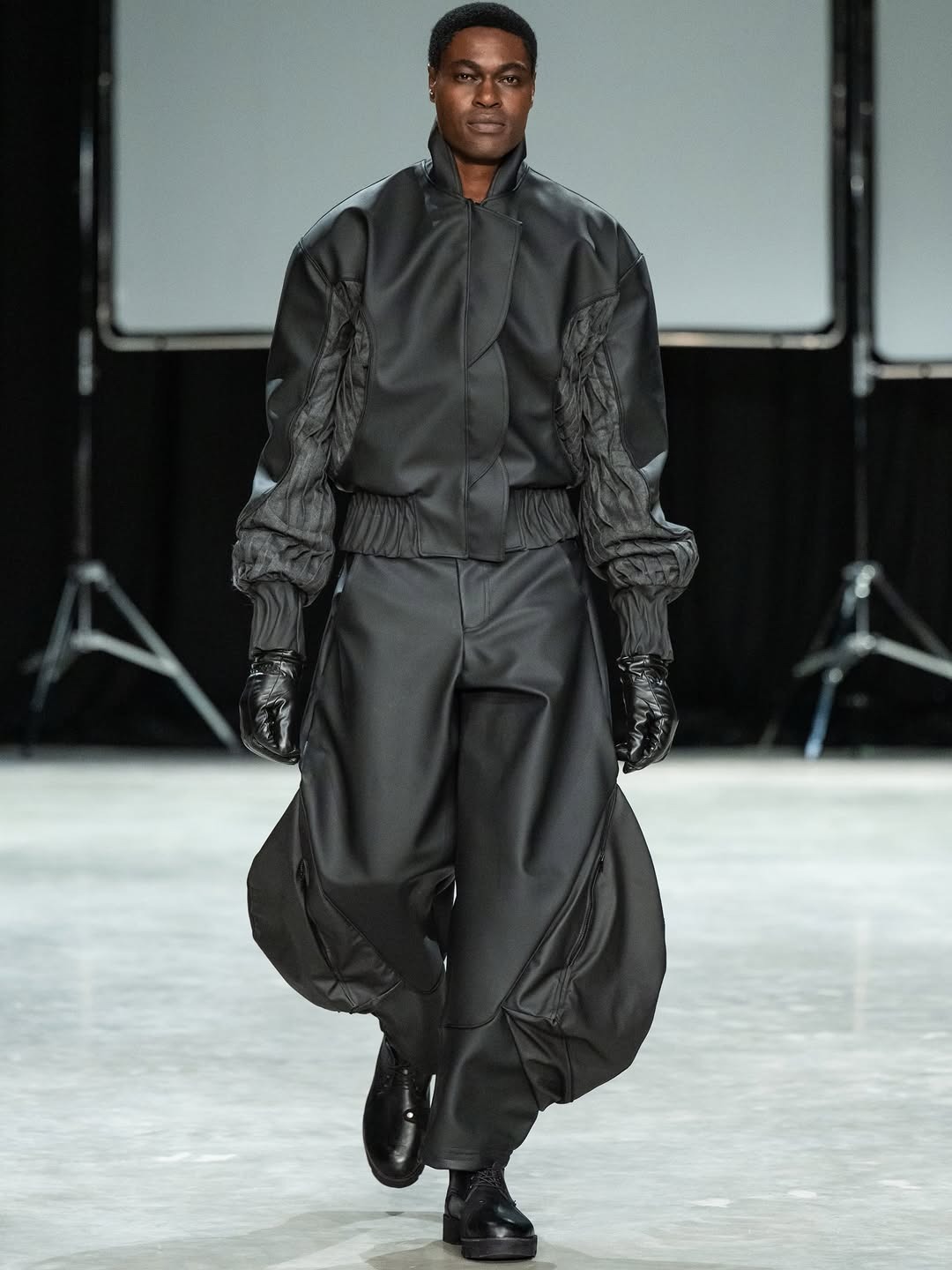
Anunes has steadily developed a reputation for precise, contemporary tailoring that speaks to urban South African identities. The label often works through minimal palettes and controlled silhouettes, focusing on cut and proportion over surface detail.
This season refined that approach further. Layered looks in deep maroons and muted greys and blacks moved with intention with each piece. The collection felt self-assured, offering a vision of tailoring that is direct and composed.
ON DUTY JEANS
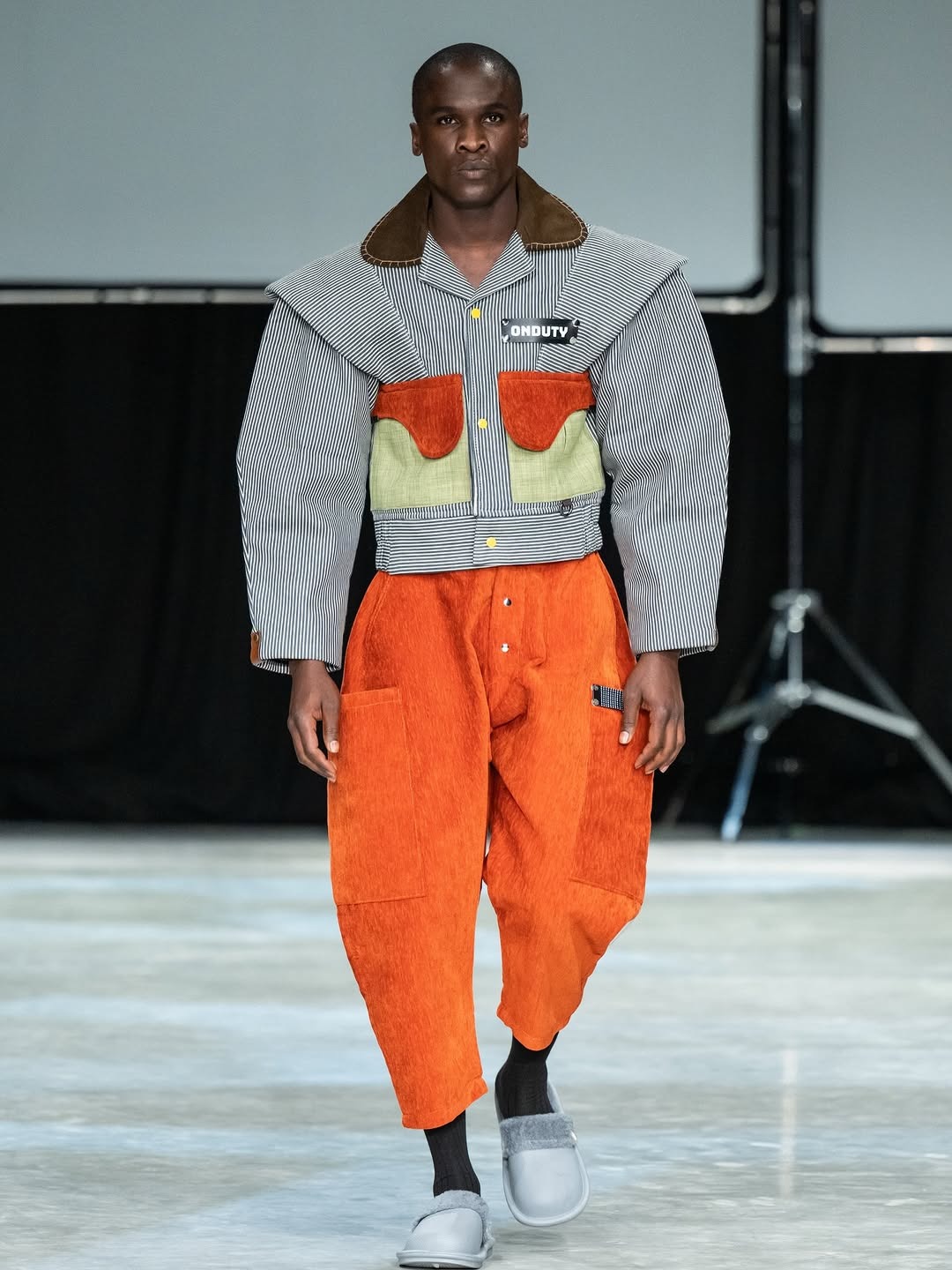
Founded as a denim-focused label rooted in street culture, On Duty Jeans has built its identity around reworking workwear into something sharper and more directional. The brand approaches denim as uniform and statement, drawing from labour, movement, and everyday dressing.
At SAFW SS26, that foundation translated into a collection centred on structure. Trousers held firm, seams were reinforced, and silhouettes were edgy. There was a clarity in how each garment functioned, with flared shapes and exaggerated proportions added structure without losing practicality. The collection positioned denim as something constructed with purpose, reflecting a wider shift toward clothing that feels built for real conditions.
ig: @zoannafr


.png)

