.svg)

.JPG)
Somewhere on TikTok right now, someone is doing the ‘Copines’ dance. The choreography is precise, and the “bombarder, bom bom” chorus plays underneath it all. In the comments, the same questions “What is this song? Who sings this?” keep appearing.
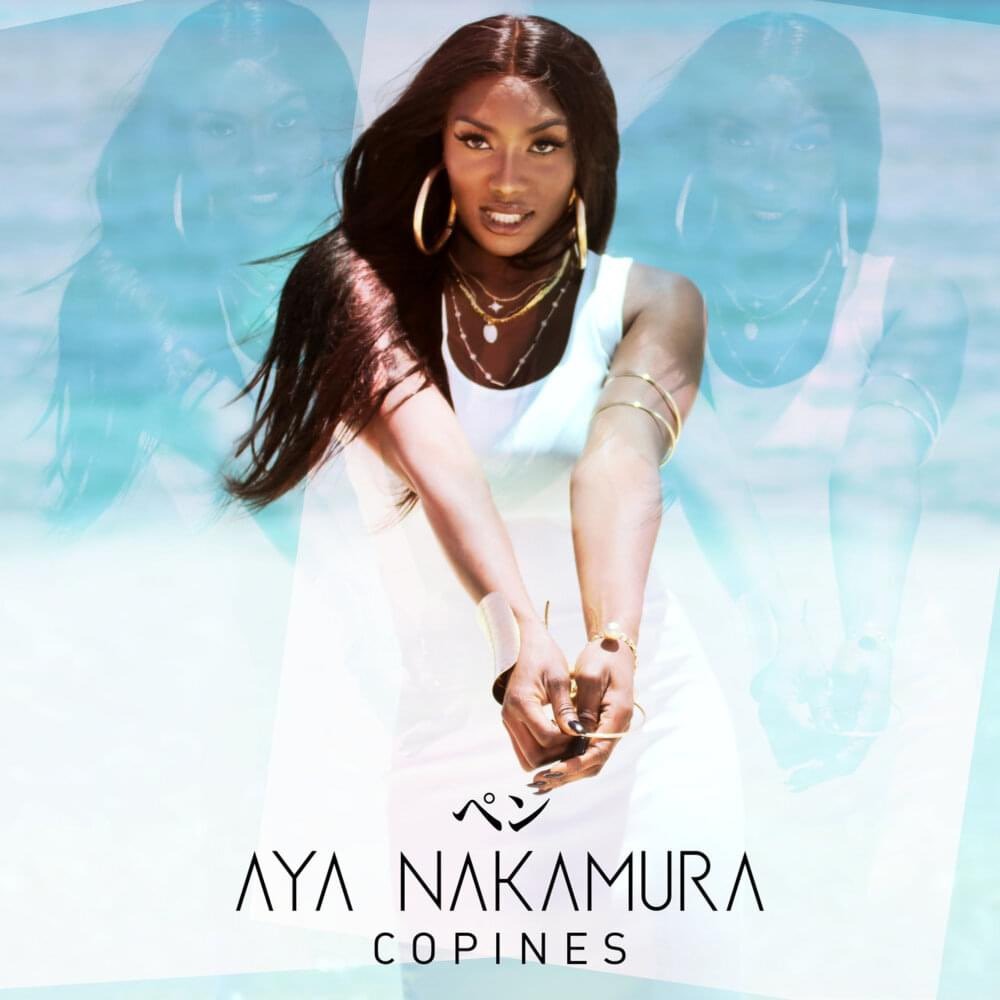
“Copines”, French for “girlfriends”, was released in August 2018 as the second single from Aya Nakamura’s breakthrough sophomore album Nakamura. Now in 2026, the “2020 vs 2026” comparison trend is all over TikTok with a new generation recreating the original choreography alongside a new version, keeping the song alive without knowing its history. This is not the first time “Copines” has come back. It will not be the last.
The woman behind it has been one of the most significant voices in global music for nearly a decade and she is still, somehow, a name most of her audience cannot place. Aya Nakamura is the first African musician to have a video with over a billion views on YouTube. 'Djadja' became the fourth French-language song to reach that milestone in February 2025. She has also beaten the record held by Édith Piaf since 1961 as the most-listened-to Francophone woman in the Netherlands. She is the most streamed Francophone artist in the world. She has performed at some of the biggest stages in Europe. She has collaborated with artists across continents. And she is, to most of the people currently dancing to her music on TikTok, completely unknown. That is the specific irony of “Copines” and it is worth sitting with.
Born Aya Coco Danioko in Bamako, Mali, and raised in the Paris suburb of Aulnay-sous-Bois, her musical identity sits at the intersection of French urban pop, Afrobeat, R&B and dancehall — a sound resistant to easy categorisation. She released her debut album Journal Intime in 2017, found her footing, and then in 2018 released Nakamura. The album spawned the hit singles “Djadja” and "Copines" and launched her international career.

Released on August 24, 2018, “Copines” peaked at number one in France and achieved Diamond certification. The production is breezy and synth-led. “Copines” is not a love song or a party anthem whose meaning is incidental. It is a woman calling out a man who disrespects his partner by pursuing her friends. The lyrics are direct - you want the best of my girlfriends, you want the freshest, but you have already lost. It is a feminist takedown delivered with complete confidence, in Bambara-inflected French, over a beat that makes the whole world want to move.
The language barrier is partly responsible for this. “Copines” travels because you do not need to understand French to feel it. The melody communicates. The energy communicates. “Bombarder, bom bom” communicates not as meaning but as sensation. And in travelling without translating, the song loses its context to most of its audience.
This is not unique to “Copines”. Songs have always crossed language barriers on the strength of sound alone - “Macarena”, “Gangnam Style”, “Waka Waka”. What makes Nakamura’s case worth examining is the specific content of what gets lost in translation. This is a woman asserting herself, naming the behaviour, and walking away with her dignity intact - a story worth knowing, especially for the millions of women who have been dancing to it without realising it was written for them.
The TikTok trend now has 73.2 million posts and counting. Some are discovering the song for the first time, still asking for the title in the comments. Others are comparing the 2020 choreography to the 2026 version - tracking how the dance evolved alongside the people doing it. And then there are those who are not really dancing at all. They are reliving 2020 - the lockdown, the boredom, the strange collective intimacy of a pandemic that somehow produced one of the most joyful dance trends the internet has ever seen.
“Copines” has survived long enough to outlast the cultural moments that made it go viral, to spawn a second generation of dancers who will eventually spawn a third. Aya Nakamura has made the song of every summer since 2018. The least the internet can do is learn her name.
Cover Credit: Aya Nakumura




.png)

