Cannes 2026 Showcases African Films in Official Lineup

Authored by

The Cannes Film Festival continues to serve as one of the world’s most prominent film platforms, bringing together filmmakers, actors, and industry professionals globally.

At its 79th edition, held from May 12 to May 23, 2026 at the Palais des Festivals et des Congrès, three African titles were selected in the festival’s Un Certain Regard section, a category known for highlighting emerging filmmakers and distinctive storytelling.

This is not the first time African filmmakers have been recognised in this category. Previous selections include My Fathers Shadow , Nigeria’s first film to be featured at Cannes alongside titles like Aisha Can’t Fly and Promised Sky.

The inclusion of these films reflects the growing global attention on African storytelling particularly within the Un Certain Regard section.

‘Ben’ Imana ( Children of God)’

The film, Ben’Imana (Children of God), made history as the first film by a Rwandan director (Marie-Clémentine Dusabejambo) to be chosen for the main festival.

The story follows a woman named Veneranda, who survived the horrific 1994 Rwandan genocide. Years later, her community holds local trials to try and find justice. At the same time, her young daughter gets pregnant. These two events force the family and the village to finally talk about their painful past, learn to forgive, and find a way to heal together.

              Image Credit: Ben’Imana Movie Cover

‘Congo Boy’

Congo Boy , directed by Rafiki Fariala from the Central African Republic, was a co-production between companies from the Central African Republic, the Democratic Republic of the Congo, and France. Set in Bangui, the capital of the Central African Republic, the coming-of-age story followed Robert, a 17-year-old Congolese boy whose family had been displaced by conflict in the neighbouring Democratic Republic of the Congo. The film focused on themes of displacement, identity, and survival.
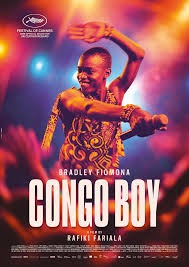
  Credit: Congo Boy/ Wikipedia

‘Las Mas Dulce’

Also selected is La Más Dulce, directed by French-Moroccan filmmaker Laïla Marrakchi. The film marked her return to the Un Certain Regard section 21 years after her 2005 film Marock. Co-written with Delphine Agut, the international co-production involves Morocco, France, Spain, and Belgium. Inspired by real-world investigative reporting, the story followed two young Moroccan women, Hasna and Meriem, who travel to southern Spain to work as seasonal laborers on strawberry farms in Andalusia. The film examined issues around migration, labor conditions, and economic survival.

Credit: La Más Dulce/ IMDB 

Adding to the continent's prominent representation, the festival also featured Clarissa, a major new drama from Nigeria. Directed by the acclaimed twin filmmaking duo Arie and Chuko Esiri, the film secured a prestigious spot in the Directors’ Fortnight (Quinzaine des cinéastes) section. The movie is a modern-day reimagining of Virginia Woolf’s famous 1925 novel Mrs Dalloway, shifting the classic story to contemporary Lagos, Nigeria. 

In addition to screenings, African filmmakers  also participated in the Marché du Film, the festival’s film market, which ran alongside the main event. The market provided opportunities for producers, distributors, and investors to negotiate deals and form partnerships.

Industry reports indicated that African participation at Cannes has remained consistent in recent years, with multiple films from the continent featured in previous editions. The 2026 selection continued this trend, highlighting productions from different regions of Africa.
Cannes 2026 Showcases African Films in Official Lineup

Authored by
This is some text inside of a div block.

The Cannes Film Festival continues to serve as one of the world’s most prominent film platforms, bringing together filmmakers, actors, and industry professionals globally.

At its 79th edition, held from May 12 to May 23, 2026 at the Palais des Festivals et des Congrès, three African titles were selected in the festival’s Un Certain Regard section, a category known for highlighting emerging filmmakers and distinctive storytelling.

This is not the first time African filmmakers have been recognised in this category. Previous selections include My Fathers Shadow , Nigeria’s first film to be featured at Cannes alongside titles like Aisha Can’t Fly and Promised Sky.

The inclusion of these films reflects the growing global attention on African storytelling particularly within the Un Certain Regard section.

‘Ben’ Imana ( Children of God)’

The film, Ben’Imana (Children of God), made history as the first film by a Rwandan director (Marie-Clémentine Dusabejambo) to be chosen for the main festival.

The story follows a woman named Veneranda, who survived the horrific 1994 Rwandan genocide. Years later, her community holds local trials to try and find justice. At the same time, her young daughter gets pregnant. These two events force the family and the village to finally talk about their painful past, learn to forgive, and find a way to heal together.

              Image Credit: Ben’Imana Movie Cover

‘Congo Boy’

Congo Boy , directed by Rafiki Fariala from the Central African Republic, was a co-production between companies from the Central African Republic, the Democratic Republic of the Congo, and France. Set in Bangui, the capital of the Central African Republic, the coming-of-age story followed Robert, a 17-year-old Congolese boy whose family had been displaced by conflict in the neighbouring Democratic Republic of the Congo. The film focused on themes of displacement, identity, and survival.

  Credit: Congo Boy/ Wikipedia

‘Las Mas Dulce’

Also selected is La Más Dulce, directed by French-Moroccan filmmaker Laïla Marrakchi. The film marked her return to the Un Certain Regard section 21 years after her 2005 film Marock. Co-written with Delphine Agut, the international co-production involves Morocco, France, Spain, and Belgium. Inspired by real-world investigative reporting, the story followed two young Moroccan women, Hasna and Meriem, who travel to southern Spain to work as seasonal laborers on strawberry farms in Andalusia. The film examined issues around migration, labor conditions, and economic survival.

Credit: La Más Dulce/ IMDB 

Adding to the continent's prominent representation, the festival also featured Clarissa, a major new drama from Nigeria. Directed by the acclaimed twin filmmaking duo Arie and Chuko Esiri, the film secured a prestigious spot in the Directors’ Fortnight (Quinzaine des cinéastes) section. The movie is a modern-day reimagining of Virginia Woolf’s famous 1925 novel Mrs Dalloway, shifting the classic story to contemporary Lagos, Nigeria. 

In addition to screenings, African filmmakers  also participated in the Marché du Film, the festival’s film market, which ran alongside the main event. The market provided opportunities for producers, distributors, and investors to negotiate deals and form partnerships.

Industry reports indicated that African participation at Cannes has remained consistent in recent years, with multiple films from the continent featured in previous editions. The 2026 selection continued this trend, highlighting productions from different regions of Africa.
This is some text inside of a div block.

Cannes 2026 Showcases African Films in Official Lineup

Authored by

The Cannes Film Festival continues to serve as one of the world’s most prominent film platforms, bringing together filmmakers, actors, and industry professionals globally.

At its 79th edition, held from May 12 to May 23, 2026 at the Palais des Festivals et des Congrès, three African titles were selected in the festival’s Un Certain Regard section, a category known for highlighting emerging filmmakers and distinctive storytelling.

This is not the first time African filmmakers have been recognised in this category. Previous selections include My Fathers Shadow , Nigeria’s first film to be featured at Cannes alongside titles like Aisha Can’t Fly and Promised Sky.

The inclusion of these films reflects the growing global attention on African storytelling particularly within the Un Certain Regard section.

‘Ben’ Imana ( Children of God)’

The film, Ben’Imana (Children of God), made history as the first film by a Rwandan director (Marie-Clémentine Dusabejambo) to be chosen for the main festival.

The story follows a woman named Veneranda, who survived the horrific 1994 Rwandan genocide. Years later, her community holds local trials to try and find justice. At the same time, her young daughter gets pregnant. These two events force the family and the village to finally talk about their painful past, learn to forgive, and find a way to heal together.

              Image Credit: Ben’Imana Movie Cover

‘Congo Boy’

Congo Boy , directed by Rafiki Fariala from the Central African Republic, was a co-production between companies from the Central African Republic, the Democratic Republic of the Congo, and France. Set in Bangui, the capital of the Central African Republic, the coming-of-age story followed Robert, a 17-year-old Congolese boy whose family had been displaced by conflict in the neighbouring Democratic Republic of the Congo. The film focused on themes of displacement, identity, and survival.

  Credit: Congo Boy/ Wikipedia

‘Las Mas Dulce’

Also selected is La Más Dulce, directed by French-Moroccan filmmaker Laïla Marrakchi. The film marked her return to the Un Certain Regard section 21 years after her 2005 film Marock. Co-written with Delphine Agut, the international co-production involves Morocco, France, Spain, and Belgium. Inspired by real-world investigative reporting, the story followed two young Moroccan women, Hasna and Meriem, who travel to southern Spain to work as seasonal laborers on strawberry farms in Andalusia. The film examined issues around migration, labor conditions, and economic survival.

Credit: La Más Dulce/ IMDB 

Adding to the continent's prominent representation, the festival also featured Clarissa, a major new drama from Nigeria. Directed by the acclaimed twin filmmaking duo Arie and Chuko Esiri, the film secured a prestigious spot in the Directors’ Fortnight (Quinzaine des cinéastes) section. The movie is a modern-day reimagining of Virginia Woolf’s famous 1925 novel Mrs Dalloway, shifting the classic story to contemporary Lagos, Nigeria. 

In addition to screenings, African filmmakers  also participated in the Marché du Film, the festival’s film market, which ran alongside the main event. The market provided opportunities for producers, distributors, and investors to negotiate deals and form partnerships.

Industry reports indicated that African participation at Cannes has remained consistent in recent years, with multiple films from the continent featured in previous editions. The 2026 selection continued this trend, highlighting productions from different regions of Africa.

Other Stories
London
London
Lagos
London
Newyork
London
Shop
Join the community.
You are now subscribed to receive updates.
Oops! Something went wrong while submitting the form.