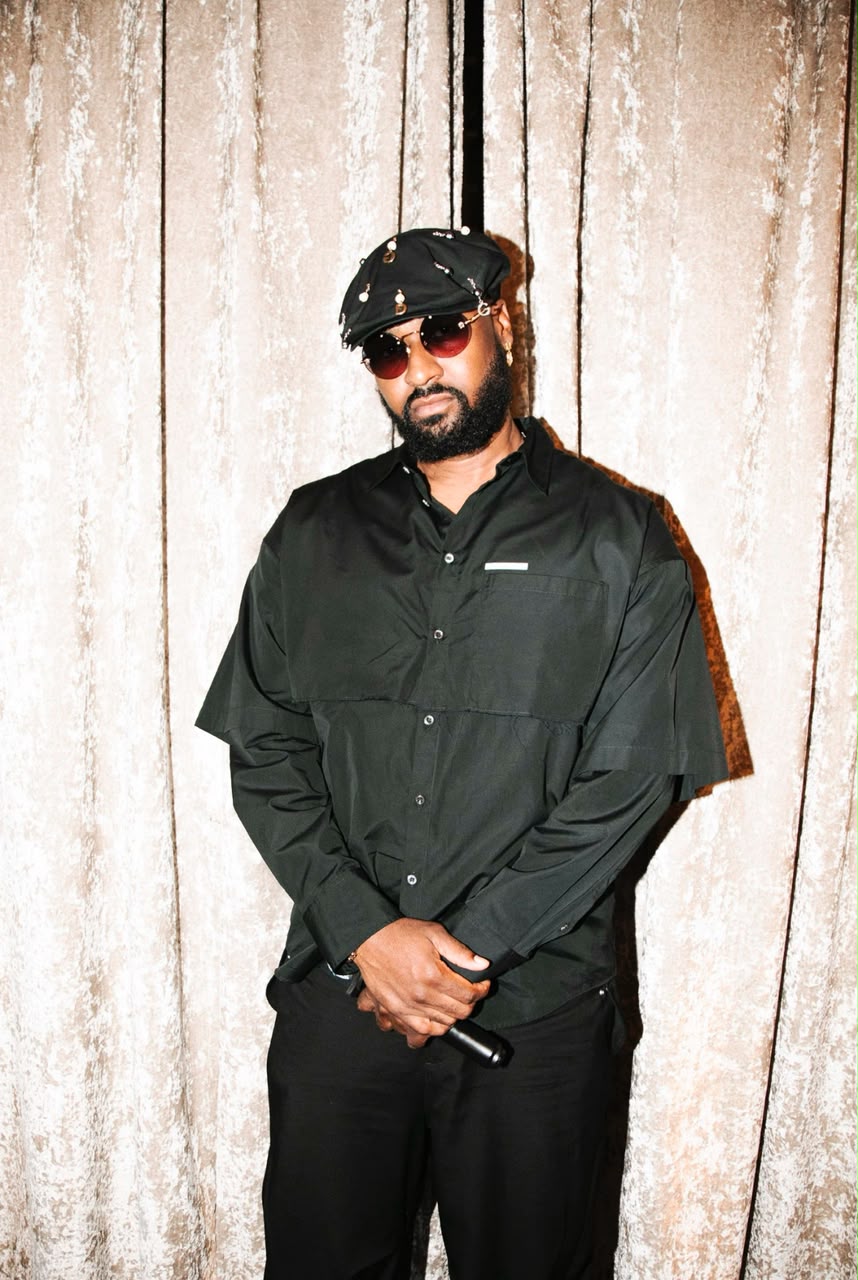
Charles Onyeabor Is Charting His Own Path

Authored by

When Charles Onyeabor speaks about his late father, there is a certain tenderness in how he experienced such a generational legacy.

Between 1946 and 2017, his late father, William Onyeabor, the genius electro funk inventor who created era-defining records in his prime, carved a reputation that remains a consistent muse for the young musical warlock. Today, Charles’s life’s work is a testimony of a man preserving a golden memory while creating his own.
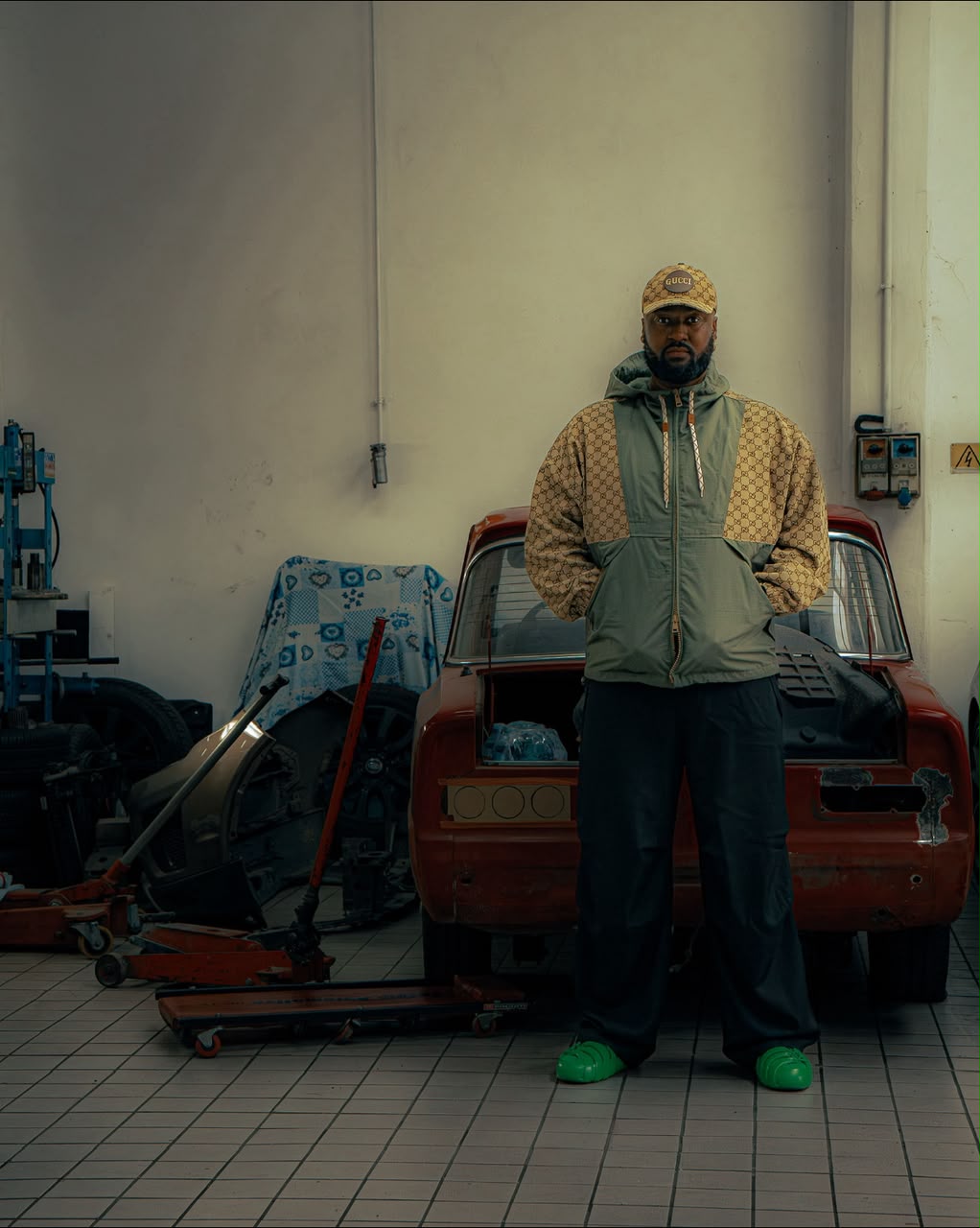
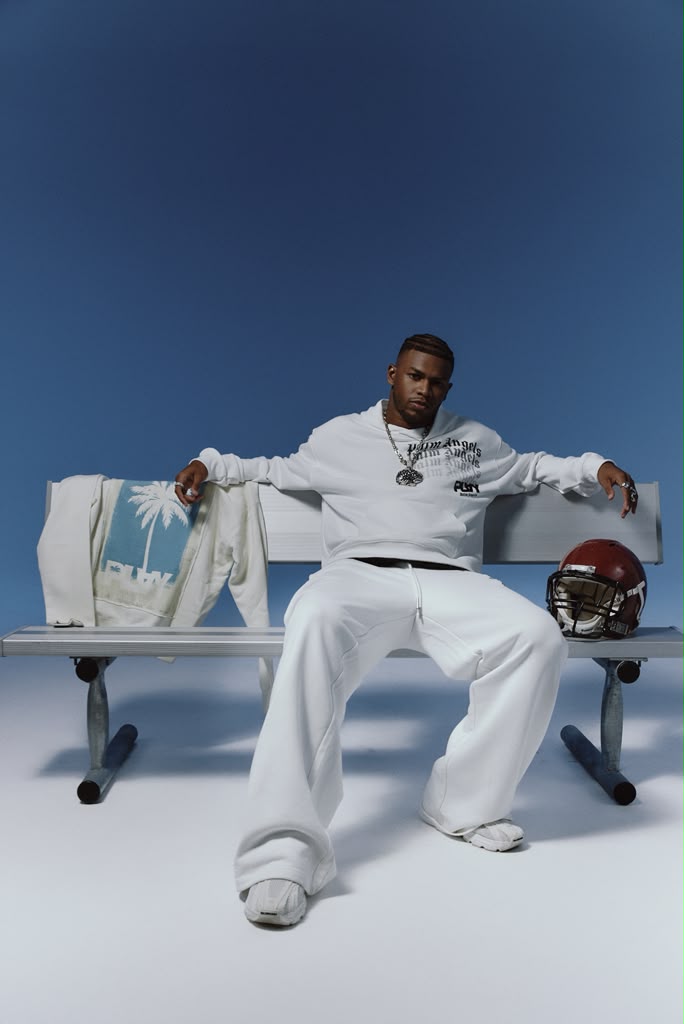
Photo credit: Charles Onyeabor

When his father was alive, the music was important, but it still lived close to home. It belonged first to the man he knew as a parent before the world framed him as one of African music’s most enigmatic visionaries.

After his death, that music began to return to Charles with a different weight.

“When he was alive, I knew his work was important, but I don’t think I fully grasped just how far-reaching his influence was,” Charles says. “After his passing, I started to see his music through a different lens, not just as his child, but as someone witnessing how the world connects with what he created.”

That shift sits at the heart of Charles Onyeabor’s ongoing artistic journey. In an earlier phase of his career, the conversation around him naturally circled his father’s legacy. It was almost unavoidable. William Onyeabor’s name carries an unusual charge in African music history, not only because of the brilliance of the records, but because of the mystery, restraint and spiritual seriousness that surrounded his life after music.

For Charles, the task was never as simple as continuing a family name. It was about understanding what that name had become in the world, while figuring out what part of it belonged to him.

Now, the question around Charles is no longer only whether he can preserve his father’s legacy. It is whether he can live with that inheritance while successfully allowing the world to appreciate his own voice.

For years, William Onyeabor’s music has been described through words like futuristic, spiritual, experimental and original. His records created a world of synthesizers, groove, gospel feeling and electronic imagination that later generations would come to receive as prophetic. Yet, to Charles, the man behind that sound was also a strict father, a disciplinarian, a diligent workaholic, a believer in Jesus Christ and someone who insisted on truth no matter its cost.

“He was extremely intentional, a real workaholic and a go-getter,” Charles says. “He was also a strong believer in Jesus Christ and a very straightforward man who never hesitated to speak the truth, even if it meant losing what he valued most.”

For an icon who barely let the world into his private life, Charles believes the world only experienced a slice of William. He remembers something more immediate; the father who shaped him and his brothers, Chika and Emeka, with discipline, faith and resolve; a man who believed that words had to be backed by action.

“One of the things he always said that stuck with me is, ‘Something must kill a man,’” Charles recalls. It ultimately became one of Charles’ first lessons in conviction.

For Charles, music has become one of the places where that lesson continues to unfold, although his return to it was not immediate.

Before his father’s passing, Charles was not pursuing music seriously. He loved singing at home and around friends, but for nearly 18 years, even that casual relationship with music disappeared. His father’s death unsettled him. It pulled him back towards sound, although without much clarity. At first, there was grief, responsibility and confusion. It was a trinity of experiences that weighed him down as he navigated being the duty-bearer for his father’s transcendence.
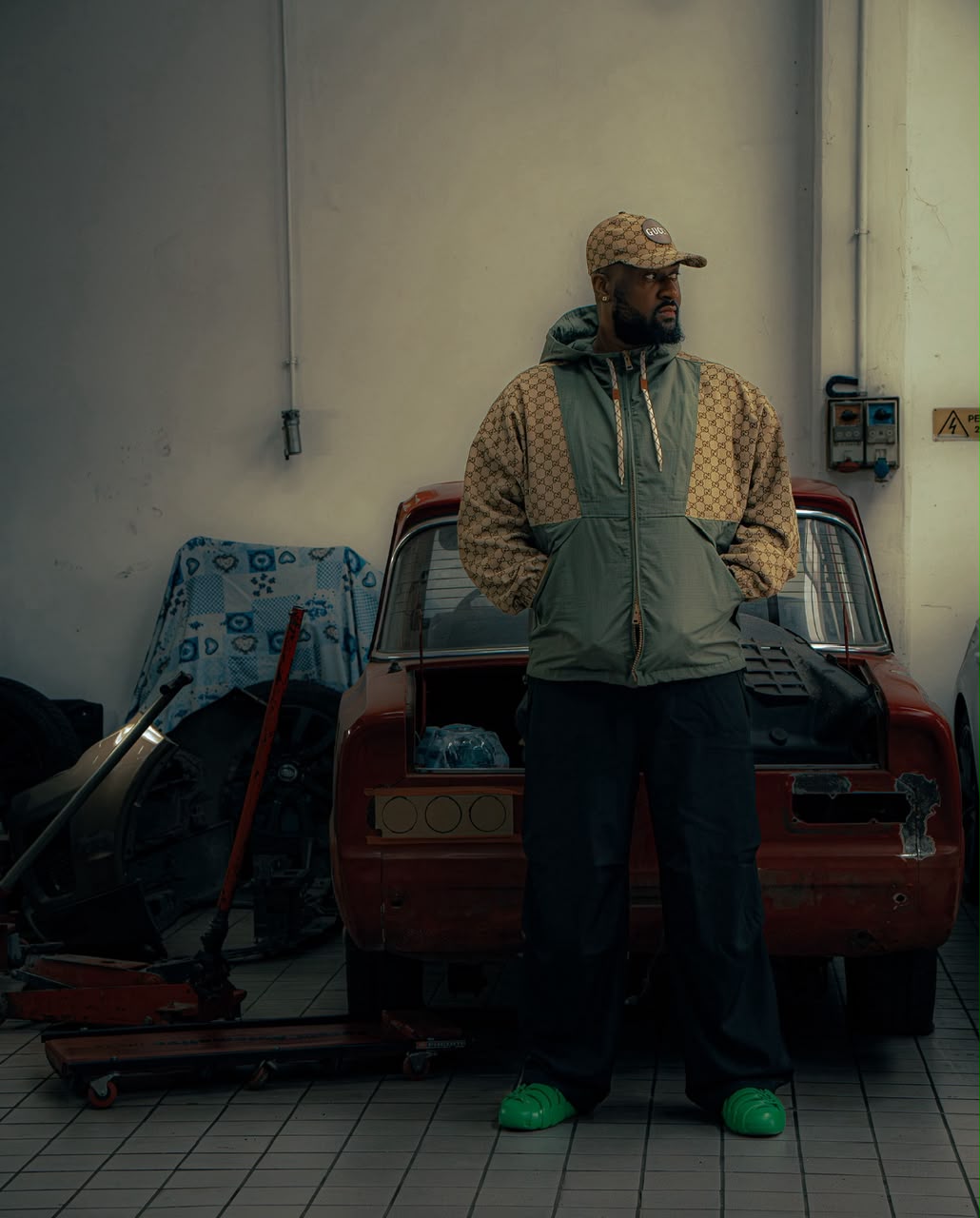
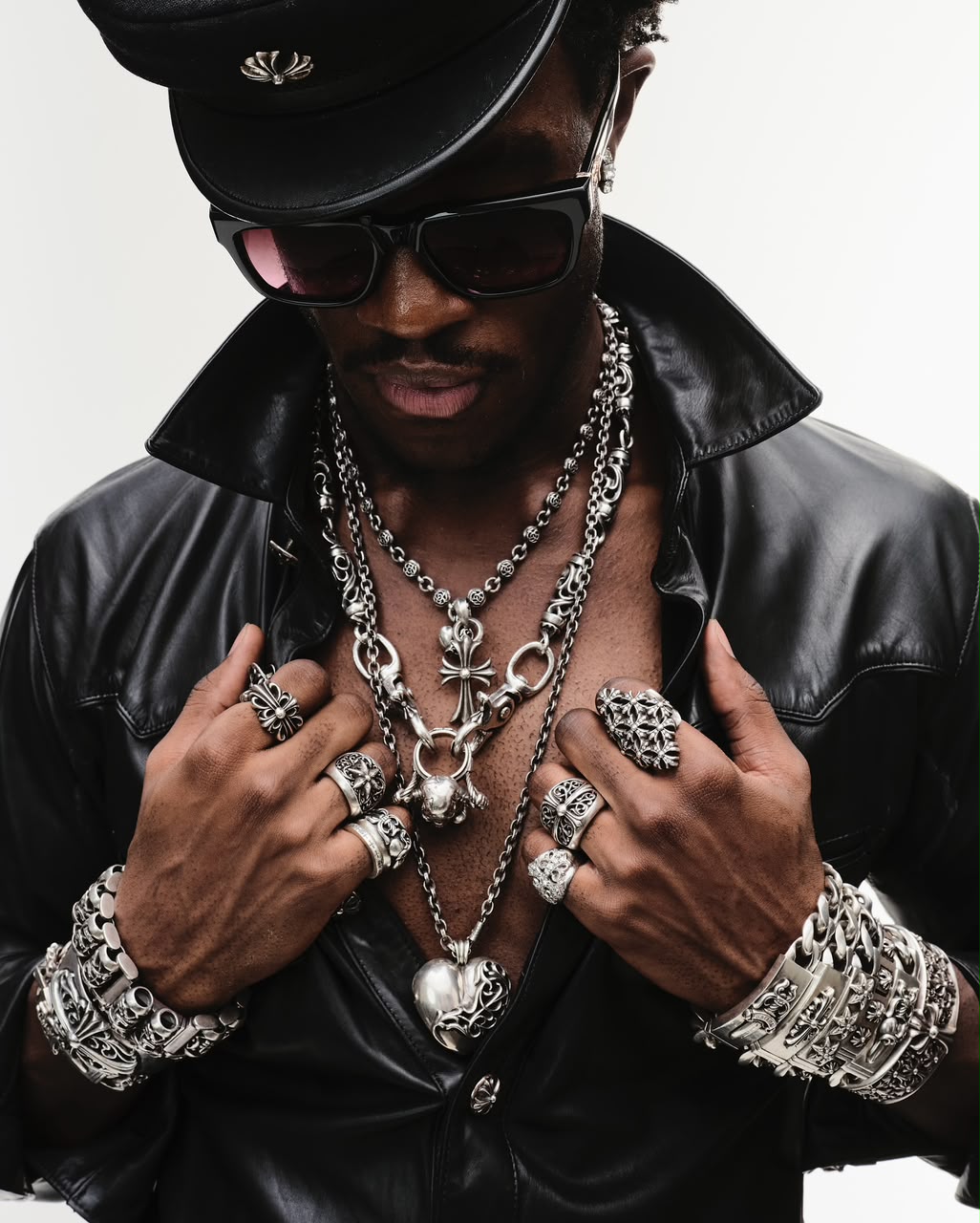
Photo credit: Charles Onyeabor

“After my father passed, I started thinking a lot about his legacy and how to keep it alive,” he says. “The challenge was, I didn’t really know how to go about it. I felt quite lost and unsure of my direction.”

The stillness of the COVID period softened that burden. With the world slowed down around him, Charles began to softly accept that purpose.

However, in his case, while the Onyeabor surname already suggests originality, experiment, timelessness and a standard that can feel impossible to satisfy, he still resists the idea of being trapped by it.

“There’s pressure no doubt,” he says. “When you carry the Onyeabor name, people already have expectations before you even say a word or drop a note. That can feel heavy sometimes because you know what that name represents. But I don’t let that pressure box me in.”

That tension also feeds his recent single, “You Can’t Tell Me Nothing,” a record built from defiance and self-belief. The title may first register as swagger, but Charles frames it as something more intimate. “No matter what you say or do, I’m still making my money, I’m still valid. I’m still doing my music my way. You can’t break me,” he quipped.

In staying true to himself, Charles is also not rejecting his father’s world.

Obviously, William Onyeabor came from a different era, without digital stores, social media, Amapiano, or the current machinery pushing African pop across the world. So, blindly copying him would be betraying the core building block of the Onyeabor legacy: originality.

“When I’m doing music, I don’t think about how my father did his own music. I just let everything out naturally. His own time was different. The groove was different. There was no Amapiano back then. There were no digital stores or social media. So I can’t use his era to compare this era.”

Still, the Onyeabor DNA still manifests in Charles’ instinct for groove, his interest in live instrumentation, his ear for melody and his belief that music should feel human. He is constantly experimenting, still searching for the sound that feels most original to him. He does not see that uncertainty as weakness. For Charles, it is part of the process.

“If you know me well, you will know that I have it in me,” he says. “And it’s gradually unleashing.”

A major turning point came in Bologna in 2024, when Charles opened for Ruger during his Europe tour. The performance mattered, but what stayed with him most was the soundcheck. Ruger was not working with a DJ set. He had a full band, and everything about the arrangement felt alive, deliberate and controlled. It changed his perception of stage performance.

“It wasn’t a DJ set, it was a full band, everything tight, intentional, alive,” he says. “That moment made me fall in love with live performance on a deeper level.”

Since then, he has been focused on building his own band and developing a richer stage sound. It is one of the clearest ways his path begins to separate from the mythology around his father. William Onyeabor’s legacy was not built around the stage in any conventional way, but Charles is drawn to the immediacy of performance, to the feeling of meeting an audience in real time.
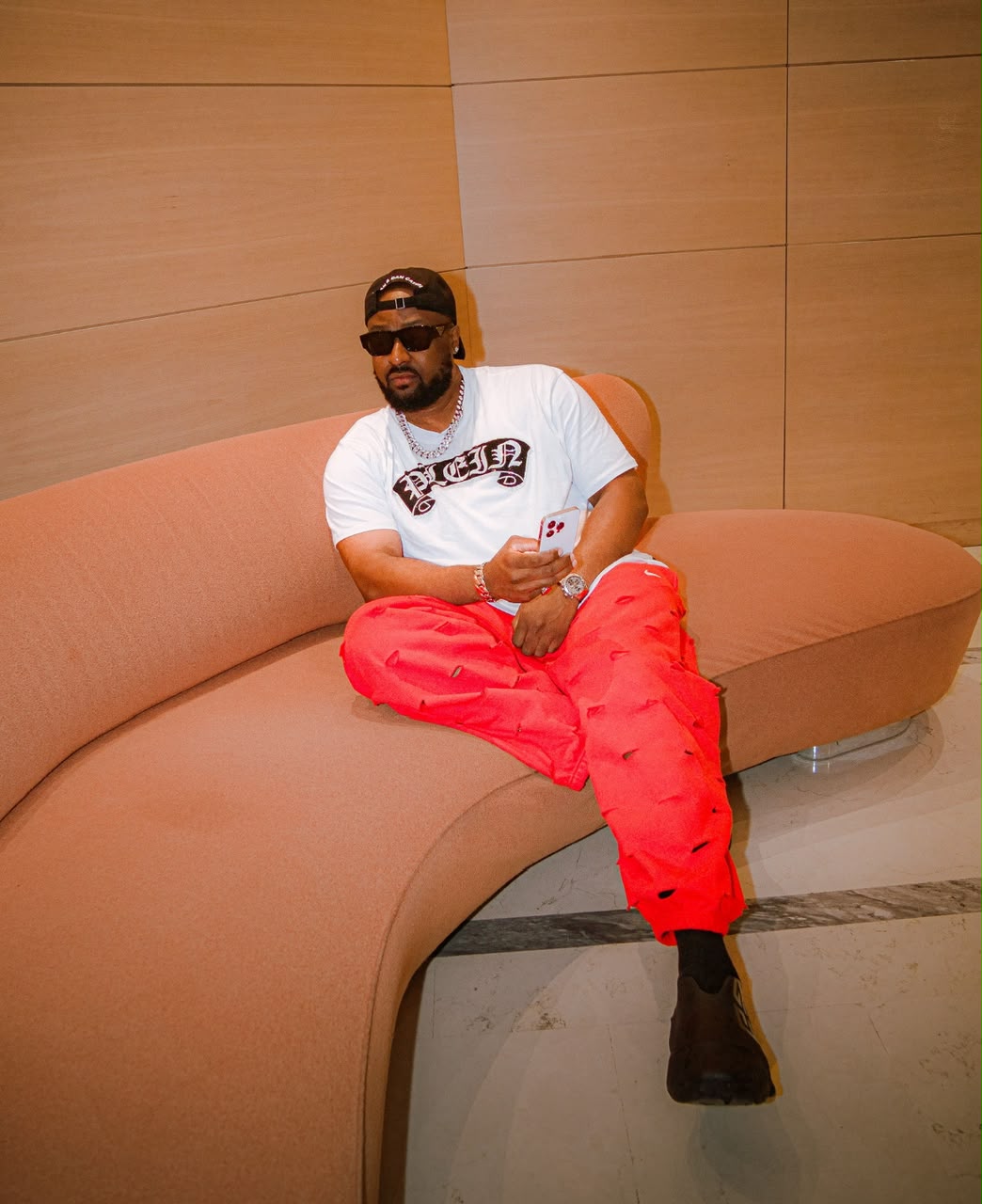
Photo credit: Charles Onyeabor

Opening for acts such as P-Square, Otile Brown, Abrantee, May7ven and Ruger has taught him that audiences are moved by presence and emotional truth.

He has also continued to remain active on stage, opening for Offset and Odumodublvck on their European tours. The thrill of performing his music live continues to be an energy that propels him.

“Performance is really about energy and honesty more than anything else,” he says. “It’s not about trying to impress people. It’s about making them feel something.”

Ultimately, Charles sees himself within the wider global rise of African music. And, for him, artists like his father are proof that African music had long been ahead of its reception. The world may now be listening more closely, but the imagination was already there.

“African music getting global attention now is powerful, but it’s not new. Artists like my father were already creating sounds that the world is only just catching up to.”

In the end, Charles Onyeabor is writing his own story one chapter at a time. His surname is more than just nostalgia. It has become a movement. While his music is still unfolding, there is no finished reinvention here, no attempt to present the son as a fully formed answer to the father’s legend. Instead, he’s telling a story of a talented chap working through grief, pressure, memory and daredevil ambition, trying to discover what the Onyeabor name can mean in his own voice.

“I want Charles Onyeabor to represent growth, evolution, and fearlessness,” he says. “Someone who took the foundation and pushed it into new spaces, to the next level, creatively and culturally.”

At the heart of that dream is still legacy. Like his late father, Charles wants to leave something that will last for his children, the same way his father left something that still speaks to him.

“Something that speaks long after I’m gone. For my kids, just like my father did for us.”

Cover Credit: Charles Onyeabor
Charles Onyeabor Is Charting His Own Path

Authored by
This is some text inside of a div block.

When Charles Onyeabor speaks about his late father, there is a certain tenderness in how he experienced such a generational legacy.

Between 1946 and 2017, his late father, William Onyeabor, the genius electro funk inventor who created era-defining records in his prime, carved a reputation that remains a consistent muse for the young musical warlock. Today, Charles’s life’s work is a testimony of a man preserving a golden memory while creating his own.

Photo credit: Charles Onyeabor

When his father was alive, the music was important, but it still lived close to home. It belonged first to the man he knew as a parent before the world framed him as one of African music’s most enigmatic visionaries.

After his death, that music began to return to Charles with a different weight.

“When he was alive, I knew his work was important, but I don’t think I fully grasped just how far-reaching his influence was,” Charles says. “After his passing, I started to see his music through a different lens, not just as his child, but as someone witnessing how the world connects with what he created.”

That shift sits at the heart of Charles Onyeabor’s ongoing artistic journey. In an earlier phase of his career, the conversation around him naturally circled his father’s legacy. It was almost unavoidable. William Onyeabor’s name carries an unusual charge in African music history, not only because of the brilliance of the records, but because of the mystery, restraint and spiritual seriousness that surrounded his life after music.

For Charles, the task was never as simple as continuing a family name. It was about understanding what that name had become in the world, while figuring out what part of it belonged to him.

Now, the question around Charles is no longer only whether he can preserve his father’s legacy. It is whether he can live with that inheritance while successfully allowing the world to appreciate his own voice.

For years, William Onyeabor’s music has been described through words like futuristic, spiritual, experimental and original. His records created a world of synthesizers, groove, gospel feeling and electronic imagination that later generations would come to receive as prophetic. Yet, to Charles, the man behind that sound was also a strict father, a disciplinarian, a diligent workaholic, a believer in Jesus Christ and someone who insisted on truth no matter its cost.

“He was extremely intentional, a real workaholic and a go-getter,” Charles says. “He was also a strong believer in Jesus Christ and a very straightforward man who never hesitated to speak the truth, even if it meant losing what he valued most.”

For an icon who barely let the world into his private life, Charles believes the world only experienced a slice of William. He remembers something more immediate; the father who shaped him and his brothers, Chika and Emeka, with discipline, faith and resolve; a man who believed that words had to be backed by action.

“One of the things he always said that stuck with me is, ‘Something must kill a man,’” Charles recalls. It ultimately became one of Charles’ first lessons in conviction.

For Charles, music has become one of the places where that lesson continues to unfold, although his return to it was not immediate.

Before his father’s passing, Charles was not pursuing music seriously. He loved singing at home and around friends, but for nearly 18 years, even that casual relationship with music disappeared. His father’s death unsettled him. It pulled him back towards sound, although without much clarity. At first, there was grief, responsibility and confusion. It was a trinity of experiences that weighed him down as he navigated being the duty-bearer for his father’s transcendence.

Photo credit: Charles Onyeabor

“After my father passed, I started thinking a lot about his legacy and how to keep it alive,” he says. “The challenge was, I didn’t really know how to go about it. I felt quite lost and unsure of my direction.”

The stillness of the COVID period softened that burden. With the world slowed down around him, Charles began to softly accept that purpose.

However, in his case, while the Onyeabor surname already suggests originality, experiment, timelessness and a standard that can feel impossible to satisfy, he still resists the idea of being trapped by it.

“There’s pressure no doubt,” he says. “When you carry the Onyeabor name, people already have expectations before you even say a word or drop a note. That can feel heavy sometimes because you know what that name represents. But I don’t let that pressure box me in.”

That tension also feeds his recent single, “You Can’t Tell Me Nothing,” a record built from defiance and self-belief. The title may first register as swagger, but Charles frames it as something more intimate. “No matter what you say or do, I’m still making my money, I’m still valid. I’m still doing my music my way. You can’t break me,” he quipped.

In staying true to himself, Charles is also not rejecting his father’s world.

Obviously, William Onyeabor came from a different era, without digital stores, social media, Amapiano, or the current machinery pushing African pop across the world. So, blindly copying him would be betraying the core building block of the Onyeabor legacy: originality.

“When I’m doing music, I don’t think about how my father did his own music. I just let everything out naturally. His own time was different. The groove was different. There was no Amapiano back then. There were no digital stores or social media. So I can’t use his era to compare this era.”

Still, the Onyeabor DNA still manifests in Charles’ instinct for groove, his interest in live instrumentation, his ear for melody and his belief that music should feel human. He is constantly experimenting, still searching for the sound that feels most original to him. He does not see that uncertainty as weakness. For Charles, it is part of the process.

“If you know me well, you will know that I have it in me,” he says. “And it’s gradually unleashing.”

A major turning point came in Bologna in 2024, when Charles opened for Ruger during his Europe tour. The performance mattered, but what stayed with him most was the soundcheck. Ruger was not working with a DJ set. He had a full band, and everything about the arrangement felt alive, deliberate and controlled. It changed his perception of stage performance.

“It wasn’t a DJ set, it was a full band, everything tight, intentional, alive,” he says. “That moment made me fall in love with live performance on a deeper level.”

Since then, he has been focused on building his own band and developing a richer stage sound. It is one of the clearest ways his path begins to separate from the mythology around his father. William Onyeabor’s legacy was not built around the stage in any conventional way, but Charles is drawn to the immediacy of performance, to the feeling of meeting an audience in real time.

Photo credit: Charles Onyeabor

Opening for acts such as P-Square, Otile Brown, Abrantee, May7ven and Ruger has taught him that audiences are moved by presence and emotional truth.

He has also continued to remain active on stage, opening for Offset and Odumodublvck on their European tours. The thrill of performing his music live continues to be an energy that propels him.

“Performance is really about energy and honesty more than anything else,” he says. “It’s not about trying to impress people. It’s about making them feel something.”

Ultimately, Charles sees himself within the wider global rise of African music. And, for him, artists like his father are proof that African music had long been ahead of its reception. The world may now be listening more closely, but the imagination was already there.

“African music getting global attention now is powerful, but it’s not new. Artists like my father were already creating sounds that the world is only just catching up to.”

In the end, Charles Onyeabor is writing his own story one chapter at a time. His surname is more than just nostalgia. It has become a movement. While his music is still unfolding, there is no finished reinvention here, no attempt to present the son as a fully formed answer to the father’s legend. Instead, he’s telling a story of a talented chap working through grief, pressure, memory and daredevil ambition, trying to discover what the Onyeabor name can mean in his own voice.

“I want Charles Onyeabor to represent growth, evolution, and fearlessness,” he says. “Someone who took the foundation and pushed it into new spaces, to the next level, creatively and culturally.”

At the heart of that dream is still legacy. Like his late father, Charles wants to leave something that will last for his children, the same way his father left something that still speaks to him.

“Something that speaks long after I’m gone. For my kids, just like my father did for us.”

Cover Credit: Charles Onyeabor
This is some text inside of a div block.

Charles Onyeabor Is Charting His Own Path

Authored by

When Charles Onyeabor speaks about his late father, there is a certain tenderness in how he experienced such a generational legacy.

Between 1946 and 2017, his late father, William Onyeabor, the genius electro funk inventor who created era-defining records in his prime, carved a reputation that remains a consistent muse for the young musical warlock. Today, Charles’s life’s work is a testimony of a man preserving a golden memory while creating his own.

Photo credit: Charles Onyeabor

When his father was alive, the music was important, but it still lived close to home. It belonged first to the man he knew as a parent before the world framed him as one of African music’s most enigmatic visionaries.

After his death, that music began to return to Charles with a different weight.

“When he was alive, I knew his work was important, but I don’t think I fully grasped just how far-reaching his influence was,” Charles says. “After his passing, I started to see his music through a different lens, not just as his child, but as someone witnessing how the world connects with what he created.”

That shift sits at the heart of Charles Onyeabor’s ongoing artistic journey. In an earlier phase of his career, the conversation around him naturally circled his father’s legacy. It was almost unavoidable. William Onyeabor’s name carries an unusual charge in African music history, not only because of the brilliance of the records, but because of the mystery, restraint and spiritual seriousness that surrounded his life after music.

For Charles, the task was never as simple as continuing a family name. It was about understanding what that name had become in the world, while figuring out what part of it belonged to him.

Now, the question around Charles is no longer only whether he can preserve his father’s legacy. It is whether he can live with that inheritance while successfully allowing the world to appreciate his own voice.

For years, William Onyeabor’s music has been described through words like futuristic, spiritual, experimental and original. His records created a world of synthesizers, groove, gospel feeling and electronic imagination that later generations would come to receive as prophetic. Yet, to Charles, the man behind that sound was also a strict father, a disciplinarian, a diligent workaholic, a believer in Jesus Christ and someone who insisted on truth no matter its cost.

“He was extremely intentional, a real workaholic and a go-getter,” Charles says. “He was also a strong believer in Jesus Christ and a very straightforward man who never hesitated to speak the truth, even if it meant losing what he valued most.”

For an icon who barely let the world into his private life, Charles believes the world only experienced a slice of William. He remembers something more immediate; the father who shaped him and his brothers, Chika and Emeka, with discipline, faith and resolve; a man who believed that words had to be backed by action.

“One of the things he always said that stuck with me is, ‘Something must kill a man,’” Charles recalls. It ultimately became one of Charles’ first lessons in conviction.

For Charles, music has become one of the places where that lesson continues to unfold, although his return to it was not immediate.

Before his father’s passing, Charles was not pursuing music seriously. He loved singing at home and around friends, but for nearly 18 years, even that casual relationship with music disappeared. His father’s death unsettled him. It pulled him back towards sound, although without much clarity. At first, there was grief, responsibility and confusion. It was a trinity of experiences that weighed him down as he navigated being the duty-bearer for his father’s transcendence.

Photo credit: Charles Onyeabor

“After my father passed, I started thinking a lot about his legacy and how to keep it alive,” he says. “The challenge was, I didn’t really know how to go about it. I felt quite lost and unsure of my direction.”

The stillness of the COVID period softened that burden. With the world slowed down around him, Charles began to softly accept that purpose.

However, in his case, while the Onyeabor surname already suggests originality, experiment, timelessness and a standard that can feel impossible to satisfy, he still resists the idea of being trapped by it.

“There’s pressure no doubt,” he says. “When you carry the Onyeabor name, people already have expectations before you even say a word or drop a note. That can feel heavy sometimes because you know what that name represents. But I don’t let that pressure box me in.”

That tension also feeds his recent single, “You Can’t Tell Me Nothing,” a record built from defiance and self-belief. The title may first register as swagger, but Charles frames it as something more intimate. “No matter what you say or do, I’m still making my money, I’m still valid. I’m still doing my music my way. You can’t break me,” he quipped.

In staying true to himself, Charles is also not rejecting his father’s world.

Obviously, William Onyeabor came from a different era, without digital stores, social media, Amapiano, or the current machinery pushing African pop across the world. So, blindly copying him would be betraying the core building block of the Onyeabor legacy: originality.

“When I’m doing music, I don’t think about how my father did his own music. I just let everything out naturally. His own time was different. The groove was different. There was no Amapiano back then. There were no digital stores or social media. So I can’t use his era to compare this era.”

Still, the Onyeabor DNA still manifests in Charles’ instinct for groove, his interest in live instrumentation, his ear for melody and his belief that music should feel human. He is constantly experimenting, still searching for the sound that feels most original to him. He does not see that uncertainty as weakness. For Charles, it is part of the process.

“If you know me well, you will know that I have it in me,” he says. “And it’s gradually unleashing.”

A major turning point came in Bologna in 2024, when Charles opened for Ruger during his Europe tour. The performance mattered, but what stayed with him most was the soundcheck. Ruger was not working with a DJ set. He had a full band, and everything about the arrangement felt alive, deliberate and controlled. It changed his perception of stage performance.

“It wasn’t a DJ set, it was a full band, everything tight, intentional, alive,” he says. “That moment made me fall in love with live performance on a deeper level.”

Since then, he has been focused on building his own band and developing a richer stage sound. It is one of the clearest ways his path begins to separate from the mythology around his father. William Onyeabor’s legacy was not built around the stage in any conventional way, but Charles is drawn to the immediacy of performance, to the feeling of meeting an audience in real time.

Photo credit: Charles Onyeabor

Opening for acts such as P-Square, Otile Brown, Abrantee, May7ven and Ruger has taught him that audiences are moved by presence and emotional truth.

He has also continued to remain active on stage, opening for Offset and Odumodublvck on their European tours. The thrill of performing his music live continues to be an energy that propels him.

“Performance is really about energy and honesty more than anything else,” he says. “It’s not about trying to impress people. It’s about making them feel something.”

Ultimately, Charles sees himself within the wider global rise of African music. And, for him, artists like his father are proof that African music had long been ahead of its reception. The world may now be listening more closely, but the imagination was already there.

“African music getting global attention now is powerful, but it’s not new. Artists like my father were already creating sounds that the world is only just catching up to.”

In the end, Charles Onyeabor is writing his own story one chapter at a time. His surname is more than just nostalgia. It has become a movement. While his music is still unfolding, there is no finished reinvention here, no attempt to present the son as a fully formed answer to the father’s legend. Instead, he’s telling a story of a talented chap working through grief, pressure, memory and daredevil ambition, trying to discover what the Onyeabor name can mean in his own voice.

“I want Charles Onyeabor to represent growth, evolution, and fearlessness,” he says. “Someone who took the foundation and pushed it into new spaces, to the next level, creatively and culturally.”

At the heart of that dream is still legacy. Like his late father, Charles wants to leave something that will last for his children, the same way his father left something that still speaks to him.

“Something that speaks long after I’m gone. For my kids, just like my father did for us.”

Cover Credit: Charles Onyeabor

Other Stories
London
London
Lagos
London
Newyork
London
Shop
Join the community.
You are now subscribed to receive updates.
Oops! Something went wrong while submitting the form.
Subscribe