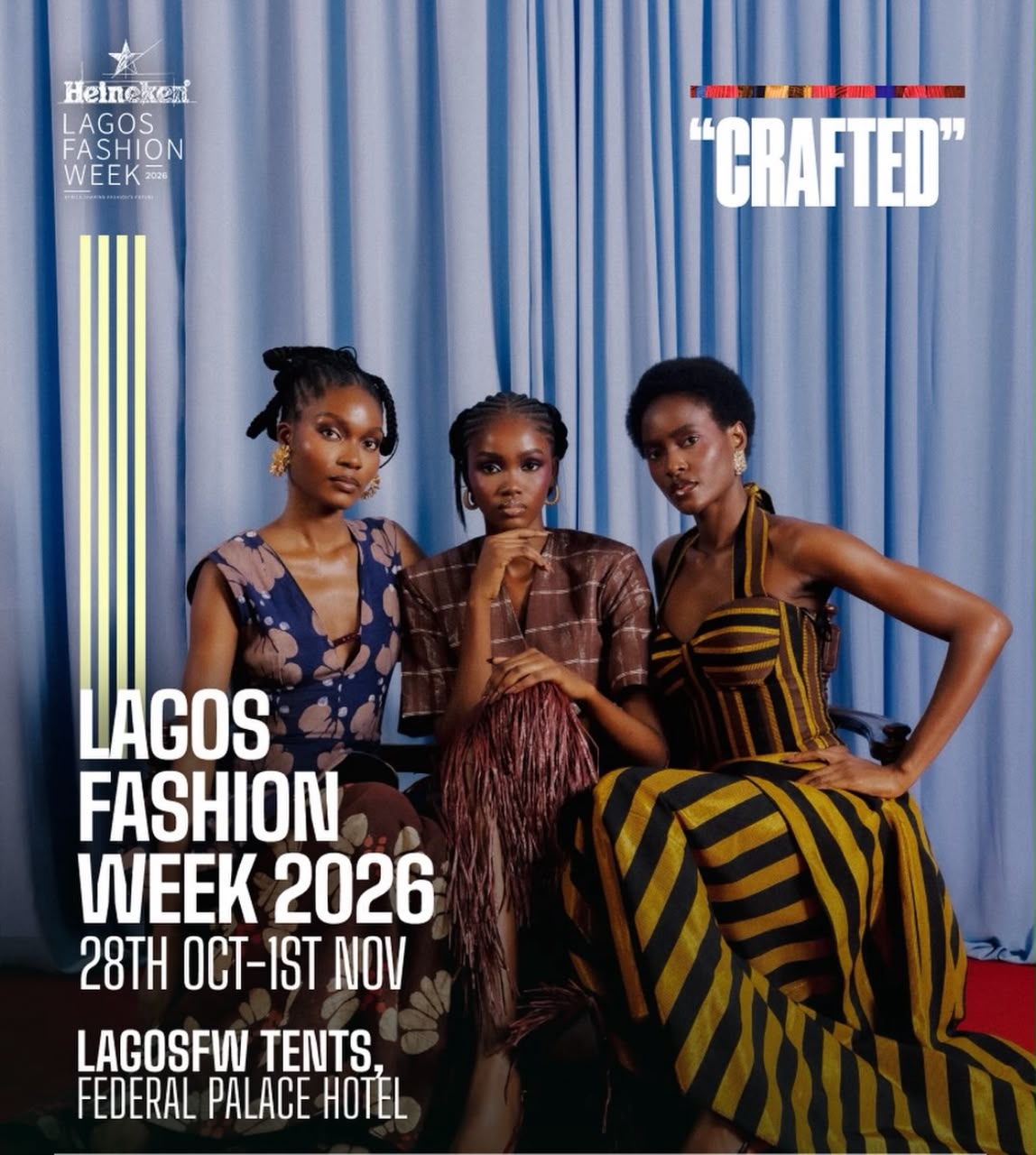
Lagos Fashion Week 2026: A Runway of Becoming

There’s a burning question that has taken several generations to answer: what does Nigerian fashion look like?

By the time the first models stepped onto the runway at Lagos Fashion Week, there was already an answer forming in the atmosphere at the Federal Palace Hotel, in Lagos, where the showcase took off. The verdict was simple: bohemian, timeless, audacious. 

This visual and cultural marker of Nigerian fashion unfurled through the day's presentations in different forms. Some designers looked to heritage, others to street culture, sustainability or personal history. There were collections built around structure and restraint, others that embraced spectacle and experimentation. However, beneath the differences was a united impulse: to expand the language of African fashion beyond the familiar categories through which it is often understood.
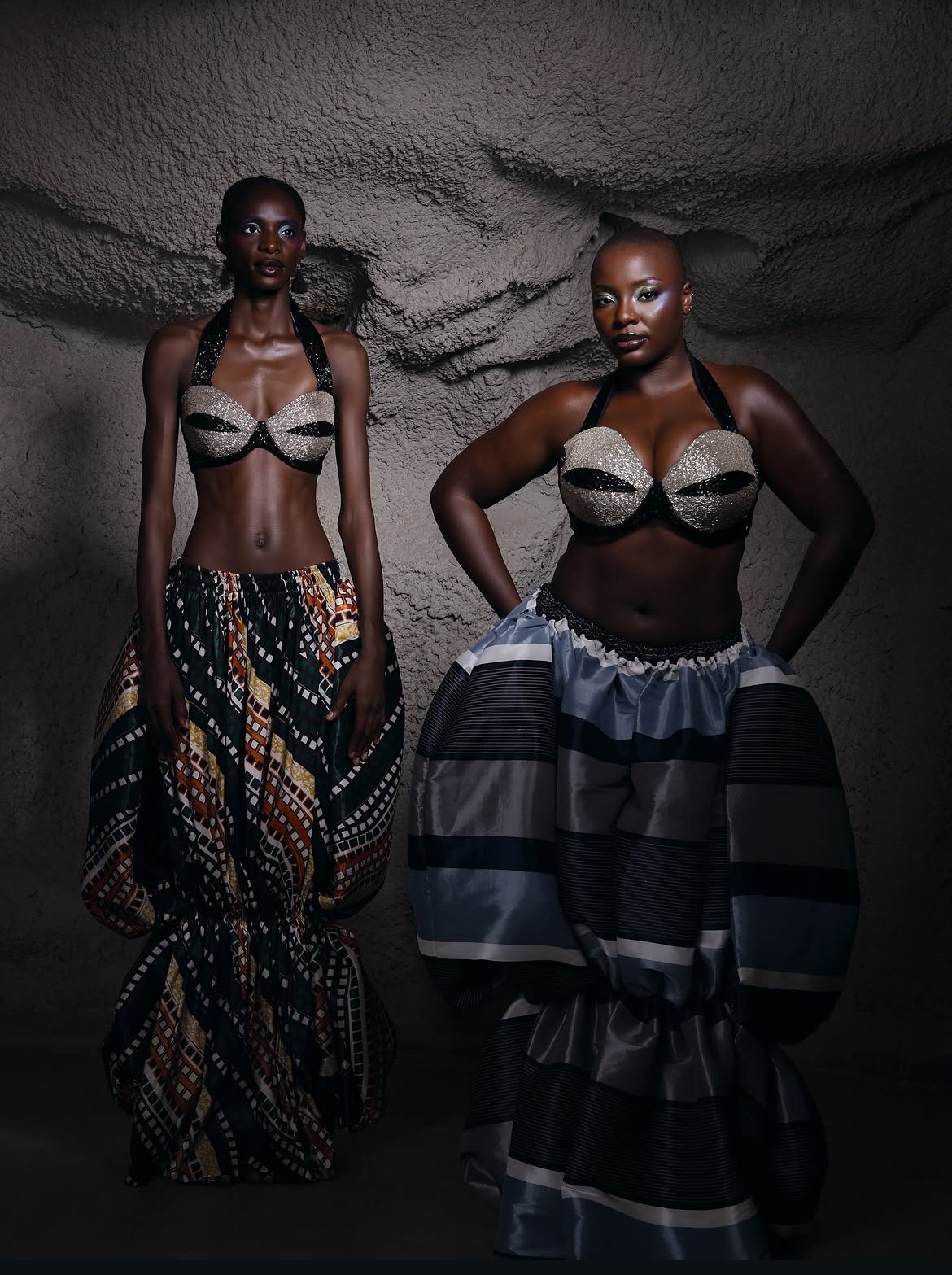
Photo credit: Hertunba 

Hertunba set the tone with a collection that understood the power of silhouette. Structured shoulders, floor-length skirts, capes and sequined gowns moved between sharpness and fluidity, with black, gold and blue establishing much of the visual language. The all-female cast, which included a plus-size model who stood out on the runway, also made a statement about visibility. The collection was not only concerned with how clothes occupied space, but with who gets to wear them.

For Style’s Sake approached the runway from a different direction. Rather than build around one defining silhouette, the presentation moved between ruffles, polka dots, abstract prints, earthy tailoring and sequins. Its strength was in that variety, suggesting a wardrobe that did not have to settle into a single mood or identity. It was an exploration of how different expressions of femininity and personal style could coexist.

Geometric Motion Design Lab brought the focus back to construction. Through oversized proportions, structured outerwear, hooded layers and wide-legged trousers, the collection explored how familiar wardrobe pieces could be altered through shape. Blue tie-dye and an unexpected orange jacket interrupted the more muted palette, but it was the relationship between form and function that held the presentation together. Here, design was less about embellishment than about rethinking the structure of everyday clothing.

That question of reinvention took on a more urgent meaning at Dust of the Earth. Founded by Omolabake Temetan, the label works with circular design, reworking secondhand clothing and materials such as shoelaces and textile waste. Its collection, A Letter to Earth, translated that philosophy into striped overcoats, oversized knits, denim, crochet and slashed details. The significance was not simply that discarded materials had been given another life; it was that they had become the starting point for new design possibilities. Sustainability was embedded in the clothes rather than presented as an idea separate from them.

Bakusoraya, the Beninese designer presenting a Spring/Summer 2027 collection, approached cultural expression through print, texture and form. Geometric patterns, multicoloured patchwork and earthy tones appeared across tailored coats, capes and sculptural silhouettes. The inclusion of models with disabilities also widened the conversation beyond the clothes, asking who is afforded visibility within fashion spaces. Together, the collection's visual references and casting made a case for a fashion industry that can engage with heritage while making room for more expansive ideas of representation.

Maliko offered a deliberate change of pace. Its palette of beige, tan and olive, alongside oversized shirts, structured shorts and simple dresses, favoured ease over spectacle. In a day filled with elaborate textures and dramatic silhouettes, the collection's restraint was its defining quality. It proposed that contemporary dressing could be expressive without being excessive.

As the presentations continued, the question of identity moved beyond individual design choices and towards the communities shaping fashion itself. Ajanée brought colour and movement to patterned streetwear, flowing capes and patchwork dresses. Its models closed the presentation hand in hand, a small but memorable gesture that made the collection feel collective rather than individual.

That sense of community was central to Street Souk. Unlike a conventional designer presentation, the platform brought together Fahlil, Zacchi Lagos, 5200 Fleece and Casimir Hero. Founded by Iretidayo Zaccheaus, Street Souk has helped create space for streetwear within Nigeria's fashion ecosystem, recognising it as a culture rather than simply a category of clothing. Its collective presentation reflected the many voices within that culture. Streetwear, after all, is shaped as much by the communities that wear and interpret it as by the designers who produce it.

Iremítidé and Sevon Dejana returned the runway to the language of occasionwear, but approached drama in distinct ways. Iremítidé worked with ruffles, fringe, sequins and translucent fabrics, moving between vibrant shades of yellow, red, purple and teal. A red fringed gown stood out, while the closing appearance of two women, one carrying a colourful bouquet, gave the presentation a celebratory finish.

Sevon Dejana, meanwhile, built its drama through texture and embellishment. A burgundy textured suit and a blue velvet blazer with floral and jewel-like details established the collection's direction before feathered pieces, embroidered tailoring and a red-and-gold gown with a dramatic train took over. The bridal-inspired finale, featuring a woman in a white mini dress and veil alongside a man in a white suit and red cap, brought a playful quality to the presentation. Both collections embraced spectacle, but neither relied on a single formula for creating it.

The next group of designers explored the relationship between expressive dressing and everyday wear. Garbe moved between patterned shorts, vibrant shirts, floral tailoring and high-slit dresses, with a final model in a red-and-orange crop top and jeans dancing down the runway. The moment captured something of the collection's spirit: clothes that invited movement and participation rather than demanding to be admired from a distance.

Chicnicity also favoured colour, with orange-and-white stripes, neon green, light blue pieces and wide-leg trousers shaping a collection that felt fluid and accessible. At Imprint South Africa, the emphasis shifted to accessories and surface detail. Oversized straw hats, feathered elements, geometric prints and patterned coats gave the presentation a more distinctive visual identity. Oshobor brought together another set of contrasts, using shaggy textures, lace, fringe, patchwork and bold silhouettes to explore the possibilities of material and finish.

While these collections differed in execution, they contributed to a broader picture of a fashion scene unwilling to be confined to one visual language. Colour, texture and silhouette became tools through which designers could interpret contemporary African dressing on their own terms.

The final presentations brought that conversation closer to questions of cultural memory and personal identity. Cute Saint Lagos opened with a masquerade dancer in a multicoloured fringed costume, placing performance at the centre of the presentation. African textiles, tie-dye and geometric prints in ochre, green and deep red followed, while the designer's own dance at the close extended the show beyond the conventional runway format. It was a reminder that fashion can be a form of cultural expression that draws from movement, ritual and collective memory.

For Christie Brown, the presentation carried the significance of a return. Founded by Ghanaian designer Aisha Ayensu, the label was back at Lagos Fashion Week after an absence since 2018. Its collection moved between softness and structure through ruffles, sheer skirts, striped dresses, metallic jackets and cut-out pieces. But the moment also belonged to the relationship between the designer and the fashion community. After taking her bow, Ayensu shared a warm exchange with Mai Atafo and received a card from an attendee. The return felt like more than another runway appearance; it was a reconnection with a space and audience.

Cynthia Abila's Common Ground offered the day's most personal statement. Dedicated to her late father, the presentation opened with traditional drummers and dancers before moving into patterned skirts, straw neckpieces, crochet, sculptural headpieces and sharply tailored pieces. The collection brought together craft and experimentation, but its emotional centre arrived at the finale. Abila appeared in a T-shirt bearing the words “I miss my daddy”. It was a simple gesture that changed the meaning of what had come before. The runway became a space for remembrance and clothing became a means of making private grief visible.

Nkwo closed the day with an exploration of material and craft. Denim, intricate knits, fringe and sculptural forms appeared across dresses, capes and shorts, returning attention to the possibilities of construction and texture. It was a fitting conclusion to a day in which designers had repeatedly demonstrated that the material of a garment could carry as much meaning as its final form.

Taken together, the presentations offered no definitive answer to what Nigerian fashion should be. Instead, they revealed the different forces shaping what it is becoming. Heritage was not treated as something to preserve untouched; it could be reworked, questioned and carried into new forms. Sustainability moved beyond conversation into construction. Streetwear demonstrated the influence of community, while moments of representation and personal storytelling challenged the idea that fashion is only about appearance.

Perhaps the most significant thing about Day One was not the number of collections presented or the variety of clothes that passed down the runway. It was the refusal to arrive at one definition. Nigerian fashion is being shaped by designers with different references, priorities and ideas of what the future should look like. And rather than compete for a single identity, those perspectives are making the scene richer.

The runway had opened with a question. By the end of the day, it had offered several answers and left plenty more room for Day Two.

Cover Credit: Lagos Fashion Week 
‍

Lagos Fashion Week 2026: A Runway of Becoming

This is some text inside of a div block.

There’s a burning question that has taken several generations to answer: what does Nigerian fashion look like?

By the time the first models stepped onto the runway at Lagos Fashion Week, there was already an answer forming in the atmosphere at the Federal Palace Hotel, in Lagos, where the showcase took off. The verdict was simple: bohemian, timeless, audacious. 

This visual and cultural marker of Nigerian fashion unfurled through the day's presentations in different forms. Some designers looked to heritage, others to street culture, sustainability or personal history. There were collections built around structure and restraint, others that embraced spectacle and experimentation. However, beneath the differences was a united impulse: to expand the language of African fashion beyond the familiar categories through which it is often understood.

Photo credit: Hertunba 

Hertunba set the tone with a collection that understood the power of silhouette. Structured shoulders, floor-length skirts, capes and sequined gowns moved between sharpness and fluidity, with black, gold and blue establishing much of the visual language. The all-female cast, which included a plus-size model who stood out on the runway, also made a statement about visibility. The collection was not only concerned with how clothes occupied space, but with who gets to wear them.

For Style’s Sake approached the runway from a different direction. Rather than build around one defining silhouette, the presentation moved between ruffles, polka dots, abstract prints, earthy tailoring and sequins. Its strength was in that variety, suggesting a wardrobe that did not have to settle into a single mood or identity. It was an exploration of how different expressions of femininity and personal style could coexist.

Geometric Motion Design Lab brought the focus back to construction. Through oversized proportions, structured outerwear, hooded layers and wide-legged trousers, the collection explored how familiar wardrobe pieces could be altered through shape. Blue tie-dye and an unexpected orange jacket interrupted the more muted palette, but it was the relationship between form and function that held the presentation together. Here, design was less about embellishment than about rethinking the structure of everyday clothing.

That question of reinvention took on a more urgent meaning at Dust of the Earth. Founded by Omolabake Temetan, the label works with circular design, reworking secondhand clothing and materials such as shoelaces and textile waste. Its collection, A Letter to Earth, translated that philosophy into striped overcoats, oversized knits, denim, crochet and slashed details. The significance was not simply that discarded materials had been given another life; it was that they had become the starting point for new design possibilities. Sustainability was embedded in the clothes rather than presented as an idea separate from them.

Bakusoraya, the Beninese designer presenting a Spring/Summer 2027 collection, approached cultural expression through print, texture and form. Geometric patterns, multicoloured patchwork and earthy tones appeared across tailored coats, capes and sculptural silhouettes. The inclusion of models with disabilities also widened the conversation beyond the clothes, asking who is afforded visibility within fashion spaces. Together, the collection's visual references and casting made a case for a fashion industry that can engage with heritage while making room for more expansive ideas of representation.

Maliko offered a deliberate change of pace. Its palette of beige, tan and olive, alongside oversized shirts, structured shorts and simple dresses, favoured ease over spectacle. In a day filled with elaborate textures and dramatic silhouettes, the collection's restraint was its defining quality. It proposed that contemporary dressing could be expressive without being excessive.

As the presentations continued, the question of identity moved beyond individual design choices and towards the communities shaping fashion itself. Ajanée brought colour and movement to patterned streetwear, flowing capes and patchwork dresses. Its models closed the presentation hand in hand, a small but memorable gesture that made the collection feel collective rather than individual.

That sense of community was central to Street Souk. Unlike a conventional designer presentation, the platform brought together Fahlil, Zacchi Lagos, 5200 Fleece and Casimir Hero. Founded by Iretidayo Zaccheaus, Street Souk has helped create space for streetwear within Nigeria's fashion ecosystem, recognising it as a culture rather than simply a category of clothing. Its collective presentation reflected the many voices within that culture. Streetwear, after all, is shaped as much by the communities that wear and interpret it as by the designers who produce it.

Iremítidé and Sevon Dejana returned the runway to the language of occasionwear, but approached drama in distinct ways. Iremítidé worked with ruffles, fringe, sequins and translucent fabrics, moving between vibrant shades of yellow, red, purple and teal. A red fringed gown stood out, while the closing appearance of two women, one carrying a colourful bouquet, gave the presentation a celebratory finish.

Sevon Dejana, meanwhile, built its drama through texture and embellishment. A burgundy textured suit and a blue velvet blazer with floral and jewel-like details established the collection's direction before feathered pieces, embroidered tailoring and a red-and-gold gown with a dramatic train took over. The bridal-inspired finale, featuring a woman in a white mini dress and veil alongside a man in a white suit and red cap, brought a playful quality to the presentation. Both collections embraced spectacle, but neither relied on a single formula for creating it.

The next group of designers explored the relationship between expressive dressing and everyday wear. Garbe moved between patterned shorts, vibrant shirts, floral tailoring and high-slit dresses, with a final model in a red-and-orange crop top and jeans dancing down the runway. The moment captured something of the collection's spirit: clothes that invited movement and participation rather than demanding to be admired from a distance.

Chicnicity also favoured colour, with orange-and-white stripes, neon green, light blue pieces and wide-leg trousers shaping a collection that felt fluid and accessible. At Imprint South Africa, the emphasis shifted to accessories and surface detail. Oversized straw hats, feathered elements, geometric prints and patterned coats gave the presentation a more distinctive visual identity. Oshobor brought together another set of contrasts, using shaggy textures, lace, fringe, patchwork and bold silhouettes to explore the possibilities of material and finish.

While these collections differed in execution, they contributed to a broader picture of a fashion scene unwilling to be confined to one visual language. Colour, texture and silhouette became tools through which designers could interpret contemporary African dressing on their own terms.

The final presentations brought that conversation closer to questions of cultural memory and personal identity. Cute Saint Lagos opened with a masquerade dancer in a multicoloured fringed costume, placing performance at the centre of the presentation. African textiles, tie-dye and geometric prints in ochre, green and deep red followed, while the designer's own dance at the close extended the show beyond the conventional runway format. It was a reminder that fashion can be a form of cultural expression that draws from movement, ritual and collective memory.

For Christie Brown, the presentation carried the significance of a return. Founded by Ghanaian designer Aisha Ayensu, the label was back at Lagos Fashion Week after an absence since 2018. Its collection moved between softness and structure through ruffles, sheer skirts, striped dresses, metallic jackets and cut-out pieces. But the moment also belonged to the relationship between the designer and the fashion community. After taking her bow, Ayensu shared a warm exchange with Mai Atafo and received a card from an attendee. The return felt like more than another runway appearance; it was a reconnection with a space and audience.

Cynthia Abila's Common Ground offered the day's most personal statement. Dedicated to her late father, the presentation opened with traditional drummers and dancers before moving into patterned skirts, straw neckpieces, crochet, sculptural headpieces and sharply tailored pieces. The collection brought together craft and experimentation, but its emotional centre arrived at the finale. Abila appeared in a T-shirt bearing the words “I miss my daddy”. It was a simple gesture that changed the meaning of what had come before. The runway became a space for remembrance and clothing became a means of making private grief visible.

Nkwo closed the day with an exploration of material and craft. Denim, intricate knits, fringe and sculptural forms appeared across dresses, capes and shorts, returning attention to the possibilities of construction and texture. It was a fitting conclusion to a day in which designers had repeatedly demonstrated that the material of a garment could carry as much meaning as its final form.

Taken together, the presentations offered no definitive answer to what Nigerian fashion should be. Instead, they revealed the different forces shaping what it is becoming. Heritage was not treated as something to preserve untouched; it could be reworked, questioned and carried into new forms. Sustainability moved beyond conversation into construction. Streetwear demonstrated the influence of community, while moments of representation and personal storytelling challenged the idea that fashion is only about appearance.

Perhaps the most significant thing about Day One was not the number of collections presented or the variety of clothes that passed down the runway. It was the refusal to arrive at one definition. Nigerian fashion is being shaped by designers with different references, priorities and ideas of what the future should look like. And rather than compete for a single identity, those perspectives are making the scene richer.

The runway had opened with a question. By the end of the day, it had offered several answers and left plenty more room for Day Two.

Cover Credit: Lagos Fashion Week 
‍

This is some text inside of a div block.

Lagos Fashion Week 2026: A Runway of Becoming

There’s a burning question that has taken several generations to answer: what does Nigerian fashion look like?

By the time the first models stepped onto the runway at Lagos Fashion Week, there was already an answer forming in the atmosphere at the Federal Palace Hotel, in Lagos, where the showcase took off. The verdict was simple: bohemian, timeless, audacious. 

This visual and cultural marker of Nigerian fashion unfurled through the day's presentations in different forms. Some designers looked to heritage, others to street culture, sustainability or personal history. There were collections built around structure and restraint, others that embraced spectacle and experimentation. However, beneath the differences was a united impulse: to expand the language of African fashion beyond the familiar categories through which it is often understood.

Photo credit: Hertunba 

Hertunba set the tone with a collection that understood the power of silhouette. Structured shoulders, floor-length skirts, capes and sequined gowns moved between sharpness and fluidity, with black, gold and blue establishing much of the visual language. The all-female cast, which included a plus-size model who stood out on the runway, also made a statement about visibility. The collection was not only concerned with how clothes occupied space, but with who gets to wear them.

For Style’s Sake approached the runway from a different direction. Rather than build around one defining silhouette, the presentation moved between ruffles, polka dots, abstract prints, earthy tailoring and sequins. Its strength was in that variety, suggesting a wardrobe that did not have to settle into a single mood or identity. It was an exploration of how different expressions of femininity and personal style could coexist.

Geometric Motion Design Lab brought the focus back to construction. Through oversized proportions, structured outerwear, hooded layers and wide-legged trousers, the collection explored how familiar wardrobe pieces could be altered through shape. Blue tie-dye and an unexpected orange jacket interrupted the more muted palette, but it was the relationship between form and function that held the presentation together. Here, design was less about embellishment than about rethinking the structure of everyday clothing.

That question of reinvention took on a more urgent meaning at Dust of the Earth. Founded by Omolabake Temetan, the label works with circular design, reworking secondhand clothing and materials such as shoelaces and textile waste. Its collection, A Letter to Earth, translated that philosophy into striped overcoats, oversized knits, denim, crochet and slashed details. The significance was not simply that discarded materials had been given another life; it was that they had become the starting point for new design possibilities. Sustainability was embedded in the clothes rather than presented as an idea separate from them.

Bakusoraya, the Beninese designer presenting a Spring/Summer 2027 collection, approached cultural expression through print, texture and form. Geometric patterns, multicoloured patchwork and earthy tones appeared across tailored coats, capes and sculptural silhouettes. The inclusion of models with disabilities also widened the conversation beyond the clothes, asking who is afforded visibility within fashion spaces. Together, the collection's visual references and casting made a case for a fashion industry that can engage with heritage while making room for more expansive ideas of representation.

Maliko offered a deliberate change of pace. Its palette of beige, tan and olive, alongside oversized shirts, structured shorts and simple dresses, favoured ease over spectacle. In a day filled with elaborate textures and dramatic silhouettes, the collection's restraint was its defining quality. It proposed that contemporary dressing could be expressive without being excessive.

As the presentations continued, the question of identity moved beyond individual design choices and towards the communities shaping fashion itself. Ajanée brought colour and movement to patterned streetwear, flowing capes and patchwork dresses. Its models closed the presentation hand in hand, a small but memorable gesture that made the collection feel collective rather than individual.

That sense of community was central to Street Souk. Unlike a conventional designer presentation, the platform brought together Fahlil, Zacchi Lagos, 5200 Fleece and Casimir Hero. Founded by Iretidayo Zaccheaus, Street Souk has helped create space for streetwear within Nigeria's fashion ecosystem, recognising it as a culture rather than simply a category of clothing. Its collective presentation reflected the many voices within that culture. Streetwear, after all, is shaped as much by the communities that wear and interpret it as by the designers who produce it.

Iremítidé and Sevon Dejana returned the runway to the language of occasionwear, but approached drama in distinct ways. Iremítidé worked with ruffles, fringe, sequins and translucent fabrics, moving between vibrant shades of yellow, red, purple and teal. A red fringed gown stood out, while the closing appearance of two women, one carrying a colourful bouquet, gave the presentation a celebratory finish.

Sevon Dejana, meanwhile, built its drama through texture and embellishment. A burgundy textured suit and a blue velvet blazer with floral and jewel-like details established the collection's direction before feathered pieces, embroidered tailoring and a red-and-gold gown with a dramatic train took over. The bridal-inspired finale, featuring a woman in a white mini dress and veil alongside a man in a white suit and red cap, brought a playful quality to the presentation. Both collections embraced spectacle, but neither relied on a single formula for creating it.

The next group of designers explored the relationship between expressive dressing and everyday wear. Garbe moved between patterned shorts, vibrant shirts, floral tailoring and high-slit dresses, with a final model in a red-and-orange crop top and jeans dancing down the runway. The moment captured something of the collection's spirit: clothes that invited movement and participation rather than demanding to be admired from a distance.

Chicnicity also favoured colour, with orange-and-white stripes, neon green, light blue pieces and wide-leg trousers shaping a collection that felt fluid and accessible. At Imprint South Africa, the emphasis shifted to accessories and surface detail. Oversized straw hats, feathered elements, geometric prints and patterned coats gave the presentation a more distinctive visual identity. Oshobor brought together another set of contrasts, using shaggy textures, lace, fringe, patchwork and bold silhouettes to explore the possibilities of material and finish.

While these collections differed in execution, they contributed to a broader picture of a fashion scene unwilling to be confined to one visual language. Colour, texture and silhouette became tools through which designers could interpret contemporary African dressing on their own terms.

The final presentations brought that conversation closer to questions of cultural memory and personal identity. Cute Saint Lagos opened with a masquerade dancer in a multicoloured fringed costume, placing performance at the centre of the presentation. African textiles, tie-dye and geometric prints in ochre, green and deep red followed, while the designer's own dance at the close extended the show beyond the conventional runway format. It was a reminder that fashion can be a form of cultural expression that draws from movement, ritual and collective memory.

For Christie Brown, the presentation carried the significance of a return. Founded by Ghanaian designer Aisha Ayensu, the label was back at Lagos Fashion Week after an absence since 2018. Its collection moved between softness and structure through ruffles, sheer skirts, striped dresses, metallic jackets and cut-out pieces. But the moment also belonged to the relationship between the designer and the fashion community. After taking her bow, Ayensu shared a warm exchange with Mai Atafo and received a card from an attendee. The return felt like more than another runway appearance; it was a reconnection with a space and audience.

Cynthia Abila's Common Ground offered the day's most personal statement. Dedicated to her late father, the presentation opened with traditional drummers and dancers before moving into patterned skirts, straw neckpieces, crochet, sculptural headpieces and sharply tailored pieces. The collection brought together craft and experimentation, but its emotional centre arrived at the finale. Abila appeared in a T-shirt bearing the words “I miss my daddy”. It was a simple gesture that changed the meaning of what had come before. The runway became a space for remembrance and clothing became a means of making private grief visible.

Nkwo closed the day with an exploration of material and craft. Denim, intricate knits, fringe and sculptural forms appeared across dresses, capes and shorts, returning attention to the possibilities of construction and texture. It was a fitting conclusion to a day in which designers had repeatedly demonstrated that the material of a garment could carry as much meaning as its final form.

Taken together, the presentations offered no definitive answer to what Nigerian fashion should be. Instead, they revealed the different forces shaping what it is becoming. Heritage was not treated as something to preserve untouched; it could be reworked, questioned and carried into new forms. Sustainability moved beyond conversation into construction. Streetwear demonstrated the influence of community, while moments of representation and personal storytelling challenged the idea that fashion is only about appearance.

Perhaps the most significant thing about Day One was not the number of collections presented or the variety of clothes that passed down the runway. It was the refusal to arrive at one definition. Nigerian fashion is being shaped by designers with different references, priorities and ideas of what the future should look like. And rather than compete for a single identity, those perspectives are making the scene richer.

The runway had opened with a question. By the end of the day, it had offered several answers and left plenty more room for Day Two.

Cover Credit: Lagos Fashion Week 
‍

Other Stories
London
London
Lagos
London
Newyork
London
Shop
Join the community.
You are now subscribed to receive updates.
Oops! Something went wrong while submitting the form.
Subscribe