The Zee Nxumalo Effect

Authored by

Zee Nxumalo has never stayed in one place for long. Whether moving between musical genres, exploring different sides of her identity, or discovering new interests beyond music, she has built her career on an instinctive willingness to try something different and go beyond expectations.

Growing up, she sang alongside older family members, finding early expression through music before experimenting with covers on YouTube. She found a sound that felt entirely her own, and through hours in the studio, she gradually understood her strengths, embracing her instinct for freestyling and melody while becoming more comfortable with the artist she was meant to be.

Today, as one of South Africa’s most prominent female artists. She has embodied a presence that makes her stand out in a distinctive way. Her shift from Freestyling to Amapiano to 3-Step shows she can't be confined to one box. Her presence on songs like Ama Gear, Funk 55, Ngisakuthanda, and Mamma has shown the power she brings when she steps on the mic. This year, she continued her reign with Izinja Zam: Vol. 1, a project rooted in self-discovery, instinct, and unapologetic self-expression. 

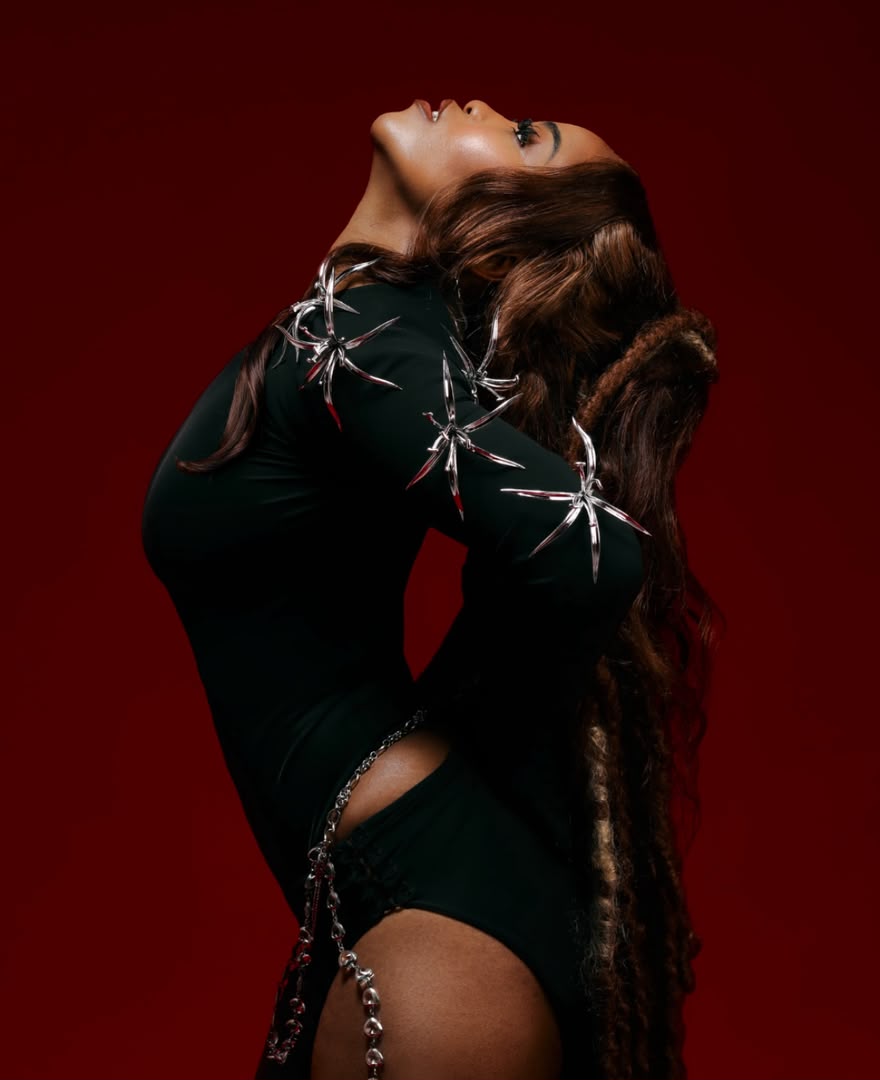
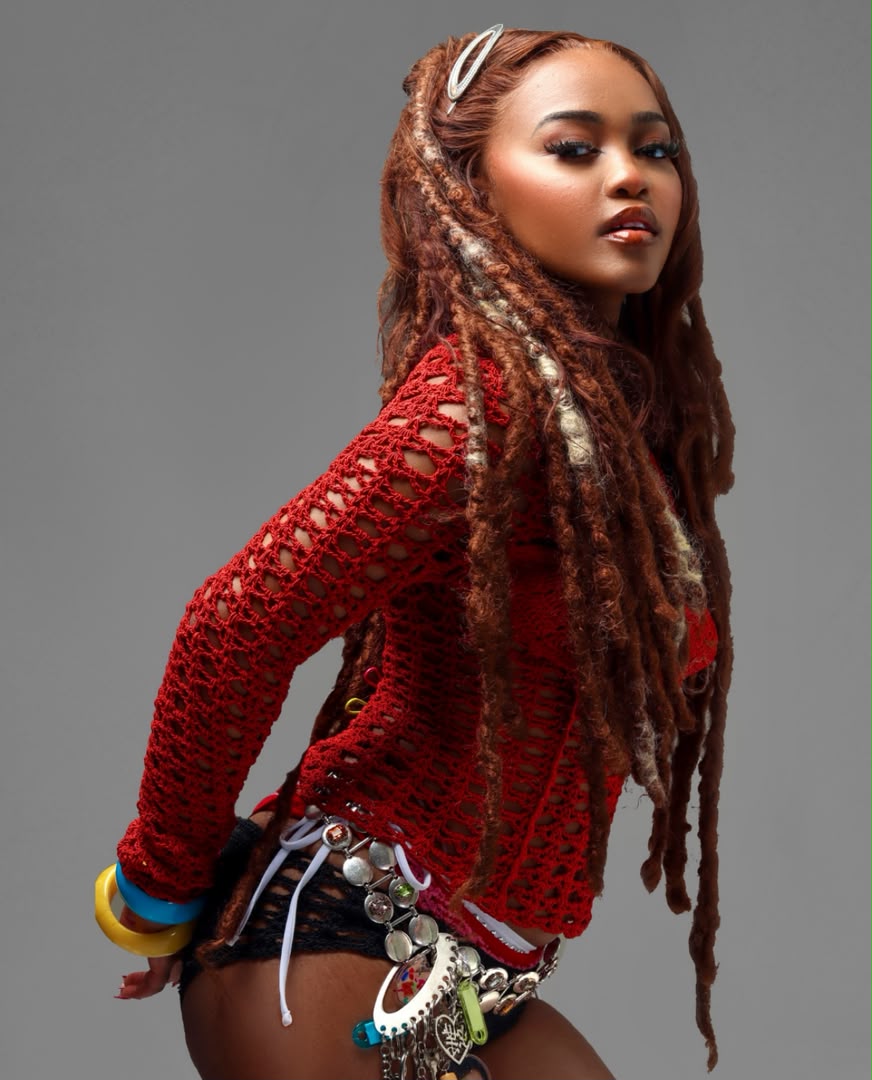
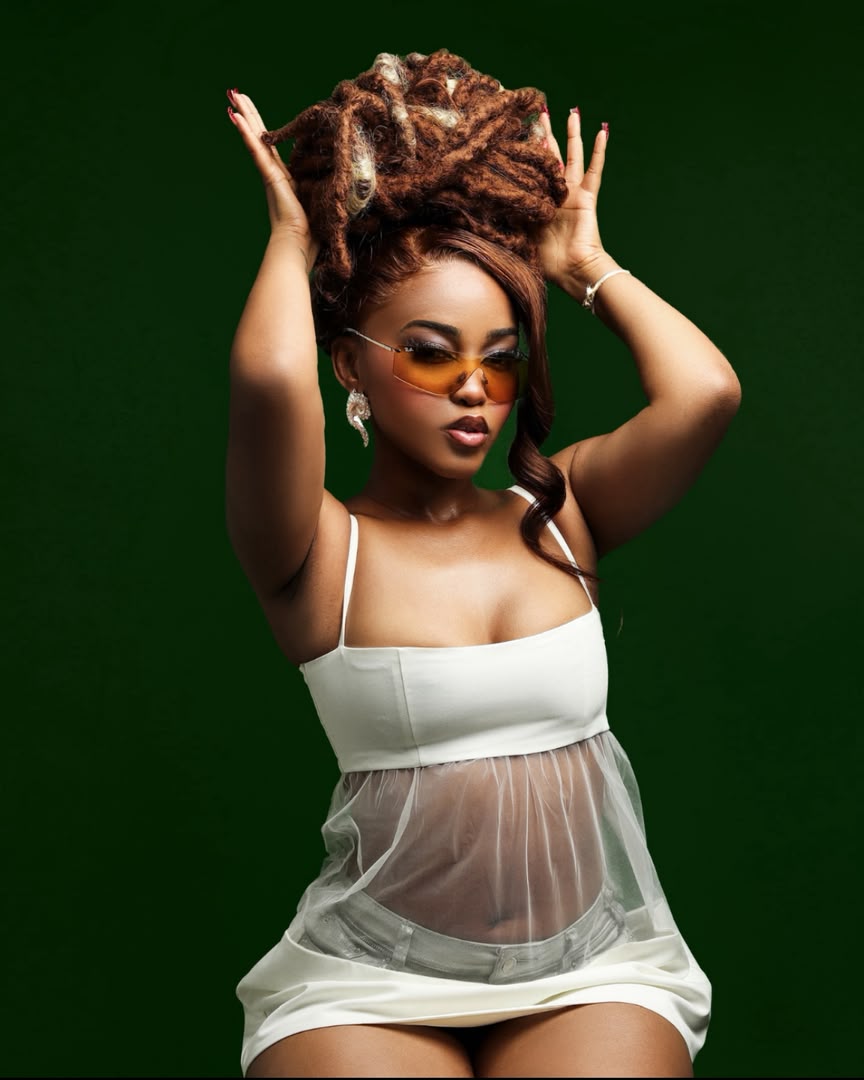
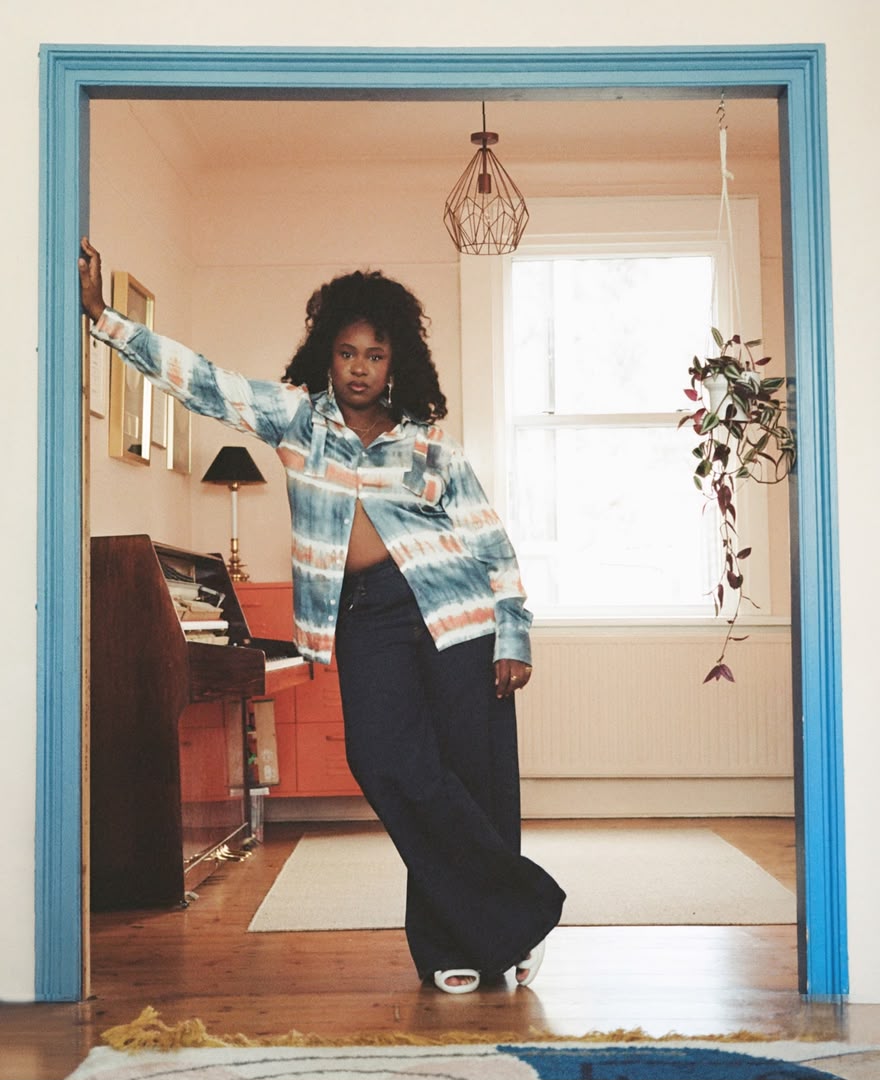
We captured Zee in London ahead of her Piano People in the Park appearance, showcasing the female power she has embodied throughout her career. A moment that truly celebrates her artistry and musical journey so far.  Zee reflects on the value of solitude, the freedom of creative reinvention, and the responsibility of building a legacy the next generation can take even further.

Seneo for DEEDS: In terms of that initial start for you with music, where did that start for you, if you were to say?

It was from a very young age. I always sang with my older family members. So I used to sing with my aunts, and I was always the youngest. It wasn't a solidified thing until I started doing covers, so I would make a cover of a song, and then at a certain point I was invited to the studio to come and do my own song. At that time, I wasn’t developed like that because, obviously, when people call you about something they saw you do on YouTube, you try to recreate that moment, and I think my biggest problem was trying to recreate a cover. So I would then say at that point I wasn't Zee Nxumalo I hadn't discovered my sound and my own personality in terms of sound. But I've just always known how to express myself with music. Either through the choir or by covering songs.

Going from someone who was making covers to then putting out your own original material, how did you find that process? How did you find the thing that you were good at?

To me, it’s very similar to sports. I play football too, and the more you train, the more you understand who you are. Like, I'm good with freestyles I'm good with coming up with melodies much more than I am with, you know, songwriting. So, I would then say even with music, it was the same approach. It took me a long time to fully understand that I'm a good freestyler, and I spent a lot of time in the studio practising to find what I liked and felt comfortable with.

Is that something that you always knew that this is the type of artist that I want to be, and this is how I want to present myself and just how I want people to take in my music and respond to my artistry?

To be honest, it wasn't intentional. You know, I was just doing what felt normal for me to do at the time. Because the thing is, I change identities a lot. One day I wake up, I'm feminine. One day I wake up, I'm a boss bitch. One day I wake up and embrace my masculine side. So it's just trusting what comes to my mind, and by virtue of it, people just fall in love with that. But it's definitely not something that was intentional.
When you think about how you've approached the various versions of yourself, how do you s think about it when it comes to evolving and trying new things and just moving into different spaces?

It is something where my mind tells me that, okay, let's do this, let's do that, and my mind works in a way that if today my target is to pass Maths and English with 50%, tomorrow I'll be like, I passed with 50. Let me try 60 and see, and then I get 60, let's try 80 and then let's try without studying. So my mind is very quick to be like I've done this, let me do something else. My ability to switch genres and move across different ones definitely comes from the way I think. At some point I'd be like, "Oh, I've been doing this thing so much. Let me try this and see if it works”, and then, by luck, it does, and that has just always been how I’ve been able to move from the different styles of music in my career, always challenging myself.

As you've become the artist you are, and been able to do so much across your career so far, what do you think has helped you keep that authenticity? 

I am very intentional about what influences me and what inspires me. I can do most of what I do because I make time to be alone. So I'm able to listen to my thoughts. I can also take inspiration from other people and still stay true to who I am, and I've always found that because I know who I am and what I want, I can easily take something and make it my own.

Last year you were the most streamed female artist on Spotify in South Africa, and so even in terms of achieving that, what did you learn about yourself, and how did spending time with yourself help you figure out what you wanted next?

It came with that understanding that, okay, this year, this is what I want to do. This is what I want to do. I want to do this. I want to become the most streamed female artist. And then I'm able to do that. It's just only this year where I was like, you know, I'm in a place where I'm like, okay, I've been the most streamed female artist. What do I do now? And I feel that was a very dangerous place to be in because, for the first time ever, I didn't know what I wanted now. And then I've actually figured out that the reason why the previous years had been so clear is that I spent enough time with myself. Because we travel a lot, we gig a lot. Sometimes it's hard to spend time with yourself and figure out who you are, but most of the time, I knew what I wanted. This is what impresses me. You know, this is what, yeah, in, yeah, these are what my interests are. So it is easy for me to see, okay, where I want to be, and how I get there. 

Apart from achieving all that you have been able to within the confines of South Africa, your sound and particularly your music in terms of 3-Step has also crossed borders internationally. So what has that experience also been like for you as one of the artists leading the genre? 

I've always told my managers that if we go international, it would be nice to do it through our own music that represents our culture, particularly South African music. Looking at the reception that 3-Step has gotten inspires us to keep on doing it more, and you know, to keep on elevating it. The other day I heard a Davido 3-Step song, which was amazing to see because, for us, the most common way we've seen South African artists go international has been through Afrobeats. So for us, to get to Piano People, we have seen Amapiano do its thing, but now we're also seeing how 3-Step is doing really well. People have an appetite for 3-Step, which makes it amazing, and it inspires us to do it even better.

You started as somebody who was making music by themselves just as a freestyler, and now you are somebody who collaborates and works a lot with other people. So, even getting comfortable with collaboration and working with others how was that adjustment?

For me, working alone has always been the easiest, and I still prefer it. It's just that I do it in a much better way now. I allow people to put in their input. I'm very much open to exploring: How do we get this thing better? How do we do this? But for me, coming up with an idea from scratch always works when I'm alone and don't feel like I have an audience. I have found that, with how I work now, I have better ways of doing it, and sometimes it works out really, really well. For example, when we did Ngithathiwe, it was a very collaborative studio session, I just got into the studio. I freestyle, I put in a few words, and then Thukzin was like, "Okay, I like this. Let's do it like this. Fix that word. Do this word. It's becoming better, and I'm enjoying it” and so I’m able to see, okay, you take what I have and bring something to it that makes it better. 

You released Izinja Zam: Vol. 1 this year. What was the idea of the project, and where did it start for you?

Making the music itself was the easiest thing ever.  I remember we were in Joburg, and then I told my managers, "Can we please go to Durban? I want to go to the studio. And I think we spent like three weeks in Durban, making music. We would wake up, go to the studio, wake up, go to the studio, wake up, go to the studio. So making the music itself was the easiest thing ever. Coming up with the concept was really dope, too. The first project we did was Inja Ye Game, then this one was Izinja Zam because I've always been about dog energy, so coming up with the concept was fun, but making the music was so easy. It was fun, and the name is very descriptive of the visual identity: you look at the face, it's a mirror, and it reflects a dog.
When you think about channelling that energy and how it comes through beyond the music and translates across the whole vibe and overall essence of the project, how do you build that and bring it all together?

The energy comes to me first, and then it inspires me to make the music. I have a very big team, so sometimes it's not only me who says Let's do this, let's do that. Because somehow, some way, we speak the same language, the things just always tie into each other. I'm actually thinking about the fact that the image actually does speak to the music. You understand? And one song in particular that explains the whole picture is Bawo. You have to listen to it, look at the picture, and translate it. Obviously, you know you'll get to understand what I mean. But in terms of me planning visually in studio, that's not the case. At the end of the day, all of these things speak one language.

Reaching this point in your career, what has your journey so far taught you about yourself?

This journey has taught me how possible it is to grow as a person. It's like school, you know. You never get tired of school. Each day you learn this. Each day you learn that. So there is no end goal with growth and learning, because that's just always been how my journey in particular has been. The other day I was a freestyler. The next day I tried hip hop. Now I am doing this. The next day I was doing that, and recently I discovered I actually love putting together music videos. I love putting together music videos, and I definitely wasn't aware of that two years ago. After “Mamma” and “Ngisakuthanda”, I discovered I love putting together music videos, participating, and helping with the conceptualising, and lord knows what I'll fall in love with over the next three years. So it's just been very educational, and learning things about myself and learning things from other people as well.

How you represent your culture, but in terms of putting that out there, like, how important is that for you in terms of how people see you as an artist and how people like take you in as a creative?

It keeps the legacy going, you know, because I was also inspired by a previous generation that put their culture out there, and fortunately for my generation, we can do it on an international scale. So I think it's important because it's gonna also benefit the next generation. You know, the generation that will be looking up to us. So we must obviously make sure that in doing so, we do it at the highest level. You understand, in a way that it's gonna be written and it's gonna be evidence to the next generation, so that they can take it and do it even better. Maybe they'll take it to different planets because obviously the world is changing. The previous generation did not have the opportunity to, like, for example, you know, at some point in Africa we were not able to write the African history, and then it changed from that generation to now. We used to write everything down with pen and paper, and now we have phones to photograph everything. Lord knows what will happen to the next generation, and whether they'll pass on the legacy. So I think it's very, very important that we do so because, you know, it becomes visible to the next generation, and they can do it even better than we do.
 

‍

The Zee Nxumalo Effect

Authored by
This is some text inside of a div block.

Zee Nxumalo has never stayed in one place for long. Whether moving between musical genres, exploring different sides of her identity, or discovering new interests beyond music, she has built her career on an instinctive willingness to try something different and go beyond expectations.

Growing up, she sang alongside older family members, finding early expression through music before experimenting with covers on YouTube. She found a sound that felt entirely her own, and through hours in the studio, she gradually understood her strengths, embracing her instinct for freestyling and melody while becoming more comfortable with the artist she was meant to be.

Today, as one of South Africa’s most prominent female artists. She has embodied a presence that makes her stand out in a distinctive way. Her shift from Freestyling to Amapiano to 3-Step shows she can't be confined to one box. Her presence on songs like Ama Gear, Funk 55, Ngisakuthanda, and Mamma has shown the power she brings when she steps on the mic. This year, she continued her reign with Izinja Zam: Vol. 1, a project rooted in self-discovery, instinct, and unapologetic self-expression. 

We captured Zee in London ahead of her Piano People in the Park appearance, showcasing the female power she has embodied throughout her career. A moment that truly celebrates her artistry and musical journey so far.  Zee reflects on the value of solitude, the freedom of creative reinvention, and the responsibility of building a legacy the next generation can take even further.

Seneo for DEEDS: In terms of that initial start for you with music, where did that start for you, if you were to say?

It was from a very young age. I always sang with my older family members. So I used to sing with my aunts, and I was always the youngest. It wasn't a solidified thing until I started doing covers, so I would make a cover of a song, and then at a certain point I was invited to the studio to come and do my own song. At that time, I wasn’t developed like that because, obviously, when people call you about something they saw you do on YouTube, you try to recreate that moment, and I think my biggest problem was trying to recreate a cover. So I would then say at that point I wasn't Zee Nxumalo I hadn't discovered my sound and my own personality in terms of sound. But I've just always known how to express myself with music. Either through the choir or by covering songs.

Going from someone who was making covers to then putting out your own original material, how did you find that process? How did you find the thing that you were good at?

To me, it’s very similar to sports. I play football too, and the more you train, the more you understand who you are. Like, I'm good with freestyles I'm good with coming up with melodies much more than I am with, you know, songwriting. So, I would then say even with music, it was the same approach. It took me a long time to fully understand that I'm a good freestyler, and I spent a lot of time in the studio practising to find what I liked and felt comfortable with.

Is that something that you always knew that this is the type of artist that I want to be, and this is how I want to present myself and just how I want people to take in my music and respond to my artistry?

To be honest, it wasn't intentional. You know, I was just doing what felt normal for me to do at the time. Because the thing is, I change identities a lot. One day I wake up, I'm feminine. One day I wake up, I'm a boss bitch. One day I wake up and embrace my masculine side. So it's just trusting what comes to my mind, and by virtue of it, people just fall in love with that. But it's definitely not something that was intentional.

When you think about how you've approached the various versions of yourself, how do you s think about it when it comes to evolving and trying new things and just moving into different spaces?

It is something where my mind tells me that, okay, let's do this, let's do that, and my mind works in a way that if today my target is to pass Maths and English with 50%, tomorrow I'll be like, I passed with 50. Let me try 60 and see, and then I get 60, let's try 80 and then let's try without studying. So my mind is very quick to be like I've done this, let me do something else. My ability to switch genres and move across different ones definitely comes from the way I think. At some point I'd be like, "Oh, I've been doing this thing so much. Let me try this and see if it works”, and then, by luck, it does, and that has just always been how I’ve been able to move from the different styles of music in my career, always challenging myself.

As you've become the artist you are, and been able to do so much across your career so far, what do you think has helped you keep that authenticity? 

I am very intentional about what influences me and what inspires me. I can do most of what I do because I make time to be alone. So I'm able to listen to my thoughts. I can also take inspiration from other people and still stay true to who I am, and I've always found that because I know who I am and what I want, I can easily take something and make it my own.

Last year you were the most streamed female artist on Spotify in South Africa, and so even in terms of achieving that, what did you learn about yourself, and how did spending time with yourself help you figure out what you wanted next?

It came with that understanding that, okay, this year, this is what I want to do. This is what I want to do. I want to do this. I want to become the most streamed female artist. And then I'm able to do that. It's just only this year where I was like, you know, I'm in a place where I'm like, okay, I've been the most streamed female artist. What do I do now? And I feel that was a very dangerous place to be in because, for the first time ever, I didn't know what I wanted now. And then I've actually figured out that the reason why the previous years had been so clear is that I spent enough time with myself. Because we travel a lot, we gig a lot. Sometimes it's hard to spend time with yourself and figure out who you are, but most of the time, I knew what I wanted. This is what impresses me. You know, this is what, yeah, in, yeah, these are what my interests are. So it is easy for me to see, okay, where I want to be, and how I get there. 

Apart from achieving all that you have been able to within the confines of South Africa, your sound and particularly your music in terms of 3-Step has also crossed borders internationally. So what has that experience also been like for you as one of the artists leading the genre? 

I've always told my managers that if we go international, it would be nice to do it through our own music that represents our culture, particularly South African music. Looking at the reception that 3-Step has gotten inspires us to keep on doing it more, and you know, to keep on elevating it. The other day I heard a Davido 3-Step song, which was amazing to see because, for us, the most common way we've seen South African artists go international has been through Afrobeats. So for us, to get to Piano People, we have seen Amapiano do its thing, but now we're also seeing how 3-Step is doing really well. People have an appetite for 3-Step, which makes it amazing, and it inspires us to do it even better.

You started as somebody who was making music by themselves just as a freestyler, and now you are somebody who collaborates and works a lot with other people. So, even getting comfortable with collaboration and working with others how was that adjustment?

For me, working alone has always been the easiest, and I still prefer it. It's just that I do it in a much better way now. I allow people to put in their input. I'm very much open to exploring: How do we get this thing better? How do we do this? But for me, coming up with an idea from scratch always works when I'm alone and don't feel like I have an audience. I have found that, with how I work now, I have better ways of doing it, and sometimes it works out really, really well. For example, when we did Ngithathiwe, it was a very collaborative studio session, I just got into the studio. I freestyle, I put in a few words, and then Thukzin was like, "Okay, I like this. Let's do it like this. Fix that word. Do this word. It's becoming better, and I'm enjoying it” and so I’m able to see, okay, you take what I have and bring something to it that makes it better. 

You released Izinja Zam: Vol. 1 this year. What was the idea of the project, and where did it start for you?

Making the music itself was the easiest thing ever.  I remember we were in Joburg, and then I told my managers, "Can we please go to Durban? I want to go to the studio. And I think we spent like three weeks in Durban, making music. We would wake up, go to the studio, wake up, go to the studio, wake up, go to the studio. So making the music itself was the easiest thing ever. Coming up with the concept was really dope, too. The first project we did was Inja Ye Game, then this one was Izinja Zam because I've always been about dog energy, so coming up with the concept was fun, but making the music was so easy. It was fun, and the name is very descriptive of the visual identity: you look at the face, it's a mirror, and it reflects a dog.

When you think about channelling that energy and how it comes through beyond the music and translates across the whole vibe and overall essence of the project, how do you build that and bring it all together?

The energy comes to me first, and then it inspires me to make the music. I have a very big team, so sometimes it's not only me who says Let's do this, let's do that. Because somehow, some way, we speak the same language, the things just always tie into each other. I'm actually thinking about the fact that the image actually does speak to the music. You understand? And one song in particular that explains the whole picture is Bawo. You have to listen to it, look at the picture, and translate it. Obviously, you know you'll get to understand what I mean. But in terms of me planning visually in studio, that's not the case. At the end of the day, all of these things speak one language.

Reaching this point in your career, what has your journey so far taught you about yourself?

This journey has taught me how possible it is to grow as a person. It's like school, you know. You never get tired of school. Each day you learn this. Each day you learn that. So there is no end goal with growth and learning, because that's just always been how my journey in particular has been. The other day I was a freestyler. The next day I tried hip hop. Now I am doing this. The next day I was doing that, and recently I discovered I actually love putting together music videos. I love putting together music videos, and I definitely wasn't aware of that two years ago. After “Mamma” and “Ngisakuthanda”, I discovered I love putting together music videos, participating, and helping with the conceptualising, and lord knows what I'll fall in love with over the next three years. So it's just been very educational, and learning things about myself and learning things from other people as well.

How you represent your culture, but in terms of putting that out there, like, how important is that for you in terms of how people see you as an artist and how people like take you in as a creative?

It keeps the legacy going, you know, because I was also inspired by a previous generation that put their culture out there, and fortunately for my generation, we can do it on an international scale. So I think it's important because it's gonna also benefit the next generation. You know, the generation that will be looking up to us. So we must obviously make sure that in doing so, we do it at the highest level. You understand, in a way that it's gonna be written and it's gonna be evidence to the next generation, so that they can take it and do it even better. Maybe they'll take it to different planets because obviously the world is changing. The previous generation did not have the opportunity to, like, for example, you know, at some point in Africa we were not able to write the African history, and then it changed from that generation to now. We used to write everything down with pen and paper, and now we have phones to photograph everything. Lord knows what will happen to the next generation, and whether they'll pass on the legacy. So I think it's very, very important that we do so because, you know, it becomes visible to the next generation, and they can do it even better than we do.
 

‍

This is some text inside of a div block.

The Zee Nxumalo Effect

Authored by

Zee Nxumalo has never stayed in one place for long. Whether moving between musical genres, exploring different sides of her identity, or discovering new interests beyond music, she has built her career on an instinctive willingness to try something different and go beyond expectations.

Growing up, she sang alongside older family members, finding early expression through music before experimenting with covers on YouTube. She found a sound that felt entirely her own, and through hours in the studio, she gradually understood her strengths, embracing her instinct for freestyling and melody while becoming more comfortable with the artist she was meant to be.

Today, as one of South Africa’s most prominent female artists. She has embodied a presence that makes her stand out in a distinctive way. Her shift from Freestyling to Amapiano to 3-Step shows she can't be confined to one box. Her presence on songs like Ama Gear, Funk 55, Ngisakuthanda, and Mamma has shown the power she brings when she steps on the mic. This year, she continued her reign with Izinja Zam: Vol. 1, a project rooted in self-discovery, instinct, and unapologetic self-expression. 

We captured Zee in London ahead of her Piano People in the Park appearance, showcasing the female power she has embodied throughout her career. A moment that truly celebrates her artistry and musical journey so far.  Zee reflects on the value of solitude, the freedom of creative reinvention, and the responsibility of building a legacy the next generation can take even further.

Seneo for DEEDS: In terms of that initial start for you with music, where did that start for you, if you were to say?

It was from a very young age. I always sang with my older family members. So I used to sing with my aunts, and I was always the youngest. It wasn't a solidified thing until I started doing covers, so I would make a cover of a song, and then at a certain point I was invited to the studio to come and do my own song. At that time, I wasn’t developed like that because, obviously, when people call you about something they saw you do on YouTube, you try to recreate that moment, and I think my biggest problem was trying to recreate a cover. So I would then say at that point I wasn't Zee Nxumalo I hadn't discovered my sound and my own personality in terms of sound. But I've just always known how to express myself with music. Either through the choir or by covering songs.

Going from someone who was making covers to then putting out your own original material, how did you find that process? How did you find the thing that you were good at?

To me, it’s very similar to sports. I play football too, and the more you train, the more you understand who you are. Like, I'm good with freestyles I'm good with coming up with melodies much more than I am with, you know, songwriting. So, I would then say even with music, it was the same approach. It took me a long time to fully understand that I'm a good freestyler, and I spent a lot of time in the studio practising to find what I liked and felt comfortable with.

Is that something that you always knew that this is the type of artist that I want to be, and this is how I want to present myself and just how I want people to take in my music and respond to my artistry?

To be honest, it wasn't intentional. You know, I was just doing what felt normal for me to do at the time. Because the thing is, I change identities a lot. One day I wake up, I'm feminine. One day I wake up, I'm a boss bitch. One day I wake up and embrace my masculine side. So it's just trusting what comes to my mind, and by virtue of it, people just fall in love with that. But it's definitely not something that was intentional.

When you think about how you've approached the various versions of yourself, how do you s think about it when it comes to evolving and trying new things and just moving into different spaces?

It is something where my mind tells me that, okay, let's do this, let's do that, and my mind works in a way that if today my target is to pass Maths and English with 50%, tomorrow I'll be like, I passed with 50. Let me try 60 and see, and then I get 60, let's try 80 and then let's try without studying. So my mind is very quick to be like I've done this, let me do something else. My ability to switch genres and move across different ones definitely comes from the way I think. At some point I'd be like, "Oh, I've been doing this thing so much. Let me try this and see if it works”, and then, by luck, it does, and that has just always been how I’ve been able to move from the different styles of music in my career, always challenging myself.

As you've become the artist you are, and been able to do so much across your career so far, what do you think has helped you keep that authenticity? 

I am very intentional about what influences me and what inspires me. I can do most of what I do because I make time to be alone. So I'm able to listen to my thoughts. I can also take inspiration from other people and still stay true to who I am, and I've always found that because I know who I am and what I want, I can easily take something and make it my own.

Last year you were the most streamed female artist on Spotify in South Africa, and so even in terms of achieving that, what did you learn about yourself, and how did spending time with yourself help you figure out what you wanted next?

It came with that understanding that, okay, this year, this is what I want to do. This is what I want to do. I want to do this. I want to become the most streamed female artist. And then I'm able to do that. It's just only this year where I was like, you know, I'm in a place where I'm like, okay, I've been the most streamed female artist. What do I do now? And I feel that was a very dangerous place to be in because, for the first time ever, I didn't know what I wanted now. And then I've actually figured out that the reason why the previous years had been so clear is that I spent enough time with myself. Because we travel a lot, we gig a lot. Sometimes it's hard to spend time with yourself and figure out who you are, but most of the time, I knew what I wanted. This is what impresses me. You know, this is what, yeah, in, yeah, these are what my interests are. So it is easy for me to see, okay, where I want to be, and how I get there. 

Apart from achieving all that you have been able to within the confines of South Africa, your sound and particularly your music in terms of 3-Step has also crossed borders internationally. So what has that experience also been like for you as one of the artists leading the genre? 

I've always told my managers that if we go international, it would be nice to do it through our own music that represents our culture, particularly South African music. Looking at the reception that 3-Step has gotten inspires us to keep on doing it more, and you know, to keep on elevating it. The other day I heard a Davido 3-Step song, which was amazing to see because, for us, the most common way we've seen South African artists go international has been through Afrobeats. So for us, to get to Piano People, we have seen Amapiano do its thing, but now we're also seeing how 3-Step is doing really well. People have an appetite for 3-Step, which makes it amazing, and it inspires us to do it even better.

You started as somebody who was making music by themselves just as a freestyler, and now you are somebody who collaborates and works a lot with other people. So, even getting comfortable with collaboration and working with others how was that adjustment?

For me, working alone has always been the easiest, and I still prefer it. It's just that I do it in a much better way now. I allow people to put in their input. I'm very much open to exploring: How do we get this thing better? How do we do this? But for me, coming up with an idea from scratch always works when I'm alone and don't feel like I have an audience. I have found that, with how I work now, I have better ways of doing it, and sometimes it works out really, really well. For example, when we did Ngithathiwe, it was a very collaborative studio session, I just got into the studio. I freestyle, I put in a few words, and then Thukzin was like, "Okay, I like this. Let's do it like this. Fix that word. Do this word. It's becoming better, and I'm enjoying it” and so I’m able to see, okay, you take what I have and bring something to it that makes it better. 

You released Izinja Zam: Vol. 1 this year. What was the idea of the project, and where did it start for you?

Making the music itself was the easiest thing ever.  I remember we were in Joburg, and then I told my managers, "Can we please go to Durban? I want to go to the studio. And I think we spent like three weeks in Durban, making music. We would wake up, go to the studio, wake up, go to the studio, wake up, go to the studio. So making the music itself was the easiest thing ever. Coming up with the concept was really dope, too. The first project we did was Inja Ye Game, then this one was Izinja Zam because I've always been about dog energy, so coming up with the concept was fun, but making the music was so easy. It was fun, and the name is very descriptive of the visual identity: you look at the face, it's a mirror, and it reflects a dog.

When you think about channelling that energy and how it comes through beyond the music and translates across the whole vibe and overall essence of the project, how do you build that and bring it all together?

The energy comes to me first, and then it inspires me to make the music. I have a very big team, so sometimes it's not only me who says Let's do this, let's do that. Because somehow, some way, we speak the same language, the things just always tie into each other. I'm actually thinking about the fact that the image actually does speak to the music. You understand? And one song in particular that explains the whole picture is Bawo. You have to listen to it, look at the picture, and translate it. Obviously, you know you'll get to understand what I mean. But in terms of me planning visually in studio, that's not the case. At the end of the day, all of these things speak one language.

Reaching this point in your career, what has your journey so far taught you about yourself?

This journey has taught me how possible it is to grow as a person. It's like school, you know. You never get tired of school. Each day you learn this. Each day you learn that. So there is no end goal with growth and learning, because that's just always been how my journey in particular has been. The other day I was a freestyler. The next day I tried hip hop. Now I am doing this. The next day I was doing that, and recently I discovered I actually love putting together music videos. I love putting together music videos, and I definitely wasn't aware of that two years ago. After “Mamma” and “Ngisakuthanda”, I discovered I love putting together music videos, participating, and helping with the conceptualising, and lord knows what I'll fall in love with over the next three years. So it's just been very educational, and learning things about myself and learning things from other people as well.

How you represent your culture, but in terms of putting that out there, like, how important is that for you in terms of how people see you as an artist and how people like take you in as a creative?

It keeps the legacy going, you know, because I was also inspired by a previous generation that put their culture out there, and fortunately for my generation, we can do it on an international scale. So I think it's important because it's gonna also benefit the next generation. You know, the generation that will be looking up to us. So we must obviously make sure that in doing so, we do it at the highest level. You understand, in a way that it's gonna be written and it's gonna be evidence to the next generation, so that they can take it and do it even better. Maybe they'll take it to different planets because obviously the world is changing. The previous generation did not have the opportunity to, like, for example, you know, at some point in Africa we were not able to write the African history, and then it changed from that generation to now. We used to write everything down with pen and paper, and now we have phones to photograph everything. Lord knows what will happen to the next generation, and whether they'll pass on the legacy. So I think it's very, very important that we do so because, you know, it becomes visible to the next generation, and they can do it even better than we do.


‍

Other Stories
London
London
Lagos
London
Newyork
London
Shop
Join the community.
You are now subscribed to receive updates.
Oops! Something went wrong while submitting the form.
Subscribe