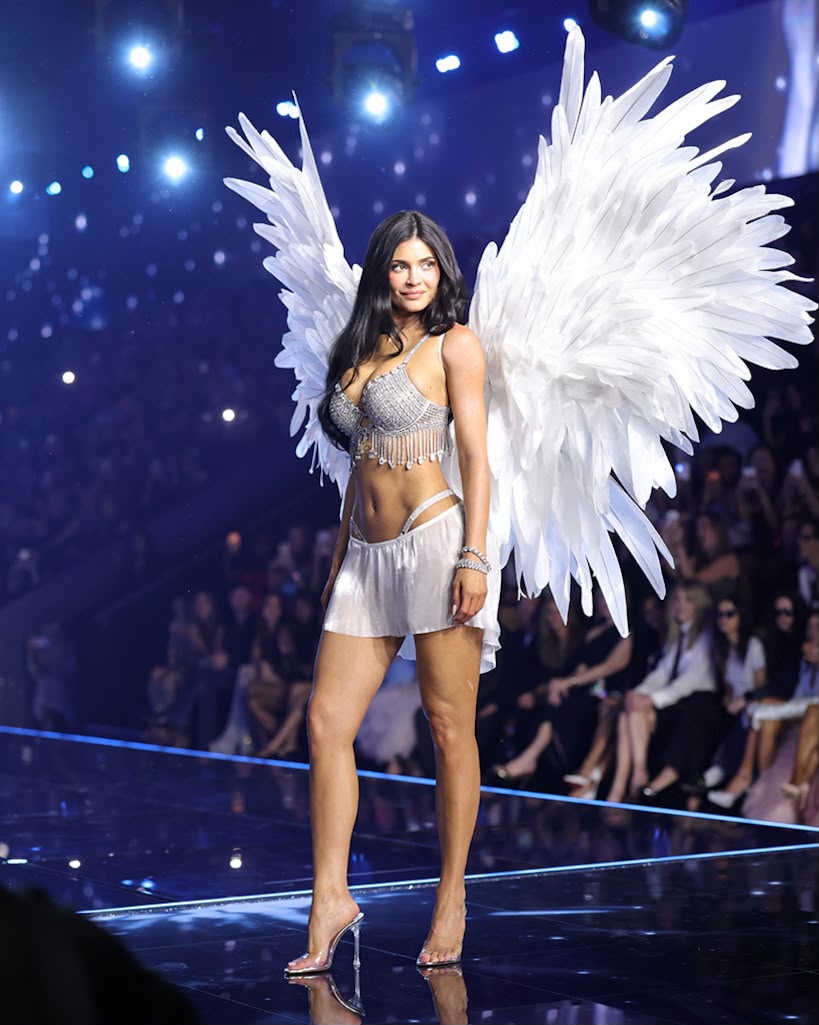
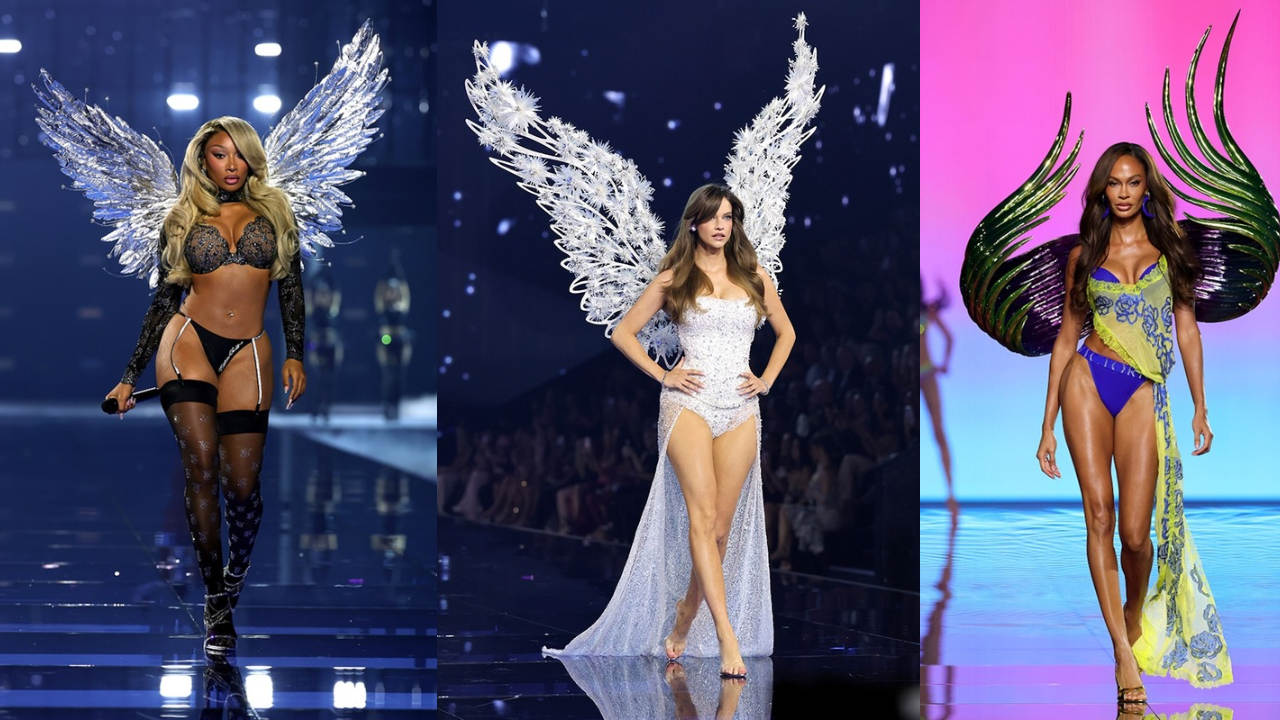
Kylie Jenner made her Victoria’s Secret runway debut in a $50 million dollar Fantasy Bra, set with 4,410 natural diamonds and a 75.54-carat yellow diamond at its centre. At the recent show in Los Angeles, Bella Hadid opened in neon green, wearing a floral balconette bra and bejewelled wings that branched out like a tree. Megan Thee Stallion performed, and Adriana Lima closed in a white fringed ensemble, marking her 21st Victoria’s Secret Fashion Show.
The Fantasy Bra had not appeared on the runway since 2018. After cancelling the show in 2019 amid falling television ratings and criticism over representation and workplace conduct, Victoria’s Secret has now staged it for three consecutive years. This year’s edition, Fandemonium, held at Sony Pictures Studios in Culver City, reflects the spectacle CEO Hillary Super has continued to build since taking charge in 2024. The question it raises is not whether Victoria’s Secret can produce a spectacle. It clearly can. The question is what the spectacle is building toward.
At its peak, the Victoria’s Secret Fashion Show was not simply a lingerie presentation. It was a television event watched by millions, a cultural moment that turned models into celebrities and made the Angel identity one of the most recognisable brand constructs in fashion. Heidi Klum, Adriana Lima, Gisele Bündchen and Tyra Banks were not just ambassadors. They were the visual grammar of an era: aspirational, highly specific and commercially extraordinary. The combination of runway spectacle, major musical performances and the mythology of the Angels turned the show into an event that extended well beyond product marketing. In 2019, Victoria’s Secret recorded $7.5 billion dollars in net sales, reflecting the scale of the business at the height of its commercial power. But the mythology had limits. Its vision of femininity centred on a narrow beauty ideal, built around slim bodies, conventional glamour and a particular version of sex appeal that left many women outside the picture.
The #MeToo era made those limits harder to ignore. The show’s overtly sexualised presentation, its narrow casting practices and documented criticism of the company over LGBTQ+ discrimination and workplace harassment contributed to a reputational crisis that a marketing adjustment alone could not resolve. The show was cancelled in 2019. What followed was an attempt to reposition the brand, including a new roster of ambassadors: Megan Rapinoe, Valentina Sampaio and, in 2022, Darren Barnet, announced as PINK’s first celebrity male brand ambassador. The 2023 Victoria’s Secret World Tour, which combined fashion with stories from women creatives across four cities, was another effort to reshape the brand’s relationship with its audience. Yet the repositioning did not restore the business to its earlier peak. Net sales stood at $7.5 billion in 2019 and $6.2 billion in 2023, though the decline cannot be attributed to the rebrand alone. The brand had expanded its public image, but the commercial results raised a harder question: could a new message change how customers felt about Victoria’s Secret, and would that feeling translate into sales?
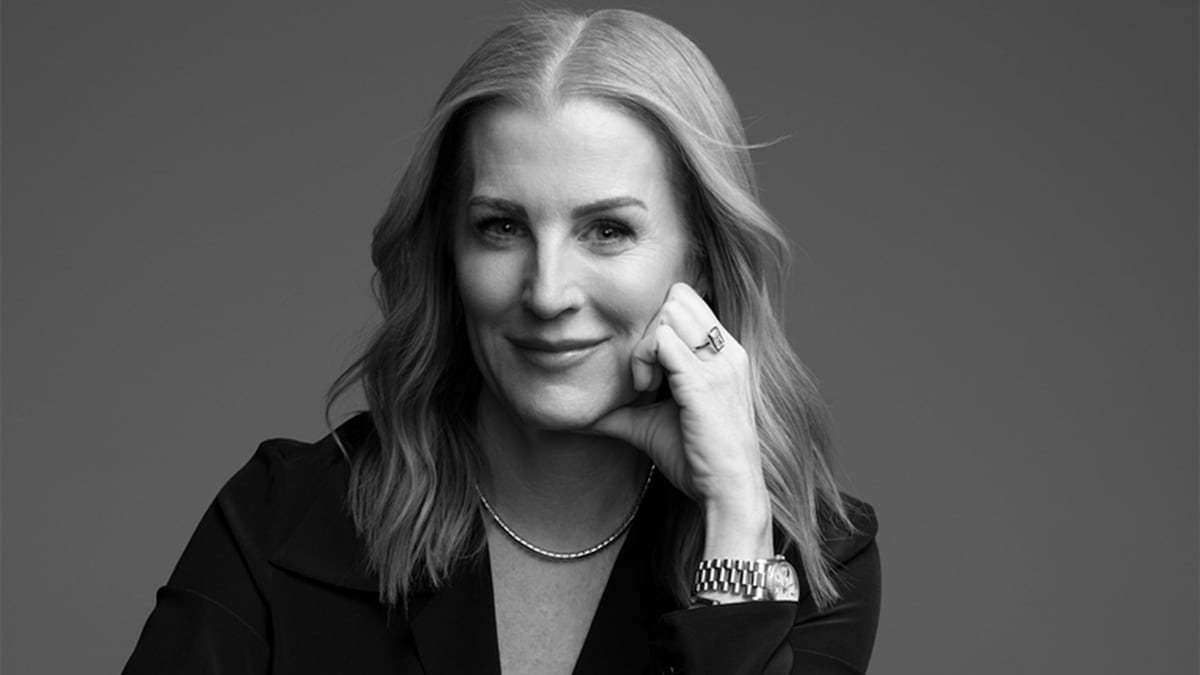
When Hillary Super took charge in September 2024, Victoria’s Secret was still struggling to recover its cultural relevance and commercial footing. Her Path to Potential strategy, introduced in 2025, focused on recommitting to PINK, strengthening the company’s authority in bras, growing its beauty business and changing how it presents its brands to consumers. Underpinning that strategy was a renewed emphasis on the identity that had once made Victoria’s Secret distinctive: sex appeal. The challenge was to reclaim that position while addressing the criticism that had damaged the brand’s relationship with its audience. “I see the brand growing globally and continuing to double down on being the sexiest brand in the world and the number one intimates brand globally, while making women feel celebrated and like the best versions of themselves,” Super told Glossy.
The Fantasy Bra’s return after eight years is the show’s most deliberate symbolic gesture. Last seen in 2018, the piece returned in 2026 on Kylie Jenner, whose runway debut signals a shift in who Victoria’s Secret believes can carry its identity. Previous wearers included Angels such as Tyra Banks, Heidi Klum, Adriana Lima and Gisele Bündchen. Jenner, with her independent beauty empire and celebrity influence, connects the brand’s legacy with contemporary pop culture. Whether this represents strategic renewal or a return to familiar glamour remains debatable.
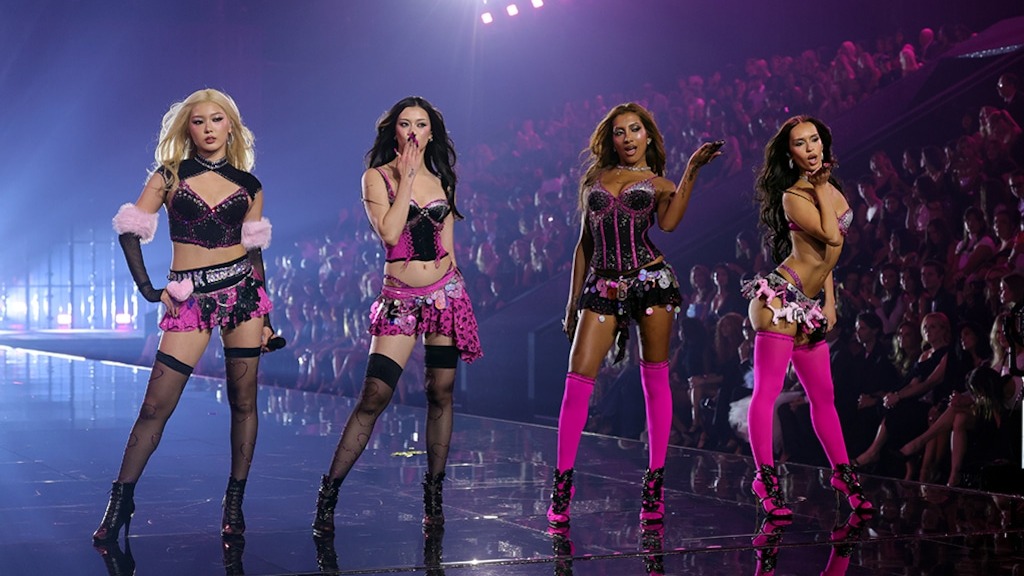
The 2026 runway featured Lima, Paloma Elsesser, Natalia Bryant, Barbara Palvin, Imaan Hammam, Anok Yai, Ashley Graham and Alex Consani, reflecting a broader range of bodies and identities. Megan Thee Stallion, Megan Moroney, Tate McRae and KATSEYE performed, marking the second consecutive all-women musical lineup. The casting suggests an evolving understanding of femininity, although questions remain about whether Victoria’s Secret is redefining sexiness or simply extending its familiar aesthetic to a wider audience.
Commercially, Super’s strategy is gaining traction. Victoria’s Secret recorded $2.27 billion in fourth-quarter 2025 net sales, up nearly 8 percent year-over-year, with comparable sales growing 8 percent. The 2025 fashion show drove a 60 percent increase in website traffic on show day and helped attract over 15 percent more new customers, according to the company. PINK’s LoveShackFancy collaboration also attracted new and returning shoppers, while international sales strengthened. By September 2026, full-year sales guidance had risen to $7.10 billion–$7.18 billion dollars, reflecting growing confidence in the brand’s recovery.
Sustaining that momentum presents another challenge. Direct-channel sales grew 8.1% in the second quarter of 2026, indicating that online demand remains healthy. However, fashion shows and collaborations generate temporary surges in attention. Long-term recovery will depend on how effectively Victoria’s Secret converts that attention into consistent purchases and customer loyalty. Retail analyst Melissa Minkow has compared Victoria’s Secret’s potential comeback to those of Gap, J.Crew and Abercrombie. Yet Victoria’s Secret faces a more complicated reinvention, given the criticism surrounding its former beauty ideals and corporate culture. Its expanded runway representation suggests progress, but whether the brand’s understanding of sexiness has fundamentally evolved remains uncertain.
The 2026 show demonstrates Victoria’s Secret’s renewed confidence and growing commercial strength. With Jenner wearing the Fantasy Bra, a more diverse runway and Adriana Lima closing her 21st show, the brand is reclaiming the spectacle that once defined it. Still, its lasting success will depend on what that spectacle means to consumers beyond the runway. Bringing sexy back is one thing. Making it mean something durable is another.
Cover Credit: Frazer Harrison/Getty Images for Victoria's Secret