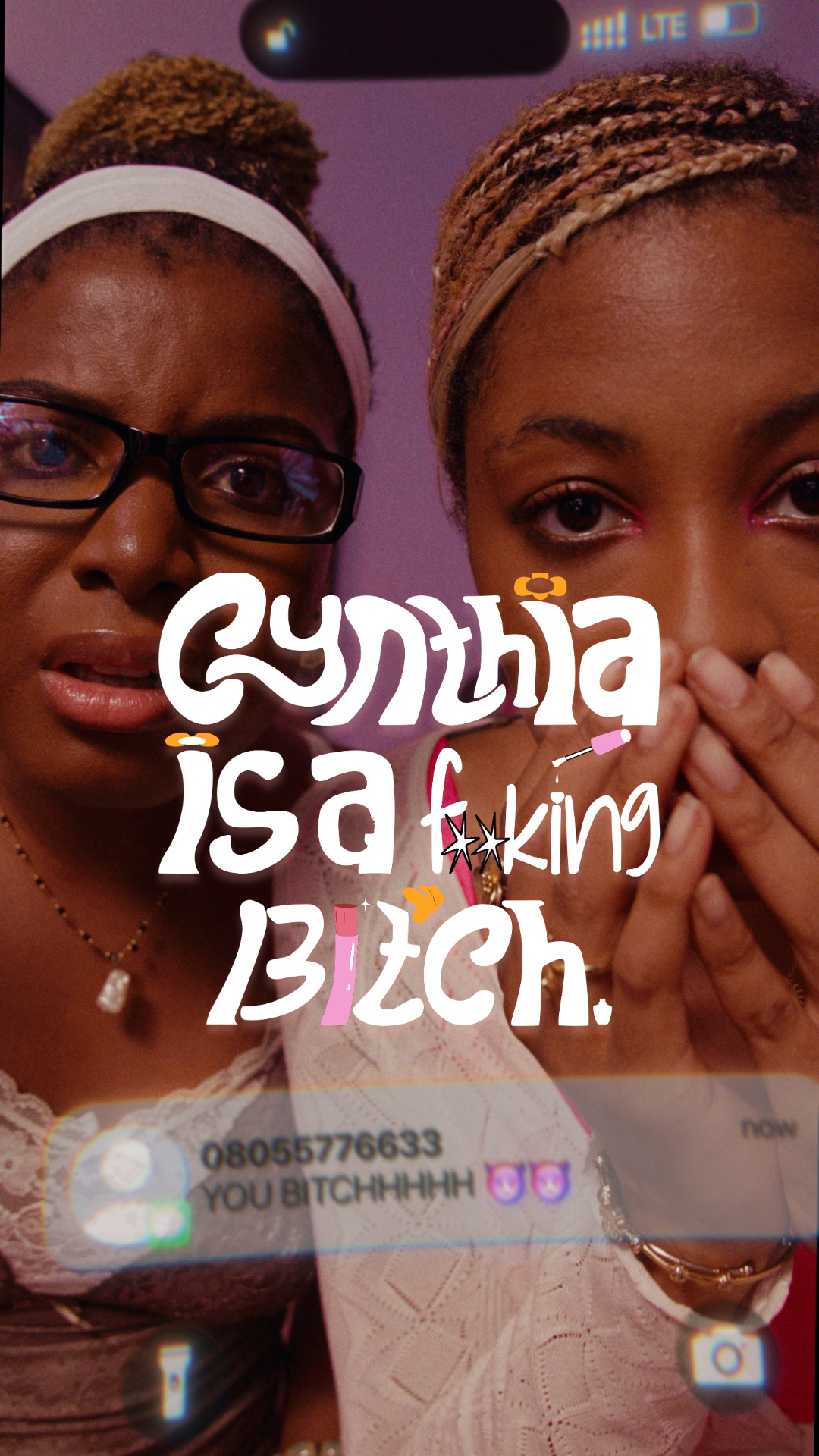
Codes and Hues: Inside The Alluring World of Cynthia Is a Fucking Bitch

Authored by

Friendship in your late teens and early twenties can be an experience of affection, loyalty, insecurity, competition and discovery, sometimes all at once. In Cynthia Is a Fucking Bitch, these contradictions unfold through the lives of a group of young women navigating their relationships with one another, their egos and the expectations that come with growing up. Set against the energy of Lagos nightlife and brought to life through playful visuals, vibrant colours and familiar cultural references, the series captures a particular kind of girlhood: messy, expressive and occasionally unforgiving.

For director Jenrola Chloé Lawore, the story is ultimately about the women and the dynamics between them. The romantic tension is one part of a much wider exploration of friendship, jealousy, insecurity and the ways young women negotiate their relationships with themselves and each other.

The visual language of the Nigerian vertical drama is eclectic. Lawore describes it as something she has been building for years, a personal aesthetic shaped by her love of bright colours, particularly pink and purple, and a distinctly girly sensibility. The bedroom scenes between the girls were filmed in her own room. Even the colourful closet of Hannah Montana came up as a possible influence, though not one she consciously set out to recreate. “It’s a language that I speak.” 

Lawore’ cinematic world is not limited to colour or production design. Working closely with cinematographer Granville Wilson, Lawore wanted the camera to match the girls’ energy. The opening movement, with Jemmy rushing toward Toni, is captured through handheld movement that makes the scene feel immediate and restless. The visual style becomes an extension of their personalities, carrying the excitement, impulsiveness, and emotional intensity of the story.
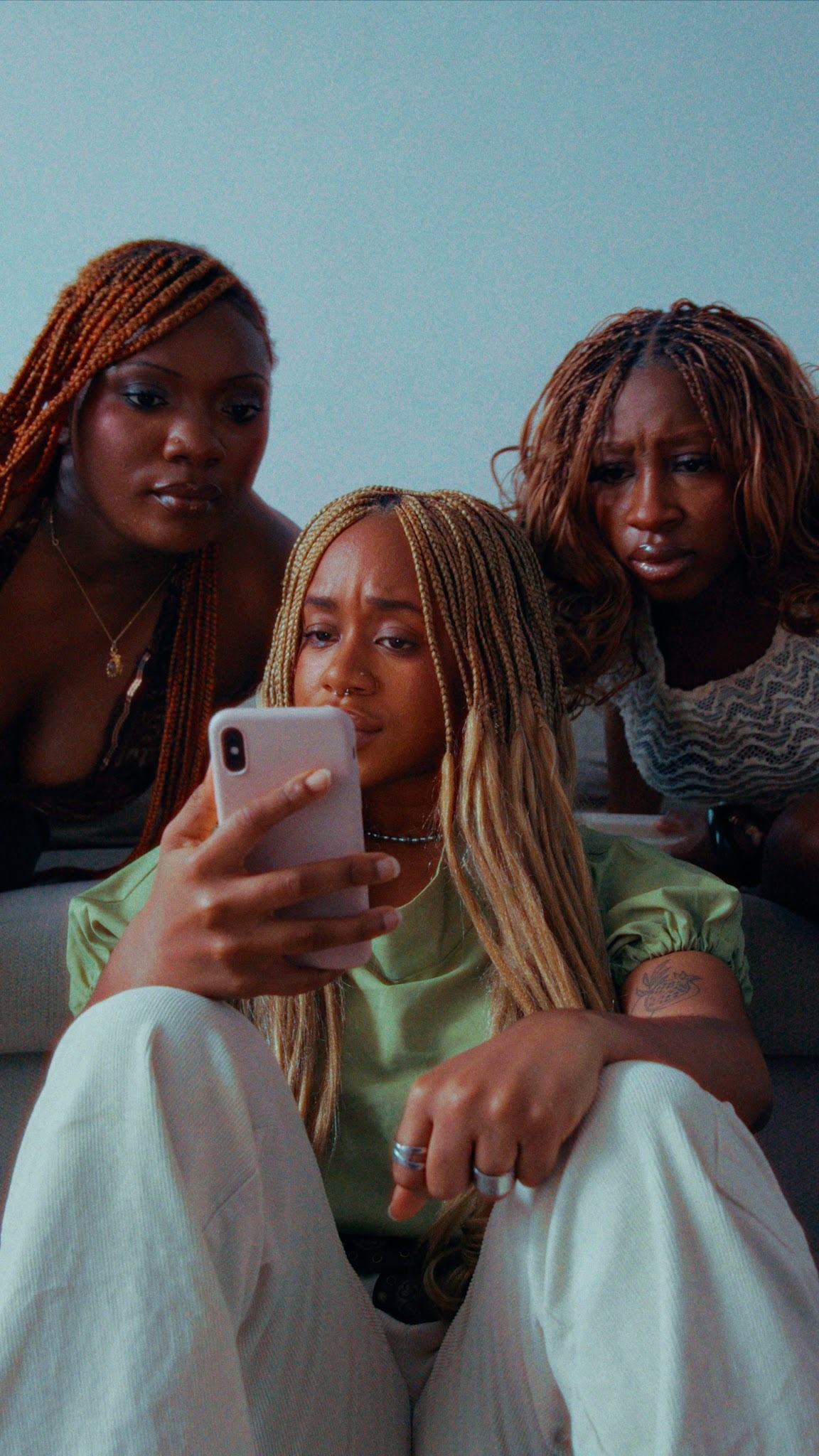
Credit: Cynthia Is A Fucking Bitch

Lawore says she had not seen another vertical drama that looked like the series they made. The narrow frame might have imposed limitations, but it also offered a chance to develop a visual identity of its own. The camera’s closeness and movement, the vivid spaces, and the girls’ expressive styling make the world feel intimate without making it small. It is a drama designed for a phone screen, but its aesthetic is not reduced to the demands of the format.

The specificity of that world comes from Lagos, a place Lawore has lived all her life, and she was interested in depicting the parts of it she knows: its love of parties, dance, and music, as well as the phrases and references that circulate among its young people. The show’s dialogue carries much of that familiarity. Local expressions and small cultural Easter eggs give viewers the feeling that the story was made with them in mind. Lawore was particularly pleased that references such as “trenches wags” caught on. 

That language also shapes how the girls are represented. Their world is feminine and girly, but it is not built around the idea that femininity must be soft or uncomplicated. Their friendships are as emotionally consequential as their romantic interests. Lawore points to the fallout between Toni and her friend as one of the story’s great heartbreaks. The conflict is about what happens when a friendship is damaged by the desire to be chosen.
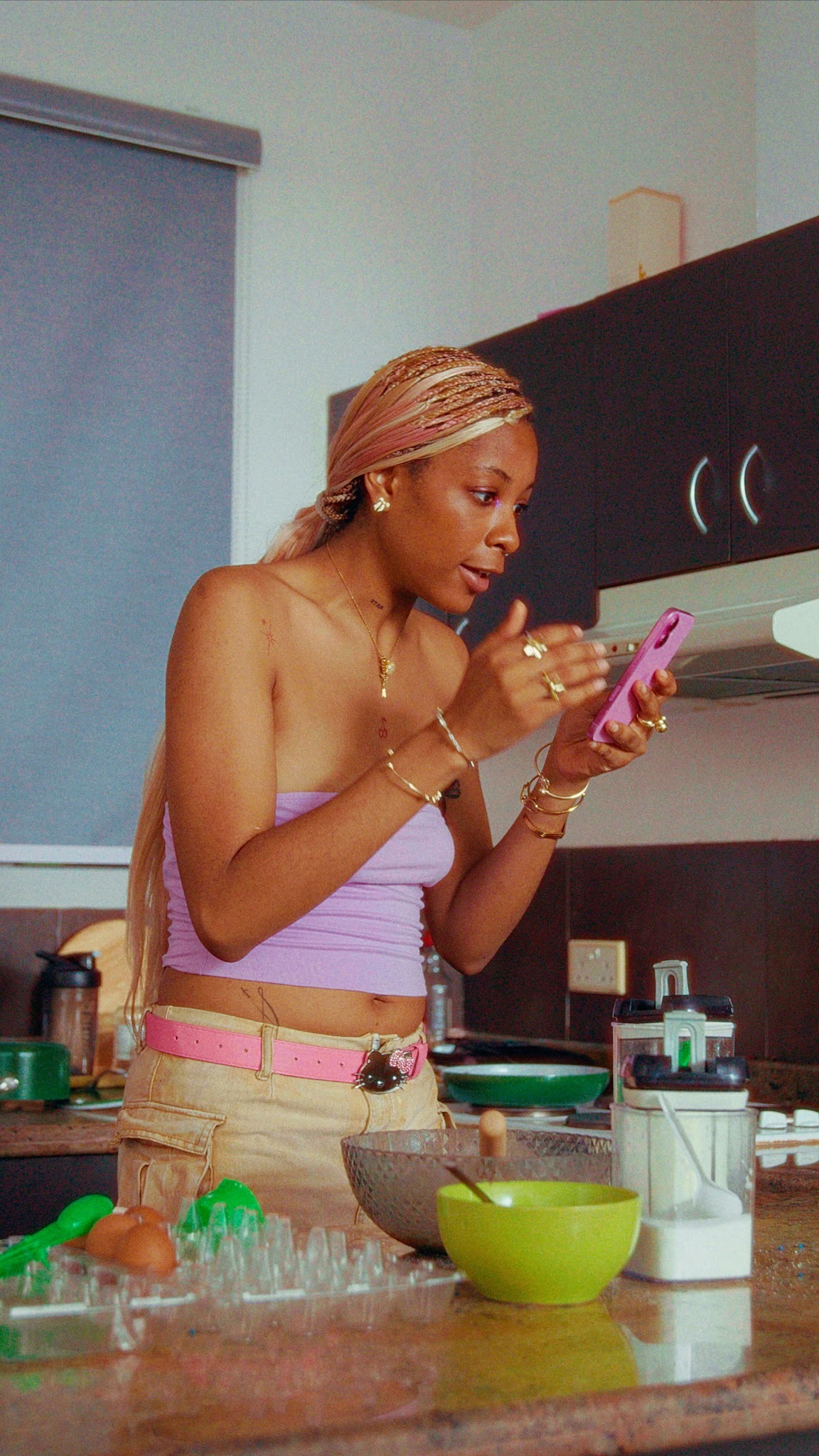
Credit: Cynthia Is A Fucking Bitch

Still, the plot’s premise invites a familiar reading: women fighting over a man. Lawore’s decision to keep Razak unseen and unheard pushes against that interpretation. His absence is a visual statement. The women are given faces, voices, relationships, and a world of their own; Razak remains an indistinct figure around whom their conflict gathers. Lawore acknowledges that the story uses a romantic rivalry because it feels plausible for the age group she is writing about. At 19 or 20, she says, jealousy over a romantic interest can be a very real experience. But the underlying conflict is about ego, self-worth, and the frustration of wanting something another person has.

In Cynthia Is a Fucking Bitch, aesthetics are not an accessory to the drama. The colour, camera movement, and intimate spaces help make the girls’ emotional world tangible. The title may point toward a rivalry, and the plot may begin with a man, but the series keeps returning to the women themselves. They are not simply characters in a fight. They are the ones giving the story its colour, its energy, and its meaning.

Cover Credit: Cynthia Is A Fucking Bitch

Codes and Hues: Inside The Alluring World of Cynthia Is a Fucking Bitch

Authored by
This is some text inside of a div block.

Friendship in your late teens and early twenties can be an experience of affection, loyalty, insecurity, competition and discovery, sometimes all at once. In Cynthia Is a Fucking Bitch, these contradictions unfold through the lives of a group of young women navigating their relationships with one another, their egos and the expectations that come with growing up. Set against the energy of Lagos nightlife and brought to life through playful visuals, vibrant colours and familiar cultural references, the series captures a particular kind of girlhood: messy, expressive and occasionally unforgiving.

For director Jenrola Chloé Lawore, the story is ultimately about the women and the dynamics between them. The romantic tension is one part of a much wider exploration of friendship, jealousy, insecurity and the ways young women negotiate their relationships with themselves and each other.

The visual language of the Nigerian vertical drama is eclectic. Lawore describes it as something she has been building for years, a personal aesthetic shaped by her love of bright colours, particularly pink and purple, and a distinctly girly sensibility. The bedroom scenes between the girls were filmed in her own room. Even the colourful closet of Hannah Montana came up as a possible influence, though not one she consciously set out to recreate. “It’s a language that I speak.” 

Lawore’ cinematic world is not limited to colour or production design. Working closely with cinematographer Granville Wilson, Lawore wanted the camera to match the girls’ energy. The opening movement, with Jemmy rushing toward Toni, is captured through handheld movement that makes the scene feel immediate and restless. The visual style becomes an extension of their personalities, carrying the excitement, impulsiveness, and emotional intensity of the story.

Credit: Cynthia Is A Fucking Bitch

Lawore says she had not seen another vertical drama that looked like the series they made. The narrow frame might have imposed limitations, but it also offered a chance to develop a visual identity of its own. The camera’s closeness and movement, the vivid spaces, and the girls’ expressive styling make the world feel intimate without making it small. It is a drama designed for a phone screen, but its aesthetic is not reduced to the demands of the format.

The specificity of that world comes from Lagos, a place Lawore has lived all her life, and she was interested in depicting the parts of it she knows: its love of parties, dance, and music, as well as the phrases and references that circulate among its young people. The show’s dialogue carries much of that familiarity. Local expressions and small cultural Easter eggs give viewers the feeling that the story was made with them in mind. Lawore was particularly pleased that references such as “trenches wags” caught on. 

That language also shapes how the girls are represented. Their world is feminine and girly, but it is not built around the idea that femininity must be soft or uncomplicated. Their friendships are as emotionally consequential as their romantic interests. Lawore points to the fallout between Toni and her friend as one of the story’s great heartbreaks. The conflict is about what happens when a friendship is damaged by the desire to be chosen.

Credit: Cynthia Is A Fucking Bitch

Still, the plot’s premise invites a familiar reading: women fighting over a man. Lawore’s decision to keep Razak unseen and unheard pushes against that interpretation. His absence is a visual statement. The women are given faces, voices, relationships, and a world of their own; Razak remains an indistinct figure around whom their conflict gathers. Lawore acknowledges that the story uses a romantic rivalry because it feels plausible for the age group she is writing about. At 19 or 20, she says, jealousy over a romantic interest can be a very real experience. But the underlying conflict is about ego, self-worth, and the frustration of wanting something another person has.

In Cynthia Is a Fucking Bitch, aesthetics are not an accessory to the drama. The colour, camera movement, and intimate spaces help make the girls’ emotional world tangible. The title may point toward a rivalry, and the plot may begin with a man, but the series keeps returning to the women themselves. They are not simply characters in a fight. They are the ones giving the story its colour, its energy, and its meaning.

Cover Credit: Cynthia Is A Fucking Bitch
This is some text inside of a div block.

Codes and Hues: Inside The Alluring World of Cynthia Is a Fucking Bitch

Authored by

Friendship in your late teens and early twenties can be an experience of affection, loyalty, insecurity, competition and discovery, sometimes all at once. In Cynthia Is a Fucking Bitch, these contradictions unfold through the lives of a group of young women navigating their relationships with one another, their egos and the expectations that come with growing up. Set against the energy of Lagos nightlife and brought to life through playful visuals, vibrant colours and familiar cultural references, the series captures a particular kind of girlhood: messy, expressive and occasionally unforgiving.

For director Jenrola Chloé Lawore, the story is ultimately about the women and the dynamics between them. The romantic tension is one part of a much wider exploration of friendship, jealousy, insecurity and the ways young women negotiate their relationships with themselves and each other.

The visual language of the Nigerian vertical drama is eclectic. Lawore describes it as something she has been building for years, a personal aesthetic shaped by her love of bright colours, particularly pink and purple, and a distinctly girly sensibility. The bedroom scenes between the girls were filmed in her own room. Even the colourful closet of Hannah Montana came up as a possible influence, though not one she consciously set out to recreate. “It’s a language that I speak.” 

Lawore’ cinematic world is not limited to colour or production design. Working closely with cinematographer Granville Wilson, Lawore wanted the camera to match the girls’ energy. The opening movement, with Jemmy rushing toward Toni, is captured through handheld movement that makes the scene feel immediate and restless. The visual style becomes an extension of their personalities, carrying the excitement, impulsiveness, and emotional intensity of the story.

Credit: Cynthia Is A Fucking Bitch

Lawore says she had not seen another vertical drama that looked like the series they made. The narrow frame might have imposed limitations, but it also offered a chance to develop a visual identity of its own. The camera’s closeness and movement, the vivid spaces, and the girls’ expressive styling make the world feel intimate without making it small. It is a drama designed for a phone screen, but its aesthetic is not reduced to the demands of the format.

The specificity of that world comes from Lagos, a place Lawore has lived all her life, and she was interested in depicting the parts of it she knows: its love of parties, dance, and music, as well as the phrases and references that circulate among its young people. The show’s dialogue carries much of that familiarity. Local expressions and small cultural Easter eggs give viewers the feeling that the story was made with them in mind. Lawore was particularly pleased that references such as “trenches wags” caught on. 

That language also shapes how the girls are represented. Their world is feminine and girly, but it is not built around the idea that femininity must be soft or uncomplicated. Their friendships are as emotionally consequential as their romantic interests. Lawore points to the fallout between Toni and her friend as one of the story’s great heartbreaks. The conflict is about what happens when a friendship is damaged by the desire to be chosen.

Credit: Cynthia Is A Fucking Bitch

Still, the plot’s premise invites a familiar reading: women fighting over a man. Lawore’s decision to keep Razak unseen and unheard pushes against that interpretation. His absence is a visual statement. The women are given faces, voices, relationships, and a world of their own; Razak remains an indistinct figure around whom their conflict gathers. Lawore acknowledges that the story uses a romantic rivalry because it feels plausible for the age group she is writing about. At 19 or 20, she says, jealousy over a romantic interest can be a very real experience. But the underlying conflict is about ego, self-worth, and the frustration of wanting something another person has.

In Cynthia Is a Fucking Bitch, aesthetics are not an accessory to the drama. The colour, camera movement, and intimate spaces help make the girls’ emotional world tangible. The title may point toward a rivalry, and the plot may begin with a man, but the series keeps returning to the women themselves. They are not simply characters in a fight. They are the ones giving the story its colour, its energy, and its meaning.

Cover Credit: Cynthia Is A Fucking Bitch

Other Stories
London
London
Lagos
London
Newyork
London
Shop
Join the community.
You are now subscribed to receive updates.
Oops! Something went wrong while submitting the form.
Subscribe