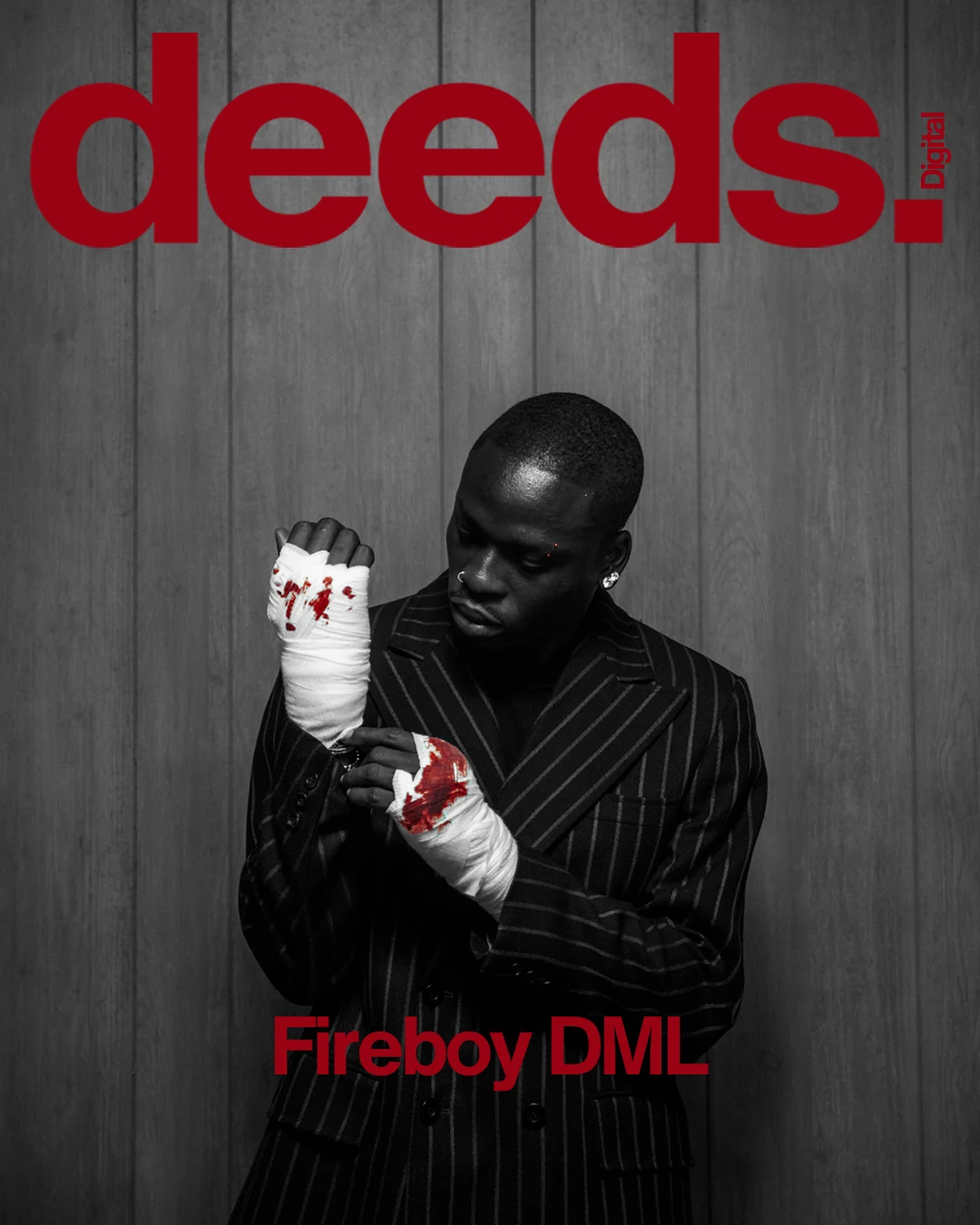
Fireboy DML is meeting each version of himself along the way

Authored by

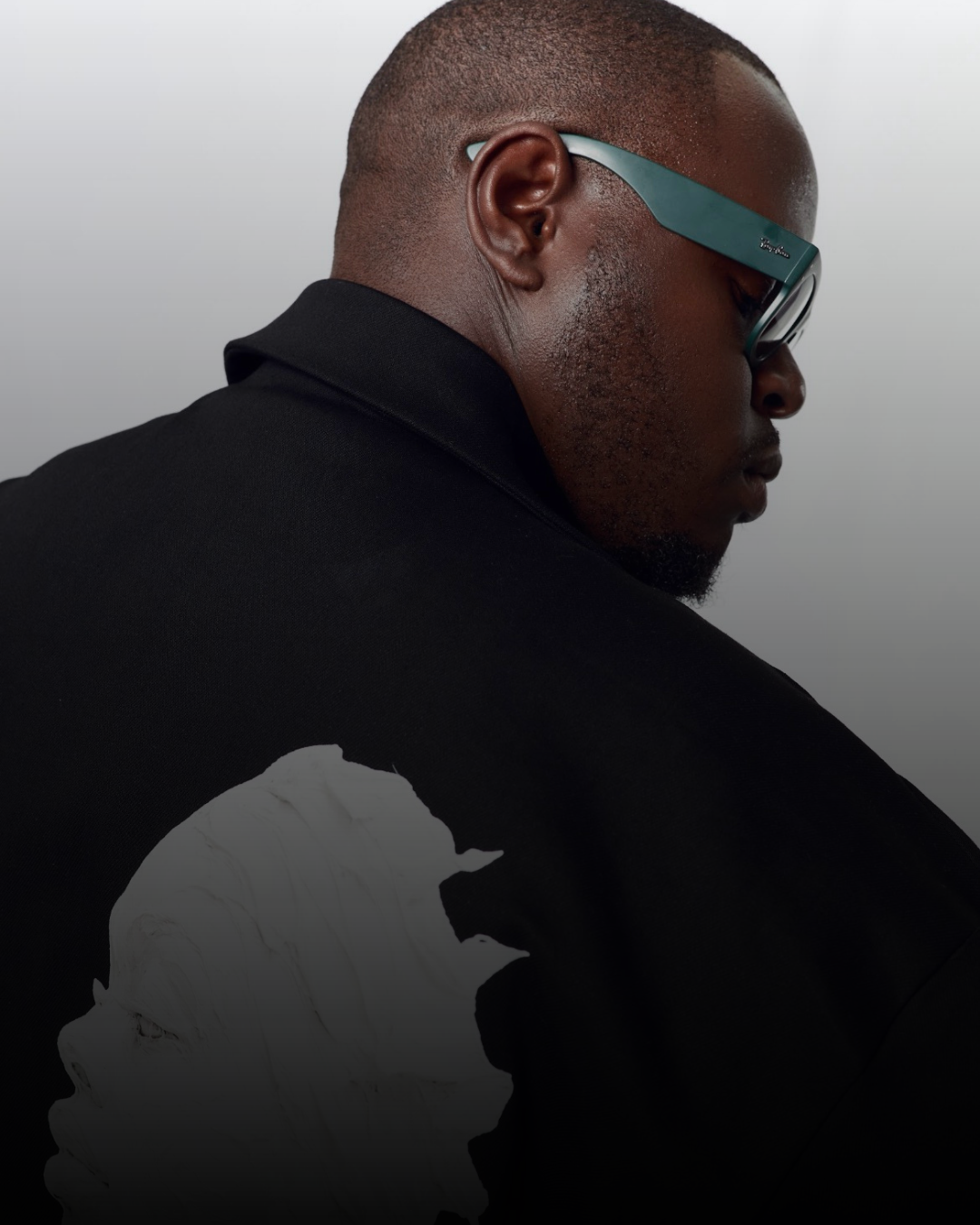
At 30, priorities have a way of shifting. Your perception of yourself can look vastly different, even as you feel more or less the same. Under the gaze of celebrity, that process comes with an audience, some of whom may still be attached to the person they first encountered. For Fireboy DML, discovering who he is continues through his music. His fifth studio album, ZUKO!, brings fans along for the latest part of that journey.

“I mean, it’s still the same me. It might just be a different experience,” he says.

He offers a distinction between love in poverty and love in wealth: different circumstances call for different expressions. Heartbreak, pain, and affection continue to enter his life, and he allows those experiences to shape what he makes. There is something reasonable about an artist’s music changing as the life behind it changes, even when listeners have their own ideas about what should stay familiar.
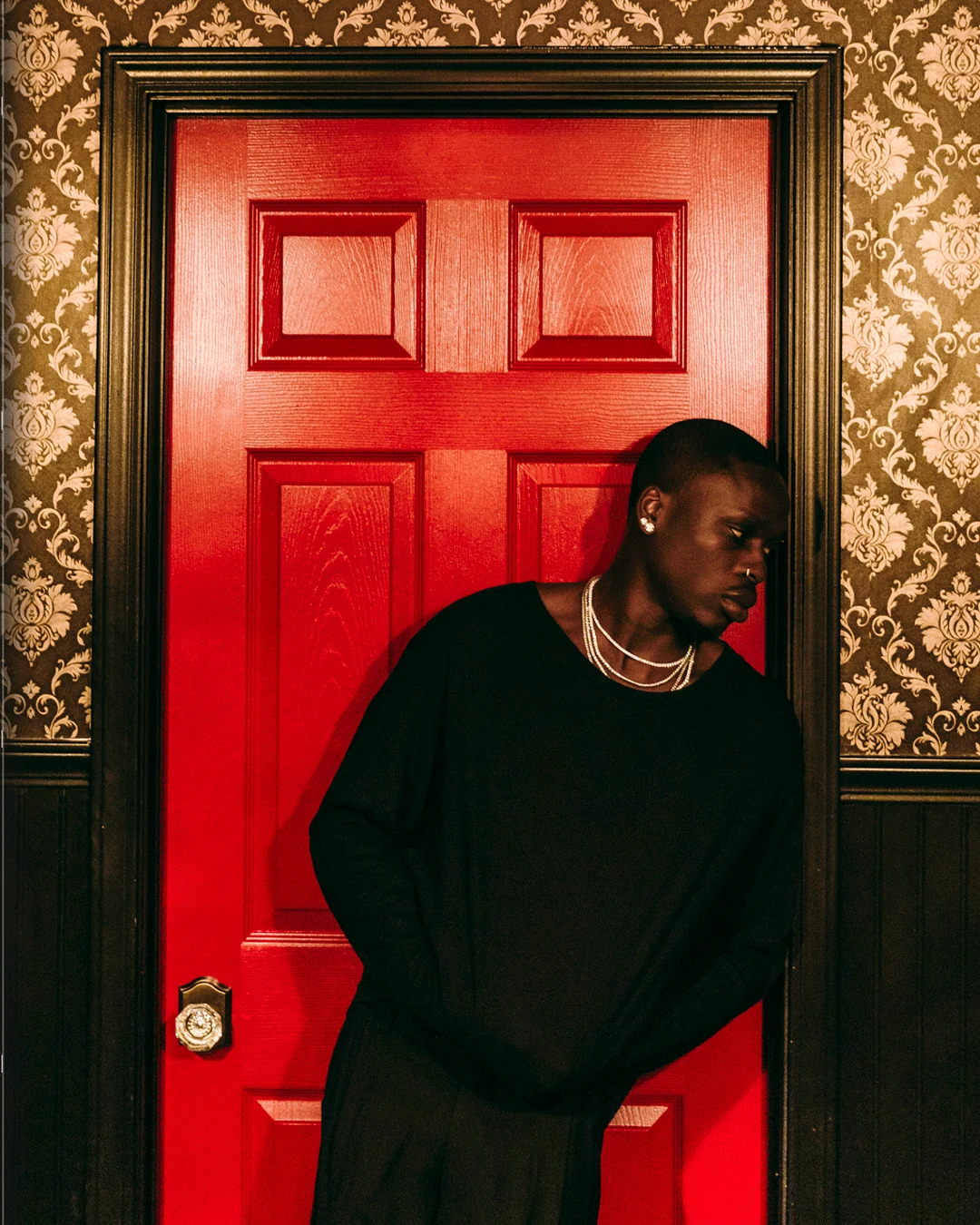
Born Adedamola Adefolahan, Fireboy was in his early twenties when “Jealous” began introducing him to a wider audience. The years since encompass the kind of change many people experience after leaving university: an initial sense of independence meeting experiences that challenge what you thought you knew. His version has unfolded through a public career, with records documenting parts of that development along the way.

“That’s a lot of growth, a lot of experiences and this person I am right now is extremely different,” he says. “And there’s no better way for me to show that than through my music.”

Some earlier ideas have become easier to put down. Afro-life, the term he once used to describe his sound, has lost its usefulness to him as a musical definition. He can still recognize something of himself in it without treating it as a rule for everything he makes next.

“Honestly to me, Afrolife doesn’t exist anymore. It was a childish, whimsical idea,” he says. “My music has expanded and advanced far beyond the ways that I thought it could.”

There is a familiar burden in asking Black artists, particularly African artists whose success brings international attention, to keep accounting for where their music belongs. An individual’s choices become part of a larger conversation about a country, a region, or a culture. That conversation can leave little room for the ordinary process of changing your mind. Fireboy’s earlier definition served a purpose. His current work is allowed to exceed it.
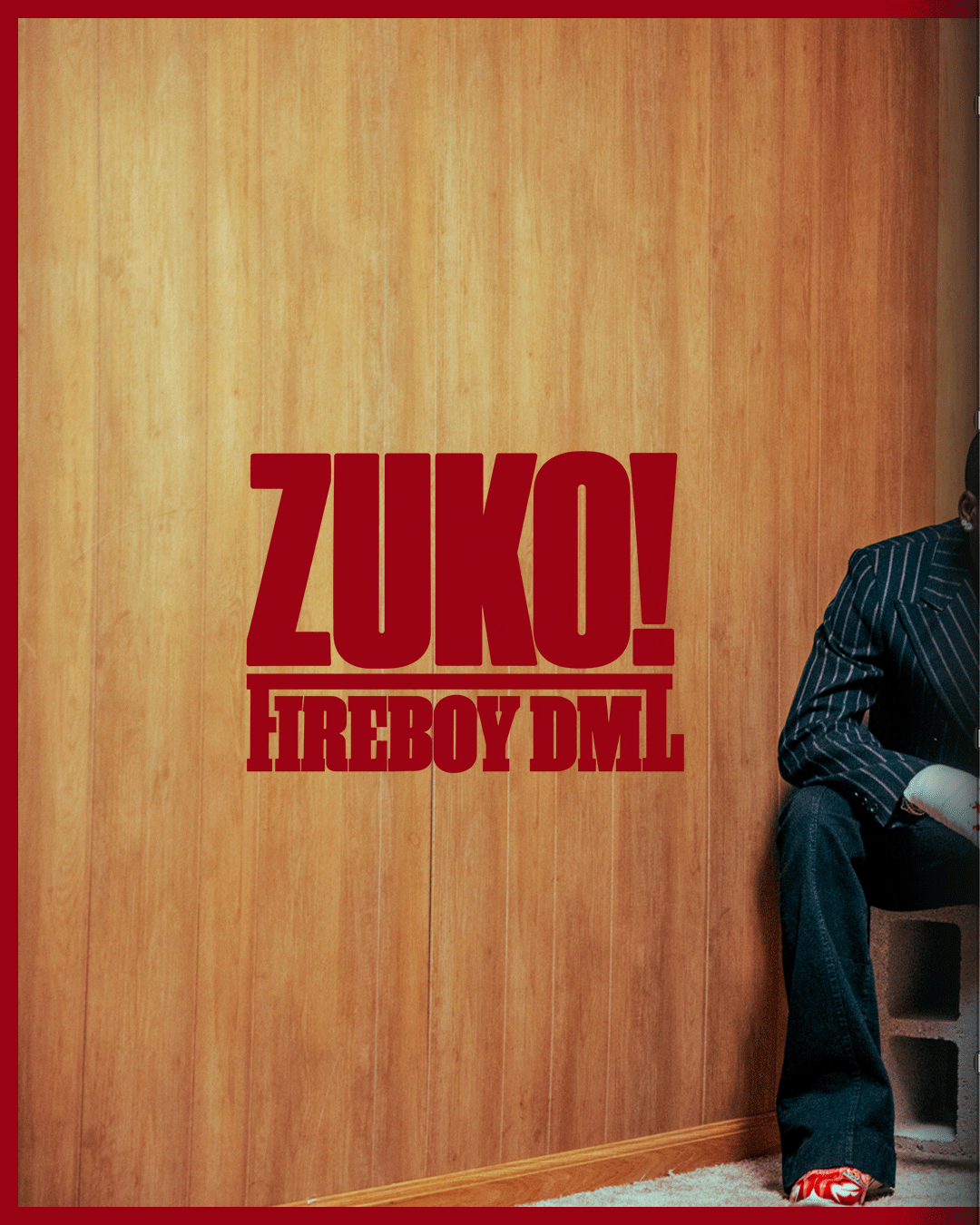
The collaborations on ZUKO! suggest the breadth of his interests: Masicka appears on “CLAAT!,” while JAZZWRLD and Thukuthela join him on “IMALI.” Asked how he describes his music now, his answer is straightforward: “I just make music.”

His understanding of the work behind those words has developed, too. A question about the harmonies he builds around his vocals leads him to a distinction between ability and craft.

“There’s a difference between having the talent of knowing how to sing and knowing how to make music,” he says.

Over the years, he has developed a sense of what a song needs. The answer may change with the creative process, and knowing how to use his voice involves listening as much as singing. He also acknowledges the commercial context in which he works, making music intended to connect with other people.

“It’s an art in itself where you have to shed your ego, shed whatever you think you know, and focus on listenable music,” he says.

That willingness to reconsider runs through his account of making records. He describes a practice that requires him to respond to the song in front of him, drawing on what he has learned while remaining open to what the process might ask of him. Growth shows up in those decisions as much as it does in the experiences he writes about.
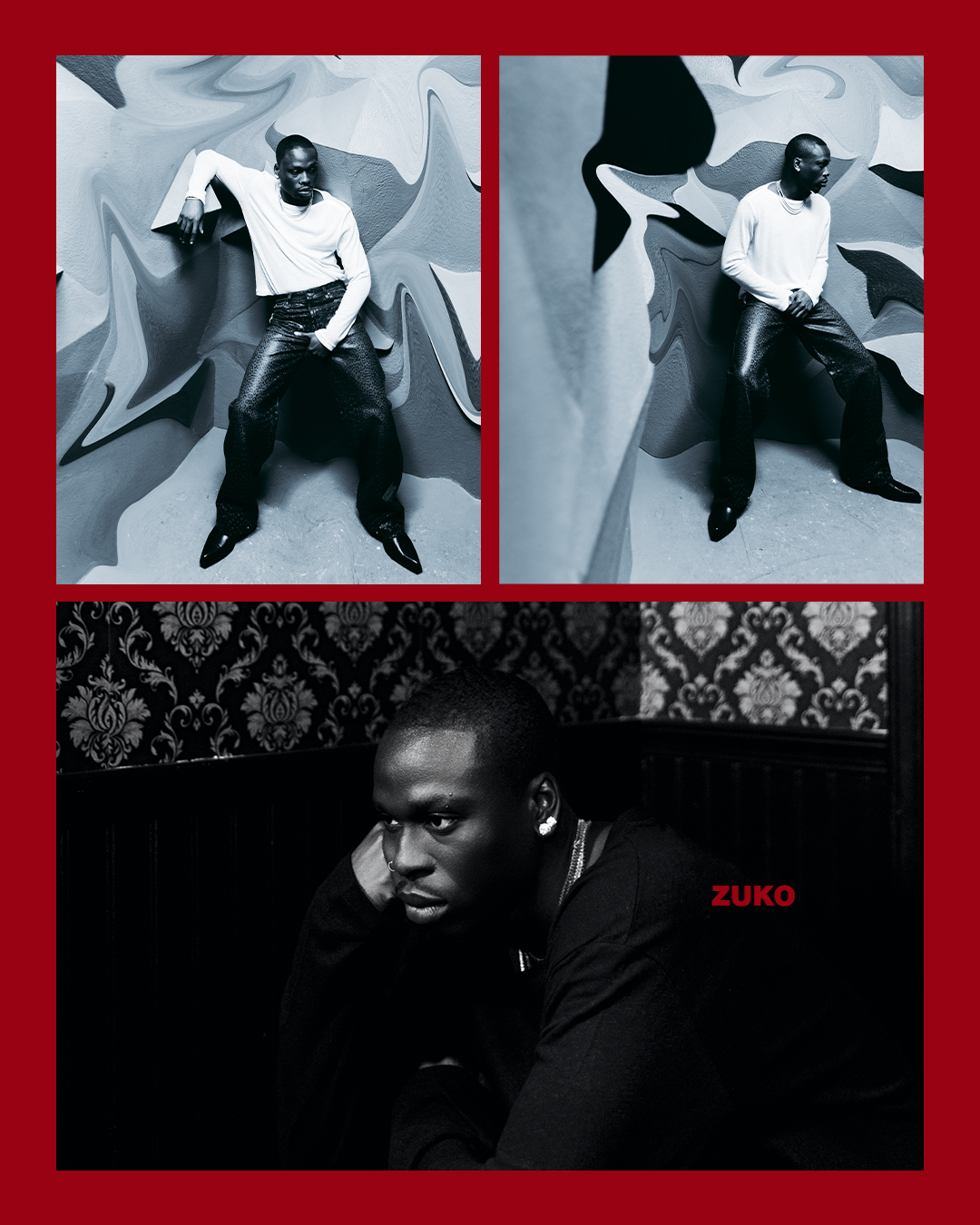
It also involves recognizing what someone else can contribute. Speaking about working with Masicka, he describes the collaboration as bringing an element he could not have supplied himself. His task is to bring his own contribution and give the exchange room to work.

“It takes a village. You can’t do it on your own.”

The same approach extends to the worlds around the music. A song can begin suggesting its video or its life onstage while he is still making it. Those early images eventually become work shared with a wider team, including management and creative collaborators.

“It usually starts with me and where I’m at at the moment, creatively, even as a human being, because everything all connects together,” he says.

That connection between his life and his work helps explain his attachment to albums. The format gives him room to express different experiences together, arranging songs so that their relationship becomes part of the story.

“I think an album is basically a story of a life lived or an experience lived,” he says. “The art of it is about arranging it so it all makes sense.”

ZUKO! offers another point from which to consider the person making it. The younger Fireboy remains part of that history, alongside the lessons and experiences that followed. As the records accumulate, so do the versions of himself he has been able to express. He is still meeting the next one.

Fireboy DML is meeting each version of himself along the way

Authored by
This is some text inside of a div block.

At 30, priorities have a way of shifting. Your perception of yourself can look vastly different, even as you feel more or less the same. Under the gaze of celebrity, that process comes with an audience, some of whom may still be attached to the person they first encountered. For Fireboy DML, discovering who he is continues through his music. His fifth studio album, ZUKO!, brings fans along for the latest part of that journey.

“I mean, it’s still the same me. It might just be a different experience,” he says.

He offers a distinction between love in poverty and love in wealth: different circumstances call for different expressions. Heartbreak, pain, and affection continue to enter his life, and he allows those experiences to shape what he makes. There is something reasonable about an artist’s music changing as the life behind it changes, even when listeners have their own ideas about what should stay familiar.

Born Adedamola Adefolahan, Fireboy was in his early twenties when “Jealous” began introducing him to a wider audience. The years since encompass the kind of change many people experience after leaving university: an initial sense of independence meeting experiences that challenge what you thought you knew. His version has unfolded through a public career, with records documenting parts of that development along the way.

“That’s a lot of growth, a lot of experiences and this person I am right now is extremely different,” he says. “And there’s no better way for me to show that than through my music.”

Some earlier ideas have become easier to put down. Afro-life, the term he once used to describe his sound, has lost its usefulness to him as a musical definition. He can still recognize something of himself in it without treating it as a rule for everything he makes next.

“Honestly to me, Afrolife doesn’t exist anymore. It was a childish, whimsical idea,” he says. “My music has expanded and advanced far beyond the ways that I thought it could.”

There is a familiar burden in asking Black artists, particularly African artists whose success brings international attention, to keep accounting for where their music belongs. An individual’s choices become part of a larger conversation about a country, a region, or a culture. That conversation can leave little room for the ordinary process of changing your mind. Fireboy’s earlier definition served a purpose. His current work is allowed to exceed it.

The collaborations on ZUKO! suggest the breadth of his interests: Masicka appears on “CLAAT!,” while JAZZWRLD and Thukuthela join him on “IMALI.” Asked how he describes his music now, his answer is straightforward: “I just make music.”

His understanding of the work behind those words has developed, too. A question about the harmonies he builds around his vocals leads him to a distinction between ability and craft.

“There’s a difference between having the talent of knowing how to sing and knowing how to make music,” he says.

Over the years, he has developed a sense of what a song needs. The answer may change with the creative process, and knowing how to use his voice involves listening as much as singing. He also acknowledges the commercial context in which he works, making music intended to connect with other people.

“It’s an art in itself where you have to shed your ego, shed whatever you think you know, and focus on listenable music,” he says.

That willingness to reconsider runs through his account of making records. He describes a practice that requires him to respond to the song in front of him, drawing on what he has learned while remaining open to what the process might ask of him. Growth shows up in those decisions as much as it does in the experiences he writes about.

It also involves recognizing what someone else can contribute. Speaking about working with Masicka, he describes the collaboration as bringing an element he could not have supplied himself. His task is to bring his own contribution and give the exchange room to work.

“It takes a village. You can’t do it on your own.”

The same approach extends to the worlds around the music. A song can begin suggesting its video or its life onstage while he is still making it. Those early images eventually become work shared with a wider team, including management and creative collaborators.

“It usually starts with me and where I’m at at the moment, creatively, even as a human being, because everything all connects together,” he says.

That connection between his life and his work helps explain his attachment to albums. The format gives him room to express different experiences together, arranging songs so that their relationship becomes part of the story.

“I think an album is basically a story of a life lived or an experience lived,” he says. “The art of it is about arranging it so it all makes sense.”

ZUKO! offers another point from which to consider the person making it. The younger Fireboy remains part of that history, alongside the lessons and experiences that followed. As the records accumulate, so do the versions of himself he has been able to express. He is still meeting the next one.

This is some text inside of a div block.

Fireboy DML is meeting each version of himself along the way

Authored by

At 30, priorities have a way of shifting. Your perception of yourself can look vastly different, even as you feel more or less the same. Under the gaze of celebrity, that process comes with an audience, some of whom may still be attached to the person they first encountered. For Fireboy DML, discovering who he is continues through his music. His fifth studio album, ZUKO!, brings fans along for the latest part of that journey.

“I mean, it’s still the same me. It might just be a different experience,” he says.

He offers a distinction between love in poverty and love in wealth: different circumstances call for different expressions. Heartbreak, pain, and affection continue to enter his life, and he allows those experiences to shape what he makes. There is something reasonable about an artist’s music changing as the life behind it changes, even when listeners have their own ideas about what should stay familiar.

Born Adedamola Adefolahan, Fireboy was in his early twenties when “Jealous” began introducing him to a wider audience. The years since encompass the kind of change many people experience after leaving university: an initial sense of independence meeting experiences that challenge what you thought you knew. His version has unfolded through a public career, with records documenting parts of that development along the way.

“That’s a lot of growth, a lot of experiences and this person I am right now is extremely different,” he says. “And there’s no better way for me to show that than through my music.”

Some earlier ideas have become easier to put down. Afro-life, the term he once used to describe his sound, has lost its usefulness to him as a musical definition. He can still recognize something of himself in it without treating it as a rule for everything he makes next.

“Honestly to me, Afrolife doesn’t exist anymore. It was a childish, whimsical idea,” he says. “My music has expanded and advanced far beyond the ways that I thought it could.”

There is a familiar burden in asking Black artists, particularly African artists whose success brings international attention, to keep accounting for where their music belongs. An individual’s choices become part of a larger conversation about a country, a region, or a culture. That conversation can leave little room for the ordinary process of changing your mind. Fireboy’s earlier definition served a purpose. His current work is allowed to exceed it.

The collaborations on ZUKO! suggest the breadth of his interests: Masicka appears on “CLAAT!,” while JAZZWRLD and Thukuthela join him on “IMALI.” Asked how he describes his music now, his answer is straightforward: “I just make music.”

His understanding of the work behind those words has developed, too. A question about the harmonies he builds around his vocals leads him to a distinction between ability and craft.

“There’s a difference between having the talent of knowing how to sing and knowing how to make music,” he says.

Over the years, he has developed a sense of what a song needs. The answer may change with the creative process, and knowing how to use his voice involves listening as much as singing. He also acknowledges the commercial context in which he works, making music intended to connect with other people.

“It’s an art in itself where you have to shed your ego, shed whatever you think you know, and focus on listenable music,” he says.

That willingness to reconsider runs through his account of making records. He describes a practice that requires him to respond to the song in front of him, drawing on what he has learned while remaining open to what the process might ask of him. Growth shows up in those decisions as much as it does in the experiences he writes about.

It also involves recognizing what someone else can contribute. Speaking about working with Masicka, he describes the collaboration as bringing an element he could not have supplied himself. His task is to bring his own contribution and give the exchange room to work.

“It takes a village. You can’t do it on your own.”

The same approach extends to the worlds around the music. A song can begin suggesting its video or its life onstage while he is still making it. Those early images eventually become work shared with a wider team, including management and creative collaborators.

“It usually starts with me and where I’m at at the moment, creatively, even as a human being, because everything all connects together,” he says.

That connection between his life and his work helps explain his attachment to albums. The format gives him room to express different experiences together, arranging songs so that their relationship becomes part of the story.

“I think an album is basically a story of a life lived or an experience lived,” he says. “The art of it is about arranging it so it all makes sense.”

ZUKO! offers another point from which to consider the person making it. The younger Fireboy remains part of that history, alongside the lessons and experiences that followed. As the records accumulate, so do the versions of himself he has been able to express. He is still meeting the next one.

Other Stories
London
London
Lagos
London
Newyork
London
Shop
Join the community.
You are now subscribed to receive updates.
Oops! Something went wrong while submitting the form.
Subscribe