.svg)

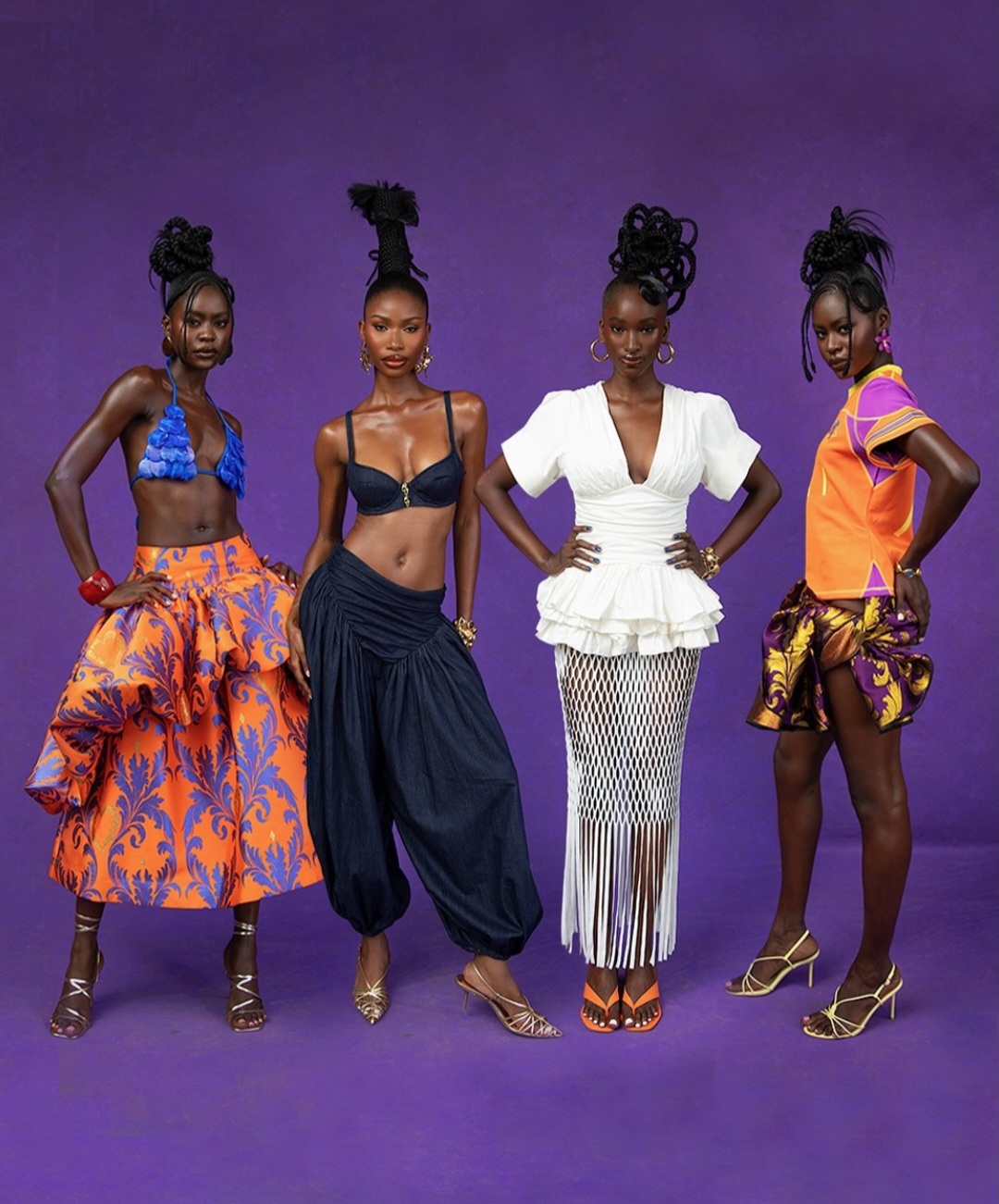
A Lagos return, a personal manifesto, and a collection that dresses women on their own terms
With the launch of ‘Never Getting Married,’ Fisayo Longe isn’t just introducing a new collection–she’s staging a return. Presented in Lagos at Alára Lagos, the latest drop from Kai Collective arrived as both a fashion statement and a cultural reset, reframing what it means for a globally recognized African brand to come back to where its story began. Beyond the clothes, the moment reflects how African fashion brands are balancing global growth with cultural roots, proving that where a brand returns to can matter just as much as where it expands.
At first glance, ‘Never Getting Married’ reads as a provocation–playful, contradictory, and deliberately loaded. But its origins are deeply personal. The collection draws from Longe’s own wedding to creative director and photographer Afolabi Mosuro, a multi-day Lagos celebration that unfolded under the ironic hashtag #NeverGettingMarried. Rather than adhere to traditional bridal codes, the couple approached the occasion as a fully realized fashion narrative, where each look functioned less as a ceremony and more as a statement.
Neon lime silks replaced expected pastels; sculptural metallic corsetry stood in for delicate lace; rich brocades and bold prints disrupted the language of ivory and champagne. In one standout moment, Longe wore a structured gold breastplate paired with a maroon leopard-print skirt and traditional coral adornments, while Mosuro mirrored the energy in a velvet agbada. Elsewhere, a crimson and black brocade gown anchored by an exaggerated architectural bow rejected softness in favor of presence. Together, their wardrobe became less about marriage and more about authorship–a shared, deliberate exercise in dressing with conviction.
What emerged from that moment now lives on in the collection. ‘Never Getting Married’ is not about rejecting romance, but about rejecting the expectation that identity must soften within it. Instead, leaning into a kind of controlled excess where volume, texture and color collide without apology. Bubble skirts in heavy brocaded damask sit alongside sculptural peplum tops and fringe-layered suede pieces that move with intention. The palette is deliberately electric, pairing citrus tones with deeper indigos, while unexpected elements–like Kai-branded football jerseys–inject a sense of irony into the mix. Even its more relaxed offerings, from parachute trousers to denim jorts, hold their shape with a quiet defiance. It’s a wardrobe built on tension: ceremonial but wearable, structured yet kinetic, rooted in tradition but unmistakably contemporary.
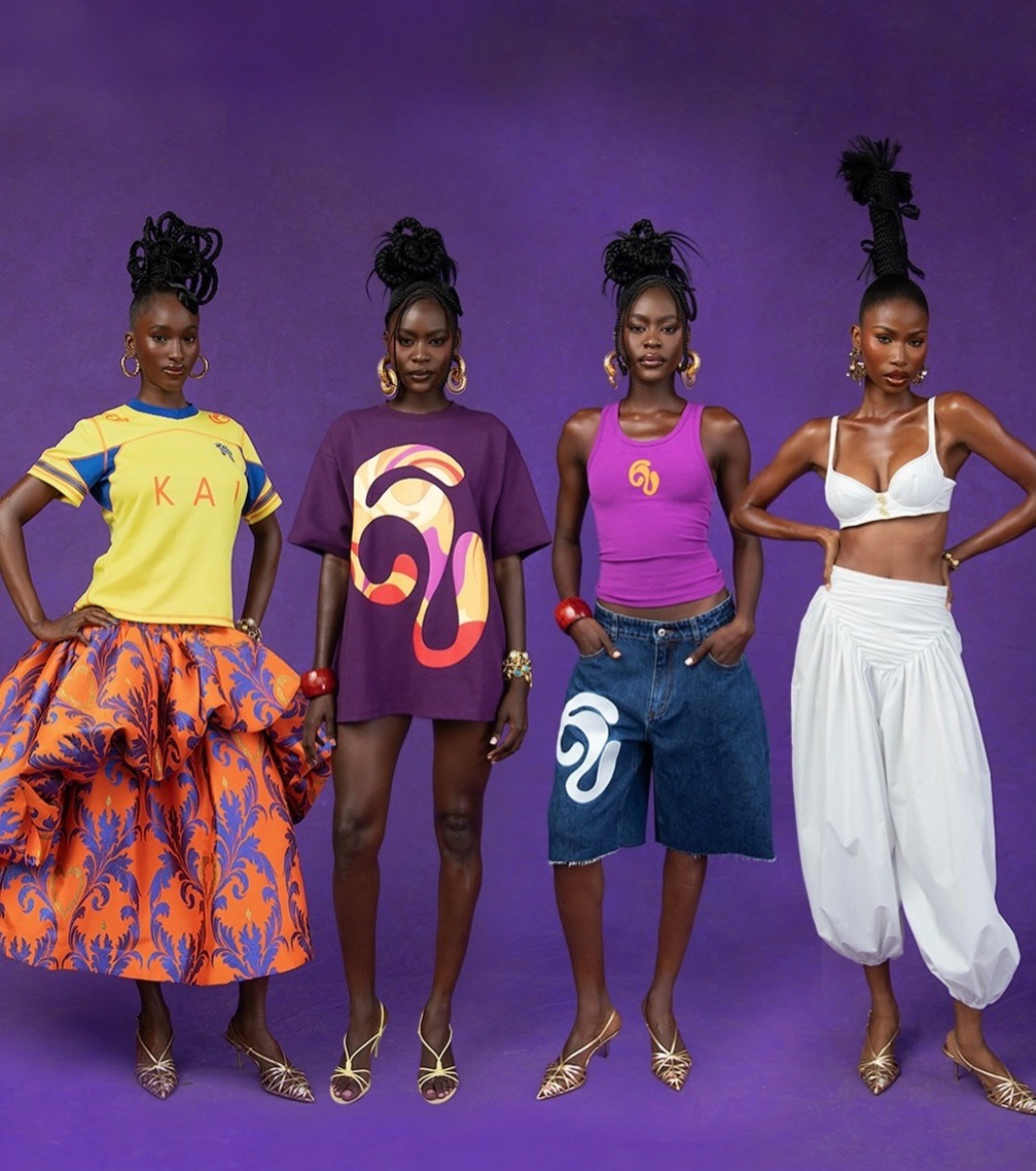
On its own terms, the brand describes the collection as “statement pieces for those who move on their own terms,” and more pointedly, for those “who don’t explain themselves to anybody, do what they want, and wear what they want.” It’s less a tagline than a thesis–one that connects the wedding, the collection, and the woman Kai Collective has always dressed.
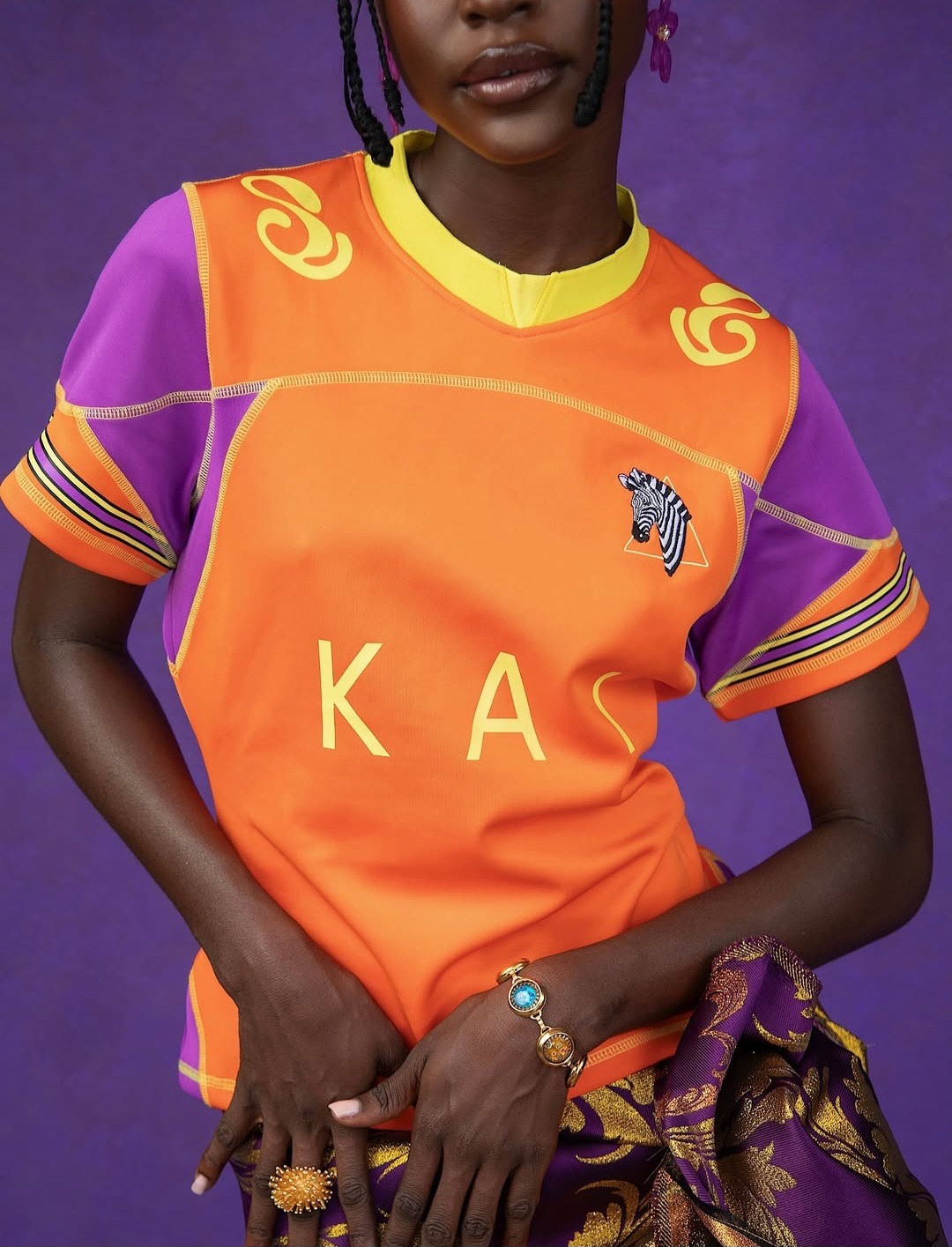
Kai Collective’s rise has been anything but accidental. Founded in 2016 by Longe, the brand began as what she once described as “a love letter to women,” rooted in the desire to create pieces that felt both expressive and affirming. Early traction came through social media, where its distinctive prints and body-conscious silhouettes resonated with a global audience looking for something that felt both familiar and new. Over time, it evolved into one of the most recognizable contemporary brands to emerge from the African diaspora–balancing digital virality with a clear, consistent design identity.
But if the collection is personal, its presentation at Alára Lagos transforms it from a standard launch into something more layered. Since its founding, Alára has positioned itself as a cultural and commercial force within African fashion–part concept store, part gallery, part statement of intent. It is a space that has consistently championed African designers while placing them in dialogue with global luxury, creating a context where local creativity is not peripheral, but central. For the brand which has spent years building a global presence, mastering the mechanics of digital-age fashion, community-building, visual consistency and cultural resonance, context is important. But growth at that scale inevitably raises questions about proximity and how far a brand can expand before it begins to drift from its origins.
Returning to Lagos, then, is not just symbolic–it is structural. It reconnects the brand to the cultural ecosystem that informed its sensibility while situating it within a city that continues to shape global fashion conversations. Lagos has long been a site of style production rather than passive consumption, where fashion lives in the everyday as much as it does on runways. Its influence is instinctive, constantly evolving, and increasingly visible on a global stage.
That idea of “coming home” carries particular weight for a designer like Longe, whose identity is shaped by diaspora experience. As a Nigerian-British creative, her work has always existed between worlds, drawing from traditional Nigerian dressing while engaging contemporary global aesthetics. That influence is not always literal, but it is embedded in the confidence of the silhouettes, the boldness of the color, and the understanding of clothing as both adornment and assertion.
In this way, Kai Collective’s homecoming becomes part of a broader shift within African fashion. For years, the narrative has centered on expansion–on entering Western markets and gaining international validation. While that remains important, there is a growing emphasis on strengthening local industries and redefining luxury from within the continent. Spaces like Alára Lagos are central to that shift, acting as both commercial platforms and cultural anchors.
Kai Collective sits comfortably within this evolution. It is a brand that understands how to operate globally while remaining culturally grounded, speaking to both African and diaspora audiences without dilution. Its appeal lies in its ability to create clothing that feels specific yet accessible. ‘Never Getting Married’ builds on this foundation, using personal narrative as a way to deepen its connection to its community.
At the center of it all, Longe remains herself, as both founder and creative director, maintaining a clarity of vision that anchors the brand through its growth. Ultimately, the collection is less about contradiction and more about control–about defining one’s narrative on one’s own terms.


.png)

