How Afro Plus Fest is Rewriting the Festival Playbook

Authored by

Right now, Afro Plus Fest is the hybrid, one-of-a-kind movement standing proud as the largest independent, Black-owned Afro-Caribbean and Hip-Hop festival in the United States. And the reason it’s thriving as such is simple: intentionality.

From giving deserving local talent a main-stage platform alongside global titans, to intentionally bridging African, West Indian, and African-American cultures under one roof, the festival exists to celebrate the roots. African culture serves as the original blueprint for modern pop music, and by bringing Afrobeats, Dancehall, Amapiano, and Hip-Hop together, it showcases versatility and a shared life experience.

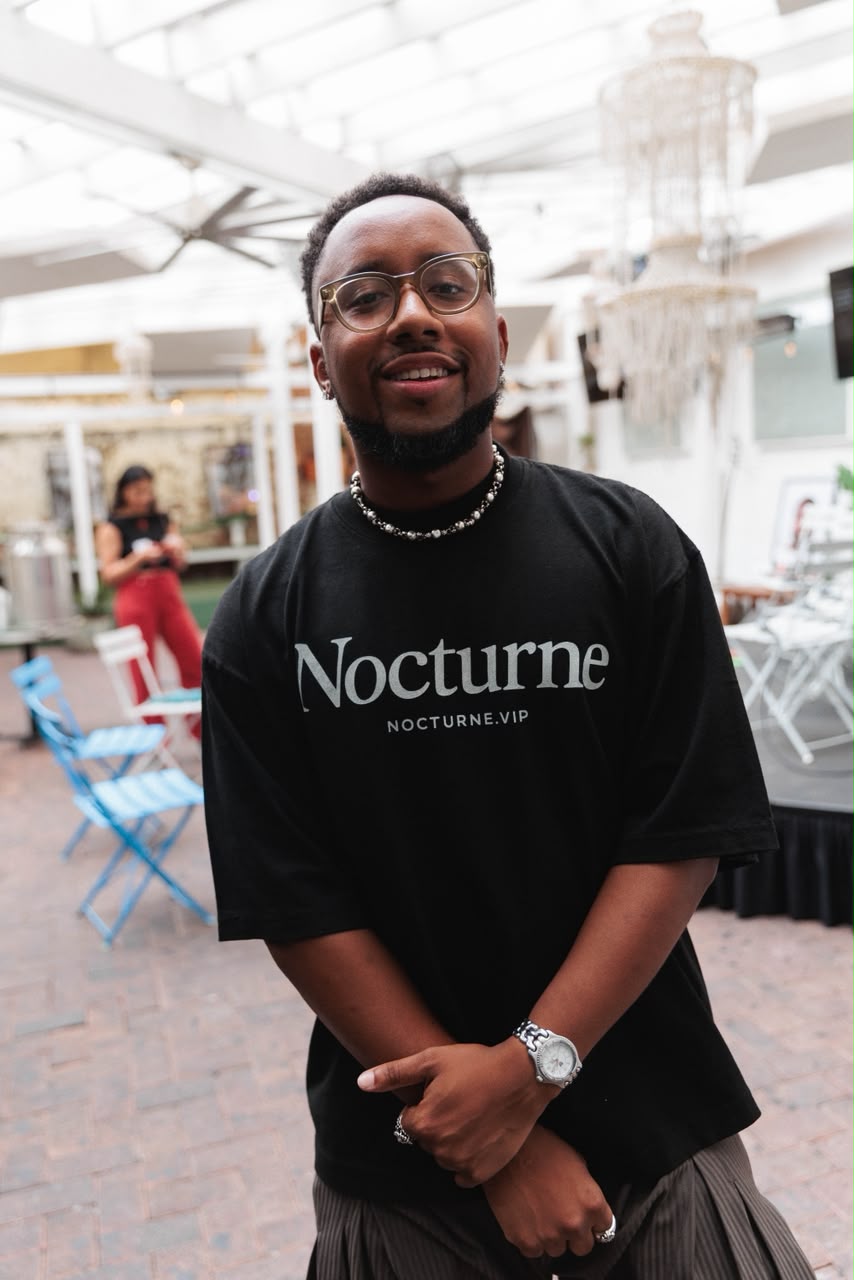
Founder Michael Awosanya (Photo Credit @APMWORLDMAG)

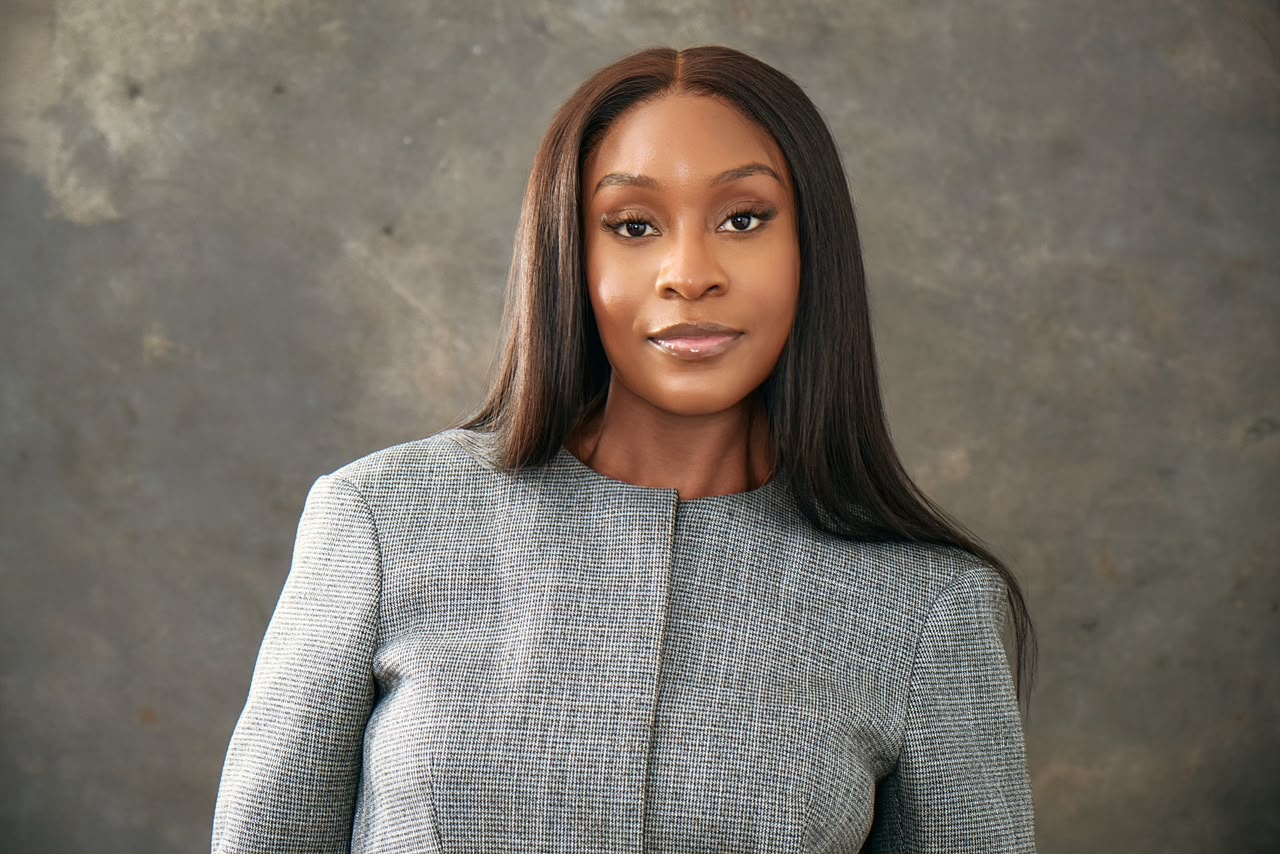
At the center of this movement is founder Michael “Legendary Mike” Awosanya, a Nigerian-American entrepreneur, Towson University alum, and Prince George’s County native, alongside his core team. That tight-knit group includes Derick leading production, Bri handling marketing, Grace heading festival operations, and his sister Bussy Awosanya directing partnerships. After eight years evolving from local DJ battles, dance competitions, and parties, the brand grew into Afro Plus Fest in 2025.

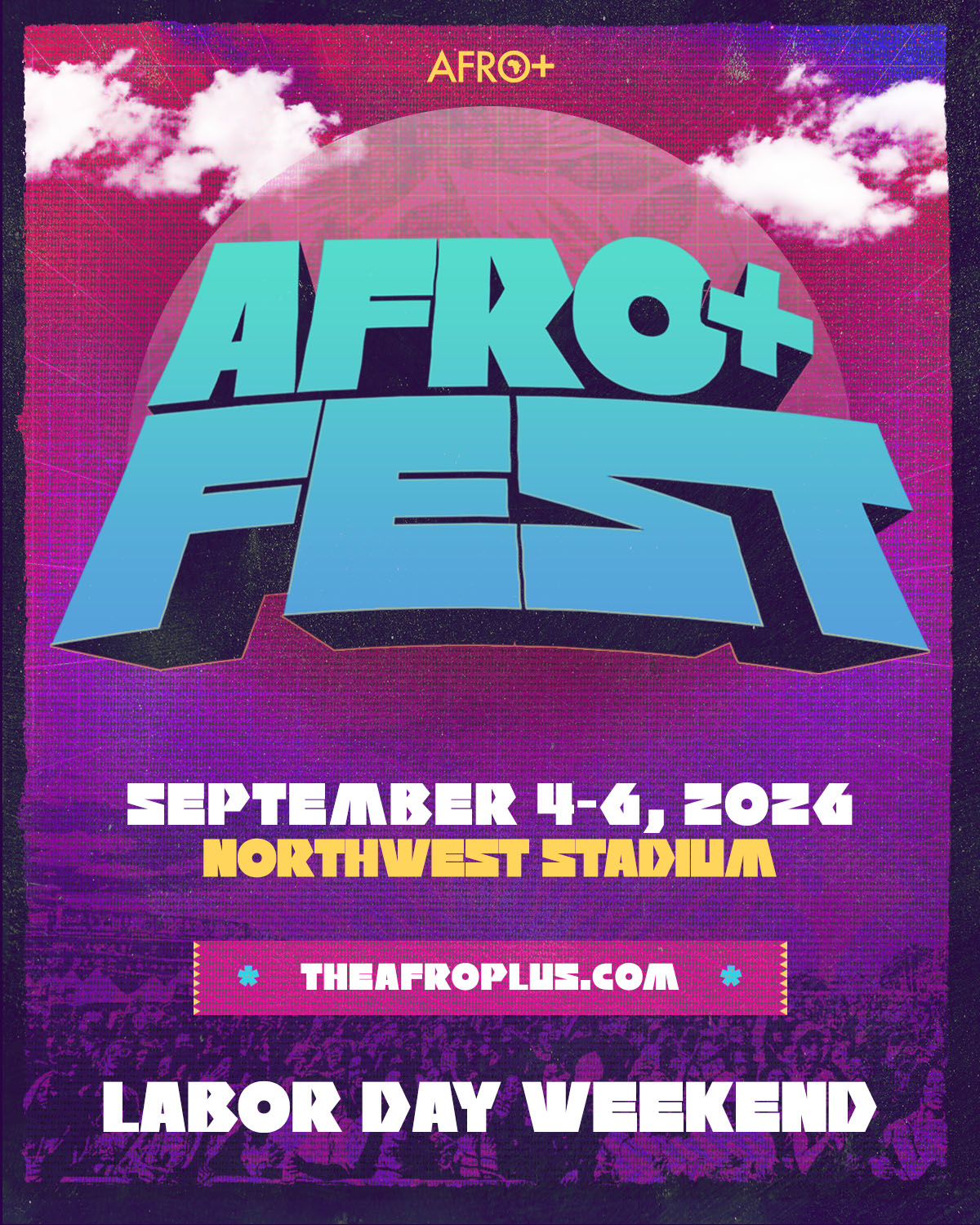
Now, the momentum is increasing. Expanding from a sold-out, single-day debut of 20,000 attendees at the RFK Festival Grounds, the festival expects to welcome a projected 120,000 guests across a sophomore three-day weekend in next month’s Labor Day (Sept. 4–6, 2026). Set at the Northwest Stadium Complex in Landover, Maryland, this year's experience features world-class headliners like Wizkid, Davido, Tems, Ayra Starr, Alkaline, Lil Baby, Latto, Chief Keef, and Sexyy Red across a main stage and sub-genre hubs like the Piano District and La Vibe. Beyond the music, the immersive campus includes an expanded cultural marketplace, a diverse lineup of local and global food vendors, and brand-new features for '26 including an interactive on-site basketball court and a full-scale carnival.

Festival 1 (Photo Credit @Nayab.Jade)

For Michael, bringing a stadium-level event back home to Prince George’s County isn't just about scale; it’s about driving substantial economic impact back into the community that raised him. Where many organizers forget their roots once they reach this level, the Afro Plus team remains intentionally focused on community wealth, multi-generational connection, and real-people impact.

We sat down with Michael to talk about the origin, the ethos, and what it takes to build a movement on your own terms.

Q: For anyone just discovering Afro Plus Fest, how did this start, and what does the name actually mean?

A: "This didn’t start as a festival. Back in 2017 it was DJ battles, dance competitions, and parties. Then it grew. We brought Burna Boy out in 2018, ran Heatwave DC in 2022 with Asake, and launched Afro Plus Fest in 2025. It really crystallized after years coordinating events across the DMV and watching these different sounds collide in the room: the whole thing was built on one simple truth: Afro is everywhere. You hear it in Afrobeats, obviously, but also in Hip Hop, in Dancehall, in the fashion, the slang, the way the whole world moves right now—that’s the 'plus'. The name is 'Africa, plus more,' and to me the plus is the full, unfiltered expansion of global Black culture. We're taking Afrobeats, Dancehall, and Hip Hop and building space for everything that feeds our identity from style, beauty, wellness, gastronomy, and hospitality to local business ownership and real community wealth. African culture is the foundation of global pop culture, and this festival reflects that reality."

Day Crowd Shot (Photo Credit @APMWORLDMAG)

Q: The whole thing is built on a “block party” feel. Where does that come from?

A: "That’s my DNA. I grew up in Prince George’s County, Nigerian-American, and the block party is exactly that upbringing: high energy, everybody outside, community first. It’s built to hit whether or not you know every artist on the bill. The energy is the point."

Q: You could take this to New York or Miami. Why plant a stadium festival in your home county?

A: "Because Prince George’s County raised me. This one’s for the people who raised us. PG County has one of the most vibrant, prosperous African diaspora communities in the country; major destination hubs are cool, but bringing 120,000 people to the Northwest Stadium Complex in Landover is deeply personal. Building something this size in our own backyard lets us funnel an estimated $40 to $60 million in economic impact right back into the community that made us. Created for us, by us, in the place that made us."

Q: A stadium event needs buy-in. How much did being a native matter?

A: "It mattered everything. You can’t scale to this level without your community and your government in the room: the county executive, the governor, the city council, all of it. That financial and logistical support from local entities is essential, and being from here is what opened those doors and made the relationships real."
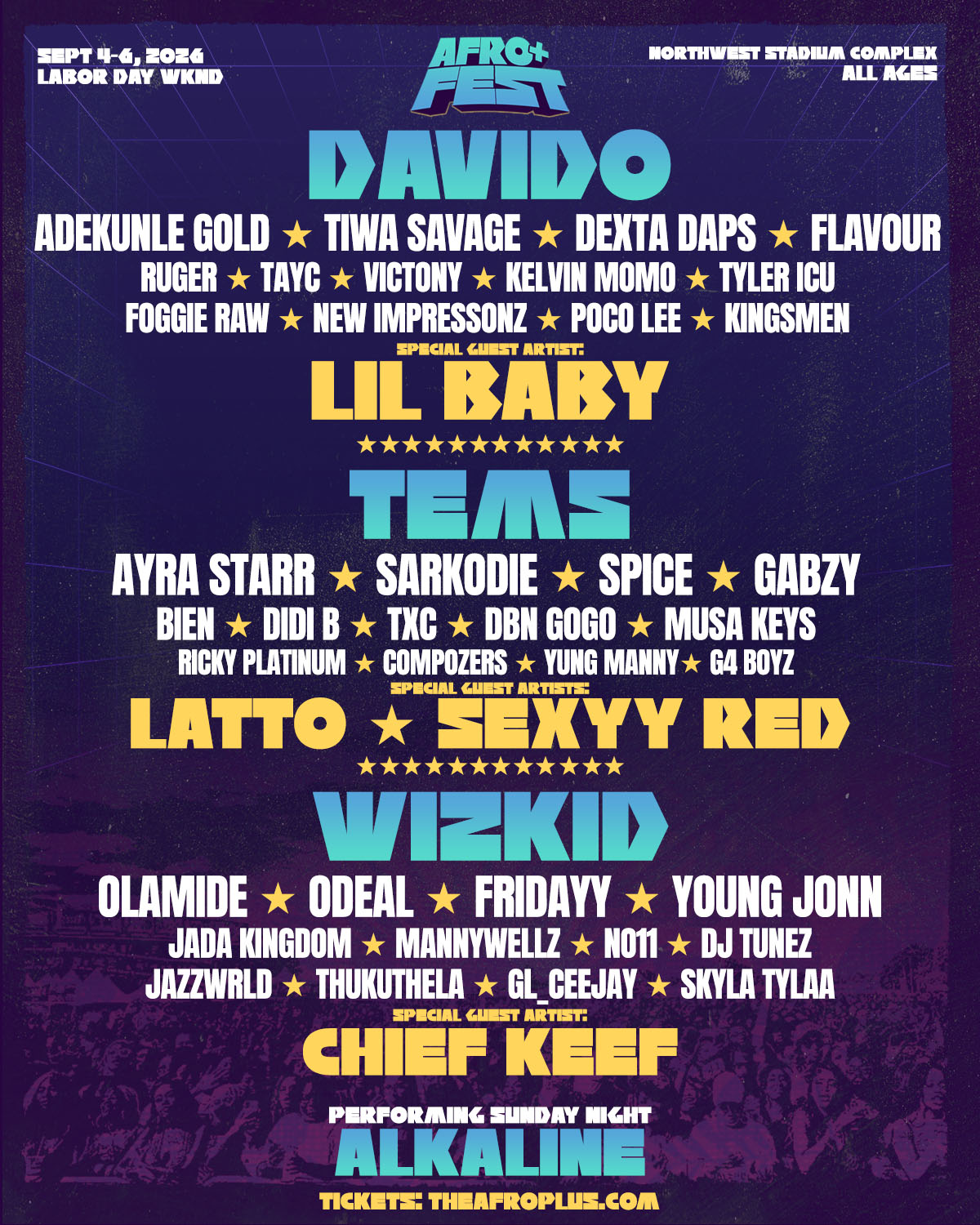
Q: The 2026 bill runs Wizkid and Davido next to Lil Baby, Alkaline, Sexyy Red, Chief Keef, Latto, Tems, and Ayra Starr. What story are you telling with that map?

A: "Lineage and connection. Traditional live music infrastructure always tries to box genres into separate lanes, and that framework is completely outdated compared to how our generation actually consumes. Putting Tems, Ayra Starr, and Alkaline on the same bill as Chief Keef or Lil Baby shows how African, Caribbean, and American sounds feed off each other in real time. You can catch Wizkid or Davido on the main stage, walk to the Piano District or La Vibe for deep Amapiano and electronic sets, then hear Hip Hop heavyweights all in one night. Afrobeats, Dancehall, Hip Hop, R&B, soca, Amapiano: it all lives together. The dedicated hubs let us spotlight hyper-localized sounds that are actively shaping global club culture."

Q: Pairing street artists like Chief Keef and Sexyy Red with Olamide and Tiwa Savage, what’s the philosophy?

A: "Street culture is global diaspora culture. The raw energy of American Hip Hop shares the exact same DNA as Dancehall or street-pop out of Lagos and Accra. Putting those artists side by side breaks down artificial respectability barriers; it reflects what real people are actually bumping in their cars, in their headphones, at day parties, across nightlife. My curation comes straight from that world; I came up as a nightlife promoter, so I book what’s moving the club right now. Down the line we might play with a more nostalgic vibe, artists who haven’t performed in a while, but this year was about high-energy, recognizable hits."

Q: Does anything happen on that stage you can’t get anywhere else?

A: "That’s the magic; this festival is an accelerator. We bridge producers, writers, and artists in real time. Gunna and Wizkid performed 'Forever Be Mine' live on our stage for the first time ever. That’s the whole thesis: put these worlds together and something new comes out of it."

Q: Someone can come purely for the music and leave connected to the whole culture. How do you design for that?

A: "Music gets people through the gate; the environment creates the core memory. New this year we’ve got an interactive on-site basketball court, a full-scale carnival, and an expanded cultural marketplace packed with Black-owned vendors: fashion, beauty, wellness, lifestyle, plus food and beverage. You come for a headliner, but on the walk between stages you’re eating authentic West African or Caribbean food and discovering local DMV designers. We designed an immersive cultural campus so no two days feel the same. We love being the bridge between all of it."

Q: On food specifically, how big is that operation?

A: "It’s serious. We run 94 food slots with 80 to 90 unique vendors and global cuisines across the board. The onboarding is intentionally rigorous and tedious, because we need vendors ready for real volume. Some of these businesses bring up to 20 staff a day to keep up with the crowd."

Q: You’ve carved out a whole section for hometown talent. What are you looking for, and what does it unlock for them?

A: "Authenticity, work ethic, distinct regional character. For years DMV talent and local DJs got passed over by the major festivals despite driving the whole local scene. Through 'Made in the DMV' we book 10 to 15 regional artists Mannywellz, Foggie Raw and an almost entirely local DJ roster, and we put them in front of up to 40,000 people a day right next to global superstars. That’s direct access they’ve earned."

Q: This isn’t just a party, it’s an economic engine. How do you balance stadium-scale commerce with staying community-rooted?

A: "We measure success by community payout, not just ticket revenue. Last year our small business vendors averaged $22,000 in a single day. Scaling to three days at a stadium turns us into a direct economic pipeline for minority-owned vendors, security teams, production staff, creators. When the community around you profits directly from your growth, scale and roots work in complete harmony. The first year alone drove an estimated $10 million in local impact; this year we’re projecting $40 to $60 million into PG County and the region."

Q: You’re doing this without major corporate backing. What does independence cost you, and why hold onto it?

A: "Real talk: production costs this year are two to three times what they were last year, and we’re carrying that without a safety net from big institutional sponsors like Visa or Amex. We run on our own internal sales and financial model. That independence is the point: it forces us to build a permanent, self-sustaining economic engine instead of renting someone else’s. When we do bring on partners, brand alignment comes before the check; a sponsor has to match the energy of our crowd, not dilute or commodify it."

Q: How do you define success beyond the attendance number?

A: "Life-changing opportunities. Full-time and part-time jobs, vendors who change their livelihood in a weekend, local artists who get elevated. When the lights go down on Sunday, Sept. 6, success is 120,000 people from everywhere feeling completely seen, safe, and celebrated in Prince George’s County vendors setting record sales, hometown artists feeling bigger, and the community taking pride in what we built at home."
Q: It’s explicitly all-ages. Why was that non-negotiable?

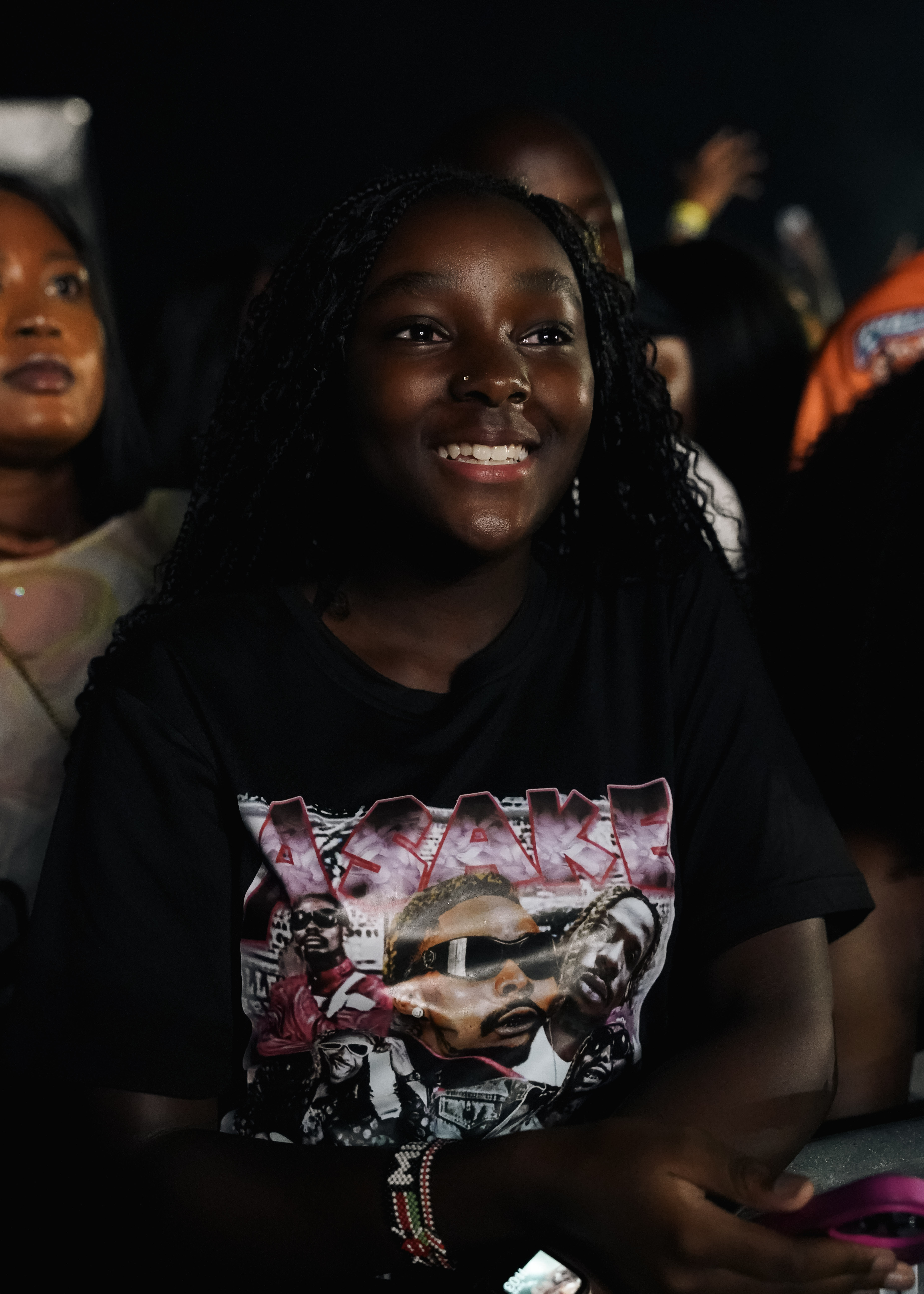
A: "Because our culture is inherently intergenerational. The music our parents played in the house directly shaped the Afrobeats, Dancehall, and Hip Hop we make now. An all-ages space. Is it lets high schoolers, college kids, their older siblings, and their parents share the same grounds. Last year we had families pull up three generations deep. I watched my own mom celebrating with her friends. That was the goal."

Q: It started as an Afro-Caribbean space. Is it only for that community?

A: "Not at all. The core is the Afro-Caribbean diaspora, but the energy is contagious and the door is open to everyone dancehall, soca, amapiano, hip-hop, trap, Afrobeats, whatever brought you. The proof is organic: random people now walk up and tell me they’re part of the 'Afro Plus' community. That’s a movement, not a marketing line."

Q: Who’s actually building this with you?

A: "A tight-knit team locked in since our Towson University days in 2014 we built a family around this. Derick leads production, Bri runs marketing, Grace heads festival operations, and my sister Bussy Awosanya is our director of partnerships while she’s also out here working as an OB-GYN. I came up promoting college parties in this region for over a decade before we ever touched a stadium. Year one was an 80-day turnaround at RFK on pure grit and adrenaline; year two forced me to step up as an executive and the team to scale production fast."

Q: Where does Afro Plus go from here?

A: "The next move is expanding the footprint into major diaspora hubs here in the US and abroad while we keep our momentum in the DMV first. By 2031 I want Afro Plus as a four-day festival doing 50,000 to 60,000 a day, still based in the DC area but operating internationally, creating consistent year-round employment and pioneering how Afrobeats bridges cultural gaps. Long term, we’re proving an independent, Black-owned, next-gen team can build stadium-level infrastructure on our own terms, keep full ownership, and pour tens of millions right back into our communities. The possibilities are endless."
How Afro Plus Fest is Rewriting the Festival Playbook

Authored by
This is some text inside of a div block.

Right now, Afro Plus Fest is the hybrid, one-of-a-kind movement standing proud as the largest independent, Black-owned Afro-Caribbean and Hip-Hop festival in the United States. And the reason it’s thriving as such is simple: intentionality.

From giving deserving local talent a main-stage platform alongside global titans, to intentionally bridging African, West Indian, and African-American cultures under one roof, the festival exists to celebrate the roots. African culture serves as the original blueprint for modern pop music, and by bringing Afrobeats, Dancehall, Amapiano, and Hip-Hop together, it showcases versatility and a shared life experience.

Founder Michael Awosanya (Photo Credit @APMWORLDMAG)

At the center of this movement is founder Michael “Legendary Mike” Awosanya, a Nigerian-American entrepreneur, Towson University alum, and Prince George’s County native, alongside his core team. That tight-knit group includes Derick leading production, Bri handling marketing, Grace heading festival operations, and his sister Bussy Awosanya directing partnerships. After eight years evolving from local DJ battles, dance competitions, and parties, the brand grew into Afro Plus Fest in 2025.

Now, the momentum is increasing. Expanding from a sold-out, single-day debut of 20,000 attendees at the RFK Festival Grounds, the festival expects to welcome a projected 120,000 guests across a sophomore three-day weekend in next month’s Labor Day (Sept. 4–6, 2026). Set at the Northwest Stadium Complex in Landover, Maryland, this year's experience features world-class headliners like Wizkid, Davido, Tems, Ayra Starr, Alkaline, Lil Baby, Latto, Chief Keef, and Sexyy Red across a main stage and sub-genre hubs like the Piano District and La Vibe. Beyond the music, the immersive campus includes an expanded cultural marketplace, a diverse lineup of local and global food vendors, and brand-new features for '26 including an interactive on-site basketball court and a full-scale carnival.

Festival 1 (Photo Credit @Nayab.Jade)

For Michael, bringing a stadium-level event back home to Prince George’s County isn't just about scale; it’s about driving substantial economic impact back into the community that raised him. Where many organizers forget their roots once they reach this level, the Afro Plus team remains intentionally focused on community wealth, multi-generational connection, and real-people impact.

We sat down with Michael to talk about the origin, the ethos, and what it takes to build a movement on your own terms.

Q: For anyone just discovering Afro Plus Fest, how did this start, and what does the name actually mean?

A: "This didn’t start as a festival. Back in 2017 it was DJ battles, dance competitions, and parties. Then it grew. We brought Burna Boy out in 2018, ran Heatwave DC in 2022 with Asake, and launched Afro Plus Fest in 2025. It really crystallized after years coordinating events across the DMV and watching these different sounds collide in the room: the whole thing was built on one simple truth: Afro is everywhere. You hear it in Afrobeats, obviously, but also in Hip Hop, in Dancehall, in the fashion, the slang, the way the whole world moves right now—that’s the 'plus'. The name is 'Africa, plus more,' and to me the plus is the full, unfiltered expansion of global Black culture. We're taking Afrobeats, Dancehall, and Hip Hop and building space for everything that feeds our identity from style, beauty, wellness, gastronomy, and hospitality to local business ownership and real community wealth. African culture is the foundation of global pop culture, and this festival reflects that reality."

Day Crowd Shot (Photo Credit @APMWORLDMAG)

Q: The whole thing is built on a “block party” feel. Where does that come from?

A: "That’s my DNA. I grew up in Prince George’s County, Nigerian-American, and the block party is exactly that upbringing: high energy, everybody outside, community first. It’s built to hit whether or not you know every artist on the bill. The energy is the point."

Q: You could take this to New York or Miami. Why plant a stadium festival in your home county?

A: "Because Prince George’s County raised me. This one’s for the people who raised us. PG County has one of the most vibrant, prosperous African diaspora communities in the country; major destination hubs are cool, but bringing 120,000 people to the Northwest Stadium Complex in Landover is deeply personal. Building something this size in our own backyard lets us funnel an estimated $40 to $60 million in economic impact right back into the community that made us. Created for us, by us, in the place that made us."

Q: A stadium event needs buy-in. How much did being a native matter?

A: "It mattered everything. You can’t scale to this level without your community and your government in the room: the county executive, the governor, the city council, all of it. That financial and logistical support from local entities is essential, and being from here is what opened those doors and made the relationships real."

Q: The 2026 bill runs Wizkid and Davido next to Lil Baby, Alkaline, Sexyy Red, Chief Keef, Latto, Tems, and Ayra Starr. What story are you telling with that map?

A: "Lineage and connection. Traditional live music infrastructure always tries to box genres into separate lanes, and that framework is completely outdated compared to how our generation actually consumes. Putting Tems, Ayra Starr, and Alkaline on the same bill as Chief Keef or Lil Baby shows how African, Caribbean, and American sounds feed off each other in real time. You can catch Wizkid or Davido on the main stage, walk to the Piano District or La Vibe for deep Amapiano and electronic sets, then hear Hip Hop heavyweights all in one night. Afrobeats, Dancehall, Hip Hop, R&B, soca, Amapiano: it all lives together. The dedicated hubs let us spotlight hyper-localized sounds that are actively shaping global club culture."

Q: Pairing street artists like Chief Keef and Sexyy Red with Olamide and Tiwa Savage, what’s the philosophy?

A: "Street culture is global diaspora culture. The raw energy of American Hip Hop shares the exact same DNA as Dancehall or street-pop out of Lagos and Accra. Putting those artists side by side breaks down artificial respectability barriers; it reflects what real people are actually bumping in their cars, in their headphones, at day parties, across nightlife. My curation comes straight from that world; I came up as a nightlife promoter, so I book what’s moving the club right now. Down the line we might play with a more nostalgic vibe, artists who haven’t performed in a while, but this year was about high-energy, recognizable hits."

Q: Does anything happen on that stage you can’t get anywhere else?

A: "That’s the magic; this festival is an accelerator. We bridge producers, writers, and artists in real time. Gunna and Wizkid performed 'Forever Be Mine' live on our stage for the first time ever. That’s the whole thesis: put these worlds together and something new comes out of it."

Q: Someone can come purely for the music and leave connected to the whole culture. How do you design for that?

A: "Music gets people through the gate; the environment creates the core memory. New this year we’ve got an interactive on-site basketball court, a full-scale carnival, and an expanded cultural marketplace packed with Black-owned vendors: fashion, beauty, wellness, lifestyle, plus food and beverage. You come for a headliner, but on the walk between stages you’re eating authentic West African or Caribbean food and discovering local DMV designers. We designed an immersive cultural campus so no two days feel the same. We love being the bridge between all of it."

Q: On food specifically, how big is that operation?

A: "It’s serious. We run 94 food slots with 80 to 90 unique vendors and global cuisines across the board. The onboarding is intentionally rigorous and tedious, because we need vendors ready for real volume. Some of these businesses bring up to 20 staff a day to keep up with the crowd."

Q: You’ve carved out a whole section for hometown talent. What are you looking for, and what does it unlock for them?

A: "Authenticity, work ethic, distinct regional character. For years DMV talent and local DJs got passed over by the major festivals despite driving the whole local scene. Through 'Made in the DMV' we book 10 to 15 regional artists Mannywellz, Foggie Raw and an almost entirely local DJ roster, and we put them in front of up to 40,000 people a day right next to global superstars. That’s direct access they’ve earned."

Q: This isn’t just a party, it’s an economic engine. How do you balance stadium-scale commerce with staying community-rooted?

A: "We measure success by community payout, not just ticket revenue. Last year our small business vendors averaged $22,000 in a single day. Scaling to three days at a stadium turns us into a direct economic pipeline for minority-owned vendors, security teams, production staff, creators. When the community around you profits directly from your growth, scale and roots work in complete harmony. The first year alone drove an estimated $10 million in local impact; this year we’re projecting $40 to $60 million into PG County and the region."

Q: You’re doing this without major corporate backing. What does independence cost you, and why hold onto it?

A: "Real talk: production costs this year are two to three times what they were last year, and we’re carrying that without a safety net from big institutional sponsors like Visa or Amex. We run on our own internal sales and financial model. That independence is the point: it forces us to build a permanent, self-sustaining economic engine instead of renting someone else’s. When we do bring on partners, brand alignment comes before the check; a sponsor has to match the energy of our crowd, not dilute or commodify it."

Q: How do you define success beyond the attendance number?

A: "Life-changing opportunities. Full-time and part-time jobs, vendors who change their livelihood in a weekend, local artists who get elevated. When the lights go down on Sunday, Sept. 6, success is 120,000 people from everywhere feeling completely seen, safe, and celebrated in Prince George’s County vendors setting record sales, hometown artists feeling bigger, and the community taking pride in what we built at home."

Q: It’s explicitly all-ages. Why was that non-negotiable?

A: "Because our culture is inherently intergenerational. The music our parents played in the house directly shaped the Afrobeats, Dancehall, and Hip Hop we make now. An all-ages space. Is it lets high schoolers, college kids, their older siblings, and their parents share the same grounds. Last year we had families pull up three generations deep. I watched my own mom celebrating with her friends. That was the goal."

Q: It started as an Afro-Caribbean space. Is it only for that community?

A: "Not at all. The core is the Afro-Caribbean diaspora, but the energy is contagious and the door is open to everyone dancehall, soca, amapiano, hip-hop, trap, Afrobeats, whatever brought you. The proof is organic: random people now walk up and tell me they’re part of the 'Afro Plus' community. That’s a movement, not a marketing line."

Q: Who’s actually building this with you?

A: "A tight-knit team locked in since our Towson University days in 2014 we built a family around this. Derick leads production, Bri runs marketing, Grace heads festival operations, and my sister Bussy Awosanya is our director of partnerships while she’s also out here working as an OB-GYN. I came up promoting college parties in this region for over a decade before we ever touched a stadium. Year one was an 80-day turnaround at RFK on pure grit and adrenaline; year two forced me to step up as an executive and the team to scale production fast."

Q: Where does Afro Plus go from here?

A: "The next move is expanding the footprint into major diaspora hubs here in the US and abroad while we keep our momentum in the DMV first. By 2031 I want Afro Plus as a four-day festival doing 50,000 to 60,000 a day, still based in the DC area but operating internationally, creating consistent year-round employment and pioneering how Afrobeats bridges cultural gaps. Long term, we’re proving an independent, Black-owned, next-gen team can build stadium-level infrastructure on our own terms, keep full ownership, and pour tens of millions right back into our communities. The possibilities are endless."
This is some text inside of a div block.

How Afro Plus Fest is Rewriting the Festival Playbook

Authored by

Right now, Afro Plus Fest is the hybrid, one-of-a-kind movement standing proud as the largest independent, Black-owned Afro-Caribbean and Hip-Hop festival in the United States. And the reason it’s thriving as such is simple: intentionality.

From giving deserving local talent a main-stage platform alongside global titans, to intentionally bridging African, West Indian, and African-American cultures under one roof, the festival exists to celebrate the roots. African culture serves as the original blueprint for modern pop music, and by bringing Afrobeats, Dancehall, Amapiano, and Hip-Hop together, it showcases versatility and a shared life experience.

Founder Michael Awosanya (Photo Credit @APMWORLDMAG)

At the center of this movement is founder Michael “Legendary Mike” Awosanya, a Nigerian-American entrepreneur, Towson University alum, and Prince George’s County native, alongside his core team. That tight-knit group includes Derick leading production, Bri handling marketing, Grace heading festival operations, and his sister Bussy Awosanya directing partnerships. After eight years evolving from local DJ battles, dance competitions, and parties, the brand grew into Afro Plus Fest in 2025.

Now, the momentum is increasing. Expanding from a sold-out, single-day debut of 20,000 attendees at the RFK Festival Grounds, the festival expects to welcome a projected 120,000 guests across a sophomore three-day weekend in next month’s Labor Day (Sept. 4–6, 2026). Set at the Northwest Stadium Complex in Landover, Maryland, this year's experience features world-class headliners like Wizkid, Davido, Tems, Ayra Starr, Alkaline, Lil Baby, Latto, Chief Keef, and Sexyy Red across a main stage and sub-genre hubs like the Piano District and La Vibe. Beyond the music, the immersive campus includes an expanded cultural marketplace, a diverse lineup of local and global food vendors, and brand-new features for '26 including an interactive on-site basketball court and a full-scale carnival.

Festival 1 (Photo Credit @Nayab.Jade)

For Michael, bringing a stadium-level event back home to Prince George’s County isn't just about scale; it’s about driving substantial economic impact back into the community that raised him. Where many organizers forget their roots once they reach this level, the Afro Plus team remains intentionally focused on community wealth, multi-generational connection, and real-people impact.

We sat down with Michael to talk about the origin, the ethos, and what it takes to build a movement on your own terms.

Q: For anyone just discovering Afro Plus Fest, how did this start, and what does the name actually mean?

A: "This didn’t start as a festival. Back in 2017 it was DJ battles, dance competitions, and parties. Then it grew. We brought Burna Boy out in 2018, ran Heatwave DC in 2022 with Asake, and launched Afro Plus Fest in 2025. It really crystallized after years coordinating events across the DMV and watching these different sounds collide in the room: the whole thing was built on one simple truth: Afro is everywhere. You hear it in Afrobeats, obviously, but also in Hip Hop, in Dancehall, in the fashion, the slang, the way the whole world moves right now—that’s the 'plus'. The name is 'Africa, plus more,' and to me the plus is the full, unfiltered expansion of global Black culture. We're taking Afrobeats, Dancehall, and Hip Hop and building space for everything that feeds our identity from style, beauty, wellness, gastronomy, and hospitality to local business ownership and real community wealth. African culture is the foundation of global pop culture, and this festival reflects that reality."

Day Crowd Shot (Photo Credit @APMWORLDMAG)

Q: The whole thing is built on a “block party” feel. Where does that come from?

A: "That’s my DNA. I grew up in Prince George’s County, Nigerian-American, and the block party is exactly that upbringing: high energy, everybody outside, community first. It’s built to hit whether or not you know every artist on the bill. The energy is the point."

Q: You could take this to New York or Miami. Why plant a stadium festival in your home county?

A: "Because Prince George’s County raised me. This one’s for the people who raised us. PG County has one of the most vibrant, prosperous African diaspora communities in the country; major destination hubs are cool, but bringing 120,000 people to the Northwest Stadium Complex in Landover is deeply personal. Building something this size in our own backyard lets us funnel an estimated $40 to $60 million in economic impact right back into the community that made us. Created for us, by us, in the place that made us."

Q: A stadium event needs buy-in. How much did being a native matter?

A: "It mattered everything. You can’t scale to this level without your community and your government in the room: the county executive, the governor, the city council, all of it. That financial and logistical support from local entities is essential, and being from here is what opened those doors and made the relationships real."

Q: The 2026 bill runs Wizkid and Davido next to Lil Baby, Alkaline, Sexyy Red, Chief Keef, Latto, Tems, and Ayra Starr. What story are you telling with that map?

A: "Lineage and connection. Traditional live music infrastructure always tries to box genres into separate lanes, and that framework is completely outdated compared to how our generation actually consumes. Putting Tems, Ayra Starr, and Alkaline on the same bill as Chief Keef or Lil Baby shows how African, Caribbean, and American sounds feed off each other in real time. You can catch Wizkid or Davido on the main stage, walk to the Piano District or La Vibe for deep Amapiano and electronic sets, then hear Hip Hop heavyweights all in one night. Afrobeats, Dancehall, Hip Hop, R&B, soca, Amapiano: it all lives together. The dedicated hubs let us spotlight hyper-localized sounds that are actively shaping global club culture."

Q: Pairing street artists like Chief Keef and Sexyy Red with Olamide and Tiwa Savage, what’s the philosophy?

A: "Street culture is global diaspora culture. The raw energy of American Hip Hop shares the exact same DNA as Dancehall or street-pop out of Lagos and Accra. Putting those artists side by side breaks down artificial respectability barriers; it reflects what real people are actually bumping in their cars, in their headphones, at day parties, across nightlife. My curation comes straight from that world; I came up as a nightlife promoter, so I book what’s moving the club right now. Down the line we might play with a more nostalgic vibe, artists who haven’t performed in a while, but this year was about high-energy, recognizable hits."

Q: Does anything happen on that stage you can’t get anywhere else?

A: "That’s the magic; this festival is an accelerator. We bridge producers, writers, and artists in real time. Gunna and Wizkid performed 'Forever Be Mine' live on our stage for the first time ever. That’s the whole thesis: put these worlds together and something new comes out of it."

Q: Someone can come purely for the music and leave connected to the whole culture. How do you design for that?

A: "Music gets people through the gate; the environment creates the core memory. New this year we’ve got an interactive on-site basketball court, a full-scale carnival, and an expanded cultural marketplace packed with Black-owned vendors: fashion, beauty, wellness, lifestyle, plus food and beverage. You come for a headliner, but on the walk between stages you’re eating authentic West African or Caribbean food and discovering local DMV designers. We designed an immersive cultural campus so no two days feel the same. We love being the bridge between all of it."

Q: On food specifically, how big is that operation?

A: "It’s serious. We run 94 food slots with 80 to 90 unique vendors and global cuisines across the board. The onboarding is intentionally rigorous and tedious, because we need vendors ready for real volume. Some of these businesses bring up to 20 staff a day to keep up with the crowd."

Q: You’ve carved out a whole section for hometown talent. What are you looking for, and what does it unlock for them?

A: "Authenticity, work ethic, distinct regional character. For years DMV talent and local DJs got passed over by the major festivals despite driving the whole local scene. Through 'Made in the DMV' we book 10 to 15 regional artists Mannywellz, Foggie Raw and an almost entirely local DJ roster, and we put them in front of up to 40,000 people a day right next to global superstars. That’s direct access they’ve earned."

Q: This isn’t just a party, it’s an economic engine. How do you balance stadium-scale commerce with staying community-rooted?

A: "We measure success by community payout, not just ticket revenue. Last year our small business vendors averaged $22,000 in a single day. Scaling to three days at a stadium turns us into a direct economic pipeline for minority-owned vendors, security teams, production staff, creators. When the community around you profits directly from your growth, scale and roots work in complete harmony. The first year alone drove an estimated $10 million in local impact; this year we’re projecting $40 to $60 million into PG County and the region."

Q: You’re doing this without major corporate backing. What does independence cost you, and why hold onto it?

A: "Real talk: production costs this year are two to three times what they were last year, and we’re carrying that without a safety net from big institutional sponsors like Visa or Amex. We run on our own internal sales and financial model. That independence is the point: it forces us to build a permanent, self-sustaining economic engine instead of renting someone else’s. When we do bring on partners, brand alignment comes before the check; a sponsor has to match the energy of our crowd, not dilute or commodify it."

Q: How do you define success beyond the attendance number?

A: "Life-changing opportunities. Full-time and part-time jobs, vendors who change their livelihood in a weekend, local artists who get elevated. When the lights go down on Sunday, Sept. 6, success is 120,000 people from everywhere feeling completely seen, safe, and celebrated in Prince George’s County vendors setting record sales, hometown artists feeling bigger, and the community taking pride in what we built at home."

Q: It’s explicitly all-ages. Why was that non-negotiable?

A: "Because our culture is inherently intergenerational. The music our parents played in the house directly shaped the Afrobeats, Dancehall, and Hip Hop we make now. An all-ages space. Is it lets high schoolers, college kids, their older siblings, and their parents share the same grounds. Last year we had families pull up three generations deep. I watched my own mom celebrating with her friends. That was the goal."

Q: It started as an Afro-Caribbean space. Is it only for that community?

A: "Not at all. The core is the Afro-Caribbean diaspora, but the energy is contagious and the door is open to everyone dancehall, soca, amapiano, hip-hop, trap, Afrobeats, whatever brought you. The proof is organic: random people now walk up and tell me they’re part of the 'Afro Plus' community. That’s a movement, not a marketing line."

Q: Who’s actually building this with you?

A: "A tight-knit team locked in since our Towson University days in 2014 we built a family around this. Derick leads production, Bri runs marketing, Grace heads festival operations, and my sister Bussy Awosanya is our director of partnerships while she’s also out here working as an OB-GYN. I came up promoting college parties in this region for over a decade before we ever touched a stadium. Year one was an 80-day turnaround at RFK on pure grit and adrenaline; year two forced me to step up as an executive and the team to scale production fast."

Q: Where does Afro Plus go from here?

A: "The next move is expanding the footprint into major diaspora hubs here in the US and abroad while we keep our momentum in the DMV first. By 2031 I want Afro Plus as a four-day festival doing 50,000 to 60,000 a day, still based in the DC area but operating internationally, creating consistent year-round employment and pioneering how Afrobeats bridges cultural gaps. Long term, we’re proving an independent, Black-owned, next-gen team can build stadium-level infrastructure on our own terms, keep full ownership, and pour tens of millions right back into our communities. The possibilities are endless."

Other Stories
London
London
Lagos
London
Newyork
London
Shop
Join the community.
You are now subscribed to receive updates.
Oops! Something went wrong while submitting the form.