In This House - 2025

Authored by

The year 2025 marked a definitive turning point for electronic dance music (EDM) and house music in Nigeria. No longer a niche subculture confined to the fringes of Lagos nightlife, the scene exploded into a vivacious industry, recording a staggering 403% growth in engagement and consumption. This electronic renaissance was fueled by a unique blend of indigenous sonic experimentation, the influx of global heavyweights, and, importantly, a dedicated ecosystem of collectives that prioritised community over commercialism.
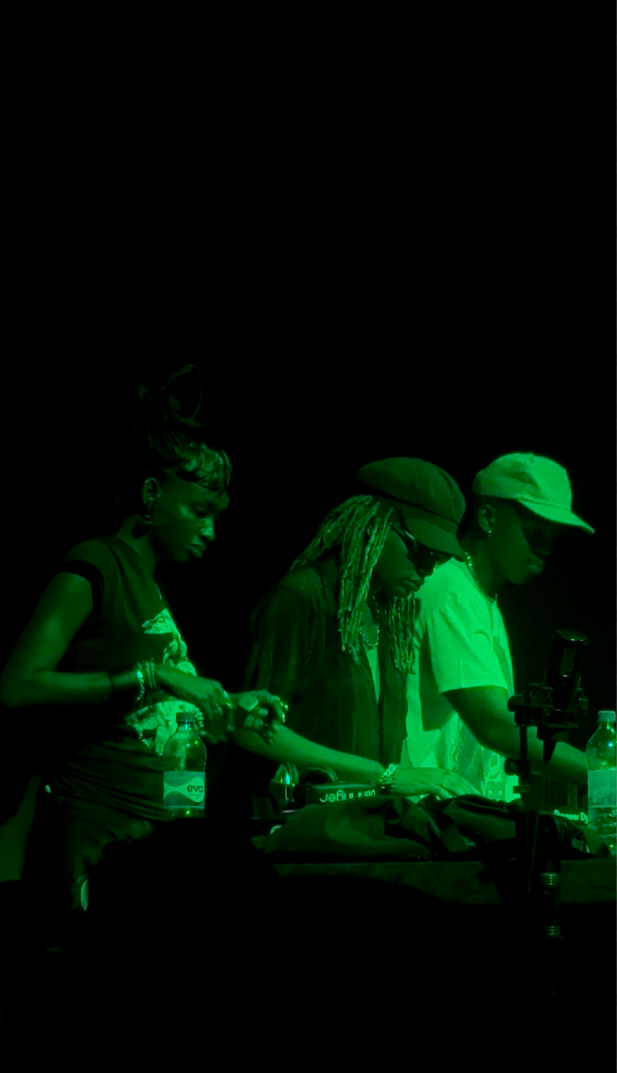

In 2025, the Nigerian house scene was defined by collectives. These groups acted as curators, safe spaces, and tastemakers, each carving out a distinct identity.

The rise of Group Therapy (GT) is one of the most significant case studies in the professionalisation and global scaling of the Nigerian electronic scene, or even any scene at all. Group Therapy started in 2023, and by 2025, it evolved from a series of niche underground gatherings into a cultural bridge for major global entries, including Boiler Room and Keep Hush. Under Aniko’s leadership, Group Therapy hosted the most impressive range of raves in 2025, from the impromptu “SMWR” editions in multi-storey car parks in Lagos Island to “KlubAniko” at the sophisticated Royal Box Centre in Victoria Island, and managed to maintain top quality across board. Group Therapy’s lineup for every 2025 edition paved the way for a more diverse roster of DJs – including many women, nonbinary, and intersex artists – to play prominent roles in the 2025 rave cycle. However, the collective's most significant achievement was the successful attraction of a record number of renowned international DJs to its Lagos-based editions.
As one of the longest-running house music residencies in Lagos, Element House (under the Spektrum banner, run by Ron and DelNoi) provided the necessary stability for the scene. Their monthly editions remained the "gold standard" for consistency. The 2025 rave calendar kicked off with a visually stunning Element House edition, courtesy of artist Bidemi Tata. This event marked the beginning of a sustained partnership between the organisers and the University of Lagos-trained artist. Throughout the rest of the year, they continued to collaborate with Bidemi Tata to refine their visual narrative, transforming each subsequent event into a sophisticated, high-concept, and fully immersive experience. In 2025, Element House achieved two significant milestones. Firstly, it solidified its position as the scene's "reliable giant," providing a predictable, safe, and carefully curated environment through its monthly residency. Secondly, Element House successfully cornered the economic power of the scene. By catering to a demographic of ravers who prioritised comfort over the raw atmosphere of a warehouse, they legitimised house music to corporate Nigeria. It is fair to claim that this appeal helped secure sponsorships that were out of reach for more underground rave events. The Element House lineup for every episode was also impressive, with them closing the year with a 2-hour Francis Mercier set. 

Monochroma Live started in 2024, and by 2025, they were already full throttle. The collective, spearheaded by Blak Dave and Proton and structurally backed by KVLT, approached nightlife with a simple philosophy: intentional, structured, and visually minimalist. This mindset was expressed through their signature monochrome aesthetic. Monochroma utilised the rhythmic familiarity of 3-Step to seamlessly convert normies into house enthusiasts, proving that the underground can grow without having to be clandestine, and without having to be diluted. This philosophy, coupled with the sonic direction of the Monochroma’s leaders, defined their 2025 programming and resulted in a year of cross-cultural convergence. 2025 on the Monochroma Live calendar culminated in the massive Dance Eko collaboration featuring Mörda, Blak Dave, JNR SA, Aniko, SoundsOfAce, and Earthsurfing, a finale that perfectly encapsulated Monochroma’s spirit.

In 2025, Sweat It Out solidified its standing as the raw, beating heart of the Nigerian underground, distinguishing itself by maintaining the gritty, industrial ethos of global rave culture. Under the sonic stewardship of resident headliner Sons of Ubuntu, the collective has kept the flame alive, curating sets that traverse the darker, more hypnotic corridors of Techno, Minimal Tech, and Acid House. The brand’s 2025 run reinforced its status as the scene's most vital safe space. Acknowledging the inherently queer roots of electronic dance music, Sweat It Out provided a rare, judgment-free sanctuary where gender expression and identity were not just tolerated but celebrated as essential to the technicolour vibrancy of the night. This commitment to inclusivity created a loyal following that prioritized the vibe over social hierarchy and/or buy-in. The year reached its apotheosis with "Sweat Therapy," a strategic year-end collaboration with Group Therapy. By closing 2025 with this unified front, Sweat It Out demonstrated that the underground remains undefeated, proving that a commitment to raw sound and radical safety is the strongest currency in the Lagos EDM scene.

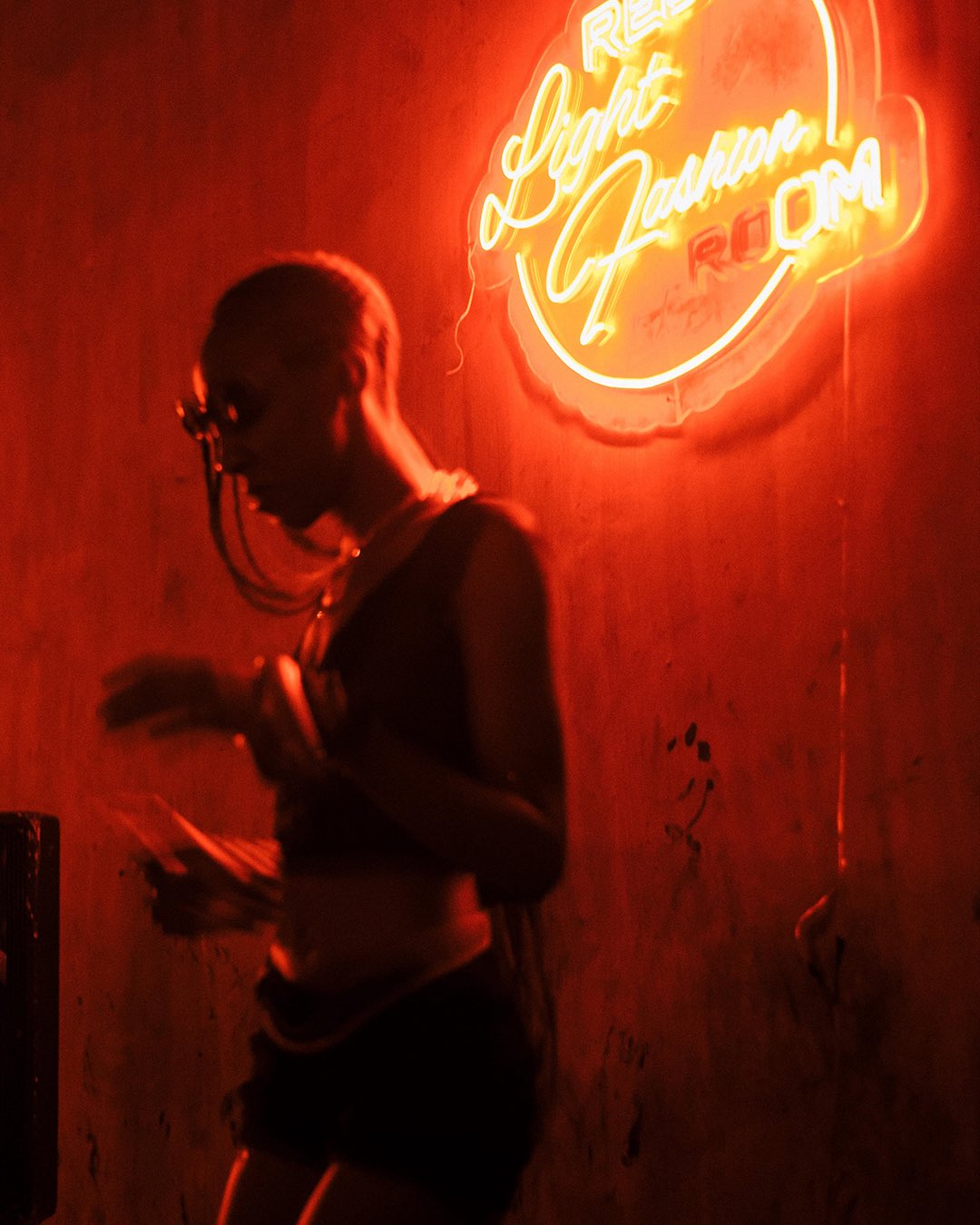
While the major collectives dominated the headlines, the depth of the 2025 scene was defined by a constellation of parties that decentralised the culture and catered to specific communities. Leading this charge was Mainland House, which single-handedly dismantled the "Island-only" gatekeeping of Lagos nightlife. By planting the flag in different halls and production studios across the state, it offered a grittier, unpretentious alternative that tapped into the massive, underserved youth population of the Mainland, proving that the genre’s viability extended far beyond the elite coast. Simultaneously, Motion redefined the capital’s nightlife in Abuja. Far from being a shadow of Lagos, Motion carved out a distinct electronic identity, utilizing intimate spaces in the city’s capital to host rave experiences that currently sponsor FOMO and/or anticipation. In a bold expansion of the map, Red Light Fashion Room emerged as the avant-garde jewel of Ibadan, anchoring itself in the ancient city. A concept brought to life by Artpool Studios, Red Light Fashion Room created a unique hybrid that encouraged artistic expression via intentional grungy locations and the most original house rhythms, effectively modernizing the nightlife of the South-West beyond Lagos. 
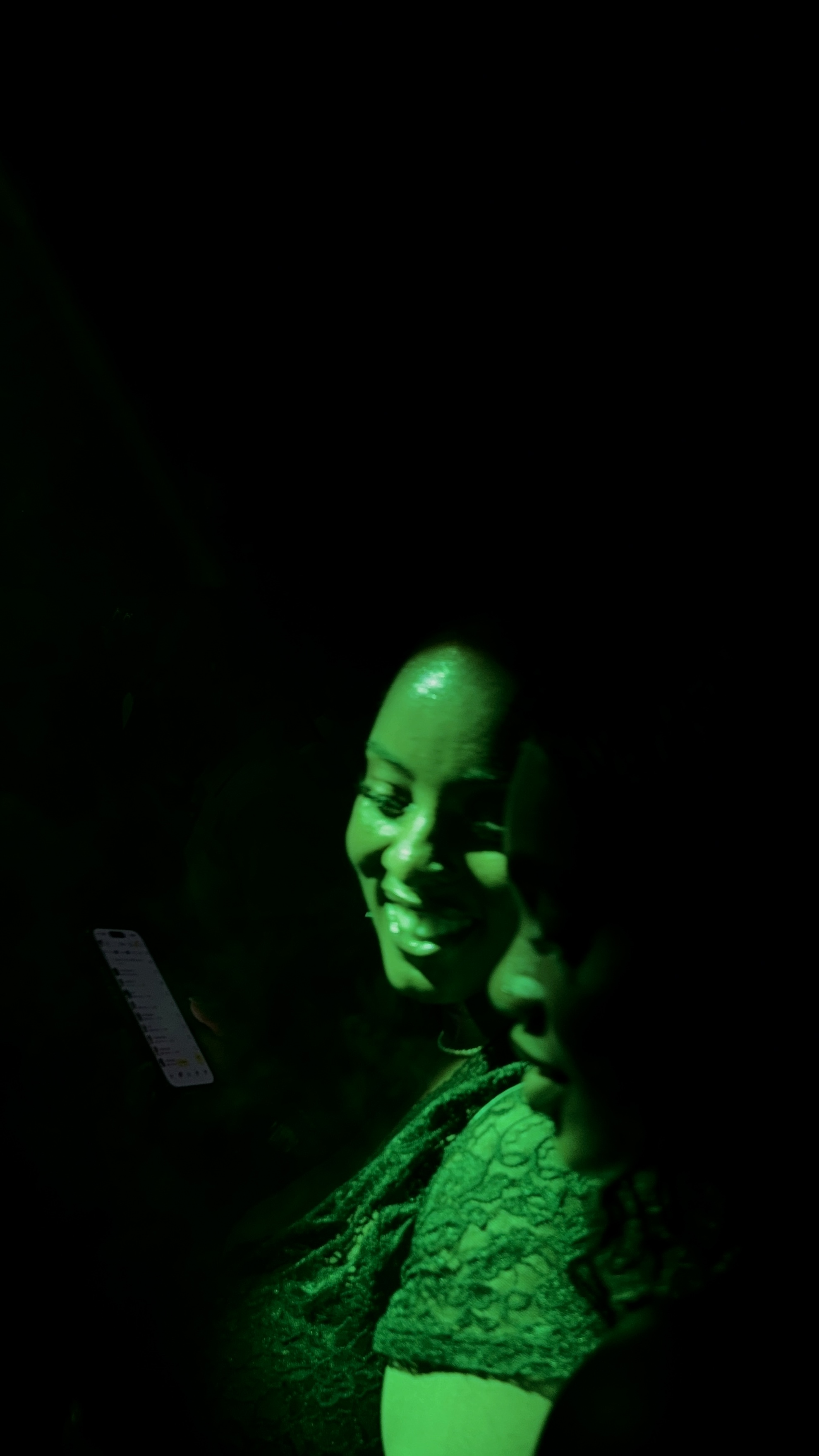
On the thematic front, the scene offered beautifully specific niches that prioritized "vibe" over sheer scale. Ilé Ijó (The House of Dance) stayed true to its name, stripping away the pretension of "cool" to focus purely on the kinetics of the dancefloor; it became the safe haven for those who wanted the soulful, spiritual connection of house music. Sunday Service enjoyed a highly successful year, with several editions becoming so popular they had to be shut down due to overcrowding. The event continued with its characteristic evening-to-midnight timing, with only a few unavoidable exceptions. Its relaxed, "sundowner" atmosphere proved vital, offering an accessible alternative for casual listeners who found the intense 3 AM warehouse scene intimidating. House Arrest, curated by the Naija House Mafia, had a year marked by a series of high-concept themed editions that demanded total commitment — not just from the crowd, but from the selectors themselves. Seeing the DJs spin while fully costumed on theme dissolved the barrier between the booth and the dancefloor, turning every edition into a cohesive, immersive performance rather than just a party. The Group Collective carved out a unique niche with their destination rave model, mastering the art of beachside escapism. Their editions, typically hosted at Tarkwa Bay, transform the rave into a 24-hour, overnight camping experience that demands total immersion. Their rapid ascent was cemented by the recent V4 edition, which saw them bringing in South African heavy-hitter Jashmir, signaling that this intimate, sand-and-sound community has graduated from a localized campout into a serious player.

In 2025, the "silo" mentality died. The most memorable events or editions were those where two or more heavyweights merged rosters and aesthetics.
Group Therapy x Boiler Room
was the definitive event of the year. It validated the Lagos scene on a global level. It happened on the 26th of April with a lineup that featured a mix of established veterans from Lagos and abroad, including AMÉMÉ, Aniko, IMJ, and a Weareallchemicals b2b with Yosa. WurlD delivered a surprise performance, joining AMÉMÉ on stage during their set, adding to the already impressive lineup.
Green Light Fashion Room
took the scene by surprise. Group Therapy teamed up with Red Light Fashion Room, a blooming EDM outfit operating out of Ibadan, to throw this memorable one. Many people remember it as one of the best EDM nights to ever happen in Ibadan yet. The lineup was nothing short of impressive either – starring Abiodun, Aniko, QueDJ, An.D, and Weareallchemicals – making the event nothing short of a masterclass in logistics.

Spotify Greasy Tunes served as the year's intersection of big-tech backing and underground culture, marking a sophisticated pivot for the scene. Partnering with the culinary hotspot Fired & Iced, this launch event kicked off a month-long residency that seamlessly blurred the lines between a culinary pop-up, a highly informative formal yap session, and a high-energy rave. Curated by Group Therapy, the opening night offered an experience that was anchored by South African 3-Step pioneer Thakzin, whose second stint in NIgeria was supported by a stellar roster including Aniko, WeAreAllChemicals, RVTDJ, and FaeM, setting a high bar for the fusion of food, culture, and electronic music.

Dance Eko distinguished itself as a massive, open-air festival that dedicated distinct days to Amapiano and House music. The House edition, executed in strategic collaboration with Monochroma, transformed the venue into a high-octane, open-air rave. The lineup was a formidable bridge between nations, featuring South African icons Mörda, Jnr SA, and the reunited Distruction Boyz (Goldmax & Que DJ). Locally, the decks were commanded by Blak Dave, Proton, Aniko, Abiodun, and Naija House Mafia.

Sweat Therapy was a masterclass in energy management. These movements combined the curated, deep selections of Group Therapy with the high-octane rave delivery of Sweat It Out. The result was a marathon-style party that happened on two floors of the multi-storey car park at the Odeya Centre, with each floor having its own sound – the type of rave you see only in a John Wick movie.

The Global Influx: International Players in the 234
The 2025 electronic calendar began with an intensity that signaled a new era for Lagos as a global rave destination. The influx started early in February when 3-Step pioneer Thakzin headlined a rainy edition of Monochroma. His performance was a defining moment that introduced hours of unreleased material and effectively cemented the 3-Step sound as one of the year's dominant rhythms. This momentum carried into April with a well curated event produced by M.E. Entertainment at the Royal Box Event Centre. Keinemusik’s Rampa brought the Cloud sound to Nigeria in a massive production that featured support from Aniko and Blak Dave. The night bridged the gap between underground electronic music and mainstream pop culture with surprise stage appearances by Burna Boy and Olamide. By May, the energy shifted towards Gqom as heavyweight Dlala Thukzin made his Lagos debut at the Livespot Entertainment Centre. It was the eighth edition and it is still quite fresh in the hearts of afrohouse lovers. His Group Therapy set is the most-watched house music set recorded in Nigeria and hosted on YouTube.

As the year progressed into the second half, promoters executed a strategic rollout of international talent that expanded the scene's geographic footprint. September saw a split of the legendary Gqom duo Distruction Boyz before their eventual reunion. Que DJ headlined the Group Therapy Ibadan edition on September 5, and just a week later on September 12, his partner Goldmax took over the Monochroma decks in Lagos. Thakzin returned for his second visit of the year on October 1 to headline the Spotify Greasy Tunes opening party. This specific appearance focused less on the rave aesthetic and more on a lifestyle approach that bridged dining culture with house and kicked off a month of talks, performances, and dinners at the same venue.

The final quarter of the year became a relentless parade of global superstars during the "Detty December" festivities. The surge began on November 7 when Gqom technician Funky QLA headlined the tenth edition of Group Therapy at Livespot and continued the collective's dominance in importing high-energy South African sounds. Deep House royalty Francis Mercier arrived on December 18 to headline Element House and brought his melodic house sound to the city. Desiree touched down shortly after for a highly anticipated set that showcased her eclectic Afro techno fusion. The year reached a nostalgic peak when Que DJ and Goldmax finally united on stage as Distruction Boyz at the Dance Eko festival in late December. They delivered a futuristic Gqom set that stood out as a major highlight. The year closed on an intimate note as Dlala Thukzin returned to headline Klub Aniko.

Beyond the headline shows, several other key figures deepened the scene's texture through niche and endurance events. Jashmir headlined The Group Collective’s V4 beachside camping rave at Tarkwa Bay and tested the endurance of the 24-hour party crowd. Dankie Boi became a recurring fixture who played pivotal sets for both the Group Therapy Abuja expansion and Monochroma in Lagos. Meanwhile, Skeedoh, Abiodun, and Ogor ensured that Ilé Ijó continued to educate the scene on the fringes of African electronic music by maintaining a robust relationship with the East African underground. Ile Ijo championed the fast-paced Tanzanian Singeli sound pioneered by acts like Jay Mitta and ensured the Nigerian scene remained connected to the continent's rawest and most traditional electronic roots.

The Ecosystem: Platforms and Partners
The sustainability of the 2025 boom was underpinned by a rapidly professionalizing support system that ensured the culture was not just experienced, but structurally sound and amplified. Central to this operational evolution was Our House. Far more than just a promotional platform, Our House functioned as the scene’s logistical backbone. Under the stewardship of key figure Becky Ochulo, the agency provided the essential human resources, operational strategy, and on-ground management that allowed complex rave productions to run smoothly. Furthermore, they professionalized the talent pipeline, offering booking and management services that finally gave Nigerian electronic artists the representation needed to negotiate with global stakeholders.

On the media front, platforms like Nocturne Music and Oroko Radio acted as the scene’s digital nervous system. Oroko Radio, in particular, served as the definitive archive, broadcasting underground sets to a global audience and ensuring that the energy of a Lagos warehouse was felt by everyone who could tune in. Visually, the aesthetic of the "Nigerian Raver" was codified by documentarians like Catch The Gigs, Exponential Vibes, and Genuine Ravers. These platforms provided the scene’s visual dialect, capturing the fashion, the sweat, and the darkness in ways that made the culture instantly recognisable on social media feeds worldwide. Deeds Mag established itself as an indispensable lifestyle collaborator, effectively linking digital media presence with tangible cultural output. Beyond offering comprehensive media coverage for major events, such as the widely successful Nitefreak show, they became crucial in shaping the visual culture of the scene's growth. Their partnership extended to serving as the aesthetic designers, including the creation and production of exclusive merchandise for the GT on Tour series, guaranteeing that Group Therapy's visual identity remained high-end and consistent as the rave expanded to cities outside Lagos.

This heightened structural integrity inevitably attracted capital. Giants like Smirnoff and Coca-Cola became ubiquitous, providing support required to scale these events. However, the soul of the ecosystem remained with QuackTails. Unlike the multinational giants, QuackTails has been there for quite some time – almost as early as the very beginning – providing a sense of authenticity and familial support, proving that the scene still valued community partnership over mere commercial sponsorship.

Looking forward, 2025 marks the maturity of Nigerian electronic music into a self-sustaining industry with a distinct global footprint. The spread of the sound is being driven by the diaspora and digital platforms, successfully integrating Nigeria into the global electronic tour circuit. The economic implications are profound, creating thousands of new jobs in event production, sound engineering, and creative direction. Perhaps most importantly, it has granted producers a new form of creative freedom; they are now empowered to engineer anthems for the dancefloor, designed for physical release rather than airplay, proving that the genre has found its own independent commercial lane.

Yet, this renaissance is being built on fragile ground, and the challenges facing the scene are as potent as the music itself. The infrastructure gap remains the most glaring hurdle, with a desperate need for dedicated, sound-treated locations to replace the makeshift venues currently in use. This lack of infrastructure complicates safety; as raves push deep into the early morning hours, protecting attendees during transit and navigating the complexities of local policing remains a source of constant anxiety for organizers. Furthermore, the economics of the scene are still precarious. Despite the corporate logos, Nigerian EDM is still in its infancy, meaning that much of the current activity is a financial labor of love driven by passion rather than profit. Finally, the scene faces a significant cultural friction: the struggle for acceptance in a conservative society. Given the genre’s inherent roots in queer culture, there is an ongoing tension regarding perception and safety, forcing the community to navigate the delicate balance between radical inclusion inside the rave and the conservative realities outside its walls.

In 2025, Nigerian house music found its voice. It was a rhythmic conversation between the pulse of Lagos and the sweat of its wide-eyed, vivacious youth. We are witnessing a scene growing in leaps and bounds, a reality validated not just when our institutions plant their flags on foreign soil — manifested this year in the successful exports of Group Therapy Accra and Group Therapy London — but in the undeniable global demand for our talent. The sound is now a veritable currency, evidenced by Blak Dave securing bookings around the world and Aniko’s monumental inclusion on the ADE lineup. At the same time, she and WeAreAllChemicals have become staples on major festival stages across Africa. We owe this current expansion to years of grassroots effort. For example, Dayo’s work with The Group Collective’s V4 effectively redefined the nexus of lifestyle, local camping, and EDM. At the same time, Lazio has solidified his reputation as the premier sound engineer for the electronic community and, effectively, the silent partner behind every major sonic activation. The movement has become truly boundless, stretching far beyond Lagos to unlikely frontiers like Calabar, where Kuffy Eyo’s Nocturna is pioneering a new consciousness in Nigeria’s geopolitical South-South. Through the support of these symbiotic microcosms, the Nigerian rave has graduated from a local secret to a viable cultural product. 2025 rolled into 2026 as the Sunday Service crowd crossed over at Lighthouse Bar and Grill, and one thing was clear: everyone is eager to see what 2026 holds for tinko-tinko music.
In This House - 2025

Authored by
This is some text inside of a div block.

The year 2025 marked a definitive turning point for electronic dance music (EDM) and house music in Nigeria. No longer a niche subculture confined to the fringes of Lagos nightlife, the scene exploded into a vivacious industry, recording a staggering 403% growth in engagement and consumption. This electronic renaissance was fueled by a unique blend of indigenous sonic experimentation, the influx of global heavyweights, and, importantly, a dedicated ecosystem of collectives that prioritised community over commercialism.


In 2025, the Nigerian house scene was defined by collectives. These groups acted as curators, safe spaces, and tastemakers, each carving out a distinct identity.

The rise of Group Therapy (GT) is one of the most significant case studies in the professionalisation and global scaling of the Nigerian electronic scene, or even any scene at all. Group Therapy started in 2023, and by 2025, it evolved from a series of niche underground gatherings into a cultural bridge for major global entries, including Boiler Room and Keep Hush. Under Aniko’s leadership, Group Therapy hosted the most impressive range of raves in 2025, from the impromptu “SMWR” editions in multi-storey car parks in Lagos Island to “KlubAniko” at the sophisticated Royal Box Centre in Victoria Island, and managed to maintain top quality across board. Group Therapy’s lineup for every 2025 edition paved the way for a more diverse roster of DJs – including many women, nonbinary, and intersex artists – to play prominent roles in the 2025 rave cycle. However, the collective's most significant achievement was the successful attraction of a record number of renowned international DJs to its Lagos-based editions.

As one of the longest-running house music residencies in Lagos, Element House (under the Spektrum banner, run by Ron and DelNoi) provided the necessary stability for the scene. Their monthly editions remained the "gold standard" for consistency. The 2025 rave calendar kicked off with a visually stunning Element House edition, courtesy of artist Bidemi Tata. This event marked the beginning of a sustained partnership between the organisers and the University of Lagos-trained artist. Throughout the rest of the year, they continued to collaborate with Bidemi Tata to refine their visual narrative, transforming each subsequent event into a sophisticated, high-concept, and fully immersive experience. In 2025, Element House achieved two significant milestones. Firstly, it solidified its position as the scene's "reliable giant," providing a predictable, safe, and carefully curated environment through its monthly residency. Secondly, Element House successfully cornered the economic power of the scene. By catering to a demographic of ravers who prioritised comfort over the raw atmosphere of a warehouse, they legitimised house music to corporate Nigeria. It is fair to claim that this appeal helped secure sponsorships that were out of reach for more underground rave events. The Element House lineup for every episode was also impressive, with them closing the year with a 2-hour Francis Mercier set. 

Monochroma Live started in 2024, and by 2025, they were already full throttle. The collective, spearheaded by Blak Dave and Proton and structurally backed by KVLT, approached nightlife with a simple philosophy: intentional, structured, and visually minimalist. This mindset was expressed through their signature monochrome aesthetic. Monochroma utilised the rhythmic familiarity of 3-Step to seamlessly convert normies into house enthusiasts, proving that the underground can grow without having to be clandestine, and without having to be diluted. This philosophy, coupled with the sonic direction of the Monochroma’s leaders, defined their 2025 programming and resulted in a year of cross-cultural convergence. 2025 on the Monochroma Live calendar culminated in the massive Dance Eko collaboration featuring Mörda, Blak Dave, JNR SA, Aniko, SoundsOfAce, and Earthsurfing, a finale that perfectly encapsulated Monochroma’s spirit.

In 2025, Sweat It Out solidified its standing as the raw, beating heart of the Nigerian underground, distinguishing itself by maintaining the gritty, industrial ethos of global rave culture. Under the sonic stewardship of resident headliner Sons of Ubuntu, the collective has kept the flame alive, curating sets that traverse the darker, more hypnotic corridors of Techno, Minimal Tech, and Acid House. The brand’s 2025 run reinforced its status as the scene's most vital safe space. Acknowledging the inherently queer roots of electronic dance music, Sweat It Out provided a rare, judgment-free sanctuary where gender expression and identity were not just tolerated but celebrated as essential to the technicolour vibrancy of the night. This commitment to inclusivity created a loyal following that prioritized the vibe over social hierarchy and/or buy-in. The year reached its apotheosis with "Sweat Therapy," a strategic year-end collaboration with Group Therapy. By closing 2025 with this unified front, Sweat It Out demonstrated that the underground remains undefeated, proving that a commitment to raw sound and radical safety is the strongest currency in the Lagos EDM scene.

While the major collectives dominated the headlines, the depth of the 2025 scene was defined by a constellation of parties that decentralised the culture and catered to specific communities. Leading this charge was Mainland House, which single-handedly dismantled the "Island-only" gatekeeping of Lagos nightlife. By planting the flag in different halls and production studios across the state, it offered a grittier, unpretentious alternative that tapped into the massive, underserved youth population of the Mainland, proving that the genre’s viability extended far beyond the elite coast. Simultaneously, Motion redefined the capital’s nightlife in Abuja. Far from being a shadow of Lagos, Motion carved out a distinct electronic identity, utilizing intimate spaces in the city’s capital to host rave experiences that currently sponsor FOMO and/or anticipation. In a bold expansion of the map, Red Light Fashion Room emerged as the avant-garde jewel of Ibadan, anchoring itself in the ancient city. A concept brought to life by Artpool Studios, Red Light Fashion Room created a unique hybrid that encouraged artistic expression via intentional grungy locations and the most original house rhythms, effectively modernizing the nightlife of the South-West beyond Lagos. 

On the thematic front, the scene offered beautifully specific niches that prioritized "vibe" over sheer scale. Ilé Ijó (The House of Dance) stayed true to its name, stripping away the pretension of "cool" to focus purely on the kinetics of the dancefloor; it became the safe haven for those who wanted the soulful, spiritual connection of house music. Sunday Service enjoyed a highly successful year, with several editions becoming so popular they had to be shut down due to overcrowding. The event continued with its characteristic evening-to-midnight timing, with only a few unavoidable exceptions. Its relaxed, "sundowner" atmosphere proved vital, offering an accessible alternative for casual listeners who found the intense 3 AM warehouse scene intimidating. House Arrest, curated by the Naija House Mafia, had a year marked by a series of high-concept themed editions that demanded total commitment — not just from the crowd, but from the selectors themselves. Seeing the DJs spin while fully costumed on theme dissolved the barrier between the booth and the dancefloor, turning every edition into a cohesive, immersive performance rather than just a party. The Group Collective carved out a unique niche with their destination rave model, mastering the art of beachside escapism. Their editions, typically hosted at Tarkwa Bay, transform the rave into a 24-hour, overnight camping experience that demands total immersion. Their rapid ascent was cemented by the recent V4 edition, which saw them bringing in South African heavy-hitter Jashmir, signaling that this intimate, sand-and-sound community has graduated from a localized campout into a serious player.

In 2025, the "silo" mentality died. The most memorable events or editions were those where two or more heavyweights merged rosters and aesthetics.
Group Therapy x Boiler Room
was the definitive event of the year. It validated the Lagos scene on a global level. It happened on the 26th of April with a lineup that featured a mix of established veterans from Lagos and abroad, including AMÉMÉ, Aniko, IMJ, and a Weareallchemicals b2b with Yosa. WurlD delivered a surprise performance, joining AMÉMÉ on stage during their set, adding to the already impressive lineup.
Green Light Fashion Room
took the scene by surprise. Group Therapy teamed up with Red Light Fashion Room, a blooming EDM outfit operating out of Ibadan, to throw this memorable one. Many people remember it as one of the best EDM nights to ever happen in Ibadan yet. The lineup was nothing short of impressive either – starring Abiodun, Aniko, QueDJ, An.D, and Weareallchemicals – making the event nothing short of a masterclass in logistics.

Spotify Greasy Tunes served as the year's intersection of big-tech backing and underground culture, marking a sophisticated pivot for the scene. Partnering with the culinary hotspot Fired & Iced, this launch event kicked off a month-long residency that seamlessly blurred the lines between a culinary pop-up, a highly informative formal yap session, and a high-energy rave. Curated by Group Therapy, the opening night offered an experience that was anchored by South African 3-Step pioneer Thakzin, whose second stint in NIgeria was supported by a stellar roster including Aniko, WeAreAllChemicals, RVTDJ, and FaeM, setting a high bar for the fusion of food, culture, and electronic music.

Dance Eko distinguished itself as a massive, open-air festival that dedicated distinct days to Amapiano and House music. The House edition, executed in strategic collaboration with Monochroma, transformed the venue into a high-octane, open-air rave. The lineup was a formidable bridge between nations, featuring South African icons Mörda, Jnr SA, and the reunited Distruction Boyz (Goldmax & Que DJ). Locally, the decks were commanded by Blak Dave, Proton, Aniko, Abiodun, and Naija House Mafia.

Sweat Therapy was a masterclass in energy management. These movements combined the curated, deep selections of Group Therapy with the high-octane rave delivery of Sweat It Out. The result was a marathon-style party that happened on two floors of the multi-storey car park at the Odeya Centre, with each floor having its own sound – the type of rave you see only in a John Wick movie.

The Global Influx: International Players in the 234
The 2025 electronic calendar began with an intensity that signaled a new era for Lagos as a global rave destination. The influx started early in February when 3-Step pioneer Thakzin headlined a rainy edition of Monochroma. His performance was a defining moment that introduced hours of unreleased material and effectively cemented the 3-Step sound as one of the year's dominant rhythms. This momentum carried into April with a well curated event produced by M.E. Entertainment at the Royal Box Event Centre. Keinemusik’s Rampa brought the Cloud sound to Nigeria in a massive production that featured support from Aniko and Blak Dave. The night bridged the gap between underground electronic music and mainstream pop culture with surprise stage appearances by Burna Boy and Olamide. By May, the energy shifted towards Gqom as heavyweight Dlala Thukzin made his Lagos debut at the Livespot Entertainment Centre. It was the eighth edition and it is still quite fresh in the hearts of afrohouse lovers. His Group Therapy set is the most-watched house music set recorded in Nigeria and hosted on YouTube.

As the year progressed into the second half, promoters executed a strategic rollout of international talent that expanded the scene's geographic footprint. September saw a split of the legendary Gqom duo Distruction Boyz before their eventual reunion. Que DJ headlined the Group Therapy Ibadan edition on September 5, and just a week later on September 12, his partner Goldmax took over the Monochroma decks in Lagos. Thakzin returned for his second visit of the year on October 1 to headline the Spotify Greasy Tunes opening party. This specific appearance focused less on the rave aesthetic and more on a lifestyle approach that bridged dining culture with house and kicked off a month of talks, performances, and dinners at the same venue.

The final quarter of the year became a relentless parade of global superstars during the "Detty December" festivities. The surge began on November 7 when Gqom technician Funky QLA headlined the tenth edition of Group Therapy at Livespot and continued the collective's dominance in importing high-energy South African sounds. Deep House royalty Francis Mercier arrived on December 18 to headline Element House and brought his melodic house sound to the city. Desiree touched down shortly after for a highly anticipated set that showcased her eclectic Afro techno fusion. The year reached a nostalgic peak when Que DJ and Goldmax finally united on stage as Distruction Boyz at the Dance Eko festival in late December. They delivered a futuristic Gqom set that stood out as a major highlight. The year closed on an intimate note as Dlala Thukzin returned to headline Klub Aniko.

Beyond the headline shows, several other key figures deepened the scene's texture through niche and endurance events. Jashmir headlined The Group Collective’s V4 beachside camping rave at Tarkwa Bay and tested the endurance of the 24-hour party crowd. Dankie Boi became a recurring fixture who played pivotal sets for both the Group Therapy Abuja expansion and Monochroma in Lagos. Meanwhile, Skeedoh, Abiodun, and Ogor ensured that Ilé Ijó continued to educate the scene on the fringes of African electronic music by maintaining a robust relationship with the East African underground. Ile Ijo championed the fast-paced Tanzanian Singeli sound pioneered by acts like Jay Mitta and ensured the Nigerian scene remained connected to the continent's rawest and most traditional electronic roots.

The Ecosystem: Platforms and Partners
The sustainability of the 2025 boom was underpinned by a rapidly professionalizing support system that ensured the culture was not just experienced, but structurally sound and amplified. Central to this operational evolution was Our House. Far more than just a promotional platform, Our House functioned as the scene’s logistical backbone. Under the stewardship of key figure Becky Ochulo, the agency provided the essential human resources, operational strategy, and on-ground management that allowed complex rave productions to run smoothly. Furthermore, they professionalized the talent pipeline, offering booking and management services that finally gave Nigerian electronic artists the representation needed to negotiate with global stakeholders.

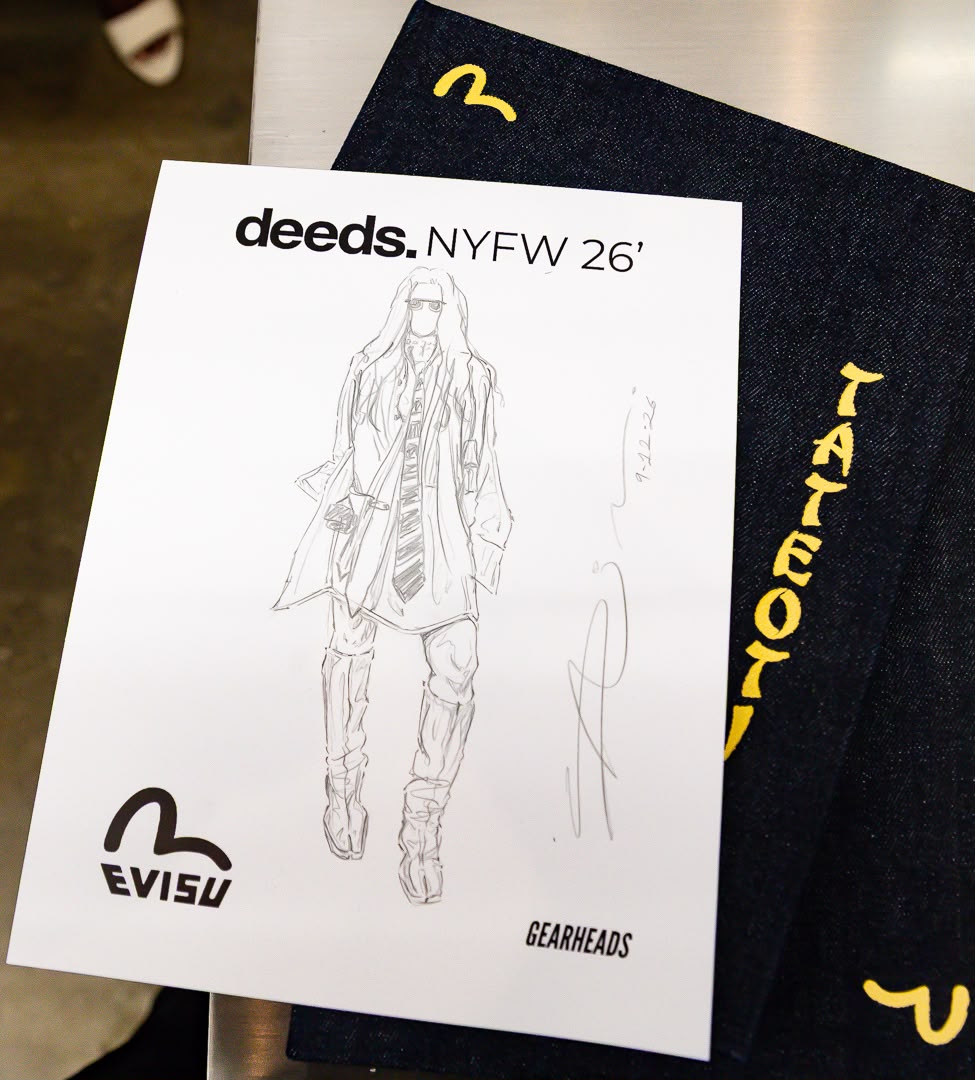
On the media front, platforms like Nocturne Music and Oroko Radio acted as the scene’s digital nervous system. Oroko Radio, in particular, served as the definitive archive, broadcasting underground sets to a global audience and ensuring that the energy of a Lagos warehouse was felt by everyone who could tune in. Visually, the aesthetic of the "Nigerian Raver" was codified by documentarians like Catch The Gigs, Exponential Vibes, and Genuine Ravers. These platforms provided the scene’s visual dialect, capturing the fashion, the sweat, and the darkness in ways that made the culture instantly recognisable on social media feeds worldwide. Deeds Mag established itself as an indispensable lifestyle collaborator, effectively linking digital media presence with tangible cultural output. Beyond offering comprehensive media coverage for major events, such as the widely successful Nitefreak show, they became crucial in shaping the visual culture of the scene's growth. Their partnership extended to serving as the aesthetic designers, including the creation and production of exclusive merchandise for the GT on Tour series, guaranteeing that Group Therapy's visual identity remained high-end and consistent as the rave expanded to cities outside Lagos.

This heightened structural integrity inevitably attracted capital. Giants like Smirnoff and Coca-Cola became ubiquitous, providing support required to scale these events. However, the soul of the ecosystem remained with QuackTails. Unlike the multinational giants, QuackTails has been there for quite some time – almost as early as the very beginning – providing a sense of authenticity and familial support, proving that the scene still valued community partnership over mere commercial sponsorship.

Looking forward, 2025 marks the maturity of Nigerian electronic music into a self-sustaining industry with a distinct global footprint. The spread of the sound is being driven by the diaspora and digital platforms, successfully integrating Nigeria into the global electronic tour circuit. The economic implications are profound, creating thousands of new jobs in event production, sound engineering, and creative direction. Perhaps most importantly, it has granted producers a new form of creative freedom; they are now empowered to engineer anthems for the dancefloor, designed for physical release rather than airplay, proving that the genre has found its own independent commercial lane.

Yet, this renaissance is being built on fragile ground, and the challenges facing the scene are as potent as the music itself. The infrastructure gap remains the most glaring hurdle, with a desperate need for dedicated, sound-treated locations to replace the makeshift venues currently in use. This lack of infrastructure complicates safety; as raves push deep into the early morning hours, protecting attendees during transit and navigating the complexities of local policing remains a source of constant anxiety for organizers. Furthermore, the economics of the scene are still precarious. Despite the corporate logos, Nigerian EDM is still in its infancy, meaning that much of the current activity is a financial labor of love driven by passion rather than profit. Finally, the scene faces a significant cultural friction: the struggle for acceptance in a conservative society. Given the genre’s inherent roots in queer culture, there is an ongoing tension regarding perception and safety, forcing the community to navigate the delicate balance between radical inclusion inside the rave and the conservative realities outside its walls.

In 2025, Nigerian house music found its voice. It was a rhythmic conversation between the pulse of Lagos and the sweat of its wide-eyed, vivacious youth. We are witnessing a scene growing in leaps and bounds, a reality validated not just when our institutions plant their flags on foreign soil — manifested this year in the successful exports of Group Therapy Accra and Group Therapy London — but in the undeniable global demand for our talent. The sound is now a veritable currency, evidenced by Blak Dave securing bookings around the world and Aniko’s monumental inclusion on the ADE lineup. At the same time, she and WeAreAllChemicals have become staples on major festival stages across Africa. We owe this current expansion to years of grassroots effort. For example, Dayo’s work with The Group Collective’s V4 effectively redefined the nexus of lifestyle, local camping, and EDM. At the same time, Lazio has solidified his reputation as the premier sound engineer for the electronic community and, effectively, the silent partner behind every major sonic activation. The movement has become truly boundless, stretching far beyond Lagos to unlikely frontiers like Calabar, where Kuffy Eyo’s Nocturna is pioneering a new consciousness in Nigeria’s geopolitical South-South. Through the support of these symbiotic microcosms, the Nigerian rave has graduated from a local secret to a viable cultural product. 2025 rolled into 2026 as the Sunday Service crowd crossed over at Lighthouse Bar and Grill, and one thing was clear: everyone is eager to see what 2026 holds for tinko-tinko music.
This is some text inside of a div block.

In This House - 2025

Authored by

The year 2025 marked a definitive turning point for electronic dance music (EDM) and house music in Nigeria. No longer a niche subculture confined to the fringes of Lagos nightlife, the scene exploded into a vivacious industry, recording a staggering 403% growth in engagement and consumption. This electronic renaissance was fueled by a unique blend of indigenous sonic experimentation, the influx of global heavyweights, and, importantly, a dedicated ecosystem of collectives that prioritised community over commercialism.


In 2025, the Nigerian house scene was defined by collectives. These groups acted as curators, safe spaces, and tastemakers, each carving out a distinct identity.

The rise of Group Therapy (GT) is one of the most significant case studies in the professionalisation and global scaling of the Nigerian electronic scene, or even any scene at all. Group Therapy started in 2023, and by 2025, it evolved from a series of niche underground gatherings into a cultural bridge for major global entries, including Boiler Room and Keep Hush. Under Aniko’s leadership, Group Therapy hosted the most impressive range of raves in 2025, from the impromptu “SMWR” editions in multi-storey car parks in Lagos Island to “KlubAniko” at the sophisticated Royal Box Centre in Victoria Island, and managed to maintain top quality across board. Group Therapy’s lineup for every 2025 edition paved the way for a more diverse roster of DJs – including many women, nonbinary, and intersex artists – to play prominent roles in the 2025 rave cycle. However, the collective's most significant achievement was the successful attraction of a record number of renowned international DJs to its Lagos-based editions.

As one of the longest-running house music residencies in Lagos, Element House (under the Spektrum banner, run by Ron and DelNoi) provided the necessary stability for the scene. Their monthly editions remained the "gold standard" for consistency. The 2025 rave calendar kicked off with a visually stunning Element House edition, courtesy of artist Bidemi Tata. This event marked the beginning of a sustained partnership between the organisers and the University of Lagos-trained artist. Throughout the rest of the year, they continued to collaborate with Bidemi Tata to refine their visual narrative, transforming each subsequent event into a sophisticated, high-concept, and fully immersive experience. In 2025, Element House achieved two significant milestones. Firstly, it solidified its position as the scene's "reliable giant," providing a predictable, safe, and carefully curated environment through its monthly residency. Secondly, Element House successfully cornered the economic power of the scene. By catering to a demographic of ravers who prioritised comfort over the raw atmosphere of a warehouse, they legitimised house music to corporate Nigeria. It is fair to claim that this appeal helped secure sponsorships that were out of reach for more underground rave events. The Element House lineup for every episode was also impressive, with them closing the year with a 2-hour Francis Mercier set. 

Monochroma Live started in 2024, and by 2025, they were already full throttle. The collective, spearheaded by Blak Dave and Proton and structurally backed by KVLT, approached nightlife with a simple philosophy: intentional, structured, and visually minimalist. This mindset was expressed through their signature monochrome aesthetic. Monochroma utilised the rhythmic familiarity of 3-Step to seamlessly convert normies into house enthusiasts, proving that the underground can grow without having to be clandestine, and without having to be diluted. This philosophy, coupled with the sonic direction of the Monochroma’s leaders, defined their 2025 programming and resulted in a year of cross-cultural convergence. 2025 on the Monochroma Live calendar culminated in the massive Dance Eko collaboration featuring Mörda, Blak Dave, JNR SA, Aniko, SoundsOfAce, and Earthsurfing, a finale that perfectly encapsulated Monochroma’s spirit.

In 2025, Sweat It Out solidified its standing as the raw, beating heart of the Nigerian underground, distinguishing itself by maintaining the gritty, industrial ethos of global rave culture. Under the sonic stewardship of resident headliner Sons of Ubuntu, the collective has kept the flame alive, curating sets that traverse the darker, more hypnotic corridors of Techno, Minimal Tech, and Acid House. The brand’s 2025 run reinforced its status as the scene's most vital safe space. Acknowledging the inherently queer roots of electronic dance music, Sweat It Out provided a rare, judgment-free sanctuary where gender expression and identity were not just tolerated but celebrated as essential to the technicolour vibrancy of the night. This commitment to inclusivity created a loyal following that prioritized the vibe over social hierarchy and/or buy-in. The year reached its apotheosis with "Sweat Therapy," a strategic year-end collaboration with Group Therapy. By closing 2025 with this unified front, Sweat It Out demonstrated that the underground remains undefeated, proving that a commitment to raw sound and radical safety is the strongest currency in the Lagos EDM scene.

While the major collectives dominated the headlines, the depth of the 2025 scene was defined by a constellation of parties that decentralised the culture and catered to specific communities. Leading this charge was Mainland House, which single-handedly dismantled the "Island-only" gatekeeping of Lagos nightlife. By planting the flag in different halls and production studios across the state, it offered a grittier, unpretentious alternative that tapped into the massive, underserved youth population of the Mainland, proving that the genre’s viability extended far beyond the elite coast. Simultaneously, Motion redefined the capital’s nightlife in Abuja. Far from being a shadow of Lagos, Motion carved out a distinct electronic identity, utilizing intimate spaces in the city’s capital to host rave experiences that currently sponsor FOMO and/or anticipation. In a bold expansion of the map, Red Light Fashion Room emerged as the avant-garde jewel of Ibadan, anchoring itself in the ancient city. A concept brought to life by Artpool Studios, Red Light Fashion Room created a unique hybrid that encouraged artistic expression via intentional grungy locations and the most original house rhythms, effectively modernizing the nightlife of the South-West beyond Lagos. 

On the thematic front, the scene offered beautifully specific niches that prioritized "vibe" over sheer scale. Ilé Ijó (The House of Dance) stayed true to its name, stripping away the pretension of "cool" to focus purely on the kinetics of the dancefloor; it became the safe haven for those who wanted the soulful, spiritual connection of house music. Sunday Service enjoyed a highly successful year, with several editions becoming so popular they had to be shut down due to overcrowding. The event continued with its characteristic evening-to-midnight timing, with only a few unavoidable exceptions. Its relaxed, "sundowner" atmosphere proved vital, offering an accessible alternative for casual listeners who found the intense 3 AM warehouse scene intimidating. House Arrest, curated by the Naija House Mafia, had a year marked by a series of high-concept themed editions that demanded total commitment — not just from the crowd, but from the selectors themselves. Seeing the DJs spin while fully costumed on theme dissolved the barrier between the booth and the dancefloor, turning every edition into a cohesive, immersive performance rather than just a party. The Group Collective carved out a unique niche with their destination rave model, mastering the art of beachside escapism. Their editions, typically hosted at Tarkwa Bay, transform the rave into a 24-hour, overnight camping experience that demands total immersion. Their rapid ascent was cemented by the recent V4 edition, which saw them bringing in South African heavy-hitter Jashmir, signaling that this intimate, sand-and-sound community has graduated from a localized campout into a serious player.

In 2025, the "silo" mentality died. The most memorable events or editions were those where two or more heavyweights merged rosters and aesthetics.
Group Therapy x Boiler Room
was the definitive event of the year. It validated the Lagos scene on a global level. It happened on the 26th of April with a lineup that featured a mix of established veterans from Lagos and abroad, including AMÉMÉ, Aniko, IMJ, and a Weareallchemicals b2b with Yosa. WurlD delivered a surprise performance, joining AMÉMÉ on stage during their set, adding to the already impressive lineup.
Green Light Fashion Room
took the scene by surprise. Group Therapy teamed up with Red Light Fashion Room, a blooming EDM outfit operating out of Ibadan, to throw this memorable one. Many people remember it as one of the best EDM nights to ever happen in Ibadan yet. The lineup was nothing short of impressive either – starring Abiodun, Aniko, QueDJ, An.D, and Weareallchemicals – making the event nothing short of a masterclass in logistics.

Spotify Greasy Tunes served as the year's intersection of big-tech backing and underground culture, marking a sophisticated pivot for the scene. Partnering with the culinary hotspot Fired & Iced, this launch event kicked off a month-long residency that seamlessly blurred the lines between a culinary pop-up, a highly informative formal yap session, and a high-energy rave. Curated by Group Therapy, the opening night offered an experience that was anchored by South African 3-Step pioneer Thakzin, whose second stint in NIgeria was supported by a stellar roster including Aniko, WeAreAllChemicals, RVTDJ, and FaeM, setting a high bar for the fusion of food, culture, and electronic music.

Dance Eko distinguished itself as a massive, open-air festival that dedicated distinct days to Amapiano and House music. The House edition, executed in strategic collaboration with Monochroma, transformed the venue into a high-octane, open-air rave. The lineup was a formidable bridge between nations, featuring South African icons Mörda, Jnr SA, and the reunited Distruction Boyz (Goldmax & Que DJ). Locally, the decks were commanded by Blak Dave, Proton, Aniko, Abiodun, and Naija House Mafia.

Sweat Therapy was a masterclass in energy management. These movements combined the curated, deep selections of Group Therapy with the high-octane rave delivery of Sweat It Out. The result was a marathon-style party that happened on two floors of the multi-storey car park at the Odeya Centre, with each floor having its own sound – the type of rave you see only in a John Wick movie.

The Global Influx: International Players in the 234
The 2025 electronic calendar began with an intensity that signaled a new era for Lagos as a global rave destination. The influx started early in February when 3-Step pioneer Thakzin headlined a rainy edition of Monochroma. His performance was a defining moment that introduced hours of unreleased material and effectively cemented the 3-Step sound as one of the year's dominant rhythms. This momentum carried into April with a well curated event produced by M.E. Entertainment at the Royal Box Event Centre. Keinemusik’s Rampa brought the Cloud sound to Nigeria in a massive production that featured support from Aniko and Blak Dave. The night bridged the gap between underground electronic music and mainstream pop culture with surprise stage appearances by Burna Boy and Olamide. By May, the energy shifted towards Gqom as heavyweight Dlala Thukzin made his Lagos debut at the Livespot Entertainment Centre. It was the eighth edition and it is still quite fresh in the hearts of afrohouse lovers. His Group Therapy set is the most-watched house music set recorded in Nigeria and hosted on YouTube.

As the year progressed into the second half, promoters executed a strategic rollout of international talent that expanded the scene's geographic footprint. September saw a split of the legendary Gqom duo Distruction Boyz before their eventual reunion. Que DJ headlined the Group Therapy Ibadan edition on September 5, and just a week later on September 12, his partner Goldmax took over the Monochroma decks in Lagos. Thakzin returned for his second visit of the year on October 1 to headline the Spotify Greasy Tunes opening party. This specific appearance focused less on the rave aesthetic and more on a lifestyle approach that bridged dining culture with house and kicked off a month of talks, performances, and dinners at the same venue.

The final quarter of the year became a relentless parade of global superstars during the "Detty December" festivities. The surge began on November 7 when Gqom technician Funky QLA headlined the tenth edition of Group Therapy at Livespot and continued the collective's dominance in importing high-energy South African sounds. Deep House royalty Francis Mercier arrived on December 18 to headline Element House and brought his melodic house sound to the city. Desiree touched down shortly after for a highly anticipated set that showcased her eclectic Afro techno fusion. The year reached a nostalgic peak when Que DJ and Goldmax finally united on stage as Distruction Boyz at the Dance Eko festival in late December. They delivered a futuristic Gqom set that stood out as a major highlight. The year closed on an intimate note as Dlala Thukzin returned to headline Klub Aniko.

Beyond the headline shows, several other key figures deepened the scene's texture through niche and endurance events. Jashmir headlined The Group Collective’s V4 beachside camping rave at Tarkwa Bay and tested the endurance of the 24-hour party crowd. Dankie Boi became a recurring fixture who played pivotal sets for both the Group Therapy Abuja expansion and Monochroma in Lagos. Meanwhile, Skeedoh, Abiodun, and Ogor ensured that Ilé Ijó continued to educate the scene on the fringes of African electronic music by maintaining a robust relationship with the East African underground. Ile Ijo championed the fast-paced Tanzanian Singeli sound pioneered by acts like Jay Mitta and ensured the Nigerian scene remained connected to the continent's rawest and most traditional electronic roots.

The Ecosystem: Platforms and Partners
The sustainability of the 2025 boom was underpinned by a rapidly professionalizing support system that ensured the culture was not just experienced, but structurally sound and amplified. Central to this operational evolution was Our House. Far more than just a promotional platform, Our House functioned as the scene’s logistical backbone. Under the stewardship of key figure Becky Ochulo, the agency provided the essential human resources, operational strategy, and on-ground management that allowed complex rave productions to run smoothly. Furthermore, they professionalized the talent pipeline, offering booking and management services that finally gave Nigerian electronic artists the representation needed to negotiate with global stakeholders.

On the media front, platforms like Nocturne Music and Oroko Radio acted as the scene’s digital nervous system. Oroko Radio, in particular, served as the definitive archive, broadcasting underground sets to a global audience and ensuring that the energy of a Lagos warehouse was felt by everyone who could tune in. Visually, the aesthetic of the "Nigerian Raver" was codified by documentarians like Catch The Gigs, Exponential Vibes, and Genuine Ravers. These platforms provided the scene’s visual dialect, capturing the fashion, the sweat, and the darkness in ways that made the culture instantly recognisable on social media feeds worldwide. Deeds Mag established itself as an indispensable lifestyle collaborator, effectively linking digital media presence with tangible cultural output. Beyond offering comprehensive media coverage for major events, such as the widely successful Nitefreak show, they became crucial in shaping the visual culture of the scene's growth. Their partnership extended to serving as the aesthetic designers, including the creation and production of exclusive merchandise for the GT on Tour series, guaranteeing that Group Therapy's visual identity remained high-end and consistent as the rave expanded to cities outside Lagos.

This heightened structural integrity inevitably attracted capital. Giants like Smirnoff and Coca-Cola became ubiquitous, providing support required to scale these events. However, the soul of the ecosystem remained with QuackTails. Unlike the multinational giants, QuackTails has been there for quite some time – almost as early as the very beginning – providing a sense of authenticity and familial support, proving that the scene still valued community partnership over mere commercial sponsorship.

Looking forward, 2025 marks the maturity of Nigerian electronic music into a self-sustaining industry with a distinct global footprint. The spread of the sound is being driven by the diaspora and digital platforms, successfully integrating Nigeria into the global electronic tour circuit. The economic implications are profound, creating thousands of new jobs in event production, sound engineering, and creative direction. Perhaps most importantly, it has granted producers a new form of creative freedom; they are now empowered to engineer anthems for the dancefloor, designed for physical release rather than airplay, proving that the genre has found its own independent commercial lane.

Yet, this renaissance is being built on fragile ground, and the challenges facing the scene are as potent as the music itself. The infrastructure gap remains the most glaring hurdle, with a desperate need for dedicated, sound-treated locations to replace the makeshift venues currently in use. This lack of infrastructure complicates safety; as raves push deep into the early morning hours, protecting attendees during transit and navigating the complexities of local policing remains a source of constant anxiety for organizers. Furthermore, the economics of the scene are still precarious. Despite the corporate logos, Nigerian EDM is still in its infancy, meaning that much of the current activity is a financial labor of love driven by passion rather than profit. Finally, the scene faces a significant cultural friction: the struggle for acceptance in a conservative society. Given the genre’s inherent roots in queer culture, there is an ongoing tension regarding perception and safety, forcing the community to navigate the delicate balance between radical inclusion inside the rave and the conservative realities outside its walls.

In 2025, Nigerian house music found its voice. It was a rhythmic conversation between the pulse of Lagos and the sweat of its wide-eyed, vivacious youth. We are witnessing a scene growing in leaps and bounds, a reality validated not just when our institutions plant their flags on foreign soil — manifested this year in the successful exports of Group Therapy Accra and Group Therapy London — but in the undeniable global demand for our talent. The sound is now a veritable currency, evidenced by Blak Dave securing bookings around the world and Aniko’s monumental inclusion on the ADE lineup. At the same time, she and WeAreAllChemicals have become staples on major festival stages across Africa. We owe this current expansion to years of grassroots effort. For example, Dayo’s work with The Group Collective’s V4 effectively redefined the nexus of lifestyle, local camping, and EDM. At the same time, Lazio has solidified his reputation as the premier sound engineer for the electronic community and, effectively, the silent partner behind every major sonic activation. The movement has become truly boundless, stretching far beyond Lagos to unlikely frontiers like Calabar, where Kuffy Eyo’s Nocturna is pioneering a new consciousness in Nigeria’s geopolitical South-South. Through the support of these symbiotic microcosms, the Nigerian rave has graduated from a local secret to a viable cultural product. 2025 rolled into 2026 as the Sunday Service crowd crossed over at Lighthouse Bar and Grill, and one thing was clear: everyone is eager to see what 2026 holds for tinko-tinko music.

Other Stories
London
London
Lagos
London
Newyork
London
Shop
Join the community.
You are now subscribed to receive updates.
Oops! Something went wrong while submitting the form.