.svg)

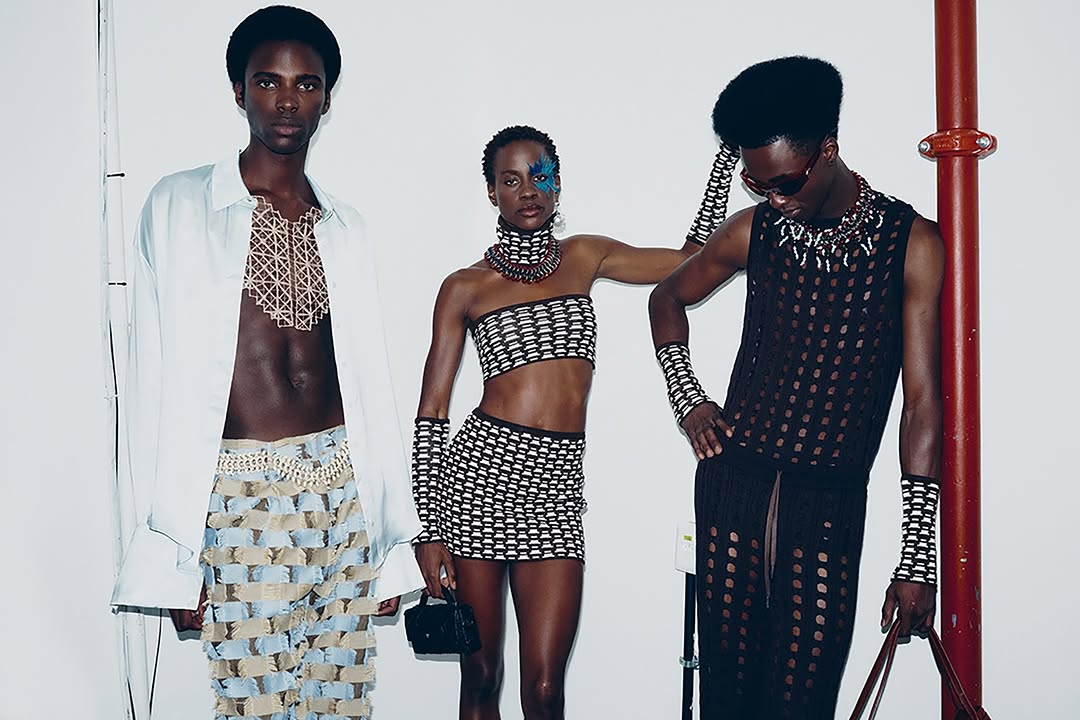
After more than a decade away from the global fashion circuit, Rio Fashion Week 2026 returned this April with something to prove. Staged across Pier Mauá and some of Rio de Janeiro’s most iconic cultural landmarks, the revived week was not interested in nostalgia or resurrection for resurrection’s sake. Instead, the relaunch positioned Rio as a city reclaiming its authority within Brazilian fashion as a site where culture, nightlife, politics, movement, and craftsmanship collide in ways impossible to replicate elsewhere.
Officially backed through a partnership between the Rio de Janeiro municipality and IMM, the company behind São Paulo Fashion Week, the week drew around 30,000 attendees and folded runway shows into talks, exhibitions, nightlife programming, and industry conversations.
What emerged over the course of Fashion Week was a portrait of Brazilian fashion at its most expansive. Across the runways, designers interrogated sensuality, ritual, class, race, performance, and national identity without flattening themselves into tropical cliché. There was an understanding throughout the week that Brazilian fashion is often consumed internationally through narrow visual codes, like swimwear, colour, carnival, and many of the strongest collections pushed against those assumptions while still remaining deeply rooted in place.
Among the clearest standouts was Misci, whose show unfolded at the Marquês de Sapucaí, the spiritual home of Rio’s Carnival parades. Creative director Airon Martin built the collection around a deceptively simple question: what happens when Carnival stops being an annual event and instead becomes a permanent state of existence? Titled Tropical Escapism, the collection moved between fantasy and exhaustion, spectacle and intimacy. Models walked to the live percussion of Beija-Flor de Nilópolis’ drum section, transforming the runway into something closer to a procession than a traditional catwalk.
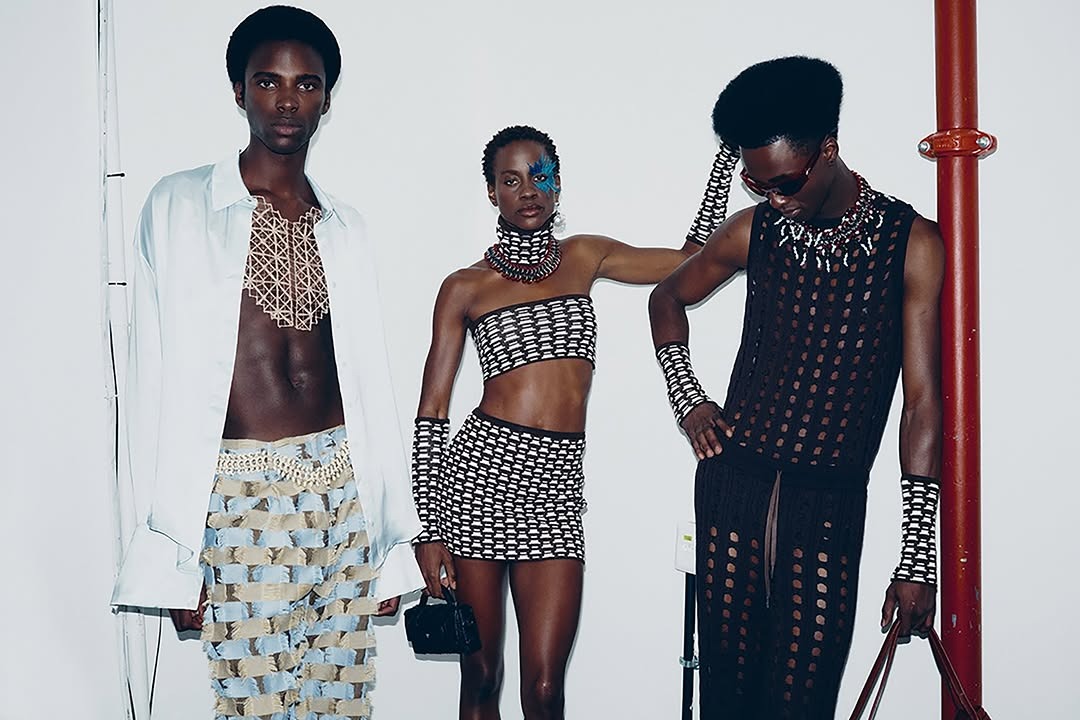
What made the collection resonate wasn’t simply its theatricality, but the way movement itself became the central design language. Garments slipped between fluid jersey, elongated tailoring, soft draping, and sculptural pieces that never quite settled into rigidity. There were echoes of 1970s Brazilian counterculture throughout, particularly the liberated sensuality associated with Gal Costa, but Martin resisted pure nostalgia. Instead, the collection captured Rio as a city constantly in motion: bodies dancing through heat, music leaking into the street, glamour collapsing into sweat by sunrise. Jewellery by Alan Crocetti sharpened the collection, ornamenting the body without overpowering it. Misci undoubtedly understands that Brazilian luxury today is less about polish and more about atmosphere, identity, and emotional texture.
If Misci explored celebration as a cultural language, Dendezeiro approached performance through the lens of subculture. Designers Hisan Silva and Pedro Batalha pulled ballroom aesthetics out of their expected framework and reinterpreted them through Brazilian social realities, particularly funk carioca and pagode baiano. The result was one of the week’s most charged collections: hyper-fitted silhouettes, exposed skin, latex, leather, sharply controlled proportions, and a physicality that felt unapologetically confrontational.
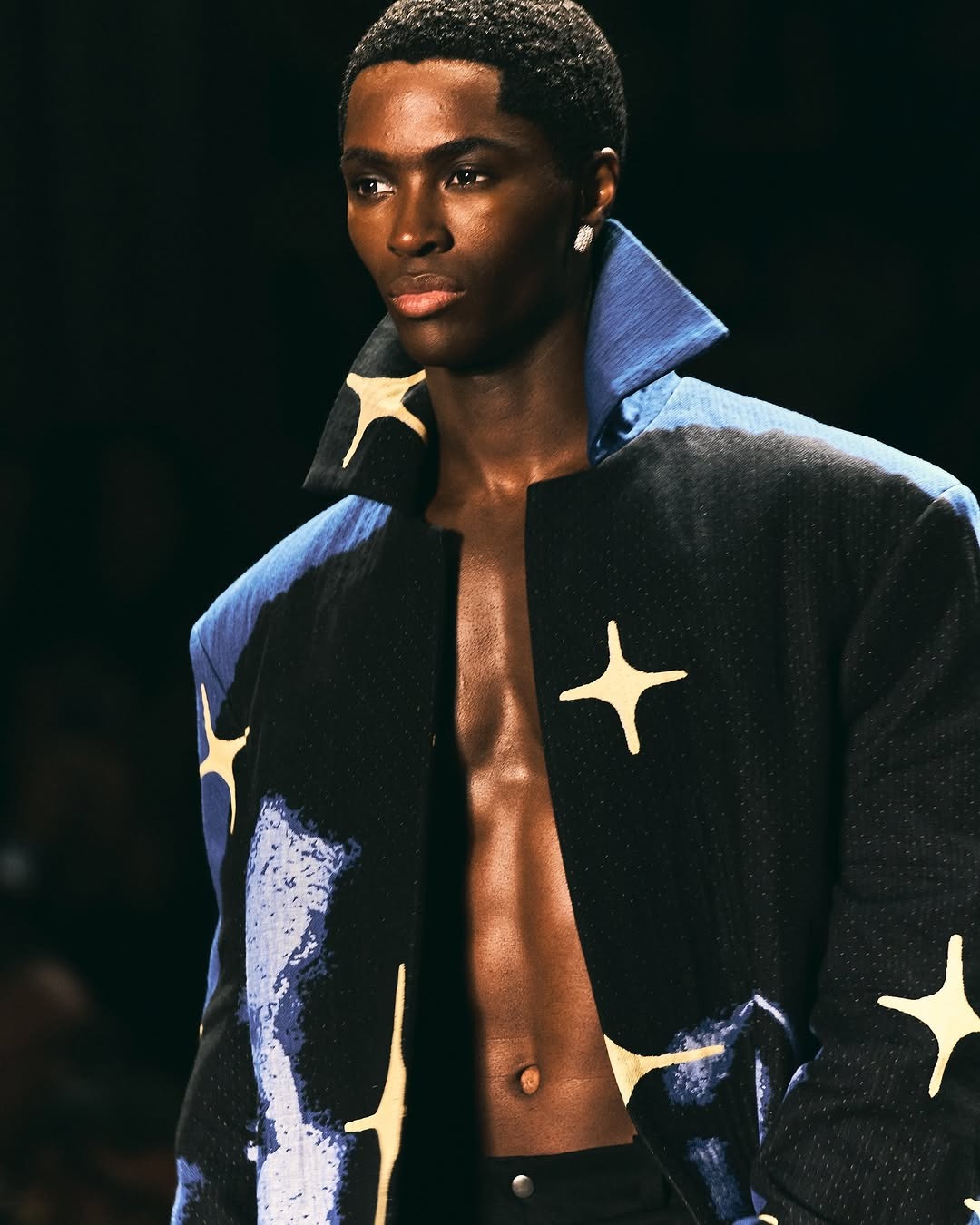
What could have easily collapsed into stylised reference instead felt lived-in and participatory. Dendezeiro’s strength lies in how the brand understands ballroom not just as an aesthetic vocabulary but as survival language and a system of self-fashioning tied to performance, resistance, race, queerness, and aspiration. With Alton Mason closing the show, it felt particularly aligned with the collection’s wider interest in global Black performance cultures and the circulation of identity across borders. Dendezeiro continues to occupy a rare space in fashion that is politically aware without becoming didactic, and sensual.
One of the more conceptually rigorous presentations came from Argalji, the label founded by Rio-based designer Monique Argalji. Trained at both Parsons School of Design and Central Saint Martins, Argalji approached construction as sculptural experimentation. At RioFW, foam was the collection’s primary material, manipulated into exaggerated hips, distorted sleeves, and dramatic silhouettes that hovered somewhere between armour, organism, and installation.

There was something deeply compelling about the flow between precision and instability in the collection. While many designers at RioFW leaned into fluidity and movement, Argalji pushed toward restriction and structure, creating bodies that appeared almost architecturally altered. The palette, ranging from black and beige to red and yellow hues, heightened the theatricality without overwhelming the garments’ formal experimentation. In a week heavily shaped by ideas of celebration and sensuality, Argalji offered something colder, stranger, and more cerebral. The collection remained rooted in Brazilian craft traditions through its emphasis on manual experimentation and tactile construction.

Meanwhile, Helô Rocha brought a softer emotional register to the schedule. Long celebrated for her romantic approach to femininity, Helô Rocha leaned into delicacy without allowing the work to become fragile. Embroidery, transparency, flowing silhouettes, and artisanal detailing grounded the collection in ideas of intimacy and memory, offering a counterpoint to the week’s louder, more performative moments. Rocha’s work seemed interested in emotional permanence through clothing that is designed to hold sentiment as much as form.
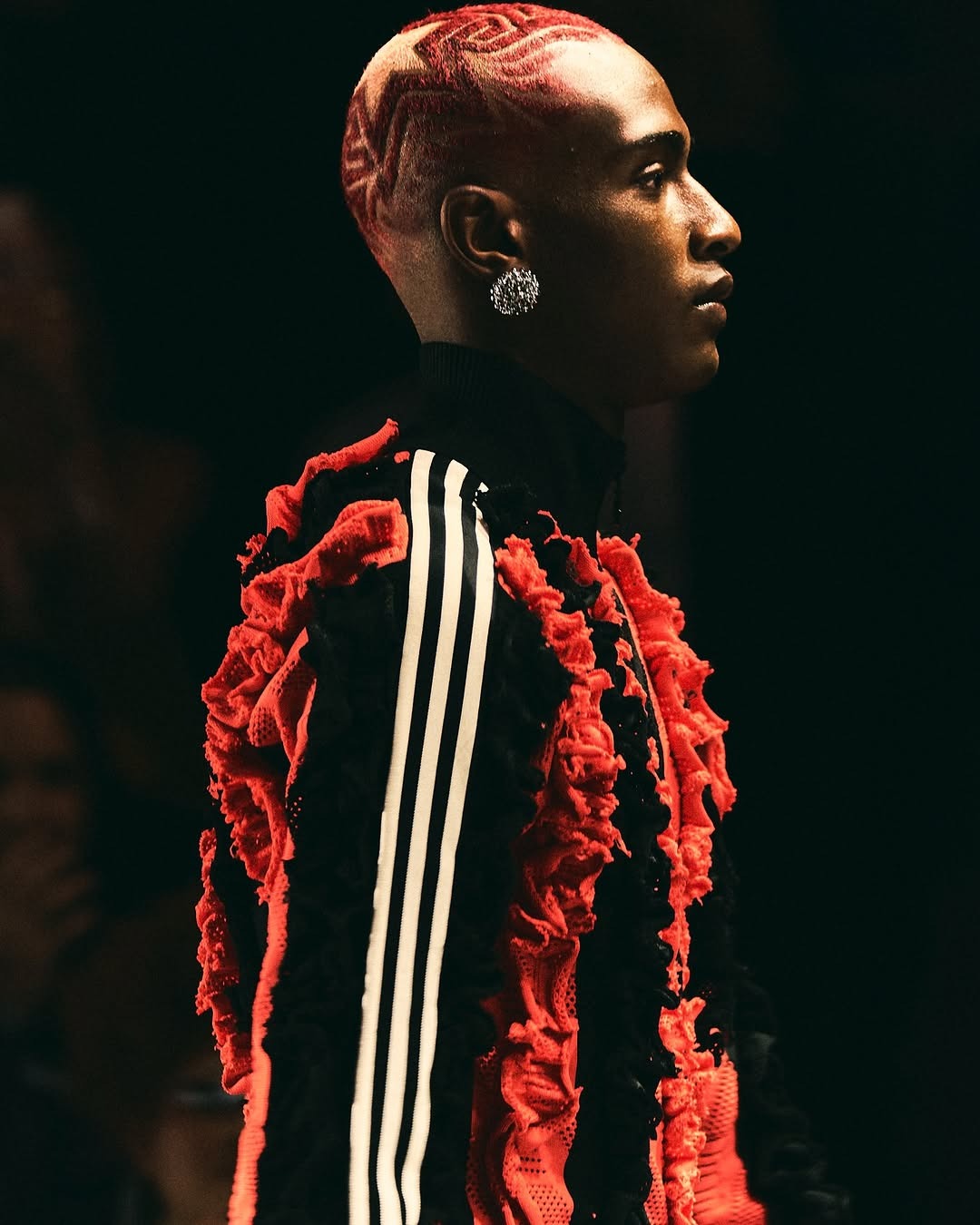
Another highlight of the week was the presentation by Adidas. With the inclusion of the global sportswear giant within the schedule, it reinforced how contemporary Brazilian fashion increasingly operates across luxury, streetwear, performance, and lifestyle simultaneously.
Most of the strongest moments throughout the week came from designers articulating distinctly Brazilian perspectives. What made Rio Fashion Week compelling ultimately wasn’t simply the return itself, but the entire atmosphere surrounding it. There was a palpable sense that Brazilian fashion is entering a new era of visibility, one more invested in defining its own intellectual and cultural frameworks. Across the week, designers treated Rio de Janeiro as a city where fashion remains inseparable from music, movement, nightlife, race, and public life.
If this relaunch was intended to re-establish Rio on the international fashion calendar, it succeeded not by imitating the structures of Paris, Milan, or New York, but through leaning further into what makes the city culturally singular in the first place. And with that, we’re excited for this new era of Rio Fashion Week and everything RioFW still has to unfold.


.png)

