.svg)

.jpg)
Somewhere between a JCB in Mumbai, a Lagos street, and a wall in Addis Ababa, fashion lost its monopoly on what is interesting. The people making it happen were not waiting to be discovered.
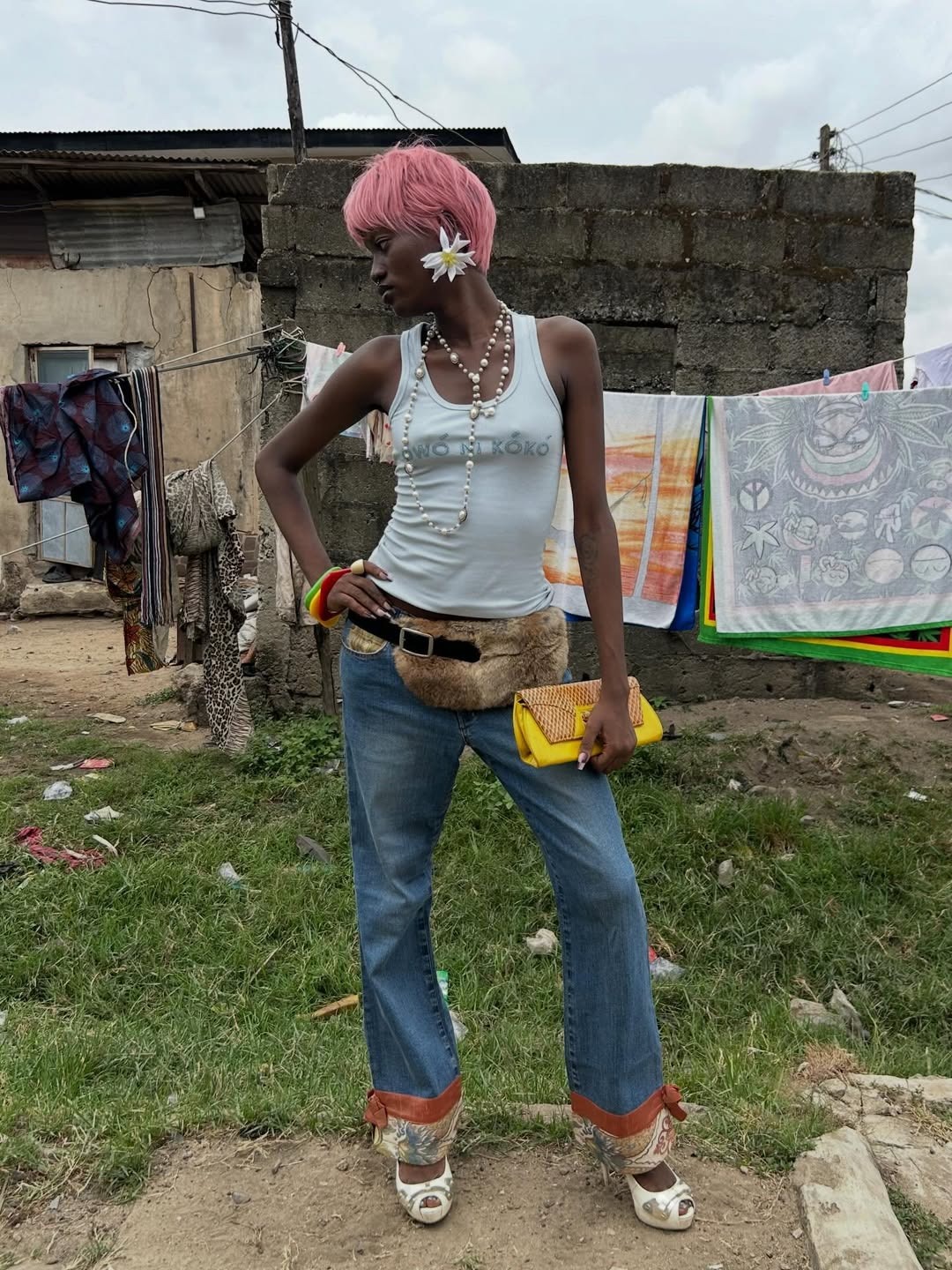
Rachel Ojuromi did not start with a platform. She started with a YouTube channel - no editing, no production budget, no brief. Raw talking videos made in Lagos by someone who had not yet been told her perspective needed packaging. That was the foundation. Not a strategy. A refusal to wait. She went on to found The Process Africa, a platform documenting African creatives before the rest of the world decided to pay attention. The work she makes now - shot on Lagos streets, styled by Debby Fasingha, filmed by photographer Odey Ikpa - carries the same quality the YouTube videos had. Everything she makes is a love letter to the place she is from and the people creating it.
When Outlander Magazine posted her work under the headline "India's coolest girl has influenced Rachel Ojuromi to become Nigeria's coolest girl," Outlander themselves wrote in the caption: "I could watch a million of these videos." Rachel's response from her own account was simply: "You guys are the coolest!! Thank youuuu." One comment. Then back to making. The "influenced" framing is the internet's version of the story. The fuller version is that Rachel was already doing this before it had a name, and Lagos was always the point.
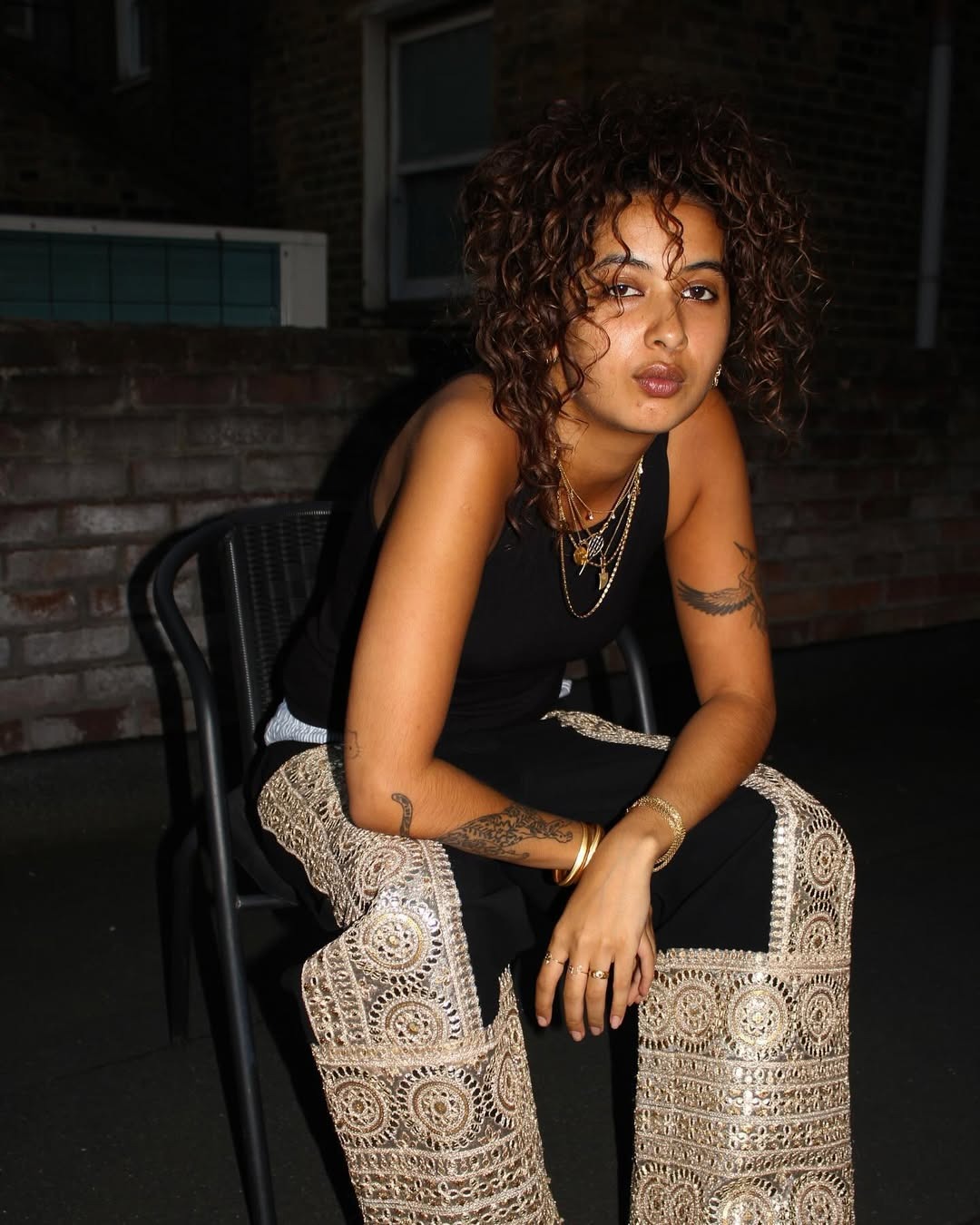
In February 2026, Diya Joukani walked out onto the streets of Bandra in embroidered denim, and the internet stopped. No artificial lighting. Often just a white sheet and an iPhone. That rawness is the strategy. Her label, DiyaDiya Studio, fuses global streetwear silhouettes with aari and zardozi embroidery handwork repurposed from bridal couture onto denim, worn on a JCB on a Tuesday.
Since January, the format has been recreated thousands of times across the globe. London. Beirut. Moscow. Bengaluru. The replication is flattering. Then Rihanna came to Mumbai for her Fenty Beauty Ki Haveli pop-up and sought Diya out specifically. "You have been all over the internet! Congratulations on everything," the Grammy winner told her, before the two filmed a street walk video together. When the most famous woman in fashion travels to your city and asks to be part of your format, the argument is settled.

Kalu Putik, known online as kaluputics, takes it to its furthest point. He is not using his city as a backdrop. He is building the clothes from it. Locally sourced, disposable materials turned into statement looks. No expensive tools. Just an eye for creativity and whatever he can find around him. A single video has crossed 200 million views and 10 million likes. An Instagram comment sits unanswered, not because he is ignoring the audience, but because he is too busy making the next thing to stop and respond to the last one. Fashion houses are reportedly taking notes. The constraint is not a limitation repackaged as virtue. It is the work itself.
The industry's assumption was always that quality required conditions. The right city. The right light. The right room. What Rachel, Diya, and Kalu disprove - separately, without coordinating, across three continents, is that assumption. Quality comes from knowing exactly what you are trying to say. The infrastructure is optional. Paris, Milan, New York, and London still exist. The system they built still functions. But it no longer has a monopoly on what is interesting and that loss of monopoly is the most significant thing to happen to fashion content in years. Not because three creators went viral. Because they went viral making work that the system would never have funded, in cities the system would never have chosen, with resources the system would never have approved.
The industry is paying attention now. Whether it understands what it is looking at is a different question entirely.




.png)

