Irene Agbontaen: TTYA Was Always Bigger Than Fashion

Authored by

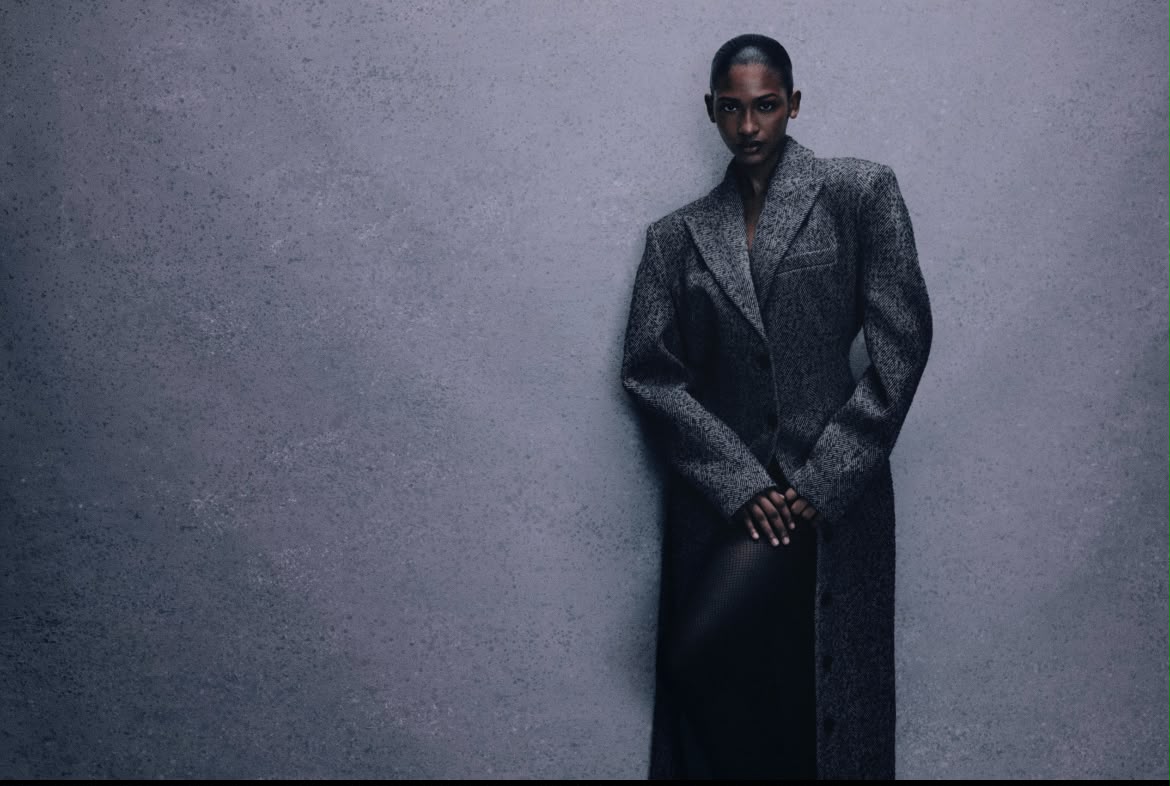
Thirteen years after launching her first fashion brand, Taller Than Your Average — a label that exclusively caters to tall women — fashion entrepreneur and cultural strategist, Irene Agbontaen, is returning with TTYA Lab, the second chapter in her fashion career evolution. Launched last month during London Fashion Week, TTYA Lab is the label’s official wardrobe system. Together, Agbontaen’s devotion towards an overlooked community continues to manifest with strong ambition. 

TTYA's evolution reflects how far things have come since those early days in the summer of 2013. After more than a decade across fashion, music and entertainment, she returns with a deeper understanding of consumer behaviour, cultural relevance and what it takes to build lasting impact. 

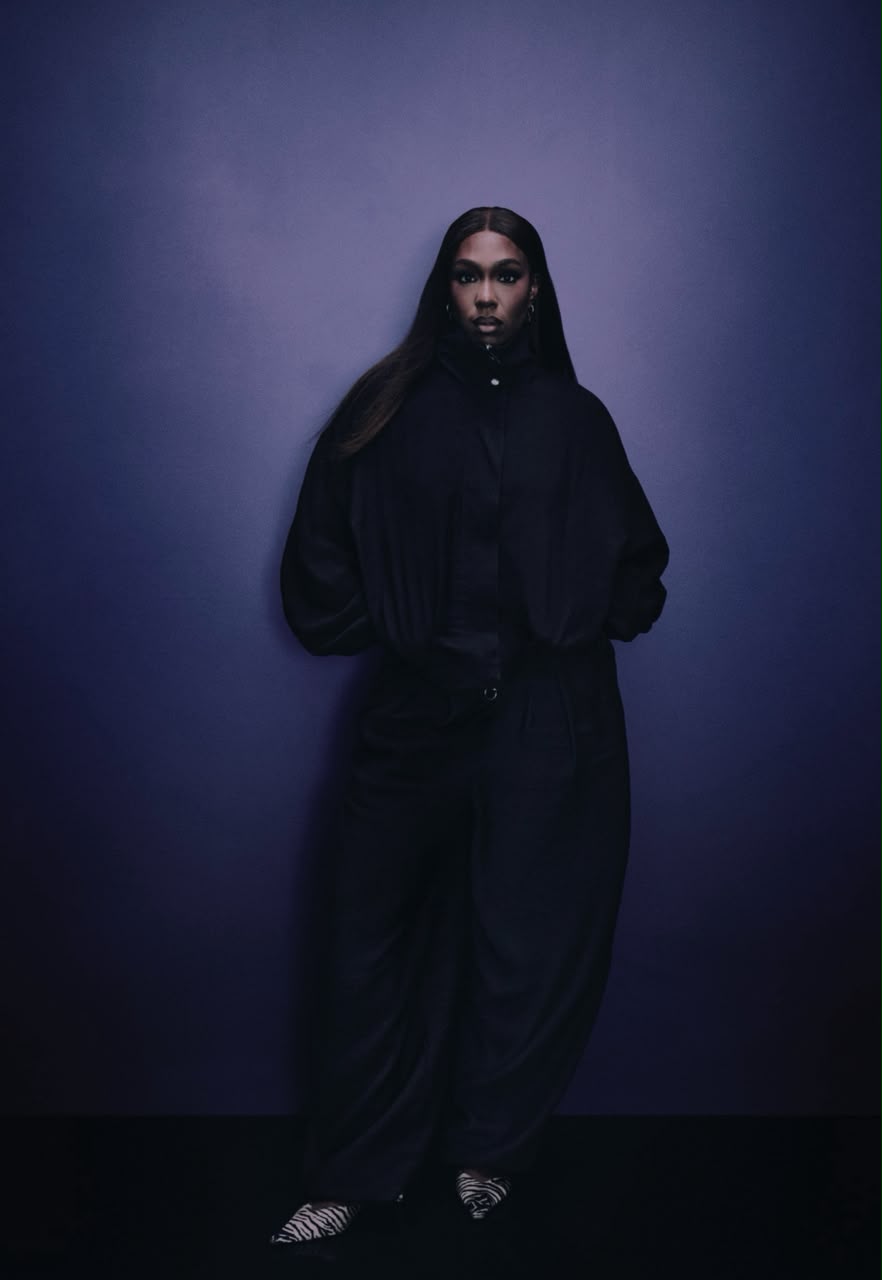
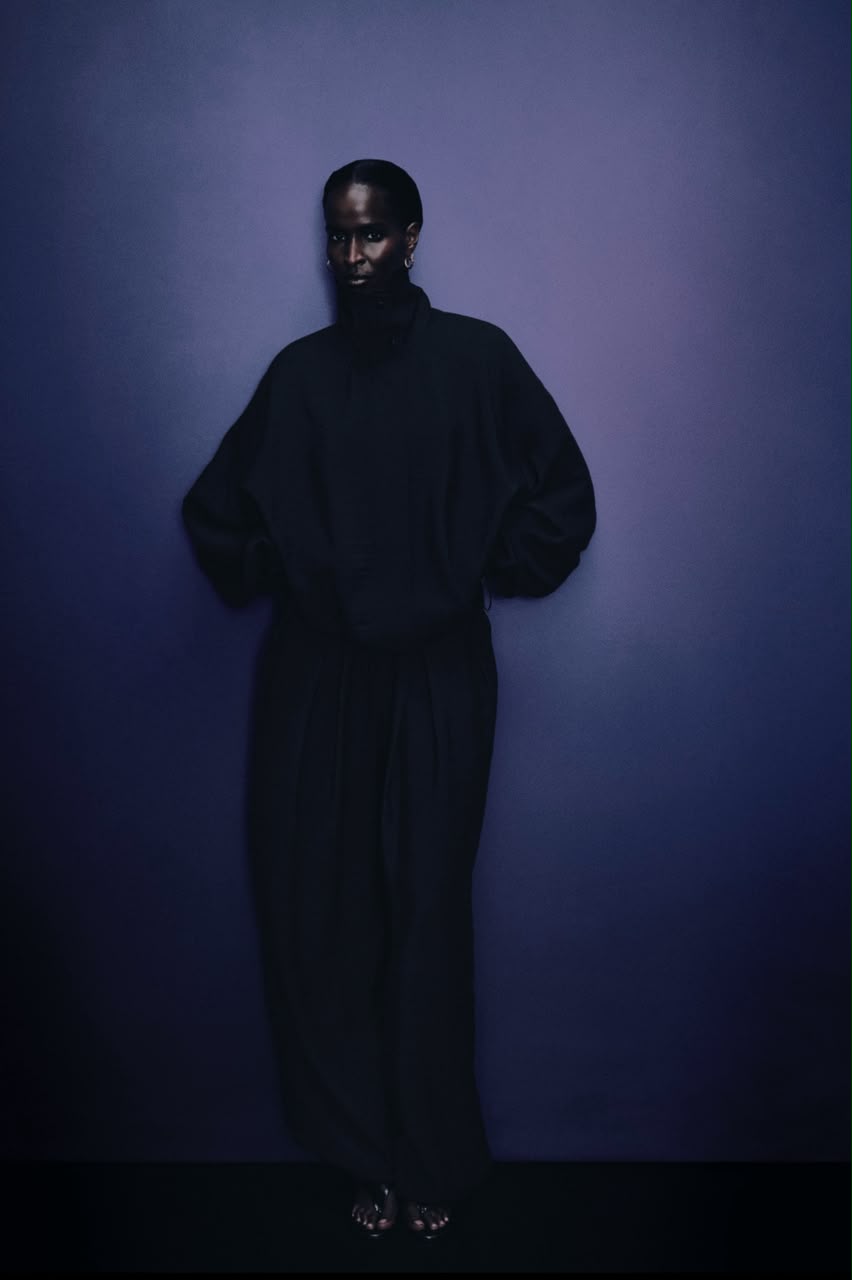
TTYA Lab offers a considered approach to getting dressed, built around versatile foundations, thoughtful design and pieces that work together with the wardrobes women already own.
As a founder, Irene has created space for conversations around creative ambition, representation and the business of culture, drawing on her own experiences and the knowledge of the people around her. From working with music’s most influential artists, including Wizkid, Burna Boy and Central Cee, to building partnerships that recognise cultural value, her career has focused on who gets seen, who gets heard and who benefits. That philosophy informs TTYA Lab, where representation means creating something people can genuinely participate in and feel ownership of.

As TTYA Lab kickstarts its next phase, this writer spoke with Agbontaen for Deeds about the lessons that shaped TTYA's broader return, the importance of building with a community rather than simply marketing to one, and what it means to recognise your own value while making space for others. The mission remains familiar, but the ambition has evolved: TTYA Lab is not an attempt to recreate the past, but a vision for the future of fashion for tall women.

Seneo for Deeds: TTYA has existed for 13 years, and now you've chosen to relaunch it as TTYA Lab. Why did you feel now was the time to bring it back in this new chapter?

TTYA Lab is a wardrobe system for tall women. It comes from my personal experience as a 5’11 woman and my understanding that, historically, fashion hasn't really spoken to women like me. So, I wanted to solve a problem through personal experience, and with TTY Lab, I wanted to move beyond what we can't and into what we can. Tall women are fashion consumers, too. We care about design, proportion, fabrication, and how our wardrobes work for us, just like everybody else.​

The rebrand has evolved a lot. I launched TTYA over 10 years ago, and the first chapter taught me so much about consumers, products and what the market was missing. TTYA is coming back to the same problem with more experience. I’ve spent the last couple of years working at the intersection of fashion, music, culture and brand strategy, and I understand business, consumer and cultural behaviour better now. The value of cultural currency feels different now, and that shapes this chapter.

What has changed in how you have approached things this time around?

I have found that the problem hasn’t really disappeared. A lot has shifted during our break, in that consumers have moved faster than the industry. Women are much more sophisticated in how they build their wardrobes now, and the climate and economy matter too. We want our wardrobes to work smarter, not just spend, spend, spend. I’m a streetwear kid, so you’ll see me wearing a combination of things. People are more conscious about dressing smarter; it’s about rotating the pieces I already have for work, travel, dinner, and everyday wear.

For tall women, there’s still an extra layer of compromise when it comes to finding clothes that work for us. I have to get a men’s double XL shirt and wear it oversized and baggy. We’ve found ways to make it cool, but we’re still compromising. We can’t shop with our friends the way we’re used to without thinking: can I get that length, will the sleeve fit, can I find a shoe in my size? I wanted to take some of that friction away without making the product feel like specialist clothing.

Our whole system is built around rotation, and you’ll see tailoring, jersey, outerwear, and footwear. It’s designed to speak to each other and slot into your existing wardrobe, so you can take one piece and immediately see three or four different ways it can live in your wardrobe.
You've built a career not just in fashion, but across entertainment, music, and ultimately a space that encompasses culture. So what does community and culture mean to you in relation to TTYA?

For me, working at the intersection of fashion and culture, I’m always asking the same question: how do you build something with genuine cultural relevance rather than marketing it to people? You’ll see this in most of the successful campaigns I’ve done, whether it was doing a pop for Wizkid in New York or creating one of the groundbreaking deals with Burna Boy. We’ve always focused on the consumer first and the cultural intersection, rather than being transactional and KPI-based. How do we create stories? How do we engage that artist’s existing community?

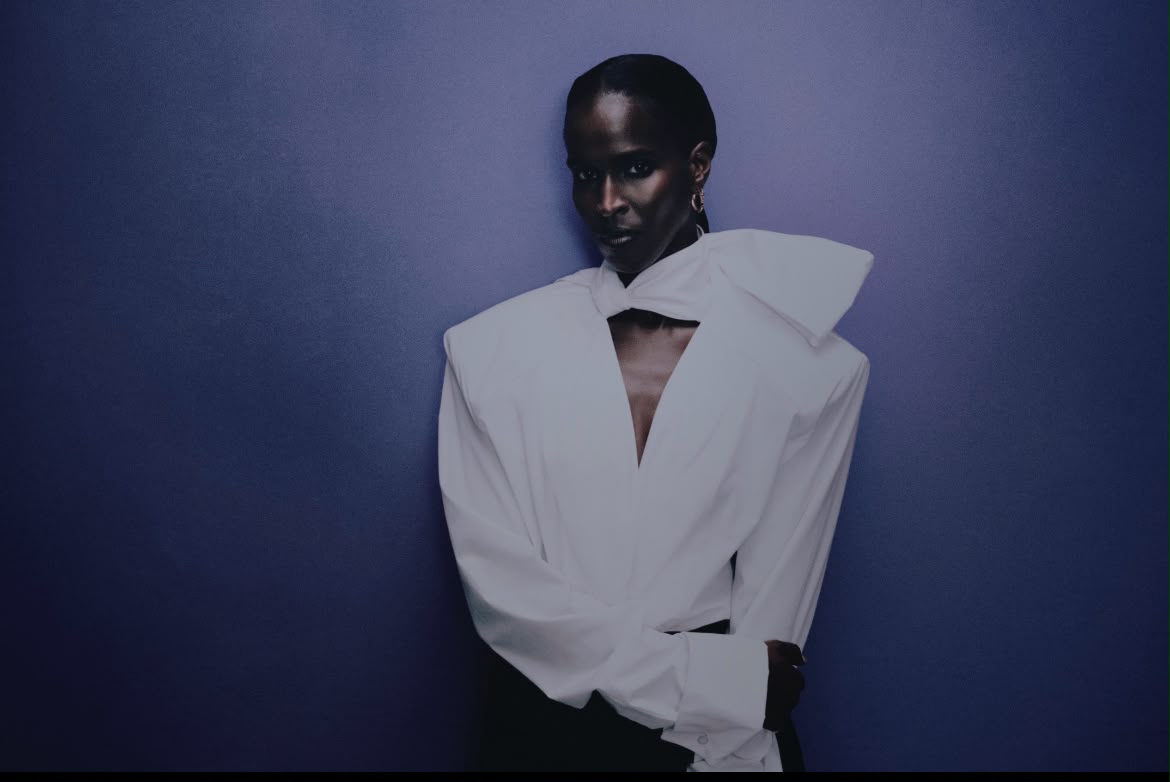
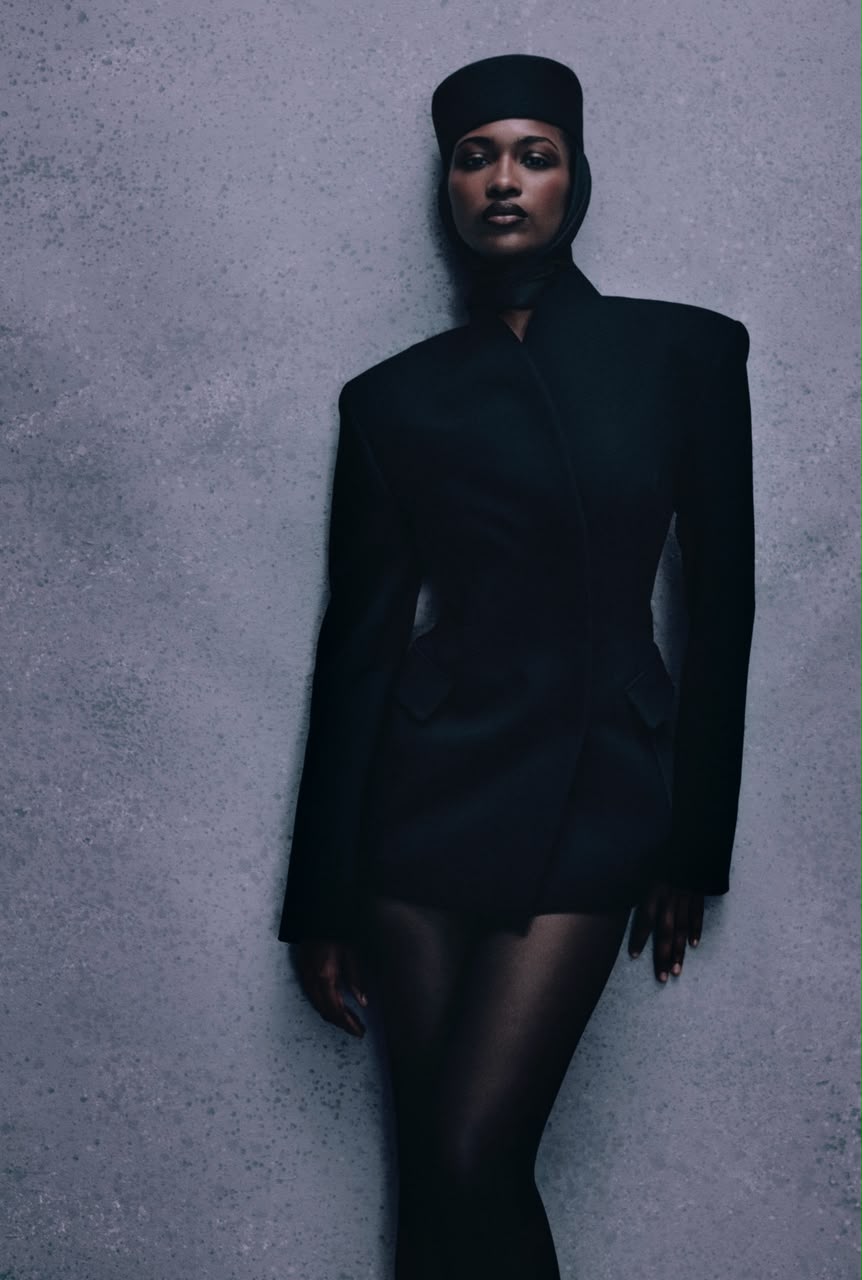
That’s how I thought about TTYA: as a community of girls who have been underrepresented. Instead of saying, "I’m going to work with this high-profile talent," we wanted to work with our community. We put out a casting call on Instagram. We didn’t have strict criteria; we wanted girls who would actually engage with the brand and wear the clothes.

Working across music has been particularly interesting because artists are some of the most powerful brand builders in the world. You quickly learn about storytelling, community identity and creating worlds that people want to participate in. We’ve been selective in defining the TTYA world and why people would want to be interested in it.
As the TTYA community has expanded beyond just clothing, did you see that from the beginning when you started the brand?

Community has always been essential to TTYA. I’m a customer too, so I know my experience isn’t every tall woman’s experience, and for this next chapter, I wanted to make sure we were engaging with people who were actually part of the community. We did a focus group and had over 30 women come into the building and share their real experiences. We listened to their frustrations and looked at their wardrobes and how they were failing them. I’m not just making stuff that I like. I’m making stuff for the consumers, the people who are going to buy the product.

I didn’t want to build a brand that talks at women. I didn’t want to tell you, “This is what you need” or “This is what you should buy.” I wanted to build something that sat alongside them, and I wanted them to feel part of the story and the narrative. That’s why we use the word Lab, because there’s an element of testing. We’re learning. We’re evolving. I’m not going to get everything right, and that’s why I’ve always told the community, I’m not going to make everything at once. Let me start with the foundation pieces, and then we can layer, and we can go on from there.

Everything we’ve evolved isn’t just about fashion. It’s about what it means to be Taller Than Your Average, to be a pioneer in your field, and to care about your community. I started TTYA Talks because, working in a creative industry, I never saw Black women who looked like me where I could really say, “Sis, I’ve got this opportunity. How much shall I be getting? How much shall I charge them? How much should my invoice be?” TTYA Talks started as a safe space for me to speak with peers doing amazing things in this industry, whether it was Vanessa Kingori, the first Black publisher at Condé Nast, or FKA Twigs, who talked about the business of music. We were really keen on how I use my network to show people what we didn’t have.

I’ve learned a lot from the very beginning that, actually, what is your value? What are you bringing to the table, and how do you make sure a partnership works in both sides' best interests? It’s not you bringing your network and making the project amazing while the other person gets all the cultural capital and your brand hasn’t grown. You haven’t got any equity. You’re not gaining any market share. So for me, TTYA: you don’t have to be tall to embody what TTYA means; it’s a mindset. It’s taller than your average in your mindset as well.

Being Nigerian, my parents coming to the UK taught me a lot. It's like we got hustle. Like nothing was given to us. We had to hustle for what we wanted. So TTYA stands for more than just a product. It's actually about a mindset as well.

Going through the podcast talks was almost my way to express and share what I'm learning. This is where my peers are, and these are the people that you could learn from. And in our community, it's always important to share information, and that's where they always get us. We don't talk enough. Everybody wants to say, "Let me keep it here,” or "Let me not, let me not say.” And we've been engineered not to talk about money, and we need to be more about money. Like, says How much pay you for that deal? Let me make sure that when I'm doing mine, it's matching.
You've moved through so many different spaces, from fashion and nightlife to music and building TTYA. How have those experiences shaped how you see your own value, and how important it is to create space for others?

My career hasn't been linear. I've worked across fashion, music, and talent. But when I look back, there's been a very clear thread through all of it. I'm interested in people. I'm interested in culture. I'm interested in creating opportunities where I can. I'm always a firm believer in bringing everyone in and sharing experiences.​​

I've spent a lot of my career advocating for other people's values. TTYA has taught me to advocate for that same confidence in myself. When I look at my career, what connects everything is understanding cultural value. That doesn't go away whether it's fashion, music, culture, or working with this artist or pouring myself into it. As long as your pillars and your values are really clear, there's something special about not feeling like you have to be boxed in.

My career is really interesting. I've never been like, " Oh, I'm only doing this, or I'm only doing this. Naturally, it's been like a progression domino effect. If I didn't work in club life, I wouldn't understand the power of community. If I didn't work the door of a nightclub, I wouldn't understand what it feels like to belong, to be seen, to create a space where people come to have a good time, network, and genuinely love music. Like, working with talent, I wouldn't understand the value, the real importance of how you actually convert that community into commerce, or how you actually genuinely stand on business.

For me, it's always been seeing the value in things that might get overlooked. You know, and advocate for that value. And that's whether that's like making sure that the artists that I work for are getting paid as much as their counterparts, or whether that's for me, building something that I know represents women who should be in a conversation. Why shouldn't tall women be included in a fashion conversation? Again, for me, it's like, what does that look like, and why are we continuously overlooked, and how do we advocate for that? And there's a common denominator there across the different kinds of verticals that I span.

As somebody who has been working in the cultural landscape for a while. Is there a difference between representing a culture and actually building within that culture? Where do you draw that distinction?

The difference between representing culture and actually building culture is that representation is about being visible within something that already exists. When you're building, it's about creating that space. So almost a representation happens within the building. When you're building something, you're creating the visual language, you're creating the community, and giving people something that they can participate in and ultimately feel ownership of.  It's been a big evolution in my career. I've spent years working alongside talent from Wizkid, Burna Boy, and Central Cee, who didn't simply represent culture. They actively shaped what culture became; they influence how people dress, how people speak, how people discover music, how global brands understand their audience-like they're like pioneers in that sense.

When you talk about representation, you're working within that rulebook once it's been created, and that taught me a lot: culture isn't something you can manufacture through marketing campaigns. You have to build the conditions for your community to form around an idea. So even when we look at Gabriel Moses shooting our campaign, that was very important. People may see it and think, "Gabriel Moses- how does he fit with TTYA?”  They're not going to be thinking These are two South Londoners. They're not going to be thinking, "These are two South Londoners." I'm Nigerian as well, and we have so many deep-rooted cultural similarities.

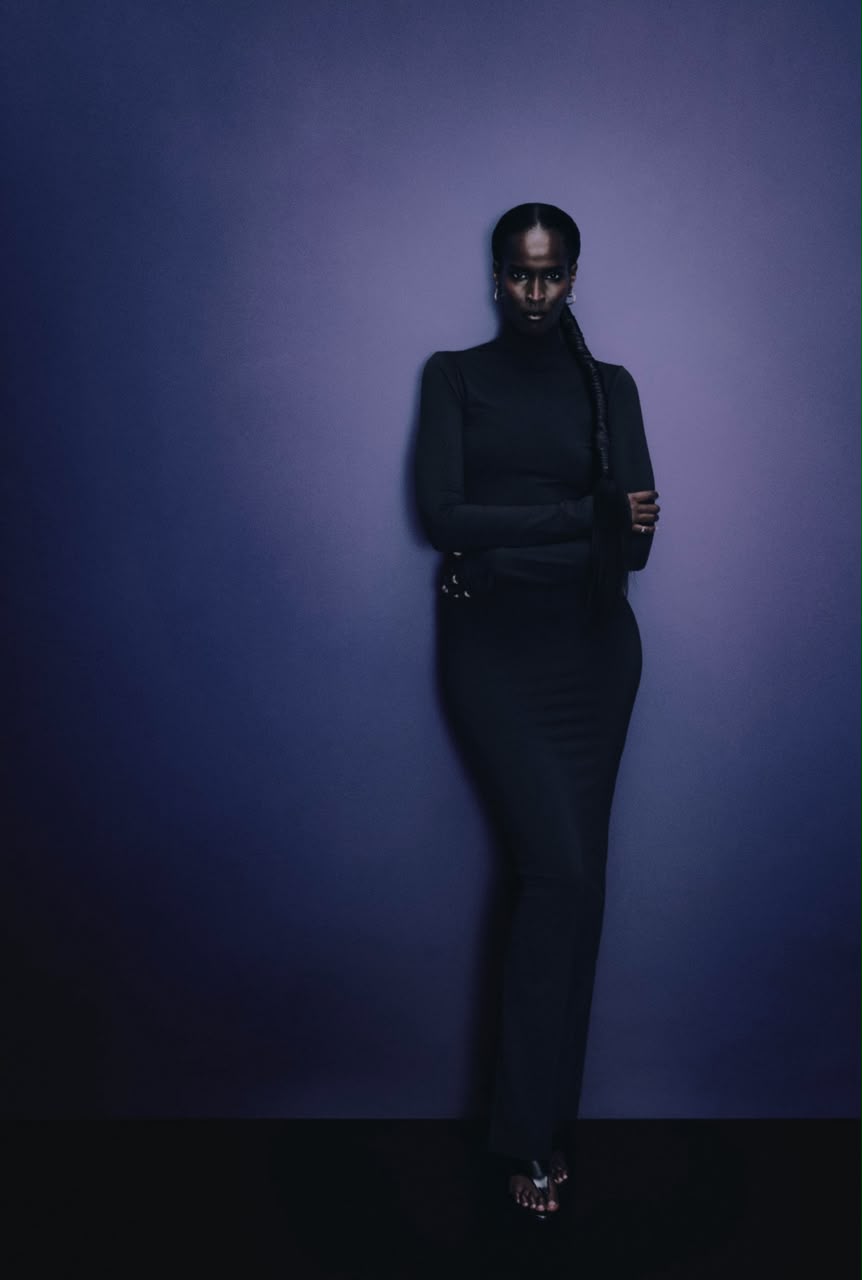
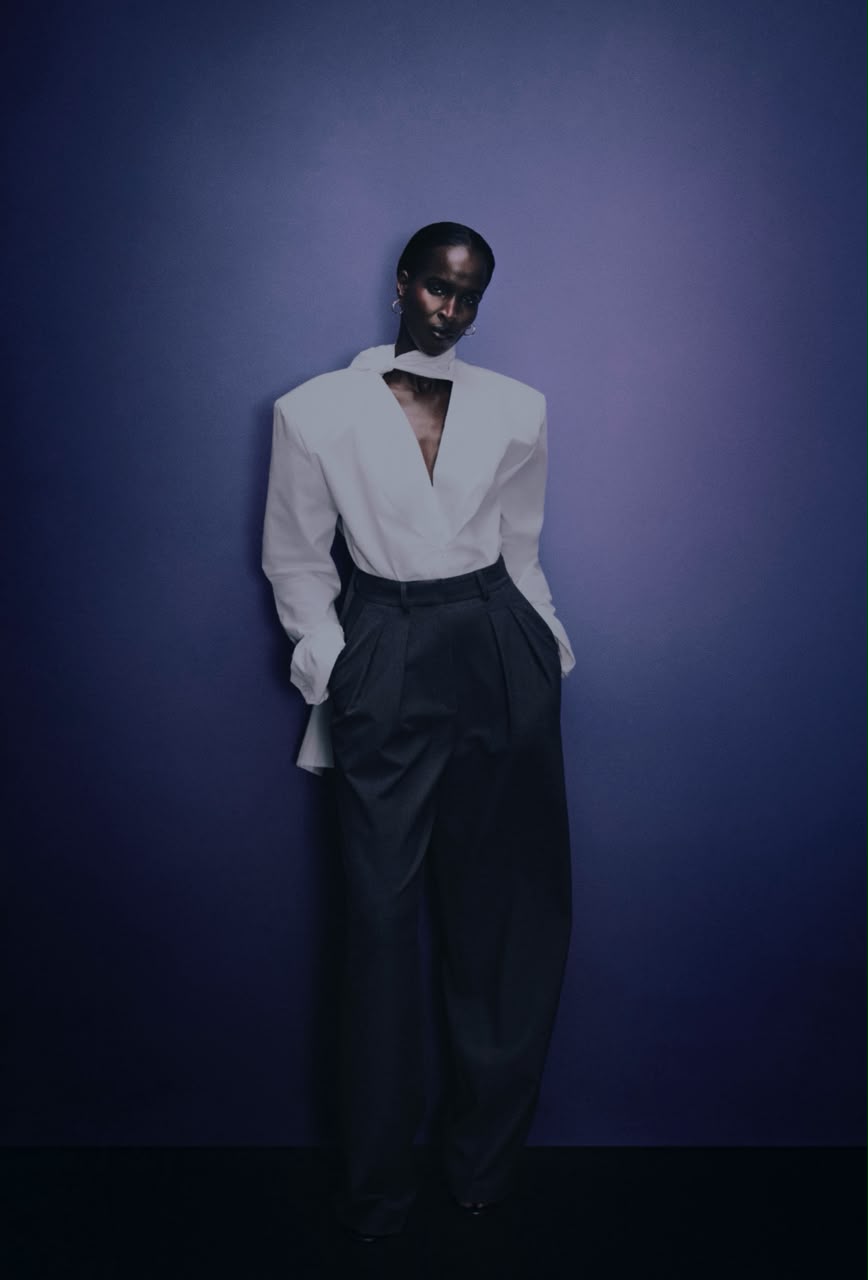
Choosing Gabriel for the campaign was really intentional. For me, Gabriel is one of the most important image makers of this generation, and that choice also felt deeply personal and culturally connected. There's a shared understanding, ambition, and experience of growing up within those different cultural worlds we know as hustle. Gabriel's work has an incredible ability to make people feel monumental, and that's what I wanted for tall girls. This is your time to be seen. His work has beauty, strength, and emotion, and I wanted the TTYA woman to feel that same consideration. You are beautiful, you are strong. We thought about you with intention.
With everything you've learned and gone through, how do youe you feel at this point in your career?

It's been really emotional. If I'm 100% honest, when you've been building something for over a decade, you're not the same person who started it. When I first started TTYA, I was much younger, and I relied heavily on my instincts and lived experience. I knew there was a problem because I was the consumer, but over these 13 years, I've grown as a woman. I've grown as a founder, as an executive. I've travelled the world. I've had so many different experiences, and I've worked across music, fashion, talent, culture. I've built TTYA Talks. I've sat in rooms with some of the most incredible global artists, and I never imagined being there.

I've seen the community. I'm kind of more I’m really homing in on my niche. I've seen the demand. I've lived through the problem, and now I think I've got all of the experience that I can to bring it kind of back again. And I think that's what makes TTY Lab feel different. It's not me trying to recreate something I did 13 years ago. It's taking everything that I've learned within that time and saying, "What did this? What does this idea deserve to become now?”

How do you know when it's time to evolve, and where you are right now and everything that you're building? What are you looking forward to in the next evolution and the next chapter?

You know it's time to evolve when the version of you that created something is no longer the same version of you that's leading it. At some point, you have to be honest enough with yourself to recognise that your vision has expanded beyond you, and if I'm going to be honest, TTYA has expanded beyond me. Like, I couldn't even maintain it. I hated working on the production side. I hated speaking to factories in the Far East at the early hours of the morning, or always being sent to the back of the production line because they had bigger, better brands. So I was always moved to the back, and I didn't enjoy the production.

Even now, with this new evolution of TTYA, I've taken on a manufacturing partner. ASOS are my manufacturing partner. I keep all my brand IP; I keep all my equity. They're coming on the back to, you know, make and design all the work with me on designing all the product. So even that deal within itself, I wouldn't have been able to do that kind of deal 13 years ago. It's experience and everything that I've seen over the years that's allowed me to be like, actually, this is how I know my business can scale. You have the infrastructure to scale. You can come on, and you can help me, you know, have global distribution channels, and you can help me manufacture all of this product to the scale that I need it to be without that huge collateral investment, you know.

The original TTYA was right for who I was at the time, but TTYA Lab reflects the woman, the founder, and the cultural strategist I am today. And the purpose hasn't really changed. Those tall women were there 13 years ago; they're here now. I'm just still advocating for that tall woman. But what has changed is the scale of my ambition. My understanding of the consumer and the tools that I now have to build what's around TTYA- that's the next chapter that I'm excited about walking into.
​

‍

Irene Agbontaen: TTYA Was Always Bigger Than Fashion

Authored by
This is some text inside of a div block.

Thirteen years after launching her first fashion brand, Taller Than Your Average — a label that exclusively caters to tall women — fashion entrepreneur and cultural strategist, Irene Agbontaen, is returning with TTYA Lab, the second chapter in her fashion career evolution. Launched last month during London Fashion Week, TTYA Lab is the label’s official wardrobe system. Together, Agbontaen’s devotion towards an overlooked community continues to manifest with strong ambition. 

TTYA's evolution reflects how far things have come since those early days in the summer of 2013. After more than a decade across fashion, music and entertainment, she returns with a deeper understanding of consumer behaviour, cultural relevance and what it takes to build lasting impact. 

TTYA Lab offers a considered approach to getting dressed, built around versatile foundations, thoughtful design and pieces that work together with the wardrobes women already own.

As a founder, Irene has created space for conversations around creative ambition, representation and the business of culture, drawing on her own experiences and the knowledge of the people around her. From working with music’s most influential artists, including Wizkid, Burna Boy and Central Cee, to building partnerships that recognise cultural value, her career has focused on who gets seen, who gets heard and who benefits. That philosophy informs TTYA Lab, where representation means creating something people can genuinely participate in and feel ownership of.

As TTYA Lab kickstarts its next phase, this writer spoke with Agbontaen for Deeds about the lessons that shaped TTYA's broader return, the importance of building with a community rather than simply marketing to one, and what it means to recognise your own value while making space for others. The mission remains familiar, but the ambition has evolved: TTYA Lab is not an attempt to recreate the past, but a vision for the future of fashion for tall women.

Seneo for Deeds: TTYA has existed for 13 years, and now you've chosen to relaunch it as TTYA Lab. Why did you feel now was the time to bring it back in this new chapter?

TTYA Lab is a wardrobe system for tall women. It comes from my personal experience as a 5’11 woman and my understanding that, historically, fashion hasn't really spoken to women like me. So, I wanted to solve a problem through personal experience, and with TTY Lab, I wanted to move beyond what we can't and into what we can. Tall women are fashion consumers, too. We care about design, proportion, fabrication, and how our wardrobes work for us, just like everybody else.​

The rebrand has evolved a lot. I launched TTYA over 10 years ago, and the first chapter taught me so much about consumers, products and what the market was missing. TTYA is coming back to the same problem with more experience. I’ve spent the last couple of years working at the intersection of fashion, music, culture and brand strategy, and I understand business, consumer and cultural behaviour better now. The value of cultural currency feels different now, and that shapes this chapter.

What has changed in how you have approached things this time around?

I have found that the problem hasn’t really disappeared. A lot has shifted during our break, in that consumers have moved faster than the industry. Women are much more sophisticated in how they build their wardrobes now, and the climate and economy matter too. We want our wardrobes to work smarter, not just spend, spend, spend. I’m a streetwear kid, so you’ll see me wearing a combination of things. People are more conscious about dressing smarter; it’s about rotating the pieces I already have for work, travel, dinner, and everyday wear.

For tall women, there’s still an extra layer of compromise when it comes to finding clothes that work for us. I have to get a men’s double XL shirt and wear it oversized and baggy. We’ve found ways to make it cool, but we’re still compromising. We can’t shop with our friends the way we’re used to without thinking: can I get that length, will the sleeve fit, can I find a shoe in my size? I wanted to take some of that friction away without making the product feel like specialist clothing.

Our whole system is built around rotation, and you’ll see tailoring, jersey, outerwear, and footwear. It’s designed to speak to each other and slot into your existing wardrobe, so you can take one piece and immediately see three or four different ways it can live in your wardrobe.

You've built a career not just in fashion, but across entertainment, music, and ultimately a space that encompasses culture. So what does community and culture mean to you in relation to TTYA?

For me, working at the intersection of fashion and culture, I’m always asking the same question: how do you build something with genuine cultural relevance rather than marketing it to people? You’ll see this in most of the successful campaigns I’ve done, whether it was doing a pop for Wizkid in New York or creating one of the groundbreaking deals with Burna Boy. We’ve always focused on the consumer first and the cultural intersection, rather than being transactional and KPI-based. How do we create stories? How do we engage that artist’s existing community?

That’s how I thought about TTYA: as a community of girls who have been underrepresented. Instead of saying, "I’m going to work with this high-profile talent," we wanted to work with our community. We put out a casting call on Instagram. We didn’t have strict criteria; we wanted girls who would actually engage with the brand and wear the clothes.

Working across music has been particularly interesting because artists are some of the most powerful brand builders in the world. You quickly learn about storytelling, community identity and creating worlds that people want to participate in. We’ve been selective in defining the TTYA world and why people would want to be interested in it.

As the TTYA community has expanded beyond just clothing, did you see that from the beginning when you started the brand?

Community has always been essential to TTYA. I’m a customer too, so I know my experience isn’t every tall woman’s experience, and for this next chapter, I wanted to make sure we were engaging with people who were actually part of the community. We did a focus group and had over 30 women come into the building and share their real experiences. We listened to their frustrations and looked at their wardrobes and how they were failing them. I’m not just making stuff that I like. I’m making stuff for the consumers, the people who are going to buy the product.

I didn’t want to build a brand that talks at women. I didn’t want to tell you, “This is what you need” or “This is what you should buy.” I wanted to build something that sat alongside them, and I wanted them to feel part of the story and the narrative. That’s why we use the word Lab, because there’s an element of testing. We’re learning. We’re evolving. I’m not going to get everything right, and that’s why I’ve always told the community, I’m not going to make everything at once. Let me start with the foundation pieces, and then we can layer, and we can go on from there.

Everything we’ve evolved isn’t just about fashion. It’s about what it means to be Taller Than Your Average, to be a pioneer in your field, and to care about your community. I started TTYA Talks because, working in a creative industry, I never saw Black women who looked like me where I could really say, “Sis, I’ve got this opportunity. How much shall I be getting? How much shall I charge them? How much should my invoice be?” TTYA Talks started as a safe space for me to speak with peers doing amazing things in this industry, whether it was Vanessa Kingori, the first Black publisher at Condé Nast, or FKA Twigs, who talked about the business of music. We were really keen on how I use my network to show people what we didn’t have.

I’ve learned a lot from the very beginning that, actually, what is your value? What are you bringing to the table, and how do you make sure a partnership works in both sides' best interests? It’s not you bringing your network and making the project amazing while the other person gets all the cultural capital and your brand hasn’t grown. You haven’t got any equity. You’re not gaining any market share. So for me, TTYA: you don’t have to be tall to embody what TTYA means; it’s a mindset. It’s taller than your average in your mindset as well.

Being Nigerian, my parents coming to the UK taught me a lot. It's like we got hustle. Like nothing was given to us. We had to hustle for what we wanted. So TTYA stands for more than just a product. It's actually about a mindset as well.

Going through the podcast talks was almost my way to express and share what I'm learning. This is where my peers are, and these are the people that you could learn from. And in our community, it's always important to share information, and that's where they always get us. We don't talk enough. Everybody wants to say, "Let me keep it here,” or "Let me not, let me not say.” And we've been engineered not to talk about money, and we need to be more about money. Like, says How much pay you for that deal? Let me make sure that when I'm doing mine, it's matching.

You've moved through so many different spaces, from fashion and nightlife to music and building TTYA. How have those experiences shaped how you see your own value, and how important it is to create space for others?

My career hasn't been linear. I've worked across fashion, music, and talent. But when I look back, there's been a very clear thread through all of it. I'm interested in people. I'm interested in culture. I'm interested in creating opportunities where I can. I'm always a firm believer in bringing everyone in and sharing experiences.​​

I've spent a lot of my career advocating for other people's values. TTYA has taught me to advocate for that same confidence in myself. When I look at my career, what connects everything is understanding cultural value. That doesn't go away whether it's fashion, music, culture, or working with this artist or pouring myself into it. As long as your pillars and your values are really clear, there's something special about not feeling like you have to be boxed in.

My career is really interesting. I've never been like, " Oh, I'm only doing this, or I'm only doing this. Naturally, it's been like a progression domino effect. If I didn't work in club life, I wouldn't understand the power of community. If I didn't work the door of a nightclub, I wouldn't understand what it feels like to belong, to be seen, to create a space where people come to have a good time, network, and genuinely love music. Like, working with talent, I wouldn't understand the value, the real importance of how you actually convert that community into commerce, or how you actually genuinely stand on business.

For me, it's always been seeing the value in things that might get overlooked. You know, and advocate for that value. And that's whether that's like making sure that the artists that I work for are getting paid as much as their counterparts, or whether that's for me, building something that I know represents women who should be in a conversation. Why shouldn't tall women be included in a fashion conversation? Again, for me, it's like, what does that look like, and why are we continuously overlooked, and how do we advocate for that? And there's a common denominator there across the different kinds of verticals that I span.

As somebody who has been working in the cultural landscape for a while. Is there a difference between representing a culture and actually building within that culture? Where do you draw that distinction?

The difference between representing culture and actually building culture is that representation is about being visible within something that already exists. When you're building, it's about creating that space. So almost a representation happens within the building. When you're building something, you're creating the visual language, you're creating the community, and giving people something that they can participate in and ultimately feel ownership of.  It's been a big evolution in my career. I've spent years working alongside talent from Wizkid, Burna Boy, and Central Cee, who didn't simply represent culture. They actively shaped what culture became; they influence how people dress, how people speak, how people discover music, how global brands understand their audience-like they're like pioneers in that sense.

When you talk about representation, you're working within that rulebook once it's been created, and that taught me a lot: culture isn't something you can manufacture through marketing campaigns. You have to build the conditions for your community to form around an idea. So even when we look at Gabriel Moses shooting our campaign, that was very important. People may see it and think, "Gabriel Moses- how does he fit with TTYA?”  They're not going to be thinking These are two South Londoners. They're not going to be thinking, "These are two South Londoners." I'm Nigerian as well, and we have so many deep-rooted cultural similarities.

Choosing Gabriel for the campaign was really intentional. For me, Gabriel is one of the most important image makers of this generation, and that choice also felt deeply personal and culturally connected. There's a shared understanding, ambition, and experience of growing up within those different cultural worlds we know as hustle. Gabriel's work has an incredible ability to make people feel monumental, and that's what I wanted for tall girls. This is your time to be seen. His work has beauty, strength, and emotion, and I wanted the TTYA woman to feel that same consideration. You are beautiful, you are strong. We thought about you with intention.

With everything you've learned and gone through, how do youe you feel at this point in your career?

It's been really emotional. If I'm 100% honest, when you've been building something for over a decade, you're not the same person who started it. When I first started TTYA, I was much younger, and I relied heavily on my instincts and lived experience. I knew there was a problem because I was the consumer, but over these 13 years, I've grown as a woman. I've grown as a founder, as an executive. I've travelled the world. I've had so many different experiences, and I've worked across music, fashion, talent, culture. I've built TTYA Talks. I've sat in rooms with some of the most incredible global artists, and I never imagined being there.

I've seen the community. I'm kind of more I’m really homing in on my niche. I've seen the demand. I've lived through the problem, and now I think I've got all of the experience that I can to bring it kind of back again. And I think that's what makes TTY Lab feel different. It's not me trying to recreate something I did 13 years ago. It's taking everything that I've learned within that time and saying, "What did this? What does this idea deserve to become now?”

How do you know when it's time to evolve, and where you are right now and everything that you're building? What are you looking forward to in the next evolution and the next chapter?

You know it's time to evolve when the version of you that created something is no longer the same version of you that's leading it. At some point, you have to be honest enough with yourself to recognise that your vision has expanded beyond you, and if I'm going to be honest, TTYA has expanded beyond me. Like, I couldn't even maintain it. I hated working on the production side. I hated speaking to factories in the Far East at the early hours of the morning, or always being sent to the back of the production line because they had bigger, better brands. So I was always moved to the back, and I didn't enjoy the production.

Even now, with this new evolution of TTYA, I've taken on a manufacturing partner. ASOS are my manufacturing partner. I keep all my brand IP; I keep all my equity. They're coming on the back to, you know, make and design all the work with me on designing all the product. So even that deal within itself, I wouldn't have been able to do that kind of deal 13 years ago. It's experience and everything that I've seen over the years that's allowed me to be like, actually, this is how I know my business can scale. You have the infrastructure to scale. You can come on, and you can help me, you know, have global distribution channels, and you can help me manufacture all of this product to the scale that I need it to be without that huge collateral investment, you know.

The original TTYA was right for who I was at the time, but TTYA Lab reflects the woman, the founder, and the cultural strategist I am today. And the purpose hasn't really changed. Those tall women were there 13 years ago; they're here now. I'm just still advocating for that tall woman. But what has changed is the scale of my ambition. My understanding of the consumer and the tools that I now have to build what's around TTYA- that's the next chapter that I'm excited about walking into.
​

‍

This is some text inside of a div block.

Irene Agbontaen: TTYA Was Always Bigger Than Fashion

Authored by

Thirteen years after launching her first fashion brand, Taller Than Your Average — a label that exclusively caters to tall women — fashion entrepreneur and cultural strategist, Irene Agbontaen, is returning with TTYA Lab, the second chapter in her fashion career evolution. Launched last month during London Fashion Week, TTYA Lab is the label’s official wardrobe system. Together, Agbontaen’s devotion towards an overlooked community continues to manifest with strong ambition. 

TTYA's evolution reflects how far things have come since those early days in the summer of 2013. After more than a decade across fashion, music and entertainment, she returns with a deeper understanding of consumer behaviour, cultural relevance and what it takes to build lasting impact. 

TTYA Lab offers a considered approach to getting dressed, built around versatile foundations, thoughtful design and pieces that work together with the wardrobes women already own.

As a founder, Irene has created space for conversations around creative ambition, representation and the business of culture, drawing on her own experiences and the knowledge of the people around her. From working with music’s most influential artists, including Wizkid, Burna Boy and Central Cee, to building partnerships that recognise cultural value, her career has focused on who gets seen, who gets heard and who benefits. That philosophy informs TTYA Lab, where representation means creating something people can genuinely participate in and feel ownership of.

As TTYA Lab kickstarts its next phase, this writer spoke with Agbontaen for Deeds about the lessons that shaped TTYA's broader return, the importance of building with a community rather than simply marketing to one, and what it means to recognise your own value while making space for others. The mission remains familiar, but the ambition has evolved: TTYA Lab is not an attempt to recreate the past, but a vision for the future of fashion for tall women.

Seneo for Deeds: TTYA has existed for 13 years, and now you've chosen to relaunch it as TTYA Lab. Why did you feel now was the time to bring it back in this new chapter?

TTYA Lab is a wardrobe system for tall women. It comes from my personal experience as a 5’11 woman and my understanding that, historically, fashion hasn't really spoken to women like me. So, I wanted to solve a problem through personal experience, and with TTY Lab, I wanted to move beyond what we can't and into what we can. Tall women are fashion consumers, too. We care about design, proportion, fabrication, and how our wardrobes work for us, just like everybody else.​

The rebrand has evolved a lot. I launched TTYA over 10 years ago, and the first chapter taught me so much about consumers, products and what the market was missing. TTYA is coming back to the same problem with more experience. I’ve spent the last couple of years working at the intersection of fashion, music, culture and brand strategy, and I understand business, consumer and cultural behaviour better now. The value of cultural currency feels different now, and that shapes this chapter.

What has changed in how you have approached things this time around?

I have found that the problem hasn’t really disappeared. A lot has shifted during our break, in that consumers have moved faster than the industry. Women are much more sophisticated in how they build their wardrobes now, and the climate and economy matter too. We want our wardrobes to work smarter, not just spend, spend, spend. I’m a streetwear kid, so you’ll see me wearing a combination of things. People are more conscious about dressing smarter; it’s about rotating the pieces I already have for work, travel, dinner, and everyday wear.

For tall women, there’s still an extra layer of compromise when it comes to finding clothes that work for us. I have to get a men’s double XL shirt and wear it oversized and baggy. We’ve found ways to make it cool, but we’re still compromising. We can’t shop with our friends the way we’re used to without thinking: can I get that length, will the sleeve fit, can I find a shoe in my size? I wanted to take some of that friction away without making the product feel like specialist clothing.

Our whole system is built around rotation, and you’ll see tailoring, jersey, outerwear, and footwear. It’s designed to speak to each other and slot into your existing wardrobe, so you can take one piece and immediately see three or four different ways it can live in your wardrobe.

You've built a career not just in fashion, but across entertainment, music, and ultimately a space that encompasses culture. So what does community and culture mean to you in relation to TTYA?

For me, working at the intersection of fashion and culture, I’m always asking the same question: how do you build something with genuine cultural relevance rather than marketing it to people? You’ll see this in most of the successful campaigns I’ve done, whether it was doing a pop for Wizkid in New York or creating one of the groundbreaking deals with Burna Boy. We’ve always focused on the consumer first and the cultural intersection, rather than being transactional and KPI-based. How do we create stories? How do we engage that artist’s existing community?

That’s how I thought about TTYA: as a community of girls who have been underrepresented. Instead of saying, "I’m going to work with this high-profile talent," we wanted to work with our community. We put out a casting call on Instagram. We didn’t have strict criteria; we wanted girls who would actually engage with the brand and wear the clothes.

Working across music has been particularly interesting because artists are some of the most powerful brand builders in the world. You quickly learn about storytelling, community identity and creating worlds that people want to participate in. We’ve been selective in defining the TTYA world and why people would want to be interested in it.

As the TTYA community has expanded beyond just clothing, did you see that from the beginning when you started the brand?

Community has always been essential to TTYA. I’m a customer too, so I know my experience isn’t every tall woman’s experience, and for this next chapter, I wanted to make sure we were engaging with people who were actually part of the community. We did a focus group and had over 30 women come into the building and share their real experiences. We listened to their frustrations and looked at their wardrobes and how they were failing them. I’m not just making stuff that I like. I’m making stuff for the consumers, the people who are going to buy the product.

I didn’t want to build a brand that talks at women. I didn’t want to tell you, “This is what you need” or “This is what you should buy.” I wanted to build something that sat alongside them, and I wanted them to feel part of the story and the narrative. That’s why we use the word Lab, because there’s an element of testing. We’re learning. We’re evolving. I’m not going to get everything right, and that’s why I’ve always told the community, I’m not going to make everything at once. Let me start with the foundation pieces, and then we can layer, and we can go on from there.

Everything we’ve evolved isn’t just about fashion. It’s about what it means to be Taller Than Your Average, to be a pioneer in your field, and to care about your community. I started TTYA Talks because, working in a creative industry, I never saw Black women who looked like me where I could really say, “Sis, I’ve got this opportunity. How much shall I be getting? How much shall I charge them? How much should my invoice be?” TTYA Talks started as a safe space for me to speak with peers doing amazing things in this industry, whether it was Vanessa Kingori, the first Black publisher at Condé Nast, or FKA Twigs, who talked about the business of music. We were really keen on how I use my network to show people what we didn’t have.

I’ve learned a lot from the very beginning that, actually, what is your value? What are you bringing to the table, and how do you make sure a partnership works in both sides' best interests? It’s not you bringing your network and making the project amazing while the other person gets all the cultural capital and your brand hasn’t grown. You haven’t got any equity. You’re not gaining any market share. So for me, TTYA: you don’t have to be tall to embody what TTYA means; it’s a mindset. It’s taller than your average in your mindset as well.

Being Nigerian, my parents coming to the UK taught me a lot. It's like we got hustle. Like nothing was given to us. We had to hustle for what we wanted. So TTYA stands for more than just a product. It's actually about a mindset as well.

Going through the podcast talks was almost my way to express and share what I'm learning. This is where my peers are, and these are the people that you could learn from. And in our community, it's always important to share information, and that's where they always get us. We don't talk enough. Everybody wants to say, "Let me keep it here,” or "Let me not, let me not say.” And we've been engineered not to talk about money, and we need to be more about money. Like, says How much pay you for that deal? Let me make sure that when I'm doing mine, it's matching.

You've moved through so many different spaces, from fashion and nightlife to music and building TTYA. How have those experiences shaped how you see your own value, and how important it is to create space for others?

My career hasn't been linear. I've worked across fashion, music, and talent. But when I look back, there's been a very clear thread through all of it. I'm interested in people. I'm interested in culture. I'm interested in creating opportunities where I can. I'm always a firm believer in bringing everyone in and sharing experiences.​​

I've spent a lot of my career advocating for other people's values. TTYA has taught me to advocate for that same confidence in myself. When I look at my career, what connects everything is understanding cultural value. That doesn't go away whether it's fashion, music, culture, or working with this artist or pouring myself into it. As long as your pillars and your values are really clear, there's something special about not feeling like you have to be boxed in.

My career is really interesting. I've never been like, " Oh, I'm only doing this, or I'm only doing this. Naturally, it's been like a progression domino effect. If I didn't work in club life, I wouldn't understand the power of community. If I didn't work the door of a nightclub, I wouldn't understand what it feels like to belong, to be seen, to create a space where people come to have a good time, network, and genuinely love music. Like, working with talent, I wouldn't understand the value, the real importance of how you actually convert that community into commerce, or how you actually genuinely stand on business.

For me, it's always been seeing the value in things that might get overlooked. You know, and advocate for that value. And that's whether that's like making sure that the artists that I work for are getting paid as much as their counterparts, or whether that's for me, building something that I know represents women who should be in a conversation. Why shouldn't tall women be included in a fashion conversation? Again, for me, it's like, what does that look like, and why are we continuously overlooked, and how do we advocate for that? And there's a common denominator there across the different kinds of verticals that I span.

As somebody who has been working in the cultural landscape for a while. Is there a difference between representing a culture and actually building within that culture? Where do you draw that distinction?

The difference between representing culture and actually building culture is that representation is about being visible within something that already exists. When you're building, it's about creating that space. So almost a representation happens within the building. When you're building something, you're creating the visual language, you're creating the community, and giving people something that they can participate in and ultimately feel ownership of.  It's been a big evolution in my career. I've spent years working alongside talent from Wizkid, Burna Boy, and Central Cee, who didn't simply represent culture. They actively shaped what culture became; they influence how people dress, how people speak, how people discover music, how global brands understand their audience-like they're like pioneers in that sense.

When you talk about representation, you're working within that rulebook once it's been created, and that taught me a lot: culture isn't something you can manufacture through marketing campaigns. You have to build the conditions for your community to form around an idea. So even when we look at Gabriel Moses shooting our campaign, that was very important. People may see it and think, "Gabriel Moses- how does he fit with TTYA?”  They're not going to be thinking These are two South Londoners. They're not going to be thinking, "These are two South Londoners." I'm Nigerian as well, and we have so many deep-rooted cultural similarities.

Choosing Gabriel for the campaign was really intentional. For me, Gabriel is one of the most important image makers of this generation, and that choice also felt deeply personal and culturally connected. There's a shared understanding, ambition, and experience of growing up within those different cultural worlds we know as hustle. Gabriel's work has an incredible ability to make people feel monumental, and that's what I wanted for tall girls. This is your time to be seen. His work has beauty, strength, and emotion, and I wanted the TTYA woman to feel that same consideration. You are beautiful, you are strong. We thought about you with intention.

With everything you've learned and gone through, how do youe you feel at this point in your career?

It's been really emotional. If I'm 100% honest, when you've been building something for over a decade, you're not the same person who started it. When I first started TTYA, I was much younger, and I relied heavily on my instincts and lived experience. I knew there was a problem because I was the consumer, but over these 13 years, I've grown as a woman. I've grown as a founder, as an executive. I've travelled the world. I've had so many different experiences, and I've worked across music, fashion, talent, culture. I've built TTYA Talks. I've sat in rooms with some of the most incredible global artists, and I never imagined being there.

I've seen the community. I'm kind of more I’m really homing in on my niche. I've seen the demand. I've lived through the problem, and now I think I've got all of the experience that I can to bring it kind of back again. And I think that's what makes TTY Lab feel different. It's not me trying to recreate something I did 13 years ago. It's taking everything that I've learned within that time and saying, "What did this? What does this idea deserve to become now?”

How do you know when it's time to evolve, and where you are right now and everything that you're building? What are you looking forward to in the next evolution and the next chapter?

You know it's time to evolve when the version of you that created something is no longer the same version of you that's leading it. At some point, you have to be honest enough with yourself to recognise that your vision has expanded beyond you, and if I'm going to be honest, TTYA has expanded beyond me. Like, I couldn't even maintain it. I hated working on the production side. I hated speaking to factories in the Far East at the early hours of the morning, or always being sent to the back of the production line because they had bigger, better brands. So I was always moved to the back, and I didn't enjoy the production.

Even now, with this new evolution of TTYA, I've taken on a manufacturing partner. ASOS are my manufacturing partner. I keep all my brand IP; I keep all my equity. They're coming on the back to, you know, make and design all the work with me on designing all the product. So even that deal within itself, I wouldn't have been able to do that kind of deal 13 years ago. It's experience and everything that I've seen over the years that's allowed me to be like, actually, this is how I know my business can scale. You have the infrastructure to scale. You can come on, and you can help me, you know, have global distribution channels, and you can help me manufacture all of this product to the scale that I need it to be without that huge collateral investment, you know.

The original TTYA was right for who I was at the time, but TTYA Lab reflects the woman, the founder, and the cultural strategist I am today. And the purpose hasn't really changed. Those tall women were there 13 years ago; they're here now. I'm just still advocating for that tall woman. But what has changed is the scale of my ambition. My understanding of the consumer and the tools that I now have to build what's around TTYA- that's the next chapter that I'm excited about walking into.

​

‍

Other Stories
London
London
Lagos
London
Newyork
London
Shop
Join the community.
You are now subscribed to receive updates.
Oops! Something went wrong while submitting the form.
Subscribe