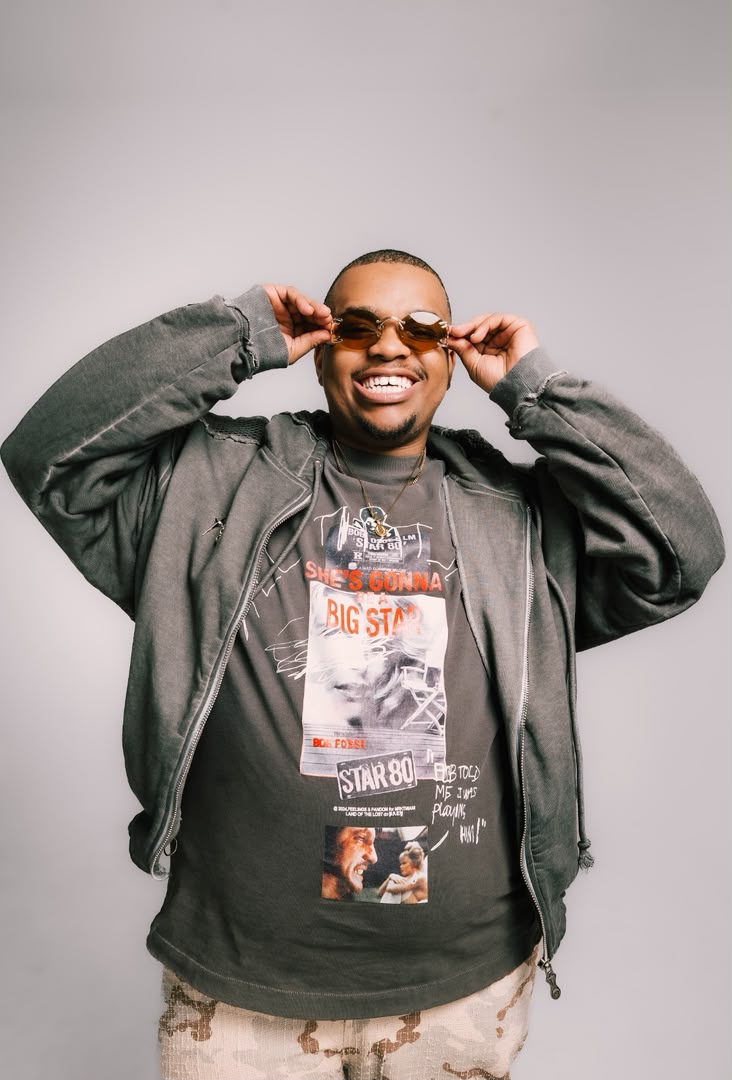
“It’s Time To Grab The Mic”: Uncool MC

Authored by

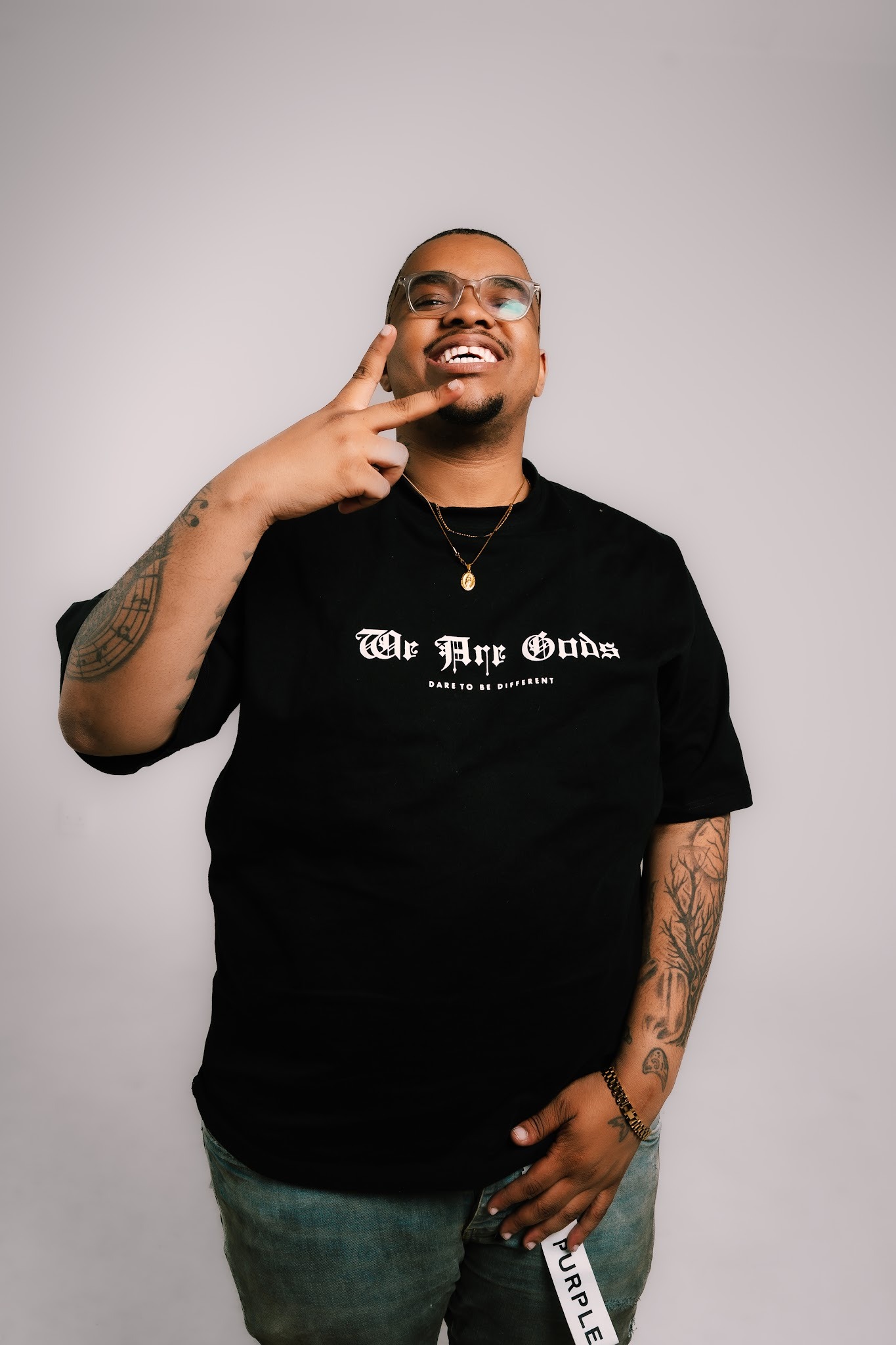
South African Disc Jockey, MC and recording artist Thando Sibeko, professionally known as Uncool MC, has spent years understanding the power of making a moment feel bigger. From Cotton Fest and Piano People to Afro Nation and stages beyond South Africa, the Kwa-Thema native has built a reputation around the kind of presence that can shift a room. Whether behind the decks, at the centre of a crowded dance floor or adding his voice to a record, his role has often been about amplifying the energy around him.

But being part of everyone else’s moment, sometimes, could be limiting. Eventually, there comes a point when you have to create one of your own. With Sesikude, his seven-track debut extended playlist, Uncool MC shifts that focus. The project gives him room to explore what happens when the person used to driving the energy around him becomes the centre of it. Rather than leaving behind the role that made him known, the EP expands it, allowing the voice audiences already recognise to carry something more personal. After years of performances and collaborations, he now has a body of work that belongs entirely to him. 

Uncool MC spoke with Deeds about Sesikude, the journey behind it, and what it means to finally take the mic for himself.

Stanley for DEEDS: For anyone reading this and discovering you for the first time, how would you introduce yourself and your music?

I'm Uncool MC, born Thando Sibeko, an MC, DJ and now recording artist from Kwa-Thema on the East Rand of Johannesburg. My sound lives inside Amapiano, but it carries a lot of energy, log drum and vocal chants with that Private School Amapiano flavour mixed in. If you're meeting me for the first time, know that before I was ever an artist, I was the guy behind the mic making sure everybody else's moment felt bigger. Now I'm finally stepping forward to tell my own story through music.

You started out as a DJ before becoming an MC, and now you’re stepping into your own as a recording artist. What first pulled you towards performing, and when did you start feeling like this could actually become a career for you?

Honestly, it started with the energy of being on stage and watching people react to sound in real time. I started as a DJ, and there's something about controlling a room through music that pulled me in early. MCing came after, and that's when I really understood the power of connecting with a crowd directly, not just through the music but through my voice and presence. I started feeling like this could be a career once I saw how consistently people responded to that energy, when the bookings kept coming and the stages kept getting bigger, that's when it clicked that this wasn't just passion, it was a path.

You’re from the East of Johannesburg. How did growing up there shape your relationship with music and entertainment? Are there any memories from that time that you still think about when you’re performing today?

Kwa-Thema shaped everything about how I move through music. Growing up there, music wasn't just entertainment, it was community, it was how people gathered, celebrated and got through hard times. Those memories of home are still with me every time I perform, there's a specific energy from where I'm from that I try to bring into every set and every song, that East Rand spirit of resilience and good time no matter what.
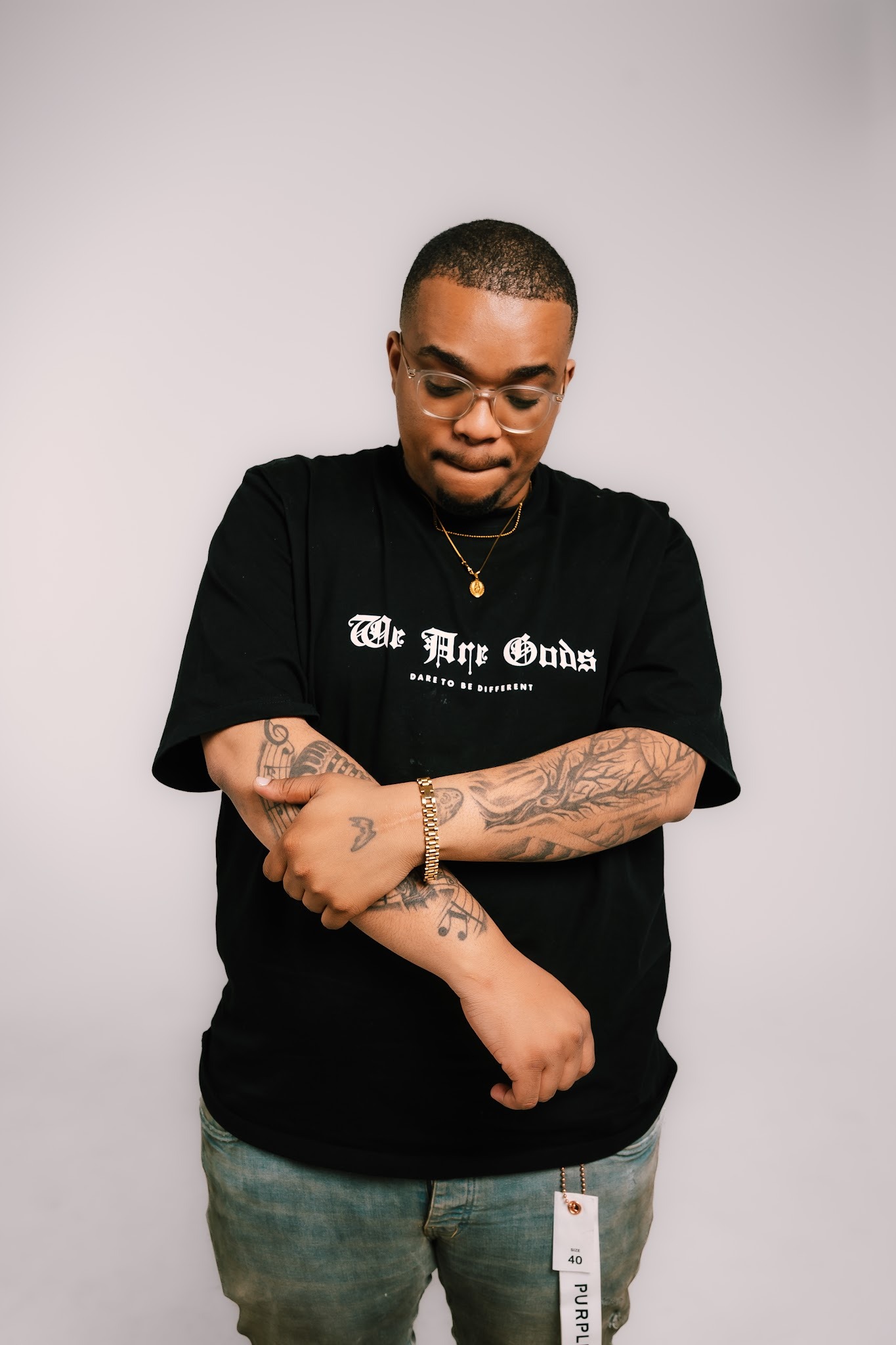
Courtesy of Uncool MC

Being an MC is really about knowing how to read a room – knowing when to speak, when to let the music breathe and when to turn things all the way up. How did you learn that? Was it something that came naturally to you, or did you have to figure it out through experience?

That's a skill I had to earn through experience, there's no shortcut for it. You learn it by being in front of hundreds of different crowds in hundreds of different moods, and over time you start to feel the shifts before they even happen. Knowing when to hype it up and when to let the music speak for itself, that comes from years of trial and error, paying attention, and genuinely caring about giving people the best possible moment.

You’ve spent a lot of time helping bring other people’s records to life, from “Bula Nthweo” to “Sela” and “oTsotsi.” When did you start thinking, I want to make music that’s mine too? And did stepping into that role feel strange at first?

Working on records like "Bula Nthweo," "Sela" and "oTsotsi" taught me a lot about myself as an artist, even though I wasn't the lead voice on those projects. Through those years of collaboration, I started identifying the elements of myself, my energy, my strengths, that I knew could stand on their own. It did feel strange at first stepping into that spotlight directly, because for so long my role was to elevate other people's work. But once I made that decision, it felt like the most natural next step in my journey.

“Setla” feels like a celebration of growth and how far you’ve come. As the first taste of Sesikude, what did you want the song to say about where you are in your life and career right now?

"Setla" is about celebrating life, growth and how far I've come, and when I think about where I started compared to now, what surprises me most is the sheer distance travelled, from Kwa-Thema to stages like Cotton Fest, Afro Nation and performing on international stages. What I didn't expect was how much the journey itself would become the message. I didn't set out thinking I'd be telling my own story, but here we are.

You’re now preparing to release Sesikude, your first solo EP. What does the title mean to you, and what kind of story does the project tell about where you’ve been and where you’re going?

"Sesikude," which means "we have come far," is officially out now, a seven-track project that takes listeners from my childhood in Kwa-Thema through to building relationships in the industry and travelling the world through my craft. It didn't change drastically from what I imagined, if anything it became more personal than I originally planned. The more I worked on it, the more I wanted it to be an honest reflection of my journey rather than just a collection of records.
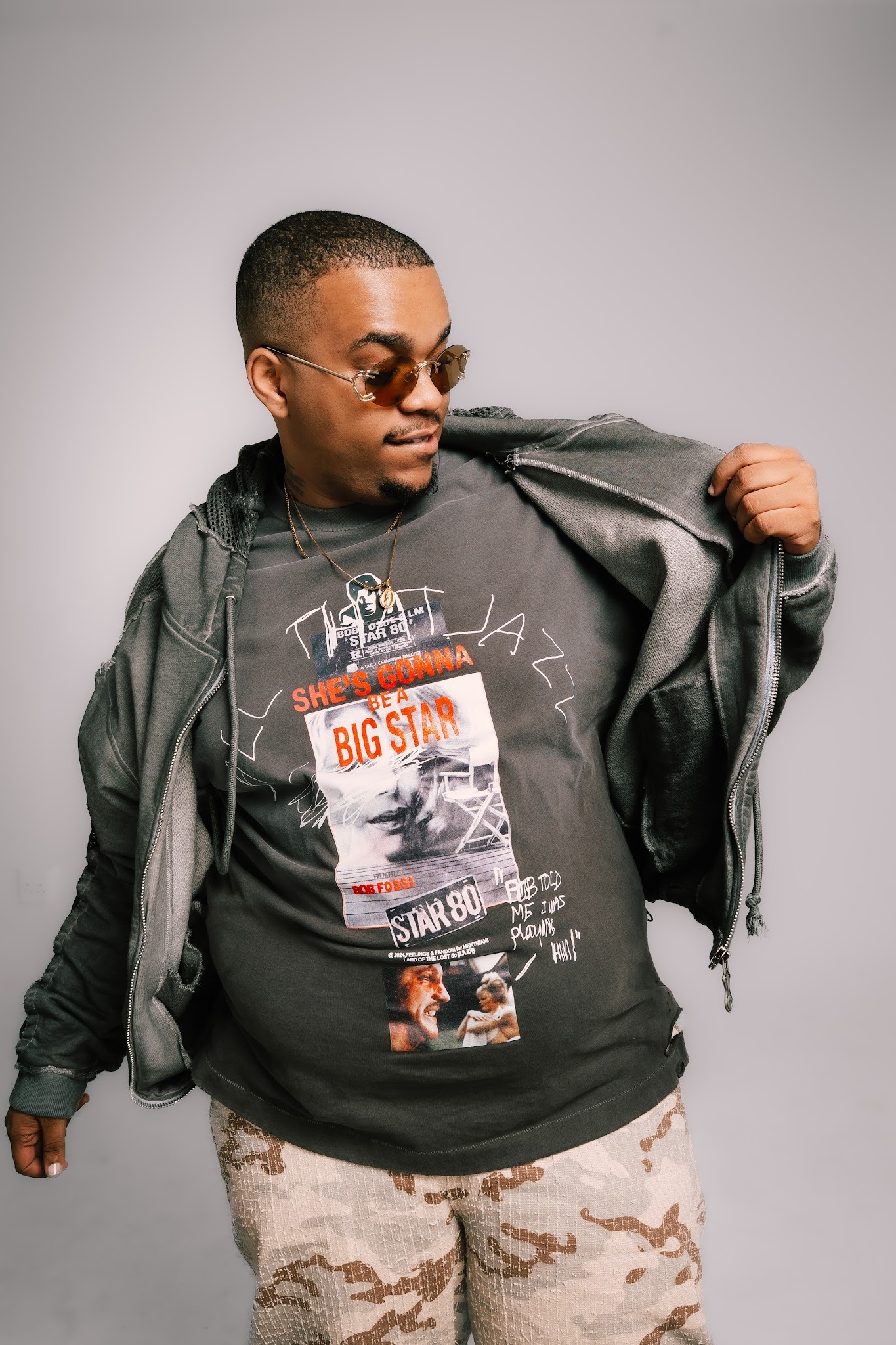
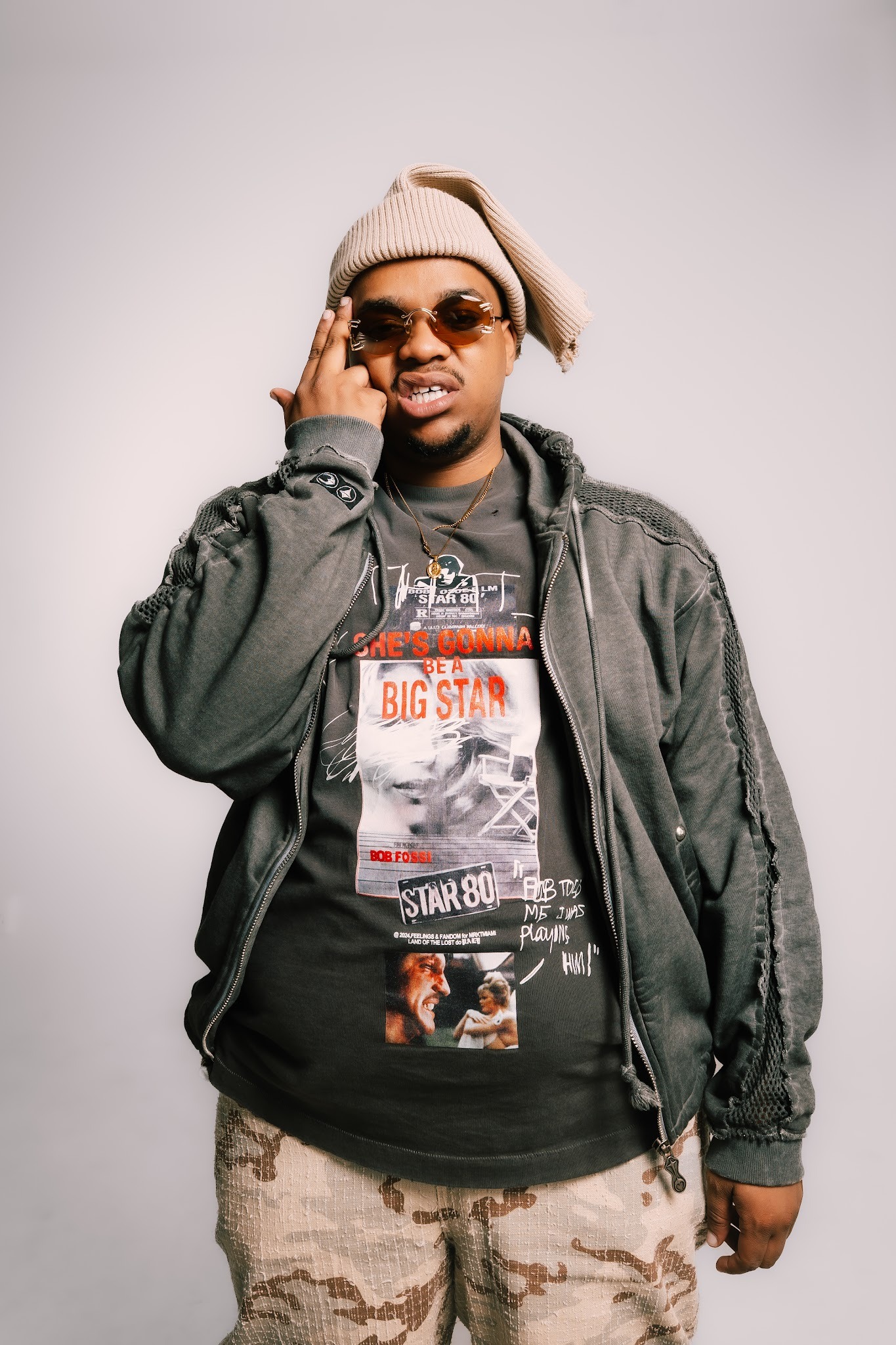
Photos Courtesy of Uncool MC

You’ve already had a taste of what it means to have a huge audience through your collaborations, with more than 140M Spotify streams across your catalogue. What was it like making a project where the focus is entirely on you? Did that change how you approached the music?

Passing 140 million Spotify streams and reaching over 1.4 million monthly listeners has changed a lot behind the scenes, bigger opportunities, more international conversations, and a real responsibility that comes with that reach. It's made me think more intentionally about my music and my career, I'm no longer just making a record for a weekend, I'm building something that has to connect across different audiences and different cultures, and that pushes me to be better with every release.
Photos Courtesy of Uncool MC

Amapiano has changed so much since you first came into the scene, and now you’re performing it for audiences around the world. From your perspective, what do people outside South Africa get about Amapiano, and what do you think they sometimes miss?

What people outside South Africa get right about Amapiano is the feeling, the groove, the log drum, that infectious energy that makes you move without even trying. What they sometimes miss is the culture and the storytelling behind it, where it comes from, the townships and communities that built this sound from the ground up. Amapiano isn't just a genre, it's a way of life back home, and I try to bring that context with me wherever I perform it in the world.

Having spent years being the person behind the microphone who gets everyone else moving, and now you’re asking people to listen to you as an artist in your own right. What are you hoping people discover about Uncool MC through Sesikude that they might not have seen before?

After years of being the voice that gets everyone else moving, I want people to see the person behind that energy now. I want them to understand my own story, my resilience, my growth, and the positivity and consistency that got me here. This next chapter isn't about abandoning who I was as an MC, it's about showing there's a whole artist and human being behind that microphone who has his own journey worth listening to.

Cover Image: Courtesy of Uncool MC
‍

“It’s Time To Grab The Mic”: Uncool MC

Authored by
This is some text inside of a div block.

South African Disc Jockey, MC and recording artist Thando Sibeko, professionally known as Uncool MC, has spent years understanding the power of making a moment feel bigger. From Cotton Fest and Piano People to Afro Nation and stages beyond South Africa, the Kwa-Thema native has built a reputation around the kind of presence that can shift a room. Whether behind the decks, at the centre of a crowded dance floor or adding his voice to a record, his role has often been about amplifying the energy around him.

But being part of everyone else’s moment, sometimes, could be limiting. Eventually, there comes a point when you have to create one of your own. With Sesikude, his seven-track debut extended playlist, Uncool MC shifts that focus. The project gives him room to explore what happens when the person used to driving the energy around him becomes the centre of it. Rather than leaving behind the role that made him known, the EP expands it, allowing the voice audiences already recognise to carry something more personal. After years of performances and collaborations, he now has a body of work that belongs entirely to him. 

Uncool MC spoke with Deeds about Sesikude, the journey behind it, and what it means to finally take the mic for himself.

Stanley for DEEDS: For anyone reading this and discovering you for the first time, how would you introduce yourself and your music?

I'm Uncool MC, born Thando Sibeko, an MC, DJ and now recording artist from Kwa-Thema on the East Rand of Johannesburg. My sound lives inside Amapiano, but it carries a lot of energy, log drum and vocal chants with that Private School Amapiano flavour mixed in. If you're meeting me for the first time, know that before I was ever an artist, I was the guy behind the mic making sure everybody else's moment felt bigger. Now I'm finally stepping forward to tell my own story through music.

You started out as a DJ before becoming an MC, and now you’re stepping into your own as a recording artist. What first pulled you towards performing, and when did you start feeling like this could actually become a career for you?

Honestly, it started with the energy of being on stage and watching people react to sound in real time. I started as a DJ, and there's something about controlling a room through music that pulled me in early. MCing came after, and that's when I really understood the power of connecting with a crowd directly, not just through the music but through my voice and presence. I started feeling like this could be a career once I saw how consistently people responded to that energy, when the bookings kept coming and the stages kept getting bigger, that's when it clicked that this wasn't just passion, it was a path.

You’re from the East of Johannesburg. How did growing up there shape your relationship with music and entertainment? Are there any memories from that time that you still think about when you’re performing today?

Kwa-Thema shaped everything about how I move through music. Growing up there, music wasn't just entertainment, it was community, it was how people gathered, celebrated and got through hard times. Those memories of home are still with me every time I perform, there's a specific energy from where I'm from that I try to bring into every set and every song, that East Rand spirit of resilience and good time no matter what.

Courtesy of Uncool MC

Being an MC is really about knowing how to read a room – knowing when to speak, when to let the music breathe and when to turn things all the way up. How did you learn that? Was it something that came naturally to you, or did you have to figure it out through experience?

That's a skill I had to earn through experience, there's no shortcut for it. You learn it by being in front of hundreds of different crowds in hundreds of different moods, and over time you start to feel the shifts before they even happen. Knowing when to hype it up and when to let the music speak for itself, that comes from years of trial and error, paying attention, and genuinely caring about giving people the best possible moment.

You’ve spent a lot of time helping bring other people’s records to life, from “Bula Nthweo” to “Sela” and “oTsotsi.” When did you start thinking, I want to make music that’s mine too? And did stepping into that role feel strange at first?

Working on records like "Bula Nthweo," "Sela" and "oTsotsi" taught me a lot about myself as an artist, even though I wasn't the lead voice on those projects. Through those years of collaboration, I started identifying the elements of myself, my energy, my strengths, that I knew could stand on their own. It did feel strange at first stepping into that spotlight directly, because for so long my role was to elevate other people's work. But once I made that decision, it felt like the most natural next step in my journey.

“Setla” feels like a celebration of growth and how far you’ve come. As the first taste of Sesikude, what did you want the song to say about where you are in your life and career right now?

"Setla" is about celebrating life, growth and how far I've come, and when I think about where I started compared to now, what surprises me most is the sheer distance travelled, from Kwa-Thema to stages like Cotton Fest, Afro Nation and performing on international stages. What I didn't expect was how much the journey itself would become the message. I didn't set out thinking I'd be telling my own story, but here we are.

You’re now preparing to release Sesikude, your first solo EP. What does the title mean to you, and what kind of story does the project tell about where you’ve been and where you’re going?

"Sesikude," which means "we have come far," is officially out now, a seven-track project that takes listeners from my childhood in Kwa-Thema through to building relationships in the industry and travelling the world through my craft. It didn't change drastically from what I imagined, if anything it became more personal than I originally planned. The more I worked on it, the more I wanted it to be an honest reflection of my journey rather than just a collection of records.

Photos Courtesy of Uncool MC

You’ve already had a taste of what it means to have a huge audience through your collaborations, with more than 140M Spotify streams across your catalogue. What was it like making a project where the focus is entirely on you? Did that change how you approached the music?

Passing 140 million Spotify streams and reaching over 1.4 million monthly listeners has changed a lot behind the scenes, bigger opportunities, more international conversations, and a real responsibility that comes with that reach. It's made me think more intentionally about my music and my career, I'm no longer just making a record for a weekend, I'm building something that has to connect across different audiences and different cultures, and that pushes me to be better with every release.

Photos Courtesy of Uncool MC

Amapiano has changed so much since you first came into the scene, and now you’re performing it for audiences around the world. From your perspective, what do people outside South Africa get about Amapiano, and what do you think they sometimes miss?

What people outside South Africa get right about Amapiano is the feeling, the groove, the log drum, that infectious energy that makes you move without even trying. What they sometimes miss is the culture and the storytelling behind it, where it comes from, the townships and communities that built this sound from the ground up. Amapiano isn't just a genre, it's a way of life back home, and I try to bring that context with me wherever I perform it in the world.

Having spent years being the person behind the microphone who gets everyone else moving, and now you’re asking people to listen to you as an artist in your own right. What are you hoping people discover about Uncool MC through Sesikude that they might not have seen before?

After years of being the voice that gets everyone else moving, I want people to see the person behind that energy now. I want them to understand my own story, my resilience, my growth, and the positivity and consistency that got me here. This next chapter isn't about abandoning who I was as an MC, it's about showing there's a whole artist and human being behind that microphone who has his own journey worth listening to.

Cover Image: Courtesy of Uncool MC
‍

This is some text inside of a div block.

“It’s Time To Grab The Mic”: Uncool MC

Authored by

South African Disc Jockey, MC and recording artist Thando Sibeko, professionally known as Uncool MC, has spent years understanding the power of making a moment feel bigger. From Cotton Fest and Piano People to Afro Nation and stages beyond South Africa, the Kwa-Thema native has built a reputation around the kind of presence that can shift a room. Whether behind the decks, at the centre of a crowded dance floor or adding his voice to a record, his role has often been about amplifying the energy around him.

But being part of everyone else’s moment, sometimes, could be limiting. Eventually, there comes a point when you have to create one of your own. With Sesikude, his seven-track debut extended playlist, Uncool MC shifts that focus. The project gives him room to explore what happens when the person used to driving the energy around him becomes the centre of it. Rather than leaving behind the role that made him known, the EP expands it, allowing the voice audiences already recognise to carry something more personal. After years of performances and collaborations, he now has a body of work that belongs entirely to him. 

Uncool MC spoke with Deeds about Sesikude, the journey behind it, and what it means to finally take the mic for himself.

Stanley for DEEDS: For anyone reading this and discovering you for the first time, how would you introduce yourself and your music?

I'm Uncool MC, born Thando Sibeko, an MC, DJ and now recording artist from Kwa-Thema on the East Rand of Johannesburg. My sound lives inside Amapiano, but it carries a lot of energy, log drum and vocal chants with that Private School Amapiano flavour mixed in. If you're meeting me for the first time, know that before I was ever an artist, I was the guy behind the mic making sure everybody else's moment felt bigger. Now I'm finally stepping forward to tell my own story through music.

You started out as a DJ before becoming an MC, and now you’re stepping into your own as a recording artist. What first pulled you towards performing, and when did you start feeling like this could actually become a career for you?

Honestly, it started with the energy of being on stage and watching people react to sound in real time. I started as a DJ, and there's something about controlling a room through music that pulled me in early. MCing came after, and that's when I really understood the power of connecting with a crowd directly, not just through the music but through my voice and presence. I started feeling like this could be a career once I saw how consistently people responded to that energy, when the bookings kept coming and the stages kept getting bigger, that's when it clicked that this wasn't just passion, it was a path.

You’re from the East of Johannesburg. How did growing up there shape your relationship with music and entertainment? Are there any memories from that time that you still think about when you’re performing today?

Kwa-Thema shaped everything about how I move through music. Growing up there, music wasn't just entertainment, it was community, it was how people gathered, celebrated and got through hard times. Those memories of home are still with me every time I perform, there's a specific energy from where I'm from that I try to bring into every set and every song, that East Rand spirit of resilience and good time no matter what.

Courtesy of Uncool MC

Being an MC is really about knowing how to read a room – knowing when to speak, when to let the music breathe and when to turn things all the way up. How did you learn that? Was it something that came naturally to you, or did you have to figure it out through experience?

That's a skill I had to earn through experience, there's no shortcut for it. You learn it by being in front of hundreds of different crowds in hundreds of different moods, and over time you start to feel the shifts before they even happen. Knowing when to hype it up and when to let the music speak for itself, that comes from years of trial and error, paying attention, and genuinely caring about giving people the best possible moment.

You’ve spent a lot of time helping bring other people’s records to life, from “Bula Nthweo” to “Sela” and “oTsotsi.” When did you start thinking, I want to make music that’s mine too? And did stepping into that role feel strange at first?

Working on records like "Bula Nthweo," "Sela" and "oTsotsi" taught me a lot about myself as an artist, even though I wasn't the lead voice on those projects. Through those years of collaboration, I started identifying the elements of myself, my energy, my strengths, that I knew could stand on their own. It did feel strange at first stepping into that spotlight directly, because for so long my role was to elevate other people's work. But once I made that decision, it felt like the most natural next step in my journey.

“Setla” feels like a celebration of growth and how far you’ve come. As the first taste of Sesikude, what did you want the song to say about where you are in your life and career right now?

"Setla" is about celebrating life, growth and how far I've come, and when I think about where I started compared to now, what surprises me most is the sheer distance travelled, from Kwa-Thema to stages like Cotton Fest, Afro Nation and performing on international stages. What I didn't expect was how much the journey itself would become the message. I didn't set out thinking I'd be telling my own story, but here we are.

You’re now preparing to release Sesikude, your first solo EP. What does the title mean to you, and what kind of story does the project tell about where you’ve been and where you’re going?

"Sesikude," which means "we have come far," is officially out now, a seven-track project that takes listeners from my childhood in Kwa-Thema through to building relationships in the industry and travelling the world through my craft. It didn't change drastically from what I imagined, if anything it became more personal than I originally planned. The more I worked on it, the more I wanted it to be an honest reflection of my journey rather than just a collection of records.

Photos Courtesy of Uncool MC

You’ve already had a taste of what it means to have a huge audience through your collaborations, with more than 140M Spotify streams across your catalogue. What was it like making a project where the focus is entirely on you? Did that change how you approached the music?

Passing 140 million Spotify streams and reaching over 1.4 million monthly listeners has changed a lot behind the scenes, bigger opportunities, more international conversations, and a real responsibility that comes with that reach. It's made me think more intentionally about my music and my career, I'm no longer just making a record for a weekend, I'm building something that has to connect across different audiences and different cultures, and that pushes me to be better with every release.

Photos Courtesy of Uncool MC

Amapiano has changed so much since you first came into the scene, and now you’re performing it for audiences around the world. From your perspective, what do people outside South Africa get about Amapiano, and what do you think they sometimes miss?

What people outside South Africa get right about Amapiano is the feeling, the groove, the log drum, that infectious energy that makes you move without even trying. What they sometimes miss is the culture and the storytelling behind it, where it comes from, the townships and communities that built this sound from the ground up. Amapiano isn't just a genre, it's a way of life back home, and I try to bring that context with me wherever I perform it in the world.

Having spent years being the person behind the microphone who gets everyone else moving, and now you’re asking people to listen to you as an artist in your own right. What are you hoping people discover about Uncool MC through Sesikude that they might not have seen before?

After years of being the voice that gets everyone else moving, I want people to see the person behind that energy now. I want them to understand my own story, my resilience, my growth, and the positivity and consistency that got me here. This next chapter isn't about abandoning who I was as an MC, it's about showing there's a whole artist and human being behind that microphone who has his own journey worth listening to.

Cover Image: Courtesy of Uncool MC
‍

Other Stories
London
London
Lagos
London
Newyork
London
Shop
Join the community.
You are now subscribed to receive updates.
Oops! Something went wrong while submitting the form.
Subscribe